
Scope and cut list
The one journey we build now, the features that wait, and the assumption each one tests.

MVP development services for founders: scope cut to one journey, a prototype tested with users, then a web or mobile MVP. From $1,200.
2weeks
To a testable prototype
100%
Core flows tested with users
Teams we have built for:













The Problem
Your first product is unlikely to fail on code. The real risk is a build that keeps growing before anyone outside your team tries it, while your budget runs out.
01 · Scope creep
Your must-have list grew every week of planning.
Scope gets cut to the one journey that proves your idea.
02 · Late builds
A build quoted at 3 months is now in month 5.
You launch in weeks and plan the next phase from evidence.
03 · Untested features
Nobody outside your team has touched any of it.
Users click through a prototype before you pay for code.
04 · Rougher rivals
A rougher competitor launched first and is learning from users.
Analytics run from launch day, so you see what people actually do.
Your must-have list grew every week of planning. The build was quoted at 3 months and is now in month 5. Sign-up, payments, a dashboard, and team invites all made the cut, but nobody outside your team has touched any of it. A competitor launched something rougher and is already learning from users. When your MVP finally ships, you find out which features mattered the expensive way.
We start by cutting the scope to the one journey that proves your idea, then you test it as a clickable prototype with real users before any code. Only what survives the tests gets built, on a stack that can grow. You launch in weeks, measure what people do, and plan the next phase from evidence, not from the original wishlist.
The core journey goes first
The single path that proves your idea gets built first, and everything else waits.
Tested before it's built
Users click through a prototype, so weak features get cut before you pay for code.
Code you keep building on
A standard stack and clean structure, so traction doesn't trigger a rewrite.
Our MVP Build Process
Each step ends with a decision you make on evidence. Our MVP software development services cover what to build, what to cut, and what to test next.
On a free call, we map the problem, your first users, and the assumption your MVP must test. You get a cut list: the one journey we build now and everything that waits.
What's Included
What a first version needs to meet real users, and nothing more. You get a cut list, a tested prototype, the build, analytics, and a next-phase plan.
Compare Options
No-code is the cheapest way to check demand. A full build suits proven ideas with budget, and here is how each handles your first version.
| Feature | DeveloperLookBest fit | No-code | Complete build |
|---|---|---|---|
| Time to first users | 8 to 12 weeks | Days, the fastest | Many months |
| Upfront cost | From $1,200 | Cheapest to start | Highest |
| User tests before build | Built into the process | Up to you | Rarely before build |
| Custom logic | Any logic you need | Limited by the platform | Any logic you need |
| Unused features | Cut before code | Cheap to change | Paid for up front |
| Path after traction | Same codebase grows | Often a rebuild | Already built to scale |
| Code ownership | You own it | Platform holds it | You own it |
| Best for | Testing a real product idea | Quick demand checks | Proven demand and budget |
Projects We've Built
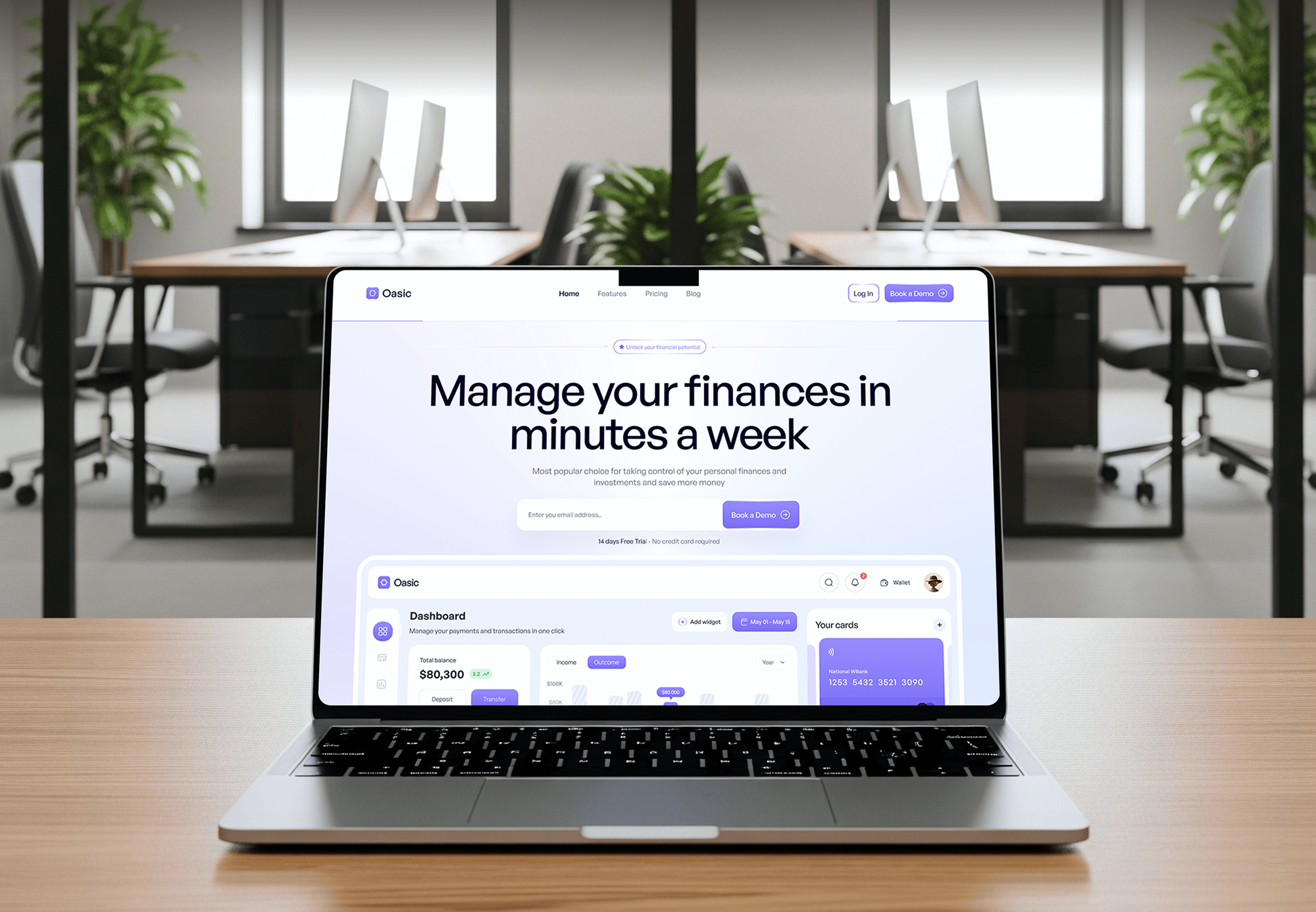
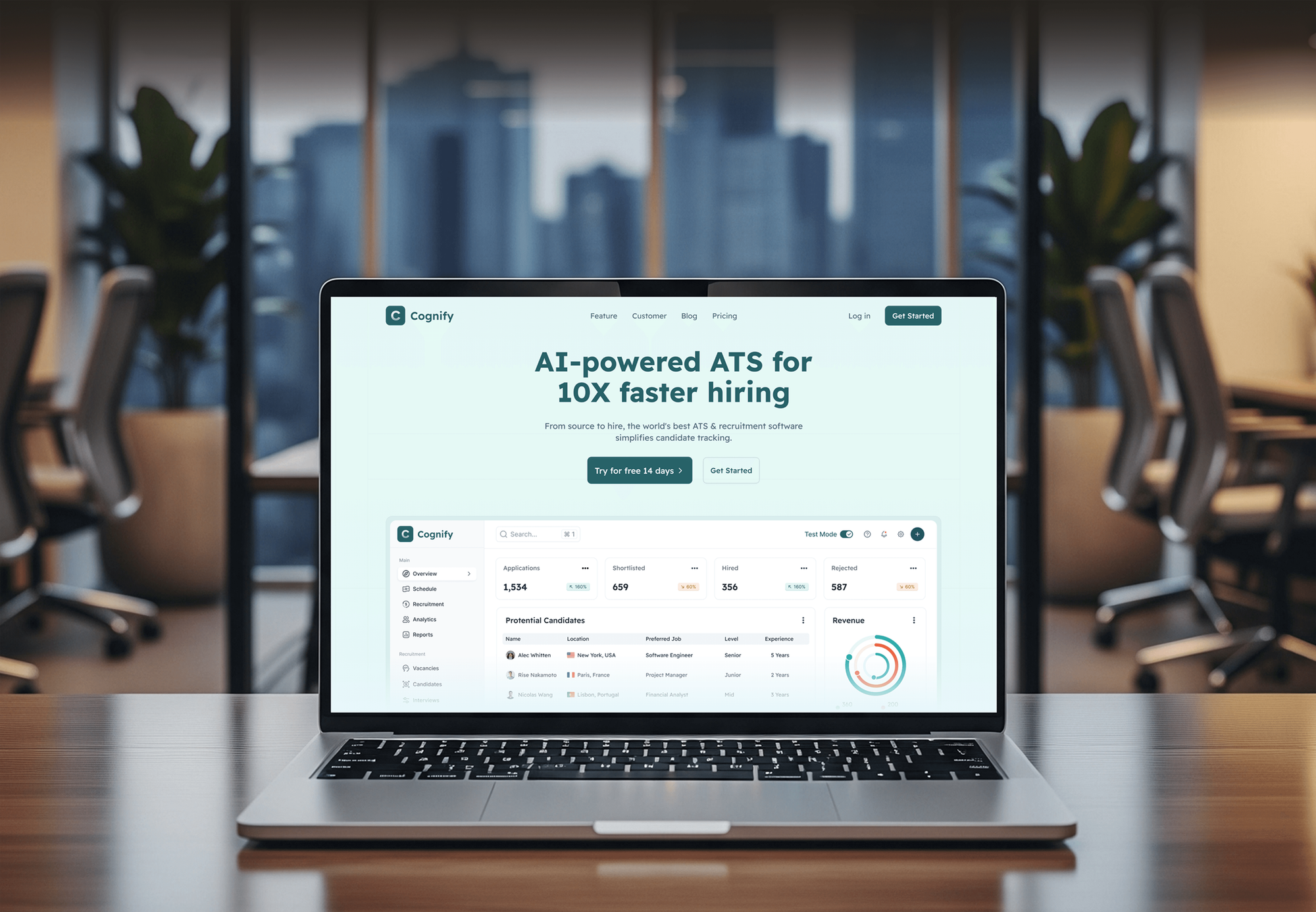
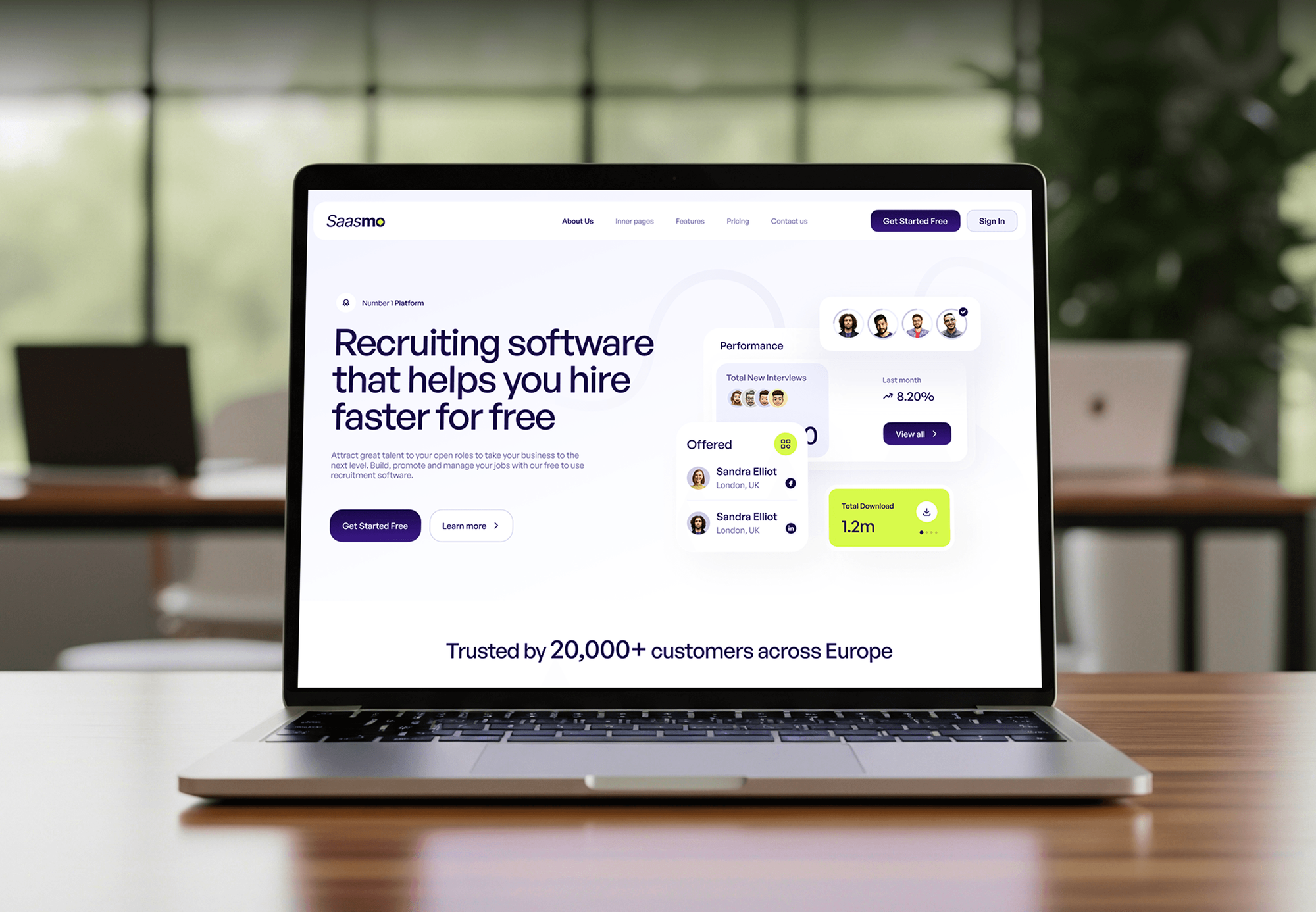
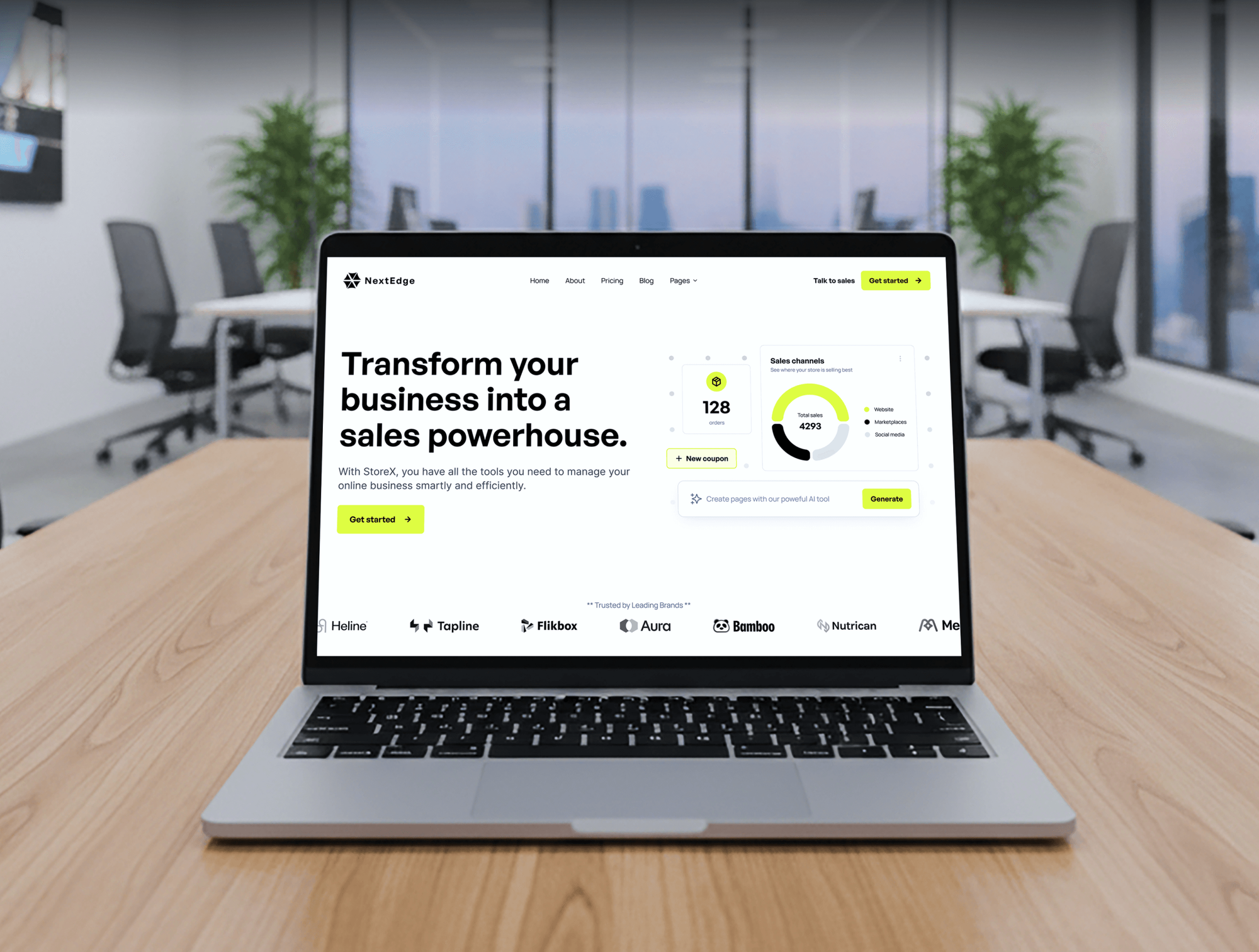
A selection of startup and SaaS web projects we have designed and built for early-stage teams.
What Our Clients Say
Feedback from founders we have built first versions for.
We came in with a product that honestly had way too much in it. Every conversation started with another feature we thought we needed. DeveloperLook helped us step back, figure out what the first version actually had to prove, and cut the rest. That saved us a lot of time and money. The first MVP was finally something we could put in front of real customers instead of another six-month project sitting in development.
Our biggest problem wasn't getting people to sign up. It was getting them to understand what to do next. People would create an account and disappear. The team worked through the onboarding flow with us, simplified the first experience, and helped us build the MVP around that one important user journey. Once we launched, we could actually see where people were dropping off and what they were using. That changed how we thought about the product.
I had already been burned once by a development team. The first version worked, but the code was so difficult to extend that every new feature felt like starting over. With DeveloperLook, scalability was part of the conversation from the beginning. They kept the MVP lean without treating it like throwaway software. We launched with the features we actually needed, and adding the next ones didn't turn into another rebuild. That was probably the biggest difference for me.
1,250+
Projects shipped
10+
Years of experience
Top 3%
Upwork Top Rated Plus
5 stars
Average review score

Want results like these?
Tell us what you are building. You get a reply within 24 hours on business days, then a written estimate.
Work Culture
Your MVP is a bet with a small budget. These habits keep your bet cheap, fast, and honest, from the first cut list to the first real user.
Your MVP starts with a cut list: the journey we build now and the features that wait. Your budget goes to the part that proves the idea, not to extras users might skip.
Your future users click through the prototype before we write code. You fix a confusing step in Figma in an afternoon instead of in code over a sprint.
We track sign-up, activation, and the core action from the first release. You see where users drop off instead of guessing from a handful of emails.
We build on standard stacks with tests on the core journey. If the idea takes off, you add features to the same codebase instead of paying for a rewrite.
Figma files, code, store listings, and every account sit in your name from day one. Investors and future hires find a clean ownership trail when they check.
You get a dated plan after the prototype sprint, and we flag any slip the day we see it. Your launch dates stay believable to investors.
Overview
DeveloperLook provides MVP development services for startup founders testing an idea with real users before a full build. We cut the scope to one core journey, test it as a clickable prototype, then build it as a web or mobile app with sign-in, admin, and analytics. Prototypes start at $1,200, and most MVPs go live in 8 to 12 weeks.
DEVELOPERLOOK
Project facts · MVP Development Services
Reviewed 30 Sep 2026 by Saimul Islam
Good fit
First-time founders with one idea
You have a problem worth solving and a few interested users, but nothing they can try yet.
Founders preparing to raise
Your investors want usage, not slides, and you need a working product with real numbers behind it.
Companies testing a new product
Your business wants proof of demand for a new app or tool before it commits a full product budget.
Teams with a stalled first version
Your MVP has been almost done for months, and you need someone to cut the scope and ship it.
US founders who want a US partner
You want an MVP software development company that is US-based, with contracts in USD and calls during your business hours.
Not a fit
Paying users already
You already have paying users and need tenants, subscriptions, and roles at scale. Our SaaS Development Services page covers that platform build.
Waitlist test only
You only want to test interest with a waitlist. A landing page and an ad budget cost far less than an MVP, and we'll say so.
Budget under $1,200
Your budget is under $1,200. Start with a clickable mockup or paper sketches, and come back once users have reacted.
Native apps with device features
You need native iPhone and Android apps with heavy device features from launch. Our Mobile App Development Company page covers full app builds.
Not sure we're the right fit?
Book a free call or message us. We'll tell you honestly whether we're the right team.
Pricing
These are starting points in USD. Your final price depends on screens, user roles, and integrations, and you get a fixed proposal after a free discovery call.
For founders who need to test the idea with real users before any code. About 2 weeks.
$1,200one-time, USD
For founders launching one tested journey as a web or mobile app with sign-in and admin.
$4,200one-time, USD
For MVPs that need payments, roles, and integrations in the first release.
$7,900one-time, USD
For Agencies
You own the client relationship and the product idea. We supply the MVP engineering: scoping, prototype tests, and the build, delivered under your brand so your client sees your team ship fast.
White label: your client only ever sees your brand
Send the client's idea, target users, and the assumption they need to test.
You get a cut list, a timeline, and a fixed price you can resell.
We prototype, build, and launch under your brand, then hand everything over.
We work under your brand, so the relationship and follow-on work stay yours.
Weekly demo links you can forward to your client without editing.
Scope cuts, stack choices, and releases handled by senior developers.
Take us for the prototype sprint only, or for the full build.
The Right Technology for Your Project
We choose tools that launch fast and keep working after traction: Figma for tests, then common web and mobile stacks your next hires will know.
 React
React Next.js
 TypeScript
 Tailwind CSSReact Native
 Flutter
 Dart
Dart Firebase
 Supabase
 Node.js
 PostgreSQL
 Python
 Figma
Figma Vercel
 GA4
GA4 Stripe
FAQ
Straight answers on MVP cost, timelines, scope, outsourcing, and what to build first.
Saimul IslamFounder & CEO, DeveloperLookStill have questions?
Send a message or book a call with the team.
MVP development cost at DeveloperLook starts at $1,200 for your prototype sprint: scope, a clickable prototype, and up to 5 user tests. A built MVP with one core journey starts at $4,200, and an MVP with payments, roles, and integrations starts at $7,900. Each quote is fixed after a free call about your idea.
Most MVPs go live 8 to 12 weeks after the first call. The prototype sprint takes about 2 weeks, and the build takes 4 to 8 weeks depending on screens and integrations. Mobile MVPs also need app store review, which we plan into the launch date from the start.
An MVP, or minimum viable product, is the smallest working version of your product that real users can try. It covers one core journey, plus just enough around it: sign-in, a simple admin, and analytics. The point is learning, so you find out whether people use your idea before you pay for the features you imagined.
It's the process of scoping, testing, and building that first version, then learning from how people use it. It usually runs in stages: a cut list, a clickable prototype tested with users, a short build, and a launch with analytics. Each stage ends with a decision you make on evidence, so your budget follows what users actually do.
Rank every feature by whether it helps test your core assumption, and build only the ones that do. Your MVP needs the one journey that proves the idea, plus sign-in, a simple admin, and analytics. Everything else goes on a later list, however good it sounds in planning. A quick prototype test with your target users shows what can wait.
Choose a team that pushes back on scope and asks what you need to learn, not only what to build. A good MVP app development company shows you past first versions, tests with users before coding, and puts price and dates in writing. Ask what they'd cut from your feature list, and listen for a real answer.
Outsource it when you don't have developers in-house or need to launch faster than hiring allows. Look for MVP development services that include user testing, a fixed quote, and code in your name, so you can switch teams later. Keep product decisions with your team: the partner builds, but you own the roadmap. A strong in-house developer can pair with an outside team for design and testing.
Start where your users already are. Most B2B and workflow MVPs launch as web apps, because updates go live without store review. Consumer ideas that depend on the camera, location, or notifications often need a mobile app, which we build once with React Native or Flutter for iOS and Android.
Use a builder tool when you need to test demand quickly and the logic is simple. Choose custom code when your MVP needs unusual logic, real integrations, or a clear path to scale, since leaving a builder platform often means a rebuild. We build on Bubble too, and we'll tell you which fits before we quote.
No, not if your foundations are standard. We build on common stacks such as Next.js, React Native, and Postgres, with tests on the core journey. Growth then means you add features and capacity to the same codebase. Any throwaway prototype is labeled clearly, so nobody mistakes it for production code.
Saimul IslamFounder & CEO, DeveloperLookStill have questions?
Send a message or book a call with the team.
Free 30-min callGoogle Meet
Book a call
In 30 minutes on Google Meet we walk you through how we would build it, how long it takes and what it costs. Then you get a written estimate.
Calendar not showing? Book on cal.com or send a brief.