
Platform recommendation
Shopify, WooCommerce, BigCommerce, or a custom stack, compared on fees, features, and fit for your catalog.

Ecommerce website development for Shopify, WooCommerce, BigCommerce, and custom stores, with integrations and B2B features. From $1,350.
90+
Mobile speed score target
100%
Orders synced to your systems
Teams we have built for:














The Problem
Most stores start on a platform and a few add-ons. Then wholesale buyers, new channels, and back-office systems arrive, and the setup can't keep up.
01 · Friday failures
A plugin update stops your checkout taking cards.
Native platform features come first, and custom code fills only the gaps.
02 · Price lists
Wholesale buyers email because the store can't show their prices.
The platform gets picked against your catalog, pricing rules, and systems.
03 · Double entry
Orders get exported and typed into accounting by hand.
Orders, stock, and customers sync with your back office automatically.
04 · Plugin fees
Each new channel adds a plugin, a fee, and a risk.
Your store gets built around how you sell, not what a plugin allows.
A plugin update lands on a Friday night, and your checkout stops taking cards. Wholesale buyers email for their price list because the store can't show one. Your team exports orders to a spreadsheet, then types them into the accounting system. Adding a sales channel means another plugin, another monthly fee, and another thing that can break. The store still makes money, but more of it goes to keeping the setup alive every month.
We start by mapping what the store must do: catalog, pricing rules, checkout, and the systems behind it. Then we choose the platform that handles most of that natively, whether that's Shopify, WooCommerce, BigCommerce, or a custom build, and write code only for the gaps. Orders, stock, and customers sync with your back office. You get a store built around how you sell, not around what a plugin allows.
Platform picked on the facts
We compare platforms against your catalog, pricing rules, and systems before recommending one.
Custom code only for gaps
Native features and proven apps come first, and custom work fills in what they can't do.
Back office connected
Orders, stock, and customers sync with your ERP, 3PL, or accounting tools without manual entry.
Our Ecommerce Development Process
Nothing moves forward until you approve it: the platform choice first, then the designs, then a tested store on a staging site.
In a free call, we learn what you sell, how you price it, and which systems run your business. You get a platform recommendation with running costs and a fixed-price scope.
What's Included
Every store gets a scope built around what it sells. Most projects include these six parts, adjusted to your platform and systems.
Compare Options
A template with plugins, or selling only on Amazon or Etsy, suits some brands early on. Here's how each compares once you need your own store to grow.
| Feature | DeveloperLookBest fit | Plugin stack | Marketplace only |
|---|---|---|---|
| Planning | Platform chosen on your needs | Whatever the theme allows | Marketplace sets the rules |
| Custom features | Built for your pricing rules | Plugin by plugin | Not possible |
| Integrations | ERP, 3PL, CRM, and accounting | Connector plugins | Marketplace tools only |
| Testing | Staging site and test orders | Updates tested live | Handled by marketplace |
| Speed and uptime | Speed pass before launch | Slows as plugins grow | Fast, but not your site |
| Support | Included for 30 to 90 days | Plugin vendors' help desks | Seller support tickets |
| Ownership | Your store and customer data | Yours, with plugin licenses | Marketplace keeps customers |
| Cost | Fixed price from $1,350 | Low start, fees add up | No build cost, fees per sale |
Projects We've Built
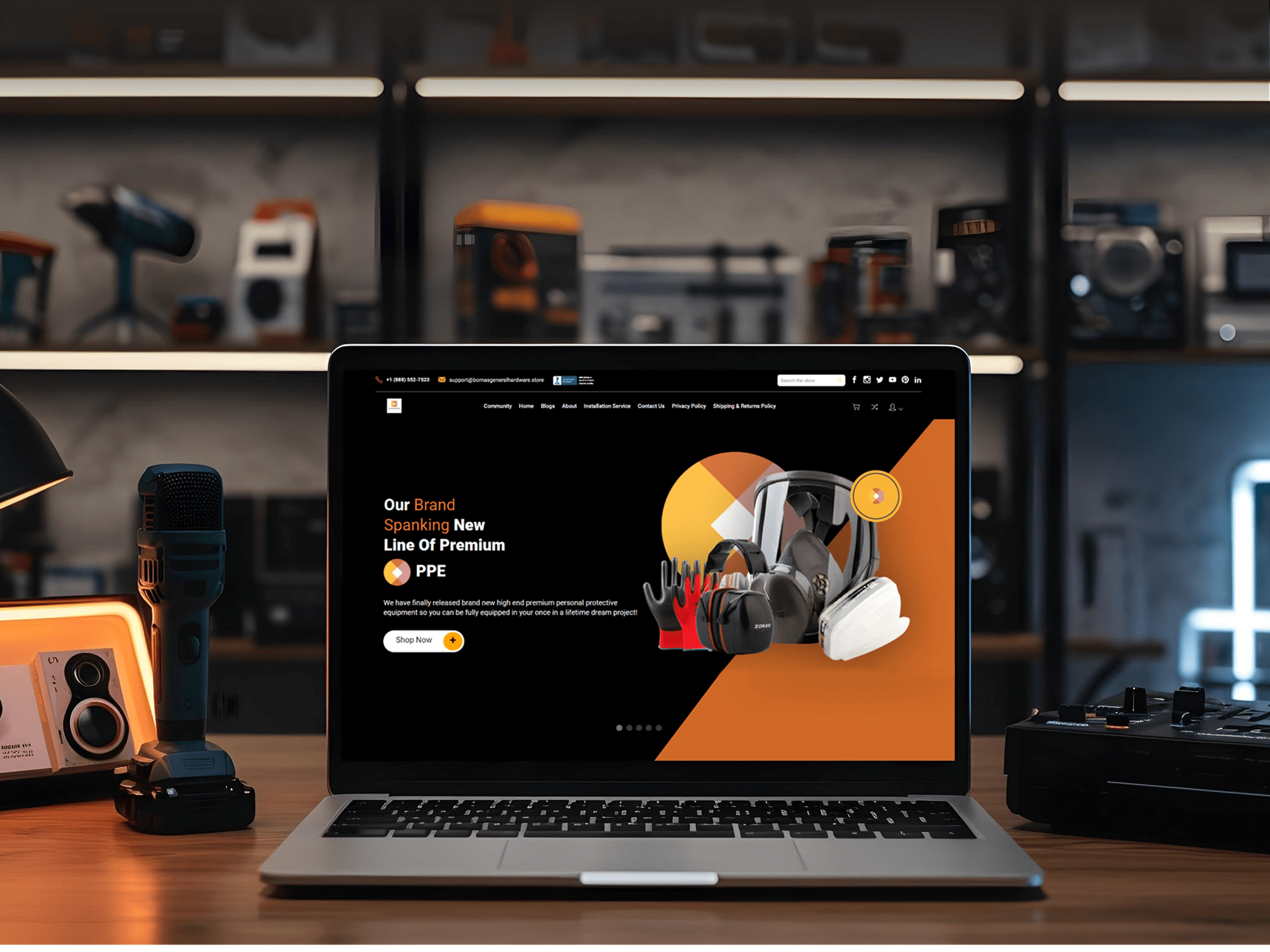
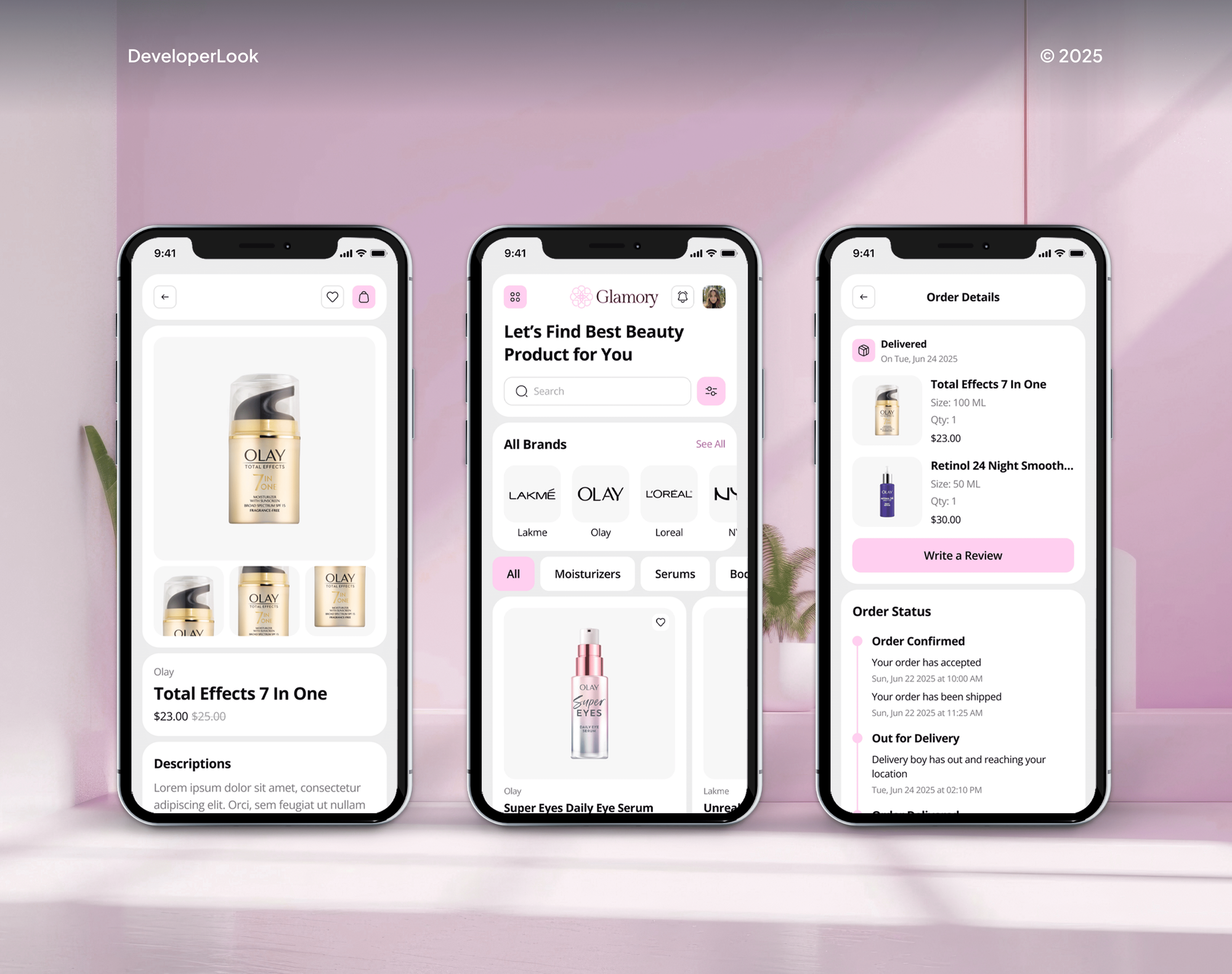
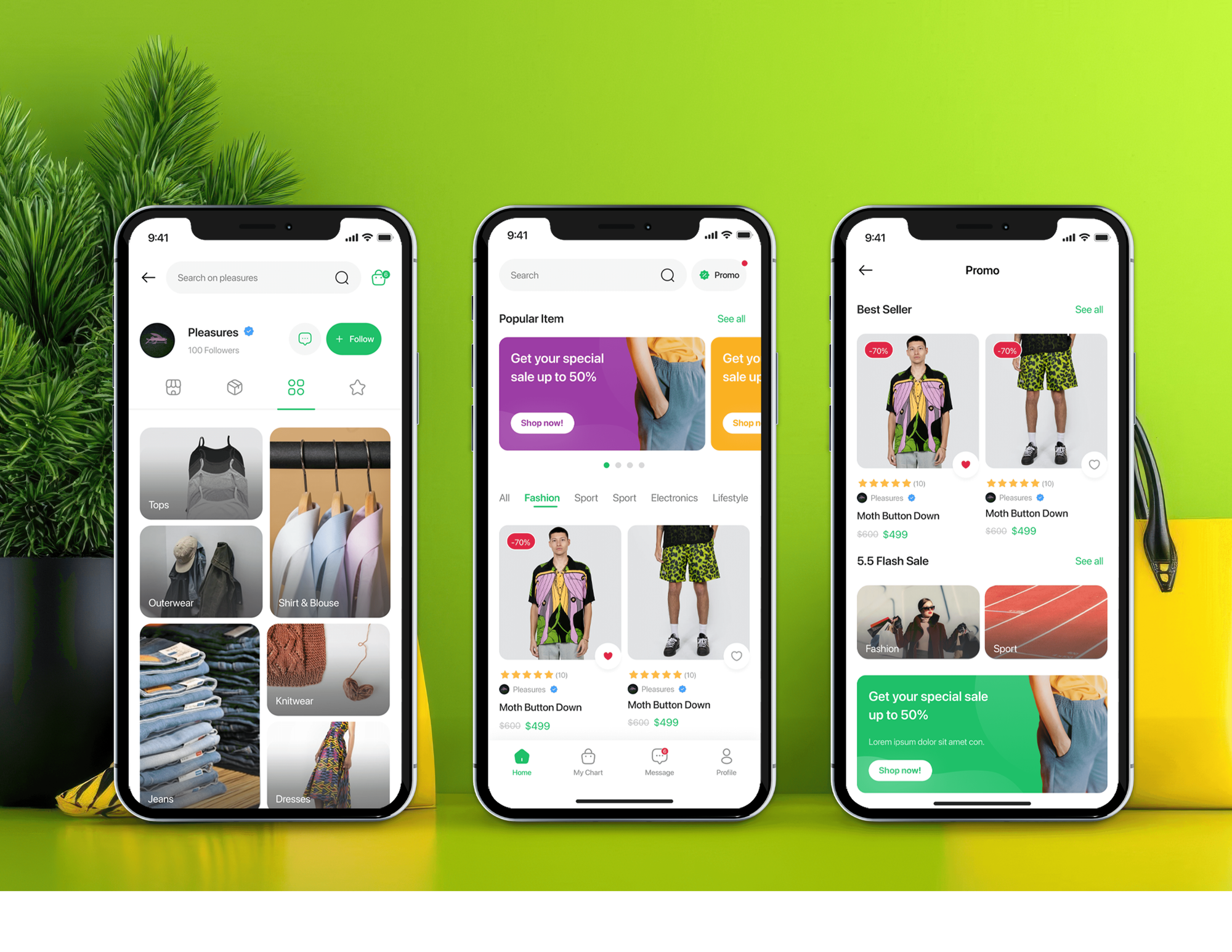
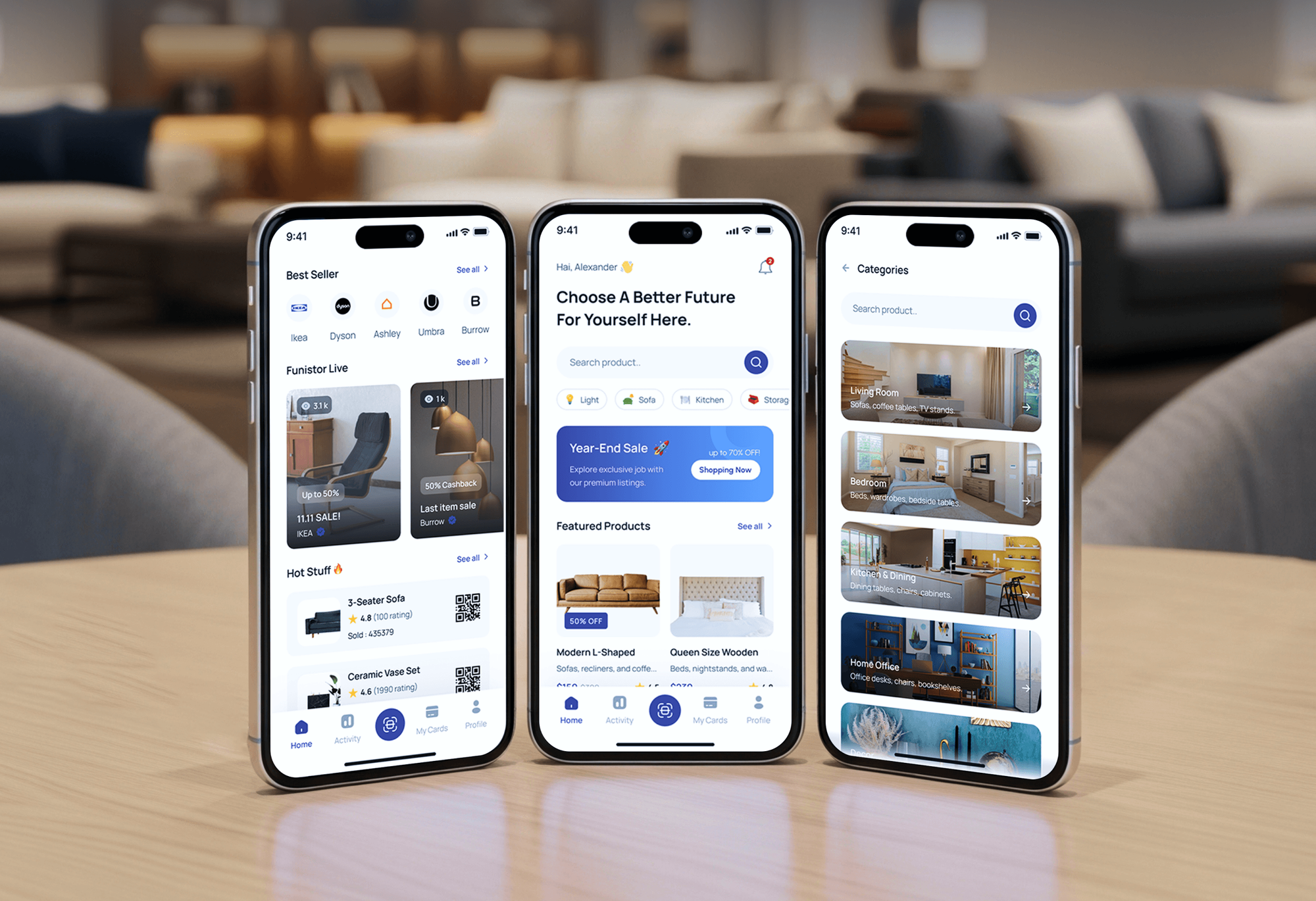
Retail, beauty, and fashion stores our team designed and built, from product catalogs to checkout. The full portfolio lists more builds by industry.
What Our Clients Say
Feedback from teams we have built online stores for.
We had a different kind of problem. People were visiting the store, adding products to their carts, and then disappearing before they finished the order. We had tried a few apps and made changes here and there, but nothing really seemed to solve the bigger issue. The team went through the shopping experience with us and pointed out things we hadn't really noticed ourselves. They cleaned up the cart and checkout flow, made the mobile experience much smoother, and helped us make the store feel easier to shop. I’m not going to pretend we fixed everything overnight, but it finally feels like the store is helping the sale instead of getting in the way of it.
The mobile experience is probably my favourite part of the new site. We had spent a lot of time making sure the desktop version looked right, and the team kept pushing us to think about how everything would actually feel on a phone too. They were right. The navigation is clean, the interactions feel natural, and everything we’ve tested so far works exactly as it should. They also went through the links, forms, integrations, and other details more than once before launch, which I really appreciated. And even after going live, we could still reach out when something came up. The whole process felt friendly, organised, and surprisingly straightforward.
We had a pretty specific idea of what we wanted our website to become, but I wasn’t sure how easily we could explain all of it to a development team. There were quite a few moving parts, and we were working toward a deadline, so I expected a few things to get lost along the way. That never really happened. They understood what we were trying to achieve, kept us updated throughout the process, and got everything ready within the agreed timeline. The final site feels much easier to navigate, works beautifully on mobile, and is noticeably smoother for our customers. It was a huge relief seeing the original idea actually turn into the website we had in mind.
1,250+
Projects shipped
10+
Years of experience
Top 3%
Upwork Top Rated Plus
5 stars
Average review score

Want results like these?
Tell us what you are building. You get a reply within 24 hours on business days, then a written estimate.
Work Culture
An ecommerce development agency should earn trust through habits, not promises. These are the ones clients notice first on a store build.
We compare platform fees, app costs, and developer time over three years before recommending one. If the platform you're on can do the job, we say so.
Every feature is built and tested on a staging copy of your store first. Your live checkout keeps taking orders while we work.
Every sync we build keeps a log and emails your team when a record fails to go through. You hear about a stuck order before a customer does.
Before launch, we place real orders with each payment method, discount, and shipping zone, then refund them. Checkout problems get caught before your customers find them.
You approve a written scope and one price before we start. New requests get their own quote, so the budget you agreed is the budget you pay.
Your store, code, and customer data sit in accounts under your name. You can hire another team or bring the work in-house whenever you like.
Overview
DeveloperLook provides ecommerce website development for brands selling on Shopify, WooCommerce, BigCommerce, or a custom stack. We help you pick the platform, then build the storefront, checkout, and custom features and connect your ERP, 3PL, or accounting tools. Stores start at $1,350, most launch in 3 to 16 weeks, and the scope is fixed before any code is written.
DEVELOPERLOOK
Project facts · Ecommerce Website Development
Reviewed 30 Sep 2026 by Saimul Islam
Good fit
Brands choosing their first platform
You're launching online. You want an ecommerce website development company to weigh Shopify, WooCommerce, and BigCommerce against your catalog and budget.
WooCommerce and Magento stores
Your store runs on plugins or extensions that break with each update, and every upgrade quote gets bigger than the last.
B2B and wholesale sellers
Your wholesale buyers need their own prices, quote requests, and reorder lists, and your platform treats them like retail shoppers.
Stores with custom product rules
You sell made-to-measure, configurable, or bundled products, and no theme or plugin handles your pricing logic cleanly.
Agencies that need ecommerce builds
Your client needs a store on a platform your team doesn't build on, and you want an ecommerce development company that delivers under your brand.
Not a fit
Set on Shopify
You're set on Shopify and need a theme, custom app, or store build there. Our Shopify Development Services team focuses on that platform.
Many-vendor marketplace
You're building a marketplace where many vendors sell. Our Multivendor Marketplace Development service is built for vendor payouts and dashboards.
Platform move only
You only need to move your current store to a new platform. Our Ecommerce Migration Services team runs that as its own project.
A handful of products
Your budget is under $1,350, or you sell a handful of products. A hosted platform's own templates and setup wizard will cover you.
Not sure we're the right fit?
Book a free call or message us. We'll tell you honestly whether we're the right team.
Pricing
These are starting points in USD. Your final price depends on platform, custom features, and systems to connect, and you get a fixed proposal after a free discovery call.
For new brands launching on Shopify or WooCommerce in about 3 to 5 weeks.
$1,350one-time, USD
For growing stores that need custom features, integrations, or a platform move.
$4,100one-time, USD
For B2B, headless, or multi-market stores with complex rules and systems.
$8,500one-time, USD
For Agencies
You own the client relationship. We supply the ecommerce engineering on whichever platform your client already runs, or a custom build. Quotes are fixed, so your margin holds, and your client reviews progress on a staging site.
White label: your client only ever sees your brand
Send the client's catalog, platform, and launch date, and we come back with questions.
You receive a fixed quote, a platform recommendation, and delivery dates.
Staging builds, real test orders, and full documentation at handover.
Your brand on every deliverable, and no direct contact unless you want it.
Projects on any major platform, handled by one team.
Fixed quotes you can mark up, with no surprise invoices mid-project.
Extra developers for busy seasons without adding payroll.
The Right Technology for Your Project
Our ecommerce website development services use proven platforms and a short list of back-end tools, matched to your catalog and your team's skills.
 Shopify
 WooCommerce
 BigCommerce
 WordPress
 Next.js
 React
React Tailwind CSS
 JavaScript
 HTML5
HTML5 Node.js
 PHP
PHP Laravel
 MySQL
MySQL PostgreSQL
 GraphQL
 Stripe
 PayPal
 Apple Pay
 Google Pay
 Klarna
 Afterpay
FAQ
Straight answers on cost, timelines, platforms, hiring a developer, and payments.
Saimul IslamFounder & CEO, DeveloperLookStill have questions?
Send a message or book a call with the team.
Developing an ecommerce website with DeveloperLook starts at $1,350 for a starter store on Shopify or WooCommerce. Custom stores with integrations or a migration start at $4,100, and B2B, headless, or multi-market platforms start at $8,500. Platform, hosting, and app subscriptions are billed to you directly, and your price is fixed in writing before work starts.
A starter store takes 3 to 5 weeks, a custom store 7 to 10 weeks, and a commerce platform build 12 to 16 weeks. The biggest factors are product data, integrations, and how fast feedback comes back. We set review dates up front, so the launch date stays realistic.
Ecommerce web development means building an online store plus everything behind a purchase: catalog data, cart logic, payments, taxes, shipping rules, and inventory. It also brings security duties, since card data has to stay off your servers. Most of the work sits in those layers and in the integrations that pass orders to your back office. That's where plugin-only stores usually break.
The platform, your product data, and the systems behind the store decide most of the cost and timeline. Pick a platform that handles most of your needs natively, and clean your product data before any migration. List every system the store must sync with. Budget for monthly platform and app fees, not just the build, and insist on checkout tests with real orders.
The right platform is the one that handles most of your needs natively. Shopify suits most direct-to-consumer brands, WooCommerce fits teams already on WordPress, and BigCommerce has strong built-in B2B and catalog tools. A custom or headless build makes sense only when your rules go beyond all three.
An ecommerce developer builds and connects the parts of an online store that shoppers and staff use every day. That includes theme or storefront code, checkout and payment setup, product data imports, and integrations with your ERP, 3PL, or accounting system. A good one also tests every payment method and shipping zone before launch and documents the store for your team.
Look for developers who show live stores like yours and put scope, price, and ownership in writing. Ask who tests checkout before launch and how integrations report failures. Be wary of anyone who recommends a platform before asking what you sell and how you price it. A short scoping call shows quickly how a developer thinks about your catalog.
Choose an agency that has built stores with your kind of catalog, pricing, and fulfillment, not just attractive themes. A fashion brand needs variants and size guides, and a parts seller needs fitment data and search. A B2B distributor needs customer price lists and reorder forms. Ask for one live example from your industry and how its orders reach the back office.
Write a short brief first: what you sell, how many products, your platform, and the systems the store must connect to. Then compare a few developers on live stores, fixed quotes, and support after launch. A freelancer can handle a theme tweak, but a full store with integrations needs people who also test checkout. Keep platform and code accounts in your company's name.
We use hosted checkouts or secure payment fields from Stripe, PayPal, or the platform, so card numbers stay off your servers. That usually keeps you in the simplest PCI DSS self-assessment. We also set up HTTPS, admin roles, two-factor sign-in, and fraud screening where the platform supports it.
Saimul IslamFounder & CEO, DeveloperLookStill have questions?
Send a message or book a call with the team.
Free 30-min callGoogle Meet
Book a call
In 30 minutes on Google Meet we walk you through how we would build it, how long it takes and what it costs. Then you get a written estimate.
Calendar not showing? Book on cal.com or send a brief.