
Scenario map and credit estimate
A written map of modules, routes, and failure paths, plus a monthly credit estimate before we build.

Operations teams get a Make.com expert who builds scenarios with error handlers, webhooks, and custom apps, from $600.
10+ hrs
Busywork removed weekly
100%
Failed runs saved for retry
Teams we have built for:













The Problem
Make's visual builder gets a scenario running fast. Problems show up later, when a module errors at night, polling eats your credits, and nobody can read the canvas.
01 · Stalled runs
An API timeout stopped your invoice scenario at 2am.
Failed runs get stored for retry, so their data isn't lost.
02 · Missing orders
Orders didn't reach QuickBooks, and you found out at month-end.
Every risky module gets an error handler, which costs no credits.
03 · Credit burn
A trigger polling every minute drains your credits by the 20th.
Webhook triggers replace minute-by-minute checks where your apps support them.
04 · Unreadable
The scenario is a wall of 30 modules with default names.
We rebuild with routers and filters into scenarios your team can read.
Your invoice scenario stopped at 2am when an API timed out, and it didn't restart. Ten orders didn't reach QuickBooks, and you found out at month-end. Meanwhile the trigger checks for new rows every minute, so your credits run low by the 20th. The scenario itself is a wall of 30 modules with default names, built by someone who's moved on. So your team fixes data by hand, which is the work Make was meant to remove.
We start with a map of what each scenario must do and what should happen when a module fails. Then we rebuild with routers, filters, and error handlers, and switch polling triggers to webhooks where your apps support them. Failed runs get stored for retry instead of lost. You get scenarios your team can read, and a credit bill you can predict.
Webhooks instead of constant polling
Webhook triggers replace minute-by-minute checks, so credits go to real work, not empty polls.
Failed runs saved for retry
Stored incomplete executions keep the data from a failed run, so nothing is lost while you fix it.
Error handlers on every scenario
Make doesn't charge credits for error handler modules, so every risky module gets one.
Our Make Scenario Process
You approve the scenario map and a credit estimate before we build, and you see test runs before launch. Each step ends with something you review.
We review the process you want automated and any scenarios you already run, including their error logs and credit use. You get a short plan and a fixed quote, or a note that a template will do.
What's Included
Every project covers the scenario map, the build, error handling, testing, and handover. Larger plans add custom apps and a credit audit of your existing scenarios.
Compare Options
A DIY build costs only your team's time, and custom code gives full control at a higher price. We fit when you want Make's speed with proper error handling.
| Feature | DeveloperLookBest fit | DIY | Custom build |
|---|---|---|---|
| Upfront cost | From $600, fixed scope | Staff time only | Higher build cost |
| Time to first scenario | 1 to 2 weeks | Days for simple flows | Weeks to months |
| Complex branching | Routers and filters, documented | Possible but fragile | Full control |
| Monthly running cost | Webhooks and tuned schedules | Often polls every minute | Hosting instead of credits |
| Error handling | Handlers and stored runs | Often left at defaults | Built by developers |
| APIs without a module | Custom Make apps | Often a dead end | Any API |
| Changes later | Your staff, with guides | Only the original builder | Developers only |
| Account ownership | Your Make organization | Your account | Your servers and code |
Projects We've Built
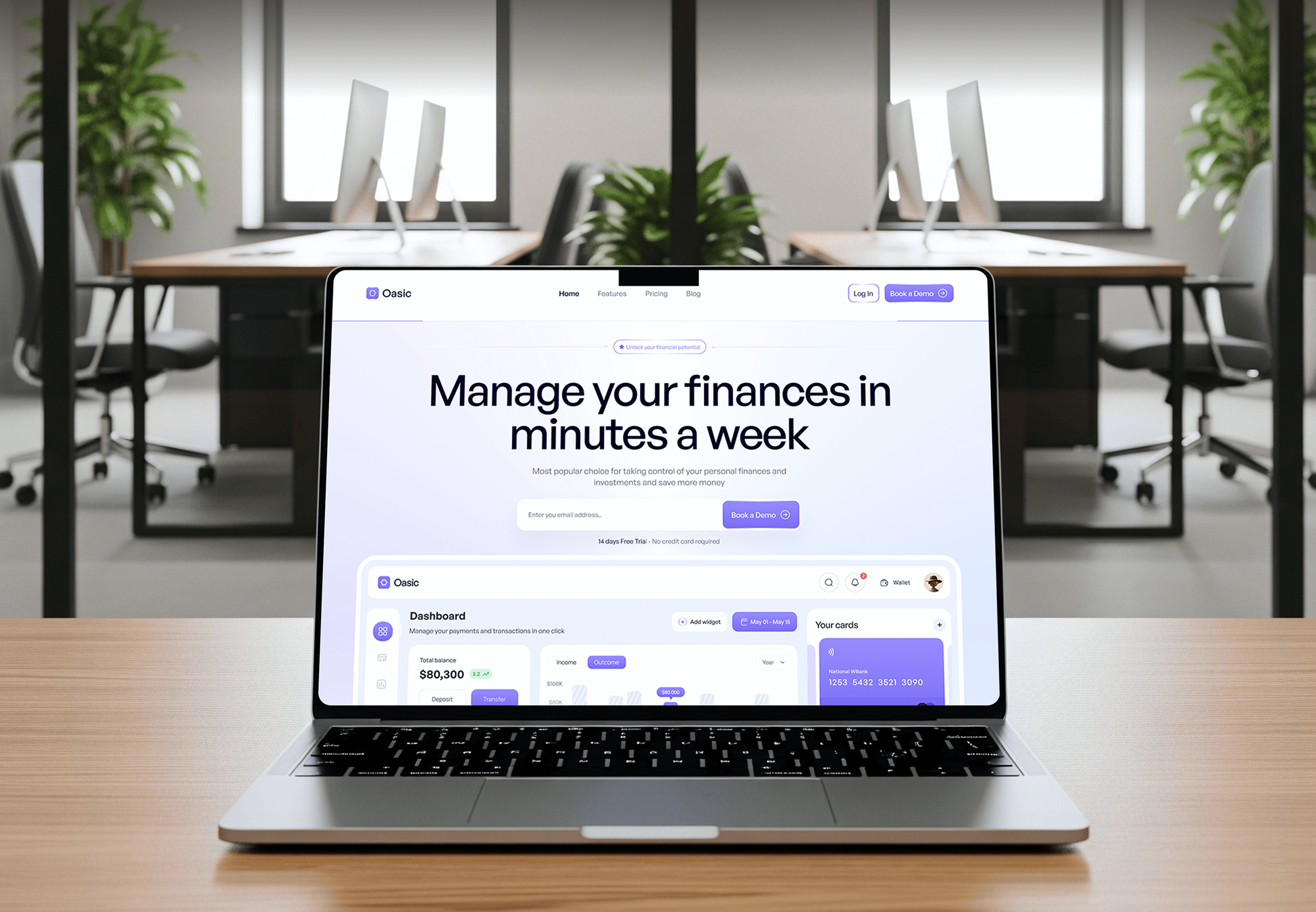
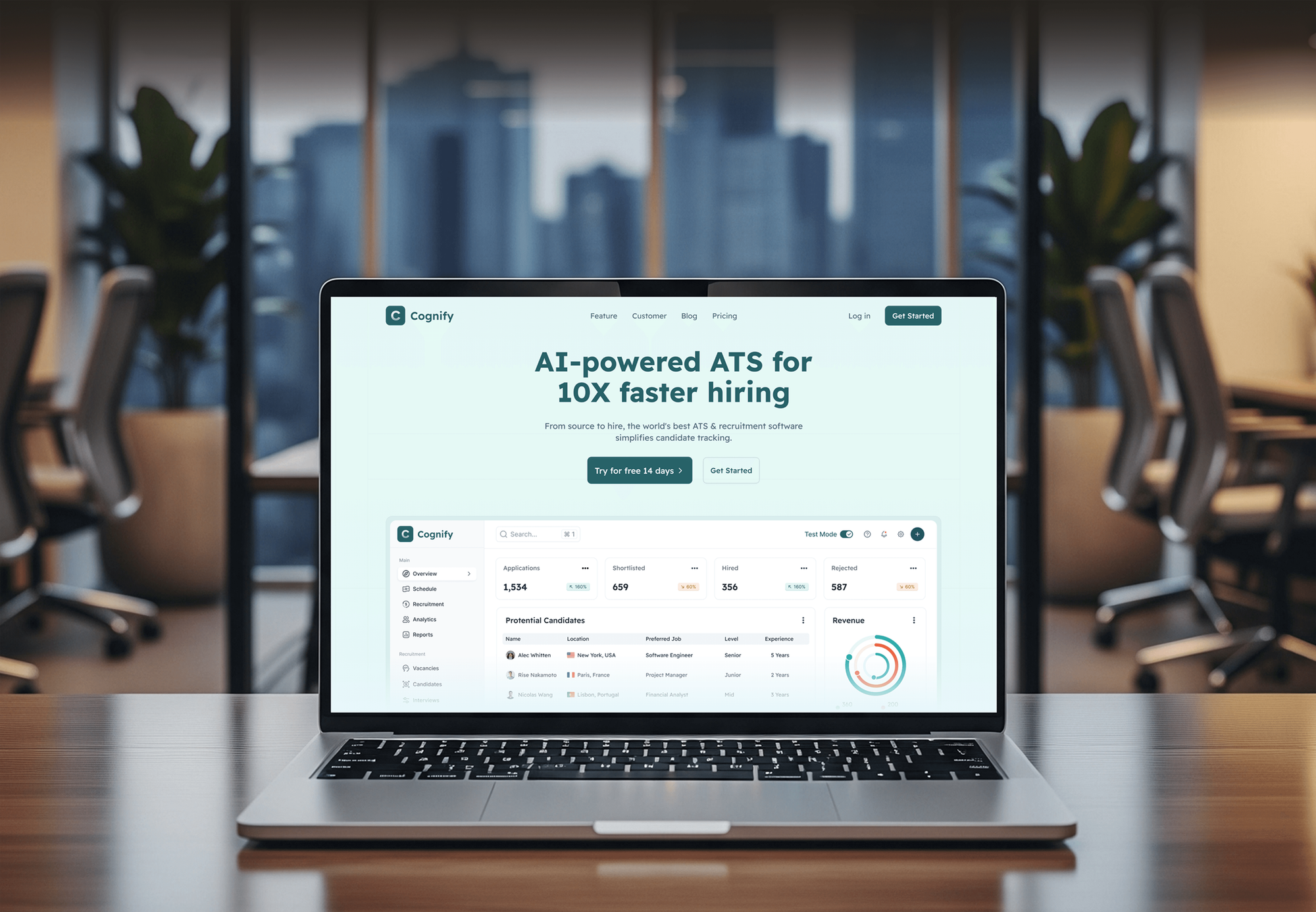
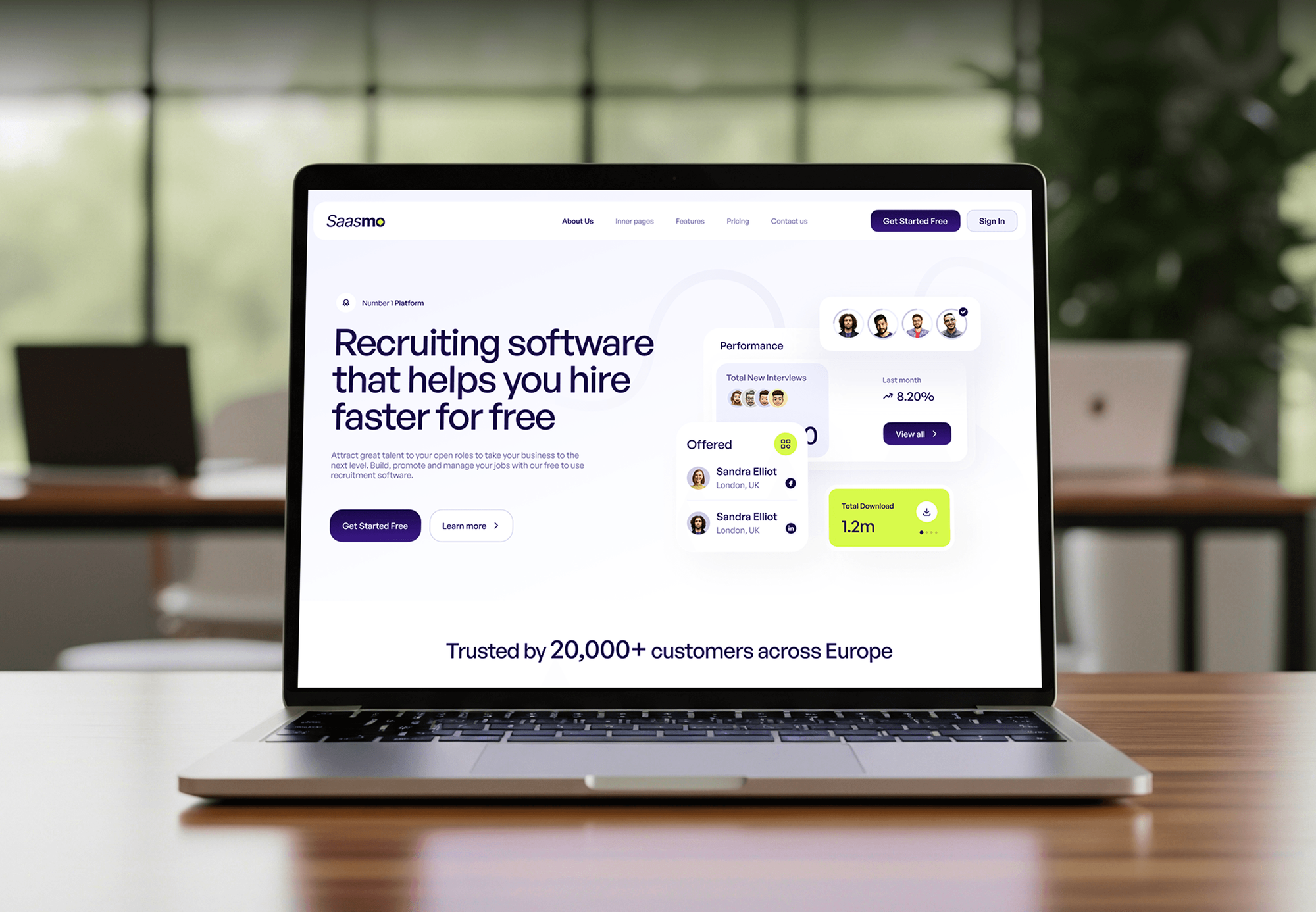
A selection of SaaS and web builds from our team. Our Make work relies on the same basics: clean data, careful API calls, and testing before launch.
What Our Clients Say
Feedback from teams we have built SaaS products, websites, and integrations for.
We had a pretty specific idea of what we wanted our website to become, but I wasn’t sure how easily we could explain all of it to a development team. There were quite a few moving parts, and we were working toward a deadline, so I expected a few things to get lost along the way. That never really happened. They understood what we were trying to achieve, kept us updated throughout the process, and got everything ready within the agreed timeline. The final site feels much easier to navigate, works beautifully on mobile, and is noticeably smoother for our customers. It was a huge relief seeing the original idea actually turn into the website we had in mind.
The mobile experience is probably my favourite part of the new site. We had spent a lot of time making sure the desktop version looked right, and the team kept pushing us to think about how everything would actually feel on a phone too. They were right. The navigation is clean, the interactions feel natural, and everything we’ve tested so far works exactly as it should. They also went through the links, forms, integrations, and other details more than once before launch, which I really appreciated. And even after going live, we could still reach out when something came up. The whole process felt friendly, organised, and surprisingly straightforward.
What I appreciate most is that the website is actually easy for us to manage now. We can update content ourselves instead of sending a developer a message every time we need to change something small. They also paid attention to the technical SEO side, which mattered to us because we didn’t want a new website to create problems for the traffic we already had. I’ve probably asked more questions than I should have since launch, but every question has been handled patiently and without any fuss. The team is easy to work with, they explain things clearly, and when we need something changed, they focus on getting it done rather than making the process complicated.
1,250+
Projects shipped
10+
Years of experience
Top 3%
Upwork Top Rated Plus
5 stars
Average review score

Want results like these?
Tell us what you are building. You get a reply within 24 hours on business days, then a written estimate.
Work Culture
Yes, when each scenario has error handlers, stored failed runs, and alerts that reach a person. These are the habits we bring to every Make build and repair.
Where your apps allow it, scenarios start from webhooks instead of checking every few minutes. A trigger polling every 5 minutes uses 8,640 credits a month, per Make.
We turn on stored incomplete executions, so a failed run keeps its data. You retry it after the fix instead of rebuilding records by hand.
Every module gets a name that says what it does, and every route gets a note. Your team can follow a 30-module scenario without a call.
For invoices and stock, we turn on sequential processing, so each run finishes before the next starts. Records land in the order they happened.
We force timeouts and bad data during testing to prove each error handler works. Your first real outage shouldn't be the first test.
Scenarios, connections, and custom apps live in your own Make organization. We remove our access at handover, so nothing depends on us.
Overview
DeveloperLook is a Make.com consultant team for operations teams whose scenarios fail quietly or eat through credits. We design scenarios with routers, error handlers, and webhooks, build custom apps for APIs without a module, and tune credit use. Projects start at $600, one scenario goes live in 1 to 2 weeks, and you own every scenario.
DEVELOPERLOOK
Project facts · Make.com Automation Consultant
Reviewed 30 Sep 2026 by Saimul Islam
Good fit
Teams whose processes branch
Your process splits by customer type, region, and order size, and a straight-line automation can't route each record correctly.
Businesses running out of Make credits
Your Make credits run low mid-month because a trigger checks every minute, even when nothing new has arrived.
Teams using a tool Make doesn't support
You rely on an industry tool that has no Make module, so a custom app is the only clean way to connect it.
Operations teams with failing scenarios
Your scenarios stop with errors a few times a week, and someone replays runs by hand and hopes nothing was skipped.
Agencies with Make client work
Your clients need scenarios built and documented, and you want a Make.com consultant who delivers quietly under your brand.
Not a fit
Simple two-app automation
You need one simple automation between two apps. A template, or our Zapier Consultant and Automation Services page, is quicker to set up.
Heavy volume or own server
Your workflows need heavy volume, custom code, or data on your own server. Our n8n Developer and Consultant page covers self-hosted builds.
Microsoft 365 all day
Your team works inside Microsoft 365 and SharePoint all day. Our Power Automate Consulting Services page fits that stack better.
Budget under $600
Your budget for a first scenario is under $600. Make's free plan and its templates are a good start until your volume grows.
Not sure we're the right fit?
Book a free call or message us. We'll tell you honestly whether we're the right team.
Pricing
These are starting points in USD. Your final price depends on the number of scenarios, the apps involved, and any custom app work, and you get a fixed proposal after a free scenario review.
For teams that need one repeated process running reliably in Make.
$600one-time, USD
For teams automating one full process across several connected scenarios.
$1,500one-time, USD
For teams that need a custom Make app for one API, plus up to 10 scenarios.
$2,800one-time, USD
For Agencies
You own the client relationship. We supply the Make.com automation service behind it: scenarios, custom connectors, and credit tuning, delivered under your brand. Your client gets a guide to every scenario, and our name stays off each handover.
White label: your client only ever sees your brand
Send the client's apps, the process, and access to any scenarios they run today.
You get a scenario map, a credit estimate, and a fixed price you can mark up.
We build, test, and document under your brand, then hand the organization back to your client.
We work under your brand, so you keep the relationship and the retainer.
A fixed price per scenario map, with test runs your client approves first.
Connectors for your client's unusual APIs, built once and reused across scenarios.
Bring us in for one client's scenarios or a steady pipeline of Make work.
The Right Technology for Your Project
We build in Make and connect the CRM, store, finance, and support tools you already use, with a custom app for anything else.
 Make
Make OpenAI
 Anthropic Claude
 Slack
Slack HubSpot
 Salesforce
 Google Sheets
 Twilio
 Shopify
 WooCommerce
 Stripe
 PayPal
 QuickBooks
 Xero
Xero Zendesk
 Gorgias
FAQ
Straight answers on Make's cost, free plan, how it works, safety, custom API calls, and who owns your scenarios.
Saimul IslamFounder & CEO, DeveloperLookStill have questions?
Send a message or book a call with the team.
Make's paid plans start at $9 a month for Core, with Pro, Teams, and custom Enterprise pricing above it. The price rises with the credits you need each month. Hiring a Make.com consultant at DeveloperLook starts at $600 for one scenario, $1,500 for up to 5 connected scenarios, and $2,800 with a custom app. Make bills your plan directly, and our quote is fixed after a free scenario review.
A single Make scenario takes 1 to 2 weeks from review to launch, including forced-failure testing. Up to 5 scenarios take 2 to 3 weeks. Projects with a custom app take 4 to 6 weeks, because the app gets its own tests before any scenario uses it. API access from your vendors is the usual delay.
It's a visual automation platform, formerly Integromat, where you connect apps, data, and AI models in workflows called scenarios. It offers 3,000+ prebuilt Make.com integrations, and you can build by drag-and-drop, in code, or with a prompt. Teams use it to move data between tools without copying it by hand.
Yes, Make has a free plan with up to 1,000 credits a month, 2 active scenarios, and a 15-minute minimum interval between runs. Each module action, like adding a spreadsheet row, uses one credit. That's enough for you to test ideas, but most business scenarios outgrow it once volume or timing matters.
You can move data between apps, route leads, sync orders and invoices, triage support tickets, and run AI steps inside a workflow. Common Make.com automation examples include form leads going to your CRM with a Slack alert, Shopify orders syncing to QuickBooks, and weekly reports built from Google Sheets. Steps that need a person's judgment keep a human approval.
Each Make scenario starts with a trigger, like a webhook or a scheduled check. It then runs a chain of modules that read, change, or send data. Routers split records down different paths, and iterators loop over lists. Every module action uses one credit, so how often your scenario runs shapes the monthly bill.
Yes, for most business data. Make reports SOC 2 Type II and SOC 3 audits, an ISO 27001 certified security program, and GDPR compliance, and it encrypts data in transit and at rest. On our side, each connection gets only the access it needs. For regulated data, like health records, we review Make's terms with you before anything connects.
Friendly enough for simple scenarios: you drag modules onto a visual canvas and map fields from one app to the next. It gets harder with arrays, JSON, error handling, and API calls, which is where most DIY scenarios break. We build those parts and leave you a guide, so your team can change the simple steps itself.
Yes, the HTTP module's Make a request action calls any API with the method, headers, and body you set. Many apps also offer a Make an API call module. When your team will reuse a connection, we build Make.com custom apps instead, with their own login and modules. One fix then updates every scenario that uses the app.
You do: scenarios, connections, data stores, and custom apps are built in your own Make organization. We work as invited team members, then remove our access at handover. You also get a blueprint export of each scenario as a backup, plus a guide your team can use to change it.
Saimul IslamFounder & CEO, DeveloperLookStill have questions?
Send a message or book a call with the team.
Free 30-min callGoogle Meet
Book a call
In 30 minutes on Google Meet we walk you through how we would build it, how long it takes and what it costs. Then you get a written estimate.
Calendar not showing? Book on cal.com or send a brief.