
Domain decision in writing
Subfolder, subdomain, or new domain, chosen with the search and tracking trade-offs spelled out.

For marketing teams with a launch, event, or campaign that needs its own site: a microsite ready on your date, measured in GA4, and retired cleanly. From $1,100.
100%
Campaign links tagged for GA4
301
Redirects when the campaign ends
Teams we have built for:














The Problem
It shows up when a launch, event, or campaign needs a focused destination fast. The main site's templates, approvals, or IT queue can't move at campaign speed.
01 · Timing
The campaign waits in the main site's IT queue.
A separate build on its own schedule, planned back from your launch date.
02 · Tracking
Visits show up as referrals, and links go untagged.
UTM-tagged links and GA4 cross-domain measurement in one property.
03 · Domain
Nobody decided between a subfolder and a new domain.
A written domain decision, with search and tracking trade-offs, before design.
04 · Ending
Old campaign links break when the domain lapses.
301 redirects to your main site, from a plan written before launch.
Your launch date is fixed, the ads are booked, and the campaign still has no proper home. Squeezed onto your main site, it fights the navigation and waits in the IT queue. Built as a quick standalone site, it can't be measured, because visits show up as referrals and nobody tagged the links. Then the campaign ends, the domain lapses, and every link in old emails and press coverage leads nowhere.
We start with the end date as well as the launch date. Before design, we pick a subfolder, subdomain, or new domain and write down what each means for search and tracking. The microsite matches your ads, tags every link, and reports into the same GA4 property as your main site. When the campaign ends, 301 redirects send old links somewhere useful. You get a campaign site that starts on time and ends cleanly.
Built back from your date
The plan starts at your launch date and works backward, with room for approvals.
Measured with your main site
UTM tags and GA4 cross-domain measurement keep campaign visits in one report.
A planned ending
301 redirects and an archive plan keep old campaign links working after the end date.
Our Microsite Development Process
You approve the domain choice and end date before design, review every page before launch, and get the sunset plan in writing.
We go through the campaign, its launch date, its audience, and where traffic will come from. You get a recommended domain setup, a page list, and a fixed price within 1 business day.
What's Included
Every plan covers the domain decision, campaign design, a CMS build, forms, UTM and GA4 tracking, and a sunset plan. Larger plans add pages, interactive features, and gated content.
Compare Options
A page on your main site keeps all the search value in one place, and a landing page builder is fast for simple offers. Here's where each fits for marketing microsites.
| Feature | DeveloperLookBest fit | Main site page | Page builder |
|---|---|---|---|
| Launch speed | 2 to 8 weeks, planned to your date | Depends on the IT queue | Fastest for one page |
| Design freedom | Built around the campaign | Limited by site templates | Limited by builder blocks |
| Search value | Domain chosen with SEO trade-offs | Builds on your main domain | Usually a separate subdomain |
| Tracking | UTM plus GA4 cross-domain | Already in your main GA4 | Builder analytics, often separate |
| Interactive features | Quizzes, calculators, countdowns | Hard to add to templates | Some built-in widgets |
| Multi-page campaigns | Up to 20 pages with a CMS | Easy inside the main site | Best for single pages |
| After the campaign | 301 redirects and an archive | Page stays or gets removed | Page lapses with the plan |
| Cost | From $1,100, fixed scope | Your team's time | A monthly builder plan |
Projects We've Built
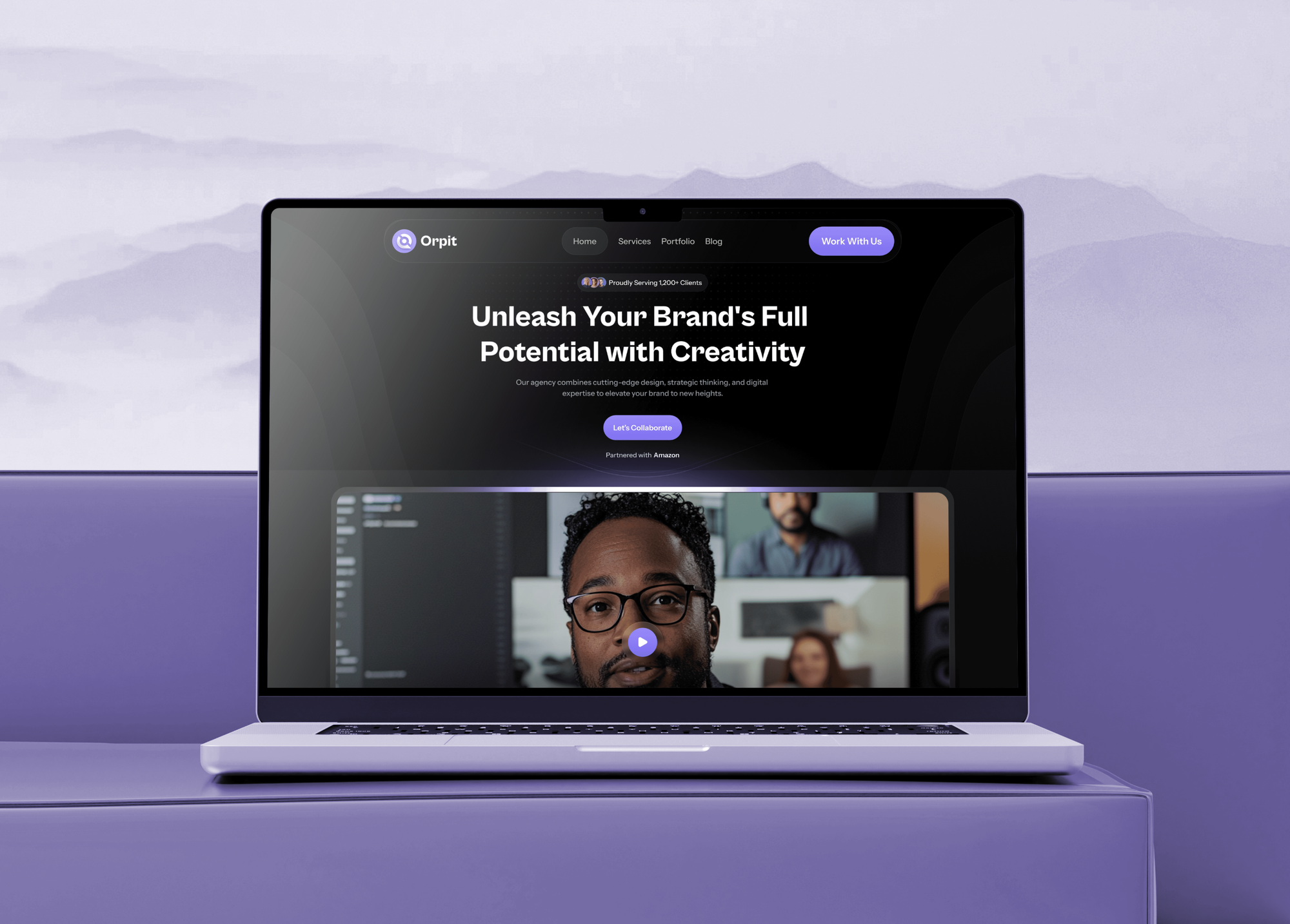
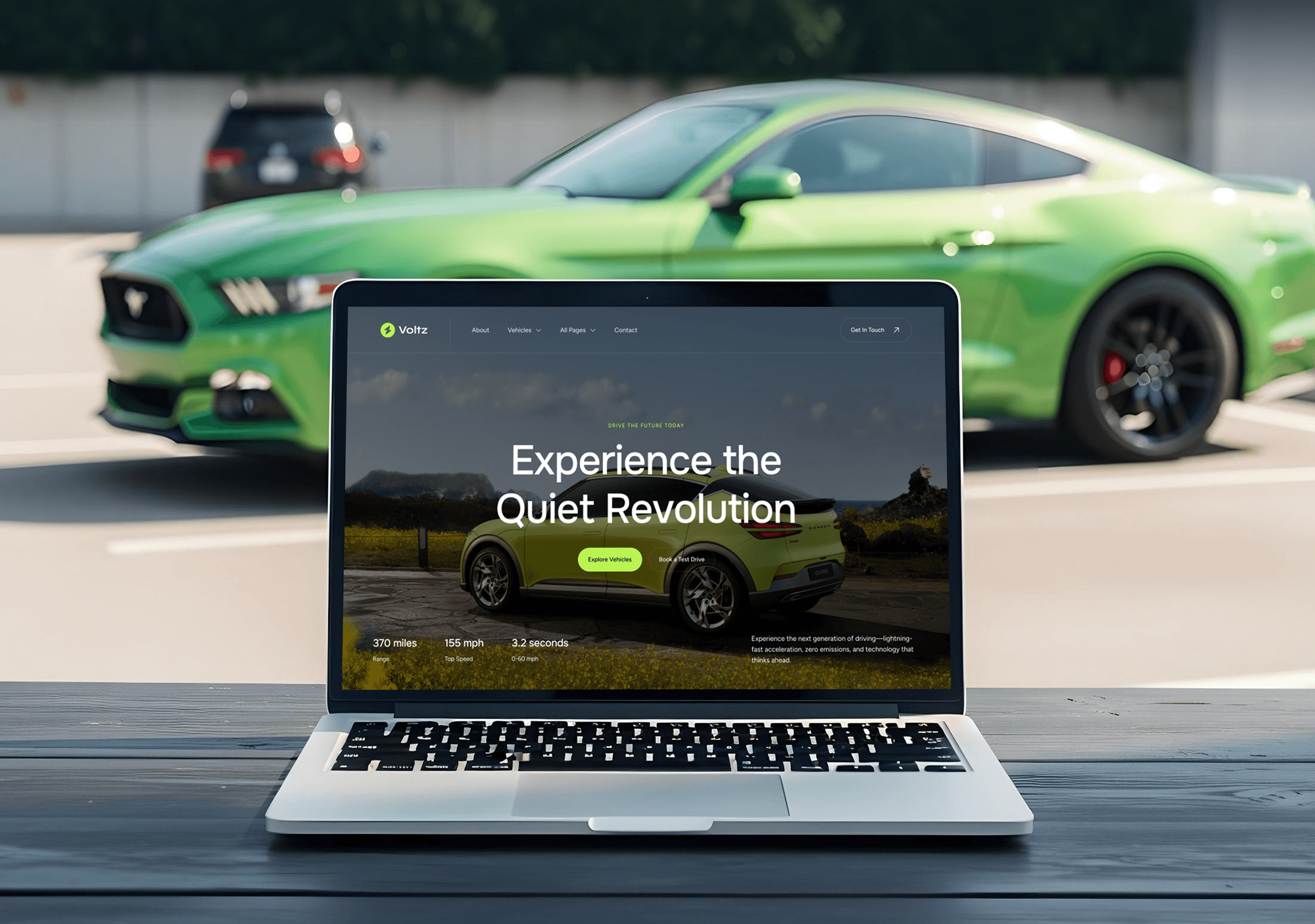
Brand-led websites we designed for a luxury concierge service, two digital agencies, and an automotive brand. Each is a focused site built around one look and one message.


What Our Clients Say
Feedback from marketing teams and owners we have designed and built websites for.
We had a pretty specific idea of what we wanted our website to become, but I wasn’t sure how easily we could explain all of it to a development team. There were quite a few moving parts, and we were working toward a deadline, so I expected a few things to get lost along the way. That never really happened. They understood what we were trying to achieve, kept us updated throughout the process, and got everything ready within the agreed timeline. The final site feels much easier to navigate, works beautifully on mobile, and is noticeably smoother for our customers. It was a huge relief seeing the original idea actually turn into the website we had in mind.
The mobile experience is probably my favourite part of the new site. We had spent a lot of time making sure the desktop version looked right, and the team kept pushing us to think about how everything would actually feel on a phone too. They were right. The navigation is clean, the interactions feel natural, and everything we’ve tested so far works exactly as it should. They also went through the links, forms, integrations, and other details more than once before launch, which I really appreciated. And even after going live, we could still reach out when something came up. The whole process felt friendly, organised, and surprisingly straightforward.
What I appreciate most is that the website is actually easy for us to manage now. We can update content ourselves instead of sending a developer a message every time we need to change something small. They also paid attention to the technical SEO side, which mattered to us because we didn’t want a new website to create problems for the traffic we already had. I’ve probably asked more questions than I should have since launch, but every question has been handled patiently and without any fuss. The team is easy to work with, they explain things clearly, and when we need something changed, they focus on getting it done rather than making the process complicated.
1,250+
Projects shipped
10+
Years of experience
Top 3%
Upwork Top Rated Plus
5 stars
Average review score

Want results like these?
Tell us what you are building. You get a reply within 24 hours on business days, then a written estimate.
Work Culture
Campaign sites live on deadlines and get judged on numbers. These habits keep yours on time, measurable, and tidy after it ends.
We plan backward from your launch date and agree on approval deadlines up front. If the date can't hold, you hear it in week one, not launch week.
We explain what a new domain costs you in search and tracking before you buy it. Sometimes a subfolder on your main site is the better call.
We build a UTM sheet for every ad, email, and social post that points to the microsite. Your report shows which channel sent each signup.
The microsite uses the same headlines, visuals, and offer as the ads that sent people there. Visitors know right away that they're in the right place.
Before launch, we write down what happens at the end date: redirects, archive copy, and domain renewal. Old press links keep landing somewhere useful.
If a landing page on your main site covers the campaign, we'll tell you before we quote. A microsite earns its cost when the campaign needs its own space.
Overview
DeveloperLook handles microsite development for campaigns, product launches, and events. We choose the domain setup, design pages that match your campaign, and connect forms to your CRM. Every link is tagged for GA4, and end-date redirects are planned up front. Projects start at $1,100 and take 2 to 8 weeks, with every account in your name.
DEVELOPERLOOK
Project facts · Microsite Development
Reviewed 8 Oct 2026 by Saimul Islam
Good fit
Brands launching a new product
You're launching a product with its own name and look, and its story doesn't fit the main site's navigation or templates.
Event and conference organizers
Your event needs schedules, speakers, and registration for a few months, then a tidy archive once the doors close.
Marketing teams stuck in IT queues
Your main site changes go through a long IT queue, and the campaign launch date won't wait for the next release.
Teams comparing microsite agencies
You're comparing microsite agencies and want a fixed price, a domain recommendation, and a plan for what happens after the campaign.
Agencies with campaign overflow
Your agency has several client campaigns landing in the same month and needs extra hands for building microsites on time.
Not a fit
One page for one ad
You need a single page for one ad campaign on your main domain. Landing Page Design Services is the simpler and cheaper route.
A permanent small site
You need a lasting site for a business with one offer, not a campaign with an end date. One Page Website Design covers that.
Main site is the problem
Your main site is the real problem, and every campaign has to work around it. Website Redesign Services fixes the base first.
Budget under $1,100
You have less than $1,100 for the whole campaign site. A landing page builder's template is the better fit for now.
Not sure we're the right fit?
Book a free call or message us. We'll tell you honestly whether we're the right team.
Pricing
These are starting points in USD. Your final price depends on page count, interactive features, and integrations, and you get a fixed proposal after a free campaign call.
For one product launch or promotion that needs its own site in 2 to 3 weeks.
$1,100one-time, USD
For multi-channel campaigns that need updates, interactive features, and joined-up tracking.
$2,800one-time, USD
For events and long-running programs with registration, gated content, and an archive.
$5,200one-time, USD
For Agencies
You own the client relationship. We supply the build behind each campaign: microsite design, CMS setup, tracking, and sunset plans delivered under your brand. Your team keeps the creative and the client while we hit the launch date.
White label: your client only ever sees your brand
Share the creative, the launch date, and where the traffic will come from.
We build the microsite, wire up tracking, and write the sunset plan.
Your client gets a live microsite, a tracking sheet, and accounts in their name.
Staging links, UTM sheets, and handover notes go out under your brand.
Launch microsites built in 2 to 3 weeks for tight campaign windows.
Templates your team can reuse for the next launch or event.
Add designers and developers for one launch or a busy season.
The Right Technology for Your Project
The design, builder, form, and tracking tools we use to launch campaign microsites on time and measure every visit.
 Figma
 Adobe XD
 Canva
 Webflow
 Framer
 WordPress
 Next.js
 HubSpot
 Zapier
 Google Analytics (GA4)
 Google Tag Manager
 Google Search Console
 Hotjar
FAQ
Straight answers on cost, timelines, SEO, domains, and what happens when the campaign ends.
Saimul IslamFounder & CEO, DeveloperLookStill have questions?
Send a message or book a call with the team.
A microsite build is the design and development of a small, separate website for one campaign, product, or event. A microsite has its own goal, its own look, and often its own domain or subdomain. The work covers pages, forms, tracking, and hosting, plus what happens to the site when the campaign ends.
A microsite gives one campaign, product, or event its own destination outside the main website. Brands use them for product launches, conferences, seasonal promotions, annual reports, and partner campaigns. Brand microsites let a team try a different look or message without reworking the main site's navigation.
Our microsites start at $1,100 for a launch microsite of up to 4 pages. Campaign microsites with a CMS, cross-domain tracking, and an interactive feature start at $2,800. Program microsites with up to 20 pages, gated content, and an archive copy start at $5,200. Domain and hosting fees are separate and billed to your accounts.
A launch microsite takes 2 to 3 weeks from the campaign call to launch. Campaign microsites take 4 to 6 weeks, and program microsites take 6 to 8 weeks. Approvals usually set the pace, so we agree on review deadlines when we plan back from your launch date.
A microsite runs as its own small website, on a subfolder, a subdomain, or a separate domain. Ads, emails, and social posts send visitors to it with tagged links. Forms pass leads to your CRM, GA4 records each step, and links back to the main site carry visitors onward when they want more.
In marketing, a microsite is a campaign destination built around one message and one action. Marketing microsites usually sit outside the main site's navigation, so every element can point at that action. They tend to run for a set period, such as a launch window or an event season, then redirect or archive.
Often not, if search traffic is the main goal. A microsite on a new domain starts with no search history and splits links away from your main site. If organic search matters, a subfolder on your main domain usually serves better. A separate domain makes sense when the campaign needs its own brand or a short life.
Microsite design is shaping a campaign site's look, page flow, and calls to action around one goal. It borrows the campaign's visuals rather than the main site's templates, so visitors recognize the ad they clicked. Good microsite design keeps the page count low and the path to the form short.
It should redirect or be archived, not simply expire. We write the sunset plan before launch. It covers a 301 redirect map to the closest main-site pages, a static archive copy on the largest plan, and a domain renewal decision. Links in old emails, press coverage, and partner sites then keep landing somewhere useful.
You do. The domain, hosting, builder account, analytics, and form data sit in your accounts, and you get the UTM sheet we used. We fix launch issues for 30 to 60 days, depending on your plan. For longer campaigns, Website Maintenance Services can keep the site updated monthly.
Saimul IslamFounder & CEO, DeveloperLookStill have questions?
Send a message or book a call with the team.
Free 30-min callGoogle Meet
Book a call
In 30 minutes on Google Meet we walk you through how we would build it, how long it takes and what it costs. Then you get a written estimate.
Calendar not showing? Book on cal.com or send a brief.