
Contract and design
Resources, endpoints, data shapes, and error formats agreed in an OpenAPI file before the build.

Product teams, startups, and partner platforms get REST and GraphQL APIs with auth, versioning, tests, and OpenAPI docs, from $1,450.
2X
Faster partner integrations
100%
Endpoints documented and tested
How your project runs
Teams we have built for:













The Problem
Other developers depend on your API every day. When it's rushed, you pay for it later in broken apps and a full support inbox.
01 · Breaking changes
An endpoint changed without warning and broke older app versions.
Breaking changes go into a new version, so older apps keep working.
02 · Missing docs
A partner's developer emails yours daily because docs don't exist.
OpenAPI docs with working examples get published with every release.
03 · Rate limits
A scraper hit an unlimited endpoint all weekend.
Scoped access, input checks, and rate limits ship in the first version.
04 · Support drain
Your developers answer questions instead of building features.
The contract gets agreed in an OpenAPI file before anyone writes code.
Your mobile team shipped an update on Friday. By Monday, everyone still on the older app version saw errors, because an endpoint changed its response without warning. A partner is still waiting for docs, so their developer emails yours with questions every day. One endpoint has no rate limit, and a scraper hit it all weekend. Now your developers spend more time answering questions and patching than building features.
We agree the contract with you first: endpoints, data shapes, errors, and who can access what. Then we build it with authentication, versioning, rate limits, and automated tests, and publish OpenAPI docs with working examples. Apps and partners get predictable behavior, and your team can add endpoints without breaking what already works.
Contract agreed first
Endpoints and error formats are agreed in an OpenAPI file before anyone writes code.
Versions, not surprises
Breaking changes go into a new version, so older apps keep working while they update.
Secure from release one
Scoped access, input checks, and rate limits ship in the first version, not a later phase.
Our API Build Process
Five steps. You sign off on a concrete result after each one: the contract, working endpoints, test reports, and then live docs.
Step one is a free call where we map who will call your API, which data it exposes, and what security you need. You get a scope, an endpoint list, and a fixed quote before any paid work starts.
What's Included
The pieces most API projects need. Your scope decides which ones apply to you and how deep each one goes, and your quote lists them all.
Compare Options
These platforms launch simple data endpoints fast, and an experienced in-house team keeps full control. Here's how the three routes compare for your product.
| Feature | DeveloperLookBest fit | BaaS platform | Internal team |
|---|---|---|---|
| Fit to your business rules | Built around your rules | Limited to platform features | Depends on your team |
| Security control | Scoped access and rate limits | Platform rules and policies | Full control |
| Time to launch | 2 to 12 weeks | Days, fastest | Months, with hiring |
| Versioning | Planned from the start | Follows your database schema | Depends on process |
| Starting cost | From $1,450 | Free tier, then monthly fees | Developer salaries |
| Documentation | OpenAPI docs and examples | Auto-generated reference | Often left for later |
| Scaling cost | Predictable hosting | Usage fees grow | Hosting plus staff time |
| Ownership | You own the code | Hosted on the platform | You own it |
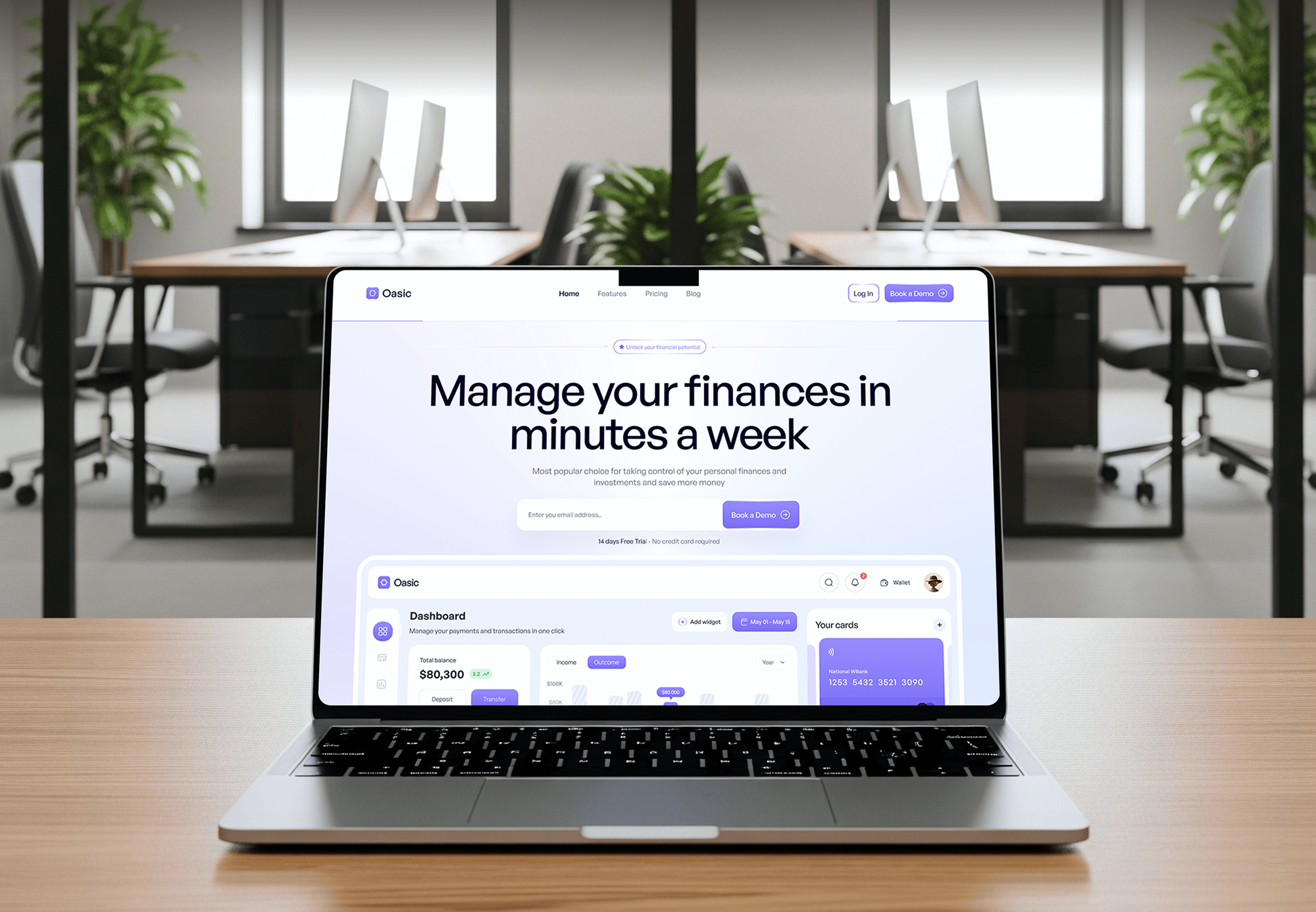
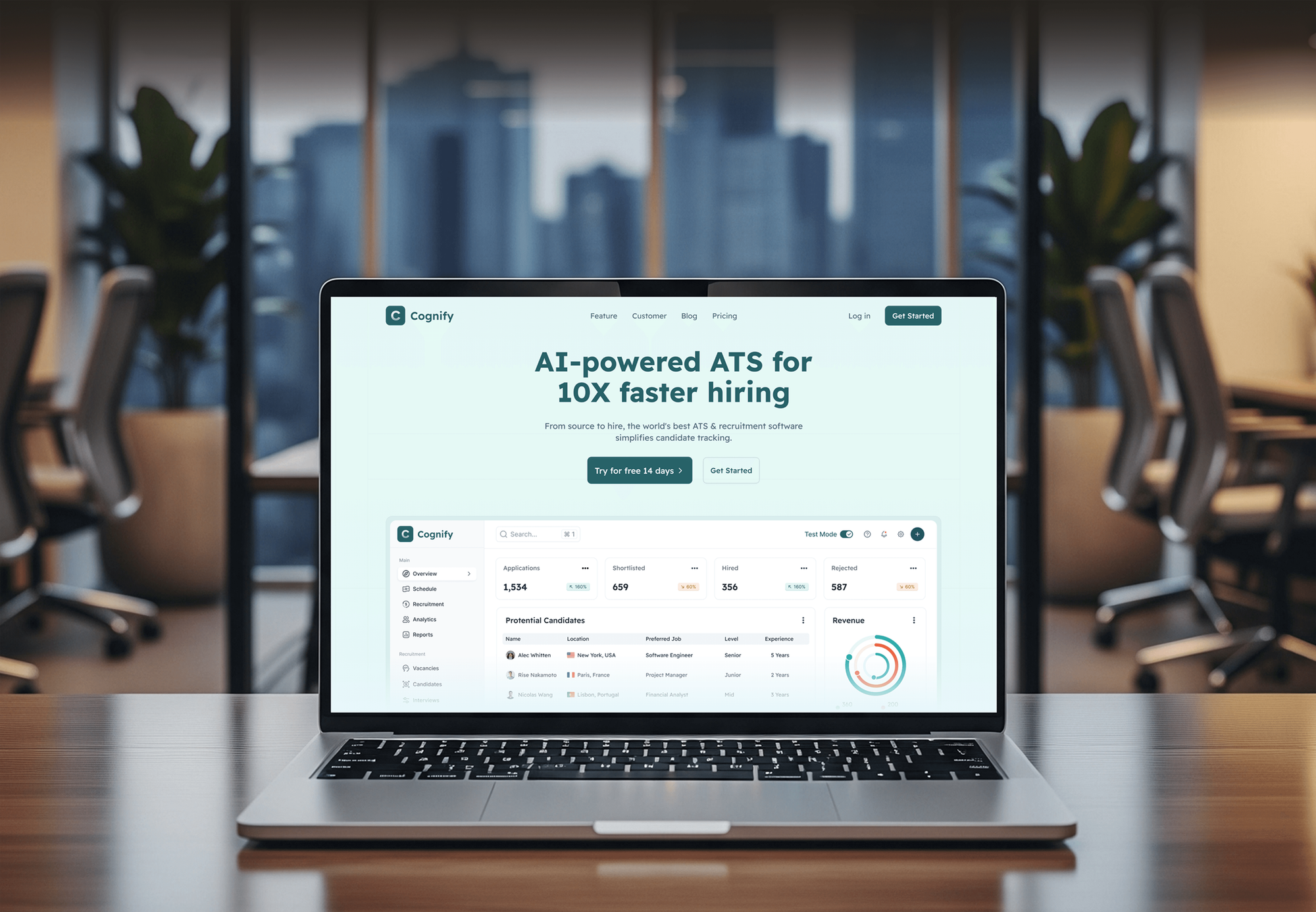
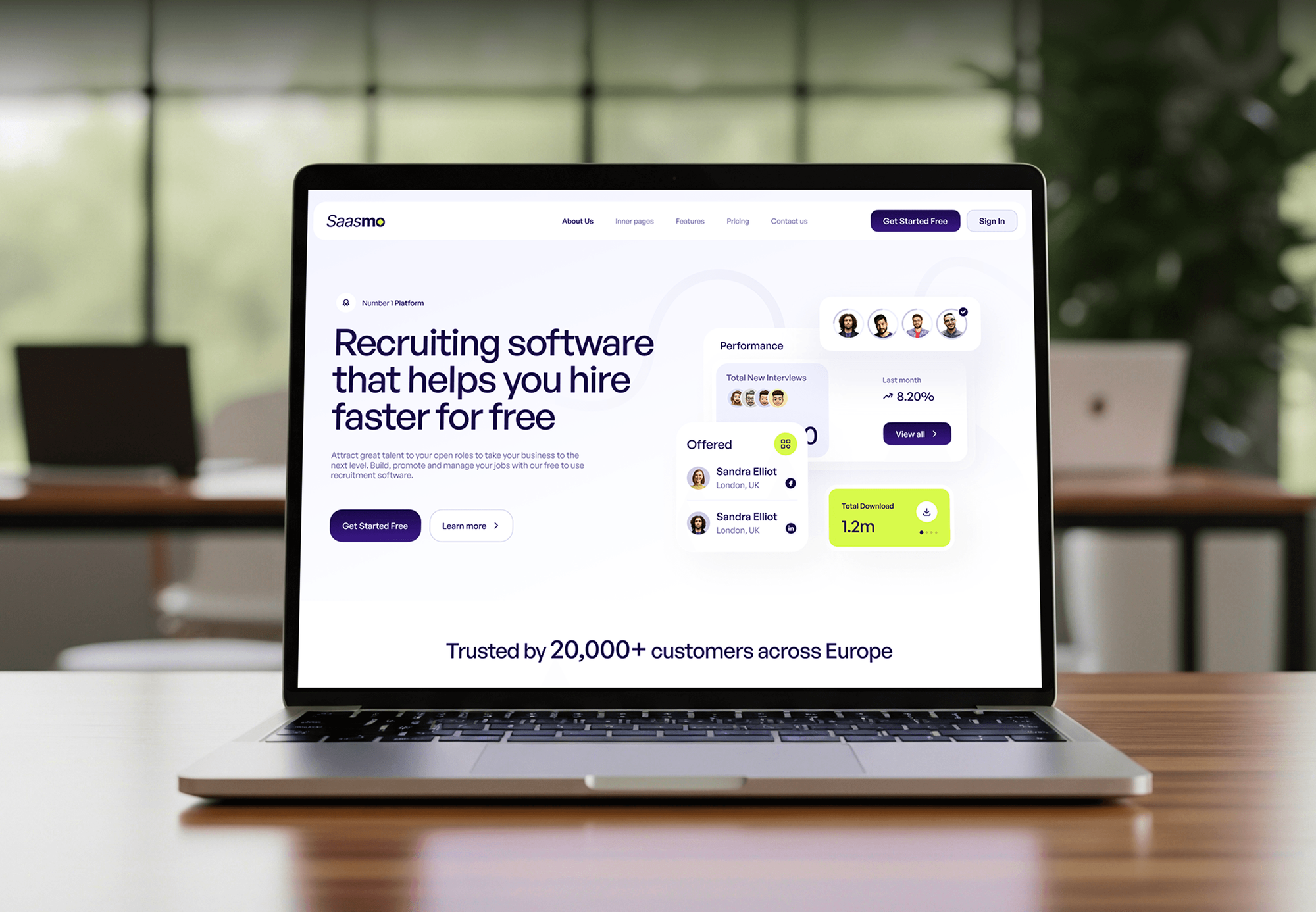
Projects We've Built
Web platforms and product sites from our portfolio: the kind of software your own API would sit behind.
What Our Clients Say
Feedback from founders and product teams we have built software for.
We had a pretty specific idea of what we wanted our website to become, but I wasn’t sure how easily we could explain all of it to a development team. There were quite a few moving parts, and we were working toward a deadline, so I expected a few things to get lost along the way. That never really happened. They understood what we were trying to achieve, kept us updated throughout the process, and got everything ready within the agreed timeline. The final site feels much easier to navigate, works beautifully on mobile, and is noticeably smoother for our customers. It was a huge relief seeing the original idea actually turn into the website we had in mind.
The mobile experience is probably my favourite part of the new site. We had spent a lot of time making sure the desktop version looked right, and the team kept pushing us to think about how everything would actually feel on a phone too. They were right. The navigation is clean, the interactions feel natural, and everything we’ve tested so far works exactly as it should. They also went through the links, forms, integrations, and other details more than once before launch, which I really appreciated. And even after going live, we could still reach out when something came up. The whole process felt friendly, organised, and surprisingly straightforward.
What I appreciate most is that the website is actually easy for us to manage now. We can update content ourselves instead of sending a developer a message every time we need to change something small. They also paid attention to the technical SEO side, which mattered to us because we didn’t want a new website to create problems for the traffic we already had. I’ve probably asked more questions than I should have since launch, but every question has been handled patiently and without any fuss. The team is easy to work with, they explain things clearly, and when we need something changed, they focus on getting it done rather than making the process complicated.
1,250+
Projects shipped
10+
Years of experience
Top 3%
Upwork Top Rated Plus
5 stars
Average review score

Want results like these?
Tell us what you are building. You get a reply within 24 hours on business days, then a written estimate.
Work Culture
Other developers build on your API, so small habits matter. These keep it stable, secure, and easy for you to extend long after launch.
We agree endpoints, data shapes, and errors in an OpenAPI file before the build starts. Your app and partner teams can plan against it from the first week.
Changes that would break existing apps go into a new version. Older versions keep running through a deprecation period you choose and announce.
Every endpoint ships with reference docs and request examples you can copy and run. Partners find answers in the docs instead of your inbox.
Scoped keys, input checks, and rate limits are part of the first release. We check each build against common API risks before it goes live.
Automated tests run on every change before it reaches production. A fix in one endpoint doesn't quietly break another one.
The code, docs, cloud accounts, and API keys sit in your name. Your team can extend the API later without asking us for access.
Overview
DeveloperLook provides custom API development services for SaaS products, mobile apps, and partner platforms. We agree the contract with you first, then build REST or GraphQL endpoints with authentication, versioning, rate limits, automated tests, and OpenAPI docs. Projects start at $1,450, and a focused API ships in 2 to 3 weeks.
DEVELOPERLOOK
Project facts · API Development Services
Reviewed 30 Sep 2026 by Saimul Islam
Good fit
SaaS and product teams
Your web app, mobile app, and integrations need one stable backend, and the current one grew endpoint by endpoint without a plan.
Startups whose product is the API
Your customers build on your platform, so you need a team that treats docs, keys, and versions as product features.
Businesses opening data to partners
Your partners want secure access to your data, and emailing spreadsheet exports every week has stopped working.
Teams with a legacy system
You need a modern, secure API layer over an older database or application, without rewriting the system underneath.
Agencies with an API brief
Your client needs a backend for their app, and you want an API design and development agency working under your brand.
Not a fit
Connecting existing tools
You only need to connect tools you already use, like a CRM, a store, and accounting software. Our API integration team handles that work.
Small internal sync
The job is a small internal sync that a no-code automation tool can already handle well and cheaply.
Code review only
You plan to build in-house and only want a code review. As an API development company, we take on full builds, not review-only work.
Data ownership unclear
You have less than $1,450 to spend, or nobody has agreed who owns the data you want to expose. Settle that first, then we can scope it.
Not sure we're the right fit?
Book a free call or message us. We'll tell you honestly whether we're the right team.
Pricing
These are starting points in USD. Your final price depends on endpoints, outside systems, and security needs, and you get a fixed proposal after a free discovery call. Hosting fees are separate.
For one app or service that needs a clean, documented API. About 2 to 3 weeks.
$1,450one-time, USD
For a product or mobile app backend with OAuth, user roles, and webhooks. About 4 to 7 weeks.
$4,200one-time, USD
For a platform partners build on, with a developer portal and real-time features. About 8 to 12 weeks.
$8,700one-time, USD
For Agencies
You keep the client relationship and the product decisions. We supply the backend engineering: contract design, build, tests, and docs. Everything is delivered under your brand, so you can take on API work without having to hire API developers in-house.
White label: your client only ever sees your brand
Send the client's requirements, data sources, and any existing docs.
An endpoint list, a draft contract, and a fixed price you can resell.
We build and test under your brand, write the docs, then hand over every key.
We work under your brand, and every account stays with your client.
A reviewed contract and weekly demos you can show your client.
Auth, versioning, and security handled by senior backend developers.
Take on one backend project or run several client builds at once.
The Right Technology for Your Project
We choose languages, frameworks, and docs tools that fit your product and your team, so you can maintain the codebase easily after handover.
 Node.js
 Python
 Go
Go Java
Java Express
 NestJS
 Django
 Laravel
 OpenAPI
 GraphQL
 gRPC
gRPC OWASP
OWASP PostgreSQL
 MongoDB
 AWS
AWS Docker
FAQ
Straight answers on API costs, timelines, REST, API-first design, languages, and security.
Saimul IslamFounder & CEO, DeveloperLookStill have questions?
Send a message or book a call with the team.
DeveloperLook's API projects start at $1,450 for a focused API with up to 10 endpoints, tests, and docs. Product APIs with OAuth, user roles, webhooks, and monitoring start at $4,200, and partner platforms with a developer portal start at $8,700. Hosting is billed by your cloud provider, and you get a fixed proposal before we build.
A focused API usually takes 2 to 3 weeks, and a product API takes 4 to 7 weeks. Partner platforms with a developer portal or real-time features take 8 to 12 weeks. The number of endpoints and outside systems matters most, so we list both before we quote.
API development is designing, building, and maintaining the interface that lets your apps, partners, and services exchange data with your system. The work covers the contract (endpoints, data shapes, and errors), authentication, versioning, automated tests, and docs. Done well, your web app, mobile app, and partners all build on one stable backend instead of separate one-off connections.
A custom API is one built around your own product, data, and business rules instead of a platform's generic endpoints. You decide which data it exposes, who can call it, and how it changes over time, so your apps and partners get exactly what they need. It's the right choice when ready-made connectors or backend platforms can't express your rules.
An API turns your product into something other software can build on. You can launch a mobile app on the same backend as your web app, let partners sell or embed your service, and replace manual exports with automated data flows. Each new channel reuses the same endpoints, so growth doesn't mean rebuilding your backend every time.
API-first means you design the API contract before building the apps and features that use it. Your team agrees endpoints, data shapes, and errors in an OpenAPI file, then web, mobile, and partner teams work in parallel against a mock server. We run every project this way, because changes cost least before any code exists.
It's building an API that follows REST rules: clear resource URLs, standard HTTP methods like GET and POST, and predictable JSON responses. REST suits most products and partner APIs because it's simple to cache, secure, and document. If your apps need flexible queries across related data, GraphQL can fit better, and some projects use both.
There's no single answer: most APIs are built in Node.js, Python, PHP, Go, or Java. Your API developer should pick the language your team can maintain after launch, since the framework matters as much as the language. Our stack covers Node.js with Express or NestJS, Python with Django, PHP with Laravel, plus Go and Java, and we recommend one after reviewing your team's skills.
Security starts in the contract, where you decide who can call each endpoint. We use OAuth 2.0, JWT, or API keys with scoped permissions, validate every input, add rate limits, and encrypt traffic. Before launch, we check the build against the OWASP API Security Top 10 risks and fix what we find.
We version the API from the first release. Changes that would break existing clients go into a new version, while the old one keeps running through an agreed deprecation period. Clients get notice in the docs and in API responses, so your mobile apps and partners have time to update.
Saimul IslamFounder & CEO, DeveloperLookStill have questions?
Send a message or book a call with the team.
Free 30-min callGoogle Meet
Book a call
In 30 minutes on Google Meet we walk you through how we would build it, how long it takes and what it costs. Then you get a written estimate.
Calendar not showing? Book on cal.com or send a brief.