User research and audit
Stakeholder input, user interviews, analytics, and a review of your current experience to find real friction.

Product teams get research-led flows, tested prototypes, and Figma design systems their developers can build from, with UX audits from $950.
2X
Faster task completion
100%
Key flows tested before code
Teams we have built for:













The Problem
Good design removes friction, and the cheapest place to find it is before development. After launch, every confusing screen costs you support time and churn.
01 · Untested flows
The feature shipped before anyone tested the flow with users.
Clickable prototypes get tested with users before development starts.
02 · Hidden settings
Trial users can't find the setting they came for.
Flows get mapped from interviews, analytics, and support tickets.
03 · Long sign-up
Sign-up asks for nine fields before showing any value.
Sign-up and onboarding lose the steps users don't need.
04 · Costly rework
Fixing it now means reworking code that took weeks.
A shared component library keeps new screens consistent as the product grows.
Your team shipped the feature, but nobody tested the flow with real users first. Trial users can't find the setting they came for. Sign-up asks for nine fields before showing any value. Support answers the same three questions every day, and each answer is a screen the interface should have explained. Now fixing it means reworking code that took weeks to write.
We start with your users' real tasks, pulled from interviews, analytics, and support tickets. Then we map the flows, test clickable prototypes with users before development, and fix what confuses them while changes still cost hours, not sprints. You finish with a design system, so every new screen stays consistent as the product grows.
Research before opinions
Your design choices come from interviews, analytics, and tests, not from the loudest voice in the meeting.
Shorter paths to value
Sign-up, onboarding, and key tasks lose the steps users don't need, so more of them reach the result.
One consistent interface
A shared component library keeps every screen aligned, which speeds up your design and development work.
Our Research-to-Handoff Process
You review research findings, flows, screens, and test results as they happen. Each stage ends with a Figma file or prototype you can click, comment on, and approve.
It starts with a free call. Then we review your goals, your users, your analytics, and the current experience. You get a short findings memo with the biggest friction points ranked by what they cost you.
What's Included
Every project covers research, structure, visual design, testing, and handoff. You get Figma files your developers can build from, not just pretty mockups for your pitch deck.
Compare Options
An in-house designer is great for long-term ownership, and a template or UI kit is fast for simple tools. Here's where each fits when you're shaping a product.
| Feature | DeveloperLookBest fit | Staff designer | Template |
|---|---|---|---|
| Research depth | Research-led | Depends on the person | None |
| Fit to your product | Designed for your users | Designed for your users | Generic |
| Speed to start | Within days | Weeks to hire | Immediate |
| Cost | Fixed project price | Salary and tools | Low upfront |
| Usability testing | Included in every plan | If time allows | Not included |
| Developer-ready specs | Depends on experience | Basic | |
| Design system | Built and documented | Grows over time | Comes with the kit |
| Best for | Defined projects and gaps | Long-term ownership | Simple internal tools |
Projects We've Built
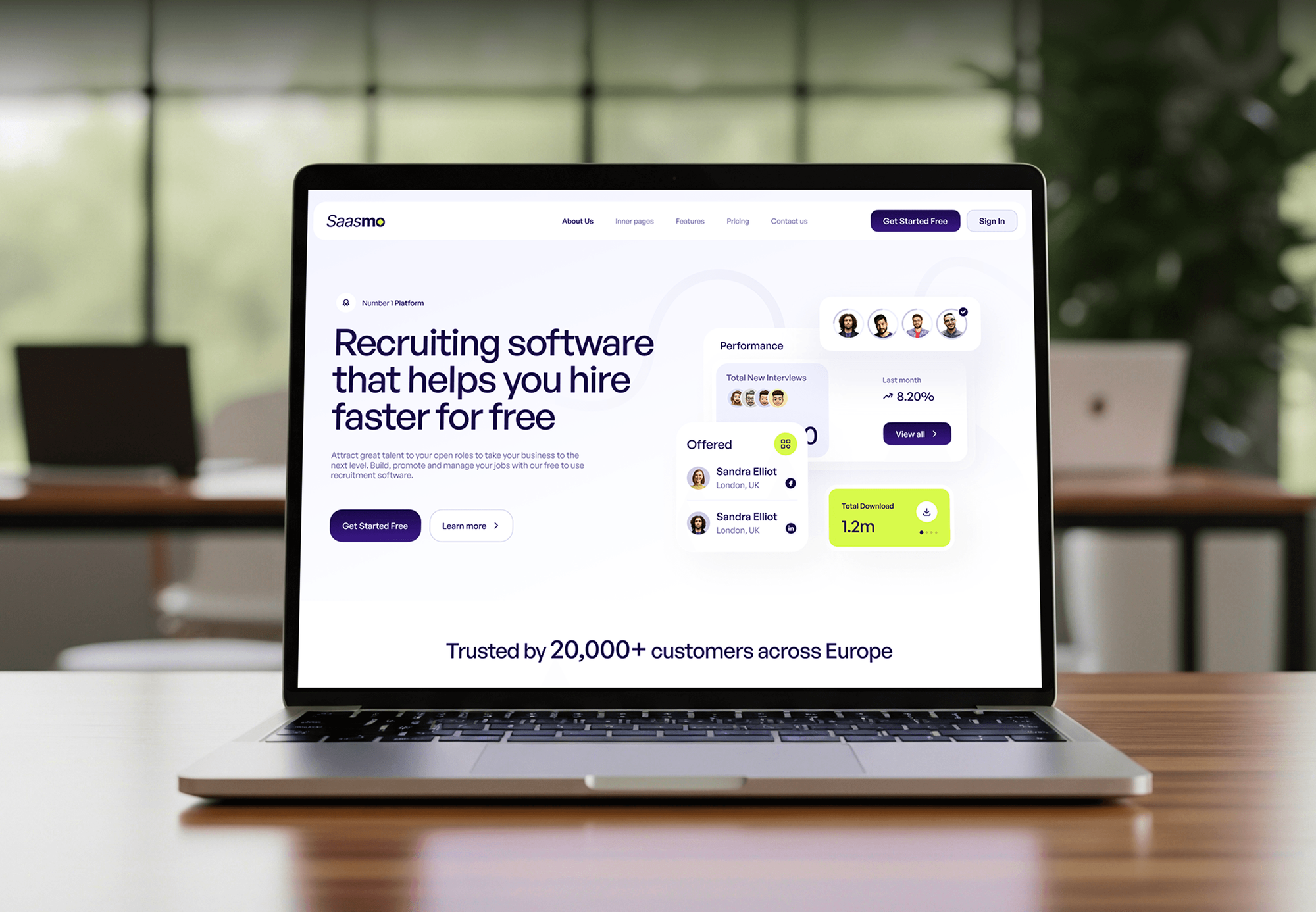
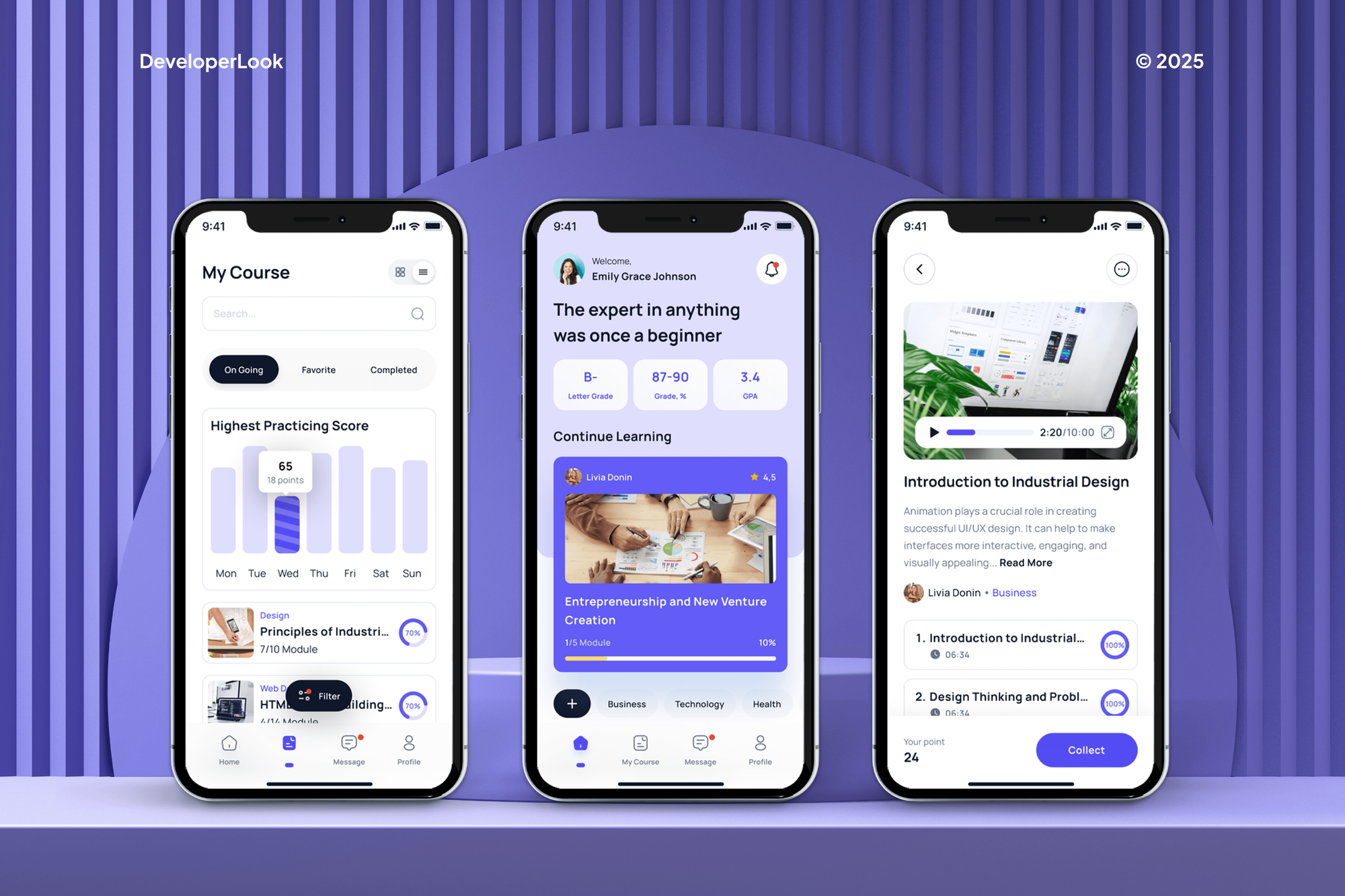
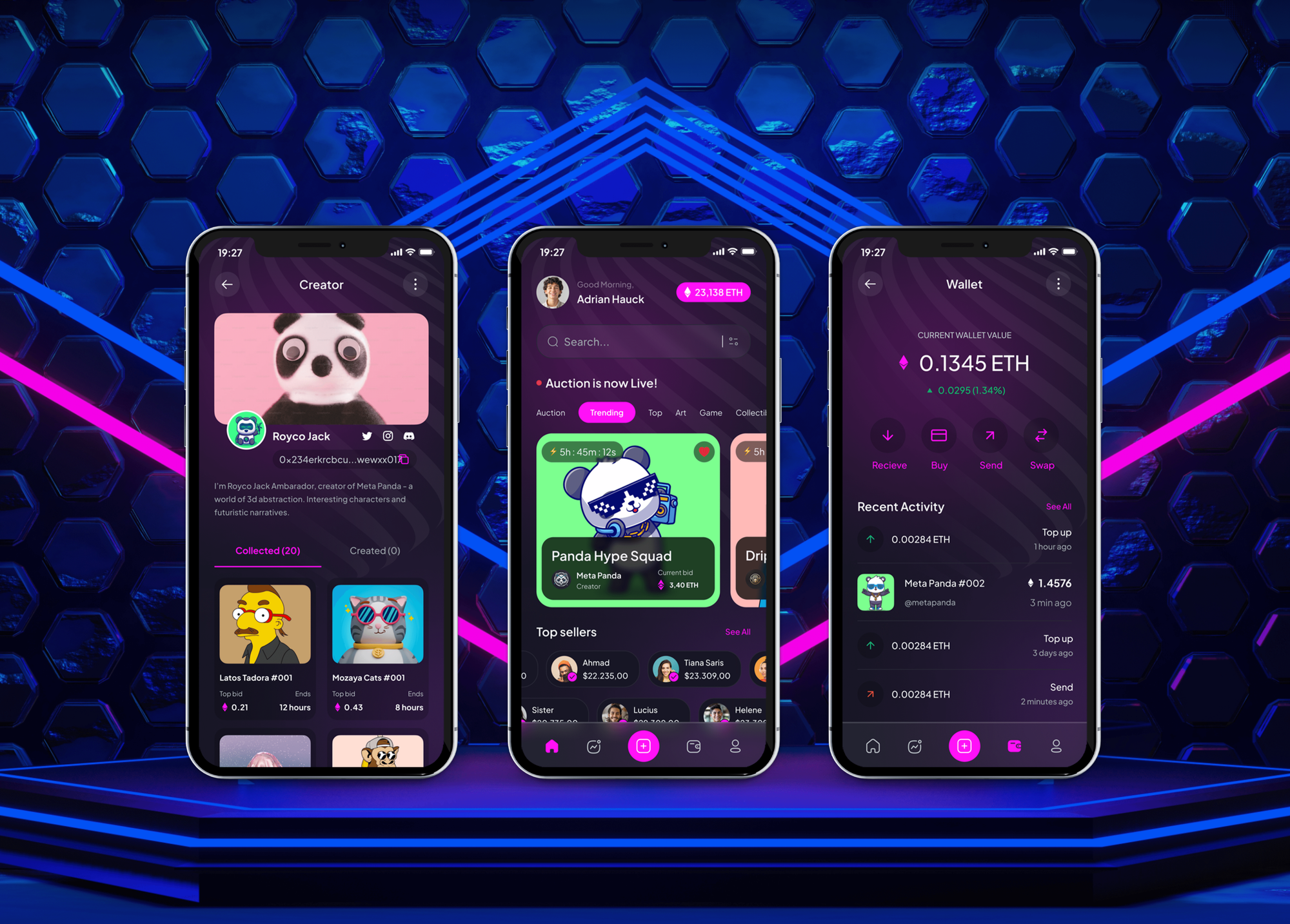
A selection of app and dashboard design projects we delivered for clients, including an e-learning app and an NFT dashboard.
What Our Clients Say
Feedback from teams we have designed and built products for.
We had a pretty specific idea of what we wanted our website to become, but I wasn’t sure how easily we could explain all of it to a development team. There were quite a few moving parts, and we were working toward a deadline, so I expected a few things to get lost along the way. That never really happened. They understood what we were trying to achieve, kept us updated throughout the process, and got everything ready within the agreed timeline. The final site feels much easier to navigate, works beautifully on mobile, and is noticeably smoother for our customers. It was a huge relief seeing the original idea actually turn into the website we had in mind.
The mobile experience is probably my favourite part of the new site. We had spent a lot of time making sure the desktop version looked right, and the team kept pushing us to think about how everything would actually feel on a phone too. They were right. The navigation is clean, the interactions feel natural, and everything we’ve tested so far works exactly as it should. They also went through the links, forms, integrations, and other details more than once before launch, which I really appreciated. And even after going live, we could still reach out when something came up. The whole process felt friendly, organised, and surprisingly straightforward.
What I appreciate most is that the website is actually easy for us to manage now. We can update content ourselves instead of sending a developer a message every time we need to change something small. They also paid attention to the technical SEO side, which mattered to us because we didn’t want a new website to create problems for the traffic we already had. I’ve probably asked more questions than I should have since launch, but every question has been handled patiently and without any fuss. The team is easy to work with, they explain things clearly, and when we need something changed, they focus on getting it done rather than making the process complicated.
1,000+
Projects shipped
10+
Years of experience
Top 3%
Upwork Top Rated Plus
5 stars
Average review score
Work Culture
Product design goes wrong in predictable ways: opinions over evidence, missing states, and handoffs that lose detail. These habits prevent all three.
We back design decisions with interviews, analytics, or test results. When stakeholders disagree, the users break the tie, not the loudest voice.
We design the empty, loading, error, and success versions of each screen. Your developers don't have to invent the awkward moments users hit most.
Clickable prototypes go in front of real users before development starts. You see where people hesitate while fixes still cost hours, not sprints.
Figma files come organized, named, and annotated, with specs for spacing and behavior. We stay on call during the build, so the shipped product matches the design.
You know the screens, rounds, and price before we start. If research reveals a bigger problem, we show you the cost before changing the plan.
You own every Figma file, component, and research note we produce. Take the design system to any developer or in-house team you like.
Overview
DeveloperLook provides UI/UX design services for SaaS products, web apps, and mobile apps. Projects cover user research, flows, wireframes, high-fidelity UI, a tested prototype, and a design system, delivered in Figma for your developers. UX audits start at $950 and take 1 to 2 weeks at a fixed price.
DEVELOPERLOOK
Project facts · UI/UX Design Services
Reviewed 30 Sep 2026 by Saimul Islam
Good fit
Startups designing a first product
You're about to spend months of developer time, and you want the flows proven with real users before anyone writes code.
SaaS teams with onboarding drop-off
Your trial users sign up, poke around the dashboard, and leave before reaching the feature that makes them stay.
Product teams without a designer
Your developers design screens as they go, so every new feature looks slightly different, and you need UI design services to pull it together.
Companies with a dated portal or app
Your customer portal still works, but support tickets keep asking where things are, and new staff need training to use it.
Agencies needing design capacity
Your client wants UX research and product screens, and your team needs a user experience agency that delivers Figma files under your brand.
Not a fit
Marketing website instead
A marketing website isn't a product interface. Our Website Design service fits sites that sell rather than software people use.
Campaign page for ads
You only need a campaign page for ads. Our Landing Page Design service builds and tracks those faster.
Designs ready for code
You already have final designs and only need them coded. Our Web Development team takes it from there.
Logo or UI kit
Your budget is under $950 or you only need a logo. A UI kit gets you started, and a brand designer handles logos.
Not sure we're the right fit?
Send a two-line brief. We'll tell you honestly whether we're the right team.
Pricing
These are starting points in USD. Your final price depends on screen count, research depth, and platforms, and you get a fixed proposal after a free discovery call.
For live products that need a clear list of fixes and a few redesigned key screens.
$950one-time, USD
For MVPs and new feature sets that need research-led design before development.
$2,800one-time, USD
For larger products that need a complete design system and deeper testing.
$5,900one-time, USD
For Agencies
When a client needs research and product screens, we become your design team. You keep the relationship and the roadmap talks, and we deliver flows, screens, and tested prototypes under your brand.
White label: your client only ever sees your brand
Send the goals, target users, analytics access, and any existing designs.
Each phase gets a fixed price, with screen counts and test rounds listed up front.
We deliver the files and prototypes, then support your developers during the build.
We work under your brand, so you keep the relationship and the credit.
Organized files and prototypes ready to present in your client meetings.
User interviews and tests that give your client evidence, not opinions.
Add senior designers for one product sprint or a longer engagement.
The Right Technology for Your Project
We design in Figma, test with Maze and real users, and read Hotjar and GA4 data to see where people struggle.
 Figma
Figma Adobe XD
 Sketch
 Framer
 Hotjar
 GA4
GA4 Lighthouse
 Chrome DevTools
 React
React Next.js
 Tailwind CSS
 Flutter
 Slack
Slack Loom
Loom Google Sheets
 Canva
CanvaFAQ
Straight answers on cost, timelines, hiring a designer, and how UI and UX work fit together.
 Saimul IslamFounder & CEO, DeveloperLook
Still have questions?
Send a message or book a call with the team.
Hiring a UX/UI designer through DeveloperLook starts at $950 for your UX audit with up to 5 redesigned key screens. Research-led design for up to 20 screens starts at $2,800, and the full plan with a complete design system starts at $5,900. Hourly freelancers can look cheaper, so check what each quote gives you. You get a fixed proposal after a free discovery call.
A UX audit takes 1 to 2 weeks. Designing an MVP or feature set takes 4 to 6 weeks, and the full plan takes 6 to 10 weeks. Research access and your feedback speed matter most, so we book user sessions and review dates at kickoff.
It's the work of planning how your product behaves (UX) and how each screen looks (UI), so your users finish tasks without help. UX covers research, user flows, and structure. UI covers layout, type, color, and every button state. The two only work together: a polished screen can't save a confusing flow, and a clear flow still needs readable screens.
A UX/UI designer researches how people use your product, maps the flows, and designs the screens your users tap through. Day to day that means interviews and analytics reviews, wireframes, high-fidelity mockups in Figma, and clickable prototypes tested with real users. A good designer also documents components and states, so your developers build exactly what users tested.
UX design decides how your product works: the flows, structure, and steps your users take to finish a task. UI design decides how each screen looks and responds, from layout and type to buttons and states. We do both together, so a clean interface doesn't hide a broken flow.
Our UI/UX services follow five stages: discovery, flows and wireframes, UI design, prototype testing, and developer handoff. Each stage ends with something you can click and approve, like a flow map or a Figma prototype. Testing happens before your developers write code, because a confusing flow is cheap to fix in Figma and expensive to fix once it's built.
Start with portfolios that show you research and test findings, not only polished screens. When you hire UI/UX designers, ask how they handle empty and error states, what your developers receive at handoff, and who owns the Figma files. A short audit is a low-risk way to see how a designer thinks before you commit to a bigger project.
They overlap, but product design is broader: it also covers your business goals, feature priorities, and what to build next. Interface and experience work focuses on how your product behaves and looks for the people using it. On most projects one team handles both, and our Product Design plan covers research-led flows and screens for your new features.
No, web design shapes marketing websites that sell, while UI and UX work shapes software people use every day. Your website needs clear messaging and conversion paths. Your product interface needs flows, states, and components that hold up across hundreds of screens. DeveloperLook's Website Design service covers marketing sites, and this page covers your apps and dashboards.
Choose a company that shows you how research changed its designs, with before-and-after flows and test notes. Check that every plan you compare includes a clickable prototype and usability testing, not only static mockups. Ask who will present findings to your team, and make sure the Figma files live in your own workspace from the first day.
Saimul IslamFounder & CEO, DeveloperLookStill have questions?
Send a message or book a call with the team.
30-min strategy callGoogle Meet
Book a call
Pick a 30-minute slot that works for you. We meet on Google Meet to align on goals, scope, and the right next step.
