
Spec-driven product catalog
Products organized by line and application, with spec tables and filters buyers use to narrow a shortlist.

For manufacturers whose buyers check specs before they call: capabilities, catalog and datasheets online, plus an RFQ form that takes drawings. From $1,450.
2X
More qualified RFQs
1click
To any spec sheet or datasheet
How your project runs
Teams we have built for:














The Problem
It shows up when an engineer needs a tolerance, a grade, or a CAD file before a design review, and your site offers only a phone number.
01 · Specs
Buyers can't find tolerances, materials, or maximum part sizes.
Each capability and product page shows specs in your own numbers.
02 · Downloads
Datasheets and CAD files sit in a shared drive, not online.
A download library puts datasheets, SDS files, and CAD models beside each product.
03 · Quotes
The contact form rejects drawings and skips quantity and material.
A quote form takes drawings and asks for quantity, material, and due date.
04 · Updates
Only the old developer can change a product page.
Your team edits products and specs in the CMS without calling anyone.
A process engineer has three suppliers open in three tabs. They need your maximum part size, the alloys you run, and a datasheet for Thursday's design review. Your site offers a mission statement, a plant photo, and a contact form that won't take a STEP file. So they email someone else. Your reps field calls for specs that sit in a shared drive. Product pages haven't changed in years, because only the old developer can edit them. And the RFQs that do arrive skip quantity, material, and drawings.
We start with the questions your buyers ask before they request a quote, then build the site around them. Capabilities, materials, and equipment get their own pages. Products get spec tables pulled from your spreadsheet, with datasheets, SDS files, and CAD downloads beside them. The RFQ form asks for quantity, material, and due date, accepts drawings, and routes each request to the right rep. Buyers get answers at midnight, not after a callback.
Specs on every product
Spec tables, tolerances, and materials in your own numbers, searchable instead of locked in PDFs.
RFQs with drawings attached
The form takes STEP, DXF, and PDF files and asks for quantity and due date.
Grade pages for chemical makers
Chemical and materials producers get grade pages and an SDS library buyers can search.
Our Manufacturing Web Design Process
You see the sitemap, the designs, and the catalog with your real product data before launch, and you approve each stage before the next one starts.
We talk through your products, buyers, and sales process, and review your current site. You tell us which RFQs you want more of and which you'd rather not get. You leave with a scope and a fixed-price proposal.
What's Included
Capability pages, a catalog built from your spec data, a download library, and a quote form that routes by product line.
Compare Options
A template builder suits a shop with five pages and no catalog. A generalist agency suits brand-heavy launches. Here is where each fits a manufacturer that sells on specs.
| Feature | DeveloperLookBest fit | Template builder | Generalist agency |
|---|---|---|---|
| Planning around buyers | Sitemap built from buyer questions | You plan the pages yourself | Workshops, often brand-led |
| Spec catalog | Spec tables and filters from your data | Basic product grid | Custom, often quoted extra |
| RFQ with drawings | Upload, quantity, material, and routing | Simple contact form | Varies by team |
| Datasheet downloads | Library tied to each product | Manual file links | Usually included |
| Speed to launch | 4 to 14 weeks by scope | Fastest for a few pages | Often slower, more meetings |
| Launch testing | Forms, downloads, and phones tested | Up to you | Usually included |
| Upfront cost | From $1,450, fixed after discovery | Lowest monthly fee | Higher, often a retainer |
| Site ownership | You own site, content, accounts | Tied to the builder's plan | Depends on the contract |
Projects We've Built
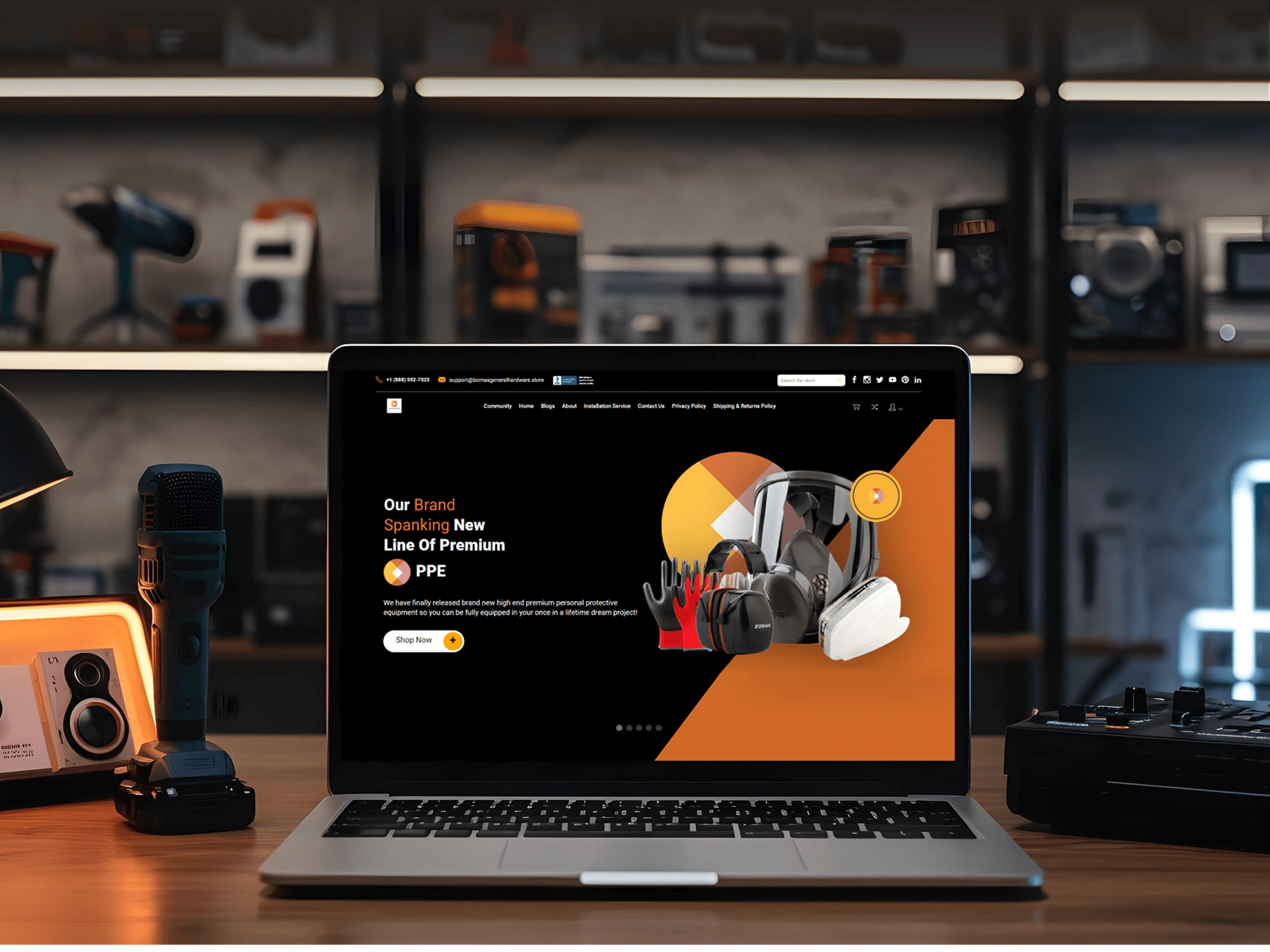
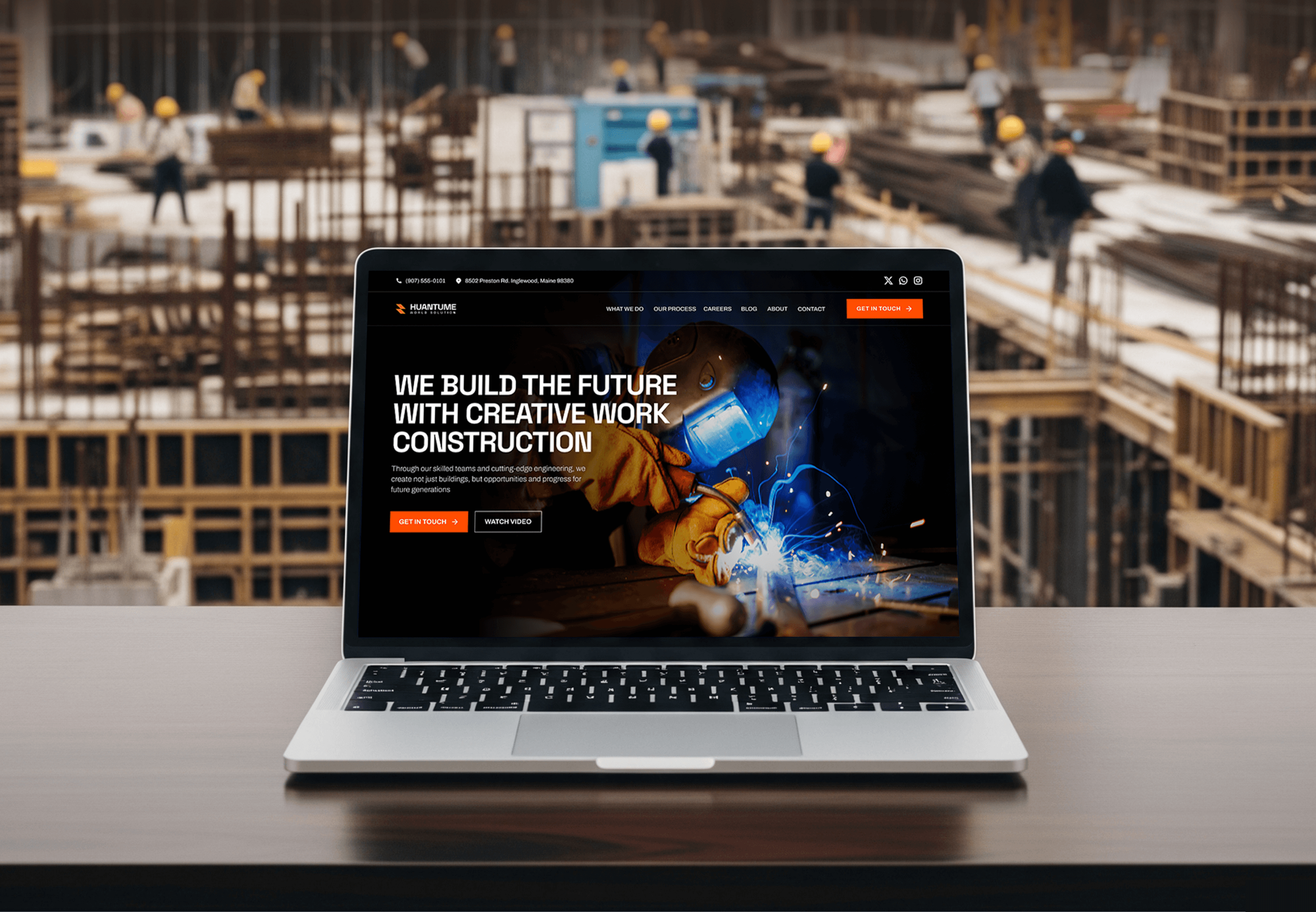
Catalog, construction, and B2B service sites we designed and built. None is a manufacturer, but each shows the structure, forms, and content work this page describes.


What Our Clients Say
Feedback from teams we have built websites and catalogs for.
We had a pretty specific idea of what we wanted our website to become, but I wasn’t sure how easily we could explain all of it to a development team. There were quite a few moving parts, and we were working toward a deadline, so I expected a few things to get lost along the way. That never really happened. They understood what we were trying to achieve, kept us updated throughout the process, and got everything ready within the agreed timeline. The final site feels much easier to navigate, works beautifully on mobile, and is noticeably smoother for our customers. It was a huge relief seeing the original idea actually turn into the website we had in mind.
The mobile experience is probably my favourite part of the new site. We had spent a lot of time making sure the desktop version looked right, and the team kept pushing us to think about how everything would actually feel on a phone too. They were right. The navigation is clean, the interactions feel natural, and everything we’ve tested so far works exactly as it should. They also went through the links, forms, integrations, and other details more than once before launch, which I really appreciated. And even after going live, we could still reach out when something came up. The whole process felt friendly, organised, and surprisingly straightforward.
What I appreciate most is that the website is actually easy for us to manage now. We can update content ourselves instead of sending a developer a message every time we need to change something small. They also paid attention to the technical SEO side, which mattered to us because we didn’t want a new website to create problems for the traffic we already had. I’ve probably asked more questions than I should have since launch, but every question has been handled patiently and without any fuss. The team is easy to work with, they explain things clearly, and when we need something changed, they focus on getting it done rather than making the process complicated.
1,250+
Projects shipped
10+
Years of experience
Top 3%
Upwork Top Rated Plus
5 stars
Average review score

Want results like these?
Tell us what you are building. You get a reply within 24 hours on business days, then a written estimate.
Work Culture
Habits that matter when your site has to answer engineers, carry hundreds of specs, and hand clean RFQs to your estimators.
Before we design anything, we ask your reps which questions they answer on every call. Those answers become page content, so the site handles them first.
Product data comes from the spreadsheet or ERP export you already maintain. When specs change, you update one file and re-import it.
We publish tolerances, grades, and capacities exactly as your quality team states them. If a figure needs a caveat, it sits right next to it.
RFQ uploads go to the inbox or CRM you choose, not a shared mailbox nobody checks. We limit file types and sizes, so the form stays usable and safe.
You get a fixed-price proposal after discovery, with every page and feature listed. If something new comes up, we price it before we build it.
The site, domain, hosting, content, and analytics accounts sit in your name. You can keep us for support or take the site elsewhere.
Overview
DeveloperLook is a manufacturing website design company for job shops, OEMs, and chemical producers. We build capabilities pages, spec-driven product catalogs, datasheet and SDS libraries, and RFQ forms that accept drawings. Projects start at $1,450 and take 4 to 14 weeks, with a fixed scope after discovery and every account in your name.
DEVELOPERLOOK
Project facts · Manufacturing Website Design
Reviewed 8 Oct 2026 by Saimul Islam
Good fit
Job shops and contract manufacturers
Your quotes come from engineers who need part sizes, materials, and lead times before they call, and your current site shows none of them.
OEMs with large product lines
You sell hundreds of products and need web design for manufacturing companies that turns a messy spec spreadsheet into a catalog buyers can filter.
Chemical and materials producers
Your chemical company website still sends safety data sheets by email, and you want grades, applications, and documents online where procurement teams find them.
Industrial brands replacing a dated site
You need industrial manufacturing website design that keeps your old URLs ranking, moves product data cleanly, and lets marketing edit pages without a developer.
Agencies with a manufacturing client
You won the account but don't have catalog, RFQ, or spec data experience in-house, and you need a partner who builds under your brand.
Not a fit
Budget under $1,450
Your budget is under $1,450 and you need a few pages fast. A template builder will serve you better until quote volume justifies a custom build.
You need online ordering
Your buyers want to log in, see their own pricing, and place orders. That's a store build, which our B2B Ecommerce Website Development page covers.
You resell other brands
You're a distributor selling other manufacturers' lines rather than your own. Our Distributor Website Design page is built around line cards and branch pages.
Only the CRM is broken
Your site works, but leads vanish between the form and the sales team. Our Manufacturing CRM Setup service fixes that without a redesign.
Not sure we're the right fit?
Book a free call or message us. We'll tell you honestly whether we're the right team.
Pricing
These are starting points in USD. Your final price depends on product count, spec data cleanup, and integrations, and you get a fixed proposal after a free discovery call.
For job shops and single-plant makers that need capabilities and an RFQ form online.
$1,450one-time, USD
For OEMs and chemical producers that need a filterable catalog with downloads and CRM routing.
$3,600one-time, USD
For manufacturers with several plants, large catalogs, or a second market language.
$7,200one-time, USD
For Agencies
You own the client relationship. We supply the catalog structure, spec data import, and RFQ routing that manufacturer sites need, delivered under your brand on your timeline. Your client sees your agency, and you get documented work you can support after launch.
White label: your client only ever sees your brand
Send the client's product data, current site, and goals, and we reply with questions.
You get a fixed scope and timeline to resell at your own margin.
We build on your staging, test every form, and hand over documented files.
We join calls only when you ask, under your agency name.
Fixed milestones you can quote to your client with confidence.
Developers who have structured spec data and RFQ forms many times.
Add us for one manufacturing account or a steady pipeline of them.
The Right Technology for Your Project
Tools we use to design manufacturer sites, manage spec data, route RFQs to sales, and measure which pages bring quote requests.
 Figma
 Tailwind CSS
 React
 Next.js
 WordPress
 Webflow
 Cloudflare
 Vercel
 HubSpot
 Salesforce
 Google Sheets
 Slack
 Google Analytics (GA4)
 Google Tag Manager
 Google Search Console
 PageSpeed Insights
FAQ
Straight answers on cost, timelines, RFQ leads, and spec catalogs for manufacturer websites.
Saimul IslamFounder & CEO, DeveloperLookStill have questions?
Send a message or book a call with the team.
A manufacturing website with DeveloperLook starts at $1,450 for a capabilities site of up to 10 pages with a quote form. A catalog of up to 150 products with downloads and CRM routing starts at $3,600, and multi-plant builds start at $7,200. Manufacturing company website design is priced on products, spec cleanup, and integrations, with a fixed quote after discovery.
Most manufacturer sites launch in 4 to 14 weeks: 4 to 6 for a capabilities site, 8 to 14 for a catalog build. The biggest variable is your product data. A clean spreadsheet with consistent units moves fast, while specs spread across old PDFs need cleanup first. We agree on the data format in week 2.
Effective manufacturing websites answer an engineer's fit questions without a phone call. That means capabilities, materials, tolerances, and certifications on clear pages. Add a catalog with spec filters, CAD downloads beside each product, industry pages by application, and an RFQ form that accepts drawings. Fast phone pages matter too, because buyers check suppliers between meetings.
You design it around two visitors: the engineer checking fit and the buyer comparing suppliers. We start with a sitemap built from your reps' most common questions, then design the key templates. Each page gives engineers specs and buyers proof (certifications, industries served, lead times) before the call to action.
You build it on a CMS your team can edit, with product data imported rather than typed page by page. We use WordPress or Webflow, or Next.js with a headless CMS for large catalogs. Downloads attach by part number, and quote requests post into HubSpot, Salesforce, or your inbox.
Make it easy to ask for a quote from every product and capability page. Short RFQ forms with file upload beat a generic contact page, and industry pages bring in buyers who search by application. We also add GA4 events and call tracking, so you can see which pages produce quote requests and rework the ones that don't.
Remove the reasons a buyer leaves to call or email instead. Put specs near the top of each product page, add a quote button everywhere, and trim the form to the fields your estimators use. Then compare form starts with submissions in GA4: a big gap usually points to a required field buyers can't answer yet, such as annual volume.
Give each process, material, and application its own page, written in the terms engineers type into Google. Many manufacturer sites hide that detail inside PDFs, which search engines read poorly. We build HTML spec pages, add product schema, and fix titles and internal links. Google Search Console then shows which industrial terms bring visits.
Start with a searchable SDS library, one page per grade or product family, and a sample request on each grade. The best chemical company websites also list applications, packaging sizes, and the regulatory documents buyers ask for. Many chemical companies' websites still send safety data sheets by email. In chemical company website design, we tie each SDS file to its product record, so old versions come down when your EHS team uploads new ones.
Choose an agency that asks about your spec data and RFQ process before it shows you mockups. Ask how they would structure your catalog, who owns the site and accounts after launch, and what support covers. Ours runs 30 to 90 days by plan. If a template builder already covers a five-page site with a contact form, we'll tell you before we quote.
Saimul IslamFounder & CEO, DeveloperLookStill have questions?
Send a message or book a call with the team.
Free 30-min callGoogle Meet
Book a call
In 30 minutes on Google Meet we walk you through how we would build it, how long it takes and what it costs. Then you get a written estimate.
Calendar not showing? Book on cal.com or send a brief.