
Artwork catalog with status
Every work with title, year, medium, size, and price, marked available, sold, on hold, or not for sale.

For painters, illustrators, and printmakers: every work listed with its size, medium, and status, plus a shop for originals and prints. From $1,000.
2X
More commission requests
100%
Works with size and status
Teams we have built for:














The Problem
It shows up when a collector taps the link in your bio and lands on a gallery with no sizes, no prices, and no way to ask.
01 · Availability
Collectors can't tell which paintings are still for sale.
Every work shows a status: available, sold, on hold, or not for sale.
02 · Missing details
Gallery images show no size, medium, or year.
Each artwork page lists title, year, medium, size, and a price or price on request.
03 · Commissions
Commission requests arrive with no wall size or deadline.
The commission form asks for size, location, budget, and deadline before it sends.
04 · Lost archive
Sold pieces disappear, so your body of work looks thin.
Sold work stays online as an archive, grouped by series and year.
A collector saves one of your paintings on Instagram and taps through to your site. The gallery shows the image, but not the size, the medium, or whether it sold last spring. So they send a message and wait. You answer two days later, and they've moved on. Commission requests arrive as "How much for a big one?" with no wall size or deadline. And your sold work vanished from the site, so your best years look empty.
We start with your inventory, not the home page. Every work gets a record: title, year, medium, size, price or price on request, and a status. Originals sell as one-of-one items, and editions count down as they sell. Sold work stays online as an archive. The commission form asks for size, budget, and deadline. Collectors get their answers on the page, not two days later in your inbox.
A status on every work
Available, sold, on hold, or not for sale, shown on each artwork page and grid.
Sold work stays visible
An archive of sold pieces shows your range and gives collectors a reason to commission.
Editions that count down
Numbered prints show how many remain, so buyers see the edition before it sells out.
Our Artist Website Design Process
You approve the catalog plan, the image list, one finished artwork page, the tested staging site, and the launch plan before anything goes live.
We look at your current site, where your sales and inquiries come from, and how you track your work today. You get a page list, a catalog plan, and a fixed quote. If a builder template already covers what you sell, we'll tell you before we quote.
What's Included
Your work in a catalog with sizes and status, a shop for originals and editions, a commission form, a CV page, and every account in your name.
Compare Options
Builder templates make quick sites for artists, and art marketplaces bring shoppers you don't have yet. Here's where each one stops once you sell originals and editions.
| Feature | DeveloperLookBest fit | Builder template | Art marketplace |
|---|---|---|---|
| Planning approach | Starts from your inventory | Starts from a theme | Starts from their listing form |
| Artwork details | Size, medium, year, and status | Whatever fields you add | The fields they require |
| Sold work | Kept as a series archive | Usually deleted or hidden | Delisted once it sells |
| Originals and editions | One-of-one and numbered editions | Basic stock counts | Depends on the platform |
| Commission requests | Size, budget, and deadline asked | Basic contact form | Messages through the platform |
| Speed to launch | 3 to 7 weeks | A weekend | Listings live within days |
| Collector relationships | Buyers and email list are yours | Yours, on your subscription | Buyers belong to the platform |
| Cost model | Fixed quote from $1,000 | Monthly plan plus apps | No upfront cost, commission per sale |
Projects We've Built
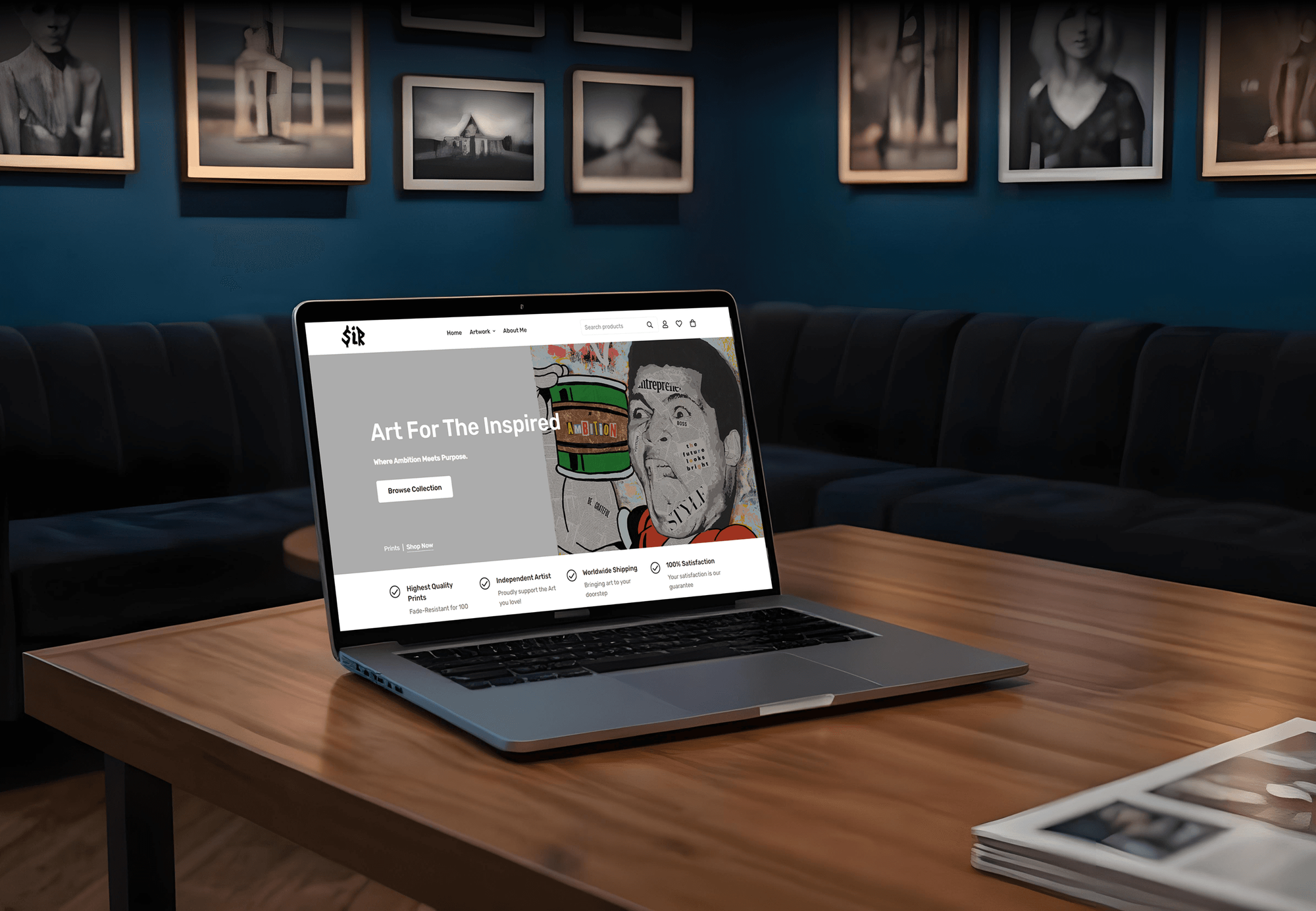
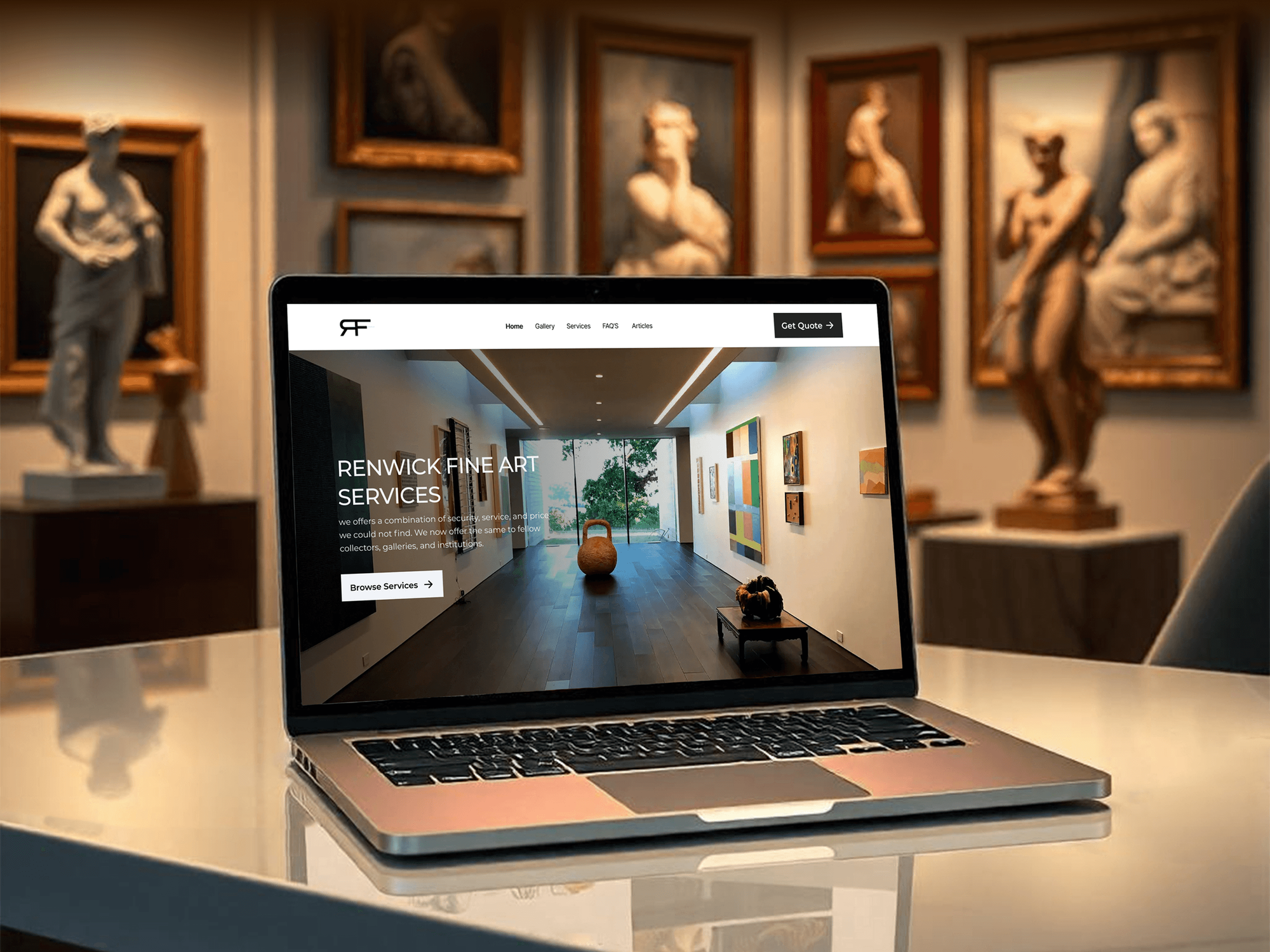
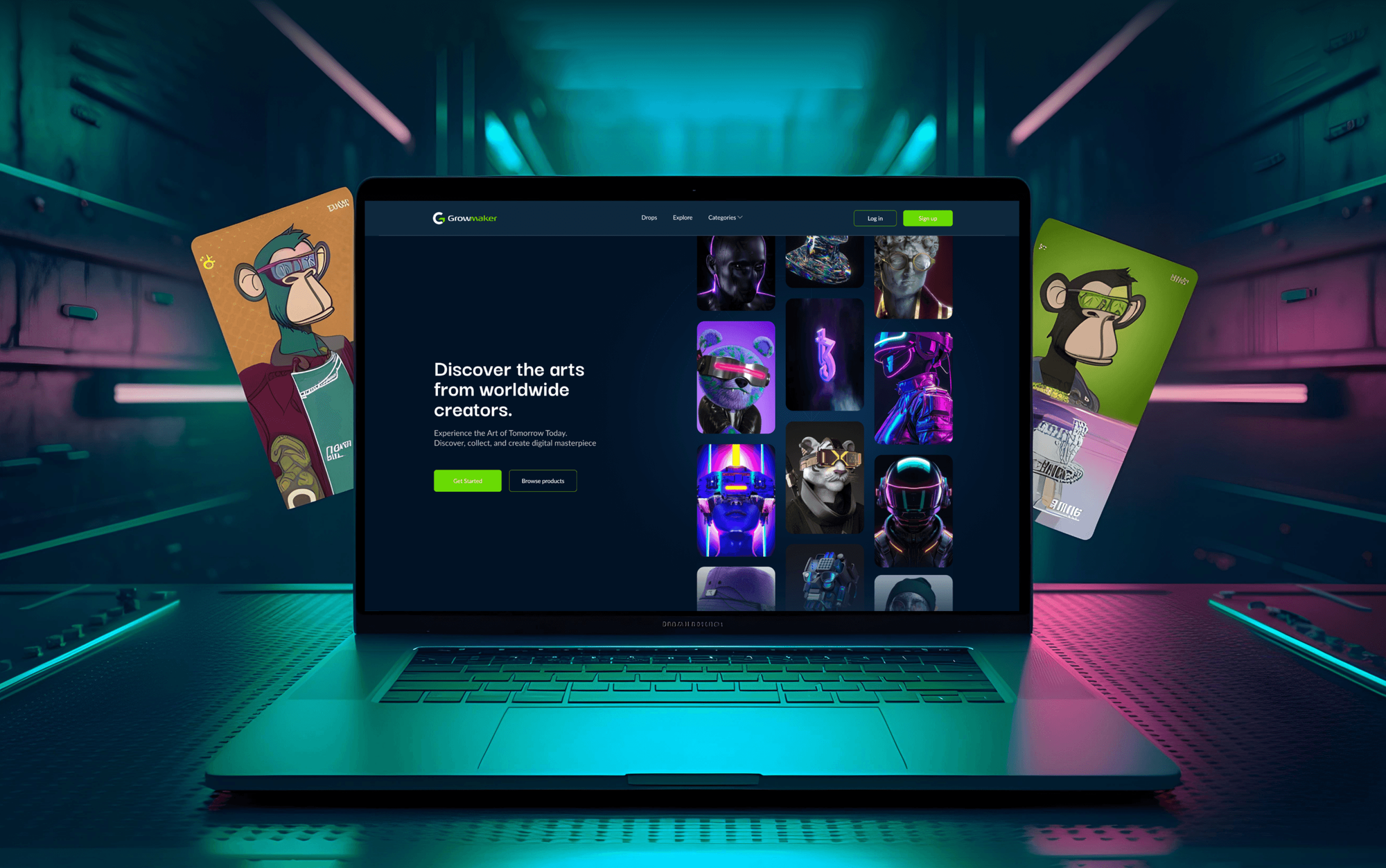
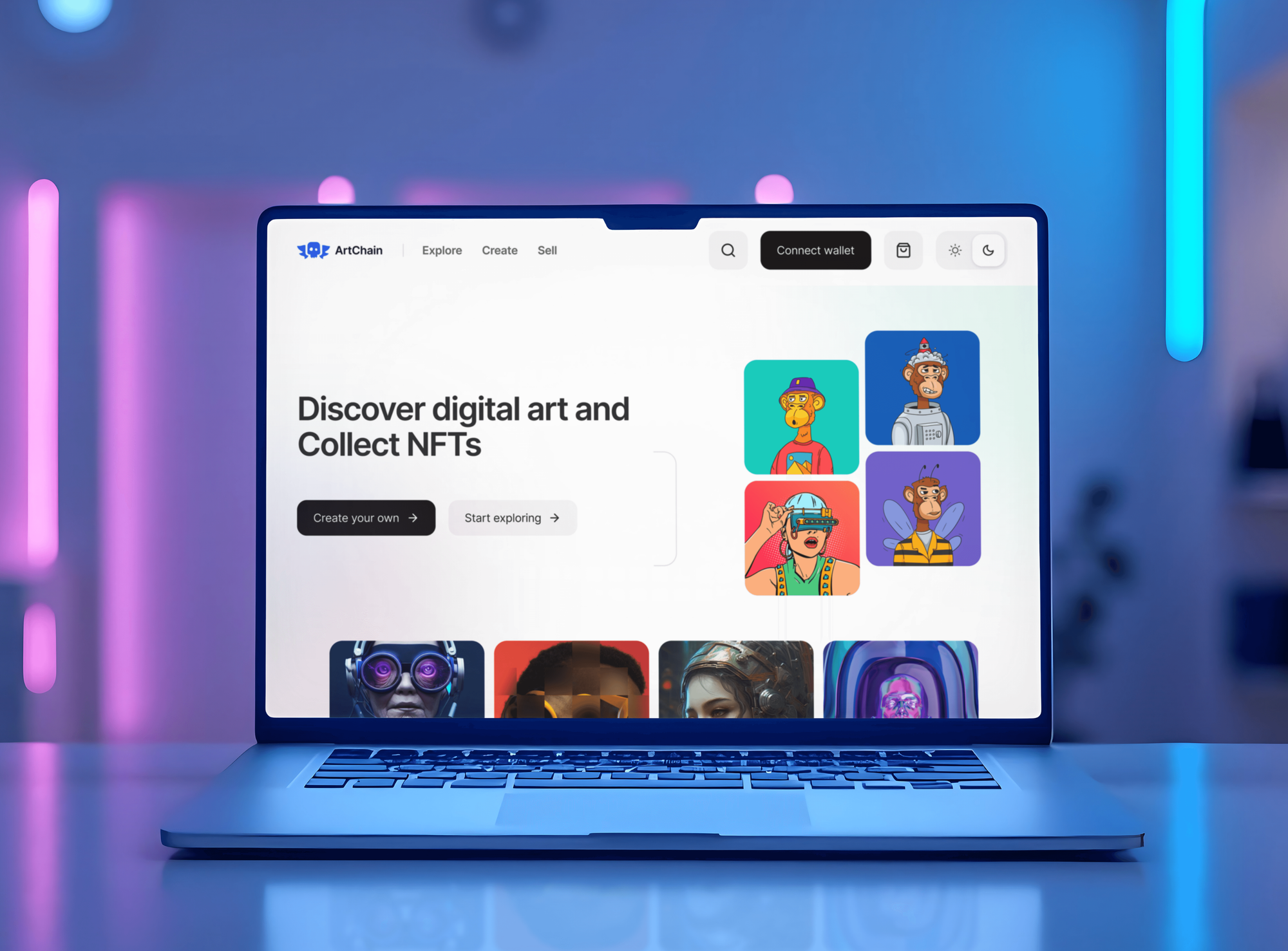
An independent artist's online store, a fine art storage and crating company, and two digital art marketplaces. Each one keeps the artwork at the center of the page.
What Our Clients Say
Feedback from teams we have built websites for.
We had a pretty specific idea of what we wanted our website to become, but I wasn’t sure how easily we could explain all of it to a development team. There were quite a few moving parts, and we were working toward a deadline, so I expected a few things to get lost along the way. That never really happened. They understood what we were trying to achieve, kept us updated throughout the process, and got everything ready within the agreed timeline. The final site feels much easier to navigate, works beautifully on mobile, and is noticeably smoother for our customers. It was a huge relief seeing the original idea actually turn into the website we had in mind.
The mobile experience is probably my favourite part of the new site. We had spent a lot of time making sure the desktop version looked right, and the team kept pushing us to think about how everything would actually feel on a phone too. They were right. The navigation is clean, the interactions feel natural, and everything we’ve tested so far works exactly as it should. They also went through the links, forms, integrations, and other details more than once before launch, which I really appreciated. And even after going live, we could still reach out when something came up. The whole process felt friendly, organised, and surprisingly straightforward.
What I appreciate most is that the website is actually easy for us to manage now. We can update content ourselves instead of sending a developer a message every time we need to change something small. They also paid attention to the technical SEO side, which mattered to us because we didn’t want a new website to create problems for the traffic we already had. I’ve probably asked more questions than I should have since launch, but every question has been handled patiently and without any fuss. The team is easy to work with, they explain things clearly, and when we need something changed, they focus on getting it done rather than making the process complicated.
1,250+
Projects shipped
10+
Years of experience
Top 3%
Upwork Top Rated Plus
5 stars
Average review score

Want results like these?
Tell us what you are building. You get a reply within 24 hours on business days, then a written estimate.
Work Culture
Good artwork website design keeps the art first and the interface quiet. These habits protect your images, your prices, and the way collectors see your work.
We compare each web image with your original or your photographer's reference before it goes live. A red that turns orange on screen misleads buyers who haven't seen the piece in person.
We upload web-size images and keep your high-resolution scans in your own storage. Anyone can save a screen image, but it won't print well at gallery sizes.
If a gallery represents some of your work, those pieces can show an inquire-through-gallery link. Your site then supports that relationship instead of undercutting it.
We pick WordPress, Squarespace, or Shopify by what you sell: originals, editions, or commissions. The wrong platform turns every sold painting into a manual chore.
We list dimensions in both units, framed and unframed where it matters. Collectors abroad shouldn't have to convert before deciding if a piece fits their wall.
Your domain, images, and collector mailing list stay in your accounts. If you change platforms later, your catalog and your email list move with you.
Overview
DeveloperLook offers artist website design for painters, illustrators, sculptors, and printmakers. Every site includes a catalog of your work with size, medium, and status, a CV page, a commission request form, and a shop for originals or prints. Projects start at $1,000 and most launch in 3 to 7 weeks, on a fixed quote, with your images and domain in your name.
DEVELOPERLOOK
Project facts · Artist Website Design
Reviewed 8 Oct 2026 by Saimul Islam
Good fit
Painters selling originals without a gallery
You sell from open studios and Instagram, and buyers keep asking whether a painting is still available and how big it is.
Printmakers and illustrators selling editions
You release prints in numbered editions and track how many are left in a spreadsheet that buyers can't see.
Artists with gallery representation
Your gallery sells some of your work, and you need artist portfolio website pages that show it without undercutting the gallery's prices.
Muralists and commission-based artists
Your income comes mostly from commissions, and every request arrives without a wall size, a budget, a location, or a deadline.
Emerging artists building a CV
You're applying for residencies and juried shows, and each application asks for a link that shows a current body of work and your CV.
Not a fit
Tattoo artists booking sessions
You're a tattoo artist who books sessions and takes deposits. Our Tattoo Artist Studio Website Design page covers flash, booking, and aftercare instead.
Musicians and bands
You're a recording artist who needs tour dates, streaming links, and an EPK. Band Website Design is the page built for music.
Budget under $1,000
Your budget is under $1,000 and you're showing a handful of pieces. A website builder template is the better start until sales and commissions grow.
Design portfolio, not fine art
You're a designer or creative professional who needs case studies more than an artwork catalog. Portfolio Website Design fits that work better.
Not sure we're the right fit?
Book a free call or message us. We'll tell you honestly whether we're the right team.
Pricing
These are starting points in USD. Your final price depends on how many works you list, whether you sell online, and print fulfillment, and you get a fixed proposal after a free discovery call.
For artists who need a clear catalog, a CV, and commission requests that arrive complete.
$1,000one-time, USD
For artists selling originals and numbered editions directly to collectors online.
$2,400one-time, USD
For established artists with print sales, paid commissions, and private previews for collectors.
$4,600one-time, USD
For Agencies
You own the client relationship. We design and build artist sites under your brand, with artwork catalogs, edition counts, and commission forms that your artist clients can update on their own.
White label: your client only ever sees your brand
Send the artist's work list, images, current site, and brand files.
You get a fixed quote, the catalog structure, and a named lead developer.
We build, test checkout and forms, and deliver under your brand.
Your agency keeps the artist or gallery as its own client.
We know editions, consignment terms, commission deposits, and print fulfillment.
Senior developers build catalogs, shops, and print-on-demand connections.
Take on artist clients before open studio season without hiring.
The Right Technology for Your Project
We build on WordPress, Squarespace, or Shopify, take payments through Stripe or PayPal, and connect print-on-demand only when you sell open editions.
 Figma
 WordPress
 Shopify
 WooCommerce
 Stripe
 PayPal
 Printful
 Printify
 Google Analytics (GA4)
 PageSpeed Insights
FAQ
Straight answers on cost, timing, whether you need a site, how to build one, and how to get feedback.
Saimul IslamFounder & CEO, DeveloperLookStill have questions?
Send a message or book a call with the team.
Our artist sites start at $1,000 for up to 8 pages, a catalog of up to 60 works, a CV page, and a commission form. A site with a shop for originals and numbered editions starts at $2,400. Print-on-demand, commission deposits, and a private viewing room start at $4,600. You get a fixed quote after a free call.
Most artist websites launch in 3 to 7 weeks. A portfolio with a catalog takes about 3 weeks once your images and work list are ready, and a shop with editions adds 2 to 4 weeks. Gathering sizes and prices for older work is usually the slowest part, so we start that list in week one.
Not every artist does, but most who sell work benefit from one. Instagram and marketplaces find buyers, yet you don't control their algorithms, fees, or rules. A site gives collectors one place to see your full body of work, check sizes and prices, and contact you. Galleries and juried shows often ask for a link too.
Start with a list of your work, then plan the pages. Record the title, year, medium, size, price, and status of each piece. Then plan a home page, series pages, an about page, a CV, and a contact or commission form. Choose the platform last, based on how you sell: a catalog only, originals, or prints.
You can make one yourself with a website builder template. Choose a minimal theme, upload web-size images, and add the size and price to every piece. Bring in help when you sell editions, take paid commissions, or need sold work tracked, because a basic template doesn't handle that inventory well.
Gather the artist's work records and image permissions first, then build the site around them. This matters most when you're making it for someone else, such as an artist you manage or an estate. Register the domain and accounts in the artist's name. Then list each work with its details and decide who answers inquiries and commission requests.
Build it in this order: catalog data, then the artwork page template, then everything else. We set up the platform, import your works with their details, and refine one artwork page until it reads well on a phone. Then we add series pages, the shop, forms, and GA4.
A portfolio site works best with a focused selection. Pick 15 to 30 pieces from your current series, group them by series rather than by medium, and give each a short note on its idea. Put older work on an archive page, and keep your CV and contact page one click away.
Ask three people to use it: a collector, a fellow artist, and someone who doesn't know your work. Give each a task, such as finding a piece under a set price or sending a commission request, and watch where they stop. GA4 then shows which works get viewed and which pages people leave.
You do. Your domain, hosting, images, and collector mailing list stay in your accounts, and every login is yours at handover. Your plan includes 30, 60, or 90 days of help with fixes and questions. Later, you can add works and mark pieces sold yourself, or a care plan can handle updates and backups.
Saimul IslamFounder & CEO, DeveloperLookStill have questions?
Send a message or book a call with the team.
Free 30-min callGoogle Meet
Book a call
In 30 minutes on Google Meet we walk you through how we would build it, how long it takes and what it costs. Then you get a written estimate.
Calendar not showing? Book on cal.com or send a brief.