
Threat and technique pages
Pages for the attacks and techniques your product detects, mapped to MITRE ATT&CK where it applies.

For security vendors, MSSPs, and consultancies that want demo requests from buyers who research first: engineer-checked pages and tracked pipeline. From $950 per month.
2X
More organic demo requests
100%
Engineer-checked technical claims
How your project runs
01 · FreeTeams we have built for:














The Problem
It shows up when your blog ranks for nothing a buyer searches, while engineers researching a threat or a framework land on analyst lists and a competitor's guide.
Claims
Pages promise to stop advanced threats without saying how.
Claims
Each page explains the detection or control, checked by your engineers.
Gated reports
Your best research sits behind a form Google can't read.
Gated reports
Each gated report gets an indexable summary page with its main findings.
Research speed
Threat posts go live a week after the news cycle.
Research speed
Research and CVE write-ups follow a fast review path agreed in advance.
Frameworks
Buyers searching for NIST CSF or CMMC find only analyst pages.
Frameworks
Framework pages map your product to the controls buyers must meet.
A security engineer has until Friday to find a way to detect credential stuffing. She searches the technique, reads two vendor guides, and checks one against MITRE ATT&CK. Your product handles exactly that, but your site says it stops advanced threats with AI and links to a gated PDF. Your blog's newest post repeats ransomware statistics from 2021. She downloads nothing, books nothing, and puts a competitor on the shortlist.
We start with the problems your buyers search for: threats, techniques, frameworks, and the tools they need to connect. Each one gets a page that explains how your product or service handles it, checked line by line by one of your engineers. Research and CVE write-ups publish while they matter. Demo requests are traced into HubSpot or Salesforce. Buyers get specifics they can verify, not another fear-driven landing page.
Pages per threat and technique
Credential stuffing, ransomware, and phishing pages mapped to MITRE ATT&CK techniques and your detections.
Engineer-checked claims
One of your security engineers approves every technical statement before a page goes live.
Demos traced to pipeline
Demo and assessment requests traced from the page into HubSpot or Salesforce opportunities.
How Our Cybersecurity SEO Agency Works
Your engineers approve every technical claim, your marketing lead approves the topic map, and each month you see demo and assessment requests by page, traced to pipeline.
We check which threat, framework, and product searches your site ranks for, and which analyst or competitor pages take the rest. We also scan your own site's security headers, since your buyers will. You get a short report.
What's Included
A monthly program for security vendors, MSSPs, and consultancies: threat, framework, and integration pages, research summaries, technical fixes, and pipeline tracking. Your engineers approve every claim.
Compare Options
Content syndication fills a lead list fast, and an in-house writer knows the product well. SEO brings buyers who are already researching your problem, through pages that keep earning.
| Feature | DeveloperLookBest fit | Content syndication | In-house writer |
|---|---|---|---|
| Cost model | Monthly fee, no cost per lead | Fee per downloaded lead | Salary plus tools |
| Speed to first leads | Builds over 4 to 9 months | Leads within weeks | Depends on hiring time |
| Buyer intent | Searching for your problem now | Downloaded a report, often early | Depends on the topic plan |
| Technical accuracy | Engineers approve every claim | Your report, their landing page | Strong product knowledge |
| Site fixes | Developers fix rendering and speed | Needs developer time | |
| Timely research | Agreed fast review path | Fast when not overloaded | |
| Tracking to pipeline | Demos traced to CRM opportunities | Leads tagged by campaign | Depends on your setup |
| When you stop | Pages keep bringing buyers | Leads stop at once | Knowledge leaves with them |
Projects We've Built
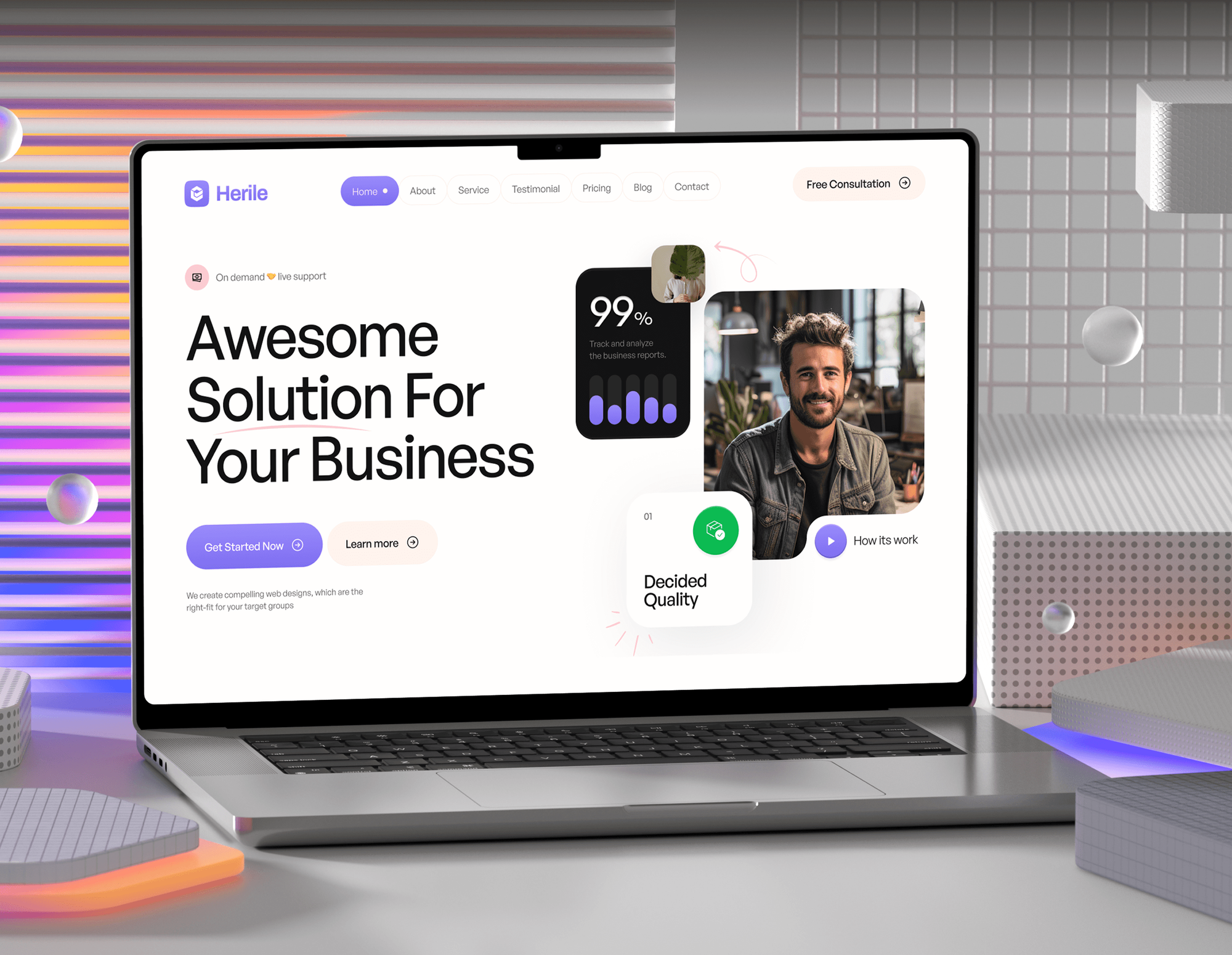
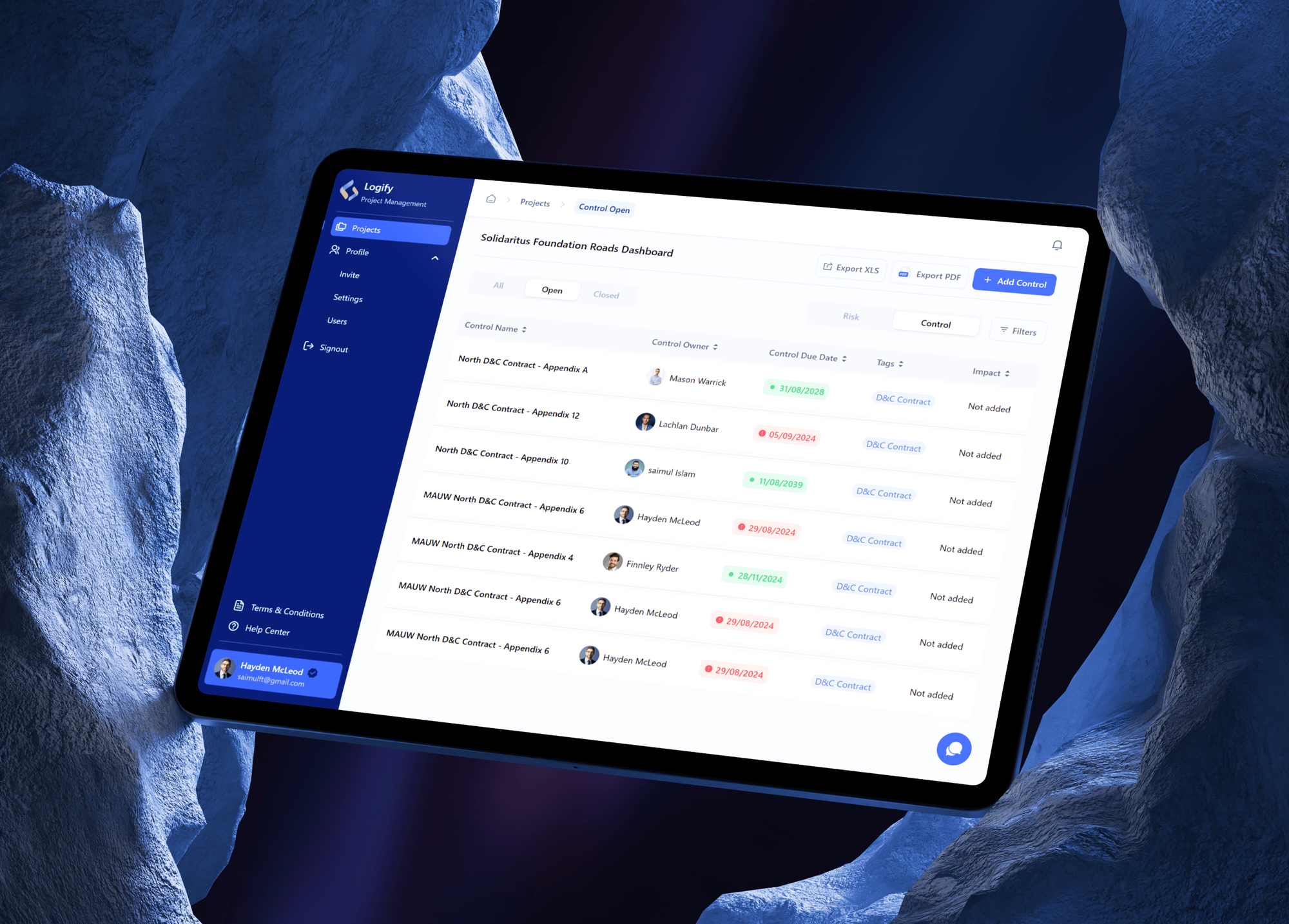
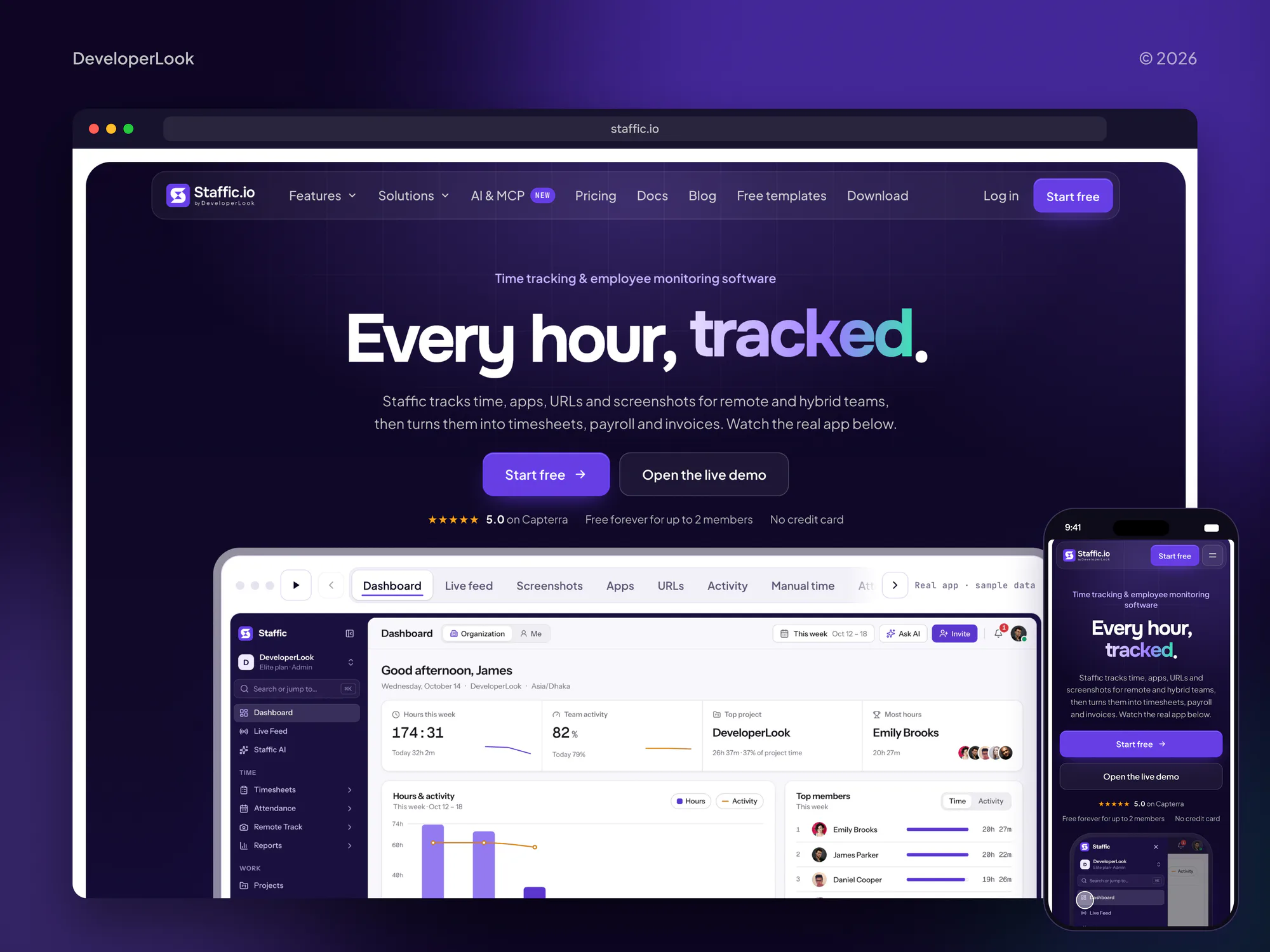
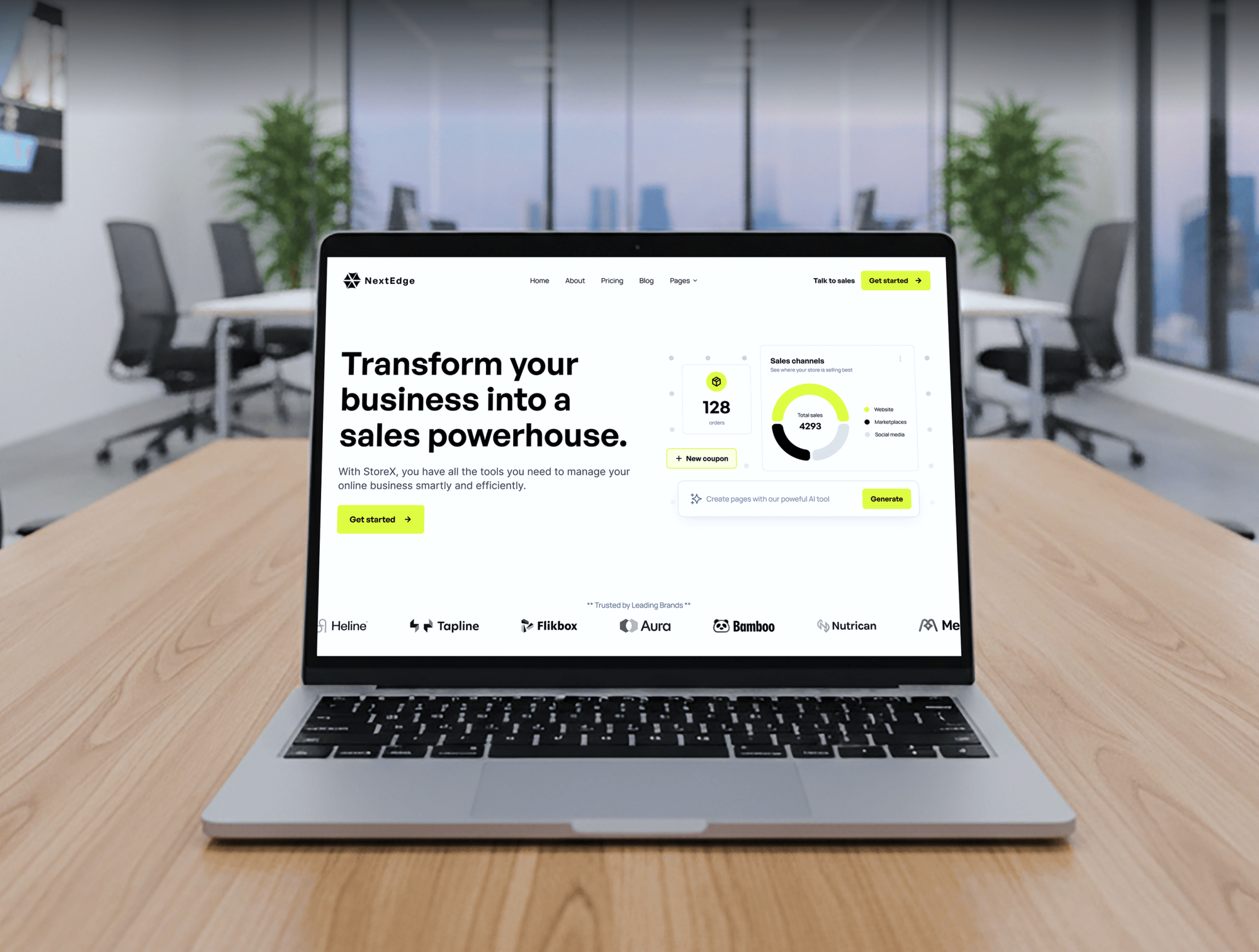
Websites and web apps from our team for IT, SaaS, and business tool companies, including a risk tracking dashboard. None is presented as an SEO result.
What Our Clients Say
Feedback from teams we have built and launched websites for.
We had a pretty specific idea of what we wanted our website to become, but I wasn’t sure how easily we could explain all of it to a development team. There were quite a few moving parts, and we were working toward a deadline, so I expected a few things to get lost along the way. That never really happened. They understood what we were trying to achieve, kept us updated throughout the process, and got everything ready within the agreed timeline. The final site feels much easier to navigate, works beautifully on mobile, and is noticeably smoother for our customers. It was a huge relief seeing the original idea actually turn into the website we had in mind.
The mobile experience is probably my favourite part of the new site. We had spent a lot of time making sure the desktop version looked right, and the team kept pushing us to think about how everything would actually feel on a phone too. They were right. The navigation is clean, the interactions feel natural, and everything we’ve tested so far works exactly as it should. They also went through the links, forms, integrations, and other details more than once before launch, which I really appreciated. And even after going live, we could still reach out when something came up. The whole process felt friendly, organised, and surprisingly straightforward.
What I appreciate most is that the website is actually easy for us to manage now. We can update content ourselves instead of sending a developer a message every time we need to change something small. They also paid attention to the technical SEO side, which mattered to us because we didn’t want a new website to create problems for the traffic we already had. I’ve probably asked more questions than I should have since launch, but every question has been handled patiently and without any fuss. The team is easy to work with, they explain things clearly, and when we need something changed, they focus on getting it done rather than making the process complicated.
1,250+
Projects shipped
10+
Years of experience
Top 3%
Upwork Top Rated Plus
5 stars
Average review score
1,250+
Projects shipped
10+
Years of experience
Top 3%
Upwork Top Rated Plus
5 stars
Average review score

Want results like these?
Tell us what you are building. You get a reply within 24 hours on business days, then a written estimate.
Work Culture
Your buyers check claims for a living, and one inflated line can cost a deal. These habits keep every page accurate, every number sourced, and your own site in good shape.
One of your security engineers reviews every technical claim before publishing. Practitioners spot hand-waving at once, and a wrong detail on a threat page hurts trust in the product.
We don't publish breach-cost or attack-count figures unless the source is named and current. Fear-led copy reads like every other vendor, and CISOs skip it.
Pages name the certifications, attestations, and partnerships you actually hold, such as a current SOC 2 report. Buyers verify these in procurement, and overstatements surface quickly.
We check security headers, TLS, and third-party scripts on your marketing site. Buyers run the same checks, and a security vendor with weak headers loses credibility.
We agree a review path for timely posts before the next big vulnerability lands. A CVE write-up that publishes in days can rank while the topic is active.
Your site, Search Console, analytics, and CRM stay under your company's logins. If you leave, the topic map and every engineer approval record go with you.
Overview
DeveloperLook offers cybersecurity SEO for security vendors, MSSPs, and consultancies. We build threat, framework, and integration pages your engineers approve, fix rendering and speed on your site, and trace demo requests into HubSpot or Salesforce. Plans start at $950 per month, with technical fixes done within 3 to 5 weeks.
DEVELOPERLOOK
Project facts · Cybersecurity SEO Agency
Reviewed 28 Oct 2026 by Saimul Islam
Good fit
Security product vendors
Your product detects threats your buyers search for by name, and you need SEO for cybersecurity companies that explains how, in terms engineers trust.
Managed security service providers
Your MSSP or MDR team competes with larger providers for monitoring searches, and you want SEO for cybersecurity firms that shows how your SOC works.
Security consultancies and pen testers
Your consultancy sells assessments and penetration tests, and you want cybersecurity SEO services that win searches by framework, industry, and test type.
Startups in a crowded category
You launched into a category full of funded competitors, and you need SEO for cybersecurity that builds trust before analysts cover you.
Agencies with security clients
Your agency handles brand and paid media for security vendors, and you need organic search delivered quietly under your name.
Not a fit
Website needs a rebuild
Your site is dated or built on a page builder your team can't change. Our Cybersecurity Company Website Design service handles the rebuild, then search work begins.
Self-serve SaaS signups
Your security tool sells through self-serve free trials rather than demos. Our SaaS SEO Agency page focuses on signup-led growth.
Local managed IT support
You mainly sell managed IT and help desk support to nearby businesses. Our Local SEO Services page fits that market better than a security program.
Only a one-time review
You want a one-off check rather than a monthly program. Our SEO Audit Services page covers that, and if it's enough, we'll tell you before we quote.
Not sure we're the right fit?
Book a free call or message us. We'll tell you honestly whether we're the right team.
Pricing
These are monthly starting points in USD. Your plan depends on the number of product lines, frameworks, and integrations you cover, and you get a fixed proposal after a free search audit.
For Agencies
Your agency keeps the security client. We map threats and frameworks, draft engineer-checked pages, and fix the technical side. Your team presents the work and the pipeline numbers under its own name.
White label: your client only ever sees your brand
Share site access, product lines, integrations, and the frameworks your client sells against.
We audit search and site security, then quote one monthly price.
Pages publish under your agency, and you present pipeline by page.
Share site access, product lines, integrations, and the frameworks your client sells against.
We audit search and site security, then quote one monthly price.
Pages publish under your agency, and you present pipeline by page.
The Right Technology for Your Project
Tools we use to research how security buyers search, fix your site's technical side, and trace each demo request into your CRM.
 Google Search Console
 Semrush
 Lighthouse
 PageSpeed Insights
 Cloudflare
 Chrome DevTools
 HubSpot
 Salesforce
 Google Analytics (GA4)
 Google Tag Manager
 WordPress
 Webflow
 Next.js
 Vercel
Related Services
Services that pair with security vendor search: the core SEO program, security company website design, B2B SEO, SaaS SEO, tech company SEO, and technical SEO.
This page
Cybersecurity SEO Agency
Pairs with the 6 services around it
FAQ
Straight answers for security vendors: cost, timing, engineer review, gated reports, CVE posts, spelling, and pipeline tracking.
Saimul IslamFounder & CEO, DeveloperLookStill have questions?
Send a message or book a call with the team.
Our plans start at $950 per month for one product line. That covers the search audit, a topic map, 4 engineer-checked pages a month, technical fixes, and demo tracking. Category Growth at $1,500 per month adds framework and integration pages and report summaries. Multi-Product at $2,350 per month covers up to 3 product lines.
Technical fixes land within 3 to 5 weeks, and demo requests from new pages tend to grow over 4 to 9 months. Pages on integrations and frameworks often move first, because fewer vendors cover them in depth. Broad threat terms take longest, since analyst firms and large vendors hold them.
Usually, yes, because security buyers spot shallow copy fast. A writer needs to know the difference between EDR and XDR, how detections map to ATT&CK techniques, and what a SOC 2 Type II report covers. Even then, your engineers should approve every claim, which is how we work.
Start with the pages closest to a buying decision: integrations, comparisons and alternatives, and the frameworks your buyers must meet. Those searches come from people already evaluating tools. Broad threat explainers come next, since they build reach but convert later and compete with analysts and media.
Yes, in three ways: technical accuracy, proof, and your own site's security. Every claim needs an engineer's approval, certifications must match what you hold, and buyers often check your headers and TLS before booking a demo. Standard SEO checklists cover none of that, so we add those checks to every audit.
The report can stay gated, but it needs an indexable summary page with the main findings, methods, and a few charts. Google can't rank a PDF behind a form, and buyers want proof the report is worth an email address. Summary pages also earn links when journalists cite your research.
Within days of disclosure, when it covers something your product detects. Search interest peaks early and fades fast. We agree a short review path with your research team in advance, include the CVE ID, affected versions, and dates, and update the post when patches ship.
Target both, led by your main market. US buyers mostly write cybersecurity as one word, while many UK, Irish, and Australian buyers write cyber security. For SEO, cyber security as two words belongs in titles and headings on pages for those markets, and Search Console shows which spelling your visitors use.
Yes, for your marketing site. We check security headers, TLS settings, and third-party scripts during the audit, and our developers fix what sits in the site itself. Deeper work, such as a penetration test, belongs to our cybersecurity services team. We'll say so if a finding needs that level of attention.
Your company does, from day one. Pages, Search Console, analytics, and CRM data stay under your logins, and drafts live in your own documents. If you leave, you get the topic map, each engineer approval record, the page list, and our notes on the CRM tracking setup.
Saimul IslamFounder & CEO, DeveloperLookStill have questions?
Send a message or book a call with the team.
Free 30-min callGoogle Meet
Book a call
In 30 minutes on Google Meet we walk you through how we would build it, how long it takes and what it costs. Then you get a written estimate.
Calendar not showing? Book on cal.com or send a brief.