
Service pages by threat and framework
Each service names the threats, frameworks, and environments it covers, so buyers qualify themselves before the first call.

For cybersecurity companies, MSSPs, and security consultancies: a site that explains your services plainly, answers buyers' security questions, and books scoped assessments. From $1,450.
2X
More scoped assessment requests
A+
Security headers grade
Teams we have built for:














The Problem
It shows up when a CISO or procurement lead checks you out between meetings. Vague claims, stock hacker art, and a failing headers scan end the evaluation before sales hears about it.
01 · Vague claims
Every page promises protection and names no actual threat.
Each service page names the threats, frameworks, and environments it covers.
02 · Weak headers
Your own site fails a free security headers scan.
We ship Content Security Policy, HSTS, and a security.txt file before launch.
03 · Questionnaires
Procurement emails the same security questions every single week.
A trust center answers the basics and handles SOC 2 report requests under NDA.
04 · Dead-end forms
The demo form asks for a name and nothing else.
Request forms ask environment size, frameworks, and timeline, then route to the right team.
A CISO is shortlisting vendors between meetings. Your homepage shows a hooded figure over green code and promises protection against every threat. Nothing says which environments you cover, which frameworks you map to, or what an engagement includes. Out of habit, they run your domain through a free headers scanner, and it fails. Procurement still needs a security questionnaire answered before anyone books a call. The CISO closes your tab and books the vendor whose site looked built by security people.
We start with your buyers' questions, not your logo. Each service gets a page that names the threats, frameworks, and environments it covers. A trust center answers the questionnaire basics, and SOC 2 report requests go through an NDA form. Your own site ships with strict security headers, a security.txt file, and few third-party scripts. Buyers find proof where they look for it, instead of a stock photo of a hacker.
Hardened from day one
Content Security Policy, HSTS, and a security.txt file ship with every site we launch.
A trust center procurement uses
Security practices, subprocessors, and NDA-gated report requests on one page buyers can share.
Pages mapped to real threats
Services organized by threat, framework, and environment instead of one long feature list.
Our Cybersecurity Website Process
You approve the buyer and threat map, page copy your engineers check for accuracy, a clickable design, a hardened staging site, and the launch plan.
We review your services, ideal buyers, frameworks, and the questions sales hears most. You get a sitemap that groups services by threat and framework, a form routing plan, and a fixed price.
What's Included
Service pages by threat and framework, a trust center, scoped request forms, a resource library, a hardened site, and a launch your marketing team can run afterward.
Compare Options
Generalist studios build strong brands, and templates launch cheaply. A design agency for cyber security also gets the technical copy, the trust center, and your own headers right.
| Feature | DeveloperLookBest fit | Generalist studio | Template builder |
|---|---|---|---|
| Planning | Buyer and threat map | Brand workshop | Pick a template |
| Technical accuracy | Engineers review every claim | Depends on your edits | Your own writing |
| Trust center | Included, with NDA requests | Rarely in scope | Build it yourself |
| Security headers | CSP, HSTS, and security.txt at launch | Often missed | Limited by the platform |
| Brand design | Clean and diagram-led | Strong visual identity | Template look |
| Time to launch | 3 to 10 weeks | Varies with scope | Days, if you build it |
| Ownership | Domain, code, and CMS are yours | Usually yours | Yours, on their platform |
| Cost | From $1,450, fixed scope | Varies by studio | Lowest cost |
Projects We've Built
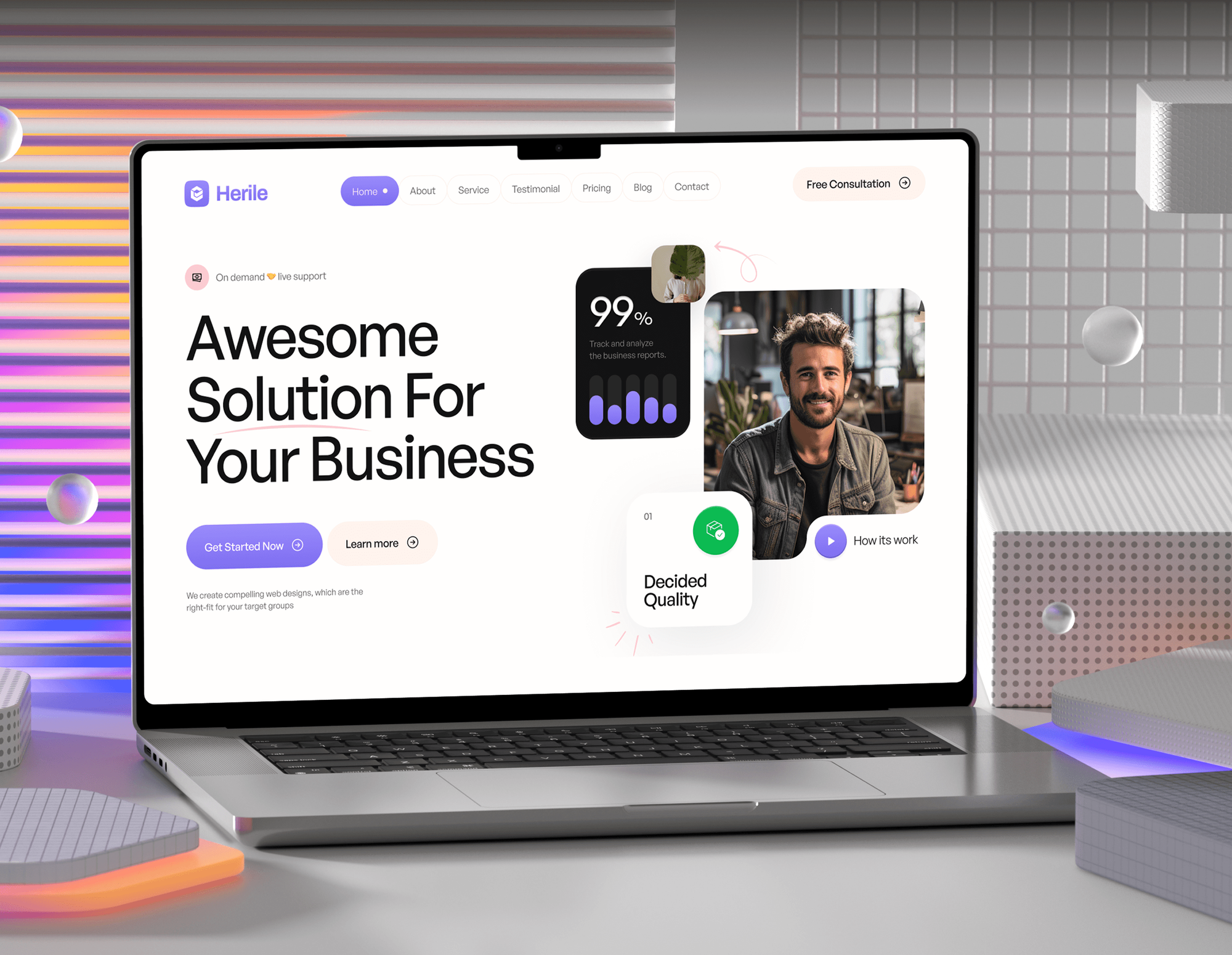
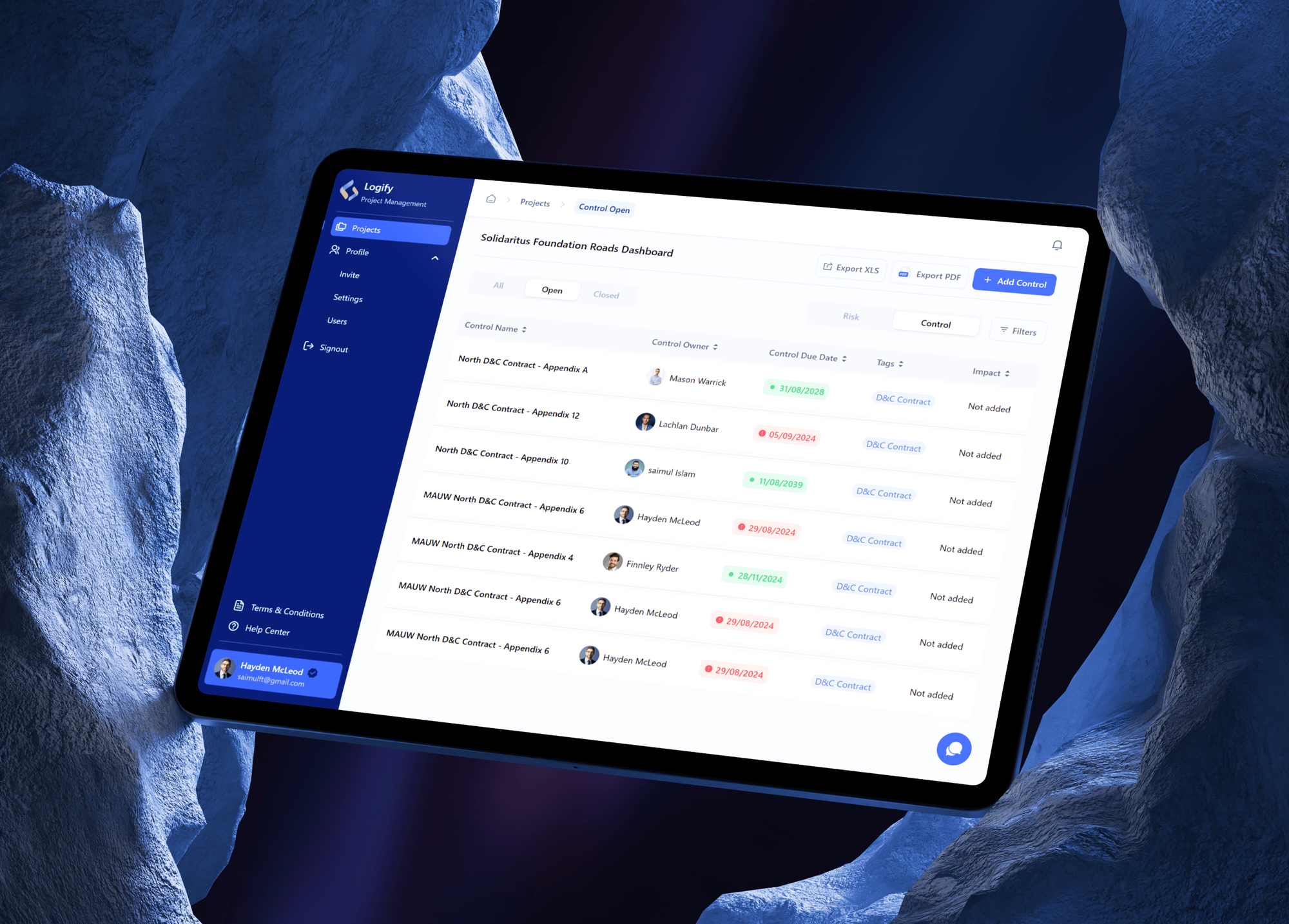
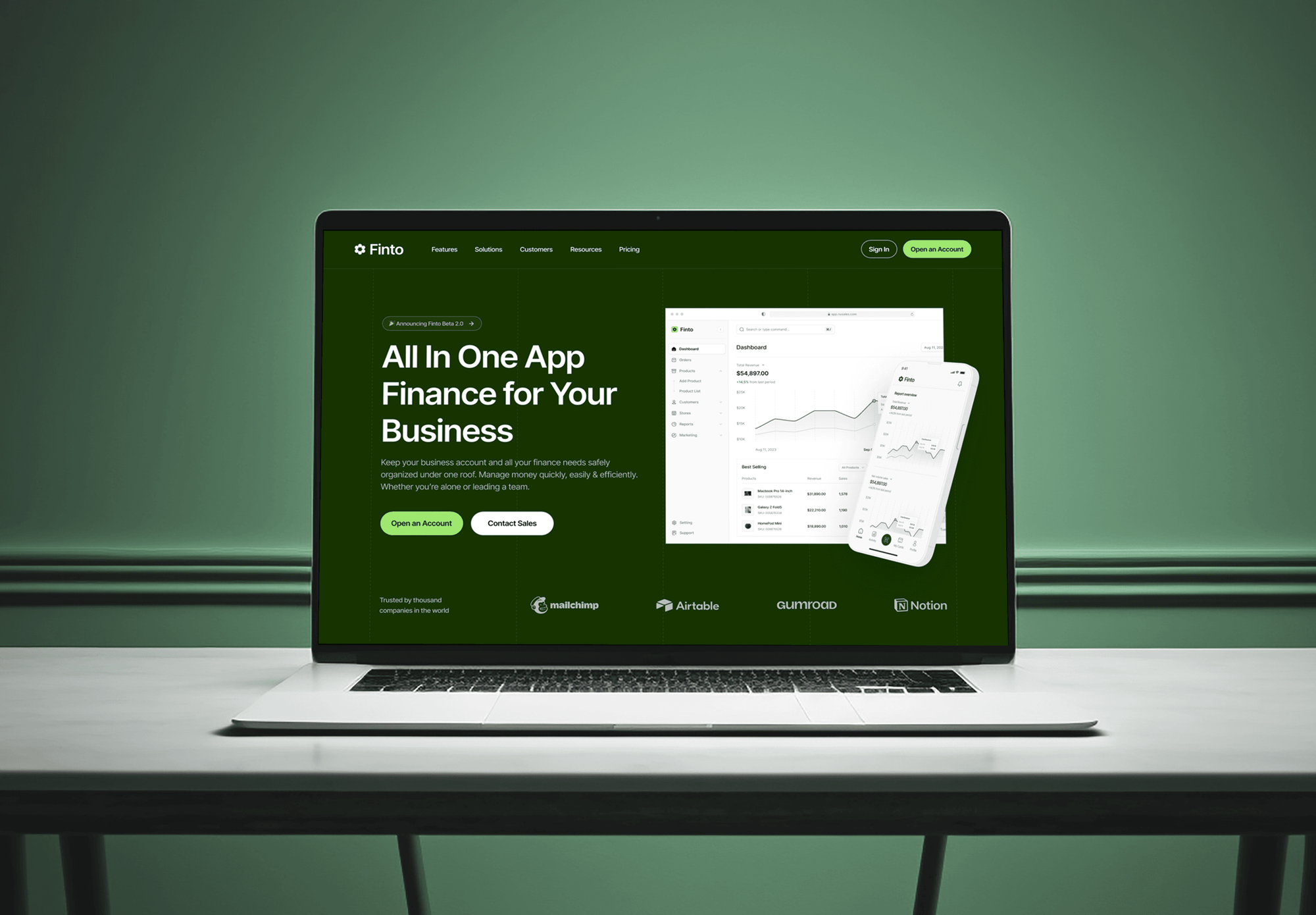
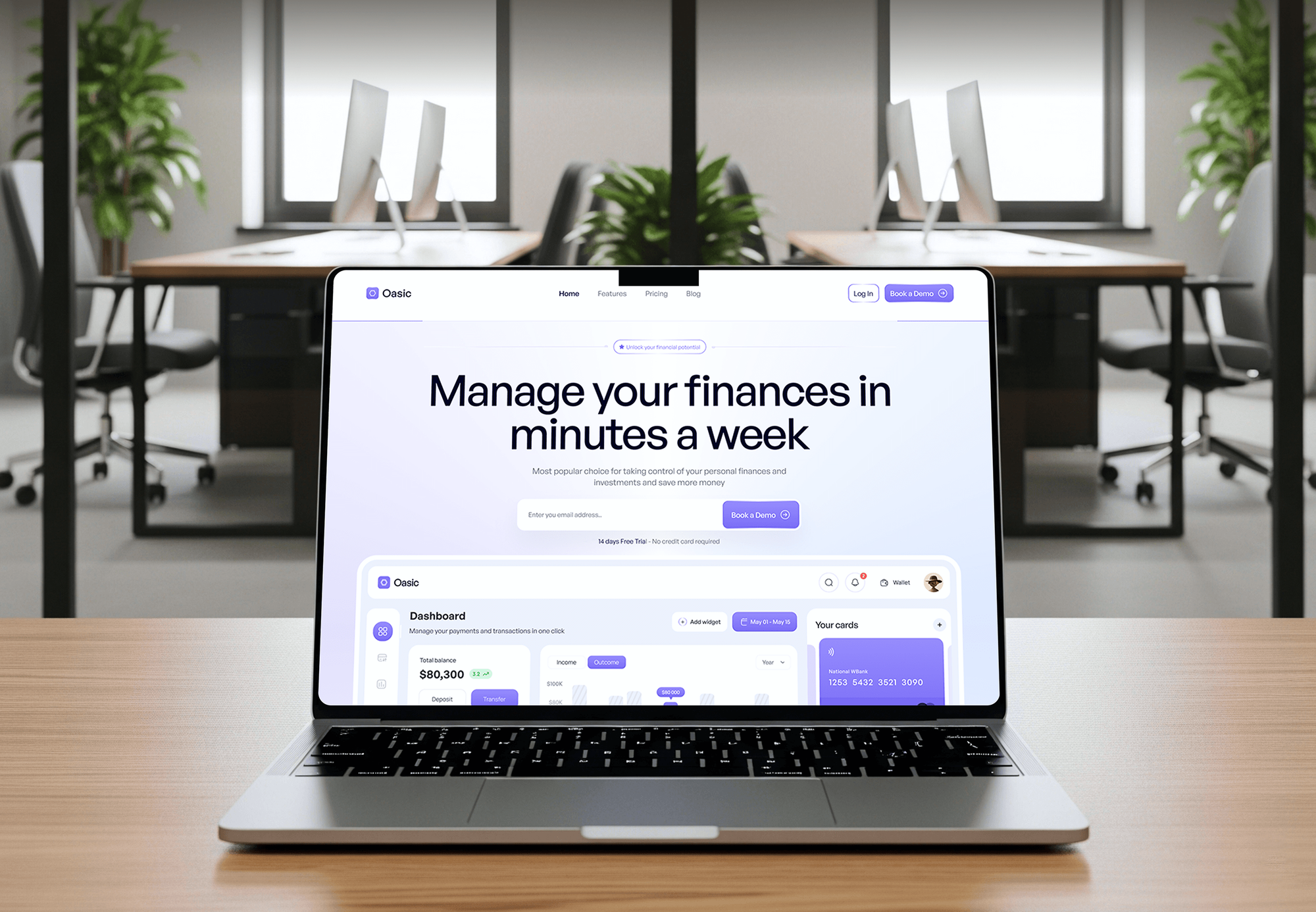
IT services, risk management, fintech, and SaaS projects from our portfolio. None was a security vendor, but each explains a technical product to cautious buyers.
What Our Clients Say
Feedback from teams we have built websites for.
We had a pretty specific idea of what we wanted our website to become, but I wasn’t sure how easily we could explain all of it to a development team. There were quite a few moving parts, and we were working toward a deadline, so I expected a few things to get lost along the way. That never really happened. They understood what we were trying to achieve, kept us updated throughout the process, and got everything ready within the agreed timeline. The final site feels much easier to navigate, works beautifully on mobile, and is noticeably smoother for our customers. It was a huge relief seeing the original idea actually turn into the website we had in mind.
The mobile experience is probably my favourite part of the new site. We had spent a lot of time making sure the desktop version looked right, and the team kept pushing us to think about how everything would actually feel on a phone too. They were right. The navigation is clean, the interactions feel natural, and everything we’ve tested so far works exactly as it should. They also went through the links, forms, integrations, and other details more than once before launch, which I really appreciated. And even after going live, we could still reach out when something came up. The whole process felt friendly, organised, and surprisingly straightforward.
What I appreciate most is that the website is actually easy for us to manage now. We can update content ourselves instead of sending a developer a message every time we need to change something small. They also paid attention to the technical SEO side, which mattered to us because we didn’t want a new website to create problems for the traffic we already had. I’ve probably asked more questions than I should have since launch, but every question has been handled patiently and without any fuss. The team is easy to work with, they explain things clearly, and when we need something changed, they focus on getting it done rather than making the process complicated.
1,250+
Projects shipped
10+
Years of experience
Top 3%
Upwork Top Rated Plus
5 stars
Average review score

Want results like these?
Tell us what you are building. You get a reply within 24 hours on business days, then a written estimate.
Work Culture
Your buyers read like auditors. We're a design agency cyber security teams can brief in their own vocabulary, and these habits keep your claims accurate and your own site hardened.
Every certification, partner logo, and capability claim goes to your technical lead before it's published. A security buyer who catches one inflated claim stops trusting the rest.
Before launch, we run your site through a headers scan and fix what it flags. A security company that fails that check loses deals without hearing why.
We use diagrams, product screens, and real team photos instead of stock hacker art. Technical buyers read cliché imagery as a sign the vendor has nothing specific to show.
If a template already covers your stage, we'll tell you before we quote. A custom site pays off once enterprise buyers start asking for a trust center and framework pages.
Every third-party script adds supply chain risk and slows the page, so we add tags only with a reason. Your marketing team still gets the tracking it needs.
Domain, hosting, CMS, and analytics sit in your company's accounts with multi-factor sign-in turned on. If you change vendors, nothing about your site's access leaves with us.
Overview
DeveloperLook delivers cyber security website design for security vendors, MSSPs, and consultancies. Each site includes service pages by threat and framework, a trust center with NDA report requests, scoped assessment forms routed to your CRM, and a hardened build. Projects start at $1,450 and launch in 3 to 10 weeks, with fixed pricing and accounts you own.
DEVELOPERLOOK
Project facts · Cybersecurity Company Website Design
Reviewed 8 Oct 2026 by Saimul Islam
Good fit
Security product vendors after funding
You've raised a round, your product page still reads like a pitch deck, and enterprise buyers want a trust center before a demo.
MSSPs selling managed detection
Your SOC and MDR services share one page, and prospects can't tell what's monitored, who responds, or what onboarding takes.
Boutique consultancies and pen testers
You sell penetration tests and vCISO hours, and you want a cyber security website design company that shows methodology without naming clients.
Compliance readiness firms
Your buyers search for SOC 2, ISO 27001, or CMMC help, and each framework needs a page explaining your scope and the auditor's role.
Agencies with a security client
Your agency just signed a security vendor whose buyers spot vague claims and missing HTTP headers within minutes of landing.
Not a fit
General IT and MSP firm
You mainly sell managed IT, help desk, and Microsoft 365 support. IT Company and MSP Website Design fits that buyer better.
SaaS trial and pricing site
Your growth runs on free trials and self-serve pricing pages. SaaS Website Design Agency covers trial flows, plan pages, and onboarding.
Guard and patrol company
You provide physical security guards or patrols, not cyber services. Digital Marketing & SEO for Security Companies covers that buyer's local searches.
Budget under $1,450
Your budget is under $1,450, or a one-page site covers your stage. A clean template works until your first enterprise deal.
Not sure we're the right fit?
Book a free call or message us. We'll tell you honestly whether we're the right team.
Pricing
These are starting points in USD. Your final price depends on page count, framework and industry pages, and CRM routing, and you get a fixed proposal after a free discovery call.
For security startups and consultancies that need a credible site before their first enterprise deals.
$1,450one-time, USD
For vendors and MSSPs whose buyers send security questionnaires and compare frameworks before a call.
$3,400one-time, USD
For companies with several product lines or managed services that need industry pages and a partner directory.
$6,800one-time, USD
For Agencies
You own the client relationship. We supply the design and engineering for your security clients: threat-mapped service pages, a trust center, and scoped request forms. The hardened build passes the headers scan their buyers will run.
White label: your client only ever sees your brand
Send the client's services, frameworks, brand files, and the questions their buyers ask.
We return a fixed quote, a sitemap, and one lead developer for the build.
We build, pass the headers scan, and hand the site over under your brand.
We stay out of sight, so the security client relationship stays yours.
We run every claim past your client's engineers before anything ships.
Senior developers configure headers, forms, CRM routing, and the CMS.
Take on more B2B tech clients without hiring a security specialist.
The Right Technology for Your Project
We build on platforms your marketing team can run, with hosting and headers that hold up when buyers inspect your domain.
 Figma
 Webflow
 WordPress
 Next.js
 Tailwind CSS
 HubSpot
 Salesforce
 Slack
 Cloudflare
 Vercel
 WP Engine
 OWASP
 Google Search Console
 Google Analytics (GA4)
 Google Tag Manager
 PageSpeed Insights
FAQ
Straight answers on cost, timing, trust centers, security headers, and claims for cybersecurity company websites.
Saimul IslamFounder & CEO, DeveloperLookStill have questions?
Send a message or book a call with the team.
Our cybersecurity company sites start at $1,450 for 10 pages with 4 service pages, a trust page, a scoped request form, and hardened headers. Growing firms with framework pages and a full trust center start at $3,400, and multi-line companies at $6,800. You get a fixed quote after a free discovery call.
Most cybersecurity company sites launch in 3 to 10 weeks. A 10-page site takes 3 to 4 weeks. Sites with framework pages, a trust center, and a resource library take 6 to 10 weeks, mostly because your engineers need time to review technical copy. Booking those reviews early keeps the schedule on track.
Look for an agency that can discuss threats and frameworks with your engineers and ships a hardened site. Ask to see their own headers scan, how they handle partner logos, and who reviews technical copy. A good one also tells you when a template is enough for now.
Strong security sites are specific, verifiable, and fast. Service pages name threats and frameworks, a trust center answers procurement, and the site itself passes a headers scan. Diagrams replace stock hacker art, and every certification or partner logo is one the company can prove on request.
A trust center is a page that answers vendor security questionnaire basics before procurement asks. It usually covers security practices, subprocessors, policies, and certifications, with a request form for documents such as a SOC 2 report under NDA. If you already use a hosted trust platform, we link or embed it instead.
At minimum: Strict-Transport-Security, Content-Security-Policy, X-Content-Type-Options, Referrer-Policy, and a frame-ancestors rule against clickjacking. We set them at the CDN or host and test them on staging. A strict Content-Security-Policy needs care with marketing tags, so we agree on the tag list before launch.
Yes, if you want researchers to report issues to the right person. Security.txt is a plain text file at /.well-known/security.txt, defined in RFC 9116, that lists a contact and an expiry date. We add it with a vulnerability disclosure page explaining how your team handles reports.
Yes, when you can prove them. SOC 2 reports, ISO 27001 certificates, and partner tiers go on the site only after you confirm them, and partner logos follow each vendor's brand rules. Framework pages can still explain how you help clients prepare for SOC 2 or CMMC without implying you're the auditor.
Gate only what's worth an email. Threat reports and benchmark studies usually justify a short form, while advisories, how-to articles, and your trust center should stay open to buyers and search engines. We connect gated downloads to HubSpot or Salesforce, so sales sees who read what.
Support lasts 30, 45, or 60 days after launch, depending on your plan, and covers fixes, header changes for new tools, and publishing questions. After that, your team runs advisories and resources in the CMS, or a care plan handles updates. Domain, hosting, and CMS accounts stay in your company's name.
Saimul IslamFounder & CEO, DeveloperLookStill have questions?
Send a message or book a call with the team.
Free 30-min callGoogle Meet
Book a call
In 30 minutes on Google Meet we walk you through how we would build it, how long it takes and what it costs. Then you get a written estimate.
Calendar not showing? Book on cal.com or send a brief.