Readiness assessment
Your options compared on build cost, running cost, and risk, with a written recommendation.

Headless commerce agency that prices whether headless pays off, then builds on Shopify or BigCommerce with your ERP and CMS. Assessments from $600.
3
Build paths priced for you
100%
Systems mapped before any code
Teams we have built for:














The Problem
It shows up when your ERP, CMS, and search tools hold data the theme can't display, and replatforming feels too big.
01 · Hidden data
Your ERP, CMS, and search know more than the storefront shows.
Every system your storefront uses gets mapped before anyone picks a framework.
02 · Mixed advice
One agency says replatform, and another says go headless.
Improving the theme, going headless, and going composable each get priced honestly.
03 · Running costs
Nobody has asked what the new setup would cost to run.
Each path shows its build cost and its running cost.
04 · Workarounds
Each workaround adds another app, sync, and slow script.
If headless wins, it ships in slices, each tested with live data.
Your ERP knows each wholesale buyer's price. Your CMS holds the buying guides. Your search tool knows which filters sell. The storefront shows almost none of it, because the theme was built for a simpler store. Every workaround adds another app, another sync, and another script slowing the page. One agency says replatform. Another says go headless. Neither has asked what your systems need to show, or what the new setup would cost to run.
We start with a readiness assessment, not a build. We map every system your storefront uses, then price three paths: improve the theme, go headless on your platform, or build a composable stack. If that path wins, we build it in slices, product pages first, each tested on a preview link with live data. If it doesn't, you keep the assessment and skip the build bill.
Three paths, priced honestly
Improve the theme, go headless, or go composable, each with build and running costs.
Systems mapped before code
ERP, CMS, search, and 3PL data flows drawn out before anyone picks a framework.
Built in working slices
Product pages, then cart, then content, each reviewed with live data before the next slice.
Our Headless Build Process
You see the options, the costs, and the integration map before any build starts, then every slice of the storefront on a preview link.
We talk through what your storefront can't do today and which systems feed it. You learn whether an assessment is worth it. If a theme upgrade or one integration fixes it, we'll tell you before we quote.
What's Included
Every plan starts with the readiness assessment. Plans 2 and 3 add the storefront build, a CMS, system integrations, and launch support, with search and a second region in plan 3.
Compare Options
A large integrator brings big teams for global rollouts, and improving your theme costs far less. The rows show which option fits which kind of store.
| Feature | DeveloperLookBest fit | Integrator | Theme upgrade |
|---|---|---|---|
| Starting point | Assessment from $600 | Months of discovery | No discovery needed |
| Advice you get | Three paths priced | Build assumed | Theme limits accepted |
| Team access | Senior engineers, direct contact | Large team, many layers | One theme developer |
| System integrations | ERP, CMS, 3PL mapped first | Built for enterprise scale | Apps and manual syncs |
| Delivery style | Working slices on previews | Long phases, late demos | Small theme releases |
| Global rollouts | Up to 2 regions per build | Built for many countries | One storefront only |
| Running cost | Priced before you commit | Often large retainers | Lowest of the three |
| Code ownership | Your code and accounts | Often their platforms | Your theme files |
Projects We've Built
Ecommerce stores our team has designed and built. A headless build gets the same component planning, integration testing, and launch checks.
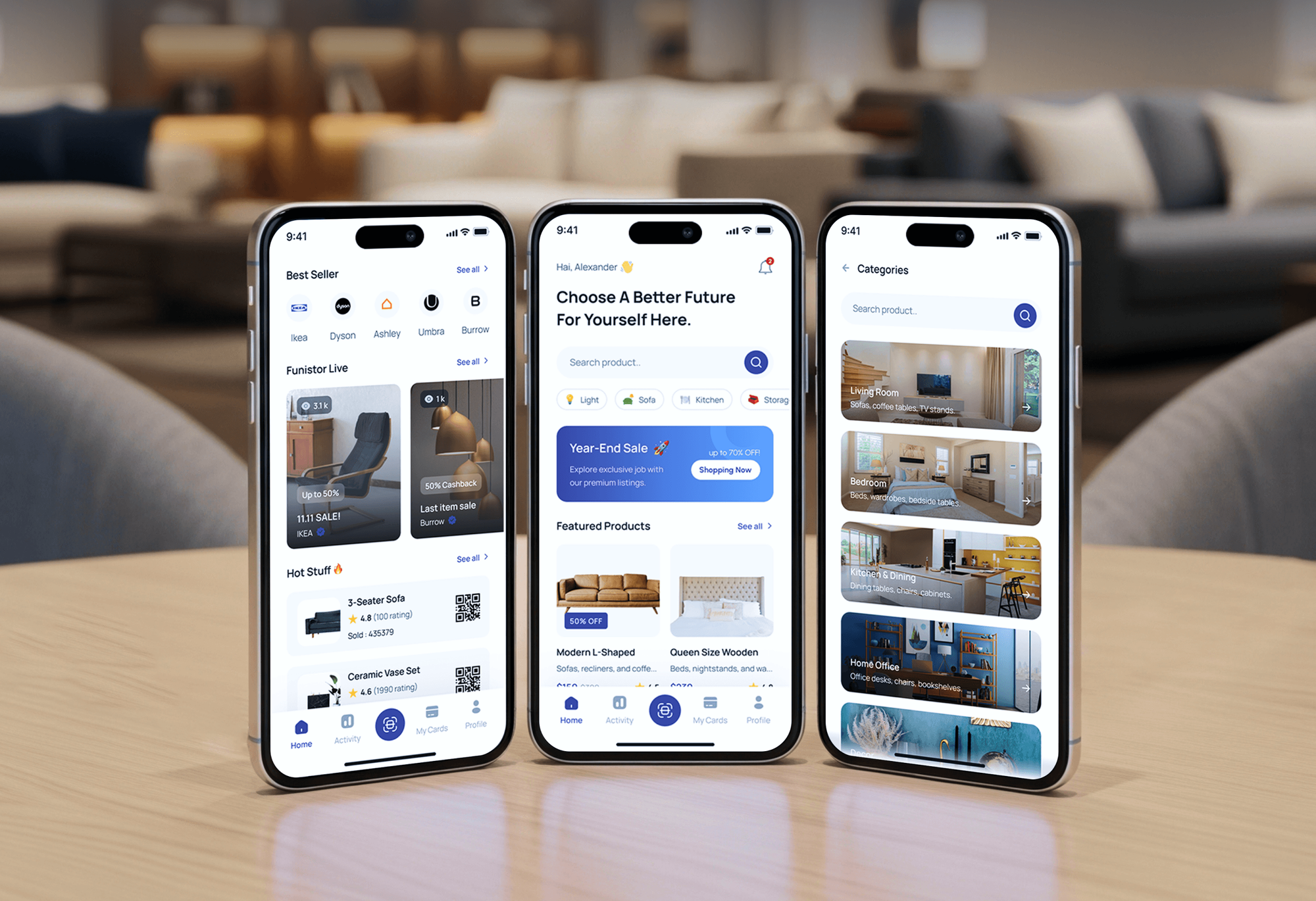
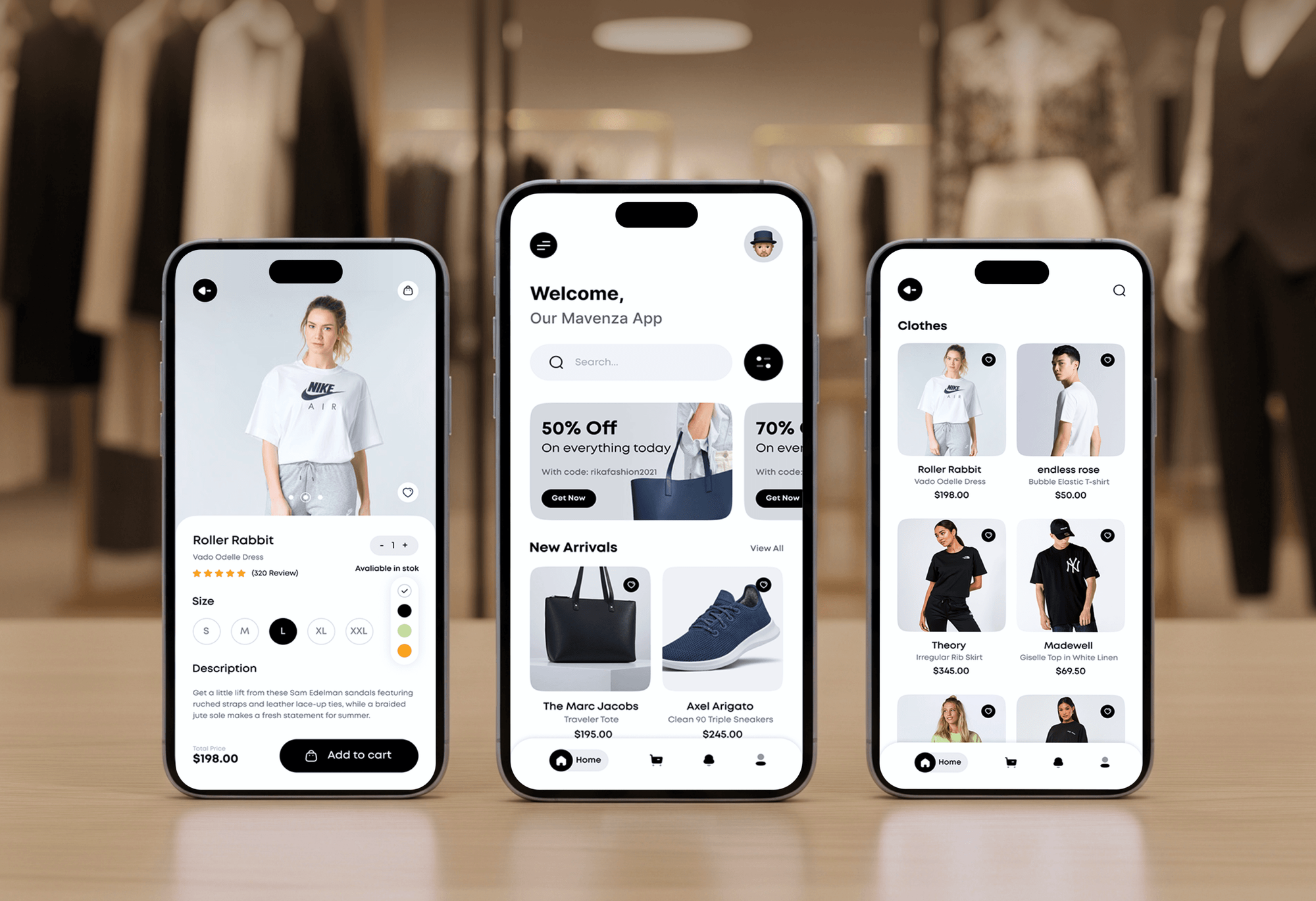

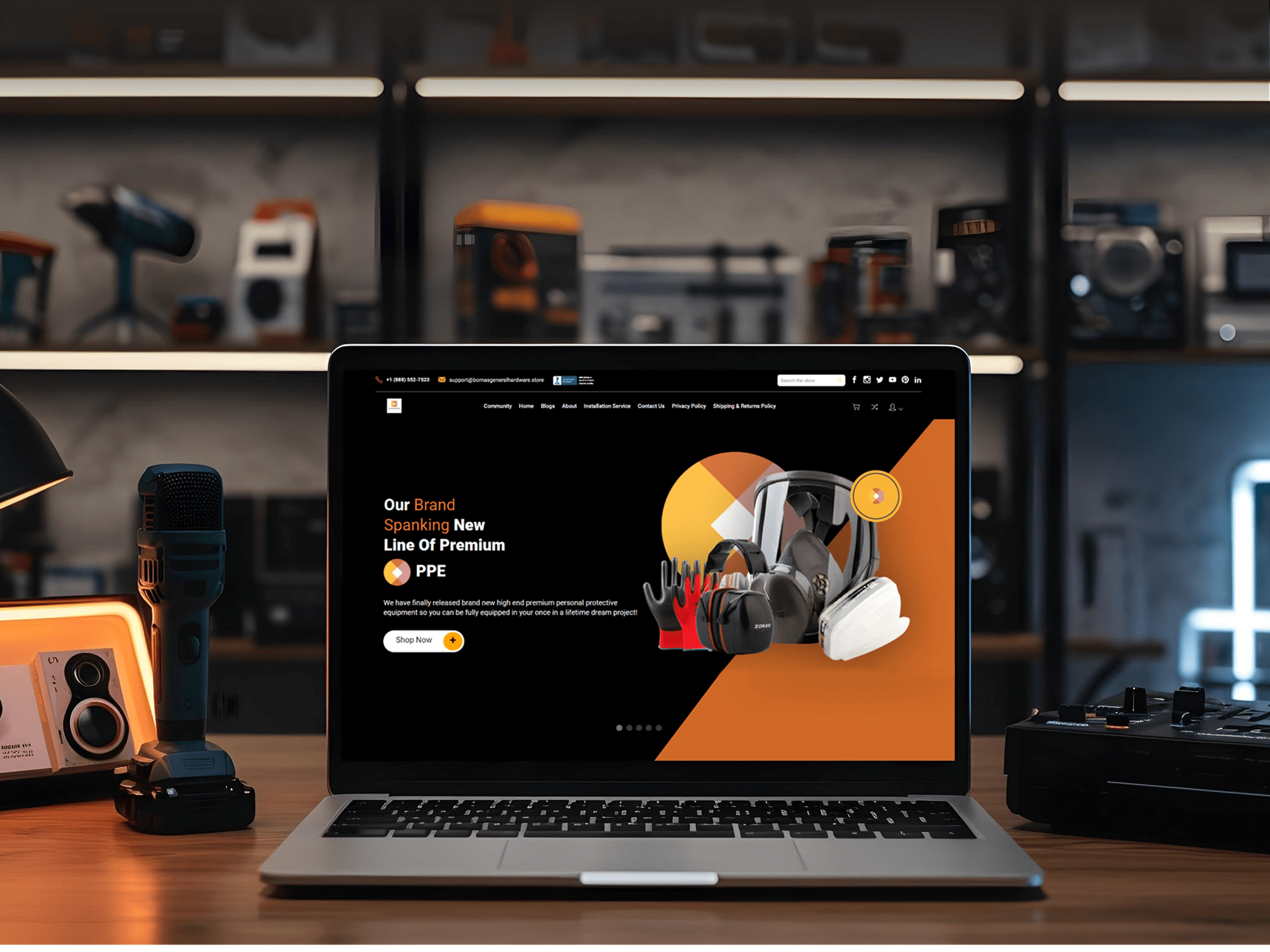
What Our Clients Say
Feedback from teams we have built ecommerce storefronts and integrations for.
We had a different kind of problem. People were visiting the store, adding products to their carts, and then disappearing before they finished the order. We had tried a few apps and made changes here and there, but nothing really seemed to solve the bigger issue. The team went through the shopping experience with us and pointed out things we hadn't really noticed ourselves. They cleaned up the cart and checkout flow, made the mobile experience much smoother, and helped us make the store feel easier to shop. I’m not going to pretend we fixed everything overnight, but it finally feels like the store is helping the sale instead of getting in the way of it.
The mobile experience is probably my favourite part of the new site. We had spent a lot of time making sure the desktop version looked right, and the team kept pushing us to think about how everything would actually feel on a phone too. They were right. The navigation is clean, the interactions feel natural, and everything we’ve tested so far works exactly as it should. They also went through the links, forms, integrations, and other details more than once before launch, which I really appreciated. And even after going live, we could still reach out when something came up. The whole process felt friendly, organised, and surprisingly straightforward.
We had a pretty specific idea of what we wanted our website to become, but I wasn’t sure how easily we could explain all of it to a development team. There were quite a few moving parts, and we were working toward a deadline, so I expected a few things to get lost along the way. That never really happened. They understood what we were trying to achieve, kept us updated throughout the process, and got everything ready within the agreed timeline. The final site feels much easier to navigate, works beautifully on mobile, and is noticeably smoother for our customers. It was a huge relief seeing the original idea actually turn into the website we had in mind.
1,000+
Projects shipped
10+
Years of experience
Top 3%
Upwork Top Rated Plus
5 stars
Average review score
Work Culture
You need an ecommerce agency for headless commerce and custom builds that also says when not to build. These habits keep that promise.
We price improving your theme, going headless, and going composable before recommending one. The report is yours, whichever path you take.
Each price, stock count, and content block gets one system that owns it. That stops the sync fights where two systems overwrite each other.
You see working product pages in the first weeks, not a finished site after months. Problems surface while they're still cheap to fix.
The CMS, search, and front end connect through APIs, not tangled code. You can replace one of them later without rebuilding the rest.
You approve a fixed price for the assessment, then another for the build once systems are mapped. New scope gets its own quote first.
The code, CMS, and hosting accounts sit in your name from the start. Another team can take over without asking us for anything.
Overview
DeveloperLook is a headless commerce agency that checks whether headless suits your store before building it. We price three paths, then build the storefront on Shopify or BigCommerce and connect your ERP, CMS, search, and 3PL. Assessments start at $600 and take 1 to 2 weeks, and builds launch in 8 to 20 weeks.
DEVELOPERLOOK
Project facts · Headless Commerce Agency
Reviewed 30 Sep 2026 by Saimul Islam
Good fit
Brands weighing headless for the first time
You keep hearing headless fixes speed and design limits, and want an honest answer before budgeting.
Shopify or BigCommerce stores with complex catalogs
Your catalog, content, and pricing rules have outgrown theme templates, but the platform itself still works well.
Retailers running an ERP and a 3PL
Your ERP owns prices and stock, your 3PL ships the orders, and the storefront has to show both correctly.
Teams choosing open source commerce
You want to own the whole backend with no platform fees, so Medusa.js web development with a Next.js storefront is on your shortlist.
Teams hiring outside engineering help
Your in-house team owns the roadmap and needs a headless commerce development agency to build what it can't staff.
Not a fit
Staying on Shopify
You're staying on Shopify and only need the storefront rebuilt. Our Headless Shopify Agency page covers Shopify-only builds from $1,450.
Hydrogen storefront wanted
You want a Hydrogen storefront, or an existing one upgraded. Shopify Hydrogen Development is the page for Oxygen hosting and version upgrades.
Changing platforms only
You're changing platforms, not architecture. Our Ecommerce Replatforming Services page scores platforms and runs the move.
Theme still does the job
Your theme already does what you need, or your budget is under $600. Improve the theme first and revisit the idea when it holds you back.
Not sure we're the right fit?
Send a two-line brief. We'll tell you honestly whether we're the right team.
Pricing
These are starting points in USD. Your final price depends on your platform, the systems to connect, and the number of storefronts, and you get a fixed proposal after the assessment.
For brands deciding whether headless pays off before committing any build budget.
$600one-time, USD
For stores going headless on Shopify or BigCommerce with a CMS for content.
$4,200one-time, USD
For multi-system businesses that need ERP data, fast search, and more than one region.
$8,900one-time, USD
For Agencies
You own the client relationship. We supply the assessment and the engineering behind it: architecture, integrations, and the storefront build. Your client gets a recommendation under your brand, even when it says not to go headless.
White label: your client only ever sees your brand
Share the client's platform, systems, and why headless came up.
You receive three priced paths and a recommendation in your branding.
If the client proceeds, we build in slices while you lead reviews.
We work under your brand, and the client relationship stays yours.
Assessments that tell clients when headless won't pay off yet.
ERP, CMS, and search connections handled by senior engineers.
Add composable builds to your offer without hiring for them.
The Right Technology for Your Project
We choose each layer to fit your systems: the platform, a React front end, a CMS your editors like, and APIs for your ERP and search.
 ShopifyShopify Plus
 BigCommerce
 WordPress
 Next.jsHydrogen
 React
React TypeScript
 Tailwind CSS
 GraphQL
 Node.js
 AWS
AWS Cloudflare
 Vercel
 SAP
SAP Microsoft Dynamics 365
 Odoo
Odoo Algolia
FAQ
Straight answers on when headless pays off, costs, timelines, integrations, SEO, and Medusa.js.
 Saimul IslamFounder & CEO, DeveloperLook
Still have questions?
Send a message or book a call with the team.
A headless agency builds your storefront separately from the platform that holds products and orders. Unlike a theme shop, it also connects the ERP, CMS, search, and 3PL around the store. A good one also tells you when a theme upgrade would do the job.
Headless makes sense when your storefront needs data or layouts your platform's theme can't handle. Typical triggers are complex B2B pricing from an ERP, content-heavy selling, several brands on one codebase, or speed limits the theme can't fix. For a standard catalog, a good theme usually wins on cost.
A readiness assessment costs $600 and compares your options on cost and risk. A storefront build with a CMS on Shopify or BigCommerce is $4,200. A composable build with ERP data, search, and a second region is $8,900. Hosting and CMS fees go to those vendors directly.
The assessment takes 1 to 2 weeks, and builds take 8 to 20 weeks after it. A storefront with a CMS usually lands near 10 weeks. Composable builds with an ERP take longer, because stock and pricing rules need testing with real orders before launch.
We build front ends in Next.js or Hydrogen, both React frameworks, and pick the CMS your editors will like using. Sanity, Contentful, and WordPress as a headless CMS are the usual choices. Platform tools such as Shopify metaobjects sometimes cover content without a separate CMS.
Yes, and that's often why stores go headless. We decide which system owns each field, such as prices from the ERP and tracking from the 3PL, then connect them through APIs or middleware. The storefront reads live data, with caching tuned so stock and prices stay current.
We render pages on the server, keep URLs stable, and redirect any that change, so search engines see complete pages from day one. Titles, structured data, and sitemaps move across. Each template gets its own speed budget, and we test it on mid-range phones before launch.
Yes, in one of two ways. If your platform has solid APIs, we keep it as the backend and replace only the storefront, so data stays put. If it doesn't, we move the store to Shopify or BigCommerce first, then launch the headless front end on top.
Medusa.js is an open source headless commerce platform built with Node.js and TypeScript, so you own the backend code and data. Its modules handle products, carts, orders, and payments, and Medusa.js extensions come as plugins you install or build. Medusa vs Shopify comes down to control versus convenience: Medusa gives you the code with no platform fees, while Shopify runs hosting, checkout, and apps for you.
Yes, Medusa is free and open source under the MIT license, so a Medusa headless ecommerce build carries no license or per-sale fees. You pay for hosting instead: Medusa.js hosting on Medusa Cloud starts at $29 a month, or you run it on your own servers. We build the backend and a storefront from Medusa's Next.js Starter Storefront, then hand you both.
Saimul IslamFounder & CEO, DeveloperLookStill have questions?
Send a message or book a call with the team.
30-min strategy callGoogle Meet
Book a call
Pick a 30-minute slot that works for you. We meet on Google Meet to align on goals, scope, and the right next step.
