
Repair request with photo upload
Chimney, step, wall, and mortar repairs described in plain choices, with photos your estimator can review first.

For brick, stone, and block masons: a site that sends chimney and tuckpointing repairs one way and new walls, patios, and outdoor kitchens another, from $1,100.
2X
More masonry estimate requests
100%
Repair requests sorted from new builds
Teams we have built for:














The Problem
Masonry buyers come in two kinds: homeowners with a repair they can't ignore, and planners dreaming up a wall or outdoor kitchen. One contact form treats both the same, and both drift away.
01 · Repairs
Repair customers don't know what to write in your form.
A repair request asks what's damaged and takes photos.
02 · Estimates
New-build planners rarely get asked size or material.
The estimate request asks project type, rough size, and preferred material.
03 · Gallery
Chimneys, steps, and walls share one long scroll.
Your gallery sorts work by brick, natural stone, manufactured stone, and block.
04 · Old brick
Owners of older homes worry new mortar won't match.
A historic brick page explains how you match mortar and brick.
A homeowner spots loose bricks near the top of the chimney after a windy night. They search on a phone and find your site: a slideshow of stone walls and a form asking for a project description. Should they describe a repair or a new build? They give up and call a roofer. The same week, a couple planning an outdoor kitchen wants to see your stonework by material. Your gallery mixes chimneys, steps, and walls in one long scroll.
We start by splitting repairs from new work. Your repair request asks what's damaged (chimney, steps, walls, or mortar joints) and takes photos, so you can triage before driving out. Your new-build estimates ask the project type, rough size, and material. Your gallery sorts work by brick, natural stone, manufactured stone, and block. Repair customers get a fast answer, and planners see exactly the stonework they want.
Repairs triaged by photo
Chimney, step, wall, and mortar joint requests arrive with photos before you drive out.
Stonework sorted by material
Brick, natural stone, manufactured stone, and block each get their own gallery filter.
Historic brick handled carefully
A page explains how you match mortar color and softness on older homes.
Our Masonry Website Design Process
You approve the repair questions, the estimate form, and the gallery filters before we build. A test repair request with a photo proves the triage works.
We look at how repair calls and estimate requests reach you today, and which jobs you want more of. You approve the page list, the two request forms, and a fixed price.
What's Included
Every build gives you a repair request, a new-build estimate form, your gallery by material, and tracking. Larger plans add repair and outdoor living pages, a historic brick page, and a commercial bid path.
Compare Options
A template gets you online cheaply, and a generic agency handles the whole build. Both suit some masons. Here's where each falls short when repair calls and new stonework need different paths.
| Feature | DeveloperLookBest fit | Website template | Generic agency |
|---|---|---|---|
| Repair request | Damage type plus photos | One contact form | Contact form, maybe photos |
| New-build estimates | Type, size, and material | Same contact form | Generic quote form |
| Gallery | Filtered by brick, stone, block | One photo grid | Slider of best shots |
| Historic brick | Mortar matching explained | Not included | Rarely covered |
| Commercial bids | Plan and spec uploads | Not included | Possible at extra cost |
| Startup cost | Fixed, from $1,100 | Low monthly fee | Higher project fee |
| Time to launch | 2 to 6 weeks, by plan | A weekend | Varies with their queue |
| Ownership | Domain, site, and data yours | Tied to the template host | Often tied to a retainer |
Projects We've Built
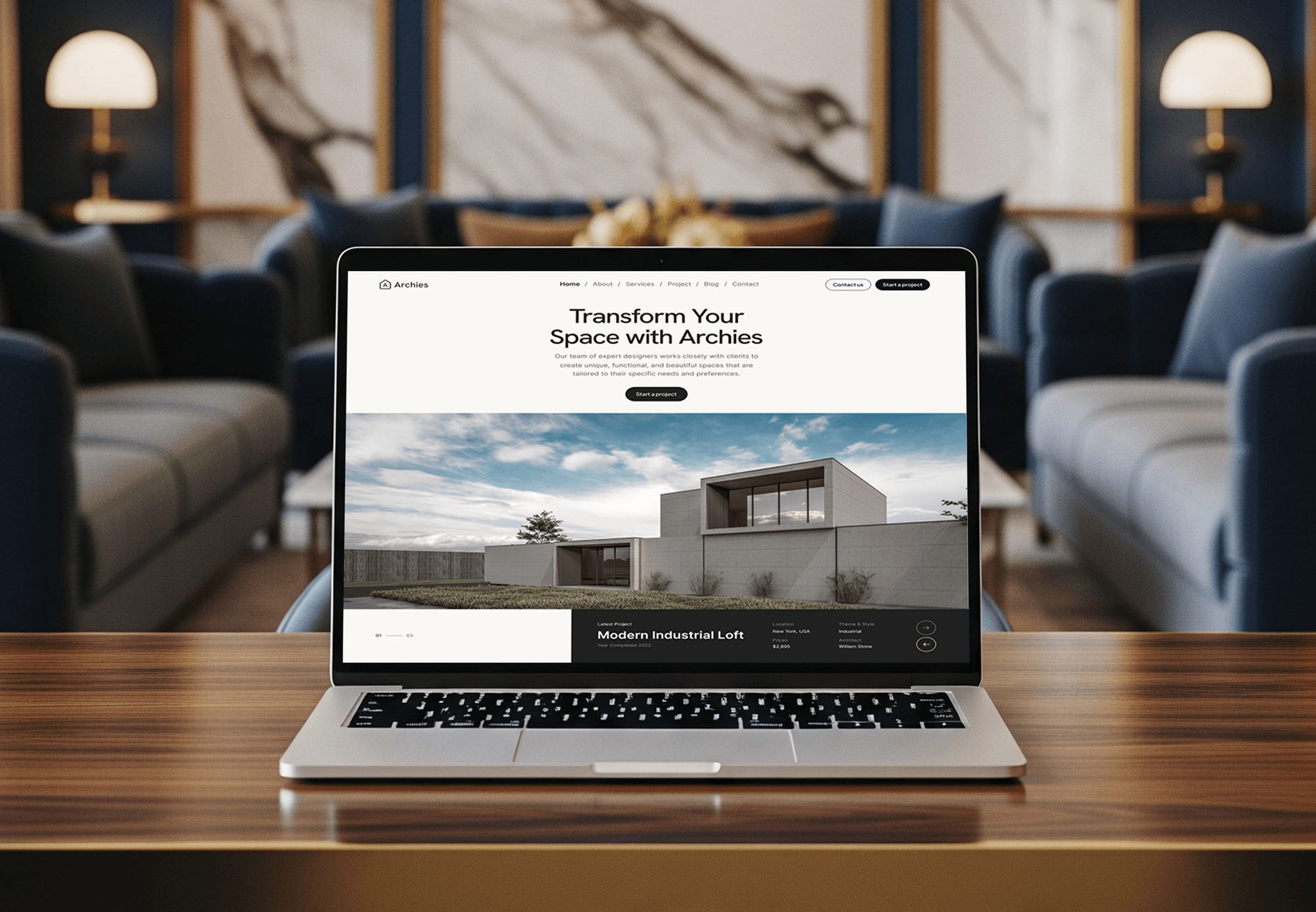
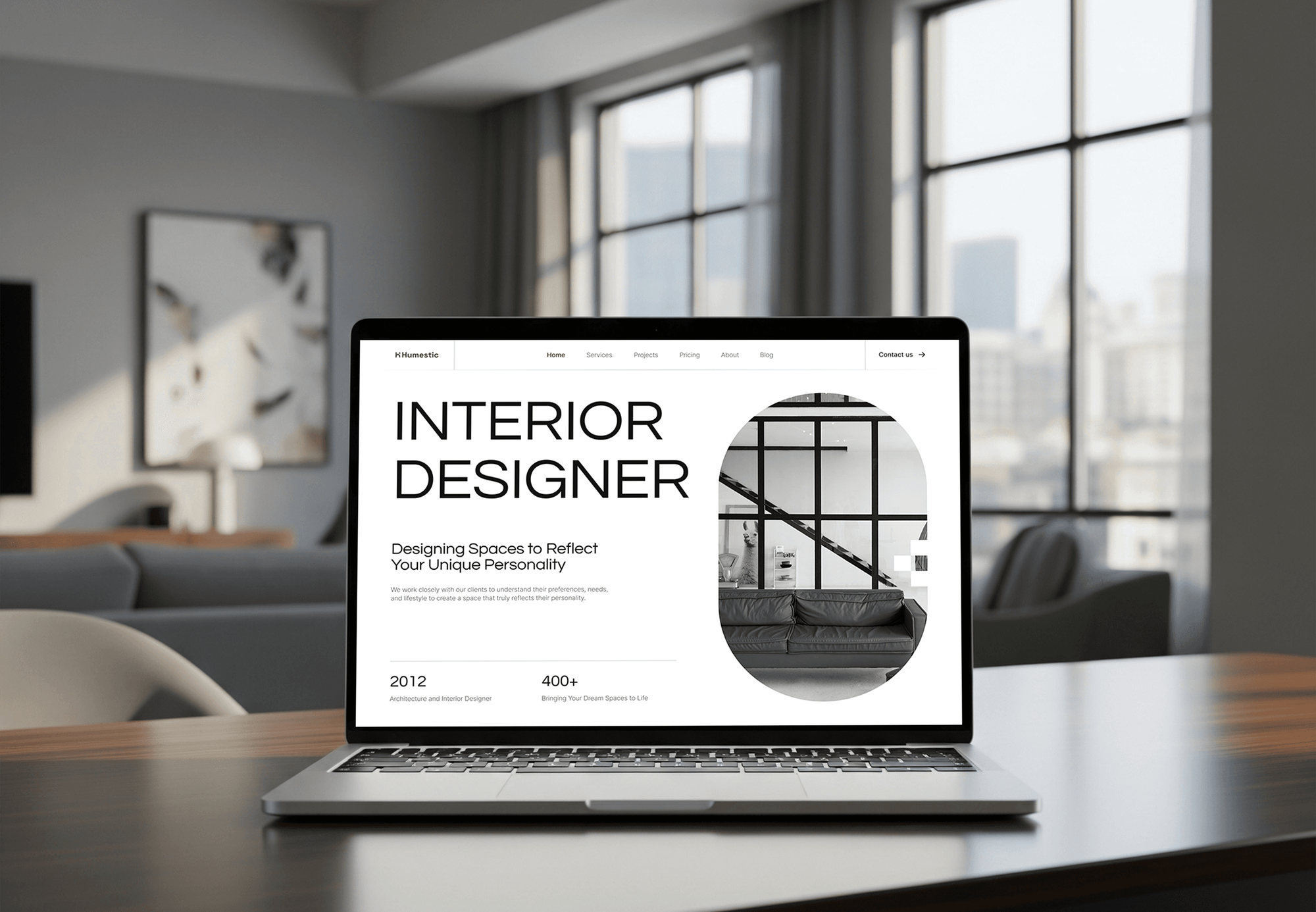
We haven't built a masonry site yet. These construction, architecture, design studio, and building supply projects show the galleries, request forms, and material catalogs a masonry site needs.


What Our Clients Say
Feedback from teams we have built websites for.
We had a pretty specific idea of what we wanted our website to become, but I wasn’t sure how easily we could explain all of it to a development team. There were quite a few moving parts, and we were working toward a deadline, so I expected a few things to get lost along the way. That never really happened. They understood what we were trying to achieve, kept us updated throughout the process, and got everything ready within the agreed timeline. The final site feels much easier to navigate, works beautifully on mobile, and is noticeably smoother for our customers. It was a huge relief seeing the original idea actually turn into the website we had in mind.
The mobile experience is probably my favourite part of the new site. We had spent a lot of time making sure the desktop version looked right, and the team kept pushing us to think about how everything would actually feel on a phone too. They were right. The navigation is clean, the interactions feel natural, and everything we’ve tested so far works exactly as it should. They also went through the links, forms, integrations, and other details more than once before launch, which I really appreciated. And even after going live, we could still reach out when something came up. The whole process felt friendly, organised, and surprisingly straightforward.
What I appreciate most is that the website is actually easy for us to manage now. We can update content ourselves instead of sending a developer a message every time we need to change something small. They also paid attention to the technical SEO side, which mattered to us because we didn’t want a new website to create problems for the traffic we already had. I’ve probably asked more questions than I should have since launch, but every question has been handled patiently and without any fuss. The team is easy to work with, they explain things clearly, and when we need something changed, they focus on getting it done rather than making the process complicated.
1,250+
Projects shipped
10+
Years of experience
Top 3%
Upwork Top Rated Plus
5 stars
Average review score

Want results like these?
Tell us what you are building. You get a reply within 24 hours on business days, then a written estimate.
Work Culture
Masonry buyers judge your craft by the photos and your honesty by the repair advice. These habits keep your gallery true, your repair pages careful, and your credentials accurate.
Your gallery shots include close-ups of joints, corners, and caps, not only wide angles. Buyers who care about craft see the detail they're paying for.
Chimney inspection or trade certifications appear only when your company holds them. You send the certificate, and the page names it exactly.
Your chimney pages suggest an inspection before the next fire when bricks are loose or the crown is cracked. Your site sounds careful, and careful sounds trustworthy.
Your repair pages explain, in your words, when you work in cold or wet weather and when you wait. Customers understand the schedule before they book.
Tuckpointing often saves a wall that looks worse than it is, and your site can say so. Homeowners remember the mason who didn't push a rebuild.
Repair requests, estimates, and bids go to accounts you control, not a lead network. Your domain and gallery files belong to your company.
Overview
DeveloperLook offers website design for masonry companies that build and repair with brick, stone, and block. Each build includes a repair request with photos, a new-build estimate form, and a gallery sorted by material. Fixed-price sites start at $1,100 and go live in 2 to 6 weeks, with every request sent straight to you.
DEVELOPERLOOK
Project facts · Masonry Website Design
Reviewed 8 Oct 2026 by Saimul Islam
Good fit
Chimney and tuckpointing specialists
Most of your calls are chimney repairs, repointing, and spalling brick, and your masonry repair website design needs a fast repair path with photos.
Hardscape and outdoor living masons
You build stone walls, fire pits, and outdoor kitchens, and planners want to browse your work by material before asking for an estimate.
Historic restoration masons
You repoint and rebuild brick on older homes, and owners want proof you match soft mortar and old brick before they call.
Commercial block and veneer contractors
General contractors send you block and stone veneer bids, so they need a plan upload path that skips the homeowner forms.
Agencies with masonry clients
Your agency runs ads for a mason and needs masonry websites built under your brand, with tracking that shows which pages bring estimates.
Not a fit
Mostly poured concrete
Your work is driveways, stamped patios, and slabs poured in concrete. Concrete Contractor Website Design fits flatwork better.
Roof and flashing work
You replace roofs and chimney flashing more than you lay brick. Roofing Website Design Services fit roofers better.
Planting-led landscapes
Your projects are mostly planting, lawns, and irrigation, with a little stonework. Landscaping Website Design Services fit that mix better.
Budget under $1,100
Your budget is under $1,100, or you're a one-mason shop taking a few jobs a month. A Business Profile and a simple photo gallery cover that, and we'll say so.
Not sure we're the right fit?
Book a free call or message us. We'll tell you honestly whether we're the right team.
Pricing
These are starting points in USD. Your final price depends on repair pages, outdoor living pages, and bid work, and you get a fixed proposal after a free discovery call.
For masons who need repair calls and new-build estimates sorted from the first click.
$1,100one-time, USD
For masonry companies selling chimneys, retaining walls, and outdoor living across several towns.
$2,450one-time, USD
For larger masonry contractors bidding commercial block and veneer work alongside homes.
$4,950one-time, USD
For Agencies
You own the client relationship. We build masonry sites under your brand: repair paths, estimate forms, and galleries sorted by material. Your ads send chimney repairs to a fast request and outdoor kitchen planners to the stonework they want, so your client quotes the right jobs.
White label: your client only ever sees your brand
Send the client's materials, repair types, towns, and best project photos.
We return a fixed price, a launch date, and both request forms.
We test repairs, estimates, and uploads, then launch as your agency's work.
Every file and update goes out under your agency's brand.
Close-up stonework photos give your ads a page worth landing on.
Repair requests and estimates reach different people from launch day.
Take on more trade clients without adding designers or developers.
The Right Technology for Your Project
We build on WordPress or Webflow, serve sharp stonework galleries through Cloudinary, and track repair calls with CallRail.
 WordPress
 Webflow
 Figma
 Cloudflare
 HubSpot
 Zapier
 Google Sheets
 Slack
 Google Analytics (GA4)
 Google Tag Manager
 Google Search Console
FAQ
Straight answers on cost, timelines, what works, templates, examples, chimney requests, tuckpointing, historic brick, repair pages, and ownership.
Saimul IslamFounder & CEO, DeveloperLookStill have questions?
Send a message or book a call with the team.
Masonry website design at DeveloperLook starts at $1,100 for up to 8 pages with a repair request, estimate form, and gallery by material. Repair, outdoor living, and historic brick pages start at $2,450. Commercial bid paths and project stories start at $4,950. You get the fixed figure after a short call about your mix of repairs and new work.
2 to 6 weeks covers most masonry builds. A repair and estimate site takes 2 to 3 weeks, and the full-service site with town pages takes about 4. Commercial builds with bid paths take 5 to 6. Sorting your gallery photos by material usually takes the longest.
The best masonry websites show close-up craft, separate repairs from new builds, and make estimates easy to request. Your site should name the materials you work in, the towns you serve, and the credentials you actually hold. Your real job photos with clean joints do more selling than any headline.
A template can work for a new one-person masonry business that needs a phone number and a few photos online fast. A typical masonry website template can't split repairs from new builds or filter a gallery by material. When a template is all you need right now, we'll say so before quoting.
Start with masons outside your service area, so you're studying sites rather than competitors. Strong masonry website examples lead with close-up photos, a clear repair button, and an estimate form that asks size and material. During your free call, we look at a few together and list what fits your business.
Chimney requests should ask what the homeowner sees (loose bricks, a cracked crown, stained mortar, or leaks) and take photos from the ground. Your estimator reviews them before calling back. The page suggests an inspection before the next fire when damage is visible, in your words, without diagnosing the chimney.
Yes. Your repair page explains repointing (removing damaged mortar and replacing it) and tuckpointing (adding a thin contrasting line for a crisp joint) in plain words. Many homeowners use the terms interchangeably, so the page answers both searches. Your own photos show the before and after on real walls.
Yes, on the full-service plan. Your historic brick page explains why older brick usually needs softer, lime-rich mortar and how you match color and joint style. You supply project photos and the methods you actually use, so the page doesn't overstate your restoration work or promise a perfect match.
Yes. Masonry repair website design gives chimney, step, wall, and mortar repairs their own pages and a short request, so they don't compete with big new-build projects. Your repair buyers want speed and a clear next step, while your planners want galleries. Separate paths let your site serve both.
Yes. Your domain, hosting, and gallery files are in your company's name, and repair requests, estimates, and bids go to your inbox or HubSpot. Call reports stay in your own accounts. Post-launch fixes run 30, 60, or 90 days, by plan, and moving the site later is your call.
Saimul IslamFounder & CEO, DeveloperLookStill have questions?
Send a message or book a call with the team.
Free 30-min callGoogle Meet
Book a call
In 30 minutes on Google Meet we walk you through how we would build it, how long it takes and what it costs. Then you get a written estimate.
Calendar not showing? Book on cal.com or send a brief.