
Modality pages
Deep tissue, sports, prenatal, and relaxation massage, each with session lengths, prices, and who it suits.

Massage therapy website design with booking, health intake before the first session, body map forms, and memberships. From $950.
2X
Package and membership sales
100%
Intake done before arrival
Teams we have built for:














The Problem
It shows up at check-in. A new client mentions a recent surgery once she's on the table, and last week's no-show left an hour unpaid.
01 · Late disclosures
A client mentions blood thinners only after arriving.
Health history and contraindication questions arrive with the booking.
02 · Text bookings
New clients book by text, and nothing gets screened.
Clients mark pain areas and pressure on a body map before the session.
03 · Forgotten sessions
Two clients forgot yesterday, and those hours went unpaid.
Automatic reminders go out before every session.
04 · Unsold memberships
You keep mentioning a membership your website can't sell.
Packages and monthly memberships sell through your booking tool, with clear terms.
A new client books a deep tissue session by text. She arrives, and only then mentions blood thinners and shoulder surgery in the spring. You rework the session on the spot. Yesterday, two clients forgot their appointments, and those hours went unpaid. Your website lists modalities but can't take a booking, collect intake, or sell the membership you keep mentioning. Every blank intake is a risk you carry into the room.
We start with how your practice runs: modalities, session lengths, intake questions, and what fills your week. Then we build a site where clients book, complete intake before arrival, and buy packages or memberships through your scheduler. Reminders go out automatically. You walk in knowing the client's history, not guessing it.
Intake before the first session
Health history and contraindication questions arrive with the booking, before anyone reaches your table.
Pain areas on a body map
Clients mark where it hurts and how much pressure they want, by modality.
Memberships sold online
Packages and monthly memberships sell through your booking tool, with clear terms.
Our Massage Practice Website Process
You approve the intake questions, the design, and a working booking flow before launch. Each step ends with something you can test as a client.
We start with a free call about your modalities, session lengths, booking software, and current intake, and we check how clients book today. You leave with a page plan and a fixed-price proposal.
What's Included
Everything a client needs to book safely and come back. Good website design for massage therapy practices covers intake, booking, and memberships, plus local search basics.
Compare Options
Your booking software's site builder is quick, and a DIY builder costs little each month. Both suit some solo therapists. Here is where intake and memberships set them apart.
| Feature | DeveloperLookBest fit | Booking software site builder | DIY website builder |
|---|---|---|---|
| Intake before arrival | Sent by treatment, reviewed first | Standard intake forms | Contact form only |
| Pain-area questions | Body map by modality | Fixed form templates | Not available |
| Packages and memberships | Pages that sell through booking | Built in, basic pages | Needs a payment plugin |
| Appointment reminders | Email and text, consent logged | Included, standard wording | Add-on apps |
| License display | Placed where your state expects | A profile field | You add it yourself |
| Launch speed | 2 to 7 weeks | A day or two | A weekend |
| Upfront cost | From $950, one-time | Included in your plan | Low monthly fee |
| Who owns it | You, every login | The software company | You, on their platform |
Projects We've Built
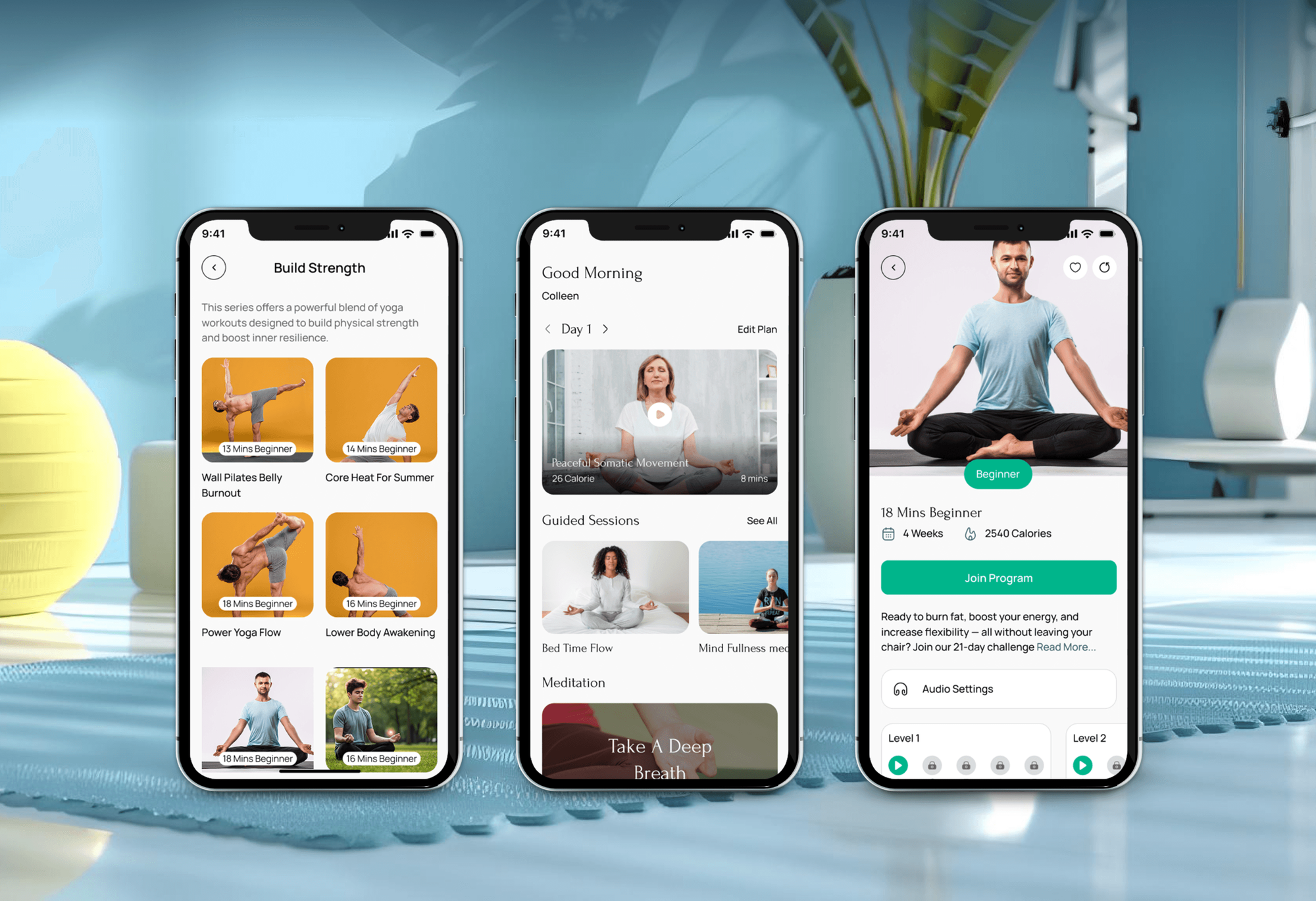
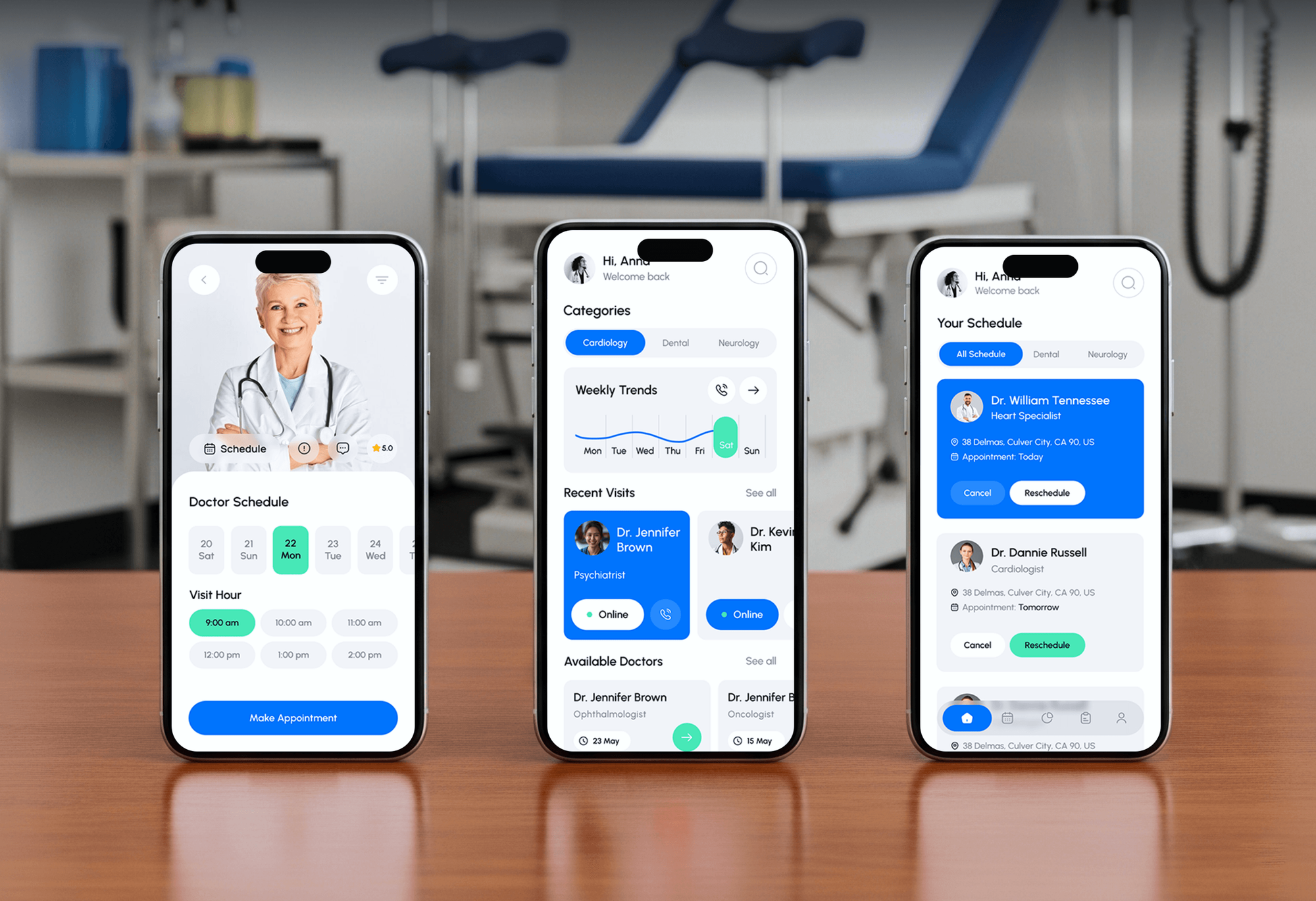
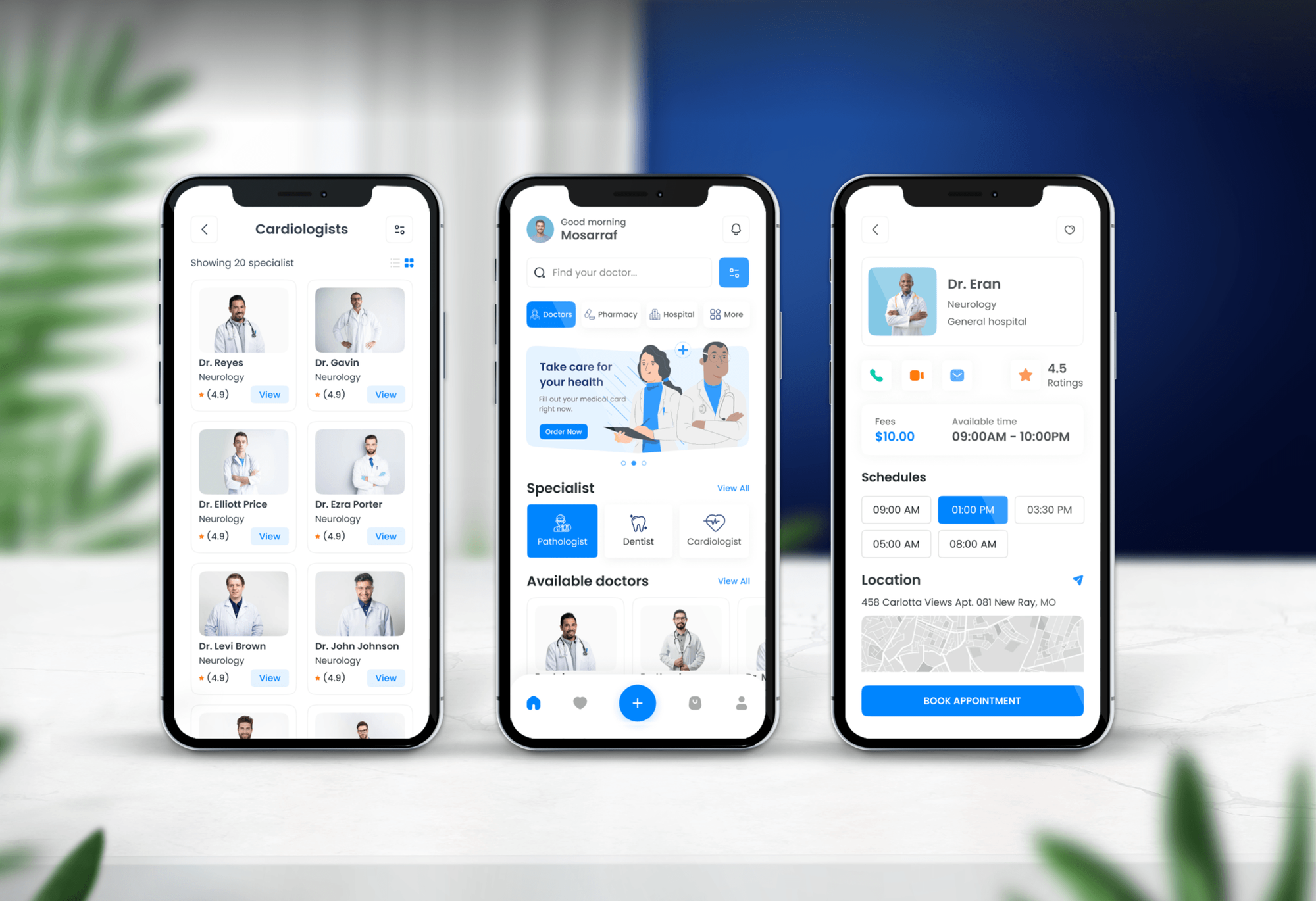
A yoga app, a gym membership website, and two booking apps from our portfolio. Each deals with what a massage practice needs: calm screens, memberships, and dependable booking.

What Our Clients Say
Feedback from teams we have built booking, membership, and wellness products for.
We had a pretty specific idea of what we wanted our website to become, but I wasn’t sure how easily we could explain all of it to a development team. There were quite a few moving parts, and we were working toward a deadline, so I expected a few things to get lost along the way. That never really happened. They understood what we were trying to achieve, kept us updated throughout the process, and got everything ready within the agreed timeline. The final site feels much easier to navigate, works beautifully on mobile, and is noticeably smoother for our customers. It was a huge relief seeing the original idea actually turn into the website we had in mind.
The mobile experience is probably my favourite part of the new site. We had spent a lot of time making sure the desktop version looked right, and the team kept pushing us to think about how everything would actually feel on a phone too. They were right. The navigation is clean, the interactions feel natural, and everything we’ve tested so far works exactly as it should. They also went through the links, forms, integrations, and other details more than once before launch, which I really appreciated. And even after going live, we could still reach out when something came up. The whole process felt friendly, organised, and surprisingly straightforward.
What I appreciate most is that the website is actually easy for us to manage now. We can update content ourselves instead of sending a developer a message every time we need to change something small. They also paid attention to the technical SEO side, which mattered to us because we didn’t want a new website to create problems for the traffic we already had. I’ve probably asked more questions than I should have since launch, but every question has been handled patiently and without any fuss. The team is easy to work with, they explain things clearly, and when we need something changed, they focus on getting it done rather than making the process complicated.
1,250+
Projects shipped
10+
Years of experience
Top 3%
Upwork Top Rated Plus
5 stars
Average review score

Want results like these?
Tell us what you are building. You get a reply within 24 hours on business days, then a written estimate.
Work Culture
Your practice runs on trust and table time. These habits protect both, from the first intake question to the reminder the night before.
Health questions arrive with the booking, not at check-in. You see flagged answers like pregnancy or recent surgery before the client reaches your table.
Clients tap where it hurts on a simple outline and set a pressure preference. You start the session with their notes instead of a guessing game.
Text reminders go only to clients who opted in, and we complete your texting provider's A2P 10DLC registration steps first. Your reminders then go out on a properly set up number.
Your license number sits in the footer and on your booking page, using the exact details you give us. Some states, like Florida, require it in advertising.
If your booking software's built-in intake and site already work, we'll tell you before we quote. You'll only pay for gaps that cost you sessions.
You get a written scope and one price before work begins. Changes are quoted up front, so your budget isn't a surprise either.
Overview
DeveloperLook provides massage therapy website design for independent therapists and wellness clinics. We build modality pages, booking with intake sent before the first session, pain-area body maps, and package and membership pages. Projects start at $950, most launch in 2 to 7 weeks, and your client records stay in your own software.
DEVELOPERLOOK
Project facts · Massage Therapy Website Design
Reviewed 28 Sep 2026 by Saimul Islam
Good fit
Independent massage therapists
You work solo, and clients book by text. You want online booking with intake done before anyone lies on your table.
Deep tissue and sports practices
Your clients arrive with specific injuries, and you want intake that captures pain areas and pressure preferences before the session.
Prenatal and medical massage specialists
You need health screening that flags pregnancy stage, medications, and recent surgery, so you can adjust or refer before booking.
Multi-room wellness clinics
You run several treatment rooms and want a site that fills them with packages, monthly members, and returning regulars.
Agencies serving bodywork clients
You market massage practices and need a partner for booking, intake, and memberships under your agency's brand.
Not a fit
Budget under $950
Your budget for the whole site is under $950. Your booking software's built-in site will do until you need custom intake.
Full day spa
You run a full day spa with couples rooms and gift packages. Our Day Spa Website Design Services page covers rooms and gifting.
Injectables or lasers
Your menu includes injectables or lasers too. Our Medical Spa Website Design Services page covers medical intake and consented galleries.
Intake forms already work
Your booking software's intake forms already work well for you. If they do, we'll say so before we quote.
Not sure we're the right fit?
Book a free call or message us. We'll tell you honestly whether we're the right team.
Pricing
These are starting points in USD. Your final price depends on therapist count, intake complexity, and modalities, and you get a fixed proposal after a free discovery call.
For independent therapists who need modality pages, booking, and intake in 2 to 3 weeks.
$950one-time, USD
For practices that want custom intake, reminders, and membership sales in 4 to 5 weeks.
$2,150one-time, USD
For clinics with several therapists or 2 locations that need per-therapist booking.
$4,350one-time, USD
For Agencies
You own the practice relationship and the marketing. We build what takes care to get right: health intake, body maps, reminders with consent, and membership pages, all under your agency's name.
White label: your client only ever sees your brand
Send modalities, intake needs, booking software, and your client's launch date.
We send a scope, an intake outline, and a fixed price.
We build, test, and hand over the site as your agency's work.
We stay behind your brand in every file, email, and handoff.
Every form is test-submitted and checked before your client sees it.
Text reminders set up with opt-in records and carrier registration steps.
Bring us one therapist or a whole clinic network.
The Right Technology for Your Project
We build around the booking and intake software your practice already trusts, then add reminders, tracking, and a CMS you can edit.
 Figma
Figma WordPress
 Webflow
 Next.js
 Twilio
 Google Analytics (GA4)
 Google Tag Manager
 Cloudflare
 Vercel
 Netlify
 PageSpeed Insights
FAQ
Straight answers on cost, timelines, health intake, memberships, reminders, and license details.
Saimul IslamFounder & CEO, DeveloperLookStill have questions?
Send a message or book a call with the team.
A massage therapy website from DeveloperLook starts at $950 for up to 6 pages, booking, and intake sent automatically. The Practice Growth Site costs $2,150 and adds a body map intake, secure forms, and reminders. Multi-therapist clinics start at $4,350. Your booking and form software bill separately.
Most massage therapy website design projects launch in 2 to 7 weeks. A solo therapist site takes 2 to 3 weeks, the growth site 4 to 5, and multi-therapist clinics 6 to 7. Intake questions take the longest to agree on, so we draft them with you in week one.
Licensed massage therapists screen with an intake form sent right after booking, before the first session. It asks about medications, recent injuries or surgery, pregnancy, skin conditions, and allergies to oils or lotions. Flagged answers alert you, so you can adjust the plan or refer out. ClinicSense, for example, sends forms automatically based on the treatment booked.
Body map intake forms capture them best: clients tap the areas that hurt and add notes on pain level and pressure. We add questions per modality, such as the injury and sport for sports massage or the trimester for prenatal. Answers land in the client record, stored by a form vendor that encrypts them.
You sell them through your booking software, linked from package and membership pages that explain the terms. Each page shows the price, what each month includes, rollover rules, and how to cancel. Vagaro supports memberships and packages in its booking widget, and we connect the pages so payments recur there, not on a separate site.
Independent bodyworkers automate reminders in their booking tool, with an email and a text before each session. Texts need recorded opt-in consent, and most US senders must register through their texting provider for A2P 10DLC. We set the timing, the wording, and a rebooking link, so a canceled slot can refill.
A licensed massage therapist website should show your license type, number, and state where clients look for it, usually the footer and About page. Florida law, for example, requires the license number in massage advertising. We place it site-wide and on your booking page, using the exact details you supply.
The best massage therapy websites answer three questions fast: what each modality helps with, how to book, and what happens at the first visit. They show your credentials, explain intake and draping in plain words, and load quickly on phones. Massage therapy web design should feel calm, then get out of the way.
You own the website, the domain, and every account we set up, and client records stay in your booking or intake software. We don't copy health answers into our own systems. If you change agencies, you keep everything, including the design files, photos, and form templates.
Support runs 30 days for the solo site, 60 for the growth site, and 90 for clinic builds. It covers bug fixes, intake form checks after software updates, and small edits like a new modality or price. Later changes are quoted as small fixed jobs.
Saimul IslamFounder & CEO, DeveloperLookStill have questions?
Send a message or book a call with the team.
Free 30-min callGoogle Meet
Book a call
In 30 minutes on Google Meet we walk you through how we would build it, how long it takes and what it costs. Then you get a written estimate.
Calendar not showing? Book on cal.com or send a brief.