
MongoDB data model
Collections, indexes, and $jsonSchema rules designed from your screens and documented for the next developer.

For founders and product teams building on MongoDB, Express, React, and Node.js: one JavaScript team and a data model that stays fast as your app grows. From $1,000.
1
Language from database to browser
100%
Hot queries backed by an index
How your project runs
Teams we have built for:














The Problem
MERN apps start fast because MongoDB accepts any document shape. Months later, that same freedom shows up as slow screens, mismatched fields, and an API nobody wants to touch.
01 · Slow screens
The dashboard loads slower each month as collections grow.
Every hot query gets an index, checked with explain() before release.
02 · Messy data
One field holds text in some documents and numbers in others.
$jsonSchema validation on key collections stops bad documents at the database.
03 · Chatty API
Each screen calls three endpoints and joins results in the browser.
Documents are shaped around each screen, so one request returns what it needs.
04 · Backups
Nobody has ever restored the last backup.
Atlas backups are restored to a test cluster before launch, so you know they work.
Your app launched quickly and the first users liked it. Now the dashboard loads slowly enough that people refresh it, and nobody knows which query is to blame. Some orders store the price as text and others as a number, because MongoDB accepted both. Each React screen calls three endpoints and stitches the results together in the browser. The Express routes trust whatever the client sends. And nobody has ever restored the last backup, so nobody knows if it works.
We start with the screens: what each one reads and writes. Then we shape the MongoDB documents around those reads, add $jsonSchema validation, and back every hot query with an index checked in explain(). The Express API validates input with the same TypeScript schemas the React forms use. You get a faster app and data you can trust, not another layer of patches.
Data modeled from screens
Documents are shaped around what each React screen reads, so pages need fewer requests.
Validation at both ends
Shared schemas check input in React forms, in Express routes, and in MongoDB itself.
Indexes you can verify
Every hot query is checked with explain(), so slow collection scans show up before users notice.
Our MERN Stack Development Process
When you hire MERN stack developers from us, five steps take your app from a list of screens to a tested release. You approve the data model and the API contract before feature work starts.
You walk us through the product, the users, and any existing code. We ask which screens matter most and what data they show. You get a short plan, a stack check, and a fixed-price proposal.
What's Included
MERN stack development is building one app with MongoDB, Express, React, and Node.js. With us, it covers the data model, the API, the React front end, tests, hosting, and handover.
Compare Options
A freelancer costs less for a small feature, and an in-house hire suits years of steady work. When you hire remote MERN stack developers from us, you get a reviewed team without recruiting.
| Feature | DeveloperLookBest fit | Freelancer | In-house hire |
|---|---|---|---|
| Data model planning | Designed before any screens | Depends on the person | Depends on the hire |
| Start date | Within 1 to 2 weeks | Often within days | After months of hiring |
| Query performance | Indexes checked with explain() | Fixed when it hurts | Depends on experience |
| Testing | Unit, API, and journey tests | Often manual only | Depends on the team |
| Code review | Every pull request reviewed | Self-reviewed | Reviewed by colleagues |
| Support after launch | 30 or 60 days included | Hourly, if available | Ongoing, on salary |
| Code ownership | Your repo and Atlas project | Often their accounts | Yours |
| Cost | Fixed price per scope | Lowest hourly rate | Salary plus benefits |
Projects We've Built
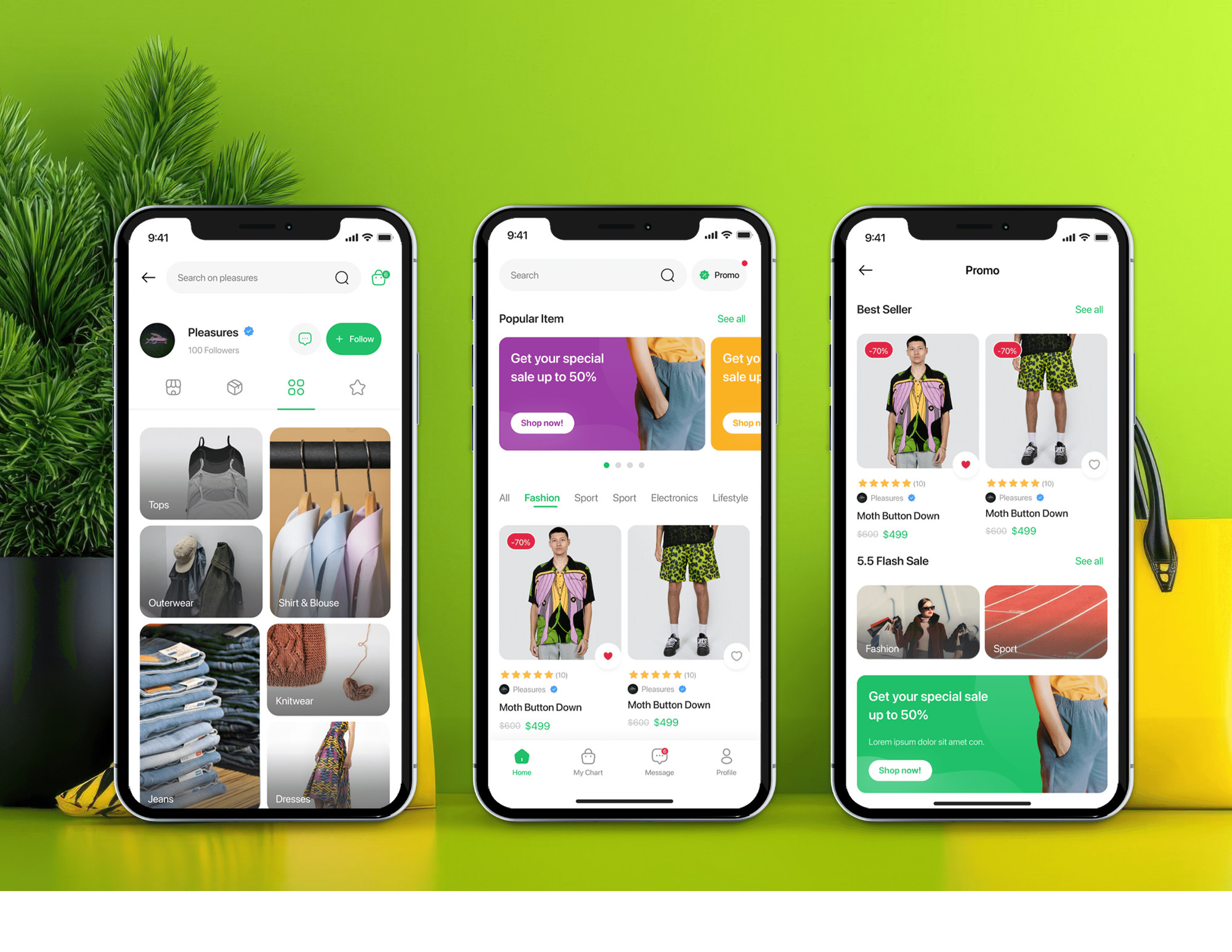
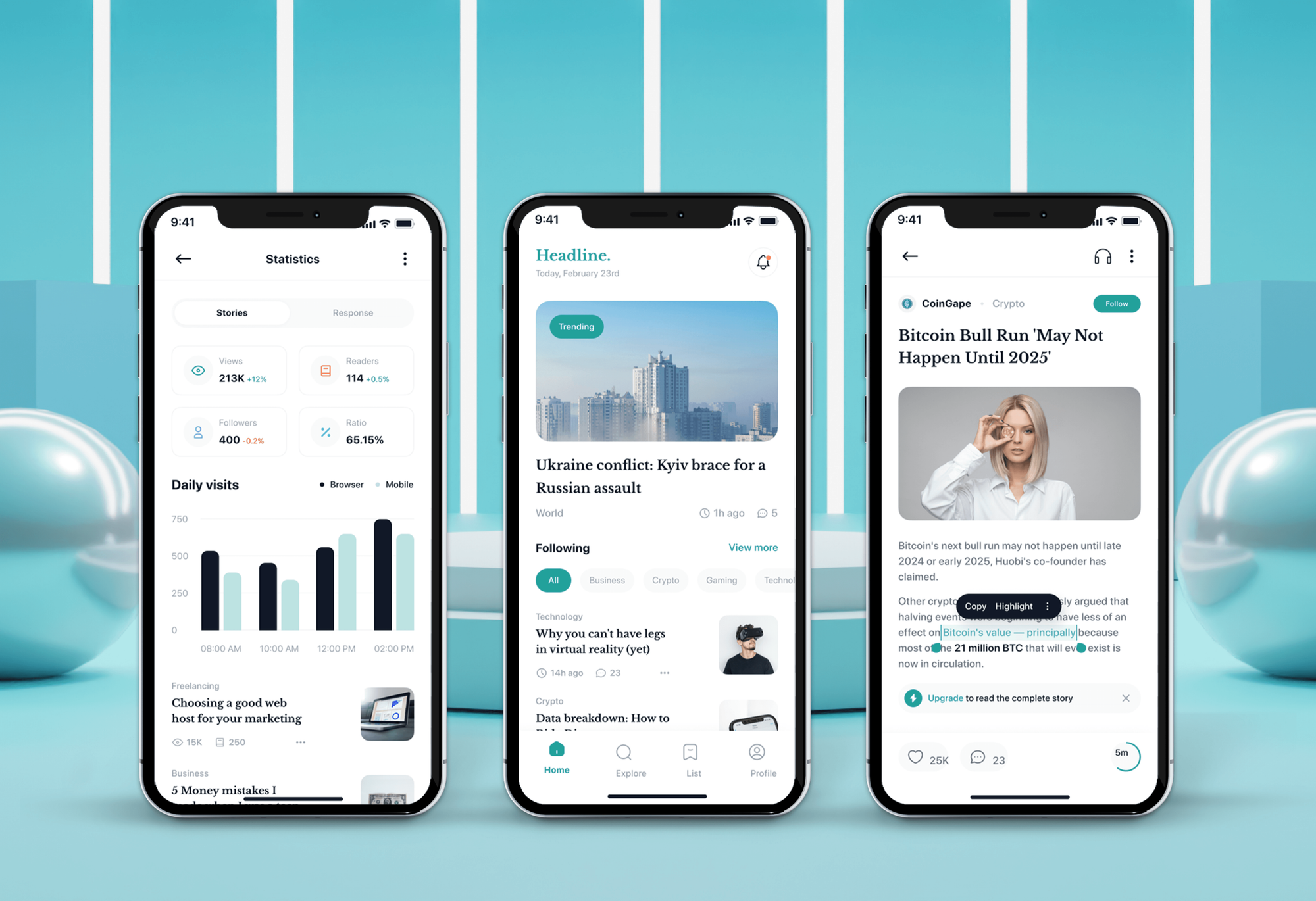
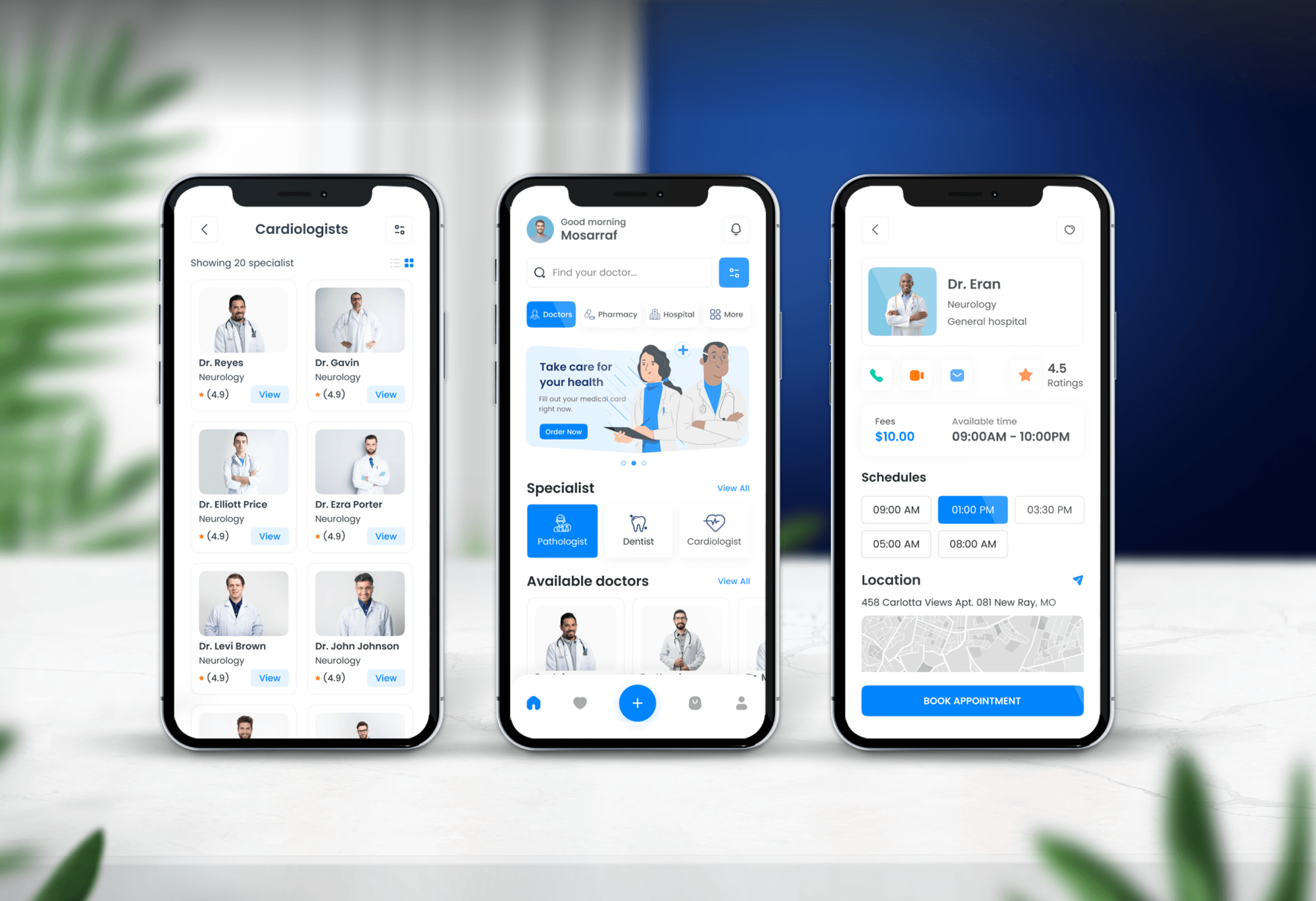
Ecommerce, news, and booking apps with admin dashboards from our portfolio, chosen for their data-heavy screens, not presented as MERN builds.

What Our Clients Say
Feedback from teams we have built web apps and dashboards for.
We had a pretty specific idea of what we wanted our website to become, but I wasn’t sure how easily we could explain all of it to a development team. There were quite a few moving parts, and we were working toward a deadline, so I expected a few things to get lost along the way. That never really happened. They understood what we were trying to achieve, kept us updated throughout the process, and got everything ready within the agreed timeline. The final site feels much easier to navigate, works beautifully on mobile, and is noticeably smoother for our customers. It was a huge relief seeing the original idea actually turn into the website we had in mind.
The mobile experience is probably my favourite part of the new site. We had spent a lot of time making sure the desktop version looked right, and the team kept pushing us to think about how everything would actually feel on a phone too. They were right. The navigation is clean, the interactions feel natural, and everything we’ve tested so far works exactly as it should. They also went through the links, forms, integrations, and other details more than once before launch, which I really appreciated. And even after going live, we could still reach out when something came up. The whole process felt friendly, organised, and surprisingly straightforward.
What I appreciate most is that the website is actually easy for us to manage now. We can update content ourselves instead of sending a developer a message every time we need to change something small. They also paid attention to the technical SEO side, which mattered to us because we didn’t want a new website to create problems for the traffic we already had. I’ve probably asked more questions than I should have since launch, but every question has been handled patiently and without any fuss. The team is easy to work with, they explain things clearly, and when we need something changed, they focus on getting it done rather than making the process complicated.
1,250+
Projects shipped
10+
Years of experience
Top 3%
Upwork Top Rated Plus
5 stars
Average review score

Want results like these?
Tell us what you are building. You get a reply within 24 hours on business days, then a written estimate.
Work Culture
A MERN app is easy to start and easy to tangle. These habits keep yours fast, typed, and readable for the next developer.
We list what every screen reads before designing a single collection. Your data ends up shaped for the app you're building, not for a tutorial.
Types flow from the MongoDB models through Express to the React components. A renamed field breaks the build on our side, not a page in production.
Pull requests that add a query include its explain() output. Slow collection scans get caught in review, long before your data grows.
If your data is mostly tables and joins, PostgreSQL will serve you better than MongoDB. We say so in the proposal, before you've paid for anything.
Role checks and input validation run in Express, not only in React. A hidden button is not treated as security.
Code sits in your repository and data in your own MongoDB Atlas project from day one. If you change developers later, you hand over access and keep everything.
Overview
DeveloperLook lets you hire MERN stack developers who model your MongoDB data around your screens. We then build the Express API and React front end in TypeScript, with schema validation, indexed queries, tests, and tested Atlas backups. Prices start at $1,000, new apps take 6 to 16 weeks, and you own the code.
DEVELOPERLOOK
Project facts · MERN Stack Development Services
Reviewed 10 Oct 2026 by Saimul Islam
Good fit
Founders building a first web app
You have designs for a booking or marketplace app and want one JavaScript team to build the data, the API, and the screens.
Teams with a slowing MERN app
Your app slows down as collections grow, and nobody has checked which queries scan the whole collection.
Startups needing steady capacity
You want to hire dedicated MERN stack developer time each month for a product roadmap, without adding full-time headcount.
React teams adding a back end
Your front-end team works in React and needs an Express API and MongoDB data layer that fits how they already build.
Agencies with JavaScript client work
Your agency won a client web app and needs a MERN stack development company to build it under your brand.
Not a fit
Data full of joins
Your data is mostly related tables, such as invoices, line items, and ledgers. Our Backend Development Services page builds that on PostgreSQL instead.
Mobile app, no server
You need a mobile app with sign-in and live updates, and no custom server. Our Hire Firebase Developers page covers that with less code.
Front end only
You already have a working API and only need React screens. Our React Development Services page fits that smaller scope.
Budget under $1,000
Your budget is under $1,000, or you need a simple marketing site. A website builder costs less, and we'll tell you before we quote.
Not sure we're the right fit?
Book a free call or message us. We'll tell you honestly whether we're the right team.
Pricing
These are starting points in USD. Your final price depends on the number of screens, integrations, and real-time features, and you get a fixed proposal after a free discovery call.
For one existing MERN app with slow queries or loose data. About 2 weeks.
$1,000one-time, USD
For a new MERN web app with login, roles, and admin screens. About 6 to 9 weeks.
$4,300one-time, USD
For SaaS products and marketplaces that need billing, live updates, and search. About 10 to 16 weeks.
$8,600one-time, USD
For Agencies
You keep the client relationship. We supply the MERN engineering behind it: data models, Express APIs, and React apps under your brand. Code lives in your client's repository, with documentation your team can follow.
White label: your client only ever sees your brand
Send the screens, your client's goals, and any existing MERN code or designs.
You get a data model, an API outline, and a fixed price to resell.
We build on staging, launch in your client's accounts, and hand over a runbook.
Staging links, demos, and release notes go out under your brand.
Fixed scope, with a data model approved before any build starts.
MongoDB, Express, React, and Node.js work reviewed by experienced developers.
One feature, a full app, or dedicated MERN developers each month.
The Right Technology for Your Project
MongoDB and Mongoose for data, Express and Node.js for the API, React for the screens, and the test and hosting tools we deploy them with.
 MongoDB
 Node.js
 Express
 TypeScript
 React
 Next.js
 Docker
 Vercel
 AWS
FAQ
Straight answers on costs, what the stack is for, its future, and where to host it.
Saimul IslamFounder & CEO, DeveloperLookStill have questions?
Send a message or book a call with the team.
Hiring MERN stack developers through DeveloperLook starts at $1,000 for a tune-up of one existing app. That covers query indexes, schema validation, and a tested backup restore. A new MERN app with login, roles, and admin screens starts at $4,300, and products with billing and live updates start at $8,600. You get a fixed quote after a free call.
The MERN stack is four JavaScript technologies used together: MongoDB, Express, React, and Node.js. MongoDB stores data as JSON-like documents, Express handles the API routes, React draws the interface, and Node.js runs the server. Because every layer uses JavaScript or TypeScript, one team can work across all of it.
The MERN stack is used for interactive web apps: dashboards, marketplaces, booking tools, social feeds, and SaaS products. It suits apps whose data changes shape as the product grows. It's a weaker fit for heavy reporting across many related tables, where a SQL database such as PostgreSQL does better.
A MERN stack developer is a JavaScript developer who builds all four layers of a MERN app. That means MongoDB collections and indexes, Express routes with validation, React components, and the Node.js server setup. The skill that matters most is data modeling: when to embed related data and when to reference it.
Yes, MERN is good for most interactive web apps, especially when one small team builds everything. Shared TypeScript types cut handoff errors between front end and back end. The trade-off is discipline: without schema validation and indexes, inconsistent data and slow queries build up quietly.
Use MERN when you want one language across the whole app and data that changes shape as the product grows. One TypeScript codebase lets React forms and the Express API share the same validation rules. If your team already works in PHP or Python, Laravel or Django may get you to launch faster.
The MEAN stack uses Angular for the front end, while the MERN stack uses React. MongoDB, Express, and Node.js are the same in both. Angular is a full framework with routing and forms built in, while React is a library you pair with Next.js or React Router. We build MERN, and Angular work goes to our Angular page.
Yes, MERN has a future because each part is actively maintained and widely used. React is now run by the React Foundation under the Linux Foundation, Node.js ships long-term support releases on a published schedule, and MongoDB, Inc. maintains MongoDB and Atlas. What changes is the tooling around it: Vite or Next.js instead of the retired Create React App, and TypeScript by default.
Many companies use the MERN parts, but few publish their whole stack, so it's best checked layer by layer. Node.js has named PayPal, GoDaddy, Capital One, and Intel among its enterprise users, and the OpenJS Foundation has written about Netflix's Node.js work. MongoDB publishes case studies from Toyota Connected, Cisco, and Forbes. Treat these as users of each layer, not of the full stack.
Host a MERN app with the database on MongoDB Atlas and the Node.js API on Render, AWS, or any Docker host. A Next.js front end often goes on Vercel, and a Vite build fits any static host. We set everything up in your own accounts, with separate staging and live environments.
Saimul IslamFounder & CEO, DeveloperLookStill have questions?
Send a message or book a call with the team.
Free 30-min callGoogle Meet
Book a call
In 30 minutes on Google Meet we walk you through how we would build it, how long it takes and what it costs. Then you get a written estimate.
Calendar not showing? Book on cal.com or send a brief.