
API contract in OpenAPI
Endpoints, data shapes, and errors written down first, so web and mobile teams build in parallel.

For product teams whose APIs and integrations run on Node.js: typed TypeScript code, an LTS runtime, and a backend that keeps answering when one task runs long. From $1,050.
100%
On an LTS Node.js release
24/7
Process restarts and alerts
How your project runs
Teams we have built for:














The Problem
Node.js handles thousands of waiting requests well, until one piece of code hogs the event loop. Most of the Node.js trouble we're called in for starts there, or with an old runtime.
01 · Blocked requests
One PDF export makes every other user wait.
Heavy work moves to a queue or worker thread, off the event loop.
02 · Crashes
An unhandled promise rejection takes the whole API down.
Errors get handled and logged, and a process manager restarts and alerts.
03 · Broken fields
A renamed field broke the mobile app last month.
TypeScript types and contract tests catch changed fields before release.
04 · Old runtime
The service still runs on an end-of-life Node version.
We upgrade to an LTS release and replace packages with known advisories.
Your Express API was written fast in plain JavaScript and still runs on Node 16. Every Friday, someone exports a large PDF report, and for 20 seconds every other user waits. An unhandled promise rejection crashes the process twice a week, and it only comes back because someone restarts it. A renamed field broke your mobile app last month, because nothing checks the shape of the data. Half the npm packages show security warnings, and nobody knows which ones are safe to update.
We start by moving your service to a Node.js LTS release and converting the main routes to TypeScript, so data shapes get checked before release. Slow work like PDF exports moves to a queue or worker thread, off the event loop. Then a process manager restarts crashes and alerts you. Your API keeps answering while the heavy jobs run in the background.
Event loop kept clear
Heavy exports and reports move to queues or worker threads, so other requests keep flowing.
TypeScript end to end
Shared types between your API and React front end catch broken fields before release.
LTS releases only
We run Active or Maintenance LTS releases, as the Node.js project advises for production.
Our Node.js Development Process
Our Node development services follow five steps. You approve the API design before code, test every endpoint on staging, and get docs your front-end team can use.
On a free call, you walk us through the API, the apps that use it, and where it hurts. We check the Node.js version, npm packages, and error logs. You get a list of fixes and a fixed-price proposal.
What's Included
Node.js web development services built around your API: typed code, a clear contract, background jobs, and the monitoring that keeps it answering after launch.
Compare Options
A hosted backend platform gets a prototype live fastest, and a freelancer suits a small, well-defined API. A Node.js development company fits when the API carries real traffic and real money.
| Feature | DeveloperLookBest fit | Freelancer | Backend platform |
|---|---|---|---|
| API design | OpenAPI contract first | Varies by person | Platform's built-in API |
| Custom logic | Any logic in TypeScript | Any logic | Limited to functions and rules |
| Setup speed | 1 to 2 weeks for a fix-up | Fast for small jobs | Fastest to a prototype |
| Background jobs | BullMQ queues and workers | Often skipped | Platform limits apply |
| Testing | Contract and load tests | Rarely included | Your responsibility |
| Running cost | Your server or cloud | Your server or cloud | Usage-based pricing |
| Support | 30 to 60 days included | Depends on availability | Platform docs and forums |
| Code ownership | Your repository | Ask for repository access | Tied to the platform |
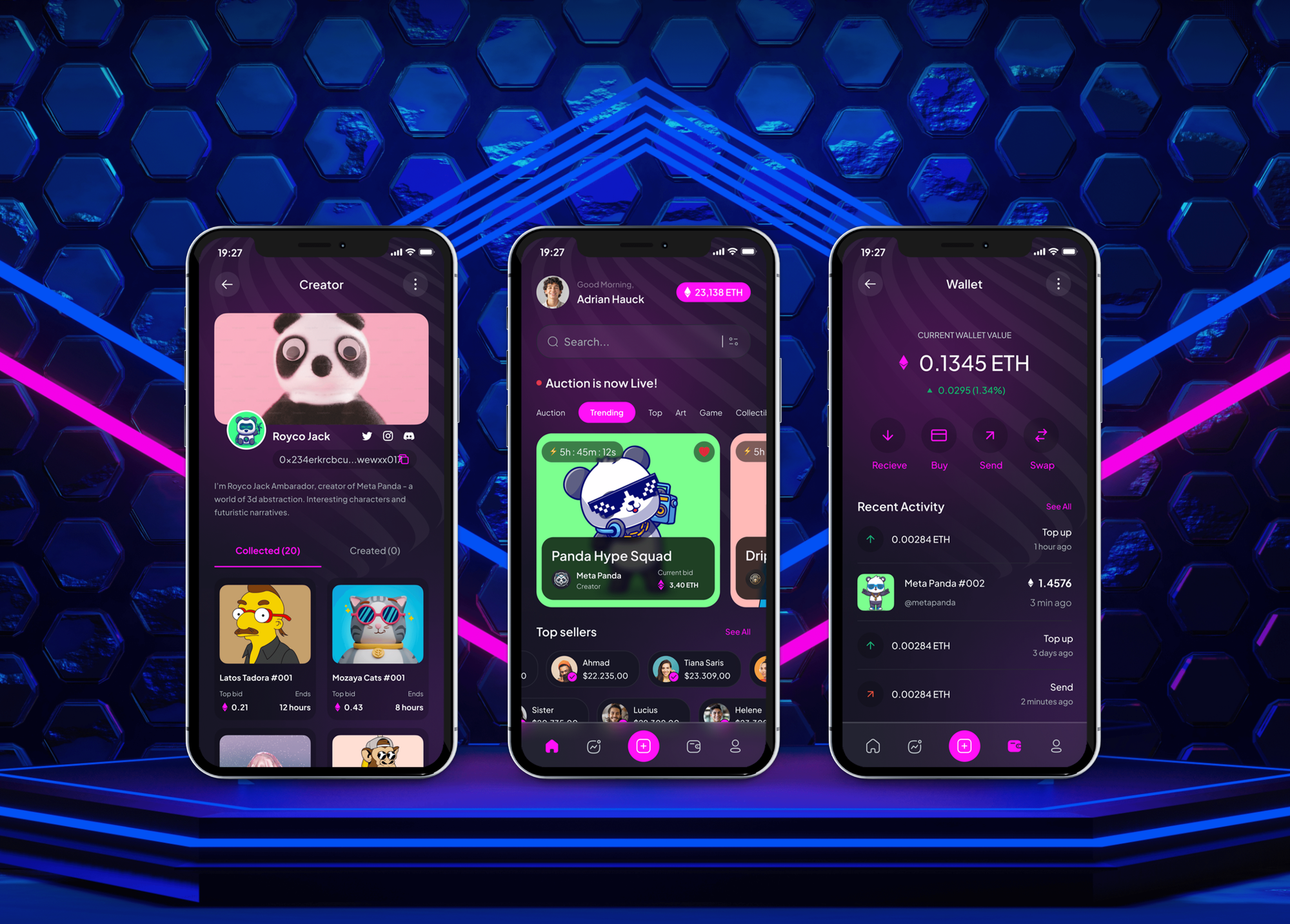
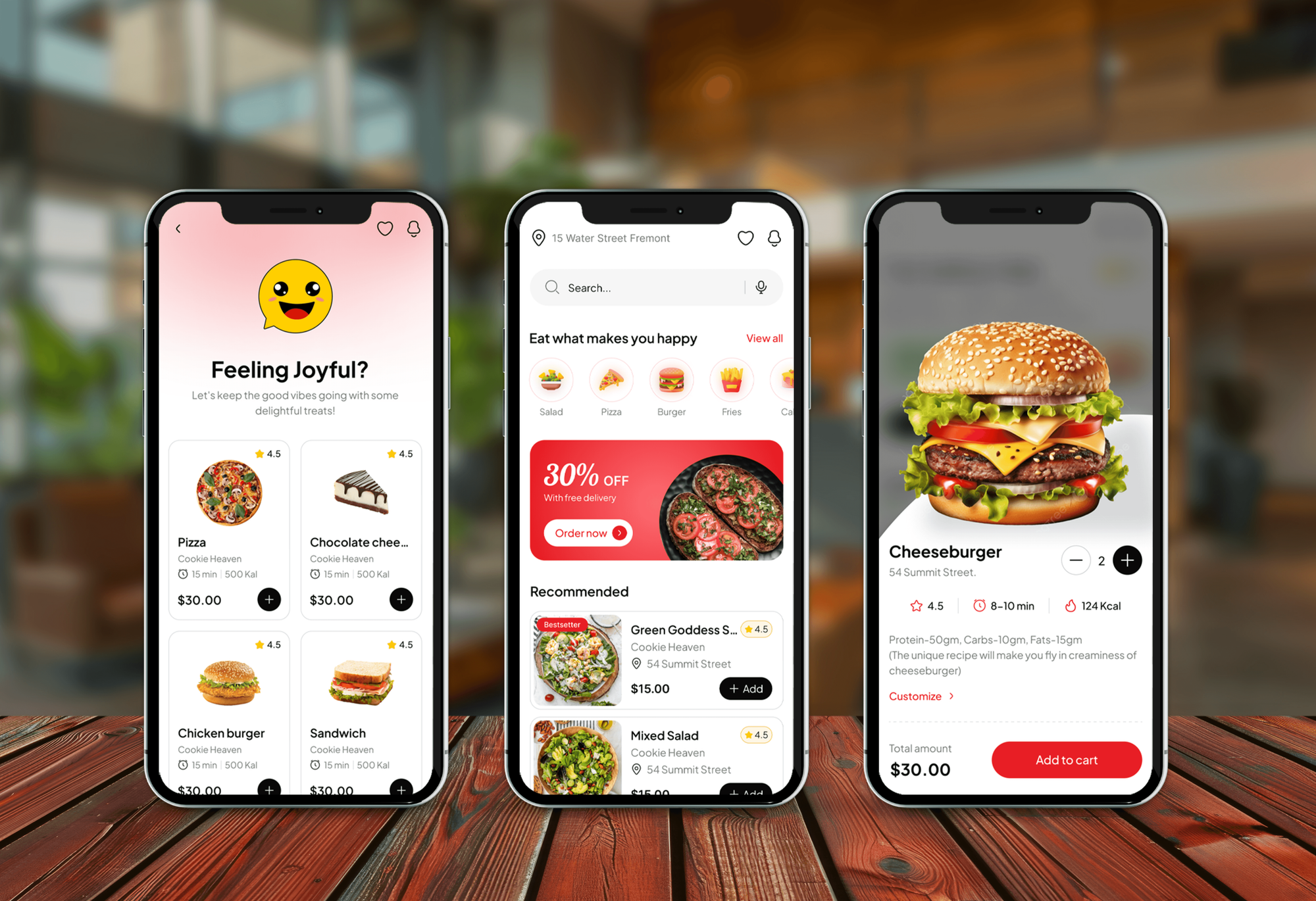
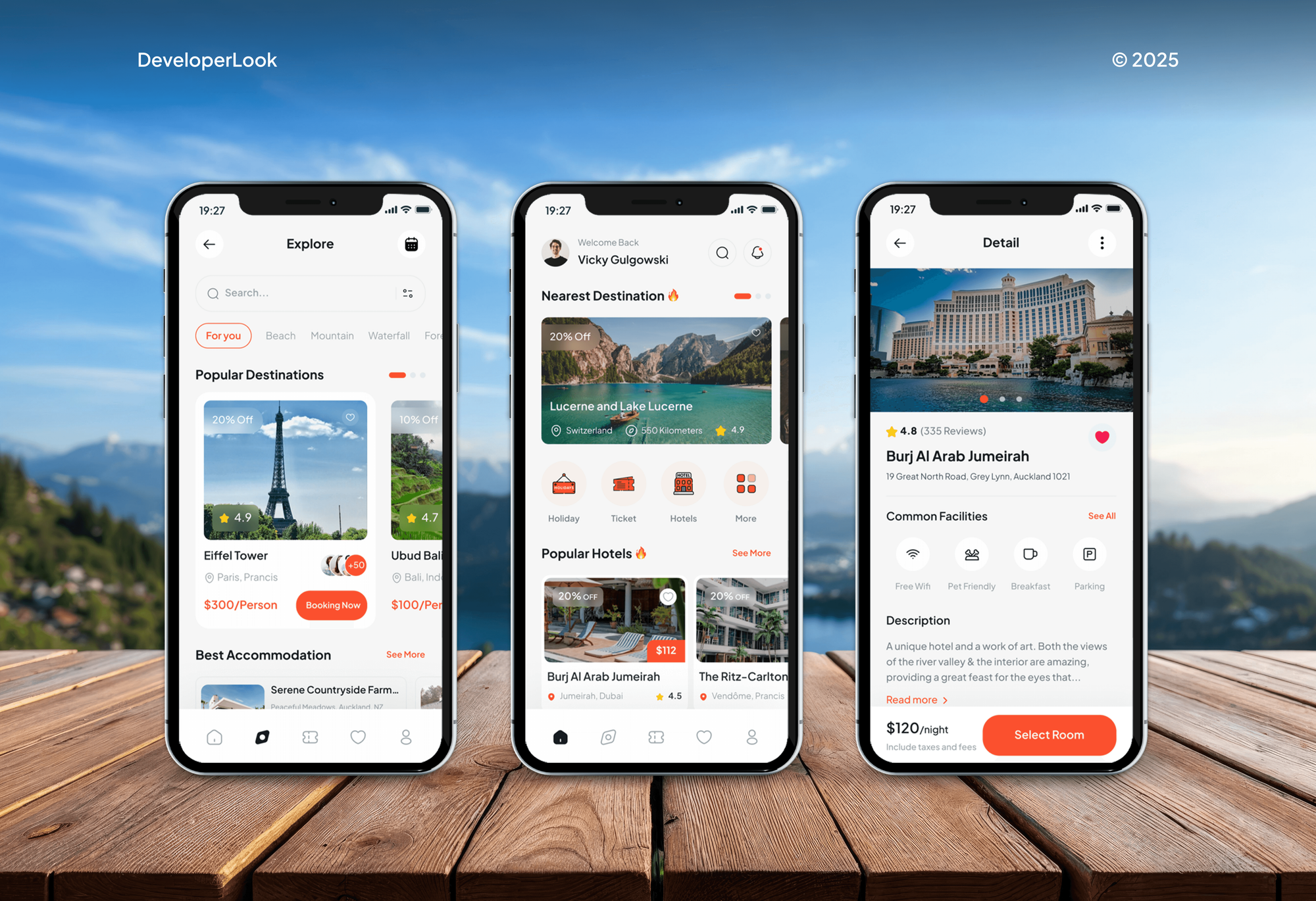
Projects We've Built
Trading dashboards, food delivery apps, and booking platforms from our portfolio, picked for their live data and busy back ends, not as examples of one runtime.

What Our Clients Say
Feedback from teams we have built apps and APIs for.
We had a pretty specific idea of what we wanted our website to become, but I wasn’t sure how easily we could explain all of it to a development team. There were quite a few moving parts, and we were working toward a deadline, so I expected a few things to get lost along the way. That never really happened. They understood what we were trying to achieve, kept us updated throughout the process, and got everything ready within the agreed timeline. The final site feels much easier to navigate, works beautifully on mobile, and is noticeably smoother for our customers. It was a huge relief seeing the original idea actually turn into the website we had in mind.
The mobile experience is probably my favourite part of the new site. We had spent a lot of time making sure the desktop version looked right, and the team kept pushing us to think about how everything would actually feel on a phone too. They were right. The navigation is clean, the interactions feel natural, and everything we’ve tested so far works exactly as it should. They also went through the links, forms, integrations, and other details more than once before launch, which I really appreciated. And even after going live, we could still reach out when something came up. The whole process felt friendly, organised, and surprisingly straightforward.
What I appreciate most is that the website is actually easy for us to manage now. We can update content ourselves instead of sending a developer a message every time we need to change something small. They also paid attention to the technical SEO side, which mattered to us because we didn’t want a new website to create problems for the traffic we already had. I’ve probably asked more questions than I should have since launch, but every question has been handled patiently and without any fuss. The team is easy to work with, they explain things clearly, and when we need something changed, they focus on getting it done rather than making the process complicated.
1,250+
Projects shipped
10+
Years of experience
Top 3%
Upwork Top Rated Plus
5 stars
Average review score

Want results like these?
Tell us what you are building. You get a reply within 24 hours on business days, then a written estimate.
Work Culture
Node.js rewards discipline: typed data, a clear event loop, and careful package choices. These are the habits we bring to every Node.js project.
We check each npm package's upkeep, license, and known advisories before adding it. One small dependency can pull in dozens more, so we keep the list short.
We measure event loop delay under load, not only response times. That's how blocking code shows up before your users notice the freeze.
Your API's endpoints and fields are agreed in an OpenAPI document first. Front-end and mobile teams can start building on day one.
Every project leaves with a note on when its Node.js release reaches end of life. You plan the next upgrade instead of hearing about it from a security scan.
Node.js isn't the best fit for heavy number crunching or long CPU jobs. When Python or Go would serve you better, we'll say so up front.
Code sits in your GitHub from the first commit, and servers run in your cloud account. Changing teams later won't mean starting from scratch.
Overview
DeveloperLook provides Node.js development services for product teams that run APIs, webhooks, and integrations on Node.js. We design the API contract, build in TypeScript, move slow work to queues, and set up monitoring on an LTS runtime. Prices start at $1,050, fix-ups take 1 to 2 weeks, new APIs 5 to 14 weeks, and the code stays in your repository.
DEVELOPERLOOK
Project facts · Node.js Development Services
Reviewed 8 Oct 2026 by Saimul Islam
Good fit
Teams with a freezing Node.js API
Your Node.js API slows to a crawl whenever someone runs an export, and restarting the server is your main fix right now.
Companies hiring for a new API
You need to hire Node.js developers for a new API, and a full-time hire would take months you don't have.
React teams wanting one language
Your front end is React, and you want the backend in TypeScript too, with shared types instead of guessed field names.
Founders comparing Node.js partners
You're comparing a Node.js development agency with a freelancer and want a fixed scope, tests, and an API document before work starts.
Agencies needing Node.js capacity
Your agency sold an app with a Node.js backend, and you need a Node.js app development company to build it under your brand.
Not a fit
Heavy data processing
Your backend mostly crunches numbers or runs data science jobs. Our Python Development Services page fits that work better than Node.js does.
App staying on PHP
Your app runs on PHP and the plan is to keep it there. Our PHP Development Services page covers upgrades and new features for it.
Budget under $1,050
Your budget is under $1,050, or a hosted backend platform already covers your prototype. If a platform covers your case, we'll tell you before we quote.
Hosted Postgres backend
You want a hosted Postgres backend with auth and storage and little custom code. Our Supabase Developer for Hire page is the faster route.
Not sure we're the right fit?
Book a free call or message us. We'll tell you honestly whether we're the right team.
Pricing
These are starting points in USD. Your final price depends on the endpoints, integrations, and background jobs you need, and you get a fixed proposal after a free API review.
For one Node.js API that crashes, freezes, or runs on an end-of-life version. About 1 to 2 weeks.
$1,050one-time, USD
For a new API or backend behind a web or mobile app. About 5 to 9 weeks.
$3,300one-time, USD
For products that need live updates, queues, and several integrations. About 10 to 14 weeks.
$7,400one-time, USD
For Agencies
You stay the face of the project. We supply the Node.js engineering behind it: API design, TypeScript builds, queues, and monitoring, delivered under your brand with code in your client's repository.
White label: your client only ever sees your brand
Send the app's screens, the data it needs, and your client's deadline.
You get an API outline and a fixed price you can resell.
We build, test, and deploy under your client's cloud accounts.
Your client deals with you, and we work behind your brand.
An agreed API document and staging endpoints your client can test.
TypeScript, Express, Fastify, and NestJS work from experienced developers.
Hand us one API, a rescue, or a full product backend.
The Right Technology for Your Project
Node.js LTS with TypeScript and the framework that fits, the data and queue tools behind it, and the test and monitoring tools that keep it stable.
 Node.js
 Express
 NestJS
 PostgreSQL
 MongoDB
 Docker
 AWS
FAQ
Straight answers on Node.js costs, hiring Node.js developers, what Node.js suits, and where it falls short.
Saimul IslamFounder & CEO, DeveloperLookStill have questions?
Send a message or book a call with the team.
Node.js development services at DeveloperLook start at $1,050 for a fix-up of one existing API. That covers an LTS upgrade, blocking code moved off the event loop, and alerts. A new TypeScript API with auth, a database, and tests starts at $3,300. A product backend with live updates and queues starts at $7,400. Each is a fixed price after a free API review.
Hire Node.js developers by giving candidates a small paid task on your real API and reviewing the result. Look for TypeScript, tests, and error handling around every async call. A Node.js development company can also cover API design, code review, and a backup developer, which a single hire can't.
Look for proof that they keep the event loop clear and handle errors in async code. Ask how they'd move a slow export off the request path, how they pick npm packages, and which Node.js release they'd run in production. A good answer names an LTS release and a queue such as BullMQ.
Node.js development is building the server side of apps in JavaScript or TypeScript using Node.js, a runtime built on Chrome's V8 engine. It's used for APIs, webhooks, real-time features, and command-line tools. Its non-blocking design lets one process serve many requests that are waiting on databases or other services.
In web development, Node.js runs the backend: REST and GraphQL APIs, login and sessions, payment webhooks, and live updates over WebSockets. It also powers the build tools behind most modern front ends, from Vite to Next.js. Teams like it because the same TypeScript style runs in the browser and on the server.
Yes, Node.js is good for web development, especially for APIs and apps that spend most of their time waiting on databases or other services. It's a weaker fit for CPU-heavy work like video processing or large calculations, which block its single main thread. For those jobs, we move the work to worker threads, a queue, or another language.
Choose Node.js for backend development when your API mostly waits on other systems and your team already writes TypeScript. Shared types between front end and backend cut a whole class of bugs, and npm has a package for most integrations. Choose PHP or Python instead when your stack or data work already lives there.
No, Node.js isn't only for web development. It runs command-line tools, build systems, desktop apps through Electron, background workers, and scripts that move data between services. Most of our Node.js development is still web backends and APIs, because that's where its non-blocking design pays off most.
Node.js doesn't run the mobile app itself, but it's a common backend for one. The app is built in Swift, Kotlin, Flutter, or React Native, and it talks to a Node.js API for login, data, and push notifications. React Native teams often like a Node.js backend because both sides use JavaScript or TypeScript.
A Node.js developer builds and maintains the server side of an app: API endpoints, database queries, authentication, background jobs, and integrations with payment or email services. Day to day, they also upgrade Node.js and npm packages, write tests, and watch error logs. On our projects, they keep the API document current too.
Saimul IslamFounder & CEO, DeveloperLookStill have questions?
Send a message or book a call with the team.
Free 30-min callGoogle Meet
Book a call
In 30 minutes on Google Meet we walk you through how we would build it, how long it takes and what it costs. Then you get a written estimate.
Calendar not showing? Book on cal.com or send a brief.