Full crawl and click-depth map
Every URL crawled, with click depth, inbound links, and orphan pages listed for your store.

Site architecture for SEO that links orphan products, brings best sellers within 3 clicks, and builds links into your theme. From $750.
3
Clicks to your best sellers
100%
Orphan pages linked in
How your project runs
Teams we have built for:














The Problem
Structure problems grow quietly. Every new collection, menu change, and seasonal page adds links in some places and strands products in others.
01 · Orphan products
Hundreds of your products have no page linking to them.
Orphan products get links from categories, breadcrumbs, and related blocks.
02 · Click depth
Top products sit 5 clicks deep behind a crowded menu.
Menus and featured links move key products closer to the home page.
03 · New products
New products sit as discovered but not indexed.
New products join the structure the day they launch, with no manual linking.
04 · Wasted crawl
Google spends its time on pages that don't sell.
A full crawl maps your real structure first, then we fix the templates.
You open a crawl and find hundreds of products that no page links to. Your best sellers sit 5 clicks from the home page, behind a crowded menu and paginated collections. Your blog posts get traffic but don't link to a single product. Search Console lists new products as discovered but not indexed. Every launch adds more pages and weakens the ones that sell. Shoppers give up, and Google spends its time elsewhere.
We start with a full crawl, so you see your real structure: click depth, orphan pages, and where links actually point. Then we fix the structure in your templates. Breadcrumbs, related-collection blocks, and menu links give every product a path from the home page, and best sellers move within 3 clicks. New products join the structure the day they launch, instead of waiting for someone to link them by hand.
Every product has a path
Orphan products get linked from categories, breadcrumbs, and related blocks, so Google can reach them.
Best sellers stay close
Your top products sit within 3 clicks of the home page through menus and featured links.
Links built into templates
Related links come from your theme's rules, so new products are linked without manual work.
Our Site Architecture & Internal Linking Process
Good site architecture for SEO starts with evidence, so you see your current structure and the proposed one side by side before anything changes.
We crawl a sample of your store and check click depth, orphan pages, and how your menu links categories. You get a short call on what's worth fixing. If your theme's defaults already cover it, we'll tell you before we quote.
What's Included
Every plan starts with a full crawl and orphan fixes. Larger plans add the internal linking ecommerce catalogs need at scale: a new hierarchy, template link blocks, and linking rules.
Compare Options
A linking plugin adds links fast, and your team knows the catalog best. Here's where each option stops when the structure itself is the problem.
| Feature | DeveloperLookBest fit | Linking plugin | Manual linking |
|---|---|---|---|
| Setup speed | 2 to 6 weeks | Same day | Ongoing, by hand |
| Orphan pages found | Crawl plus sitemap check | Not detected | Only if noticed |
| Category hierarchy | Planned from search demand | Not in scope | Grows by habit |
| Link placement | Rules in your templates | Keyword matches in text | Wherever someone remembers |
| Anchor text | Descriptive, reviewed | Exact match, repetitive | Varies by writer |
| Catalog knowledge | Learned in the audit | No catalog context | Best, your team knows it |
| Measured results | Crawls before and after | Rarely measured | Rarely measured |
| Upfront cost | From $750, one-time | Low monthly fee | Staff time only |
Projects We've Built
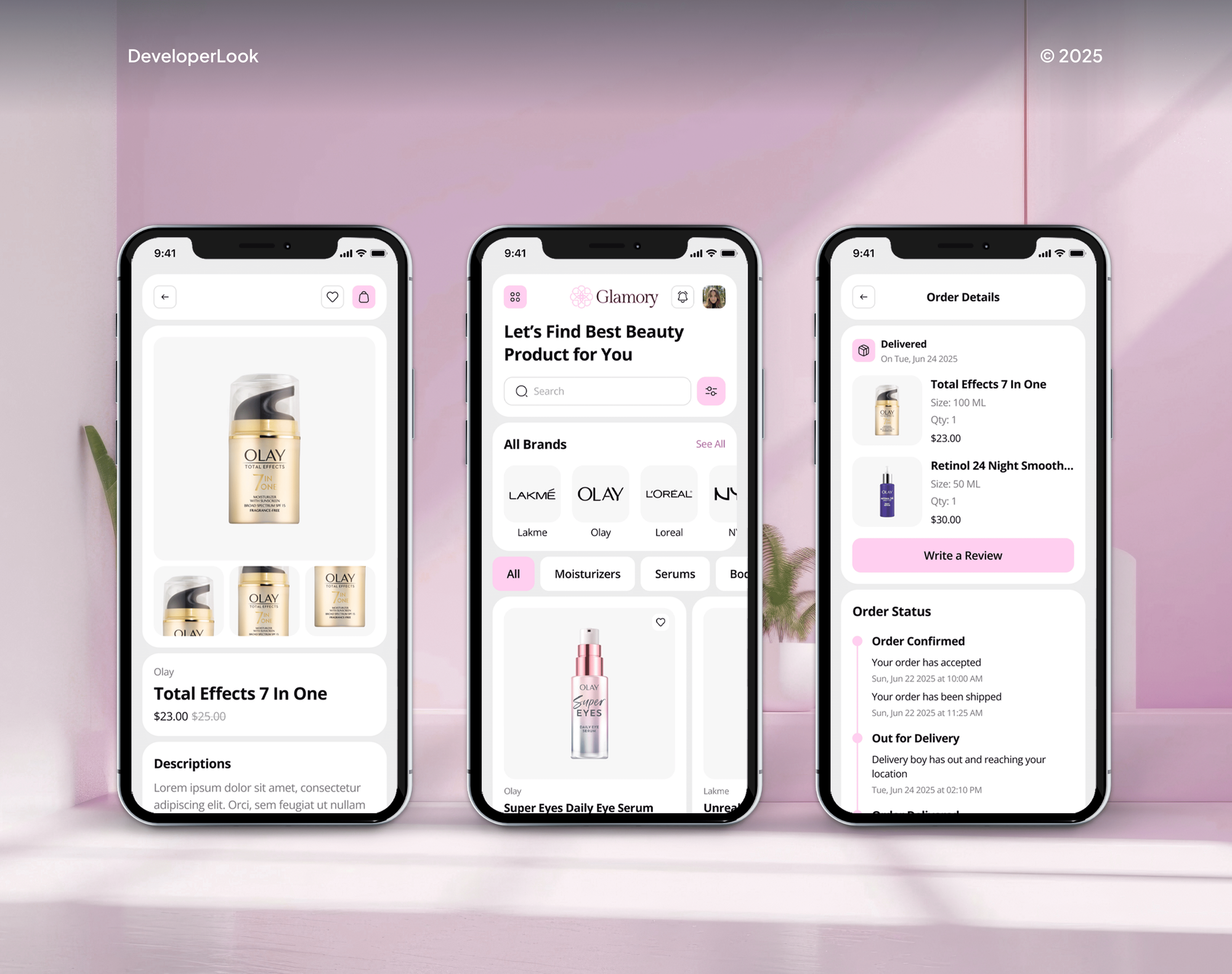
Ecommerce stores our team has designed and built. We plan menus, categories, and templates on every store build, so structure work is familiar ground.



What Our Clients Say
Feedback from teams we have built stores, catalogs, and search-ready templates for.
What I appreciate most is that the website is actually easy for us to manage now. We can update content ourselves instead of sending a developer a message every time we need to change something small. They also paid attention to the technical SEO side, which mattered to us because we didn’t want a new website to create problems for the traffic we already had. I’ve probably asked more questions than I should have since launch, but every question has been handled patiently and without any fuss. The team is easy to work with, they explain things clearly, and when we need something changed, they focus on getting it done rather than making the process complicated.
Our old store was making it way too difficult for people to find products. We had a large catalogue, but the search, filters, and mobile navigation were frustrating customers. The team completely changed how the store handled product discovery and made the experience much easier to use on mobile. I was especially impressed by how much thought went into the customer journey rather than just the visual design. They understood what we were trying to achieve and turned it into a store that actually feels built for our customers. We’re genuinely proud of the result.
The mobile experience is probably my favourite part of the new site. We had spent a lot of time making sure the desktop version looked right, and the team kept pushing us to think about how everything would actually feel on a phone too. They were right. The navigation is clean, the interactions feel natural, and everything we’ve tested so far works exactly as it should. They also went through the links, forms, integrations, and other details more than once before launch, which I really appreciated. And even after going live, we could still reach out when something came up. The whole process felt friendly, organised, and surprisingly straightforward.
1,000+
Projects shipped
10+
Years of experience
Top 3%
Upwork Top Rated Plus
5 stars
Average review score
Work Culture
Structure decides what Google finds first and what shoppers reach at all. These are the habits we bring to SEO site architecture on every platform.
We crawl every page before suggesting a change, so decisions rest on your real link data. You see the same numbers we do.
Every product gets at least one link from a category, breadcrumb, or related block. Nothing you sell sits where only the sitemap can find it.
We keep your best sellers and main categories within 3 clicks of the home page. Shoppers and crawlers reach what earns you money first.
Related links come from rules in your templates, not from someone pasting links by hand. Your new products join the structure the day they launch.
Theme and menu changes go to a preview theme and get crawled before publishing. Your live store keeps working while we rebuild the links.
You keep the crawl data, the structure plan, and every template rule. Your team can extend the linking without calling us back.
Overview
DeveloperLook plans site architecture for SEO on ecommerce stores, so Google and shoppers can reach every product. We crawl your store, fix orphan pages and click depth, rebuild category hierarchies, and add rule-based internal links in your theme. Projects start at $750 and take 2 to 6 weeks, with re-crawls to prove the change.
DEVELOPERLOOK
Project facts · Site Architecture & Internal Linking
Reviewed 28 Sep 2026 by Saimul Islam
Good fit
Stores with orphan product pages
Your crawl shows products that nothing links to, and Search Console lists many of them as discovered but not indexed.
Catalogs that grew without a plan
Your categories grew one launch at a time, and now the same products sit in several overlapping collections.
Stores burying their best sellers
Your best sellers sit 4 or 5 clicks from the home page, behind paginated collections and a crowded menu.
Content teams with unlinked guides
You publish buying guides and blog posts, but they rarely link to products, so their traffic stops short of your catalog.
Agencies needing a structure specialist
Your agency handles content and ads, and you need someone to plan ecommerce internal linking and ship it in client themes.
Not a fit
Collection pages only
You only need copy and filter rules on collection pages. Our Collection & Category Page SEO service covers that narrower job.
Changing URLs or platforms
You're changing URLs or moving platforms. Our SEO URL Structure & Redirects service handles the URL side first.
Small catalog, simple menu
Your store has a small catalog and a simple menu. A few manual links usually cover it, so you don't need a project.
Budget under $750
Your budget is under $750. Your theme's breadcrumbs and a related products block cover the basics for now.
Not sure we're the right fit?
Send a two-line brief. We'll tell you honestly whether we're the right team.
Pricing
These are starting points in USD. Your final price depends on catalog size and hierarchy changes, and you get a fixed proposal after a free structure review.
For stores that need orphan pages fixed and best sellers brought closer.
$750one-time, USD
For stores whose categories and menus need a new, planned hierarchy.
$1,450one-time, USD
For large catalogs that need links added by rules as products change.
$2,150one-time, USD
For Agencies
You own the client relationship and the content plan. We supply the engineering: crawls, hierarchy plans, and link rules built into the client's theme, delivered under your agency's brand with crawl data you can share.
White label: your client only ever sees your brand
Send the client URL, theme access, and the pages that matter most.
You get a free structure review and a fixed price first.
Links ship under your brand, with before and after crawls as proof.
We work under your brand, so the relationship stays yours.
Before and after crawls, formatted for your client reports.
Link rules live in the theme, not in a plugin.
Bring us one client catalog or a batch of stores.
The Right Technology for Your Project
Site architecture SEO starts with a crawl: we map stores in Screaming Frog, compare the results with Search Console, and build link rules in your theme code.
 Shopify
 WooCommerce
 BigCommerce
 Magento
 WordPress
 Google Search Console
 Google Analytics (GA4)
 Semrush
 Python
 JavaScript
 HTML5
HTML5 PHP
PHP GraphQL
 Google Sheets
 Chrome DevTools
 Lighthouse
 Loom
LoomFAQ
Straight answers on store structure, orphan pages, click depth, pricing, and results.
 Saimul IslamFounder & CEO, DeveloperLook
Still have questions?
Send a message or book a call with the team.
A good ecommerce structure is a shallow, logical hierarchy: home, categories, subcategories, then products, all linked with plain HTML links. Google's ecommerce guidance says it reads structure from links rather than URL folders, and pages with more internal links look more important. Breadcrumbs and related links fill the gaps menus leave.
Internal linking helps ecommerce rankings by showing Google which pages matter and giving crawlers a path to every product. Google's link guidance says every page you care about should have a link from at least one other page. Descriptive anchor text, such as a category name, also tells Google what the linked page covers.
Internal linking and architecture work with us costs $750, $1,450, or $2,150. The $750 plan fixes orphan pages, adds breadcrumbs, and brings best sellers within 3 clicks. The $1,450 plan rebuilds your category hierarchy and menu. The $2,150 plan adds rule-based links for large catalogs and up to 5 topic hub pages.
A store structure project takes 2 to 6 weeks with us, depending on the plan. Link fixes take about 2 weeks, and a full hierarchy rebuild with rule-based linking takes 5 to 6. Google then recrawls the changed pages over the following weeks, and we compare crawls for 30 to 90 days.
Structure categories from broad to narrow, the way shoppers browse: department, category, then subcategory, with each product in one main category. Name categories after the terms people search, not internal labels. Avoid near-duplicate collections that split the same products, because they compete with each other. We plan up to 3 levels, which suits most catalogs.
You fix orphan product pages by linking them from at least one category, breadcrumb trail, or related-product block. First, compare a full crawl with your sitemap to list the products no page links to. Then decide whether each belongs in a category, needs a new collection, or should be retired with a redirect.
Keep best sellers and main categories within 3 clicks of the home page, and every product reachable through crawlable links. Google doesn't publish a click limit, but pages buried deep get fewer links and less attention. Menus, featured collections, and breadcrumbs shorten the path without cluttering your navigation.
Yes, we automate internal links with rules in your theme, based on product tags, metafields, or categories. Related-collection and related-product blocks update themselves as your catalog changes, and blog posts can pull products from the same tags. We avoid plugins that insert exact-match keyword links, because they clutter your copy.
We measure improvement by comparing crawls before and after launch: click depth, orphan pages, and internal links per page. In Search Console, we track indexed pages and impressions for the templates we changed. Rankings take longer to move, so we report crawl and indexing changes first, over your 30 to 90 days.
You keep the crawl data, the structure plan, the link rules in your theme, and a short guide for adding new categories. Your team can create collections that join the structure without our help. During your tracking window, we fix any links our changes break.
Saimul IslamFounder & CEO, DeveloperLookStill have questions?
Send a message or book a call with the team.
30-min strategy callGoogle Meet
Book a call
Pick a 30-minute slot that works for you. We meet on Google Meet to align on goals, scope, and the right next step.
