





API scorecard on your audio
30 of your recordings run through 3 speech APIs, compared on word error rate and cost per hour.

For apps, sales teams, and clinics drowning in recordings: transcripts with timestamps and speaker labels, from the speech API that scores best on your own audio.
100%
Calls and meetings transcribed
3
APIs scored on your audio
How your project runs
01 · FreeTeams we have built for:














The Problem
It shows up once recordings pile up faster than anyone can review them. Transcripts from a quick API test miss names and merge speakers, so people go back to typing notes.
Garbled names
Transcripts mangle product names, drug names, and customer names.
Garbled names
Custom vocabulary teaches the API your names and jargon before launch.
Merged speakers
Two voices end up merged into one block of text.
Merged speakers
Speaker labels split each turn, so you can see who said what.
Scattered audio
Recordings sit in Zoom, phones, and drives with no rules.
Scattered audio
Audio and transcripts flow to your own storage with set retention periods.
Consent gaps
Callers aren't told the call is recorded and transcribed.
Consent gaps
Recording notices and consent records are built into the call flow.
Your team records every sales call, support call, or telehealth visit, and then someone types notes from memory anyway. You tried a speech to text API from a quick tutorial. It handled a clean demo clip, then mangled your product names, merged two speakers into one, and lost the thread when a caller paused. Recordings pile up in Zoom and a shared drive with no retention rule. Nobody checked whether callers heard a recording notice, and the clinical team can't touch any of it without a signed BAA.
We start with your own recordings, not a vendor demo. We run 30 of them, with your accents, background noise, and product names, through 3 speech APIs and compare word error rate and cost per audio hour. The winner gets built into your app, phone system, or Zoom workflow with timestamps, speaker labels, and custom vocabulary. Audio and transcripts land in your own storage, so transcripts arrive ready to use instead of ready to fix.
Scored on your recordings
3 speech APIs tested on your own audio, with word error rate and cost per hour.
Timestamps and speaker labels
Every word gets a time and a speaker, so pauses, quotes, and turns stay clear.
Stored in your own cloud
Audio and transcripts land in your storage bucket, with retention rules you set.
Our Speech-to-Text Integration Services Process
You approve the recordings we test on, the provider we pick from the scores, and where transcripts are stored. Live calls and meetings get tested before your team relies on them.
We look at where your audio comes from, such as an app, phone calls, Zoom, or uploads, and what you need from it. You get an honest view of whether an off-the-shelf tool covers it, and a fixed price.
What's Included
Everything needed to turn audio into usable text: an API chosen on your recordings, the audio connection, clean transcripts, your vocabulary, your storage, and a tested launch.
Compare Options
A transcription app suits occasional files, and a freelancer suits one quick API hookup. Here is how each compares once transcripts must land inside your own app, calls, or CRM.
| Feature | DeveloperLookBest fit | Transcription app | Freelancer |
|---|---|---|---|
| Accuracy check | 3 APIs scored on your recordings | One engine, no comparison | Usually the first API tried |
| Where transcripts go | Your app, CRM, and storage | Inside the app's own library | Wherever the script writes them |
| Real-time audio | Streaming with pause events | Some apps offer live notes | Possible, with more time |
| Names and jargon | Custom vocabulary per project | Limited custom word lists | Often skipped |
| Recording consent | Notices built into call flows | Left to each user | Rarely considered |
| Setup speed | Batch setup in 2 to 3 weeks | Same day for occasional files | Days for one hookup |
| Cost | From $850, fixed scope | Lowest per seat for light use | Lower hourly rate |
| Ownership | Code, audio, and transcripts are yours | Files kept in the vendor's cloud | Yours if the contract says so |
Projects We've Built
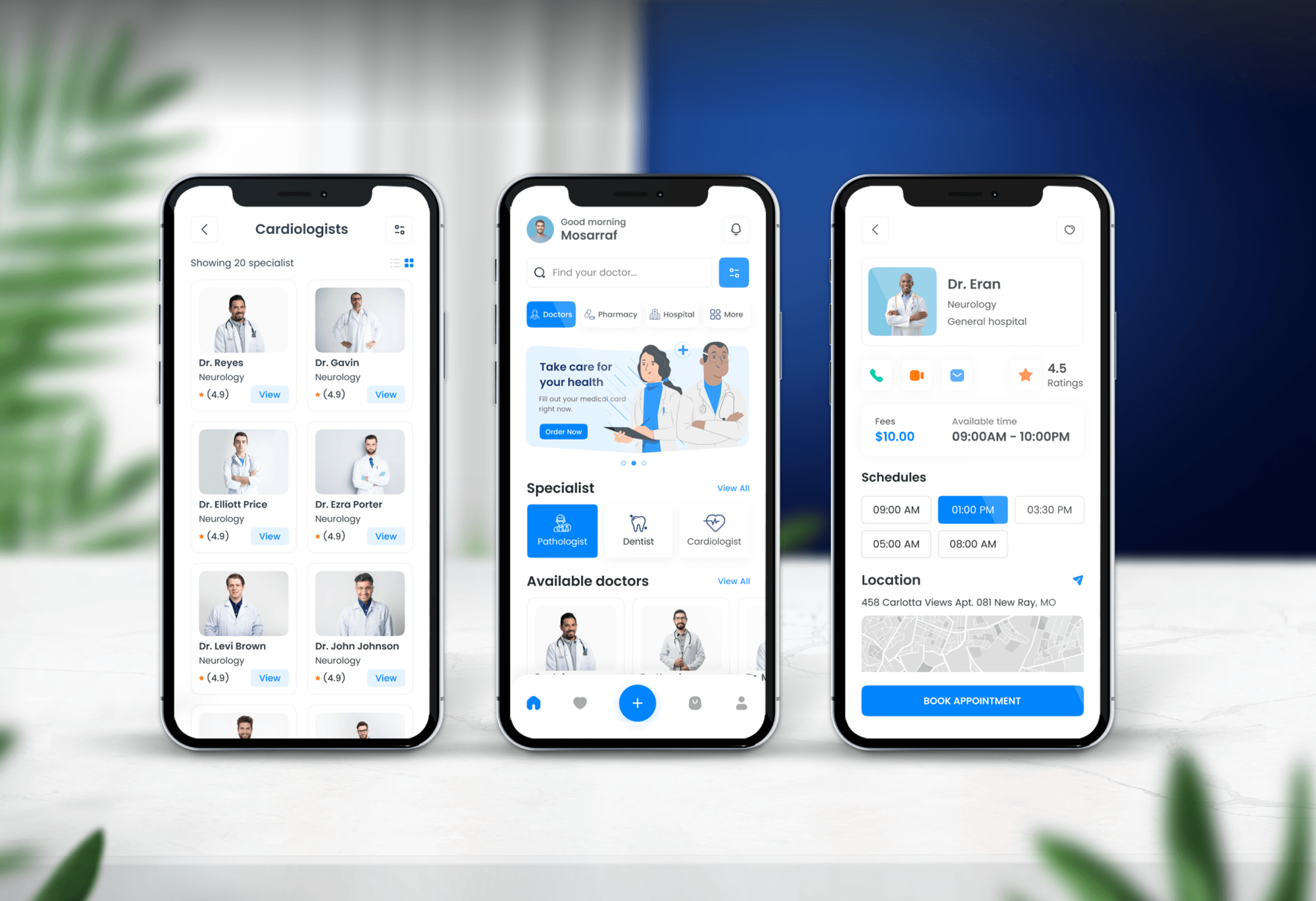
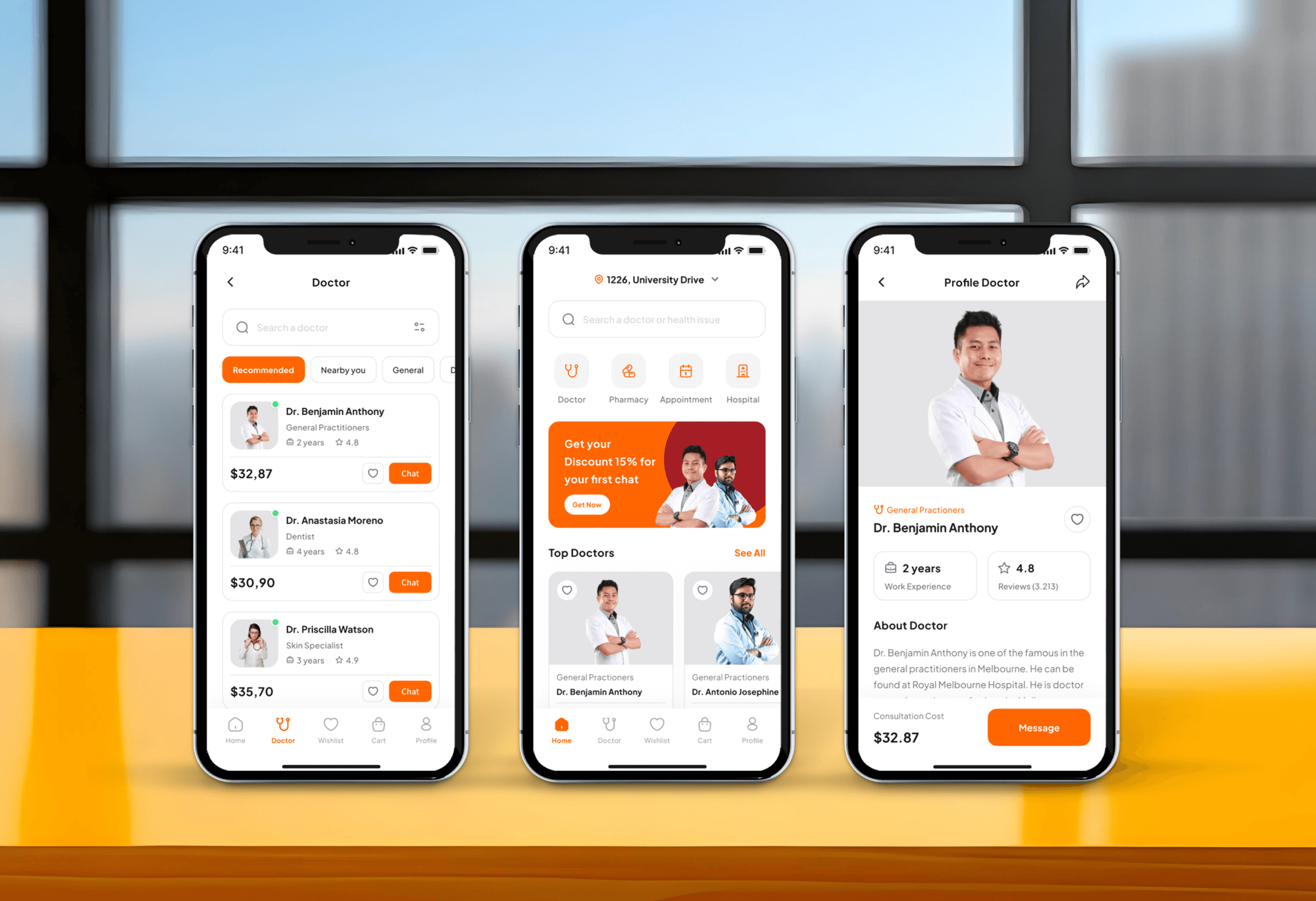
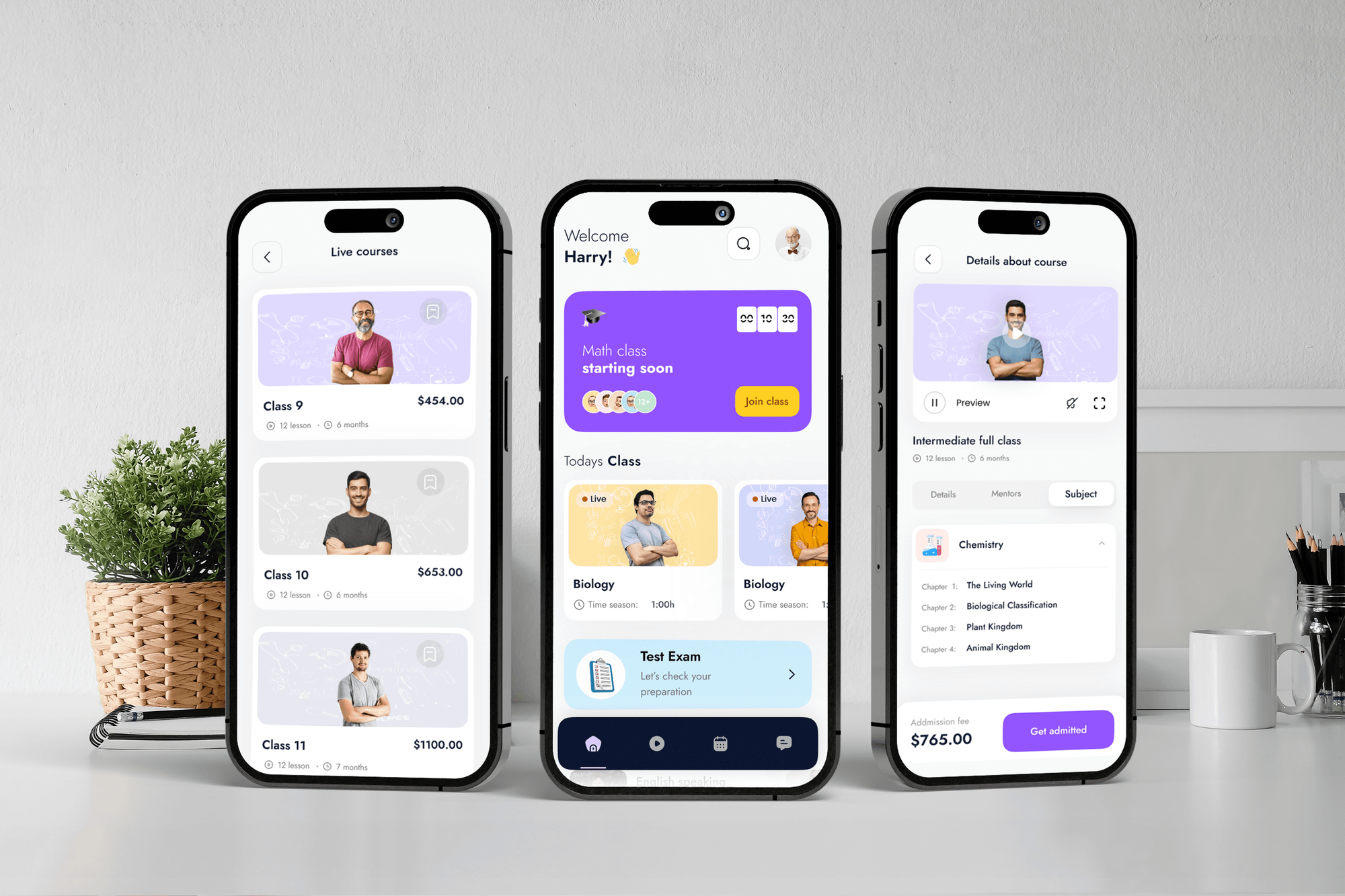
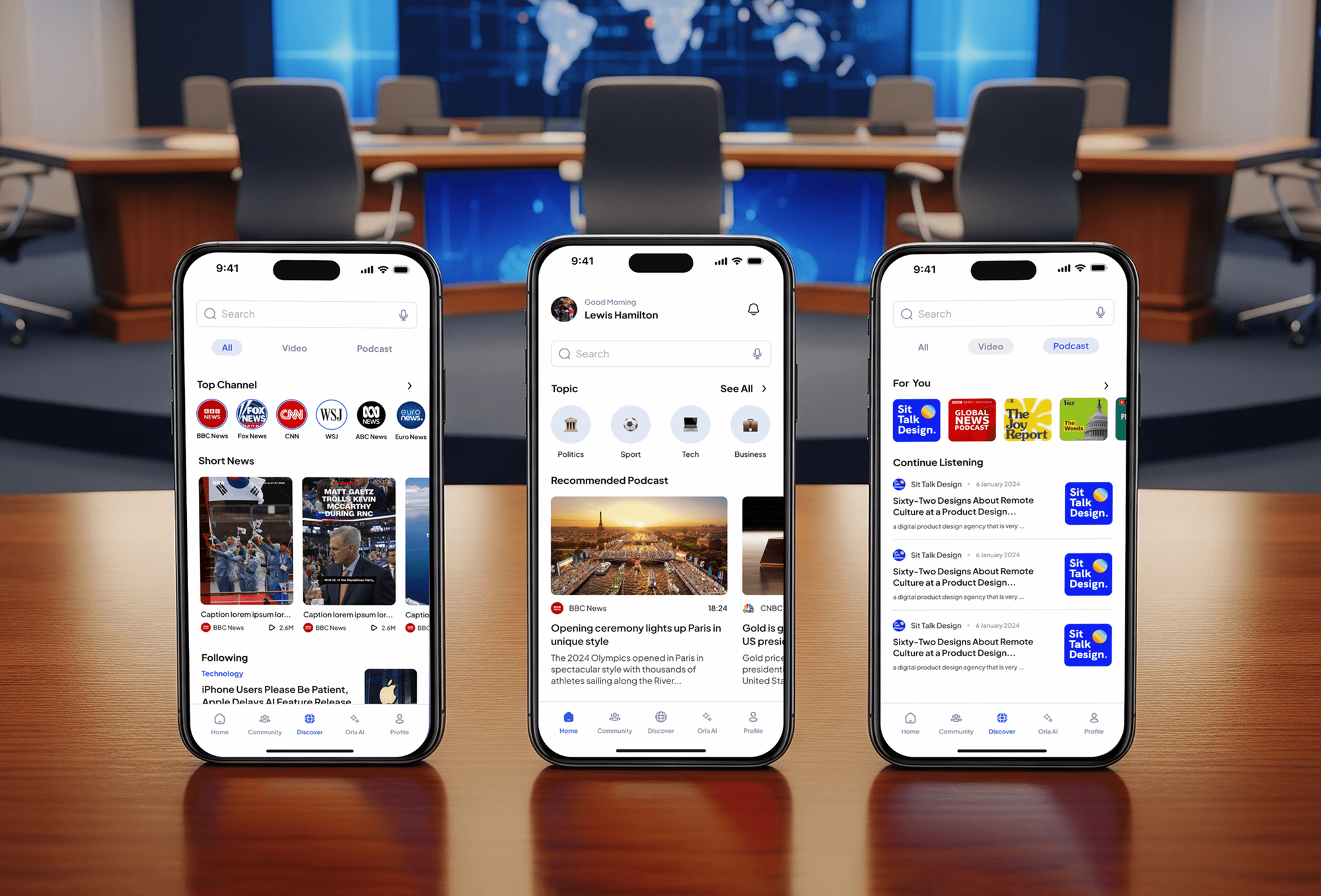
Telehealth, learning, and news apps we designed and built, where consultations, lessons, and podcasts are the audio a transcription feature would handle. Product examples, not transcription builds.
What Our Clients Say
Feedback from teams we have built apps, platforms, and websites for.
We had a pretty specific idea of what we wanted our website to become, but I wasn’t sure how easily we could explain all of it to a development team. There were quite a few moving parts, and we were working toward a deadline, so I expected a few things to get lost along the way. That never really happened. They understood what we were trying to achieve, kept us updated throughout the process, and got everything ready within the agreed timeline. The final site feels much easier to navigate, works beautifully on mobile, and is noticeably smoother for our customers. It was a huge relief seeing the original idea actually turn into the website we had in mind.
The mobile experience is probably my favourite part of the new site. We had spent a lot of time making sure the desktop version looked right, and the team kept pushing us to think about how everything would actually feel on a phone too. They were right. The navigation is clean, the interactions feel natural, and everything we’ve tested so far works exactly as it should. They also went through the links, forms, integrations, and other details more than once before launch, which I really appreciated. And even after going live, we could still reach out when something came up. The whole process felt friendly, organised, and surprisingly straightforward.
What I appreciate most is that the website is actually easy for us to manage now. We can update content ourselves instead of sending a developer a message every time we need to change something small. They also paid attention to the technical SEO side, which mattered to us because we didn’t want a new website to create problems for the traffic we already had. I’ve probably asked more questions than I should have since launch, but every question has been handled patiently and without any fuss. The team is easy to work with, they explain things clearly, and when we need something changed, they focus on getting it done rather than making the process complicated.
1,250+
Projects shipped
10+
Years of experience
Top 3%
Upwork Top Rated Plus
5 stars
Average review score
1,250+
Projects shipped
10+
Years of experience
Top 3%
Upwork Top Rated Plus
5 stars
Average review score

Want results like these?
Tell us what you are building. You get a reply within 24 hours on business days, then a written estimate.
Work Culture
Teams usually come to us after a quick API test fell apart on real calls. They stay because the provider is chosen on their own audio and every recording follows the rules.
We score speech APIs on your recordings, with your accents, noise, and product names. Vendor demos use clean studio audio, and your callers rarely sound like that.
Every API gets a measured word error rate and cost per audio hour on the same files. You choose the provider from numbers, not a sales page.
Some US states require every party's consent to record a call. We add recording notices and consent records to call flows instead of leaving it to staff.
Medical audio goes only to speech providers that sign a business associate agreement. We sign one as well before we touch patient recordings.
Speech models learn mostly from adult voices, so we test with recordings of your real age group. Voice data from children under 13 also falls under the FTC's COPPA rule.
Audio and transcripts land in your own storage account, with retention periods you choose. You can switch speech providers later without moving your archive.
Overview
DeveloperLook provides speech to text integration services that turn calls, meetings, and in-app audio into accurate transcripts. We score 3 speech APIs on your own recordings, then build batch or real-time transcription with timestamps, speaker labels, custom vocabulary, and storage in your cloud. Projects start at $850, and batch setups take 2 to 3 weeks.
DEVELOPERLOOK
Project facts · Speech-to-Text Integration Services
Reviewed 29 Oct 2026 by Saimul Islam
Good fit
Telehealth and clinic apps
Your clinicians type visit notes after every video consult, and you want transcripts in your app from a provider that signs a BAA.
Sales and support teams on recorded calls
Your team records every call through Twilio or your phone system, and you want transcripts with speaker labels inside the CRM.
Companies running meetings on Zoom
You need a Zoom Workplace Google Cloud Speech-to-Text integration that pulls cloud recordings and files searchable transcripts automatically.
Apps adding voice input
Your app needs a mic button that turns speech into text, and you want the API that handles your users' voices best.
Agencies adding transcription for clients
Your clients want calls or lessons transcribed inside their own products, and you need a partner who builds it under your brand.
Not a fit
Phone agent that talks back
You want an AI that answers calls and speaks to callers, not just transcribes them. AI Voice Agent Development covers that build.
Text analysis, not audio
Your text already exists, and you need it classified or summarized. NLP Development Services covers analysis once transcripts exist.
A few files a month
You transcribe a few files a month by hand. An off-the-shelf transcription app costs less, and we'll say so before we quote.
Budget under $850
Your budget is under $850, or you only need captions on public videos. Your video platform's automatic captions may already cover it.
Not sure we're the right fit?
Book a free call or message us. We'll tell you honestly whether we're the right team.
Pricing
These are starting points in USD. Your final price depends on audio sources, batch or real-time use, and languages, and you get a fixed proposal after a free discovery call.
For Agencies
You own the client relationship. We build the transcription behind it: the API scorecard, the audio connections, timestamps and speaker labels, storage, and consent notices. Your client sees your brand on every transcript and report.
White label: your client only ever sees your brand
Send sample recordings, the audio sources, and where transcripts should land.
You get an API scorecard on the client's audio and a fixed price.
We launch under your brand and hand over code, storage, and docs.
Send sample recordings, the audio sources, and where transcripts should land.
You get an API scorecard on the client's audio and a fixed price.
We launch under your brand and hand over code, storage, and docs.
The Right Technology for Your Project
We pick the speech API by testing it on your audio, then connect it to the apps, calls, and storage you already use.
 Google Speech-to-Text
 Amazon Transcribe
 Azure AI Speech
 OpenAI transcription
 Twilio
 PostgreSQL
 Node.js
 Python
 Docker
Related Services
Pair transcription with the MCP hub, voice agents that answer calls, NLP on the transcripts, and the Zoom and Twilio integrations that carry the audio.
This page
Speech-to-Text Integration Services
Pairs with the 6 services around it
FAQ
Straight answers on cost, timelines, app integration, choosing an API, Google's API, pauses, kids, names, and storage.
Saimul IslamFounder & CEO, DeveloperLookStill have questions?
Send a message or book a call with the team.
Our speech-to-text integrations start at $850 for one audio source with batch transcription, 3 APIs scored on your recordings, timestamps, and speaker labels. Real-time integrations start at $2,600, and multi-language platforms with redaction start at $5,600. Speech providers bill per minute of audio, separately, to your own account.
Batch transcription for one source usually takes 2 to 3 weeks, including a week of scoring APIs on your recordings. Real-time transcription inside an app or phone system takes 4 to 8 weeks, because pauses, crosstalk, and dropped connections need live testing. Adding languages or a second audio source adds about a week each.
You capture audio in the app or browser and send it to a speech API through your own server. Then you show or store the text that comes back. For live input, the browser streams microphone audio over a WebSocket, and the API returns partial results as people talk. Your API keys stay on the server, out of the page code.
The best speech to text API is the one with the lowest error rate on your own audio, at a fair price. Google Cloud Speech-to-Text, Amazon Transcribe, Azure AI Speech, Deepgram, AssemblyAI, and OpenAI's transcription models each lead on different audio. We score 3 of them on 30 of your recordings before choosing.
Partly. Google's pricing page lists the first 60 minutes of standard recognition each month as free for every account, then charges per minute of audio. New Google Cloud accounts also get trial credits. For steady business volume it's a paid API, so we compare its cost per audio hour with the alternatives.
Yes, in two ways. With word time offsets turned on, Google returns a start and end time for every word, so the gaps between words show each pause. In streaming mode, Speech-to-Text V2 can also send voice activity events when speech begins and ends, with silence timeouts you set.
They work, but usually less accurately, because most speech models learn mainly from adult voices. We test with recordings of your actual age group before choosing a provider and add custom vocabulary for the words children use. For users under 13, the FTC's COPPA rule treats a child's voice recording as personal information.
We add custom vocabulary for your product names, drug names, and customer names. Depending on the provider, it goes in as phrase hints or a custom model. Then we rerun the scored recordings to confirm the error rate dropped. Names you add later go into the same list without a rebuild.
Yes, with the right setup for each. Medical audio goes only to a speech provider that signs a business associate agreement, and we sign one too before touching patient recordings. For customer calls, we add a recording notice, because some US states require every party's consent to record.
In your own cloud storage, such as Amazon S3, Google Cloud Storage, or Azure Blob Storage, with retention periods you choose. That's what speech-to-text services with cloud storage integrations should give you: one archive you control. The code and transcripts are yours, with 30 days of fixes after launch.
Saimul IslamFounder & CEO, DeveloperLookStill have questions?
Send a message or book a call with the team.
Free 30-min callGoogle Meet
Book a call
In 30 minutes on Google Meet we walk you through how we would build it, how long it takes and what it costs. Then you get a written estimate.
Calendar not showing? Book on cal.com or send a brief.