Database design
Tables, relationships, and indexes planned around how your app reads and writes data.

Founders and product teams get a Postgres backend with sign-in, tested access rules, and edge functions, from $900.
3 to 7
Business days to secure setup
100%
Tables protected by tested RLS
Teams we have built for:














The Problem
Weak backends fail quietly, and the first sign is often a customer seeing data they shouldn't. These are the problems a properly built backend removes.
01 · Open tables
A rushed table has no row-level security at all.
Every exposed table gets RLS policies, tested by signing in as each role.
02 · Exposed keys
The secret key sits in your frontend code.
The secret key stays on the server, out of browsers and apps.
03 · Slow queries
Queries that took milliseconds now take seconds.
Every column a policy filters on gets its own index.
04 · Fragile fixes
Every fix risks breaking screens that already work.
Schema, sign-in, and access rules get planned together before building.
Your app worked in the demo because you were the only user. Now real customers sign up. A table someone created in a hurry has no row-level security, so any signed-in user can read it through the public API. The secret key sits in the frontend code. Queries that took milliseconds now take seconds because nothing is indexed. Every fix risks breaking the screens that already work.
We design your Supabase backend around how the app is used. The schema, sign-in, and row-level security are planned together, with an index on every column a policy filters on. We test each rule by signing in as every role and keep the secret key on the server. Your data stays organized and private as users grow, not patched after the first leak.
Data that stays organized
A planned schema keeps your data consistent, easy to query, and simple to extend.
Access rules on every table
RLS policies on every exposed table, tested by signing in as each role.
Keys where they belong
The secret key stays on the server, so browsers and apps can't bypass your rules.
Our Supabase Build Process
Our Supabase development follows five steps. Each one ends with something you can test with your own login.
We review your app, users, and data in a free call and agree what the backend must do. You get a plan for the schema, roles, and integrations, plus a fixed quote, before anything is built.
What's Included
More than an empty project. Every build covers the data model, security, server logic, and documentation your team can work from.
Compare Options
A DIY setup is quick to start, and your own team gives full control. Our Supabase software development services fit between them.
| Feature | DeveloperLookBest fit | DIY | In-house |
|---|---|---|---|
| Schema for your app | Planned before building | Grows table by table | Depends on your team |
| Access rules | Written and tested per role | Often missing or too open | Depends on experience |
| Custom server logic | Edge functions built for you | Trial and error | Full control, full effort |
| Moving from another database | Planned and tested | Manual and risky | Extra build time |
| Upfront cost | From $900 | Free to start | Salaries or contractors |
| Time to a working backend | Days to weeks | Hours for a prototype | Weeks to months |
| Documentation | Rarely written | Often skipped | |
| Long-term control | Your account, your code | Your account | Your team owns it |
Projects We've Built
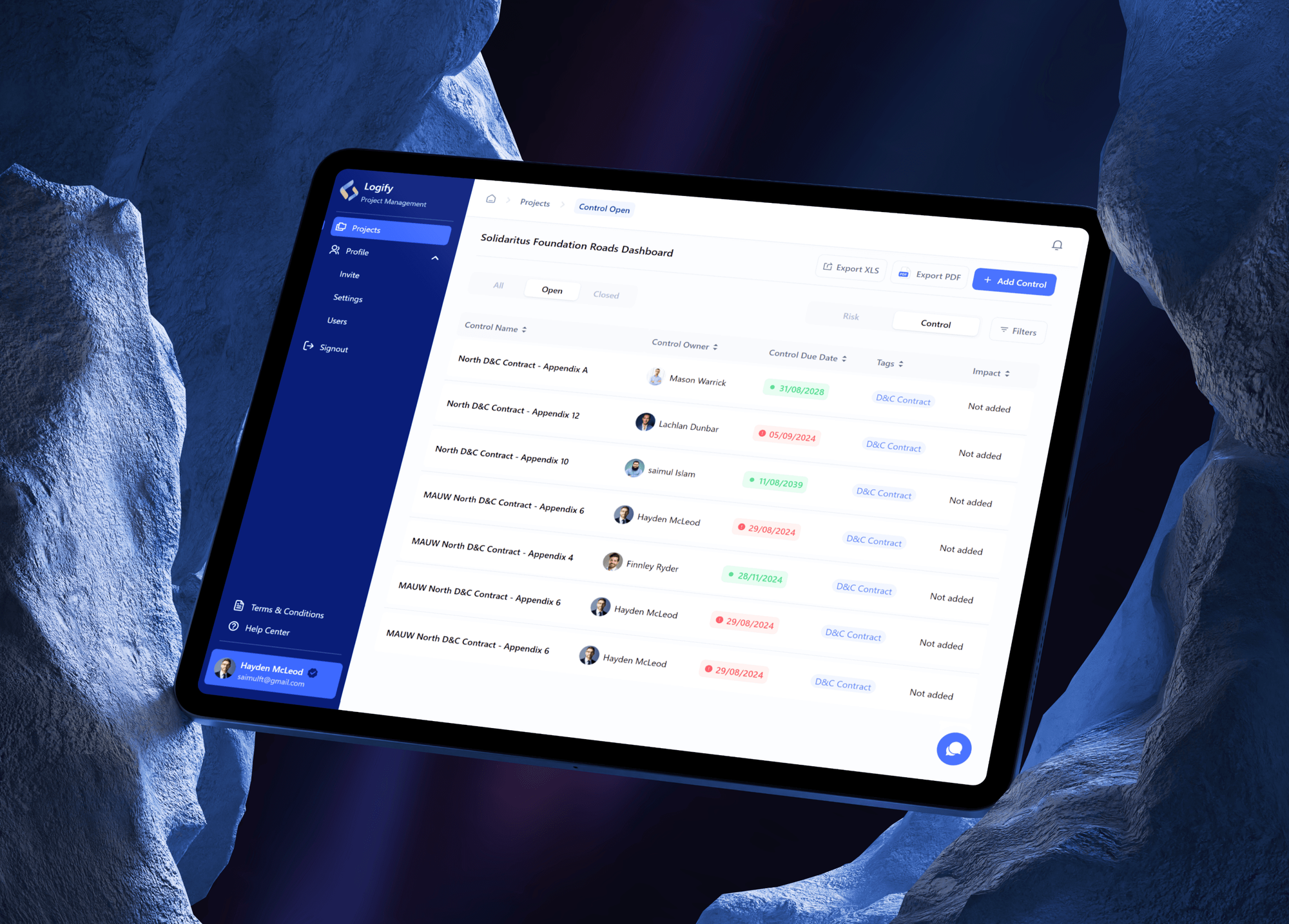
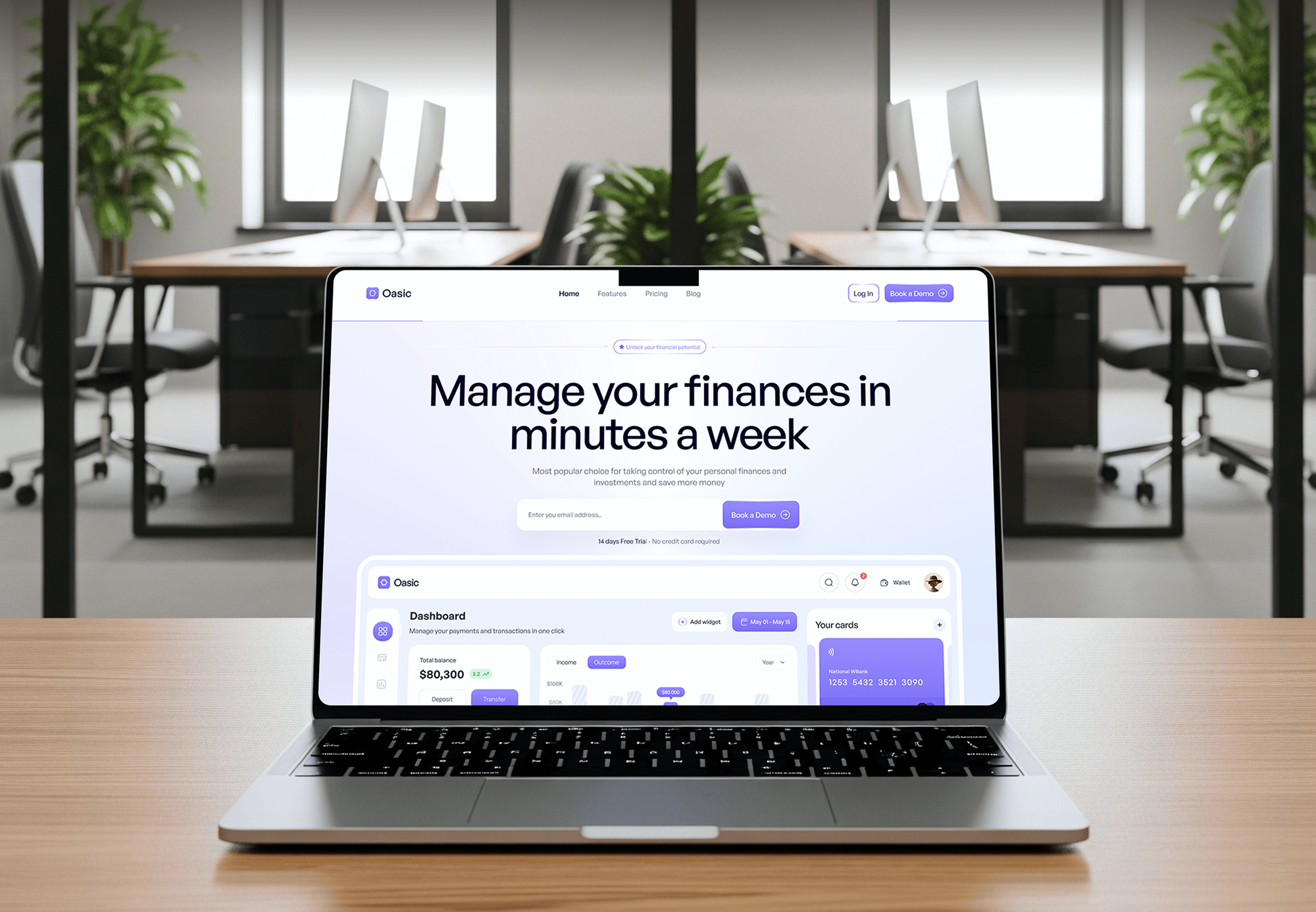
A selection of apps and platforms we have designed and built for clients, from web apps to dashboards.


What Our Clients Say
Feedback from teams we have built websites and web apps for.
We had a pretty specific idea of what we wanted our website to become, but I wasn’t sure how easily we could explain all of it to a development team. There were quite a few moving parts, and we were working toward a deadline, so I expected a few things to get lost along the way. That never really happened. They understood what we were trying to achieve, kept us updated throughout the process, and got everything ready within the agreed timeline. The final site feels much easier to navigate, works beautifully on mobile, and is noticeably smoother for our customers. It was a huge relief seeing the original idea actually turn into the website we had in mind.
The mobile experience is probably my favourite part of the new site. We had spent a lot of time making sure the desktop version looked right, and the team kept pushing us to think about how everything would actually feel on a phone too. They were right. The navigation is clean, the interactions feel natural, and everything we’ve tested so far works exactly as it should. They also went through the links, forms, integrations, and other details more than once before launch, which I really appreciated. And even after going live, we could still reach out when something came up. The whole process felt friendly, organised, and surprisingly straightforward.
What I appreciate most is that the website is actually easy for us to manage now. We can update content ourselves instead of sending a developer a message every time we need to change something small. They also paid attention to the technical SEO side, which mattered to us because we didn’t want a new website to create problems for the traffic we already had. I’ve probably asked more questions than I should have since launch, but every question has been handled patiently and without any fuss. The team is easy to work with, they explain things clearly, and when we need something changed, they focus on getting it done rather than making the process complicated.
1,000+
Projects shipped
10+
Years of experience
Top 3%
Upwork Top Rated Plus
5 stars
Average review score
Work Culture
Here is what to expect from us as your Supabase team. These habits keep your data organized, private, and yours.
We begin with how your app reads and writes data, then design the backend around it. The structure fits real use, not a template copied from a tutorial.
Every access rule is tested by signing in as each user role. One customer can't see another's data because we checked, not because we hoped.
We index the columns your policies and queries filter on before launch. You also hear early when your project needs a larger compute size.
Secret keys live in edge functions and server code, not in the browser or app bundle. Nobody can skip your rules by reading your frontend code.
We build inside a Supabase project under your own account, so the database, users, and keys are yours from day one. We keep no production credentials after handover.
Every schema change runs on a staging project before production. Your live users don't see a half-applied migration or a broken screen.
Overview
DeveloperLook gives you a Supabase developer for web and mobile apps, who designs the Postgres schema, sets up sign-in and row-level security, configures storage and realtime, writes edge functions, and connects your frontend. Setups start at $900 and take 3 to 7 business days, inside your own Supabase account.
DEVELOPERLOOK
Project facts · Supabase Developer for Hire
Reviewed 30 Sep 2026 by Saimul Islam
Good fit
Startups building an MVP
You need a real backend quickly, with users, data, and security, without hiring a full backend team.
Teams moving off Firebase
You want the flexibility of Postgres and need someone to move your data and users across safely.
Apps with private customer data
You need access rules that keep each customer's data separate, tested for every user role.
Products adding AI or realtime features
You want vector search, live updates, or scheduled jobs on top of the data you already have.
Founders comparing backend partners
You want to hire a Supabase developer who designs the data model before writing a single policy, and who shows you the tests.
Not a fit
Whole product needed
You need the whole product built, not only the backend. Our SaaS Development Services page covers the app, billing, and backend together.
Own servers only
Your backend must run only on your own servers. Supabase can be self-hosted, but that is a separate infrastructure project we scope on its own.
Public partner API
You need a documented API for partners or a public developer platform. Our API Development Services page covers versioned APIs.
Starter templates fit
Your budget is under $900, or Supabase's starter templates already fit your app. If they do, we'll tell you before we quote.
Not sure we're the right fit?
Send a two-line brief. We'll tell you honestly whether we're the right team.
Pricing
These are starting points in USD. Your final price depends on the data model, user roles, and integrations, and you get a fixed proposal after a free discovery call. Supabase bills its own plan separately.
For an app or MVP that needs a clean, secure backend foundation, fast.
$900one-time, USD
For a full production backend with custom logic, storage, and integrations. About 2 to 4 weeks.
$2,400one-time, USD
For multi-tenant platforms, moves from Firebase, or AI search. About 4 to 8 weeks.
$5,500one-time, USD
For Agencies
You own the client relationship and the frontend. We supply the backend engineering: Supabase schema, access rules, and server logic, delivered under your brand so you can sell full-stack projects without a backend hire.
White label: your client only ever sees your brand
Send the app type, user roles, data needs, and the frontend you're using.
You get a data model, a timeline, and a fixed price you can resell.
We build and test the backend under your brand, then transfer the project.
We work under your brand, and projects sit in your client's Supabase account.
Role-based tests and a staging project your client can try before launch.
Postgres schemas, security policies, and migrations handled by senior developers.
Hand us one backend or a steady flow of client projects.
The Right Technology for Your Project
Supabase and Postgres at the core, the frontend your team already uses, and the services your app connects to.
 Supabase
 PostgreSQL
 TypeScript
 Node.js
 React
React Next.js
 Vue.js
 Flutter
 Firebase
 MySQL
MySQL MongoDB
 SQLite
 Stripe
 OpenAI
 Vercel
 Slack
SlackFAQ
Straight answers on hiring costs, timelines, security rules, image storage, migrations, and ownership.
 Saimul IslamFounder & CEO, DeveloperLook
Still have questions?
Send a message or book a call with the team.
A focused Supabase setup starts at $900: the project, a schema for up to 8 tables, email sign-in, and RLS policies on every table. A full backend with storage, functions, and integrations starts at $2,400, and platforms with multi-tenant data, migrations, or AI search start at $5,500. Supabase bills your plan separately.
A focused setup takes 3 to 7 business days, and a full backend usually takes 2 to 4 weeks. Platforms with migrations or AI search take 4 to 8 weeks. Timing depends mostly on how many tables, roles, and integrations you need, and on how quickly your team answers questions.
Supabase gives web and mobile apps a ready-made backend. It's an open-source platform built on Postgres that bundles the backend services most apps need: a database, sign-in, file storage, realtime updates, and serverless functions. Teams use it to launch without building and hosting each piece themselves.
Yes, because Supabase runs on Postgres, a mature relational database that scales well when the schema and indexes fit your queries. Supabase offers larger compute sizes as traffic grows. We plan for growth from the start and tell you when a bigger plan or a different design makes sense.
Row-level security is the main lock on your data, because the app talks to the database through Supabase's API. Supabase's docs say to enable it on every table in an exposed schema, since without it any role with a grant can read and write that table. We write and test policies for each role.
Yes, through edge functions for logic that shouldn't run in the browser, such as payment webhooks, emails, third-party API calls, and scheduled jobs. When logic belongs next to the data, we use database functions and triggers instead. Secret keys stay inside the functions, out of your frontend.
Yes, Supabase stores vector embeddings in Postgres with the pgvector extension. The app can then run semantic, keyword, or hybrid search next to its regular data. We add embeddings, search functions, and access rules together, so AI results respect the same permissions as the rest of your app.
Yes, we move databases and users from Firebase, MySQL, MongoDB, or another Postgres host into Supabase. We plan the mapping, test the move on a copy of your data, and switch over with as little downtime as possible. We review your data first, so the price stays fixed.
You own the project, the data, and the keys. We build inside a Supabase project under your own account and hold no production credentials after handover. Free Supabase projects pause after 1 week of inactivity, so anything customers use goes on a paid production project.
Yes, Supabase Storage holds images, videos, and documents, and serves them through a global CDN. Access rules use the same row-level security as your tables, so each user sees only the files they should. On the Pro plan and above, image transformations resize and compress images on the fly, including WebP output, so your app loads smaller files.
Saimul IslamFounder & CEO, DeveloperLookStill have questions?
Send a message or book a call with the team.
30-min strategy callGoogle Meet
Book a call
Pick a 30-minute slot that works for you. We meet on Google Meet to align on goals, scope, and the right next step.
