
Data model and database
PostgreSQL or MySQL tables designed around your app, with migrations so every change is tracked.

For founders and product teams with designs or a front end ready: a planned data model, a documented API, and a backend your app can grow on. From $950.
100%
Data model agreed before code
2
Separate staging and live setups
How your project runs
Teams we have built for:














The Problem
Front ends get built first because they're visible. The backend gets rushed later, and the shortcuts show up as soon as real users, payments, and permissions arrive.
01 · Data limits
The no-code database hit its record limit.
Data moves to PostgreSQL with a model designed for your app's growth.
02 · Open data
Every user can see every other user's records.
Role and permission checks on every request keep each account's data private.
03 · Waiting front end
The front end waits days for each new endpoint.
An agreed API contract lets both teams build at the same time.
04 · Untested backups
Nobody knows if the database can be restored.
Backups run from day one, and we test a full restore before launch.
Your app's screens are designed and the front end is half built. Behind it sits a no-code database that hit its record limit, or a backend a freelancer started and left. Every user can see every other user's data, because roles were never set up. The front-end developer waits days for each new endpoint, then guesses at field names. Nobody has tested what happens if the database is lost, and launch is 6 weeks away.
We start with the data model and the API contract, agreed with your front-end team before any backend code. Then we build authentication and roles first, so every request checks who's asking. Endpoints arrive in the order your screens need them, on a staging server your front end can call. Launch day comes with tested backups, not hope.
Data model first
Tables, relationships, and rules agreed in a diagram before any backend code gets written.
Roles checked on every request
Each endpoint checks who's asking, so customers see only their own data.
Stack chosen for your team
PHP, Python, or Node.js, picked by what your app does and who maintains it later.
Our Backend Development Process
Our backend web development services follow five steps. Your front-end team reviews the data model and API contract first, then calls real endpoints on staging every sprint.
You share your designs, front end, or prototype and tell us who uses the app. We list the data it stores, the actions users take, and the systems it connects to. You get a fixed-price proposal and a stack recommendation.
What's Included
Backend development includes everything users don't see: data storage, business rules, security, and connections to other systems. With us, custom backend development covers these six parts.
Compare Options
A no-code backend is the quickest way to test an idea, and an in-house team makes sense once the product is proven. A backend development company covers the stretch in between.
| Feature | DeveloperLookBest fit | No-code backend | In-house team |
|---|---|---|---|
| Time to first API | 1 to 2 weeks | Days | Months to hire |
| Data model | Designed for your app | Platform's table structure | Designed in-house |
| Permissions | Role checks on every request | Basic rules per table | Depends on the team |
| Complex logic | Any logic in code | Visual workflows, with limits | Any logic |
| Growth | Caching, queues, and indexes | Plan and record limits | Built as needed |
| Cost | From $950, fixed scope | Low monthly fee to start | Salaries and hiring costs |
| Backups | Daily, with a restore test | Platform-managed | Your team's job |
| Ownership | Your code and database | Tied to the platform | Yours |
Projects We've Built
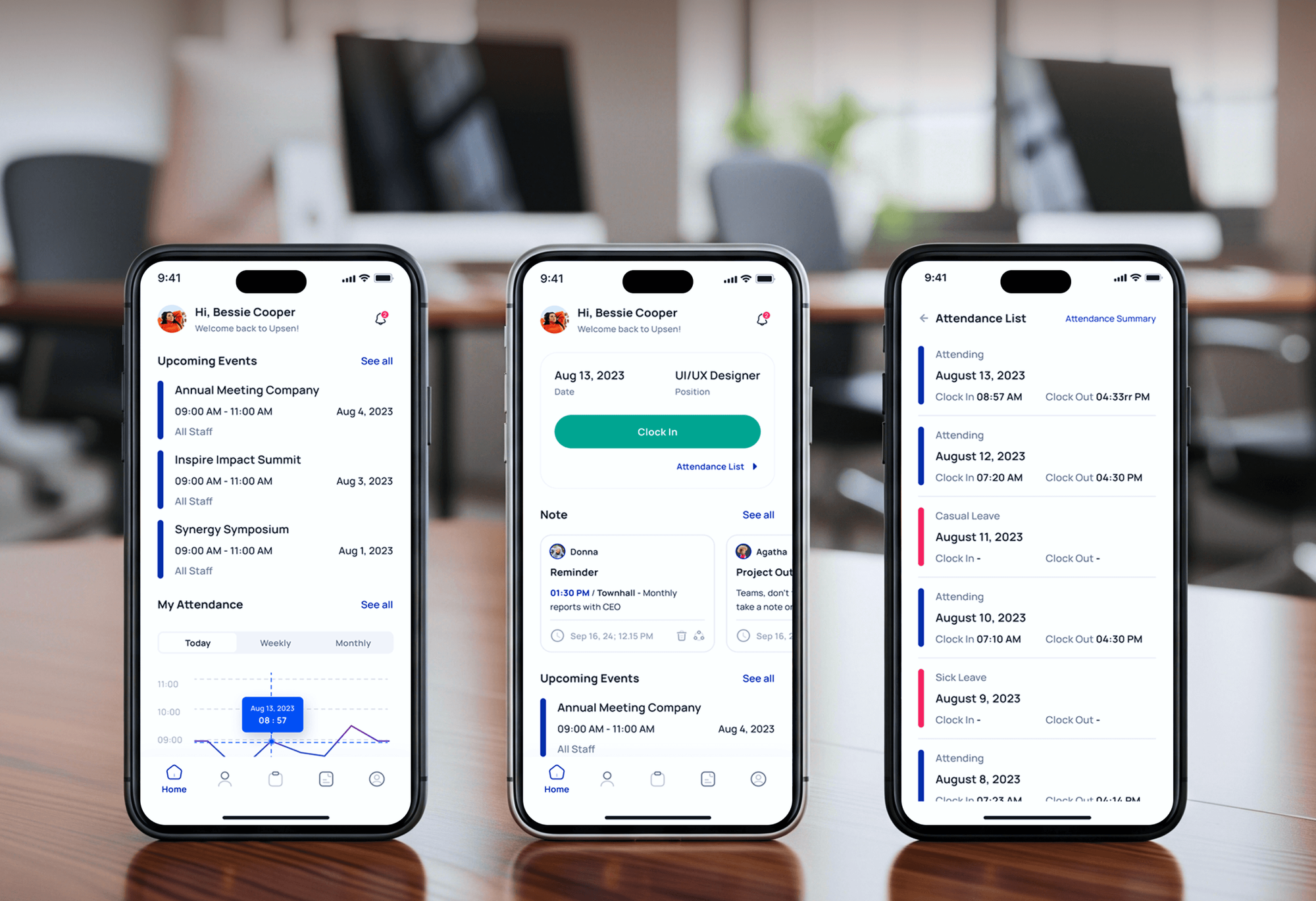
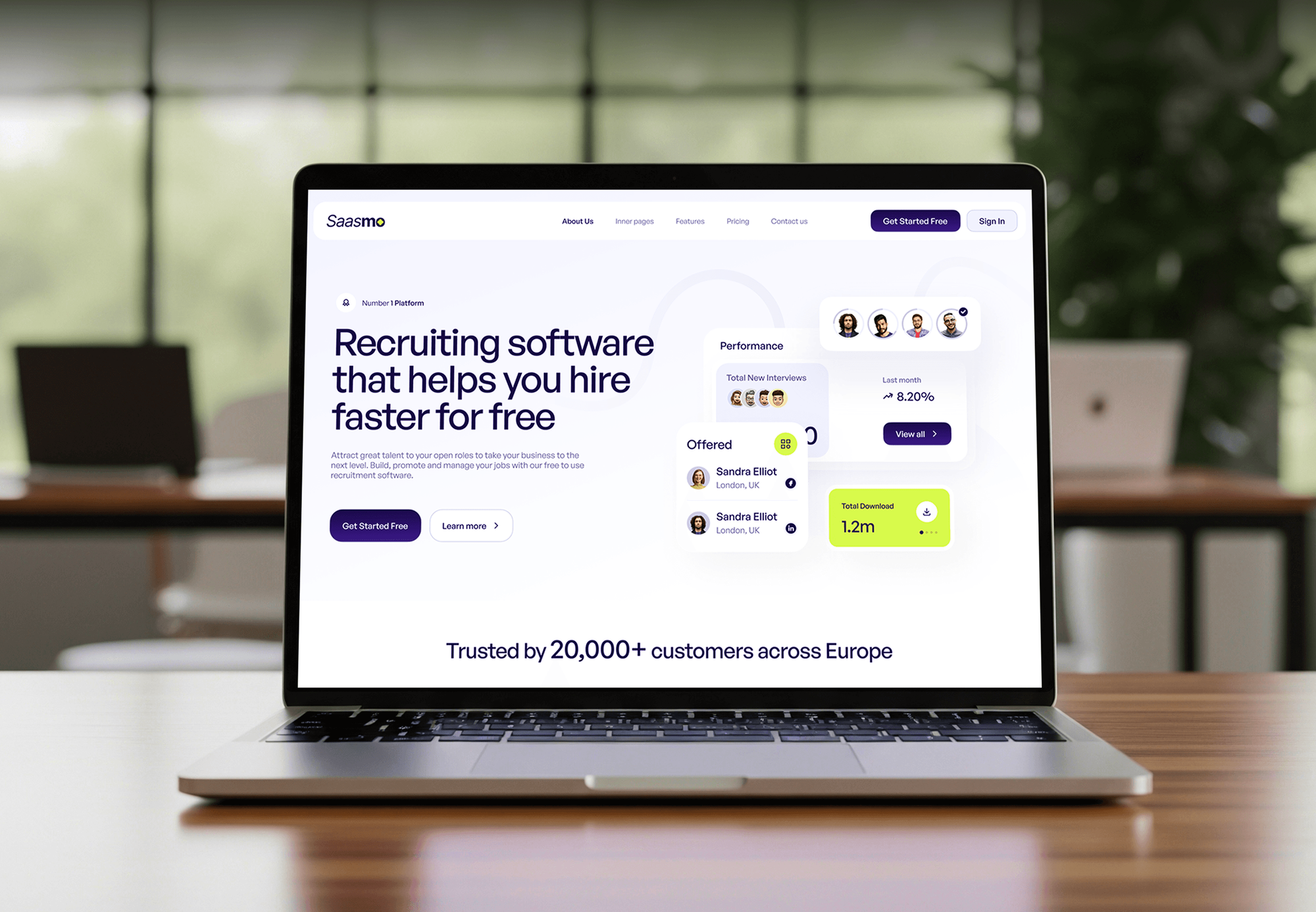
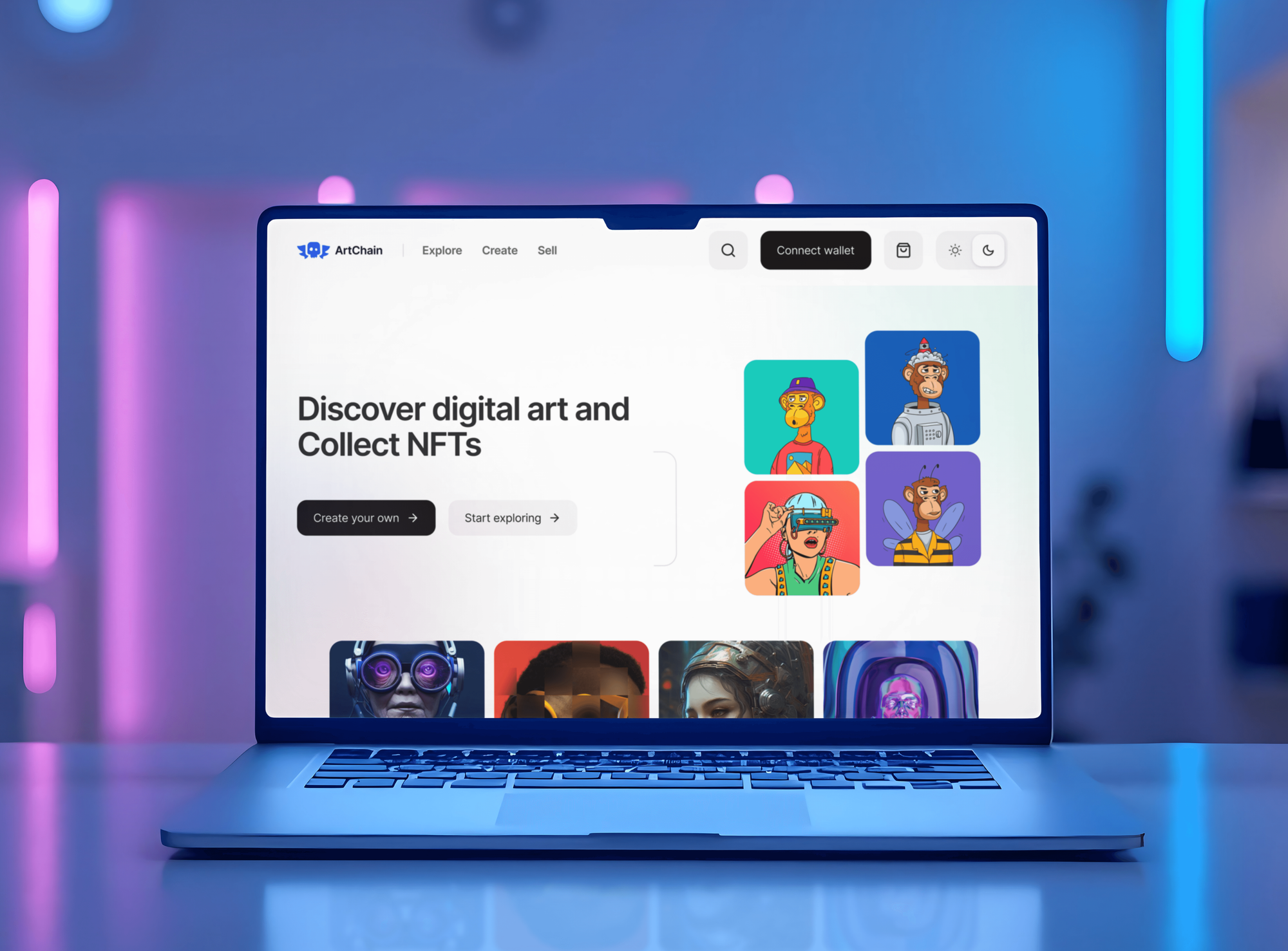
HR, recruiting, NFT marketplace, and ecommerce dashboards from our portfolio, chosen for the accounts, roles, and data behind their screens.

What Our Clients Say
Feedback from teams we have built apps and back-office systems for.
We had a pretty specific idea of what we wanted our website to become, but I wasn’t sure how easily we could explain all of it to a development team. There were quite a few moving parts, and we were working toward a deadline, so I expected a few things to get lost along the way. That never really happened. They understood what we were trying to achieve, kept us updated throughout the process, and got everything ready within the agreed timeline. The final site feels much easier to navigate, works beautifully on mobile, and is noticeably smoother for our customers. It was a huge relief seeing the original idea actually turn into the website we had in mind.
The mobile experience is probably my favourite part of the new site. We had spent a lot of time making sure the desktop version looked right, and the team kept pushing us to think about how everything would actually feel on a phone too. They were right. The navigation is clean, the interactions feel natural, and everything we’ve tested so far works exactly as it should. They also went through the links, forms, integrations, and other details more than once before launch, which I really appreciated. And even after going live, we could still reach out when something came up. The whole process felt friendly, organised, and surprisingly straightforward.
What I appreciate most is that the website is actually easy for us to manage now. We can update content ourselves instead of sending a developer a message every time we need to change something small. They also paid attention to the technical SEO side, which mattered to us because we didn’t want a new website to create problems for the traffic we already had. I’ve probably asked more questions than I should have since launch, but every question has been handled patiently and without any fuss. The team is easy to work with, they explain things clearly, and when we need something changed, they focus on getting it done rather than making the process complicated.
1,250+
Projects shipped
10+
Years of experience
Top 3%
Upwork Top Rated Plus
5 stars
Average review score

Want results like these?
Tell us what you are building. You get a reply within 24 hours on business days, then a written estimate.
Work Culture
A backend is judged by what doesn't happen: leaked data, lost records, a front end stuck waiting. These habits keep it that way.
Your front-end developers review the API contract and call staging every sprint. Integration problems surface in week one, not the week before launch.
We write tests that try to read another user's data. If one of those tests passes, the build fails, and the leak doesn't reach production.
Database changes go through migrations in version control. You can see who changed what, and roll back a bad change cleanly.
A backup only counts once it has been restored. We run a full restore test before launch, so you know recovery works.
We build in PHP, Python, and Node.js, so we recommend the one your team can maintain. If a hosted backend covers your needs, we'll say so.
Your database, cloud account, and code repository belong to you from day one. Moving to another team later is a handover, not a rescue.
Overview
DeveloperLook provides backend development services for founders and product teams whose front end is ready before their backend. We design the data model and API contract, build authentication, endpoints, jobs, and an admin panel, and set up hosting with tested backups. Prices start at $950, blueprints take 1 to 2 weeks, and full backends 5 to 14 weeks.
DEVELOPERLOOK
Project facts · Backend Development Services
Reviewed 8 Oct 2026 by Saimul Islam
Good fit
Founders with designs but no backend
Your app's screens are designed or built, and you need a backend that stores data safely before launch day arrives.
SaaS teams outsourcing the backend
You're outsourcing a SaaS backend and want a backend app development company that plans tenants, roles, and billing first.
Apps outgrowing a no-code database
Your app runs on a no-code database that's hitting record limits or slowing down, and moving off it feels risky.
Teams adding backend capacity
You need to hire backend developers for a few months, not forever, and want dedicated backend developers who report to your product lead.
Agencies strong on front ends
Your agency designs and builds great front ends, and you need back end development services you can resell under your own brand.
Not a fit
Simple marketing website
You need a brochure site or blog, not an app with user data. Our Custom Web Development for Businesses page covers website builds.
Hosted Postgres is enough
Your app needs sign-up, a database, and file storage, with little custom logic. Our Supabase Developer for Hire page gets you there faster.
Budget under $950
Your budget is under $950, or your prototype still runs fine on a no-code tool. If that tool still covers your case, we'll tell you before we quote.
Stack already chosen
Your team has already settled on Node.js or Python and wants that stack's specialists. Our Node.js and Python Development Services pages go deeper.
Not sure we're the right fit?
Book a free call or message us. We'll tell you honestly whether we're the right team.
Pricing
These are starting points in USD. Your final price depends on the screens the backend serves, the integrations, and the user types, and you get a fixed proposal after a free scoping call.
For founders with designs or a front end who need the backend planned and started. About 1 to 2 weeks.
$950one-time, USD
For a web or mobile app that needs its full backend before launch. About 5 to 9 weeks.
$3,100one-time, USD
For SaaS products with several user types, integrations, and growing traffic. About 10 to 14 weeks.
$6,900one-time, USD
For Agencies
You keep the client and the front end. We supply the backend behind it: the data model, a documented API, authentication, and hosting, delivered under your brand with code in your client's repository.
White label: your client only ever sees your brand
Send the screens, the user types, and your client's launch date.
You get a data model, an API outline, and a fixed price.
We build, test, and deploy under your client's accounts and name.
Your client talks to you, while we build the server side.
An agreed API contract your front-end team can build against.
Laravel, Django, FastAPI, and Node.js work from experienced developers.
One API, a full backend, or dedicated developers for months.
The Right Technology for Your Project
The language and framework your team can maintain, a proper database, documented APIs, and hosting with monitoring and backups.
 Laravel
 Django
 Node.js
 NestJS
 PostgreSQL
 MySQL
 MongoDB
 GraphQL
 Stripe
 AWS
 Docker
FAQ
Straight answers on backend costs, how backends work, frontend and backend teamwork, and hiring or outsourcing backend developers.
Saimul IslamFounder & CEO, DeveloperLookStill have questions?
Send a message or book a call with the team.
Backend development services at DeveloperLook start at $950 for a blueprint and starter API: data model, API contract, authentication, and one core flow. A full backend for a web or mobile app, with an admin panel, an integration, and background jobs, starts at $3,100. SaaS backends with multi-tenant accounts start at $6,900. Every quote is fixed after a free scoping call.
Backend development is building the part of an app that runs on servers, out of sight. When a user taps Save, the front end sends a request, and the backend checks who they are, validates the data, stores it, and sends back a response. It also runs scheduled work like emails and reports.
Backend development works in layers: a database stores the data, business logic applies your rules, and an API exposes both to front ends. Developers design the data model first, then build endpoints, add authentication, and run background jobs for slow work like emails. Tests and staging servers catch problems before users do.
A backend developer designs databases, writes the server code behind each feature, and builds the APIs that web and mobile apps call. They handle logins and permissions, connect payment and email services, and keep the system fast and backed up. On our projects, they keep the API contract current for front-end developers too.
In app development, the backend is everything behind the screens: the server, the database, and the APIs. It stores accounts, syncs data between devices, and sends push notifications. A to-do app on one phone can skip it, but anything with logins, shared data, or payments needs one.
You need a backend if your app has user accounts, shared data, payments, or content that changes without an app update. A calculator or a single-device notes app can work without one. For a simple app, a hosted backend like Supabase or Firebase may be enough, and we'll tell you if it is.
Frontend web development builds what users see and click in the browser, using HTML, CSS, and frameworks like React. Backend web development builds the server side: databases, business logic, APIs, and security. The front end asks for data, and the backend decides what that user is allowed to have.
Frontend and backend developers work together through an API contract: a shared document listing every endpoint, field, and error. Once both sides agree on it, the front end can build against mock data while the backend builds the real thing. We review that contract with your front-end team before writing backend code.
Hire a backend developer by reviewing a real system they built, including its data model, tests, and permission checks. Ask them to design the tables for one of your features in a short paid task. A backend development company also gives you backup developers and a fixed scope, which a single hire can't.
To outsource backend work for a SaaS product, start with a written brief of user types, plans, and integrations. Ask for a data model before any code, and check that the partner plans tenant separation and billing early, because both are hard to add later. Keep the repository and cloud accounts in your company's name.
Saimul IslamFounder & CEO, DeveloperLookStill have questions?
Send a message or book a call with the team.
Free 30-min callGoogle Meet
Book a call
In 30 minutes on Google Meet we walk you through how we would build it, how long it takes and what it costs. Then you get a written estimate.
Calendar not showing? Book on cal.com or send a brief.