
Content model and fields
Sections, entry types, and fields planned so your content can be reused, filtered, and translated later.

For brands and agencies that want a custom design editors can update safely: Craft CMS sites with Live Preview and clean content models, from $1,200.
1:1
Design matched in templates
100%
Entries with Live Preview
Teams we have built for:














The Problem
Design-led sites often break in the hands of the people who update them. Themes and page builders give editors freedom in the wrong places and too little where they need it.
01 · Layout drift
Editors move blocks until pages stop matching the design.
Matrix blocks with fixed options keep every layout inside your design system.
02 · Copied pages
New pages start life as copies of old ones.
Entry types give each kind of page its own fields and template.
03 · Plugin churn
Weekly plugin updates keep breaking forms and layouts.
We use few, well-maintained plugins and write small custom modules instead.
04 · Blind publishing
Editors publish without seeing the finished page.
Live Preview shows the real page on desktop and mobile before publishing.
Your designer delivered a beautiful site, and a few months later it looks different. An editor dragged a block into the wrong column, a heading size changed, and two landing pages now use a layout nobody approved. Adding a case study means copying an old page and hoping for the best. Plugins update every week, and one of them broke the contact form. Each change pulls the site a little further from the design you paid for.
We start by modeling your content: sections, entry types, and fields that match what each page actually holds. Then we build Twig templates straight from the approved design, with Matrix blocks for the flexible parts and fixed layouts everywhere else. Editors get Live Preview, so they see the real page before publishing. The design stays the design, and your team still updates it every week.
Content modeled before code
Sections, entry types, and fields shaped around what each of your pages holds.
Live Preview for editors
Your editors see the real page, on any screen size, before they publish anything.
Templates true to design
Twig templates built from your approved files, with no theme or page builder underneath.
Our Craft CMS Development Process
You approve the content model, review templates on staging with your own content, and choose the launch date, with a fixed price agreed up front.
We look at your design, your current site or CMS, and how many editors and languages you have. You get a recommended Craft edition, a written scope, and a fixed quote for the build.
What's Included
Every build covers the content model, templates from your design, Live Preview, content migration, testing, and editor training, sized to your page types, languages, and integrations.
Compare Options
A WordPress theme is cheaper to start, and a freelancer can be fast on a small site. Here's how each handles a design-led build, including the Craft CMS vs WordPress trade-offs.
| Feature | DeveloperLookBest fit | WordPress theme | Freelancer |
|---|---|---|---|
| Design accuracy | Templates built from your files | Limited by the theme | Depends on the person |
| Editor experience | Fields for each page type | Page builder freedom | Varies by build |
| Plugins | Few, well maintained | Thousands available | Whatever they know best |
| Live Preview | On every section | Preview of most pages | Often skipped |
| Setup cost | From $1,200, fixed scope | Lowest to start | Lower hourly rate |
| License | Free Solo, or paid Team or Pro | Free core software | Same as the chosen CMS |
| Headless option | GraphQL API built in | REST API or plugins | Depends on their skills |
| Ownership | Code and license in your name | Yours, on your host | Check the contract |
Projects We've Built
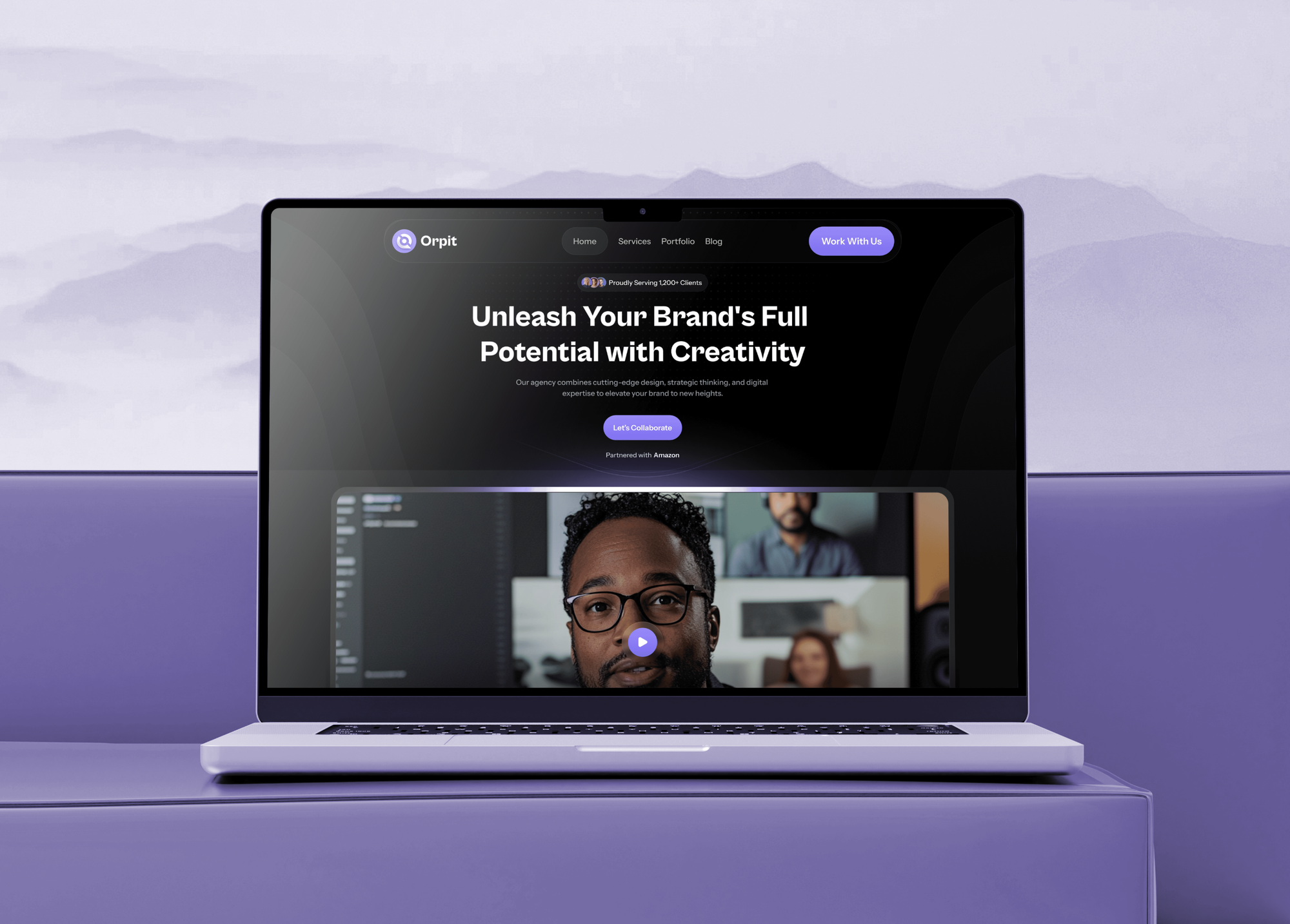
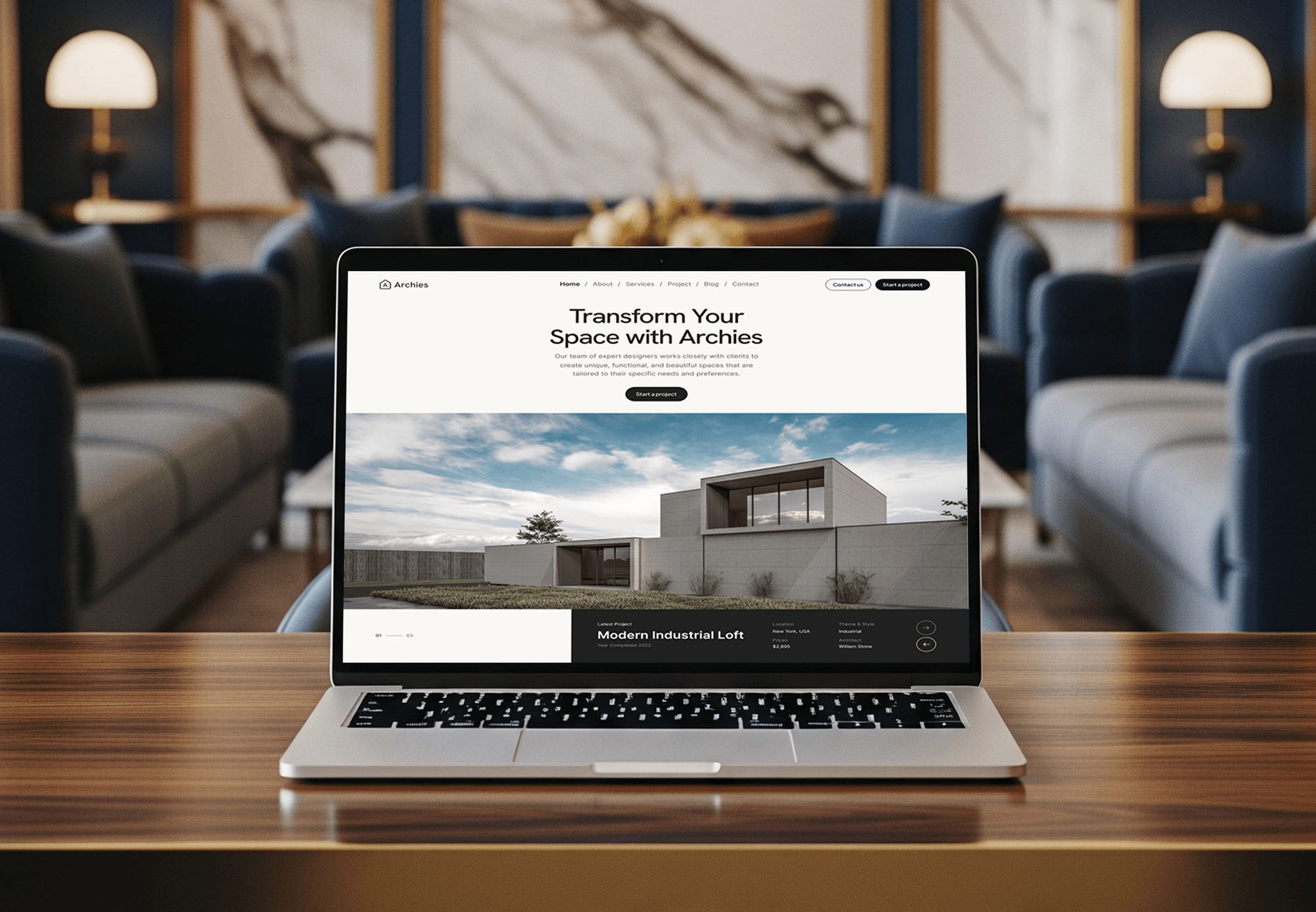
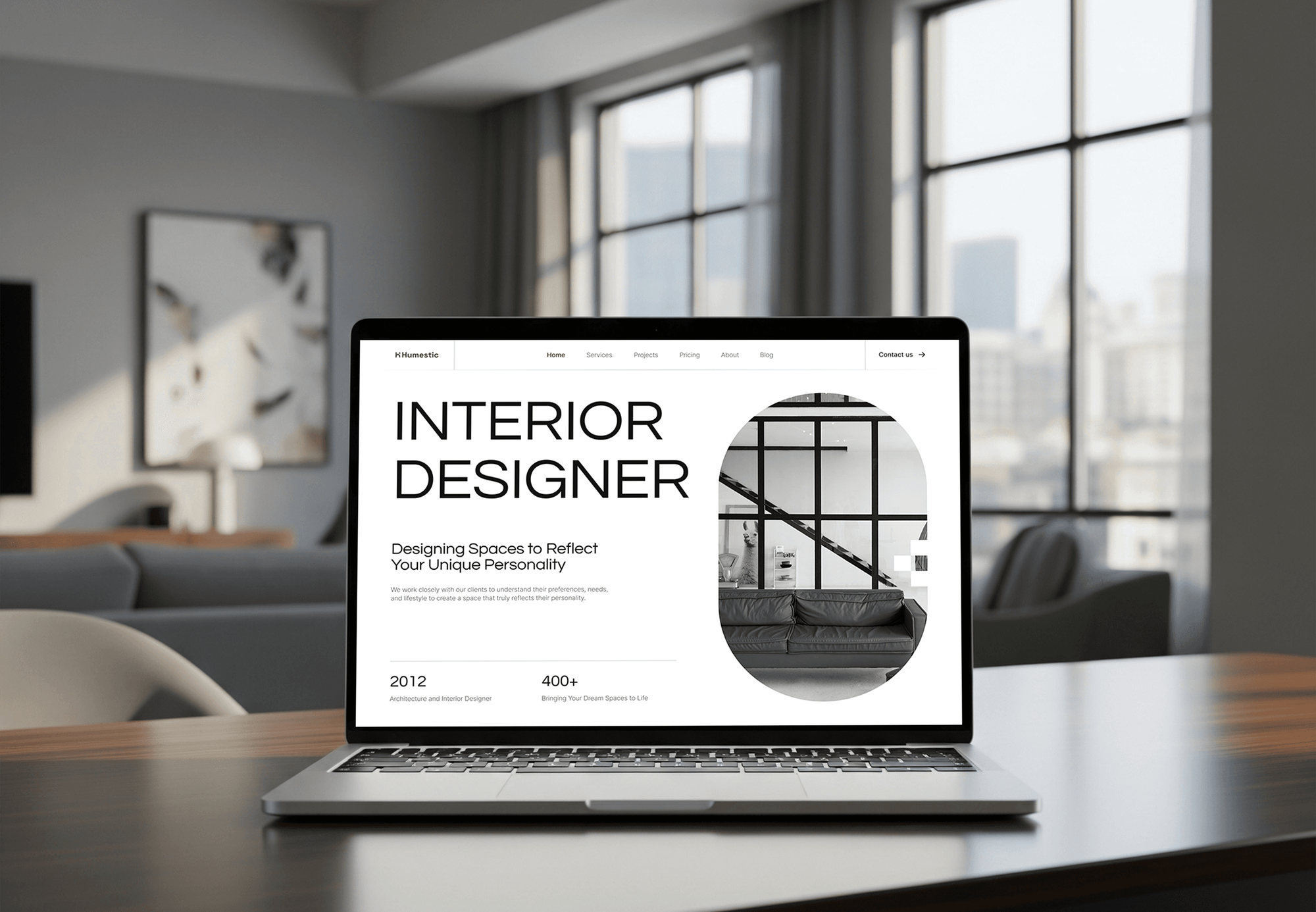
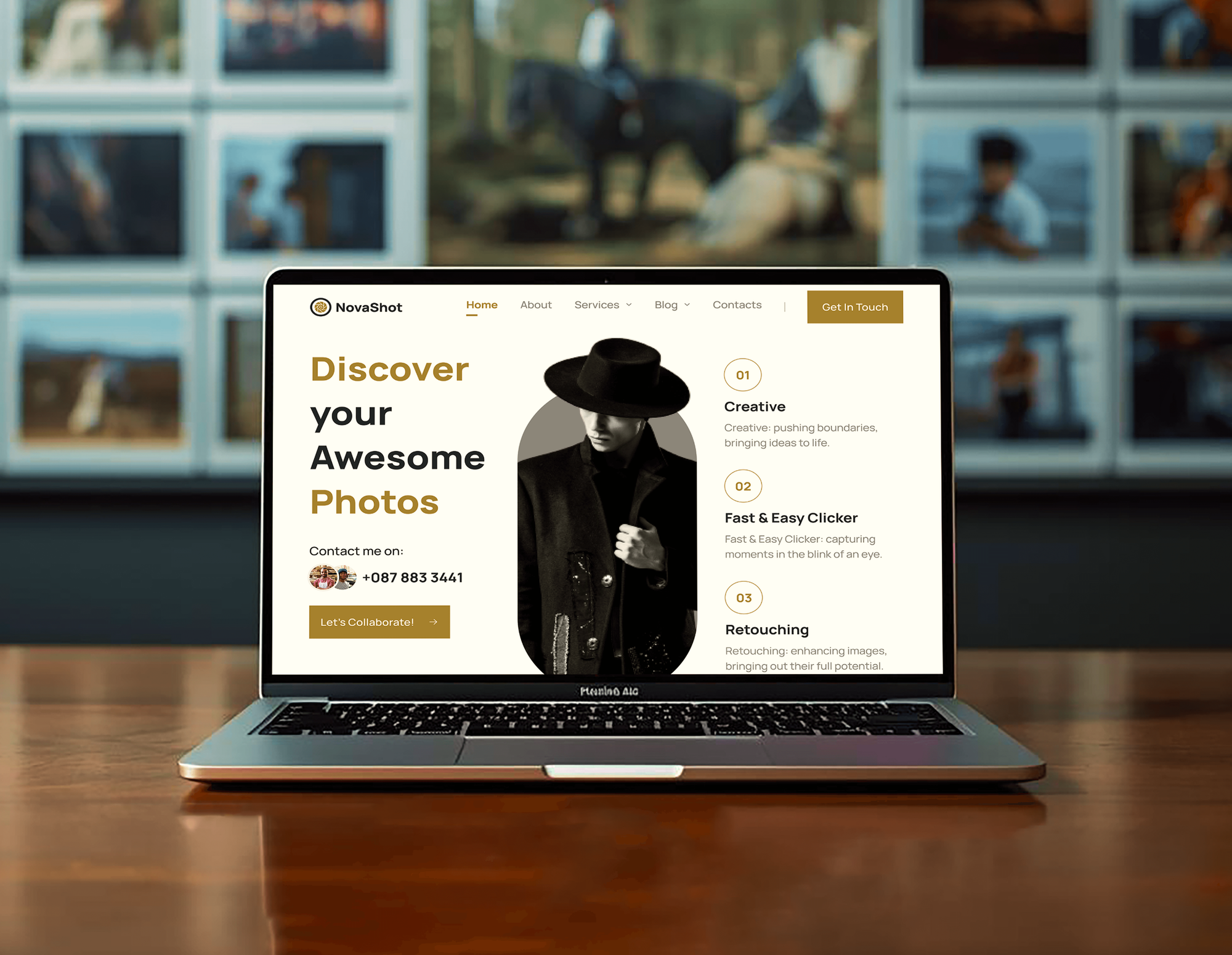
Agency, architecture, interior design, and photography websites our team designed and built, where every layout had to match the design.
What Our Clients Say
Feedback from teams we have built custom-designed websites for.
We had a pretty specific idea of what we wanted our website to become, but I wasn’t sure how easily we could explain all of it to a development team. There were quite a few moving parts, and we were working toward a deadline, so I expected a few things to get lost along the way. That never really happened. They understood what we were trying to achieve, kept us updated throughout the process, and got everything ready within the agreed timeline. The final site feels much easier to navigate, works beautifully on mobile, and is noticeably smoother for our customers. It was a huge relief seeing the original idea actually turn into the website we had in mind.
The mobile experience is probably my favourite part of the new site. We had spent a lot of time making sure the desktop version looked right, and the team kept pushing us to think about how everything would actually feel on a phone too. They were right. The navigation is clean, the interactions feel natural, and everything we’ve tested so far works exactly as it should. They also went through the links, forms, integrations, and other details more than once before launch, which I really appreciated. And even after going live, we could still reach out when something came up. The whole process felt friendly, organised, and surprisingly straightforward.
What I appreciate most is that the website is actually easy for us to manage now. We can update content ourselves instead of sending a developer a message every time we need to change something small. They also paid attention to the technical SEO side, which mattered to us because we didn’t want a new website to create problems for the traffic we already had. I’ve probably asked more questions than I should have since launch, but every question has been handled patiently and without any fuss. The team is easy to work with, they explain things clearly, and when we need something changed, they focus on getting it done rather than making the process complicated.
1,250+
Projects shipped
10+
Years of experience
Top 3%
Upwork Top Rated Plus
5 stars
Average review score

Want results like these?
Tell us what you are building. You get a reply within 24 hours on business days, then a written estimate.
Work Culture
Craft gives developers a lot of freedom, which is exactly why habits matter. These are the ones that keep your site close to its design and easy to hand over.
If WordPress or a hosted builder suits your team better, we'll say so before you buy a Craft license. Craft earns its cost on design-led, content-rich sites.
We pick plugins with active maintainers and a Craft 5 release, and write small modules for the rest. Fewer plugins mean calmer updates for your team.
Craft's project config files keep sections, fields, and settings in version control. Changes move from local to staging to production without clicking around.
Pixel & Tonic is rebuilding Craft 6 on Laravel, so we keep custom code thin and documented. Your future upgrade has less to rewrite.
Templates use semantic HTML, keyboard-friendly navigation, and an alt text field on every image. Your editors get the basics built in, even on a busy day.
The Craft license, plugins, and repository sit in your own accounts. You can move to another team later without asking us for anything.
Overview
DeveloperLook provides Craft CMS development for brands and agencies that want custom designs editors can update safely. We model sections, entry types, and Matrix fields, build Twig or headless front ends, and migrate content with redirects. Projects start at $1,200, take 3 to 14 weeks, and the code and license stay in your name.
DEVELOPERLOOK
Project facts · Craft CMS Development
Reviewed 8 Oct 2026 by Saimul Islam
Good fit
Marketing teams leaving a page builder
Your page builder lets editors break layouts, and you want a Craft site where content fits the design every time.
Design studios with finished Figma files
Your studio designed a site in Figma and needs a Craft CMS developer who builds it exactly, without forcing a theme.
Teams still on Craft 3 or 4
You run Craft 3 or 4, your plugins are out of date, and you need a path to Craft 5 that keeps every entry.
Publishers planning a headless front end
Your developers want a Next.js or Nuxt front end, and you need Craft's GraphQL API set up with Live Preview still working.
Agencies that sell Craft builds
Your agency wins Craft projects faster than it can staff them, and you need to hire Craft CMS developers for overflow builds.
Not a fit
Plugin-heavy feature list
You want a huge plugin marketplace and plenty of ready-made themes. WordPress fits that better, and our WordPress Development Services page covers it.
No developer after launch
You want to change layouts visually without any developer after launch. Our Webflow Development page covers a visual builder that suits that.
Many editors, no license fee
You need several editors and no license fee at all. Craft's free Solo edition allows one user account, so an open source CMS may suit you better.
Budget under $1,200
Your budget is under $1,200 for a full custom site. If a template on a hosted builder already covers your case, we'll tell you before we quote.
Not sure we're the right fit?
Book a free call or message us. We'll tell you honestly whether we're the right team.
Pricing
These are starting points in USD. Your final price depends on page types, languages, and integrations, and you get a fixed proposal after a free discovery call. Any Craft license fee is paid to Pixel & Tonic.
For small marketing sites that need a custom design on Craft with a few page types.
$1,200one-time, USD
For brands and agencies launching a full Craft site with flexible page building.
$3,700one-time, USD
For multi-site, multilingual, or headless Craft builds that connect to other systems.
$7,400one-time, USD
For Agencies
You own the client relationship. We supply the Craft engineering behind it: content models, Twig templates, plugins, and headless builds. Work goes into the client's repository under your brand, and your designers stay in charge of the look.
White label: your client only ever sees your brand
Send the Figma files, a content outline, and the client's list of editors.
You get a draft content model and a fixed price you can resell.
Templates tested on staging, launched on schedule, and documented for your team.
Staging links, handover notes, and training videos carry your agency's name.
Your designers' files built as they are, without theme compromises.
Quotes per section and template that you can mark up.
Extra Craft developers when your own team is fully booked.
The Right Technology for Your Project
We build with Craft's own stack and standard front-end tools, so any Craft developer can pick up your project later.
 PHP
 MySQL
 Tailwind CSS
 Vue.js
 Next.js
 GraphQL
 HubSpot
 Stripe
 AWS
 DigitalOcean
 Cloudflare
FAQ
Straight answers on Craft CMS costs, licensing, headless builds, security, and how Craft compares with WordPress.
Saimul IslamFounder & CEO, DeveloperLookStill have questions?
Send a message or book a call with the team.
Craft builds from DeveloperLook start at $1,200 for a small site with up to 6 sections. A full build with Matrix page blocks and content migration starts at $3,700, and multi-site or headless platforms start at $7,400. Any Craft license fee is separate and paid to Pixel & Tonic.
A small Craft CMS site takes 3 to 5 weeks, and a full or headless build takes 8 to 14 weeks. Content modeling and migration drive most of that time. A free discovery call shows where your project falls, so the timeline in your quote is realistic from day one.
Craft CMS is a content management system from Pixel & Tonic, written in PHP on the Yii framework. Content lives in sections and entry types with custom fields, and pages render through Twig templates or an API. Teams pick it when design control and a clean editing screen matter more than plugin count.
Craft CMS is mostly used by design agencies, marketing teams, publishers, and universities that run custom-designed, content-rich sites. It suits teams with a developer or agency behind them, because Craft has no theme store to start from. Editors like its control panel, and developers like its clean templating.
Choose Craft CMS when your site has a strong custom design and many kinds of content. You decide exactly which fields each entry has, your editors get Live Preview, and the templates carry no theme code you didn't ask for. The trade-offs are a smaller plugin ecosystem and a paid license for more users.
Partly: the Solo edition of Craft CMS is free and allows one user account. Craft's pricing page lists Team at $279 for up to 5 users and Pro at $399 for unlimited users. Each includes a year of updates, then costs $99 a year. Team and Pro are free when the site runs on Craft Cloud.
Craft CMS can run headless, traditional, or both at once. Its built-in GraphQL API serves content to a Next.js, Nuxt, or mobile front end, while Twig templates can still render other pages. Live Preview works with headless front ends too, once preview targets are configured for your site.
No, Craft CMS is not open source, although its code is public on GitHub. It ships under the Craft License, a proprietary license that lets you read and change the code for your own sites but not redistribute it. The free Solo edition still makes it easy to try before you commit.
Yes, Craft CMS is secure when core and plugins stay updated. Pixel & Tonic ships security fixes in regular releases, and Craft 5 supports two-step verification and passkeys for control panel logins. Most real risk comes from outdated plugins and weak hosting, so we keep both on a short, documented list.
Pick WordPress if you want thousands of plugins, free core software, and the widest pool of developers. Pick Craft if you want a custom design editors can't break, structured content, and fewer plugins to update. Since we build on both, you'll get a recommendation based on your content and editors.
Saimul IslamFounder & CEO, DeveloperLookStill have questions?
Send a message or book a call with the team.
Free 30-min callGoogle Meet
Book a call
In 30 minutes on Google Meet we walk you through how we would build it, how long it takes and what it costs. Then you get a written estimate.
Calendar not showing? Book on cal.com or send a brief.