
Pydantic request models
Typed models for every request and response, shared with your client teams before any endpoint is built.

For teams with Python code that works but has no API: FastAPI developers who ship typed, documented endpoints that stay fast under real load. From $850.
3weeks
From Python code to a live API
100%
Endpoints typed and documented
How your project runs
Teams we have built for:














The Problem
Data and product teams often have the hard part done: a model, a pricing rule, a scoring script. The trouble starts when apps, partners, or a mobile client need it live.
01 · Blocked requests
One slow database call stalls every request behind it.
Blocking calls run in plain def functions or Celery, off the event loop.
02 · Bad input
A missing field crashes the model with a vague error.
Pydantic models reject bad input with a clear 422 error naming the field.
03 · Outdated docs
The only API docs are an old chat message.
OpenAPI docs at /docs are generated from the code on every release.
04 · Unknown limits
Nobody knows how many users the API can handle.
A Locust load test measures throughput and errors on staging before launch.
Your churn model runs fine in a notebook on one analyst's laptop. Now the product team wants scores in the app, sales wants them in the CRM, and someone wrapped the code in a quick Flask route. It works until ten people use it at once. Then requests time out, because one database call blocks everything behind it. Nobody knows which inputs are valid, so a missing field crashes the model. The only API docs are a chat message from last spring.
We start by writing each request and response as a Pydantic model, so every caller knows what to send and what comes back. FastAPI then serves your existing Python code, with async used only where your libraries support it and heavy work moved to Celery. A Locust load test shows how the API behaves under real traffic before launch. Your apps call one documented API instead of a fragile script.
Pydantic models as the contract
Every request and response is a typed model, so bad input gets a clear error instead of a crash.
Async without blocking
Blocking libraries stay in plain def functions or Celery, so one slow call can't freeze the API.
Docs generated from code
OpenAPI docs at /docs come from your code, so they stay in step with what the API does.
Our FastAPI Development Process
You approve the request and response models before any endpoint logic, try every endpoint in the generated docs on staging, and see load test results before launch.
On a free call, you show us the Python code, who needs to call it, and how much traffic you expect. We look at the libraries it depends on. You get an honest answer: FastAPI, another framework, or a simpler fix.
What's Included
FastAPI is a Python framework for building APIs on Starlette and Pydantic, with validation and docs generated from type hints. Our FastAPI development services cover the contract, endpoints, tests, and load testing.
Compare Options
A quick Flask wrapper is the cheapest way to demo a model, and a freelancer suits one small endpoint. A FastAPI development company fits when other apps depend on the API every day.
| Feature | DeveloperLookBest fit | Flask wrapper | Freelancer |
|---|---|---|---|
| Setup speed | Live in 2 to 3 weeks | Same day for a demo | Fast for one endpoint |
| Input validation | Pydantic model on every endpoint | Manual checks, if any | Varies by person |
| Concurrency | Async audited and load tested | Limited by sync workers | Often untested |
| API docs | OpenAPI generated from code | Written by hand, if at all | Varies by person |
| Slow jobs | Moved to Celery workers | Run inside the request | Varies by person |
| Testing | pytest plus a Locust run | Manual checks | Depends on the person |
| Cost | Fixed price per plan | Lowest to start | Hourly, often open-ended |
| Code ownership | Your repository from day one | Already yours | Depends on the contract |
Projects We've Built
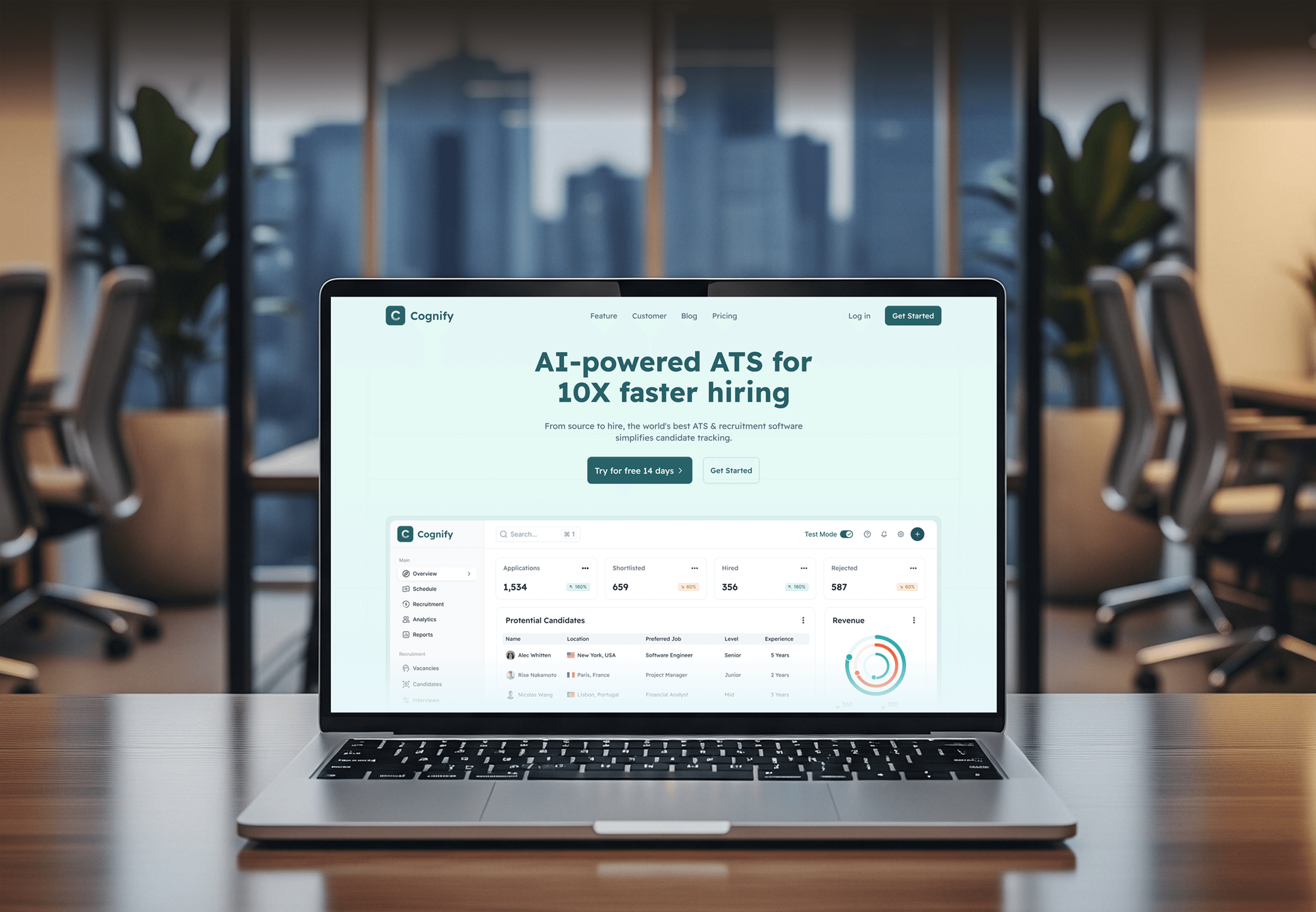
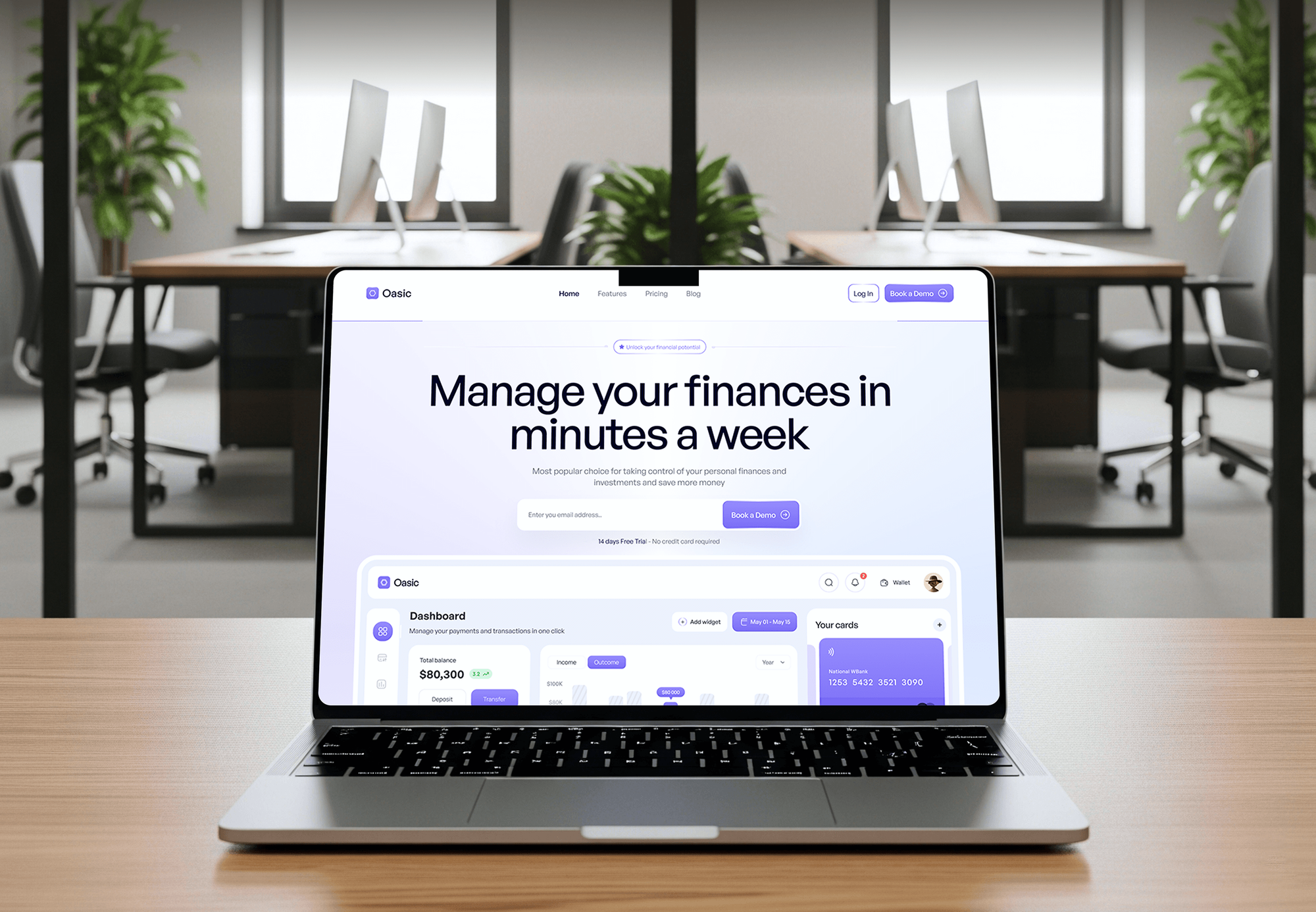
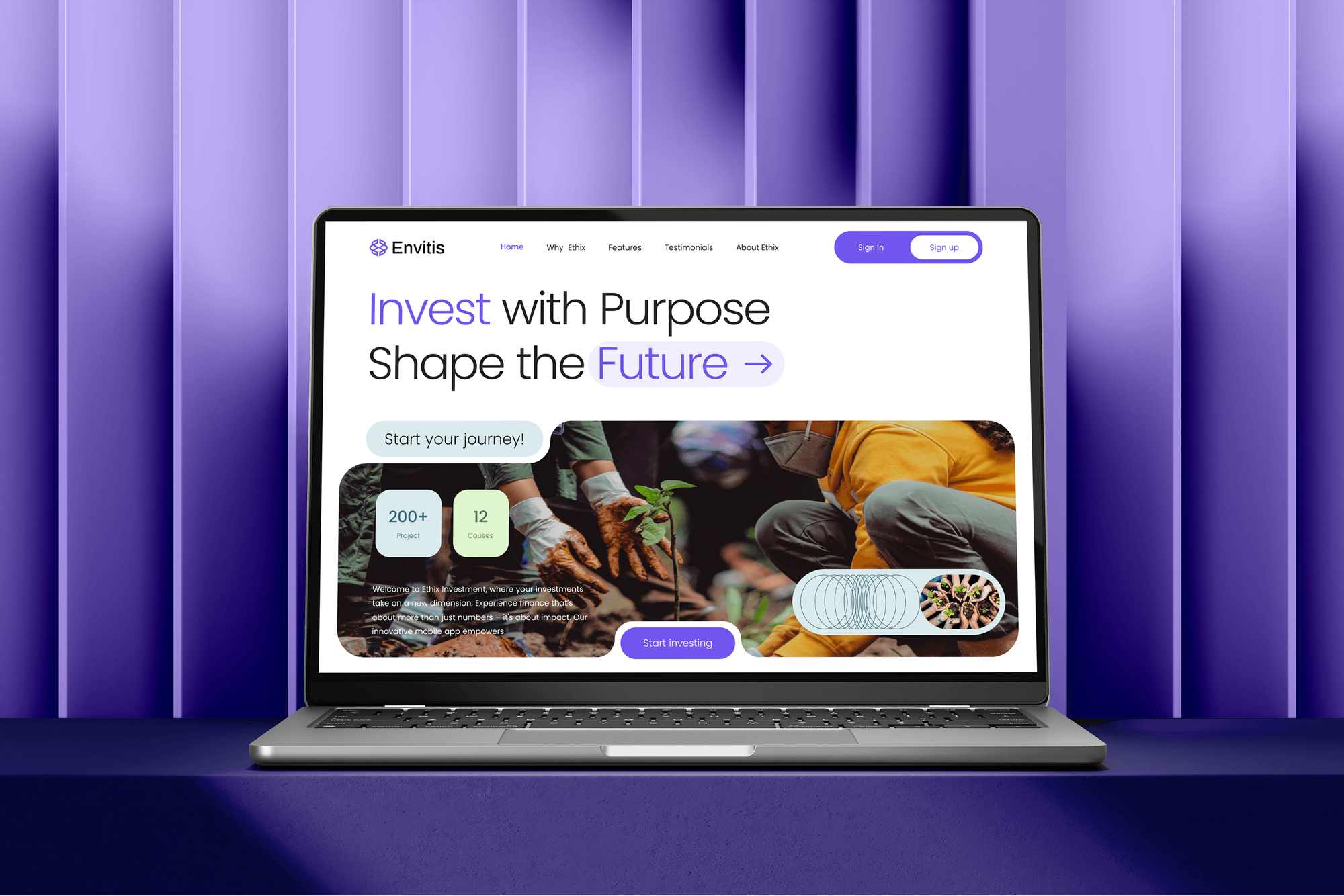
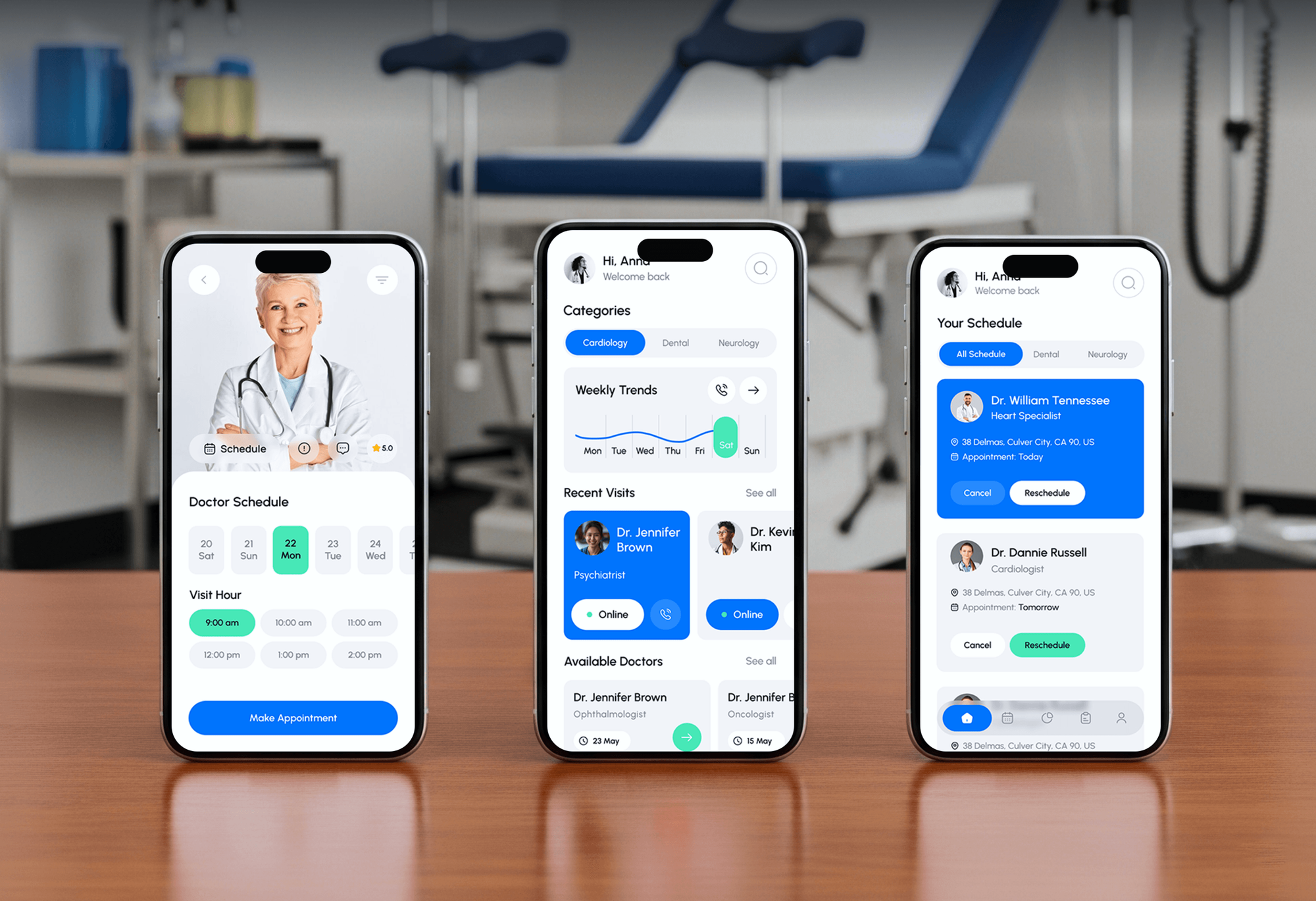
An AI recruitment dashboard, a finance SaaS, an investment site, and a doctor booking app from our portfolio. Each serves data to its screens; none is shown as a FastAPI build.
What Our Clients Say
Feedback from teams we have built APIs and data-driven products for.
We had a pretty specific idea of what we wanted our website to become, but I wasn’t sure how easily we could explain all of it to a development team. There were quite a few moving parts, and we were working toward a deadline, so I expected a few things to get lost along the way. That never really happened. They understood what we were trying to achieve, kept us updated throughout the process, and got everything ready within the agreed timeline. The final site feels much easier to navigate, works beautifully on mobile, and is noticeably smoother for our customers. It was a huge relief seeing the original idea actually turn into the website we had in mind.
The mobile experience is probably my favourite part of the new site. We had spent a lot of time making sure the desktop version looked right, and the team kept pushing us to think about how everything would actually feel on a phone too. They were right. The navigation is clean, the interactions feel natural, and everything we’ve tested so far works exactly as it should. They also went through the links, forms, integrations, and other details more than once before launch, which I really appreciated. And even after going live, we could still reach out when something came up. The whole process felt friendly, organised, and surprisingly straightforward.
What I appreciate most is that the website is actually easy for us to manage now. We can update content ourselves instead of sending a developer a message every time we need to change something small. They also paid attention to the technical SEO side, which mattered to us because we didn’t want a new website to create problems for the traffic we already had. I’ve probably asked more questions than I should have since launch, but every question has been handled patiently and without any fuss. The team is easy to work with, they explain things clearly, and when we need something changed, they focus on getting it done rather than making the process complicated.
1,250+
Projects shipped
10+
Years of experience
Top 3%
Upwork Top Rated Plus
5 stars
Average review score

Want results like these?
Tell us what you are building. You get a reply within 24 hours on business days, then a written estimate.
Work Culture
Fast frameworks still get slow in careless hands. These habits keep your API quick and predictable long after you hire FastAPI developers from us.
We agree on Pydantic models with your client teams before writing endpoint logic. Mobile and web developers build against the docs while we build the API.
We use async def only with libraries that support await, and plain def for the rest. A blocking call inside async code freezes every request, so we check for it first.
We load test with your real traffic pattern before launch and share the numbers. You know what the API handles before your users find its limit.
Model training, reports, and bulk emails run in Celery workers, not inside the request. FastAPI's BackgroundTasks suits small jobs only, so callers don't wait on heavy ones.
If your app is mostly admin screens, Django fits better, and if your team writes TypeScript, NestJS might. We'll say so before quoting a FastAPI build.
The repository, CI, and cloud accounts stay in your organization from the first commit. Any Python developer can pick the API up later from its docs.
Overview
DeveloperLook helps teams hire FastAPI developers to turn working Python code into a production API. We write Pydantic models as the contract, keep blocking calls off the event loop, move slow work to Celery, and load test before launch. Prices start at $850, one service takes 2 to 3 weeks, a full API 5 to 12 weeks, and the code and docs stay yours.
DEVELOPERLOOK
Project facts · FastAPI Development Services
Reviewed 22 Oct 2026 by Saimul Islam
Good fit
Data teams with a working model
Your pricing or forecast model works in a notebook, and now three apps need to call it without anyone copying the code.
Teams with a struggling Flask API
Your Flask API stalls under afternoon traffic, and you're weighing a FastAPI implementation with async database calls and proper load tests.
Companies hiring for a Python API
You need to hire FastAPI developers for a new product API this quarter, and a full-time search would outlast your launch date.
Teams whose FastAPI app freezes
Your FastAPI app already runs, but one slow endpoint stalls every request because a blocking library sits inside async code.
Agencies with Python backend work
Your agency won a project that needs FastAPI software development services, and your own developers write JavaScript, not Python.
Not a fit
Admin-heavy business app
Your app is mostly staff screens, records, and permissions. Our Django Development Services page fits better, because Django ships an admin and ORM out of the box.
Scheduled data jobs only
You need nightly scripts and data pipelines, not an API that other apps call. Our Python Development Services page covers scheduled, tested data jobs.
TypeScript backend team
Your backend team writes TypeScript and wants one language across the product. Our NestJS Development Services page covers structured Node.js APIs instead.
Budget under $850
Your budget is under $850, or the API is a single endpoint a no-code tool already covers. If that's your case, we'll tell you before we quote.
Not sure we're the right fit?
Book a free call or message us. We'll tell you honestly whether we're the right team.
Pricing
These are starting points in USD. Your final price depends on endpoint count, data sources, and expected traffic, and you get a fixed proposal after a free code review call.
For one Python model, script, or calculation served as a documented API in 2 to 3 weeks.
$850one-time, USD
For a new product API, or a Flask API moved to FastAPI, with users and data.
$3,150one-time, USD
For APIs under heavy load that serve models, streams, or several client apps.
$6,950one-time, USD
For Agencies
You own the client relationship. We supply the Python API engineering behind it: Pydantic contracts, FastAPI endpoints, async audits, and load tests, delivered under your brand with code in your client's repositories.
White label: your client only ever sees your brand
Send the client's Python code, the apps that will call it, and the deadline.
You get an API contract outline and a fixed price you can resell.
We build, load test, and deploy in the client's cloud accounts under your brand.
Your client deals with you while our engineers work behind your brand.
OpenAPI drafts your team can review with the client before the build.
Backend developers who build FastAPI, Celery, and SQLAlchemy services regularly.
One FastAPI developer for a sprint, or a small team for a quarter.
The Right Technology for Your Project
FastAPI and Pydantic for the API, the databases and workers behind it, and the tools we use to test, load test, and ship it.
 Python
 OpenAPI
 PostgreSQL
 Docker
 AWS
FAQ
Straight answers on FastAPI costs, FastAPI vs Flask and Django, speed, and concurrent requests.
Saimul IslamFounder & CEO, DeveloperLookStill have questions?
Send a message or book a call with the team.
Hiring FastAPI developers from DeveloperLook starts at $850 for one Python model or script served as a documented API, with tests and a load test. A full product API of up to 25 endpoints, with a database, login, and Celery workers, starts at $3,150. A platform with caching, streaming, and Kubernetes autoscaling starts at $6,950. Each is a fixed price after a free review.
FastAPI is used to build web APIs in Python: product backends, internal services, and endpoints that serve machine learning models to other apps. It fits any case where other software calls your Python code over HTTP. Its generated docs also make it practical for APIs that several teams consume at once.
Yes, FastAPI is a backend framework for building APIs rather than web pages. It handles routing, validation, authentication helpers, and documentation, and leaves the front end to React, a mobile app, or any other client. For server-rendered pages with an admin built in, Django is usually the better backend.
FastAPI is usually better for new APIs, while Flask stays fine for small apps that already work. FastAPI adds request validation, async support, and generated docs that Flask leaves to extensions. Flask's large plugin ecosystem still suits server-rendered sites. We rarely recommend rewriting a healthy Flask app just to switch frameworks.
The main difference is that FastAPI uses Python type hints to validate requests and generate OpenAPI docs, while Flask leaves both to you. FastAPI runs on ASGI with native async support, and Flask is built on WSGI. In practice, both need extra libraries for databases and login.
Developers pick FastAPI over Django for pure APIs because it's lighter, async by default, and documents itself. FastAPI's own docs note that Django was created to generate HTML on the backend, not to serve APIs for modern front ends. For admin-heavy apps Django still wins, and our Django Development Services page covers that.
The FastAPI documentation quotes engineers at Microsoft, Uber, Netflix, and Cisco describing how they use it. It also fits machine learning and data teams well, because existing Python code can become an API without switching languages. Startups use it for product backends for the same reason.
FastAPI is fast because it runs on Starlette and Uvicorn, which use async I/O to handle many waiting requests at once. Pydantic, which validates every request, has its validation core written in Rust. FastAPI's benchmarks page cites TechEmpower results that rank it among the fastest Python frameworks. In real projects, your database queries usually matter more.
Yes, FastAPI handles multiple requests at once. Async endpoints share one event loop while they wait on the network, and plain def endpoints run in a threadpool. You add Uvicorn workers or containers to use more CPU cores. The common failure is a blocking call inside async def, which stalls every request, so we audit for it.
There's no fixed number: it depends on your endpoints, database, worker count, and hardware. An endpoint that waits on I/O handles far more concurrent requests than one doing heavy calculation. We measure your real limit with a Locust load test on staging, then tune connection pools, workers, and caching until it covers your expected peak.
Saimul IslamFounder & CEO, DeveloperLookStill have questions?
Send a message or book a call with the team.
Free 30-min callGoogle Meet
Book a call
In 30 minutes on Google Meet we walk you through how we would build it, how long it takes and what it costs. Then you get a written estimate.
Calendar not showing? Book on cal.com or send a brief.