
Data models and migrations
Django models for every record type, with migrations reviewed before they touch live data.

For teams running operations from spreadsheets: a Django admin your staff can use first, then customer pages and an API on the same data. From $950.
100%
Records editable without a developer
2X
Faster back-office updates
How your project runs
Teams we have built for:














The Problem
Custom web apps often start with the customer-facing screens. Meanwhile the people who run the business keep working in spreadsheets, because their tools keep slipping to phase two.
01 · Spreadsheets
Bookings, notes, and invoices live in three separate spreadsheets.
One set of Django models holds every record, loaded with clean imports.
02 · Admin delays
Internal tools keep slipping to phase two.
Your staff get the Django admin first, before any customer screens.
03 · Manual copying
Staff copy data by hand and errors reach customers.
Edit screens with validation catch bad entries before they're saved.
04 · Old Django
The last vendor's Django app runs on an unsupported release.
We upgrade it to a supported LTS release and run Django's deploy checks.
Your bookings live in one spreadsheet, customer notes in another, and invoices in a third. The new web app was supposed to fix that, but the agency built the public pages first and pushed the admin tools to phase two. Staff still copy data by hand, and the mistakes reach customers. The Django 3.2 app from your last vendor hasn't had a security update in years, and nobody wants to touch it. Every monthly report means an evening of copying and pasting.
We start with your data and the people who manage it. Django's admin gives your staff search, filters, edit screens, and roles early in the build, loaded with your spreadsheet data. Customer pages and a Django REST Framework API come next, on the same models. Your team stops copying data between files before customers ever see a new screen.
Admin before customer pages
Staff get search, filters, and edit screens in the Django admin while the rest is built.
Spreadsheets imported, not retyped
Existing rows are cleaned and imported, with a report of every record that needed fixing.
Security checks before launch
Django's deploy checklist, CSRF protection, and an LTS release are part of every launch.
Our Django Development Process
Five steps take your Django project from scattered records to a live app. Your staff use the admin early, you approve each release on staging, and the repository is yours.
You show us the spreadsheets, forms, and tools your team uses today, and who edits what. We ask which records matter most to the business. You get a short plan and a fixed-price proposal.
What's Included
Everything a Django build needs: the data model, a working back office, customer pages, an API for web and mobile, background jobs, and a launch on a supported release.
Compare Options
Off-the-shelf software is cheaper when your process matches it, and a freelancer suits a small, well-defined task. A Django development agency fits when your process is your own and the app has to last.
| Feature | DeveloperLookBest fit | Freelancer | SaaS tool |
|---|---|---|---|
| Fit to your process | Built around your records | Built around your brief | You adapt to the tool |
| Time to first use | Admin in about 2 weeks | Depends on availability | Same day sign-up |
| Staff back office | Django admin with roles | Often an afterthought | Included, fixed layout |
| Data ownership | Your database and server | Yours, if agreed in writing | Stored with the vendor |
| Security updates | LTS releases tracked | Depends on the person | Handled by the vendor |
| Cover for absence | Backup developers on the team | Stops when they're away | Vendor support desk |
| Upfront cost | Fixed price per scope | Lowest hourly rate | None, just a subscription |
| Ongoing cost | Hosting only | Hosting plus hourly fixes | Per-user monthly fees |
Projects We've Built
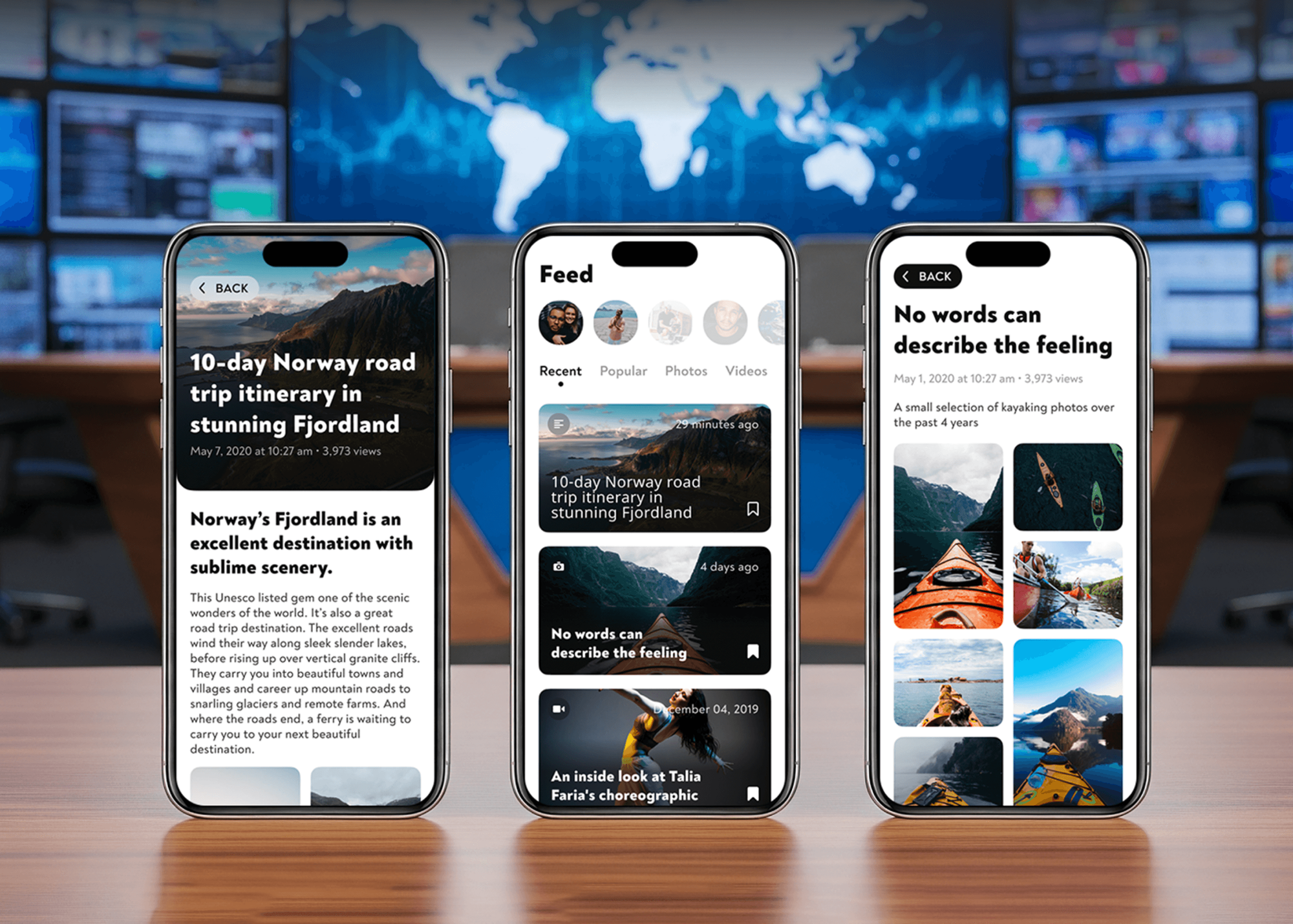
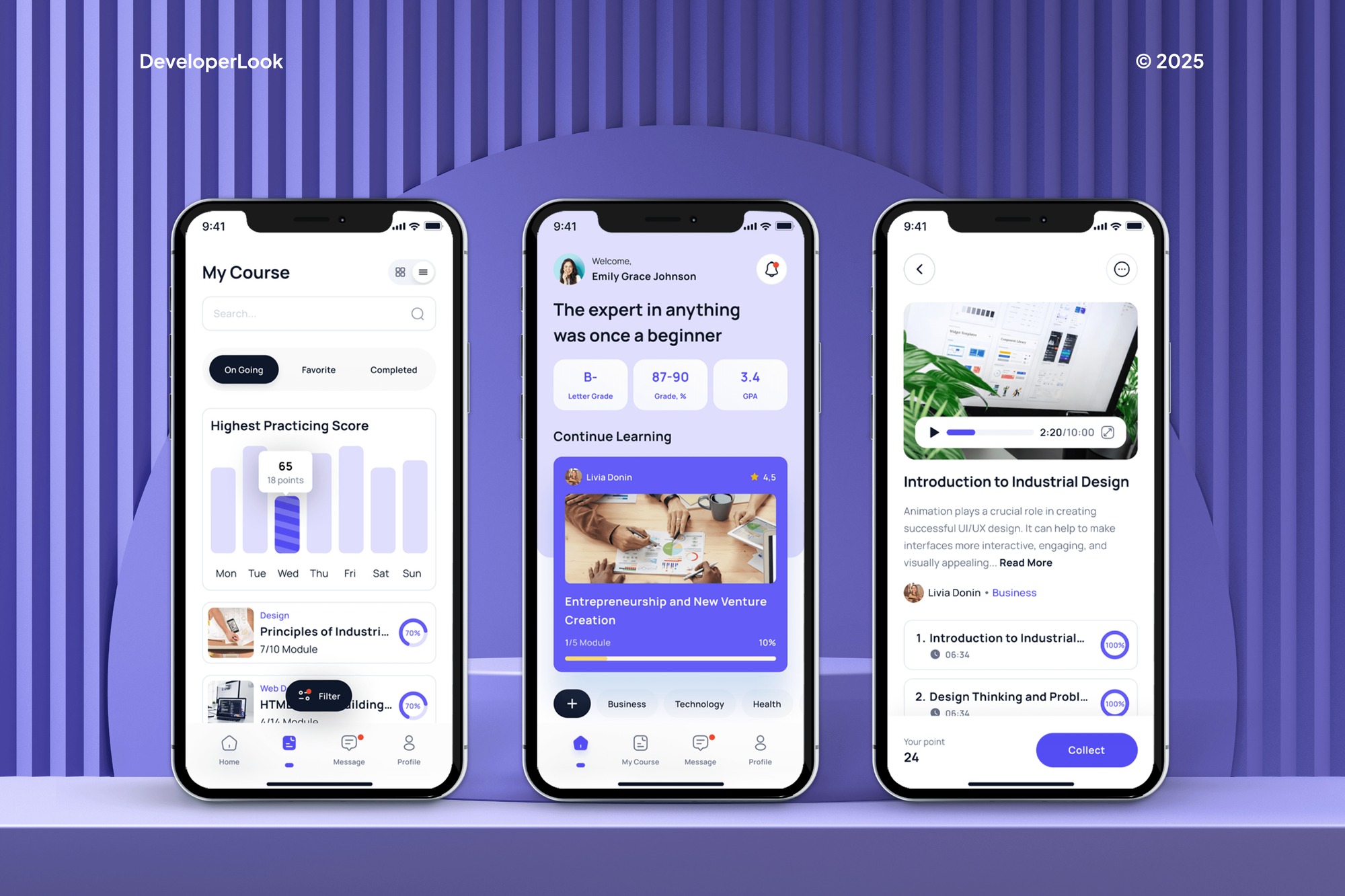
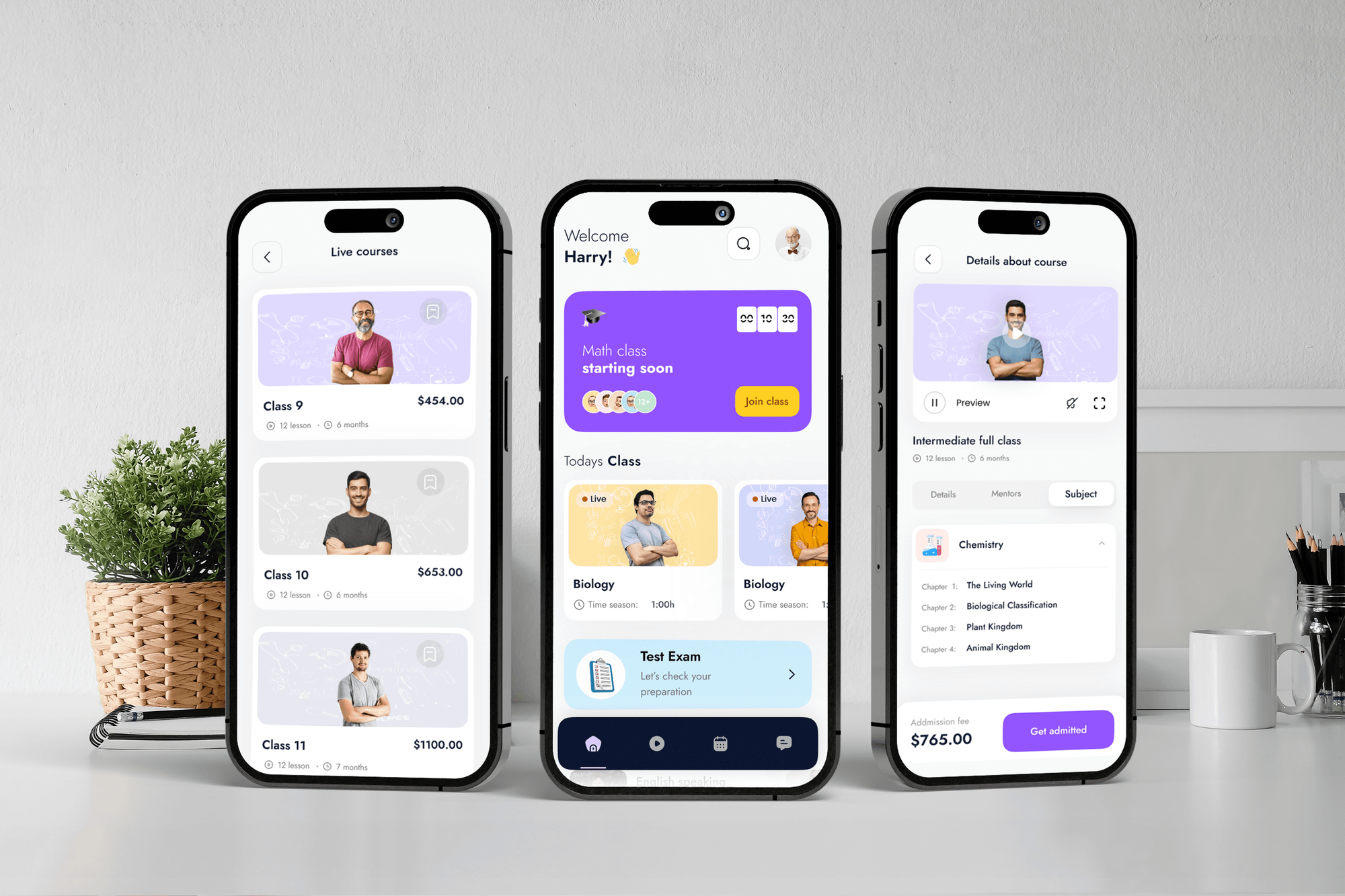
News, publishing, and e-learning products from our portfolio, chosen because they run on content that staff manage every day, not as examples of one framework.

What Our Clients Say
Feedback from teams we have built web apps and back-office tools for.
We had a pretty specific idea of what we wanted our website to become, but I wasn’t sure how easily we could explain all of it to a development team. There were quite a few moving parts, and we were working toward a deadline, so I expected a few things to get lost along the way. That never really happened. They understood what we were trying to achieve, kept us updated throughout the process, and got everything ready within the agreed timeline. The final site feels much easier to navigate, works beautifully on mobile, and is noticeably smoother for our customers. It was a huge relief seeing the original idea actually turn into the website we had in mind.
The mobile experience is probably my favourite part of the new site. We had spent a lot of time making sure the desktop version looked right, and the team kept pushing us to think about how everything would actually feel on a phone too. They were right. The navigation is clean, the interactions feel natural, and everything we’ve tested so far works exactly as it should. They also went through the links, forms, integrations, and other details more than once before launch, which I really appreciated. And even after going live, we could still reach out when something came up. The whole process felt friendly, organised, and surprisingly straightforward.
What I appreciate most is that the website is actually easy for us to manage now. We can update content ourselves instead of sending a developer a message every time we need to change something small. They also paid attention to the technical SEO side, which mattered to us because we didn’t want a new website to create problems for the traffic we already had. I’ve probably asked more questions than I should have since launch, but every question has been handled patiently and without any fuss. The team is easy to work with, they explain things clearly, and when we need something changed, they focus on getting it done rather than making the process complicated.
1,250+
Projects shipped
10+
Years of experience
Top 3%
Upwork Top Rated Plus
5 stars
Average review score

Want results like these?
Tell us what you are building. You get a reply within 24 hours on business days, then a written estimate.
Work Culture
A Django app succeeds when the people inside the business use it every day. When you hire Django developers from us, these habits keep it useful and safe to maintain.
Your operations team uses the admin on staging during the build, not after launch. Their feedback shapes the tool before it's finished.
Every database migration gets a second review and a dry run against a copy of your data. Live records don't become a test environment.
We build on a Django long-term support release and note when its security fixes end. You plan the next upgrade with months of warning.
CSRF protection, the ORM's safe queries, and password hashing stay switched on. We don't trade Django's built-in protection for a shortcut.
If an existing SaaS tool already covers your process, we'll tell you before we quote. Custom Django is worth it when your process is the advantage.
The database, the code, and the hosting account belong to you. Moving to another team later means sharing access, not exporting your business.
Overview
DeveloperLook lets you hire Django developers who build the back office first, then the customer app and API. We model your data, set up the Django admin with roles and imports, add Django REST Framework endpoints and Celery jobs, and keep you on an LTS release. Prices start at $950, an admin takes about 2 weeks, full apps 6 to 16 weeks, and the code is yours.
DEVELOPERLOOK
Project facts · Django Development Services
Reviewed 10 Oct 2026 by Saimul Islam
Good fit
Teams running operations on spreadsheets
Your bookings, customer notes, and invoices live in separate spreadsheets, and your staff spend evenings copying data between them.
Owners of an outdated Django app
You need a Django web development company to take over an app on an unsupported release that your last vendor stopped maintaining.
Companies losing their Django developer
You're looking for Django developers for hire because your only Django developer just gave notice and the app can't stall.
Startups planning a long roadmap
You want to hire dedicated Django developers for a year-long roadmap without adding permanent salaries to your payroll.
Agencies with Django client work
Your agency won a data-heavy web project and needs Django engineers who deliver under your brand and document everything.
Not a fit
Scripts and data jobs only
You need scheduled scripts and data pipelines, with no web app for staff or customers. Our Python Development Services page fits better.
Your app runs on Laravel
Your app runs on Laravel and the work stays inside it. Our Laravel Development Services page covers that framework directly.
A SaaS tool already fits
An existing SaaS tool already matches how your team works, at a fair monthly price. That's cheaper than custom Django, and we'd tell you so.
Budget under $950
Your budget is under $950, or you only need a single form on an existing site. A form builder handles that for much less.
Not sure we're the right fit?
Book a free call or message us. We'll tell you honestly whether we're the right team.
Pricing
These are starting points in USD. Your final price depends on the number of record types, user roles, and integrations, and you get a fixed proposal after a free discovery call.
For teams moving their records out of spreadsheets into a working Django admin. About 2 weeks.
$950one-time, USD
For teams adding customer pages and a REST API on top of the admin. About 6 to 9 weeks.
$3,500one-time, USD
For products with several user types, payments, and a mobile app on the same API. About 10 to 16 weeks.
$7,800one-time, USD
For Agencies
You keep the client relationship. We supply the Django engineering behind it: data models, admin back offices, customer pages, and REST APIs, delivered under your brand with code in your client's repository.
White label: your client only ever sees your brand
Send your client's records, workflows, and any existing Django code or data exports.
You get the data model, a sprint plan, and a price you can mark up.
We build the admin first, then pages and API, and launch on your client's accounts.
Staging links, admin demos, and handover notes carry your brand.
Fixed scope and an admin your client can try early in the build.
Django, Django REST Framework, and Celery work from experienced developers.
One back office, a full platform, or ongoing Django work.
The Right Technology for Your Project
Django with the libraries that cover most business apps, PostgreSQL and Redis for data and background jobs, and hosting that keeps deploys repeatable.
 Python
 Django
 PostgreSQL
 MySQL
 React
 Tailwind CSS
 AWS
 DigitalOcean
 Docker
FAQ
Straight answers on Django costs, hiring Django developers, freelancers versus agencies, and what Django can build.
Saimul IslamFounder & CEO, DeveloperLookStill have questions?
Send a message or book a call with the team.
Hiring Django developers through DeveloperLook starts at $950 for a working Django admin back office with your data imported. Customer pages, a REST API, and background jobs on top start at $3,500. Platforms with several user types, payments, and a mobile API start at $7,800. You get a fixed quote after a free discovery call.
A Django admin back office usually takes about 2 weeks, including the data import. A web app with customer pages and an API takes 6 to 9 weeks, and larger platforms 10 to 16 weeks. Your staff can start using the admin on staging long before the customer side launches.
Hire a Django developer by reviewing how they model data, not just which packages they know. Give a short paid task: one model, its admin, a migration, and a test. When you hire Python Django developers through an agency, you also get code review and someone to cover holidays.
Use a Django freelance developer for a small task with a clear end, such as one report or a bug fix. Choose an agency when the app runs daily operations, because you need code review, backup developers, and someone accountable for upgrades. Freelancers usually cost less per hour, while agencies carry less single-person risk.
Instagram is the best-known company built on Django, and its engineers have written publicly about running it at scale. Mozilla's add-ons site and Sentry's error tracker are open-source Django projects you can read on GitHub. Django also runs many newsroom and publishing sites, which fits its origin at a Kansas newspaper.
Yes, Django is good for web development when your app is data-heavy: bookings, records, content, or anything staff manage daily. It ships with an admin, authentication, an ORM, and form handling, so less of your code is custom. It's a weaker fit for small static sites or apps that are mostly real-time chat.
Use Django when you want proven building blocks instead of assembling your own. The admin covers most internal tools on its own, and migrations keep the database in step with the code. Protections against CSRF, SQL injection, and clickjacking are on by default. Long-term support releases also give you years of security fixes.
Many Django developers are full stack, because Django renders HTML templates as well as handling data and logic. For richer interfaces, they pair Django with htmx or a React front end. Ask a candidate which side they prefer, since template work and React work call for different strengths.
Yes, Django is often the backend for mobile apps, though not for the app itself. Django REST Framework serves the data, login, and notification triggers that an iOS, Android, or Flutter app calls. One Django backend can serve your website and your mobile app from the same models.
Yes, you can build complete business software with Python and Django: customer portals, booking systems, marketplaces, and internal tools. Python handles the background jobs, reports, and data work around the web app. For a native mobile app or a desktop tool, you'd add another technology on top of the Django backend.
Saimul IslamFounder & CEO, DeveloperLookStill have questions?
Send a message or book a call with the team.
Free 30-min callGoogle Meet
Book a call
In 30 minutes on Google Meet we walk you through how we would build it, how long it takes and what it costs. Then you get a written estimate.
Calendar not showing? Book on cal.com or send a brief.