
Catalog from your spreadsheet
Products, specs, and images imported from the spreadsheet you already keep, so updates stay simple.

For importers, exporters, and trading companies: a spec-rich product catalog, an RFQ form buyers trust, and pages in your buyers' languages. From $1,250.
2X
More qualified RFQs from overseas buyers
100%
Products with full spec sheets
Teams we have built for:














The Problem
It shows up when a buyer abroad compares suppliers online. Photo-only catalogs, a contact-us form, and no proof of registration push serious RFQs to competitors.
01 · Thin catalog
Products appear as photos with no specs or MOQs.
Each product gets a spec sheet with HS code, MOQ, packaging, and lead time.
02 · Vague RFQs
Inquiries ask for a price with no quantity.
The RFQ form asks for quantity, Incoterms rule, and destination port.
03 · Trust gap
Overseas buyers can't verify that the company is real.
A verification page shows registration, facility photos, and certificates you confirm.
04 · One language
Buyers abroad land on English-only pages.
Key pages run in your buyers' languages, with hreflang tags.
A buyer in Rotterdam is sourcing a new supplier and finds your site late in their evening. Your products appear as photos with no specs, no MOQs, and no lead times. The only form says contact us, so they type send price and move on. Nothing shows your company registration, your warehouse, or the certificates their compliance team will ask for. By morning, they've sent a detailed RFQ to a competitor whose catalog answered those questions.
We start with what an overseas buyer needs to trust you. Every product gets a spec sheet with HS code, MOQ, packaging, and lead time, imported from your spreadsheet. The RFQ form asks for quantity, Incoterms rule, and destination port, then routes to the right rep. A verification page shows registration, facility photos, and certificates you confirm. Buyers send real RFQs, not one-line price requests.
Spec sheets for every product
HS code, MOQ, packaging, and lead time listed on every catalog item.
RFQs with shipping terms
Buyers choose an Incoterms rule and destination port, so quotes start with real numbers.
Proof you're a real company
Registration details, facility photos, and certificates you confirm, all on one verification page.
Our Import Export Website Process
You approve the catalog structure and RFQ fields, product and company copy you confirm, a clickable design, the imported catalog on staging, and the launch.
We review your product lines, spreadsheets, target markets, and the questions buyers ask in emails. You get a sitemap, a catalog field plan, an RFQ form plan, and a fixed price.
What's Included
A spec-rich catalog, an RFQ form with shipping terms, a verification page, translated pages, and regional routing. Your team updates it all from a spreadsheet.
Compare Options
Marketplace storefronts bring traffic, and DIY builders cost little. Import export business websites you own add full spec sheets, real RFQs, and proof buyers can check independently.
| Feature | DeveloperLookBest fit | Marketplace storefront | DIY builder |
|---|---|---|---|
| Planning | Catalog and market audit | Fill in listings | Pick a template |
| Product specs | HS code, MOQ, and lead time | Platform fields | Up to you |
| RFQ form | Quantity, Incoterms, and port | Platform messaging | Basic contact form |
| Buyer traffic | Built through search over time | Marketplace traffic from day one | Up to you |
| Languages | Translated pages with hreflang | Platform translation | Depends on your plan |
| Competitors nearby | None on your site | Listed beside you | None on your site |
| Ownership | Domain and buyer data are yours | Owned by the marketplace | Yours, on their platform |
| Cost | From $1,250, fixed scope | Membership fees | Low monthly fee |
Projects We've Built
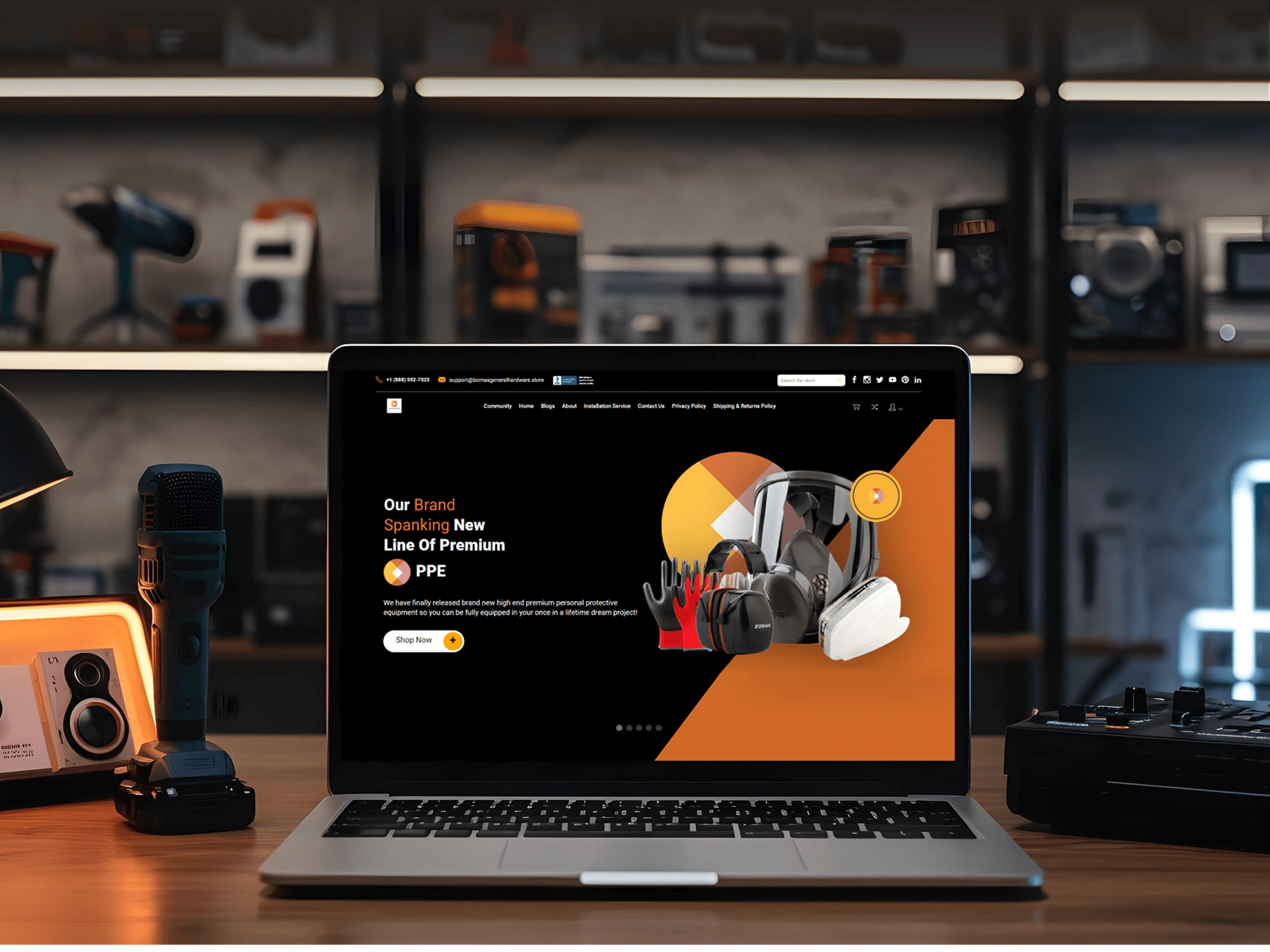
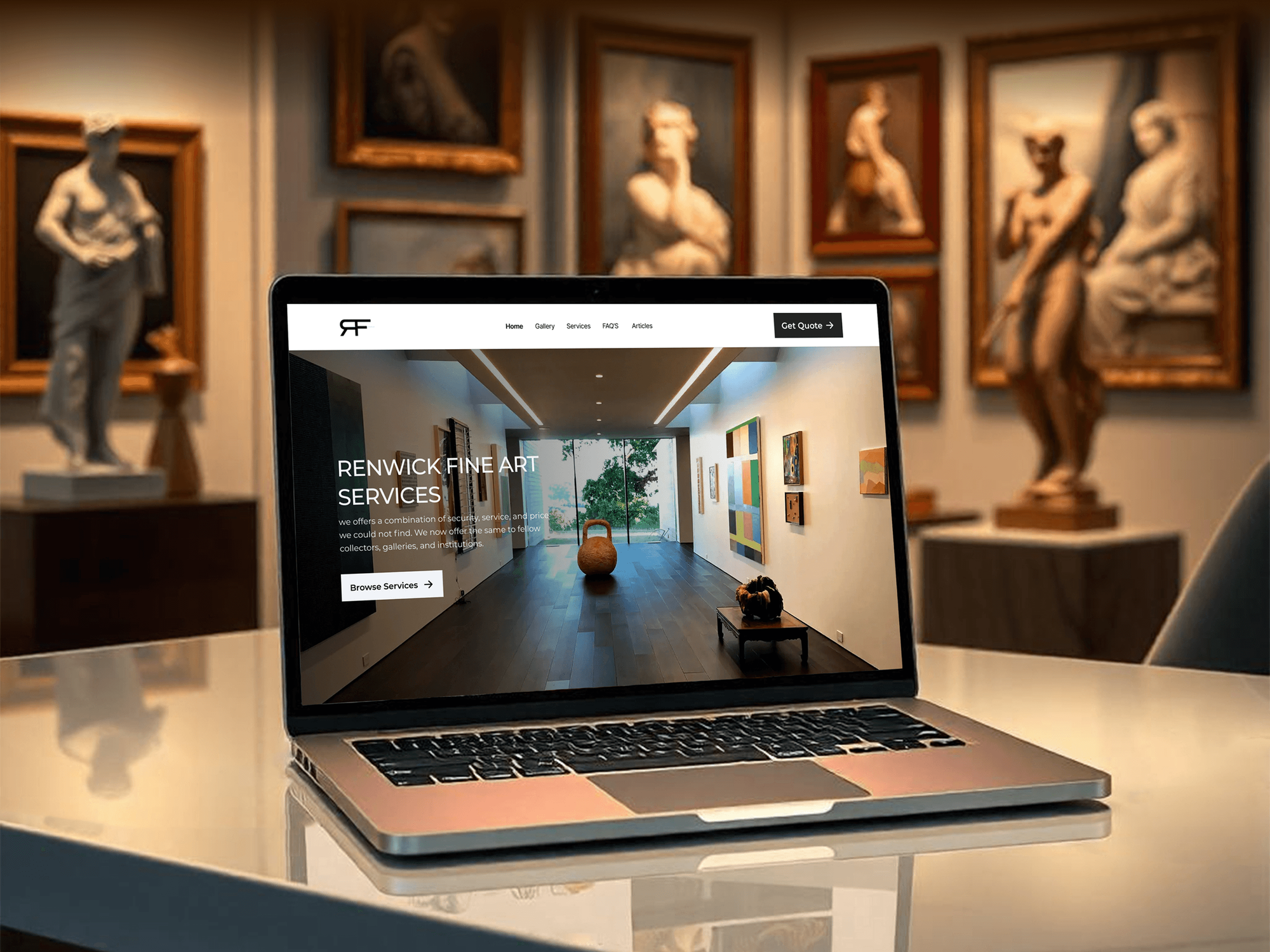
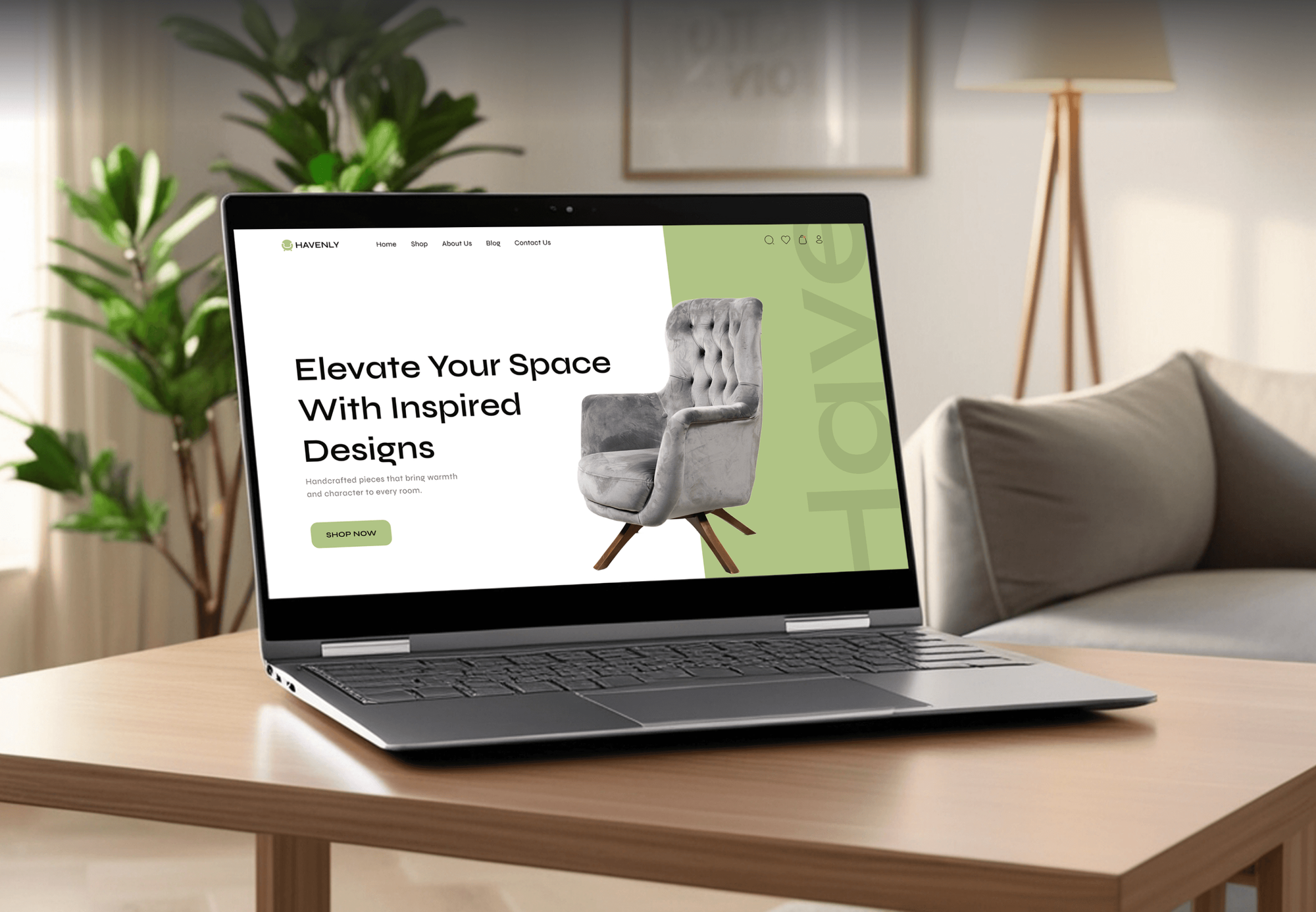
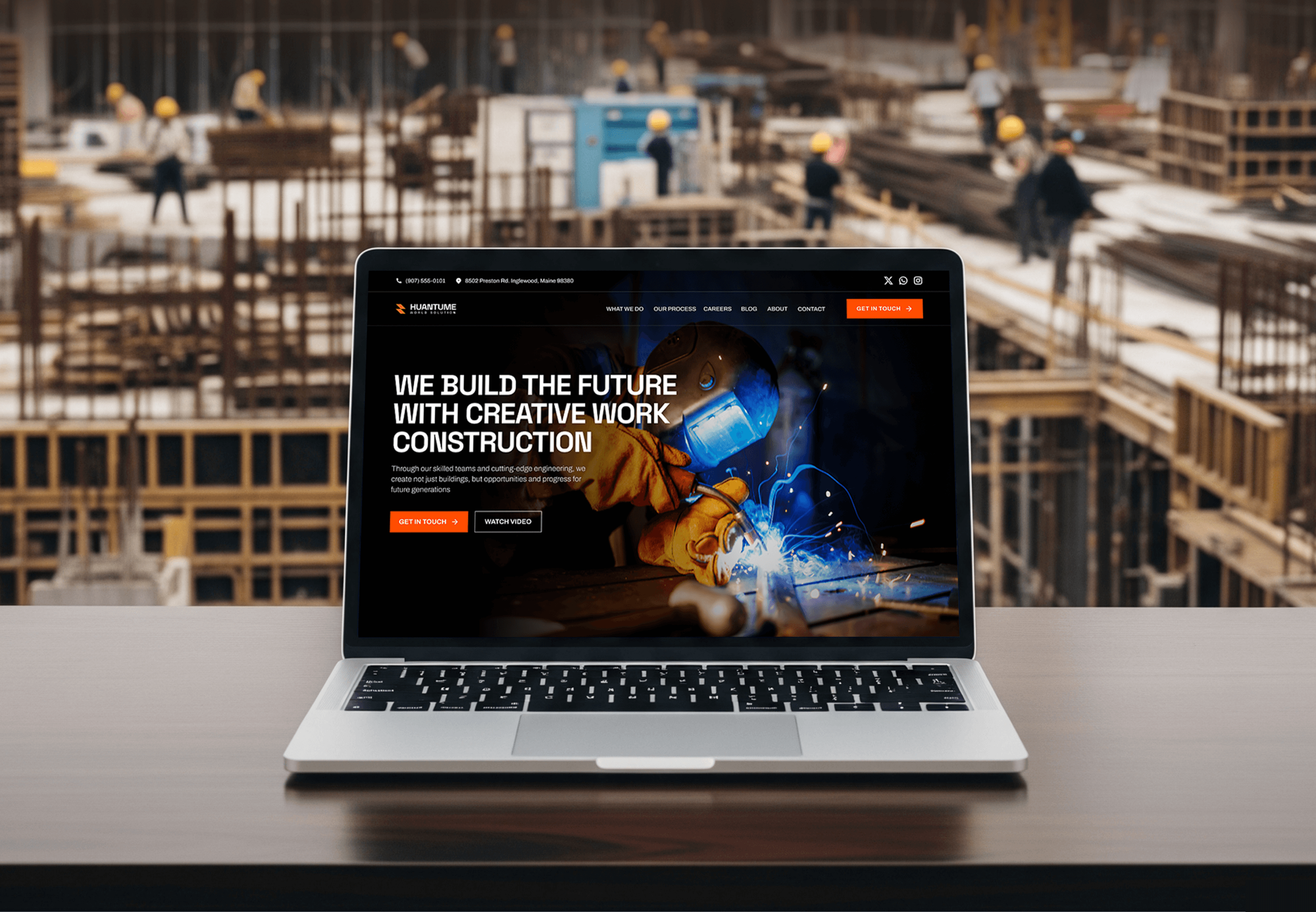
Hardware catalog, fine art shipping and crating, furniture, and construction websites from our portfolio. None was an import or export business, but each presents products or services to careful buyers.
What Our Clients Say
Feedback from teams we have built websites for.
We had a pretty specific idea of what we wanted our website to become, but I wasn’t sure how easily we could explain all of it to a development team. There were quite a few moving parts, and we were working toward a deadline, so I expected a few things to get lost along the way. That never really happened. They understood what we were trying to achieve, kept us updated throughout the process, and got everything ready within the agreed timeline. The final site feels much easier to navigate, works beautifully on mobile, and is noticeably smoother for our customers. It was a huge relief seeing the original idea actually turn into the website we had in mind.
The mobile experience is probably my favourite part of the new site. We had spent a lot of time making sure the desktop version looked right, and the team kept pushing us to think about how everything would actually feel on a phone too. They were right. The navigation is clean, the interactions feel natural, and everything we’ve tested so far works exactly as it should. They also went through the links, forms, integrations, and other details more than once before launch, which I really appreciated. And even after going live, we could still reach out when something came up. The whole process felt friendly, organised, and surprisingly straightforward.
What I appreciate most is that the website is actually easy for us to manage now. We can update content ourselves instead of sending a developer a message every time we need to change something small. They also paid attention to the technical SEO side, which mattered to us because we didn’t want a new website to create problems for the traffic we already had. I’ve probably asked more questions than I should have since launch, but every question has been handled patiently and without any fuss. The team is easy to work with, they explain things clearly, and when we need something changed, they focus on getting it done rather than making the process complicated.
1,250+
Projects shipped
10+
Years of experience
Top 3%
Upwork Top Rated Plus
5 stars
Average review score

Want results like these?
Tell us what you are building. You get a reply within 24 hours on business days, then a written estimate.
Work Culture
Your buyers are often in another country and careful with new suppliers. These habits keep your specs accurate, your claims verifiable, and your RFQs complete.
Customs broker licenses, FMC registration, AEO, or CTPAT status appear only when you confirm them. Compliance teams verify these, and a wrong one ends the conversation.
We import specs from your own spreadsheet rather than retyping them. Fewer manual edits mean fewer wrong MOQs or lead times reaching buyers.
The RFQ form uses Incoterms 2020 rules, and sea-only rules like FOB and CIF are labeled that way. Quotes then start with the same shipping terms on both sides.
If a marketplace storefront already brings all the buyers you can serve, we'll tell you before we quote. Your own site pays off when buyers want to verify you independently.
Your catalog and RFQ form work around the clock, and auto-replies tell buyers when your team will answer. Nobody waits a day wondering whether the form worked.
Domain, hosting, CRM, and every RFQ sit in your company's accounts. Unlike a marketplace listing, your buyer contacts stay with you if you change vendors.
Overview
DeveloperLook provides import export website design for importers, exporters, and trading companies. Each site includes a catalog with spec sheets from your spreadsheet, an RFQ form with Incoterms and port, a verification page, and pages in your buyers' languages. Projects start at $1,250 and launch in 3 to 10 weeks, with fixed pricing and accounts you own.
DEVELOPERLOOK
Project facts · Import and Export Business Website Design
Reviewed 8 Oct 2026 by Saimul Islam
Good fit
Exporters selling to new markets
You make or source products for buyers abroad, and your site is a single page that doesn't mention MOQs, lead times, or shipping terms.
Importers and wholesale distributors
You import goods and sell them to retailers, and buyers need your catalog, availability, and wholesale terms before they open an account.
Sourcing agents and trading companies
You connect overseas factories with buyers, and you need import and export business websites that show your vetting process and factory network.
Agricultural and food exporters
You export spices, coffee, or seafood, and buyers ask for certificates, packaging options, and harvest seasons before they send an RFQ.
Manufacturers' export departments
Your export team needs its own section of the company site, with spec sheets, distributor inquiries, and pages in your target markets' languages.
Not a fit
Repeat wholesale ordering
Your buyers already know you and need to place repeat orders online. B2B Ecommerce Website Development fits that ordering flow better.
Freight or logistics firm
You move goods for others as a forwarder, broker, or carrier. Logistics Company Website Design covers that buyer and its quote flows.
Factory site, no exports
You manufacture mainly for your home market and want plant capability pages. Manufacturing Website Design covers that scope.
Budget under $1,250
Your budget is under $1,250, or a marketplace storefront brings enough inquiries. Keep it until buyers start asking to verify you directly.
Not sure we're the right fit?
Book a free call or message us. We'll tell you honestly whether we're the right team.
Pricing
These are starting points in USD. Your final price depends on catalog size, site languages, and RFQ routing, and you get a fixed proposal after a free discovery call.
For trading companies and sourcing agents that need a credible catalog and a real RFQ form.
$1,250one-time, USD
For exporters and manufacturers' agents with larger catalogs and buyers in several regions.
$3,100one-time, USD
For established importers and exporters with distributors, trade shows, and catalogs in many markets.
$6,200one-time, USD
For Agencies
You own the client relationship. We design and build trading company sites under your brand: spec catalogs imported from spreadsheets, RFQ forms with shipping terms, and multilingual pages tested before handoff.
White label: your client only ever sees your brand
Send the client's product spreadsheet, target markets, languages, and brand files.
We return a fixed quote, a catalog plan, and one lead developer.
We build, test RFQs in every language, and hand the site over under your brand.
We work behind your brand, so the trading company stays your client.
We clean and import product spreadsheets, so your team skips the data entry.
Senior developers build catalogs, RFQ routing, and hreflang setups for every market.
Take on export and B2B clients without hiring catalog specialists.
The Right Technology for Your Project
We build on WordPress or Webflow, import catalogs from the spreadsheets you already keep, and route RFQs into the CRM your sales team uses.
 Figma
 WordPress
 Webflow
 Tailwind CSS
 Google Sheets
 HubSpot
 Algolia
 Slack
 Cloudflare
 WP Engine
 Lighthouse
 Google Search Console
 Google Analytics (GA4)
 Google Tag Manager
 Semrush
FAQ
Straight answers on cost, timing, catalogs, Incoterms, HS codes, and languages for import and export business websites.
Saimul IslamFounder & CEO, DeveloperLookStill have questions?
Send a message or book a call with the team.
Our trading company sites start at $1,250 for up to 10 pages with a 50-item catalog, spec sheets, and an RFQ form. Exporter catalogs with up to 300 items in 3 languages start at $3,100, and global trade sites at $6,200. You get a fixed quote after a free discovery call.
Most import and export business sites launch in 3 to 10 weeks. A site with up to 50 products takes 3 to 4 weeks. Large catalogs in several languages take 6 to 10 weeks, mostly because spreadsheets need cleaning and translations need review. A clean product spreadsheet saves the most time.
Start with your product data and your buyers' questions. Clean the spreadsheet into catalog fields: HS code, MOQ, packaging, and lead time. Then write a company verification page and an RFQ form that asks for quantity, Incoterms rule, and destination port. Translate key pages for your main markets and launch with hreflang.
Proof, specs, and terms. Buyers want your registration details, facility or warehouse photos, and certificates such as ISO 9001 if you hold them. They also want MOQs, lead times, packaging options, and the shipping terms you quote, so they can compare you with suppliers they already know.
Offer the Incoterms 2020 rules you actually quote, as published by the International Chamber of Commerce. Common choices are EXW, FCA, FOB, CIF, and DAP. FOB and CIF apply only to sea and inland waterway transport, so the form labels them as sea-only to avoid mismatched quotes.
Yes, when you know them. The Harmonized System, maintained by the World Customs Organization, gives each product type a 6-digit code that buyers use to estimate duties and check import rules. We add an HS code field to each product, and your team confirms the codes, since a wrong one can delay customs clearance.
Usually not as fixed public prices. B2B buyers expect quotes based on quantity, terms, and destination, so public pages show MOQs and price breaks only if you want them. A password-protected distributor area can hold price lists for approved buyers, which keeps your margins private.
Start with the languages of your top 2 or 3 markets. Each version gets its own URL and hreflang tags, and a native speaker reviews product names and specs before launch. Adding languages later is simple when the site is built for it from the start, so you don't need every market on day one.
With details buyers can check. A verification page shows your registered company name and address, registration numbers, facility photos, and certificates you hold. Customs broker licenses, FMC registration, or CTPAT status appear only when you confirm them, because buyers' compliance teams often verify these independently.
Support lasts 30, 45, or 60 days after launch, depending on your plan. It covers fixes, catalog import questions, and RFQ routing changes. After that, your team updates products from a spreadsheet, or a care plan handles updates. Your domain, hosting, and buyer data stay in your company's name.
Saimul IslamFounder & CEO, DeveloperLookStill have questions?
Send a message or book a call with the team.
Free 30-min callGoogle Meet
Book a call
In 30 minutes on Google Meet we walk you through how we would build it, how long it takes and what it costs. Then you get a written estimate.
Calendar not showing? Book on cal.com or send a brief.