

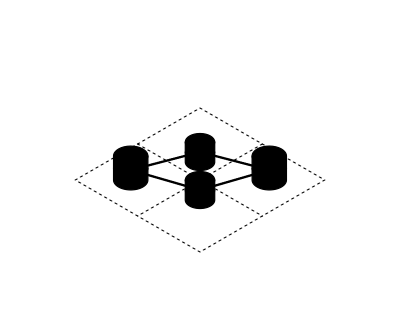

Client data map
Every system holding nonpublic information listed, from the AMS and carrier portals to raters and email.

For independent agencies and brokers who need a written security program that matches their state's version of the model law, with fixed-price work from $600.
100%
Model law sections mapped
1page
Notice clock for your state
How your project runs
01 · FreeTeams we have built for:














The Problem
It surfaces when a carrier's agency agreement asks about your security program or your state passes its insurance data security law. A producer's mailbox sending odd requests to clients does it too.
Shared admin
Three people share the agency management system admin login.
Shared admin
Named logins with MFA, plus one admin account for the principal or operations lead.
Attachments
Dec pages and license numbers travel as plain email attachments.
Attachments
Client documents sent through your portal or encrypted email instead of open attachments.
Vendor terms
Raters and e-signature tools hold data with no terms on file.
Vendor terms
A vendor file for each service provider, with its security terms and next review date.
Notice clock
Nobody knows the deadline for telling the commissioner.
Notice clock
A one-page notice clock for each state where your agency holds a license.
Your producers quote in EZLynx, bind in carrier portals, and email dec pages with driver's license numbers attached. Three people share the HawkSoft admin login. A comparative rater and an e-signature tool hold client data, but nobody has their security terms on file. Then a carrier's agency agreement asks for your written information security program, and your state expects notice to the commissioner within days of a cybersecurity event. Leave it, and the first time you read the rules may come after a producer's mailbox is already forwarding client files.
We start with the rules your state actually adopted, then map where client data sits: the agency management system, carrier portals, raters, email, and file shares. From there we write the program the model law asks for, around the tools you already use, and switch on the safeguards it describes. You get a program that matches how your agency works, not a template written for a bank.
Your state's version first
We work from the law your state passed, not only the NAIC model text.
A written program that fits
Risk assessment, policies, and incident steps written around your AMS and carrier portals.
Commissioner notice ready
A one-page clock for your state's notice deadline, showing who calls whom and when.
Our Insurance Agency Cybersecurity Process
You confirm which states and rules apply first, approve the data map, then review every policy and safeguard before your principal signs the program.
We go over your states of license, headcount, agency management system, and the carriers asking questions. You leave with a fixed quote. Captive agents already covered by a carrier's program may not need their own, and we'll say so before we quote.
What's Included
Everything the model law asks an agency to keep on file, written for your size: risk assessment, security program, incident response plan, vendor oversight file, notice clock, and the safeguards behind them.
Compare Options
A policy template and your IT provider each cover part of model law compliance at a lower cost. Here is where each one is enough and where an agency still needs the two joined up.
| Feature | DeveloperLookBest fit | Policy template | IT provider |
|---|---|---|---|
| Planning | Free call, fixed written scope | Download and fill in | Monthly contract, scope varies |
| State rule check | Your state's version and deadlines | Model text or generic | Not usually covered |
| Risk assessment | Written for your systems | Blank worksheet to complete | Technical scan only |
| Written program | Fits your AMS and carriers | Generic policies to edit | Rarely written |
| Vendor oversight | File for each service provider | Checklist only | Their own tools only |
| MFA and access | Switched on and documented | Not included | Often their strongest area |
| Cost | Fixed price from $600 | Lowest upfront cost | Inside the monthly fee |
| Your records | Signed program stays yours | Yours, if you finish it | Kept in their systems |
Projects We've Built
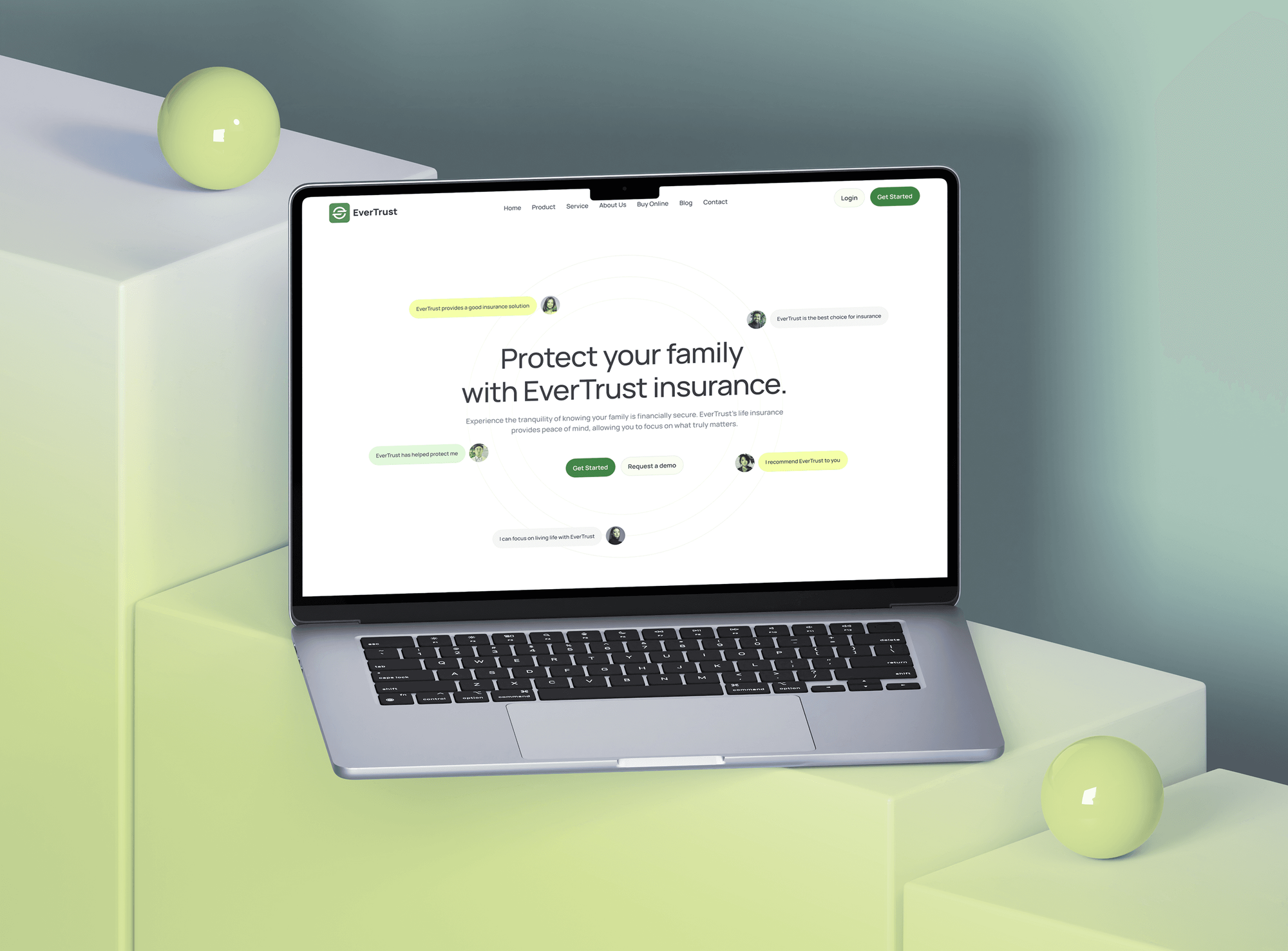
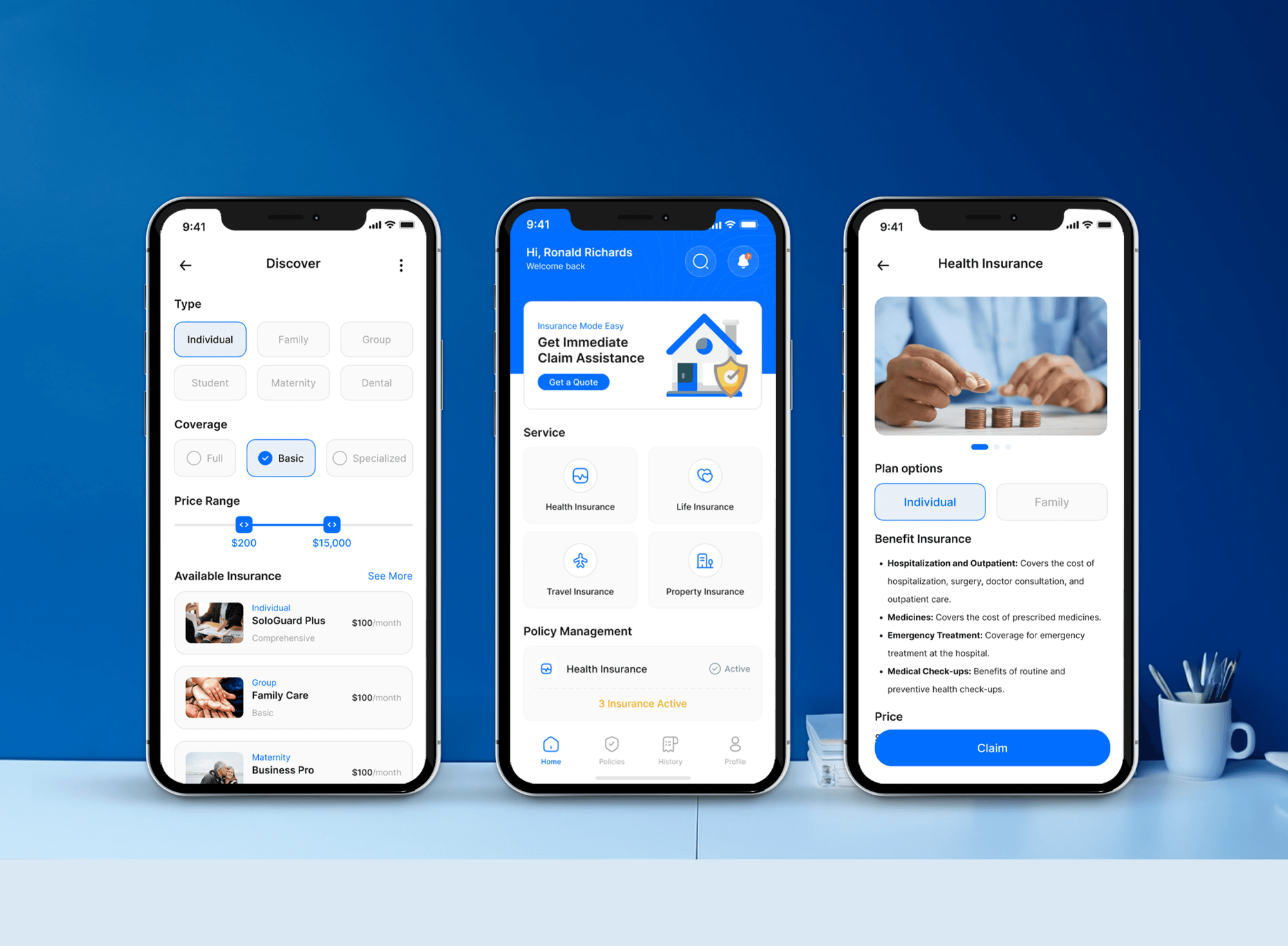
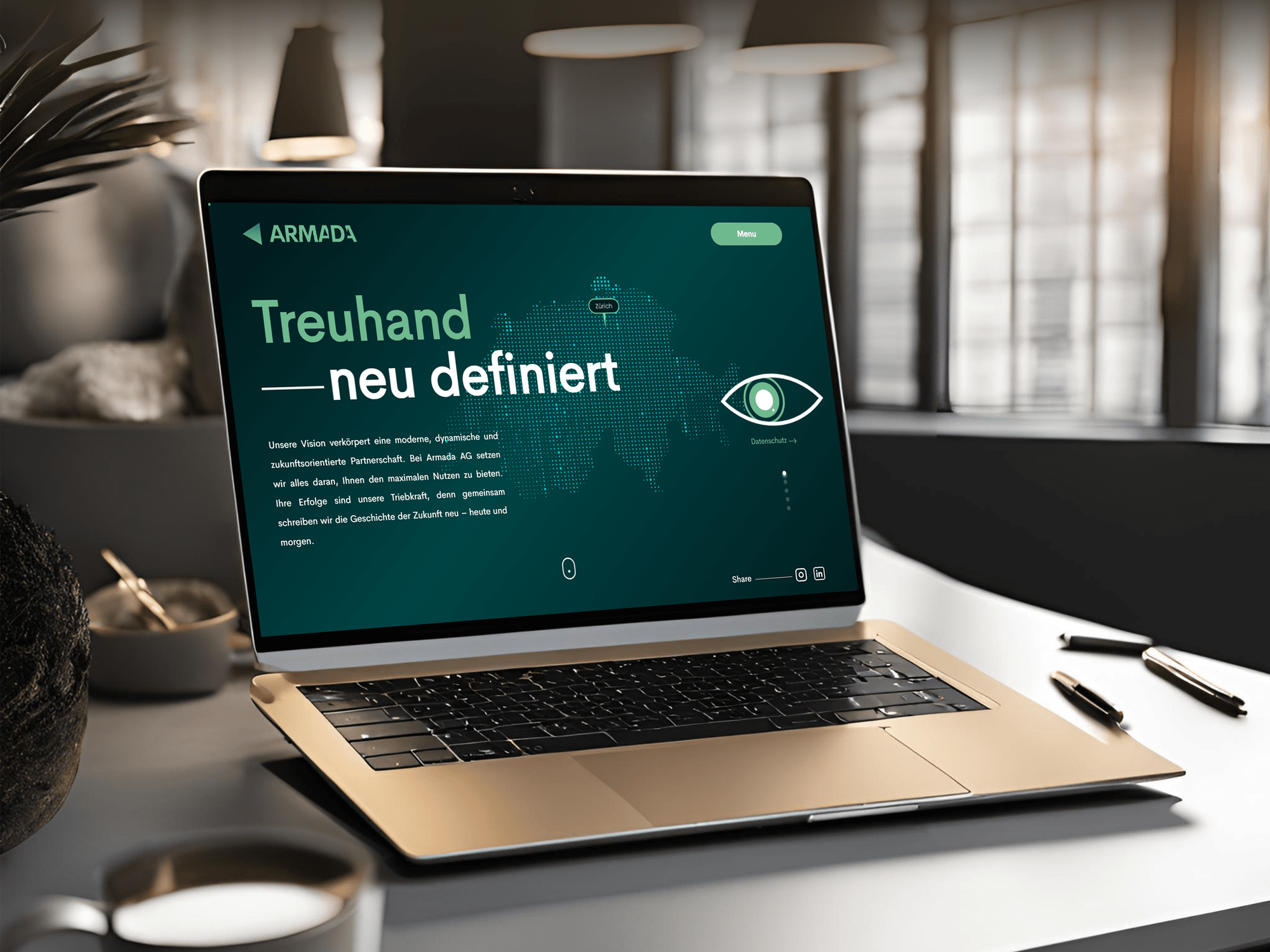
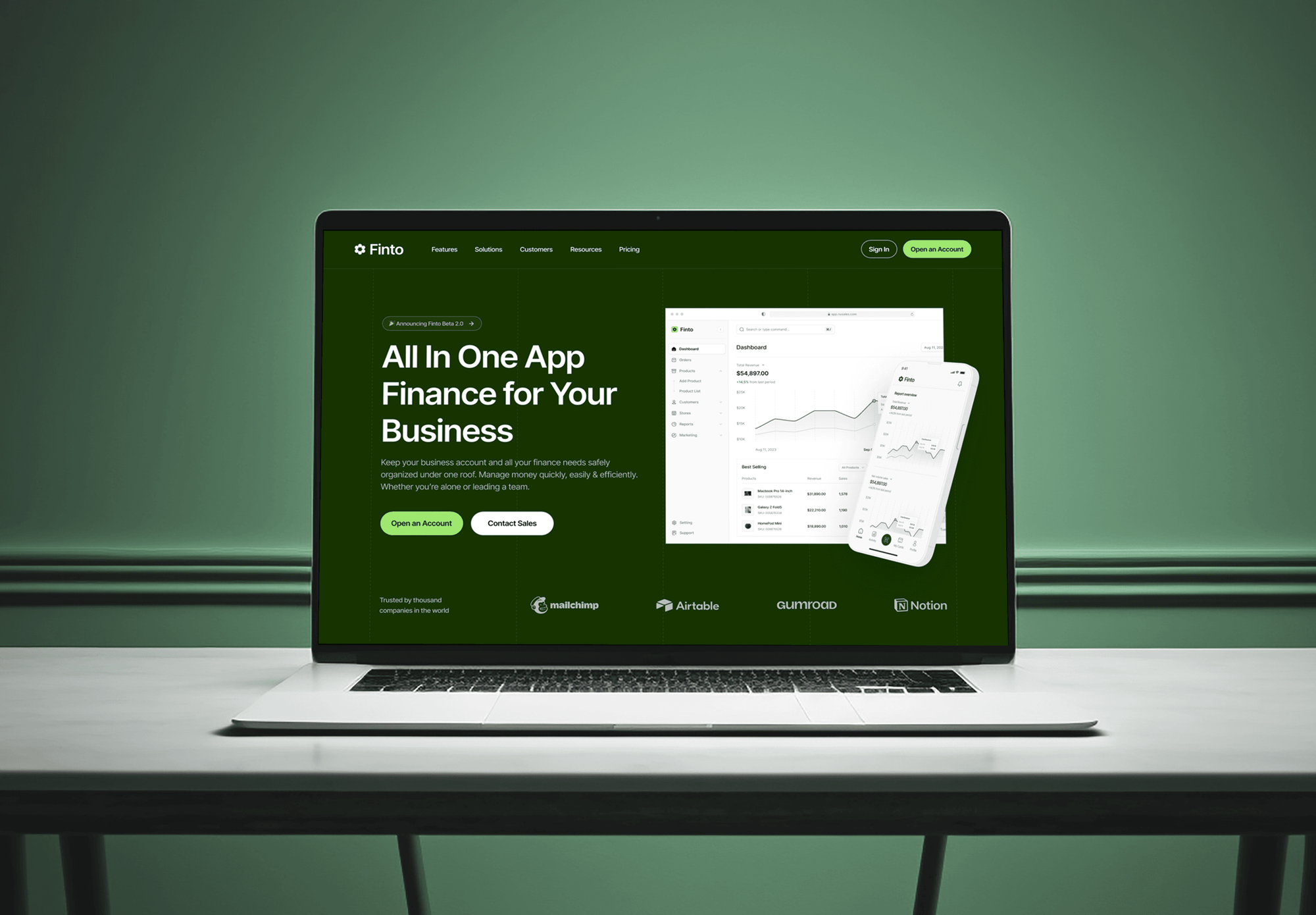
These insurance and financial services websites and apps were design and build projects for their owners. None of them was a security or compliance engagement.
What Our Clients Say
Feedback from teams we have built websites, apps, and client portals for.
We had a pretty specific idea of what we wanted our website to become, but I wasn’t sure how easily we could explain all of it to a development team. There were quite a few moving parts, and we were working toward a deadline, so I expected a few things to get lost along the way. That never really happened. They understood what we were trying to achieve, kept us updated throughout the process, and got everything ready within the agreed timeline. The final site feels much easier to navigate, works beautifully on mobile, and is noticeably smoother for our customers. It was a huge relief seeing the original idea actually turn into the website we had in mind.
The mobile experience is probably my favourite part of the new site. We had spent a lot of time making sure the desktop version looked right, and the team kept pushing us to think about how everything would actually feel on a phone too. They were right. The navigation is clean, the interactions feel natural, and everything we’ve tested so far works exactly as it should. They also went through the links, forms, integrations, and other details more than once before launch, which I really appreciated. And even after going live, we could still reach out when something came up. The whole process felt friendly, organised, and surprisingly straightforward.
What I appreciate most is that the website is actually easy for us to manage now. We can update content ourselves instead of sending a developer a message every time we need to change something small. They also paid attention to the technical SEO side, which mattered to us because we didn’t want a new website to create problems for the traffic we already had. I’ve probably asked more questions than I should have since launch, but every question has been handled patiently and without any fuss. The team is easy to work with, they explain things clearly, and when we need something changed, they focus on getting it done rather than making the process complicated.
1,250+
Projects shipped
10+
Years of experience
Top 3%
Upwork Top Rated Plus
5 stars
Average review score
1,250+
Projects shipped
10+
Years of experience
Top 3%
Upwork Top Rated Plus
5 stars
Average review score

Want results like these?
Tell us what you are building. You get a reply within 24 hours on business days, then a written estimate.
Work Culture
We write for agencies, not banks: plain policies, controls inside the tools your producers use, and work timed around renewals. These habits keep compliance from slowing down quoting.
We avoid login changes in your heaviest renewal weeks and around January 1 effective dates. Producers keep quoting while the program comes together.
We check your state's version of the law before writing any policy. Deadlines and exemptions differ, and your program has to match yours.
Every policy reads like instructions your CSRs can follow. If a sentence needs a lawyer to decode it, we rewrite it.
You know the price for your staff and offices before work starts. Extra states or offices are quoted up front.
Nothing becomes final until your principal or operations lead approves it. The program is yours, with your chosen person named as responsible.
We build programs and safeguards, not legal opinions. When a question needs your attorney or the insurance department, we tell you which one.
Overview
DeveloperLook builds NAIC Insurance Data Security Model Law programs for independent agencies and brokers. We map client data, write the risk assessment, security program, incident plan, and vendor file, and switch on MFA in your AMS and carrier portals. Projects start at $600, most agencies finish in 4 to 6 weeks, and your principal signs off every document.
DEVELOPERLOOK
Project facts · Insurance Agency Cybersecurity
Reviewed 27 Oct 2026 by Saimul Islam
Good fit
Independent P&C agencies
Your agency of 12 to 40 staff writes personal and commercial lines in Applied Epic, and a carrier agreement now asks for your written security program.
Agencies in model law states
Your state passed its insurance data security act, and you need to know which sections apply to an agency your size and which deadlines to plan for.
Benefits and life agencies
Your team handles health and financial details for group clients, and you want the program to cover benefits portals and enrollment files too.
Agencies after an email takeover
Your producer's mailbox started sending fake invoices to clients, and you need incident steps and a notice clock before it happens again.
MSPs serving insurance agencies
Your IT firm supports independent agencies and needs a white-label partner for cybersecurity for insurance agencies under your name.
Not a fit
New York DFS licensee
You hold a New York license and answer to 23 NYCRR Part 500 first. NYDFS Cybersecurity Regulation Compliance is built for that rule.
Not an insurance business
You run a CPA firm, tax practice, or other small office that needs an FTC Safeguards plan. Written Information Security Plan (WISP) fits that better.
Cyber policy application only
You only need answers and controls for a cyber insurance application or renewal. Our Cyber Insurance Readiness page covers that narrower job.
A legal opinion on duties
You need a legal opinion on how your state's law applies to your agency. That's your attorney's job, and we build the program once duties are clear.
Not sure we're the right fit?
Book a free call or message us. We'll tell you honestly whether we're the right team.
Pricing
These are starting points in USD. Your final price depends on headcount, offices, and the states where you hold licenses, and you get a fixed proposal after a free agency call.
For Agencies
You own the agency client and their IT or compliance relationship. We supply the work behind it: the data map, risk assessment, written program, vendor file, and MFA rollout, delivered under your brand for your client's principal to sign.
White label: your client only ever sees your brand
Share headcount, states of license, and systems, and we scope it within 2 business days.
You get one white-label price and one named engineer per agency.
We deliver the program and safeguards ready for your client to sign.
Share headcount, states of license, and systems, and we scope it within 2 business days.
You get one white-label price and one named engineer per agency.
We deliver the program and safeguards ready for your client to sign.
The Right Technology for Your Project
These are the agency management systems, carrier tools, and identity tools an agency program covers. We secure what your producers and CSRs already use every day.
Related Services
Agencies that finish this work often add NYDFS compliance, a cyber insurance review, or a CRM setup. Each page below covers one of those next steps.
This page
Insurance Agency Cybersecurity
Pairs with the 6 services around it
FAQ
Straight answers on cost, timing, model law duties, state adoption, Connecticut, and keeping client data safe.
Saimul IslamFounder & CEO, DeveloperLookStill have questions?
Send a message or book a call with the team.
Our agency work starts at $600 for a model law gap review covering up to 15 staff. The $1,650 plan writes the full program, incident plan, and vendor file and switches on MFA for up to 40 staff. Agencies with up to 120 staff and several offices start at $3,350, with a fixed quote after the free call.
Most single-office agencies finish in 4 to 6 weeks. Mapping and the risk assessment take about 2 weeks, and the written program and MFA rollout take 2 to 3 more. Multi-office agencies with licenses in several states take 6 to 10 weeks, because each state's version gets its own notice clock.
Find where it lives, then lock each place down. Client data sits in your agency management system, carrier portals, raters, email, and shared drives. Each one needs named logins with MFA, access limited by role, and encryption on laptops. Client documents should move through a portal rather than open email attachments.
The core practices are named logins with MFA, least-privilege access, encrypted devices, and a written rule for sending client documents. Add a vendor file for every service provider, a tested backup of the AMS, and same-day removal of access when someone leaves. These match what carrier security questionnaires usually ask agencies to show.
Give one person the job, then run a yearly cycle. The model law asks for a designated responsible person, who in practice reviews the risk assessment, vendor file, and user access each year and schedules staff training. Our handover includes a calendar, so each review lands before your busy renewal season.
An ISP complies when it's written, based on your own risk assessment, and sized to your agency. It needs a responsible person, safeguards for your systems, staff training, third-party service provider oversight, and an incident response plan. A generic template falls short when it doesn't describe the systems you actually run.
Model 668, adopted by the NAIC in 2017, gives licensees three core duties. They keep a written security program based on a risk assessment and investigate any cybersecurity event. They also notify the commissioner within 72 hours of determining one occurred, when set conditions apply. Licensees with fewer than 10 employees are exempt from the program section.
Adoption happens state by state, so check your own insurance department first. States with versions in force include Connecticut, Ohio, Michigan, Virginia, Pennsylvania, and Wisconsin, and the NAIC keeps a current adoption map. Each state's insurance data security law can change deadlines and exemptions, so we work from your state's own text.
Its notice clock is shorter and starts earlier. Connecticut gives licensees 3 business days after the cybersecurity event itself to notify the commissioner, while the model allows 72 hours from determining that an event occurred. Connecticut agencies should rehearse those notice steps, since the clock can run before the investigation finishes.
Your designated responsible person does, using the yearly calendar we leave behind. It lists when to redo the risk assessment, review vendors and user access, and train staff. For 30 days after handover we answer questions from you or a carrier's reviewer, and a yearly refresh is quoted separately if you want help.
Saimul IslamFounder & CEO, DeveloperLookStill have questions?
Send a message or book a call with the team.
Free 30-min callGoogle Meet
Book a call
In 30 minutes on Google Meet we walk you through how we would build it, how long it takes and what it costs. Then you get a written estimate.
Calendar not showing? Book on cal.com or send a brief.