







Exemption and scope check
Licence, headcount, revenue, and asset tests applied, so you scope only the sections that bind you.

For insurers, agencies, lenders, banks, and money transmitters licensed by NYDFS: Part 500 evidence your executive and CISO can sign, with the gaps closed first.
100%
Applicable sections tied to evidence
2,025
Final Part 500 deadlines checked
How your project runs
01 · FreeTeams we have built for:














The Problem
It shows up before the annual filing, when your CEO and CISO must sign that the firm materially complied. The proof sits in five different inboxes.
Exemption
Nobody checked whether the limited exemption applies.
Exemption
We test headcount, revenue, and total assets against 500.19(a) before scoping.
MFA
MFA covers remote access, but not every user.
MFA
MFA for every person who signs in, or compensating controls your CISO approves in writing.
Inventory
The asset inventory is a spreadsheet nobody updates.
Inventory
An inventory with owners, locations, classifications, support dates, and recovery targets.
Vendors
Vendors with customer data skipped your security questions.
Vendors
A service provider policy and a review for each vendor that touches nonpublic data.
It's March, and DFS wants your annual filing by April 15. Your CEO asks one question: can we honestly sign? The risk assessment is two years old. MFA covers remote access but not every user, which most covered entities have needed since November 1, 2025. The asset inventory lives in a spreadsheet nobody updates. A vendor with customer data ignored your security questions. DFS accepts an acknowledgment of noncompliance with a remediation timeline, but only if you know where the gaps are.
We start with your licence and headcount, because a 500.19(a) limited exemption changes which sections apply. Then we map every applicable section to evidence: a policy, a screenshot, a log, or a signed report. Gaps get fixed in order of filing risk, starting with MFA for every user and the asset inventory. Your executive and CISO sign a certification backed by a binder, not by hope.
Exemption checked first
A 500.19(a) limited exemption changes which sections apply, so we confirm it before scoping anything else.
Evidence for every section
Each applicable section maps to a policy, setting, log, or report your signers can open.
A filing calendar you keep
The April 15 filing, yearly reviews, and 72-hour notice steps sit on one calendar with owners.
Our NYDFS Cybersecurity Regulation Compliance Process
You confirm the licence facts, approve the gap list and fix order, and review the evidence binder before your executive and CISO sign anything.
We ask which DFS licence you hold, your headcount, revenue, and total assets. You learn whether a limited exemption likely applies and which sections to scope, and you get a fixed quote.
What's Included
Each project covers the exemption check, a gap review, the program documents your plan includes, the technical fixes, and an evidence binder organized by section.
Compare Options
Counsel reads the rule best, and your IT provider runs your systems. Here is where each fits in NYDFS cybersecurity regulations work, and where each one stops.
| Feature | DeveloperLookBest fit | Law firm | Managed IT provider |
|---|---|---|---|
| Exemption analysis | Facts gathered, counsel confirms | Strong legal reading | Rarely in their scope |
| Gap review | Every section, checked against evidence | Policy level, often by interview | Controls they manage |
| Policies | Written to match your systems | Strong on legal wording | Usually generic templates |
| Technical fixes | MFA, inventory, and logging set up | Not their role | Strong, if in their contract |
| Evidence binder | Filed by section for signers | Varies by firm | Exports on request |
| Legal advice | No, we refer to counsel | Yes, their core work | |
| Cost | Fixed price from $1,100 | Hourly legal rates | Often inside monthly fees |
| Daily monitoring | Handed back with a calendar | Not included | Strong, runs every day |
Projects We've Built
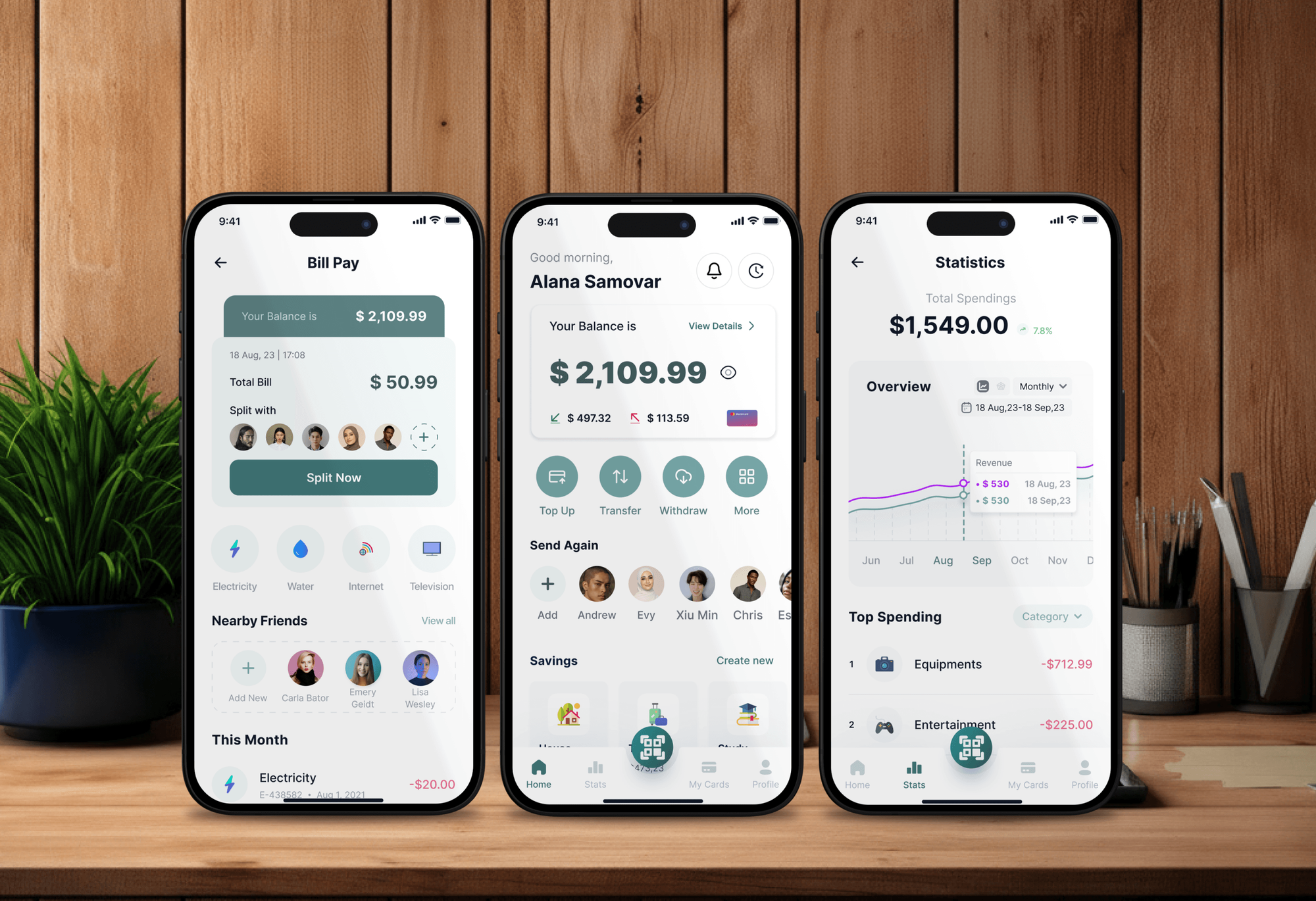
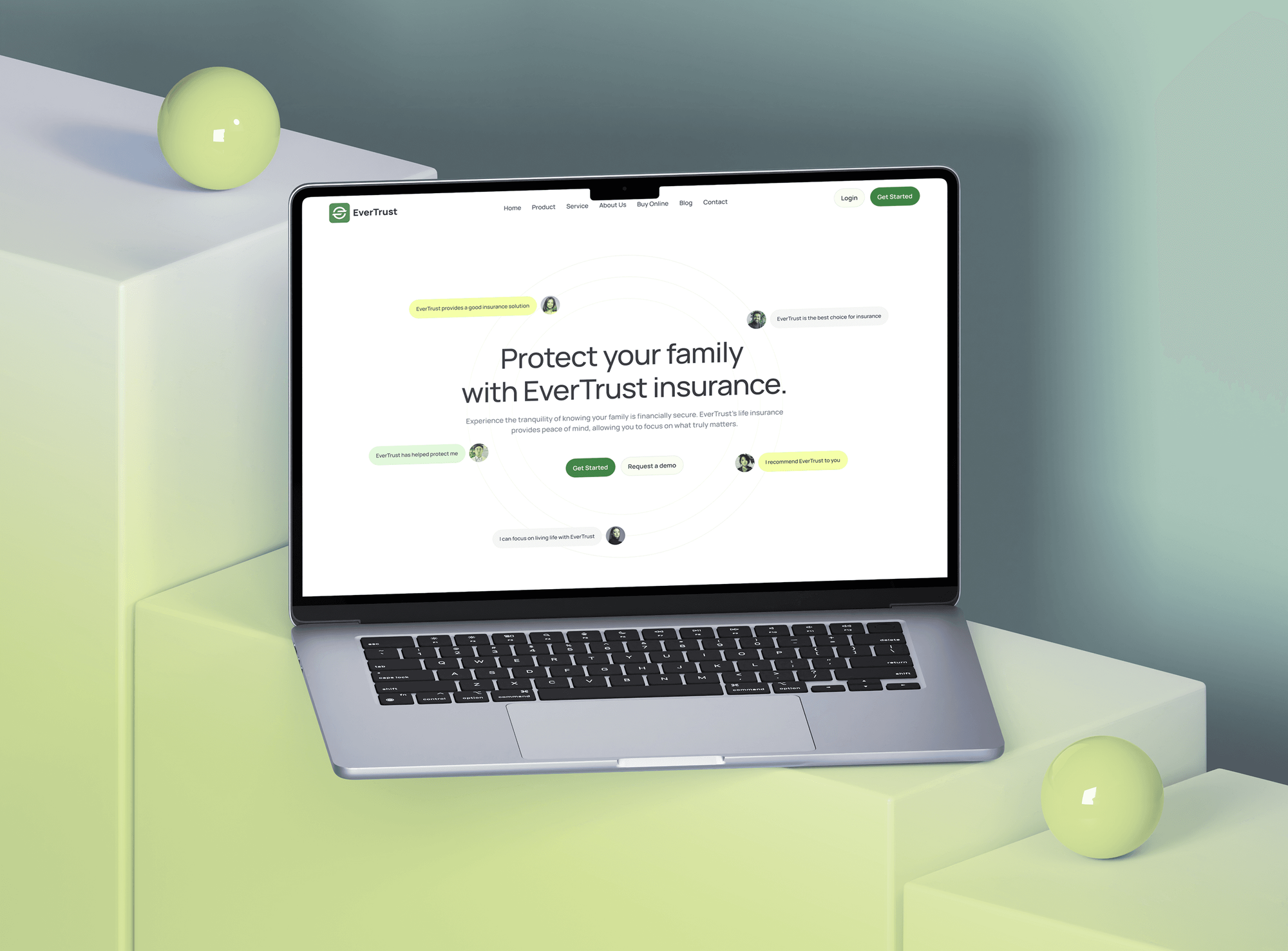
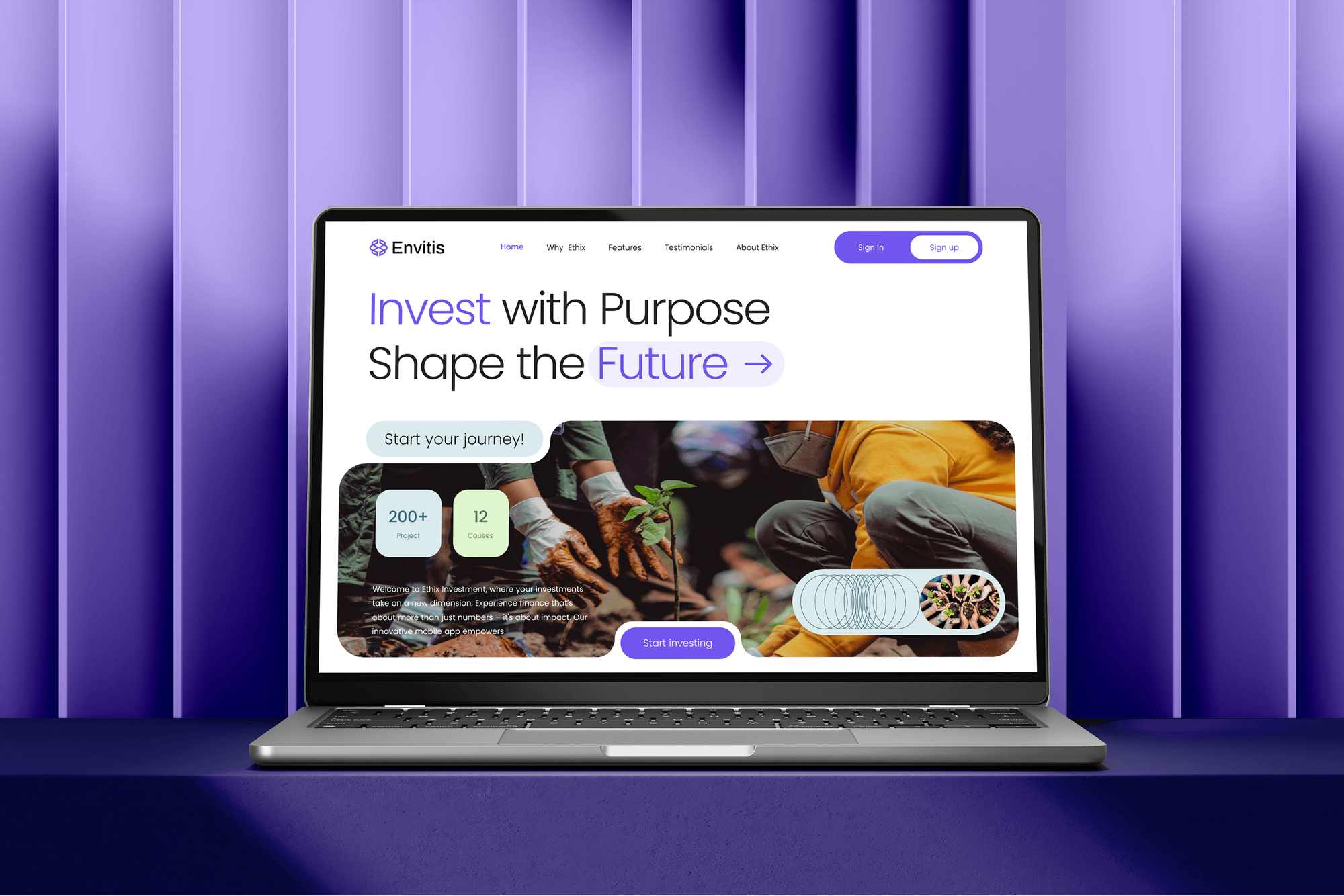
Fintech, investment, finance app, and insurance platforms we designed and built for financial firms. They show our work on regulated products, not past Part 500 projects.

What Our Clients Say
Feedback from teams we have built platforms, apps, and websites for.
We had a pretty specific idea of what we wanted our website to become, but I wasn’t sure how easily we could explain all of it to a development team. There were quite a few moving parts, and we were working toward a deadline, so I expected a few things to get lost along the way. That never really happened. They understood what we were trying to achieve, kept us updated throughout the process, and got everything ready within the agreed timeline. The final site feels much easier to navigate, works beautifully on mobile, and is noticeably smoother for our customers. It was a huge relief seeing the original idea actually turn into the website we had in mind.
The mobile experience is probably my favourite part of the new site. We had spent a lot of time making sure the desktop version looked right, and the team kept pushing us to think about how everything would actually feel on a phone too. They were right. The navigation is clean, the interactions feel natural, and everything we’ve tested so far works exactly as it should. They also went through the links, forms, integrations, and other details more than once before launch, which I really appreciated. And even after going live, we could still reach out when something came up. The whole process felt friendly, organised, and surprisingly straightforward.
What I appreciate most is that the website is actually easy for us to manage now. We can update content ourselves instead of sending a developer a message every time we need to change something small. They also paid attention to the technical SEO side, which mattered to us because we didn’t want a new website to create problems for the traffic we already had. I’ve probably asked more questions than I should have since launch, but every question has been handled patiently and without any fuss. The team is easy to work with, they explain things clearly, and when we need something changed, they focus on getting it done rather than making the process complicated.
1,250+
Projects shipped
10+
Years of experience
Top 3%
Upwork Top Rated Plus
5 stars
Average review score
1,250+
Projects shipped
10+
Years of experience
Top 3%
Upwork Top Rated Plus
5 stars
Average review score

Want results like these?
Tell us what you are building. You get a reply within 24 hours on business days, then a written estimate.
Work Culture
Your executive and CISO put their names on the filing. These habits keep the evidence honest and the legal calls with your counsel.
We gather the facts on exemptions and gray areas, and your counsel decides. You won't get legal advice dressed up as a security finding.
A section counts as met only when the binder holds proof we can open. Your signers see what a DFS examiner could ask for.
If gaps can't close before April 15, we say so early. An acknowledgment with a remediation timeline beats signing what you can't support.
Part 500 lets a CISO come from an affiliate or an outside provider. We work with yours, and responsibility stays with your firm.
Reviews use read-only roles you can revoke at any time. Change rights are granted per task, then removed when that fix is done.
Once we know your licence and exemption status, you get a fixed quote. Extra entities or affiliates are priced before any work on them.
Overview
DeveloperLook delivers nydfs cybersecurity regulation compliance for DFS licensees, working back from the April 15 filing. We check exemption status, map each applicable Part 500 section to evidence, and close gaps such as MFA for every user and the asset inventory. Projects start at $1,100, take 2 to 14 weeks, and leave legal calls to your counsel.
DEVELOPERLOOK
Project facts · NYDFS Cybersecurity Regulation Compliance
Reviewed 26 Oct 2026 by Saimul Islam
Good fit
Insurance agencies and brokers licensed in New York
Your agency holds a New York producer licence, and you need to know which Part 500 sections still apply under the limited exemption.
Mortgage brokers, bankers, and servicers
Your compliance officer tracks several NYDFS regulations, and the cybersecurity filing keeps landing on someone without IT help.
Out-of-state firms with a DFS licence
Your office is in New Jersey or Texas, but your New York licence means the NY DFS cybersecurity regulation still applies to you.
Money transmitters and licensed lenders
Your firm moves customer funds, and the 72-hour incident notice and 24-hour extortion payment notice need named owners before anything happens.
Firms after a DFS exam finding
Your last DFS examination flagged MFA gaps or an outdated risk assessment, and you need fixes with evidence before the next filing.
Not a fit
Need legal advice
You need a legal opinion on exemptions or enforcement. A New York financial services attorney is the right call, and we can work alongside them.
Bank-wide exam program
You need a full security program mapped to FFIEC handbooks and GLBA. Our Financial Services Cybersecurity page covers that broader exam program.
Want an ongoing CISO
You need someone to act as CISO every month after the filing. Our vCISO Services page covers that ongoing role.
Budget under $1,100
Your budget is under $1,100 and you qualify for the limited exemption with a simple setup. DFS's own requirement checklist is a fair first step.
Not sure we're the right fit?
Book a free call or message us. We'll tell you honestly whether we're the right team.
Pricing
These are starting points in USD. Your final price depends on your exemption status, systems, and vendor count, and you get a fixed proposal after a free licence check.
For Agencies
You own the client relationship. We supply the Part 500 gap reviews, policies, and evidence binders under your brand, so your financial clients get filing-ready work without you hiring a compliance engineer.
White label: your client only ever sees your brand
Send the licence type, headcount, revenue band, and last filing for the client.
We run the exemption check and gap review, then draft the plan for your sign-off.
We fix gaps, assemble the binder under your brand, and brief you before filing.
Send the licence type, headcount, revenue band, and last filing for the client.
We run the exemption check and gap review, then draft the plan for your sign-off.
We fix gaps, assemble the binder under your brand, and brief you before filing.
The Right Technology for Your Project
We work in the identity, device, and logging tools licensees already run, and keep the evidence in tools your team can open.
 AWS
 Microsoft Azure
Related Services
Licensees often add an outside CISO, incident planning, vendor reviews, and staff training to keep the program running after the filing.
This page
NYDFS Cybersecurity Regulation Compliance
Pairs with the 6 services around it
FAQ
Straight answers on cost, timing, exemptions, the April 15 filing, and who the rule covers.
Saimul IslamFounder & CEO, DeveloperLookStill have questions?
Send a message or book a call with the team.
Our NYDFS work starts at $1,100 for an exemption check and a gap review of every applicable section. A program with policies, MFA, the inventory, and an evidence binder starts at $3,500. A build that adds scanning, vendor reviews, and logging starts at $7,300. You get a fixed quote after a free licence check.
A gap review takes 2 to 3 weeks, and a full program takes 6 to 14 weeks. Start by January if gaps exist, because MFA rollouts and vendor reviews need time. If the date is close, we focus on what's true today and help you prepare an acknowledgment with a remediation timeline.
It's the NYS Department of Financial Services cybersecurity regulation, 23 NYCRR Part 500, first issued in 2017 and amended in November 2023. It requires licensed firms to run a risk-based cybersecurity program, report incidents, and file an annual compliance notice by April 15. Many people simply call it the NY cybersecurity regulation.
No. It covers anyone operating under a license, registration, charter, or similar authorization under New York's Banking, Insurance, or Financial Services Law. Location doesn't remove the duty: an out-of-state agency or lender holding a New York licence can still be a covered entity. Your licence type decides it, not your address.
Possibly, in part. The 500.19(a) limited exemption covers firms with fewer than 20 employees and contractors. It also covers firms under $7.5 million in yearly revenue for each of the last three years, or under $15 million in total assets, counting affiliates. Exempt firms still owe a risk assessment, policies, MFA, an inventory, training, and the annual filing.
Two of the last amendment deadlines landed. Covered entities now need MFA for every individual who signs in, unless a CISO approves equivalent controls in writing. They also need an asset inventory with owners, locations, and recovery targets. Limited-exemption firms need MFA at least for remote access, third-party apps with nonpublic data, and privileged accounts.
Each covered entity files by April 15. It's either a certification that the firm materially complied last year, or an acknowledgment of noncompliance listing the gaps and a remediation timeline. The highest-ranking executive and the CISO sign it. We build the binder that shows which evidence supports each section before anyone signs.
You need a qualified person named as CISO, but they don't have to be on your payroll. Part 500 allows a CISO employed by an affiliate or a third-party service provider, while your firm keeps responsibility for compliance. Firms with the limited exemption are excused from the CISO section.
You must notify DFS within 72 hours of determining that a reportable cybersecurity incident occurred. If you pay a ransom, you send a notice within 24 hours of payment and a written explanation within 30 days. We write both steps into your incident plan, with named owners and ready templates.
You get 45 days of questions and filing help after handover, including help with DFS follow-up requests. You also keep a calendar of the yearly duties: policy approval, risk assessment review, access review, and training. If you want ongoing CISO work, our vCISO Services page covers that role.
Saimul IslamFounder & CEO, DeveloperLookStill have questions?
Send a message or book a call with the team.
Free 30-min callGoogle Meet
Book a call
In 30 minutes on Google Meet we walk you through how we would build it, how long it takes and what it costs. Then you get a written estimate.
Calendar not showing? Book on cal.com or send a brief.