
Portfolio and project pages
A grid of your projects, each opening into a page with the brief, before photos, and finished rooms.

For residential designers and small studios: a portfolio site with fast galleries and an inquiry form that screens budget and scope before you book a call, from $1,200.
100%
Inquiries screened by budget
90+
PageSpeed score with full galleries
Teams we have built for:














The Problem
Website design for interior designers has to show taste and earn trust at once. Most studio sites show the taste, then lose the trust with slow galleries and forms that say nothing about fit.
01 · Slow galleries
Full-size photos make your portfolio crawl on phones.
Every image is sized per screen and lazy-loaded below the fold.
02 · No story
Projects show finished rooms with no brief or before photos.
Each project tells the brief, shows the before photos, then the finished rooms.
03 · Poor-fit leads
Inquiries arrive with no budget, scope, or location.
Your inquiry form asks scope, budget range, location, and timing first.
04 · Hidden process
Clients can't see how you work or how you charge.
Services and fee pages explain your process and your fee model plainly.
A homeowner saves three of your rooms on Pinterest and taps through on a phone. Your gallery crawls, then shows a wall of photos with no story behind them. Your contact form asks for a name and a message, so the inquiry reads: love your work, what do you charge? You spend a call learning they want one bathroom refreshed for less than your minimum. Meanwhile, the couple planning a full renovation never found your process page and hired someone else.
We start with the projects that sell the work you want more of. Each one becomes a room-by-room story with the brief, the before photos, and the finished space. Images load in the right size for every screen, so phones stay fast. Your inquiry form asks about scope, budget range, location, and timing before anyone books a call. Discovery calls go to clients who fit, not to explaining your minimum.
Project stories that sell
Room-by-room stories with the brief, before photos, and finished spaces for every featured project.
Galleries that stay fast
Images sized for each screen and lazy-loaded, so phones open your portfolio quickly.
Inquiries that screen fit
Scope, budget range, location, and timing asked before a discovery call gets booked.
Our Interior Design Website Design Process
You approve the sitemap, the project stories, a clickable design, and the inquiry questions before we build. You also learn to add a new project on your own before launch.
We review your best projects, your services, how inquiries arrive today, and the clients you want more of. You get a sitemap, the inquiry questions, and a fixed price before design starts.
What's Included
Every build covers your portfolio, project stories, an inquiry form that screens fit, discovery call booking, and fast images. Larger plans add fee pages, press, a journal, and e-design checkout.
Compare Options
A DIY builder is cheap and easy to edit, and a freelancer can move fast. Both suit some studios. Here's where each falls short once inquiries need screening and galleries need speed.
| Feature | DeveloperLookBest fit | DIY builder | Freelancer |
|---|---|---|---|
| Portfolio structure | Project stories by room | Template gallery grids | Varies by designer |
| Inquiry screening | Budget, scope, and timing asked | Name and message only | Basic form |
| Gallery speed | Images sized per screen | Depends on your uploads | Varies with experience |
| Call booking | Calendly on the thank-you step | Scheduling add-on available | Added if you ask |
| Fee and process pages | Written with you | You write them alone | You write them alone |
| Startup cost | Fixed, from $1,200 | Low monthly plan | Often a lower hourly rate |
| Time to launch | 3 to 8 weeks, by plan | A weekend for basics | Depends on availability |
| Adding new projects | You publish them yourself | Easy drag-and-drop edits | Often needs the freelancer |
Projects We've Built
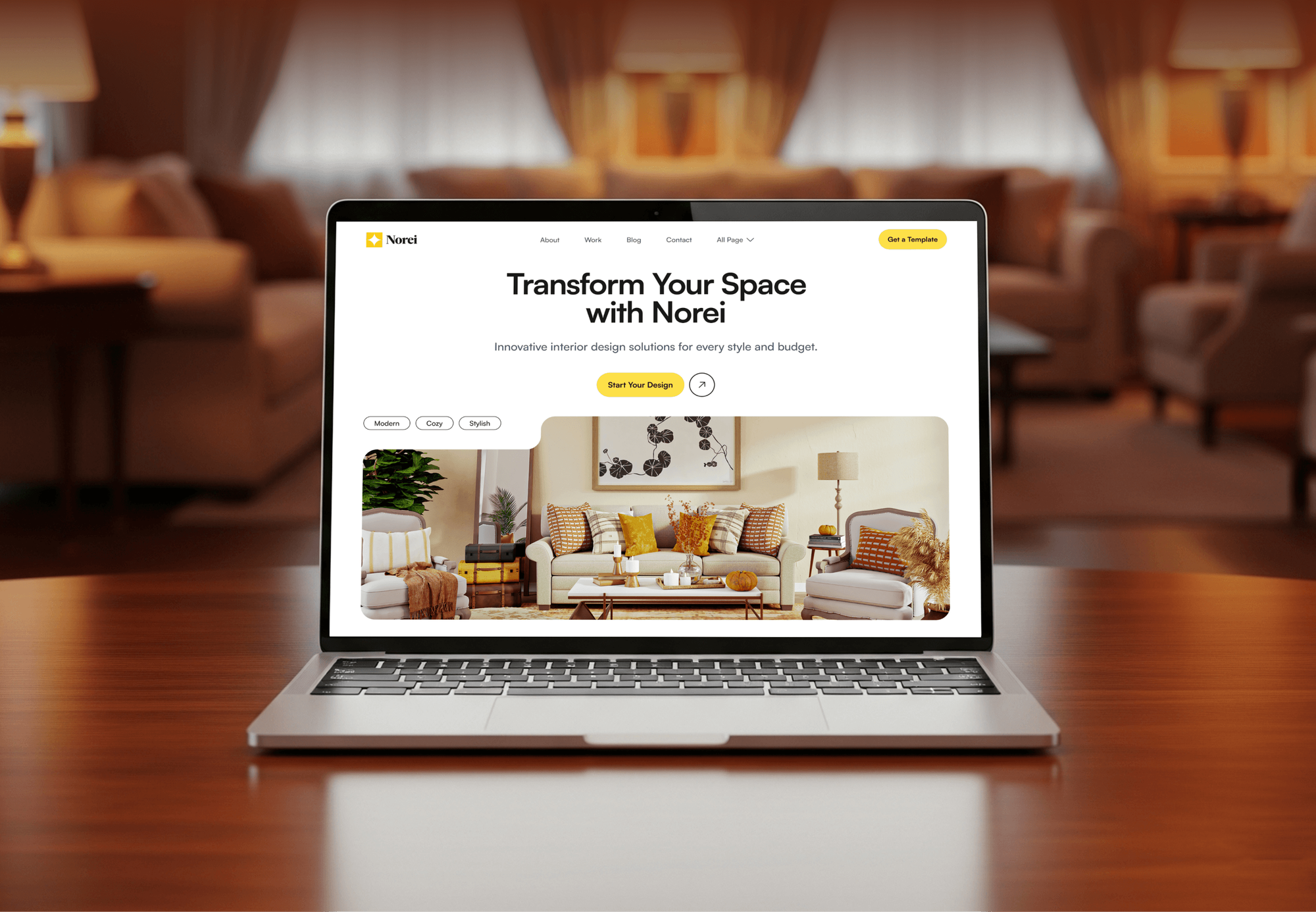
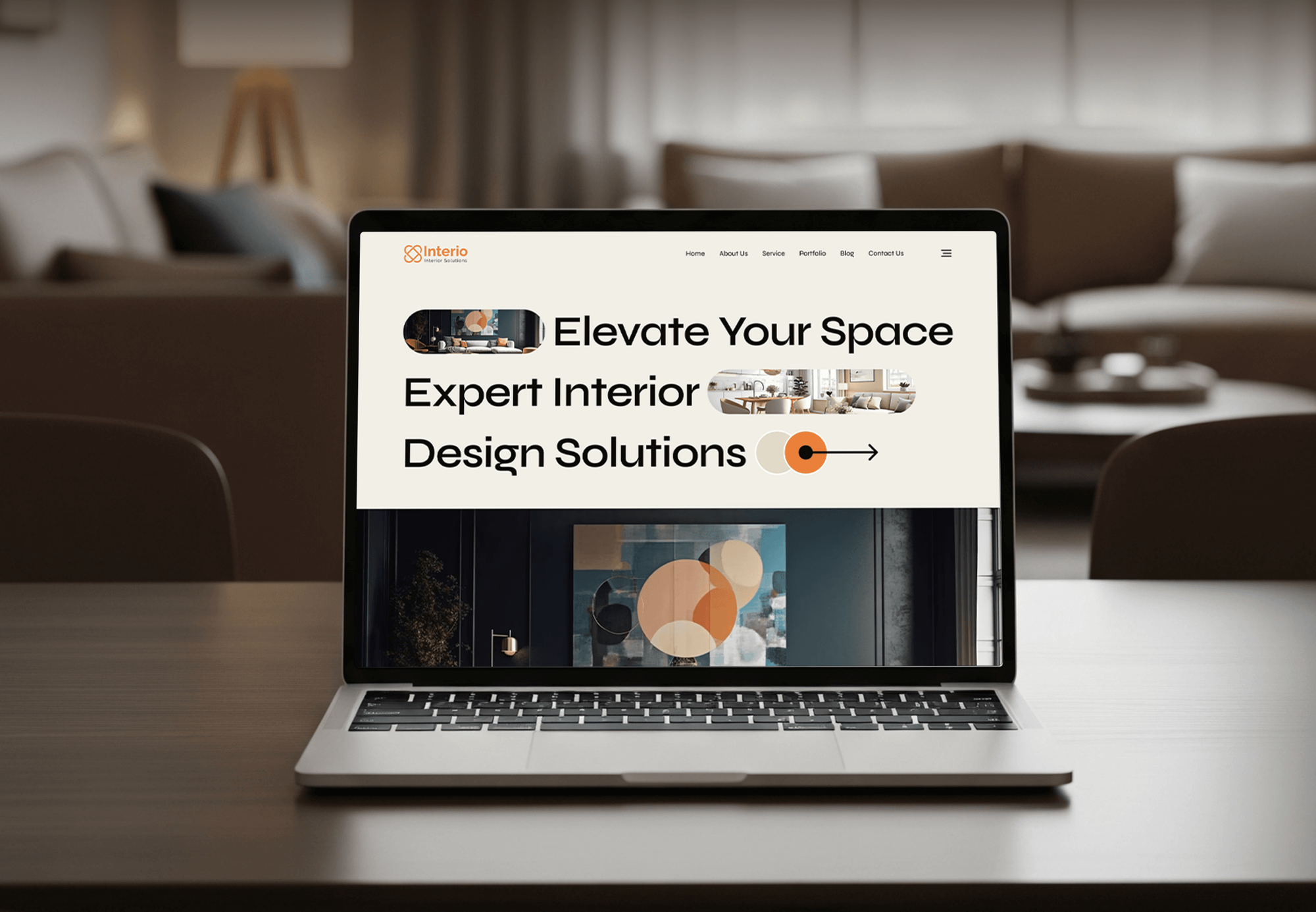
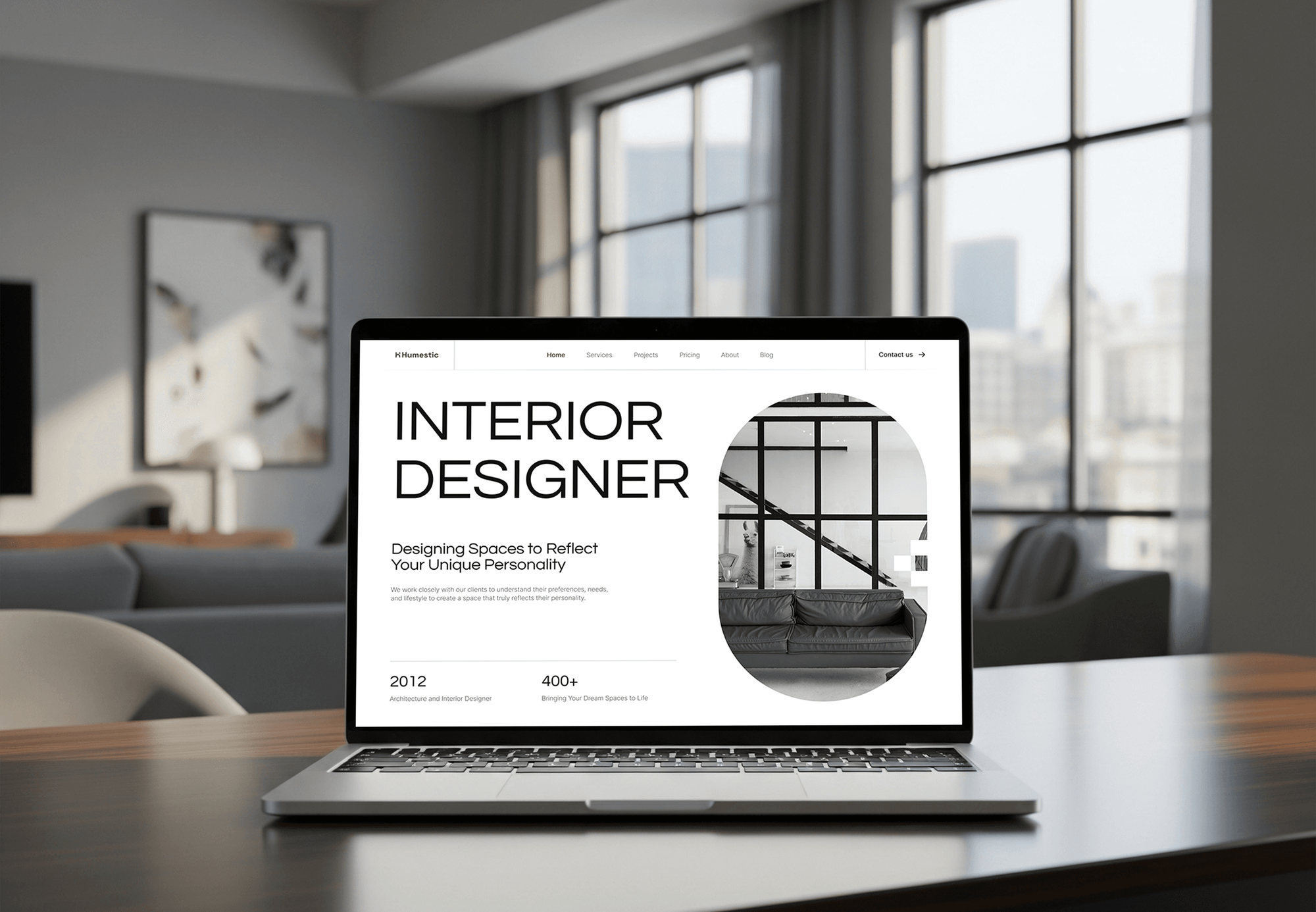
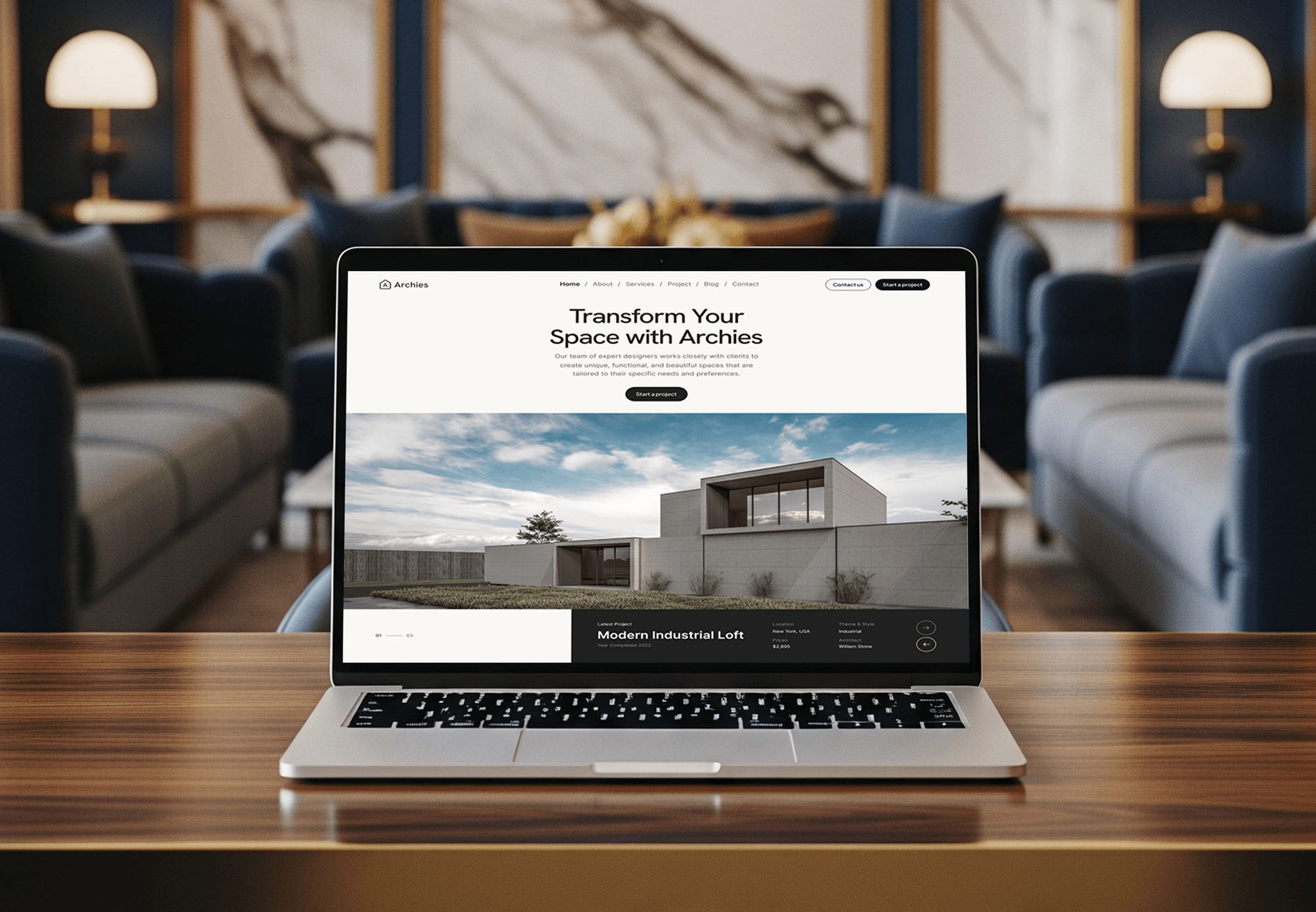
Studio sites we have designed and built for interior designers, plus architecture, photography, and furniture projects with the galleries a portfolio needs.
What Our Clients Say
Feedback from teams we have built websites for.
We had a pretty specific idea of what we wanted our website to become, but I wasn’t sure how easily we could explain all of it to a development team. There were quite a few moving parts, and we were working toward a deadline, so I expected a few things to get lost along the way. That never really happened. They understood what we were trying to achieve, kept us updated throughout the process, and got everything ready within the agreed timeline. The final site feels much easier to navigate, works beautifully on mobile, and is noticeably smoother for our customers. It was a huge relief seeing the original idea actually turn into the website we had in mind.
The mobile experience is probably my favourite part of the new site. We had spent a lot of time making sure the desktop version looked right, and the team kept pushing us to think about how everything would actually feel on a phone too. They were right. The navigation is clean, the interactions feel natural, and everything we’ve tested so far works exactly as it should. They also went through the links, forms, integrations, and other details more than once before launch, which I really appreciated. And even after going live, we could still reach out when something came up. The whole process felt friendly, organised, and surprisingly straightforward.
What I appreciate most is that the website is actually easy for us to manage now. We can update content ourselves instead of sending a developer a message every time we need to change something small. They also paid attention to the technical SEO side, which mattered to us because we didn’t want a new website to create problems for the traffic we already had. I’ve probably asked more questions than I should have since launch, but every question has been handled patiently and without any fuss. The team is easy to work with, they explain things clearly, and when we need something changed, they focus on getting it done rather than making the process complicated.
1,250+
Projects shipped
10+
Years of experience
Top 3%
Upwork Top Rated Plus
5 stars
Average review score

Want results like these?
Tell us what you are building. You get a reply within 24 hours on business days, then a written estimate.
Work Culture
Good interior website design depends on photos and trust. These habits keep your portfolio fast, your credits right, and your calendar full of clients who fit your studio.
We credit every photographer the way your license asks and keep originals in your media library. You avoid awkward emails after a feature runs.
Some clients don't want their home online. We use password-protected pages, or leave out addresses and street views, whenever you ask.
Your form asks about budget and scope politely, before the call. You spend time on projects you want, not on explaining your minimum.
Visitors from Instagram and Pinterest arrive on phones, so that's where we test your galleries. A studio monitor hides problems your clients see.
If Squarespace already does what you need, we'll say so and help you fix it. A custom build pays off when screening, e-design, or speed outgrow it.
Your domain, site, photos, and every inquiry sit in accounts you control. You add new projects yourself without waiting on us.
Overview
DeveloperLook offers website design for interior designers and small studios. Each build includes room-by-room project stories, fast galleries, an inquiry form that screens budget and scope, and discovery call booking. Sites start at $1,200 and launch in 3 to 8 weeks, at a fixed price, and you own the site and every inquiry.
DEVELOPERLOOK
Project facts · Interior Design Website Design
Reviewed 8 Oct 2026 by Saimul Islam
Good fit
Residential designers with a growing portfolio
You've finished enough homes to be picky, but your site still shows one gallery and a contact form anyone can fill in.
Studios fielding too many small inquiries
Your inbox fills with single-room refresh requests below your minimum, and you spend evenings writing polite no-thank-you replies.
Designers adding e-design packages
You want to sell remote design packages to clients outside your area, with a checkout and an intake questionnaire after purchase.
Firms with a fresh press feature
You just landed a magazine feature, and you need a website for interior designers that shows press, process, and projects at that level.
Agencies with design studio clients
Your agency runs a designer's social and ads, and needs interior design websites that load fast and screen every inquiry.
Not a fit
Architecture firm focus
You mainly sell architecture services, with permits and drawings at the center. Architecture Firm Website Design fits that buyer and process better.
Remodeling and build crews
You run the construction crews and sell kitchens and additions as a contractor. Home Remodeling Website Design Services fits that work.
Furniture store only
You mainly sell furniture and decor online with a cart and shipping. Our ecommerce store builds fit a product catalog better.
Budget under $1,200
Your budget is under $1,200, or you're just starting out. A Squarespace template with your best photos carries you for now, and we'll say so.
Not sure we're the right fit?
Book a free call or message us. We'll tell you honestly whether we're the right team.
Pricing
These are starting points in USD. Your final price depends on the number of projects, the fee and press pages, and e-design checkout, and you get a fixed proposal after a free discovery call.
For solo designers who want a fast portfolio and inquiries that arrive already screened.
$1,200one-time, USD
For growing studios that sell full renovations and want press and process on show.
$2,850one-time, USD
For studios selling remote design packages and sharing private pages with clients.
$5,600one-time, USD
For Agencies
You own the client relationship. We build your designer clients' sites under your brand: project stories, fast galleries, and inquiry screening. Your social and ad campaigns land on a portfolio that loads quickly and qualifies every lead.
White label: your client only ever sees your brand
Share the designer's best projects, services, fee model, and current tools.
You get a fixed price, a launch date, and a named lead developer.
We load the projects, test inquiries, and go live on your schedule.
Proposals, handoff notes, and logins carry your agency's name.
We size, compress, and tag every portfolio image before launch.
Launches planned around press features, showhouses, and new collections.
Take on more designer sites without adding staff.
The Right Technology for Your Project
We build on WordPress, Squarespace, or Webflow, serve each image at the right size for the screen, and send inquiries and bookings to Calendly, HubSpot, or your inbox.
 WordPress
 Squarespace
 Webflow
 Figma
 Cloudflare
 Stripe
 HubSpot
 Google Analytics (GA4)
 Google Tag Manager
 Google Search Console
 PageSpeed Insights
FAQ
Straight answers on what a studio site needs, platforms, cost, timelines, galleries, and inquiries.
Saimul IslamFounder & CEO, DeveloperLookStill have questions?
Send a message or book a call with the team.
Start with 6 to 10 projects that show the work you want more of, not every room you've done. Write each as a short story: the brief, the before photos, the finished rooms. Then add a services page, your process, and an inquiry form that asks about scope and budget before a call.
It needs a portfolio, a services and process page, an about page, press, and an inquiry form that screens fit. Show your face on the about page, because clients hire a person. Fast image loading matters as much as the photos, because a slow gallery loses visitors arriving from Instagram and Pinterest.
Studio sites start at $1,200 for up to 7 pages, a portfolio of 8 projects, and an inquiry form that screens fit. Sites with 20 projects, fee and press pages, and a journal start at $2,850. E-design checkout with an intake questionnaire starts at $5,600. You get a fixed quote after a free call.
Most studio sites launch in 3 to 8 weeks. A portfolio site takes about 3 weeks, a project story site 4 to 6, and an e-design build 6 to 8. Your edited photos and project notes set the pace, so we ask for your best projects in the first week.
Most designers build their portfolio on Squarespace, WordPress, Wix, Showit, or Webflow. To run projects, many add tools such as Houzz Pro, Studio Designer, or Programa. Pick your site platform by how often you add projects and whether you sell e-design, not by what other studios chose.
The best website for interior designers loads photos fast and screens inquiries before a call. Squarespace suits a small studio that wants to edit everything itself. WordPress or Webflow suits a studio with many projects, e-design sales, or custom inquiry logic. Structure and speed matter more than the platform name.
A good studio site shows taste, proves trust, and filters fit. Taste comes from edited photography told as project stories. Trust comes from your process, press, reviews, and a real about page. Fit comes from a form that asks about scope, budget range, and timing before anyone books a call.
Lead with one strong project image and a sentence on who you design for. Below it, show 3 to 6 featured projects, a short line on your process, any press, and one clear button to start an inquiry. Keep the homepage short, because your project pages do the selling.
Yes, WordPress suits studios with many projects or e-design sales. It handles project post types, password-protected client pages, and Stripe checkout well. It needs more care than Squarespace: updates, backups, and image optimization. If you add a new project twice a year, Squarespace may be the simpler choice.
Build it yourself if you have a handful of projects and time to edit photos and copy. Hire a designer once inquiries need screening, galleries slow down, or you want to sell e-design. Either way, own the domain, the site, and every inquiry, and expect 30 to 90 days of post-launch fixes from a pro.
Saimul IslamFounder & CEO, DeveloperLookStill have questions?
Send a message or book a call with the team.
Free 30-min callGoogle Meet
Book a call
In 30 minutes on Google Meet we walk you through how we would build it, how long it takes and what it costs. Then you get a written estimate.
Calendar not showing? Book on cal.com or send a brief.