
Content model and CMS setup
Content types and fields in Sanity, Contentful, Storyblok, or Decap CMS, shaped around your real pages.

For teams whose site is slow, plugin-heavy, or hard to review: prebuilt pages on a CDN, a CMS your editors like, and a preview link for every change. From $1,250.
2X
Faster page loads
100%
Pages served from a CDN
How your project runs
Teams we have built for:














The Problem
It shows up when a mostly static site sits on a dynamic stack. Every visit builds the page again, every plugin needs updates, and every update puts the layout at risk.
01 · Speed
Every visit rebuilds the page on a busy server.
Pages prebuilt at publish time and served from a CDN near each visitor.
02 · Updates
Each plugin update risks breaking the layout.
Components in your repository, changed only through reviewed pull requests.
03 · Security
A public admin login draws bot traffic all day.
Static files on the live site, with no database or server login to attack.
04 · Publishing
Editors wait on a developer to push changes live.
CMS webhooks trigger a rebuild, so a publish goes live without a developer.
Your pages change a few times a week, but the server rebuilds every one of them on every visit. Pages load slowly on phones, especially for visitors far from your host. The admin login is public, so bots hammer it all day. Every plugin update is a small gamble with your layout, and two caching plugins fight each other. Your developers want Git, pull requests, and previews. Your editors just want a publish button that works.
We start by sorting your pages into what's static and what needs live data. The static part is prebuilt when you publish and served from a CDN close to every visitor. Forms, search, and logins run through APIs or small serverless functions. Editors keep a CMS with live preview, and every change gets a preview link before it ships. You get a faster, quieter site, not another stack of plugins to babysit.
Prebuilt at publish time
Pages are generated once when you publish, then served from a CDN to every visitor.
A preview for every change
Each pull request gets its own preview link, so changes are checked on a real page first.
Less to attack
The live site serves static files, with no database or server login exposed to bots.
Our Jamstack Development Agency Process
You approve the content model before any templates, review every change on a preview link, and see the real build time before launch.
We look at your current site, how often content changes, who edits it, and which parts need live data. You get a recommended generator, CMS, and host, plus a fixed price within 2 business days.
What's Included
Every build covers the content model, component templates, a headless or Git-based CMS, automatic rebuilds, preview deploys, and CDN hosting in your own accounts.
Compare Options
WordPress and website builders suit plenty of sites, and both are quicker for editors to learn. Here's how they compare with Jamstack web development on speed, security, and workflow.
| Feature | DeveloperLookBest fit | WordPress site | Website builder |
|---|---|---|---|
| Page delivery | Prebuilt pages from a CDN | Built per visit, then cached | Hosted by the builder |
| Speed tuning | Built in, measured at launch | Caching and image plugins | Limited to builder settings |
| Security surface | Static files, no database | Database, login, and plugins | Managed by the builder |
| Editing | Headless CMS with live preview | Familiar editor, huge ecosystem | Visual drag and drop |
| Dynamic features | APIs and serverless functions | A plugin for almost anything | Builder apps and embeds |
| Developer workflow | Git, pull requests, previews | Often edited on the server | No code access |
| Cost | From $1,250, fixed scope | Low start, plugin upkeep later | Lowest start, monthly plan |
| Ownership | Code and accounts in your name | Yours if you hold hosting | Tied to the builder |
Projects We've Built
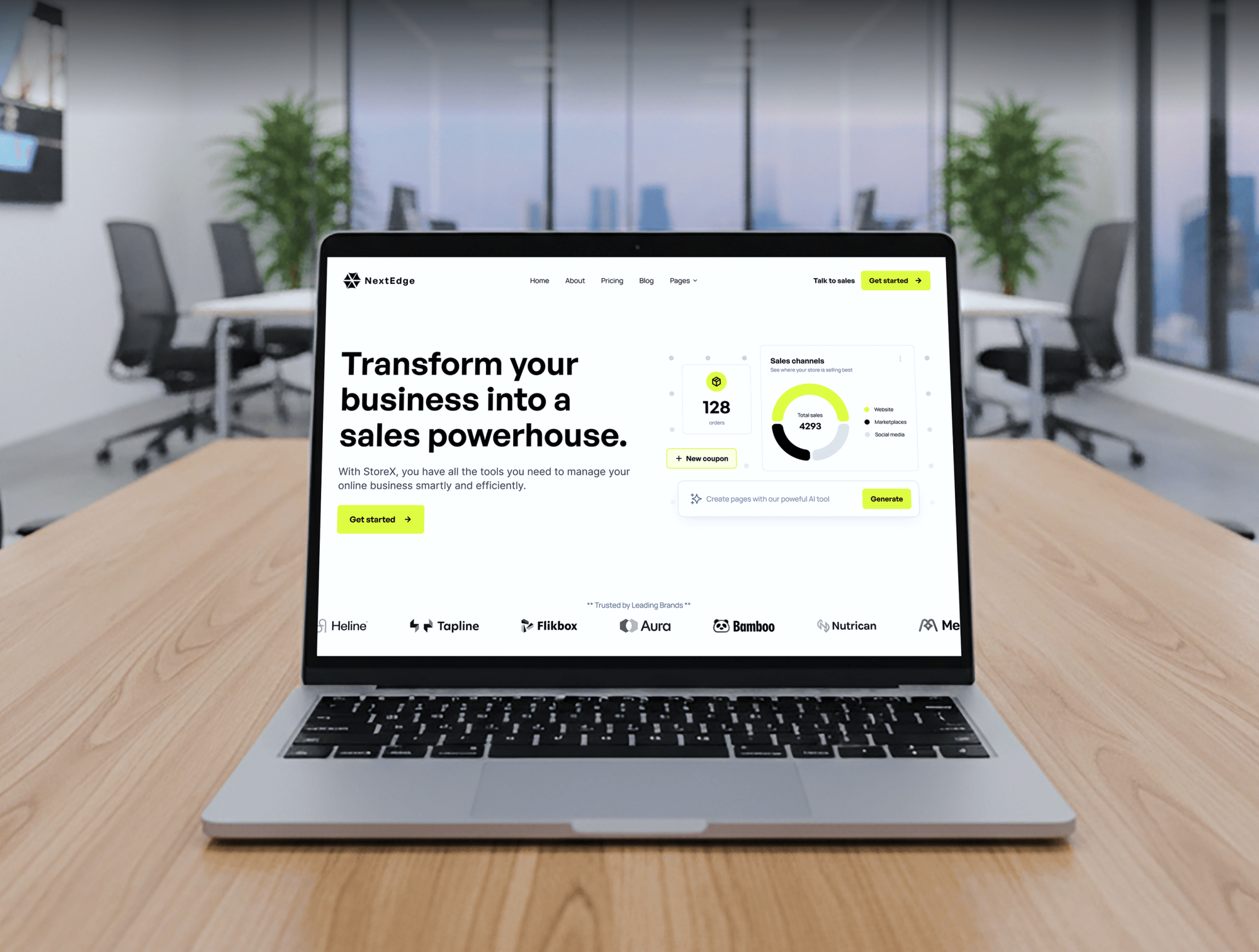
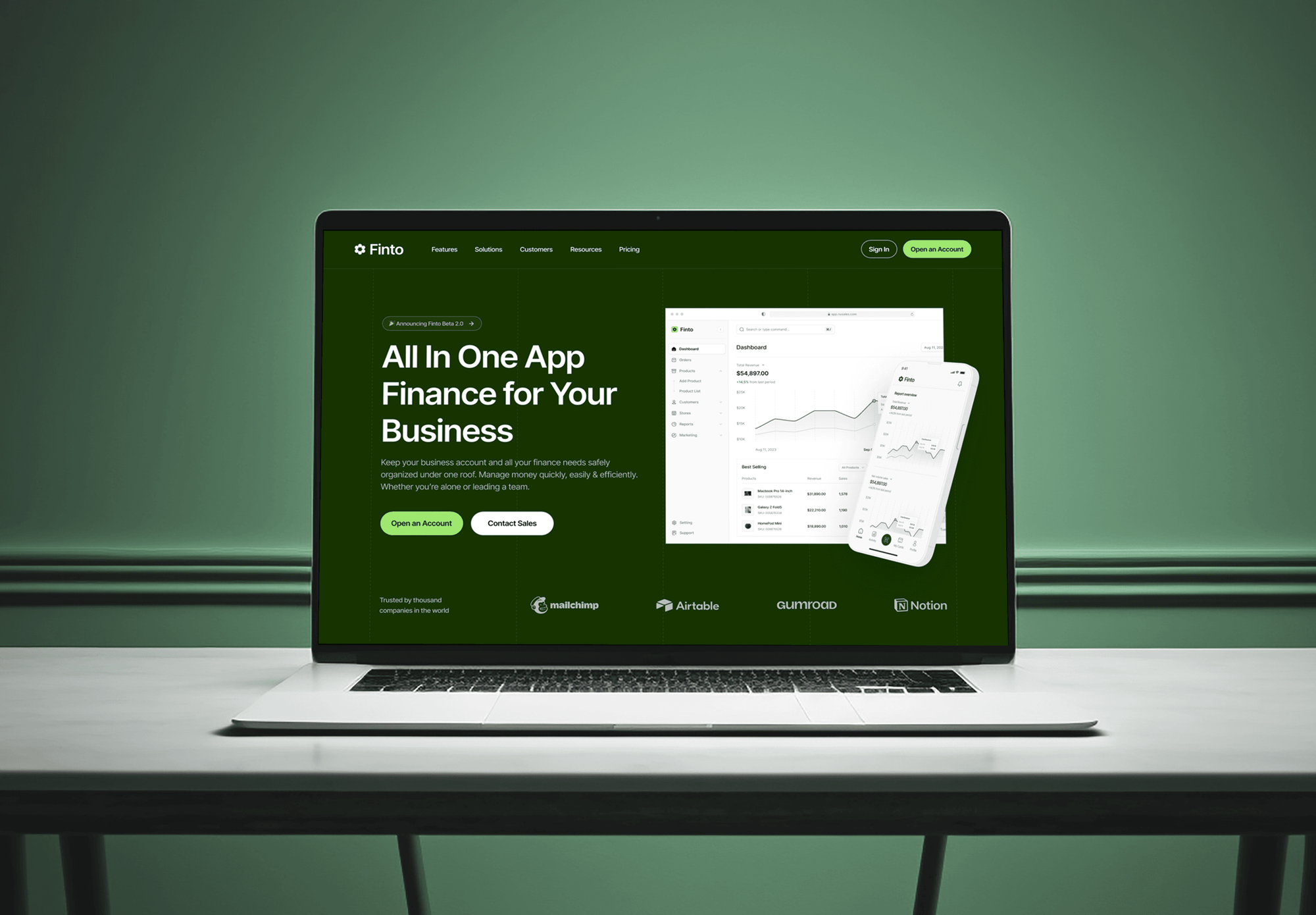
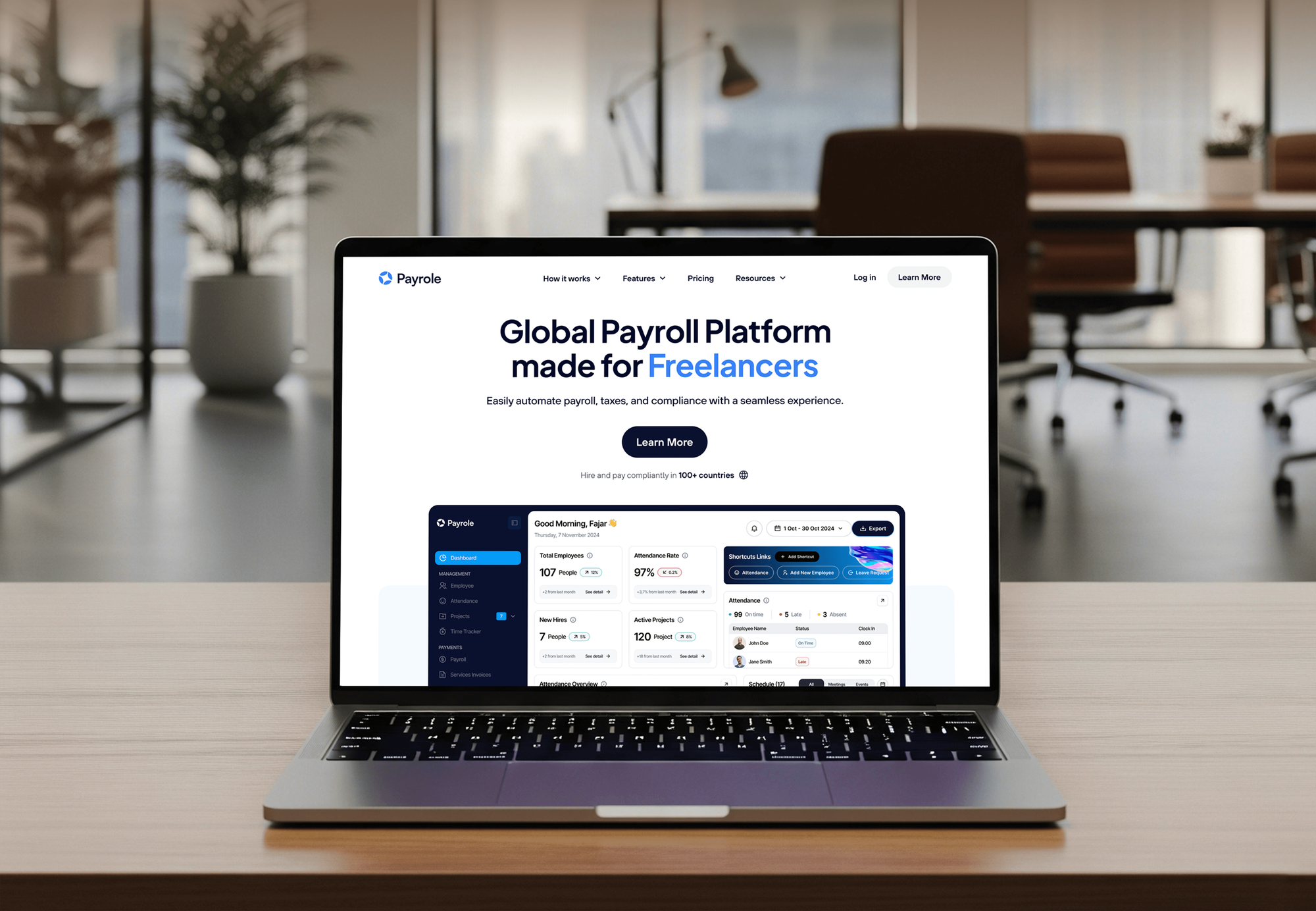
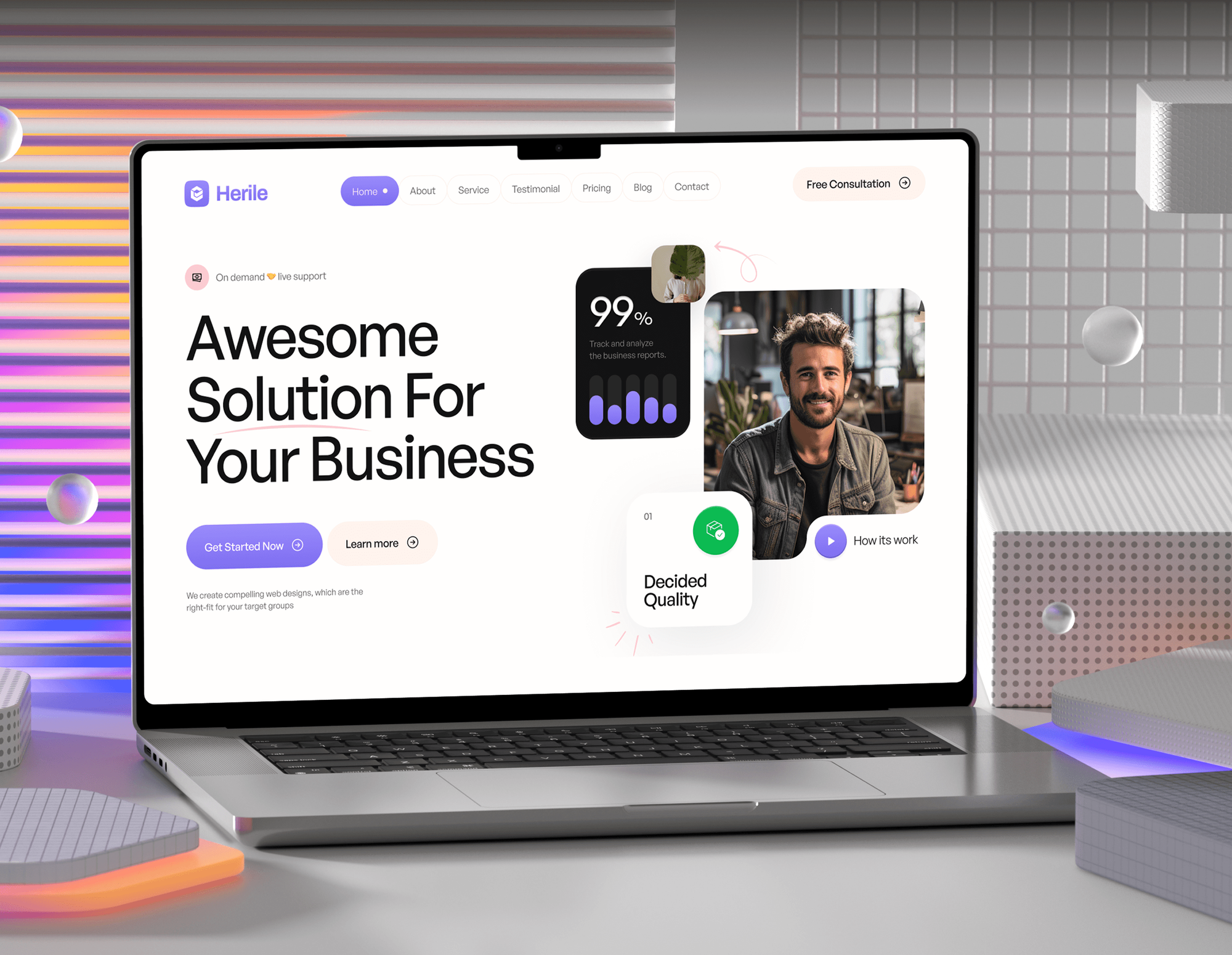
Marketing websites we designed and built for a tech startup, a fintech company, a payroll platform, and an IT agency. They're content-led sites of the kind that suit a prebuilt build.
What Our Clients Say
Feedback from teams we have designed, built, and launched websites for.
We had a pretty specific idea of what we wanted our website to become, but I wasn’t sure how easily we could explain all of it to a development team. There were quite a few moving parts, and we were working toward a deadline, so I expected a few things to get lost along the way. That never really happened. They understood what we were trying to achieve, kept us updated throughout the process, and got everything ready within the agreed timeline. The final site feels much easier to navigate, works beautifully on mobile, and is noticeably smoother for our customers. It was a huge relief seeing the original idea actually turn into the website we had in mind.
The mobile experience is probably my favourite part of the new site. We had spent a lot of time making sure the desktop version looked right, and the team kept pushing us to think about how everything would actually feel on a phone too. They were right. The navigation is clean, the interactions feel natural, and everything we’ve tested so far works exactly as it should. They also went through the links, forms, integrations, and other details more than once before launch, which I really appreciated. And even after going live, we could still reach out when something came up. The whole process felt friendly, organised, and surprisingly straightforward.
What I appreciate most is that the website is actually easy for us to manage now. We can update content ourselves instead of sending a developer a message every time we need to change something small. They also paid attention to the technical SEO side, which mattered to us because we didn’t want a new website to create problems for the traffic we already had. I’ve probably asked more questions than I should have since launch, but every question has been handled patiently and without any fuss. The team is easy to work with, they explain things clearly, and when we need something changed, they focus on getting it done rather than making the process complicated.
1,250+
Projects shipped
10+
Years of experience
Top 3%
Upwork Top Rated Plus
5 stars
Average review score

Want results like these?
Tell us what you are building. You get a reply within 24 hours on business days, then a written estimate.
Work Culture
Jamstack sites stay fast when the build stays simple. These habits keep yours easy to edit, review, and hand over.
We prebuild everything that doesn't change per visitor and keep live calls for the parts that do. Fewer moving parts means fewer late-night fixes.
We record how long a full rebuild takes before launch and tell you how it grows with your content. Slow builds are a design problem we fix early.
Astro, Eleventy, Hugo, and Next.js each suit different sites, so we pick for your content and team. We don't push one framework onto every project.
Live preview in the CMS and a preview deploy for every change let editors check the real page. Nobody signs off on a screenshot.
If your team relies on WordPress plugins and its editor, we'll tell you before we quote. A prebuilt site suits many sites, not all of them.
The Git repository, CMS, and hosting accounts are created under your organization. Any developer can pick up the code after handover.
Overview
DeveloperLook is a Jamstack development agency for teams that want fast, low-maintenance websites. We model your content, build components in Astro, Eleventy, Hugo, or Next.js, connect a headless CMS with automatic rebuilds, and deploy to a CDN. Projects start at $1,250 and take 2 to 10 weeks, with the repository in your name.
DEVELOPERLOOK
Project facts · Jamstack Development Agency
Reviewed 8 Oct 2026 by Saimul Islam
Good fit
Marketing teams on slow WordPress sites
Your marketing site runs on WordPress with a long list of plugins, every update risks the layout, and pages load slowly on phones.
Developer teams wanting Git workflows
Your developers want Git, pull requests, and a preview link for every change, but your current CMS has them editing on a live server.
Docs, guides, and large blogs
You publish docs or guides that change daily but don't change per visitor, so prebuilt pages fit how your content already works.
Teams comparing Jamstack agencies
You're comparing jamstack agencies and want a fixed price, a named generator and CMS, and a straight answer on build times before you sign.
Agencies needing headless build capacity
Your agency won a headless website project and needs engineers who can deliver it under your brand without slowing your designers down.
Not a fit
Data that changes per visitor
Your pages show live stock, prices, or dashboards that change for every visitor. Custom Web Application Development builds that server-side app.
Editors rely on WordPress
Your team depends on the WordPress editor and its plugins every day. WordPress Development Services improves that setup without a rebuild.
Only the speed is wrong
Your current site works well apart from slow pages. Website Speed Optimization tunes what you have, usually for less than a new build.
Budget under $1,250
You have less than $1,250 for the whole site. A starter theme for your generator, deployed on a free hosting plan, is the better fit for now.
Not sure we're the right fit?
Book a free call or message us. We'll tell you honestly whether we're the right team.
Pricing
These are starting points in USD. Your final price depends on page templates, the CMS, and how much live data the site needs, and you get a fixed proposal after a free architecture call.
For small marketing sites that need speed and Git-based editing without a database.
$1,250one-time, USD
For marketing teams that publish often and want live preview, roles, and site search.
$3,400one-time, USD
For larger sites that need live data, a content migration, and automated quality checks.
$7,100one-time, USD
For Agencies
You own the client relationship. We supply the engineering behind it: content models, component builds, and CMS setup delivered under your brand. Your designers keep the client while we build, document, and launch the site.
White label: your client only ever sees your brand
Send the Figma files, the content list, and the CMS your client prefers.
We build the components and share a preview link for every change.
Your client gets the live site, CMS training, and accounts in their name.
Repositories, preview links, and handover docs all carry your agency name.
We build from your Figma components without redesigning them along the way.
Documented code your own developers can extend after launch.
Add Jamstack developers for one build or a steady pipeline of client sites.
The Right Technology for Your Project
The generators, headless CMSs, hosts, and testing tools we use to build Jamstack sites that stay fast and easy to edit.
 Next.js
 Gatsby
 Netlify
 Vercel
 Cloudflare
 Lighthouse
 PageSpeed Insights
 Algolia
FAQ
Straight answers on what Jamstack means, cost, timelines, CMS choices, and whether the approach still makes sense.
Saimul IslamFounder & CEO, DeveloperLookStill have questions?
Send a message or book a call with the team.
Jamstack is a way of building websites whose pages are prebuilt into static files and served from a CDN. Instead of a server assembling each page on every visit, a build step generates the pages when content changes. Editors still use a CMS, and forms, search, or logins run through outside services or serverless functions.
Jamstack architecture separates the front end from the back end and prebuilds the front end ahead of time. Pages sit on a CDN as static files, and content comes from a headless or Git-based CMS at build time. Anything live, such as payments or user accounts, calls an API from the browser or a serverless function.
Our Jamstack builds start at $1,250, $3,400, or $7,100, depending on scope. A static site of up to 8 pages with Git-based editing starts at $1,250. A headless CMS site with search and publish-triggered rebuilds starts at $3,400. Builds with serverless functions and a WordPress migration start at $7,100. You get a fixed proposal after a free architecture call.
A static starter site takes 2 to 3 weeks, and a headless CMS site takes 4 to 6 weeks. Platform builds with serverless functions or a content migration take 8 to 10 weeks. The content model usually sets the pace, because every template and CMS field depends on it.
No, though the label is used less than it once was. Many teams now say static site or composable, or simply name their framework. The approach itself, prebuilt pages on a CDN with APIs for live features, is how sites on Astro, Eleventy, Hugo, and Next.js static exports run every day. We care about the result more than the label.
A Jamstack application is a web app whose interface is prebuilt and served as static files, while user data arrives from APIs at runtime. A booking tool or a members area can work this way. The browser loads fast static screens, then calls authentication, payment, or database APIs to fill them with each user's data.
Jamstack originally stood for JavaScript, APIs, and Markup. Markup is the prebuilt HTML, JavaScript adds interactivity in the browser, and APIs supply anything dynamic. Today the term covers any site that prebuilds its front end and serves it from a CDN, whether it ships a lot of JavaScript or almost none.
The best CMS depends on who edits and how structured the content is. Sanity, Contentful, and Storyblok suit marketing teams that want live preview and editor roles. Decap CMS stores content in Git, which fits small sites and developer-led teams. With any of them, we set a webhook so publishing rebuilds the site.
Hire individual developers when you have a technical lead who owns the architecture and reviews the code. Choose a Jamstack development company when you want the content model, CMS, hosting, and launch handled as one fixed-scope project. We work either way, including as extra capacity next to an in-house team.
You do. The Git repository, CMS workspace, and hosting account are created under your organization, and we document how to run builds and add templates. Support covers fixes for 30 to 60 days, depending on your plan. After that, Website Maintenance Services can handle dependency updates and small changes monthly.
Saimul IslamFounder & CEO, DeveloperLookStill have questions?
Send a message or book a call with the team.
Free 30-min callGoogle Meet
Book a call
In 30 minutes on Google Meet we walk you through how we would build it, how long it takes and what it costs. Then you get a written estimate.
Calendar not showing? Book on cal.com or send a brief.