
Fit-gap review
A written comparison of your process with Odoo's standard apps, showing what needs code and what doesn't.

For growing businesses on Odoo or moving to it: custom modules that survive upgrades, clean data, and one system for sales, stock, and invoices, from $1,300.
1
System for orders and stock
100%
Core code left untouched
How your project runs
Teams we have built for:














The Problem
It shows up when the business grows past spreadsheets, or when an Odoo upgrade quote arrives and reveals how much custom code was written into the core.
01 · Core edits
A past developer edited core files to add one field.
Custom fields and logic go into separate modules that inherit core models.
02 · Retyped orders
Every order gets retyped into stock and invoicing tools.
Sales, Inventory, and Invoicing run in one Odoo database with shared records.
03 · Stuck version
Upgrade quotes grow because custom code breaks each version.
Inherited modules and a staging copy keep every upgrade a planned project.
04 · Messy data
Old spreadsheets hold duplicate customers and products.
We clean, merge, and map your records before importing them into Odoo.
Your sales team quotes from a spreadsheet, the warehouse counts stock in another, and invoices go out from a separate tool. Someone retypes every order twice. You tried Odoo, but a past developer edited core files to add one field, so the system is stuck on an old version. Each upgrade quote comes back larger than the last. Reports never match, and month-end means days of reconciling numbers that should agree.
We start with a fit-gap review: what Odoo does out of the box, what needs settings, and what truly needs code. Custom work goes into separate modules that inherit Odoo's models and views, not into core files. Your data is cleaned and imported, and every module is tested on a staging copy. Your next upgrade becomes a project, not a rescue.
Modules, not core edits
Custom features live in their own modules that inherit Odoo's models, so upgrades stay possible.
Fit-gap before code
Standard apps and settings first, custom Python only for the gaps that settings can't close.
Upgrade path planned
Each module is written with the next Odoo version in mind and documented for whoever upgrades it.
Our Odoo Development Company Process
You approve each module spec and the data plan before any Python is written, then your team tests real transactions on a staging copy.
We look at your current tools or Odoo database, your edition, and where custom code already lives. You get a fit-gap list: what standard apps cover, what needs settings, and what needs a module.
What's Included
A fit-gap review, module specs, custom modules built on staging, configured standard apps, a clean data import, and source code you own.
Compare Options
Studio suits simple fields and views, and a freelancer suits one small module. A development team fits when changes span apps, data, and future upgrades.
| Feature | DeveloperLookBest fit | Freelancer | DIY with Studio |
|---|---|---|---|
| Upfront cost | From $1,300, fixed | Hourly, often lower | In Odoo's Custom plan |
| Small changes | After a short review | Often fastest | Same day |
| Custom Python logic | Yes, in separate modules | Varies by person | No, settings only |
| Core code | Inherited in modules | Sometimes edited | Untouched, no code |
| Data migration | Cleaned and mapped first | Sometimes included | Manual imports |
| Upgrade planning | Checklist with every module | Rarely written down | No code to port |
| Testing | Staging copy with real data | Often on the live database | Tested as you click |
| Ownership | Source code and notes | Code, if handed over | Lives in your database |
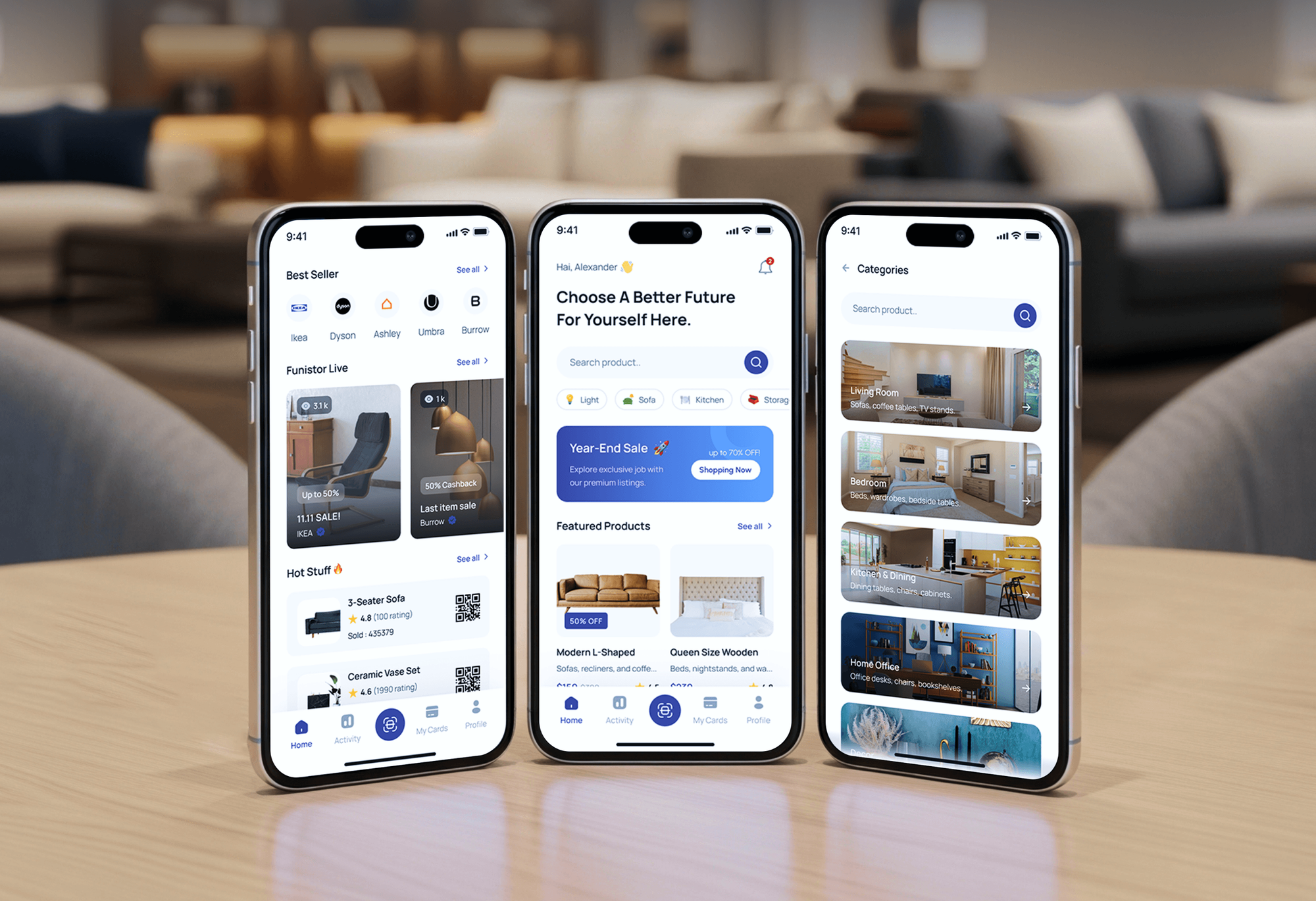
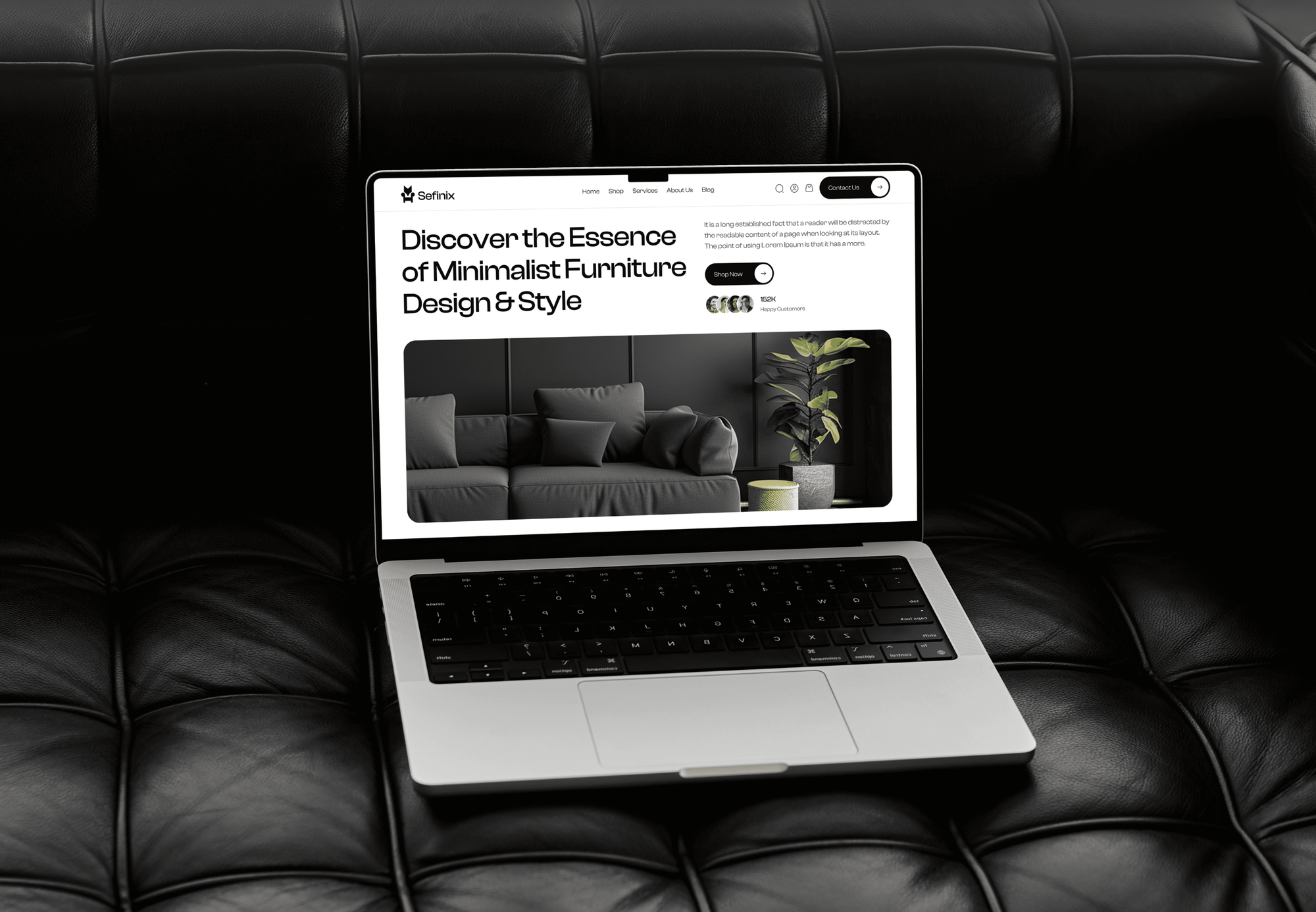
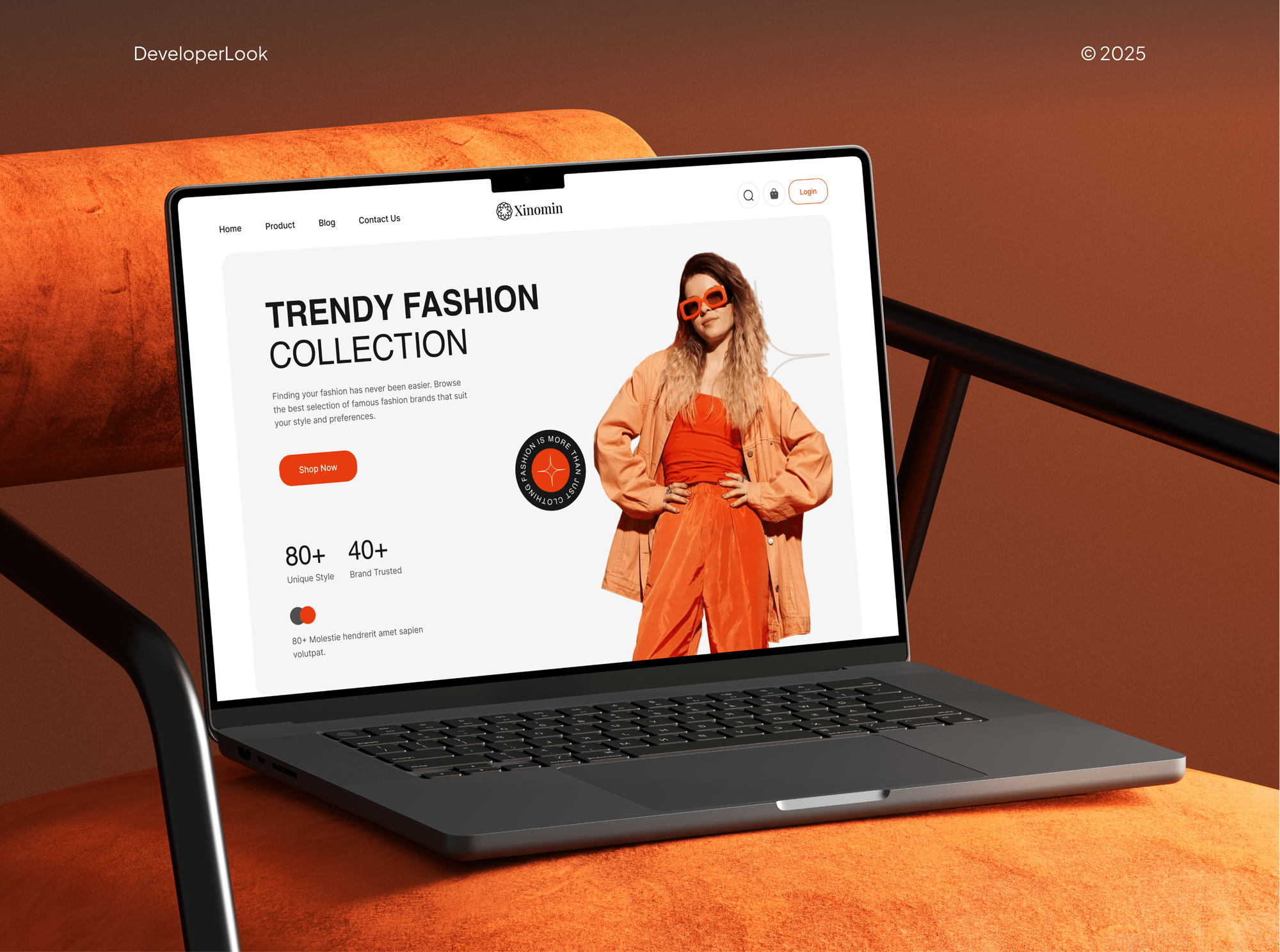
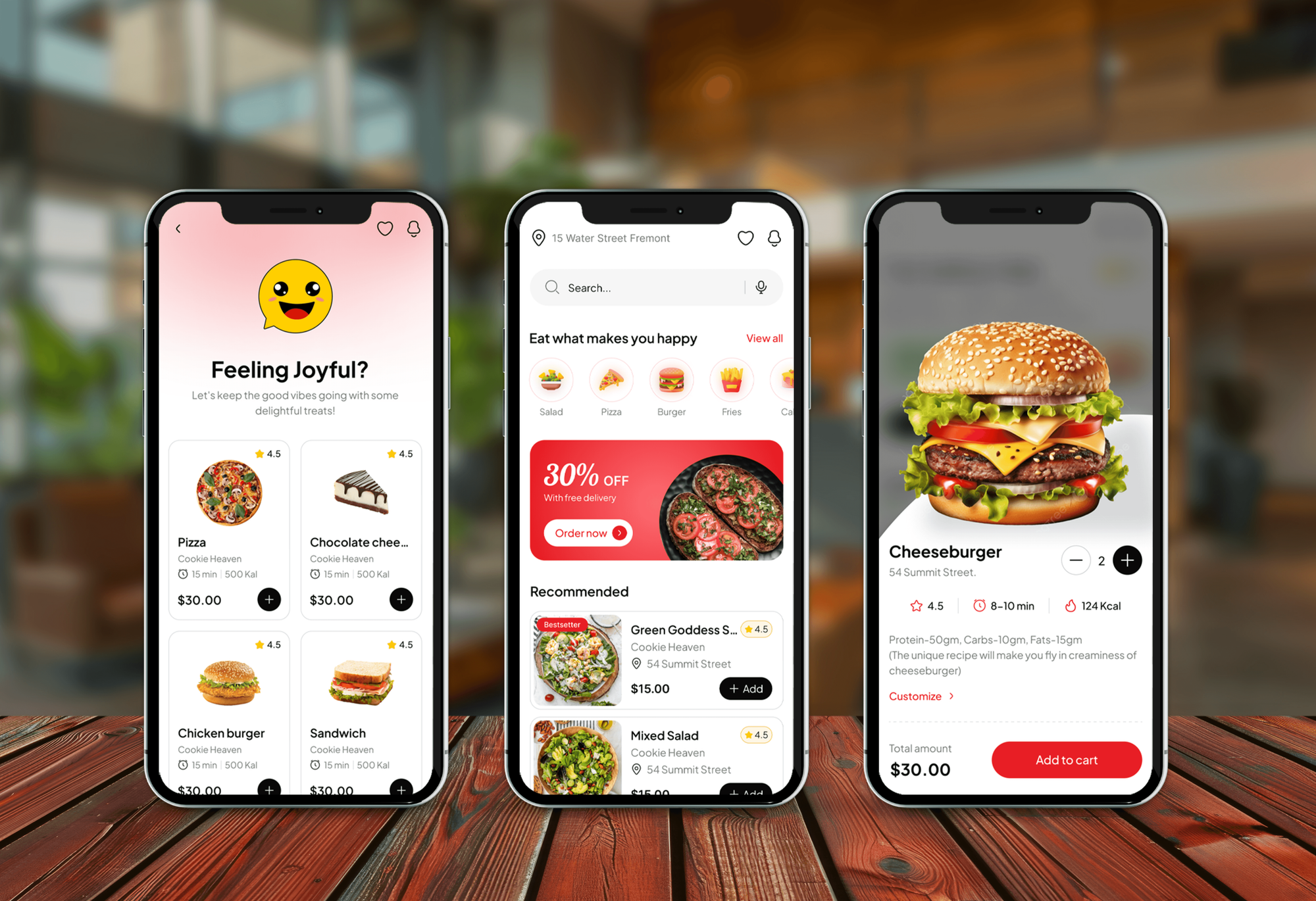
Projects We've Built
Online stores with admin dashboards and a food ordering app our team designed and built. Orders, stock, and products like these are what Odoo manages.
What Our Clients Say
Feedback from teams we have built business software and online stores for.
We had a pretty specific idea of what we wanted our website to become, but I wasn’t sure how easily we could explain all of it to a development team. There were quite a few moving parts, and we were working toward a deadline, so I expected a few things to get lost along the way. That never really happened. They understood what we were trying to achieve, kept us updated throughout the process, and got everything ready within the agreed timeline. The final site feels much easier to navigate, works beautifully on mobile, and is noticeably smoother for our customers. It was a huge relief seeing the original idea actually turn into the website we had in mind.
The mobile experience is probably my favourite part of the new site. We had spent a lot of time making sure the desktop version looked right, and the team kept pushing us to think about how everything would actually feel on a phone too. They were right. The navigation is clean, the interactions feel natural, and everything we’ve tested so far works exactly as it should. They also went through the links, forms, integrations, and other details more than once before launch, which I really appreciated. And even after going live, we could still reach out when something came up. The whole process felt friendly, organised, and surprisingly straightforward.
What I appreciate most is that the website is actually easy for us to manage now. We can update content ourselves instead of sending a developer a message every time we need to change something small. They also paid attention to the technical SEO side, which mattered to us because we didn’t want a new website to create problems for the traffic we already had. I’ve probably asked more questions than I should have since launch, but every question has been handled patiently and without any fuss. The team is easy to work with, they explain things clearly, and when we need something changed, they focus on getting it done rather than making the process complicated.
1,250+
Projects shipped
10+
Years of experience
Top 3%
Upwork Top Rated Plus
5 stars
Average review score

Want results like these?
Tell us what you are building. You get a reply within 24 hours on business days, then a written estimate.
Work Culture
Your Odoo database holds every order, invoice, and stock move. These habits keep custom work in it safe, readable, and ready for the next version.
Community saves license fees but lacks some Enterprise apps you might need. We price both paths, and if a standard app covers your case, we'll tell you before we quote.
Every change extends Odoo's models and views through inheritance. Core files stay untouched, so a version upgrade doesn't mean rewriting your system.
Odoo gives each major version 3 years of standard support. Every module ships with notes for the next version, so your upgrade starts with a list, not a guess.
We build and test on a copy of your database, not the one your team uses. Real orders keep flowing while we work.
Module source lives in Git with a readable history. Anyone reviewing a change can see what it touched and why it was made.
Custom modules are yours, with source code and notes handed over. Any Odoo developer can maintain them later without asking us first.
Overview
DeveloperLook is an Odoo development company that builds custom modules, configures Odoo apps, and moves your data from spreadsheets or old tools. Every module inherits Odoo's core instead of editing it, so upgrades stay possible. Custom modules start at $1,300, implementations take 4 to 10 weeks, and the code is yours.
DEVELOPERLOOK
Project facts · Odoo Development Company
Reviewed 7 Oct 2026 by Saimul Islam
Good fit
Businesses running on spreadsheets
You run sales in one spreadsheet, stock in another, and invoices in a separate tool, and want Odoo ERP software development to join them up.
Odoo users with one missing feature
Your team uses Odoo daily, but one approval step or pricing rule doesn't exist, and you want to hire an Odoo developer to add it properly.
Companies stuck on an old version
Your Odoo runs an older version because a previous developer edited core files, and every upgrade attempt breaks something new.
Teams choosing between editions
You're deciding between Odoo Community and Enterprise and want an honest view of what each costs once custom work is added.
Agencies with ERP clients
Your agency sells Odoo ERP development services to clients and needs Python developers who deliver modules under your own brand.
Not a fit
Standard apps cover it
Odoo's standard apps already match your process with a few settings. Odoo's own onboarding or a functional consultant costs less than custom code.
Only a Shopify connector
You only need Shopify orders flowing into your ERP. Our Shopify ERP Integration page covers store-to-ERP syncs like that one.
Need a sales CRM
Your real gap is a sales CRM, not an ERP. Our HubSpot Consultant for Setup and Onboarding page covers that kind of rollout.
Budget under $1,300
Your budget is under $1,300 and your gaps are a few fields and views. Odoo Studio, part of Odoo's Custom plan, handles that without code.
Not sure we're the right fit?
Book a free call or message us. We'll tell you honestly whether we're the right team.
Pricing
These are starting points in USD. Your final price depends on the modules, your data, and the apps to configure, and you get a fixed proposal after a free Odoo review.
For companies already on Odoo that need one custom module or change.
$1,300one-time, USD
For teams moving sales, stock, and invoicing onto one Odoo database.
$4,300one-time, USD
For growing groups with several entities, integrations, or a version migration.
$8,900one-time, USD
For Agencies
You own the client relationship. We supply the Odoo engineering behind it: custom modules, data migration, integrations, and version upgrades. Your client works with your team, and every module ships with source code they own.
White label: your client only ever sees your brand
Send the client's edition, version, and the gaps their team has found so far.
You get module specs and a fixed quote to share with your client.
We build on staging, test, and deliver everything under your brand.
You run the client workshops while we write the modules.
Each module is specced and priced up front for your proposal.
Modules that extend core, ready for the client's next upgrade.
Python developers for busy rollouts without new hires on payroll.
The Right Technology for Your Project
Odoo's own framework, languages, and hosting options, so every module behaves like standard Odoo and upgrades the same way.
 Odoo
 Python
 PostgreSQL
 JavaScript
 Docker
FAQ
Straight answers on Odoo project costs, timelines, editions, hosting, and hiring the right developer.
Saimul IslamFounder & CEO, DeveloperLookStill have questions?
Send a message or book a call with the team.
Our Odoo work starts at $1,300 for one custom module with fields, views, access rules, and a PDF report. An implementation with up to 4 apps, 3 modules, and a data import costs $4,300. Multi-company builds with integrations or a version migration start at $8,900. Odoo Enterprise license fees, if you choose it, are paid to Odoo.
One custom module takes 1 to 3 weeks, including staging tests. A full implementation with several apps and a data import takes 4 to 10 weeks, and multi-company builds can take up to 14. Data cleanup is usually the longest part, so we start it in the first week.
It's writing custom modules that add or change features in Odoo, the open-source ERP. A module can add fields and screens, change a workflow, create reports, or connect Odoo to another system. Good work extends Odoo's standard code instead of rewriting it, which keeps future upgrades possible.
An Odoo developer is a programmer who builds and maintains Odoo modules, mostly in Python, with XML for views and JavaScript for the web client. They work with Odoo's ORM, security rules, and inheritance model. A strong one also understands how quotes, stock moves, and invoices connect.
Start with a written list of the gaps standard Odoo leaves in your process. Ask each candidate how they'd build one gap without editing core files, and to show a module they've moved between versions. With us, you get that gap list and a fixed quote after a free review.
Yes on licenses, though not always on development. Community is free and open source under LGPLv3, but Studio, full Accounting, Sign, Helpdesk, Field Service, and other apps are Enterprise-only. Rebuilding one of those as a custom module can cost more than the license. We price both paths, so you compare the total cost, not just the license line.
The core skills are Python, PostgreSQL, XML views, and JavaScript for the Owl-based web client. Add Odoo's ORM, record rules, and inheritance, plus enough accounting and inventory knowledge to avoid breaking stock or tax logic. Testing and version control round out the list on our team.
Odoo Online doesn't accept custom modules, so any Python work needs Odoo.sh or your own server. On Online, no-code changes go through Studio, which needs Odoo's Custom plan. If your gaps need code, we plan the move to Odoo.sh in the free review, before any development starts.
Yes. Odoo website development covers the Website and eCommerce apps: themes, page templates, and product pages tied to your stock. For other systems, we use Odoo's external API to connect payment, shipping, or marketplace tools. Shopify stores that sync into an ERP are covered on a separate integration page.
You do. Every module's source code is handed over in your repository, with notes on what it changes and why. We cover fixes for 30 to 90 days after go-live, depending on the plan you choose. Any Odoo developer can maintain the modules later, including during your next version upgrade.
Saimul IslamFounder & CEO, DeveloperLookStill have questions?
Send a message or book a call with the team.
Free 30-min callGoogle Meet
Book a call
In 30 minutes on Google Meet we walk you through how we would build it, how long it takes and what it costs. Then you get a written estimate.
Calendar not showing? Book on cal.com or send a brief.