
Apex classes and triggers
Server-side logic for the rules Flow can't handle, written to stay inside Salesforce's governor limits.

For sales and service teams whose Salesforce org needs real code: Apex, Lightning Web Components, and Flows built and tested before users see them, from $1,400.
90%+
Apex test coverage target
100%
Code and metadata you own
How your project runs
Teams we have built for:














The Problem
It starts when the business asks for something Flow can't do cleanly, and the only code in the org was left by a contractor who is long gone.
01 · Old automation
A legacy Process Builder fires on every record save.
We rebuild it as an ordered Flow or Apex, tested in a sandbox first.
02 · Failing deploys
Deployments fail on old tests nobody understands.
We fix brittle tests and add meaningful ones before your next release.
03 · Missing screens
Reps juggle several tabs to build a single quote.
A Lightning Web Component puts every quote step on one screen.
04 · Manual releases
Releases are change sets assembled by hand.
Source control and Salesforce CLI make every release repeatable and reviewable.
Your admin built the org with clicks for years, and it worked. Now an old Process Builder fires on every opportunity save, and nobody dares touch it. Sales wants a quote screen that checks stock, but a screen flow can't handle the logic. The last contractor left Apex with thin tests and no comments, so deployments fail on code nobody remembers writing. Releases are change sets assembled by hand. Every new request waits behind the fear of breaking something.
We start with a free review of your org: automation, Apex, test coverage, and the limits you're close to. Then we build each feature in a sandbox, using Flow where clicks are enough and Apex or Lightning Web Components where they aren't. Code goes into source control with real tests, and releases run through Salesforce CLI. Your releases become routine, not a Friday-night gamble.
Code only where clicks fail
Flow first for simple logic, Apex and Lightning Web Components when the job truly needs code.
Built in a sandbox first
Every feature is built and tested away from your users, then deployed once you approve it.
Releases from source control
Code and metadata tracked in Git and deployed with Salesforce CLI instead of hand-built change sets.
Our Salesforce Development Services Process
You approve the design and the test plan before any code is written, then test every feature yourself in a sandbox before it reaches users.
We review your automation, Apex classes, test coverage, and the limits your org is already close to. You get a plain list of what Flow can handle, what needs code, and what should be retired.
What's Included
An org review, a written design, Apex and Lightning Web Components built in a sandbox, Flows that replace retired automation, tested releases, and documentation.
Compare Options
A freelancer suits one small fix, and an in-house admin suits daily changes. A Salesforce development company fits when the work needs code, tests, and planned releases.
| Feature | DeveloperLookBest fit | Freelancer | In-house admin |
|---|---|---|---|
| Pricing model | Fixed price per scope | Often the lowest rate | Salary and training |
| Apex and LWC skills | Core of every project | Varies by person | Usually clicks only |
| Flow and admin work | Included where it fits | Sometimes | Their main strength |
| Sandbox testing | Every change, before release | Depends on the person | When time allows |
| Source control | Git and Salesforce CLI | Rarely set up | Usually change sets |
| Availability | Team cover during absences | One person | Same day for small asks |
| Documentation | Every class and Flow | Often missing | Mostly in their head |
| Cost predictability | Fixed scope after review | Hours can grow | Fixed salary |
Projects We've Built
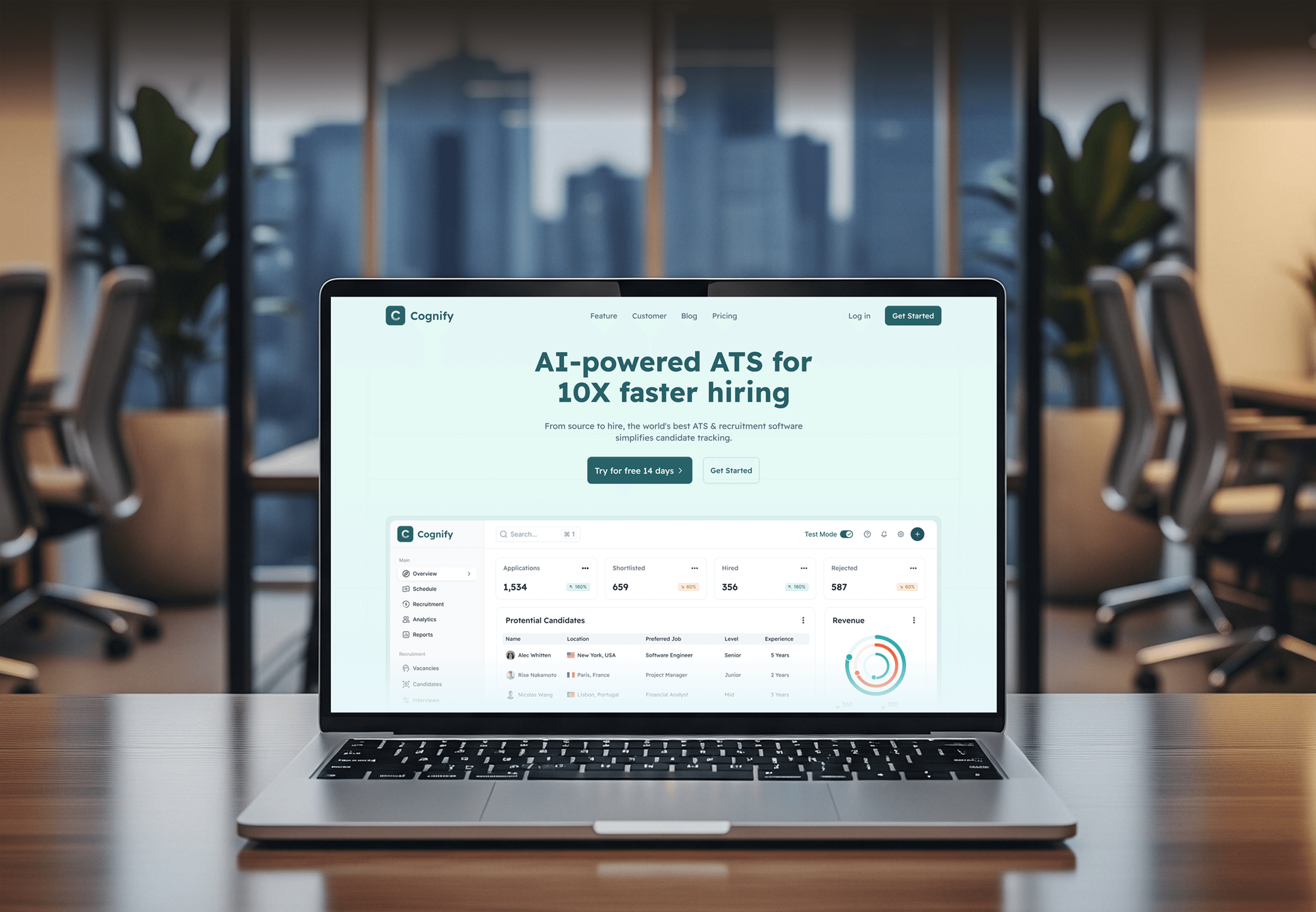
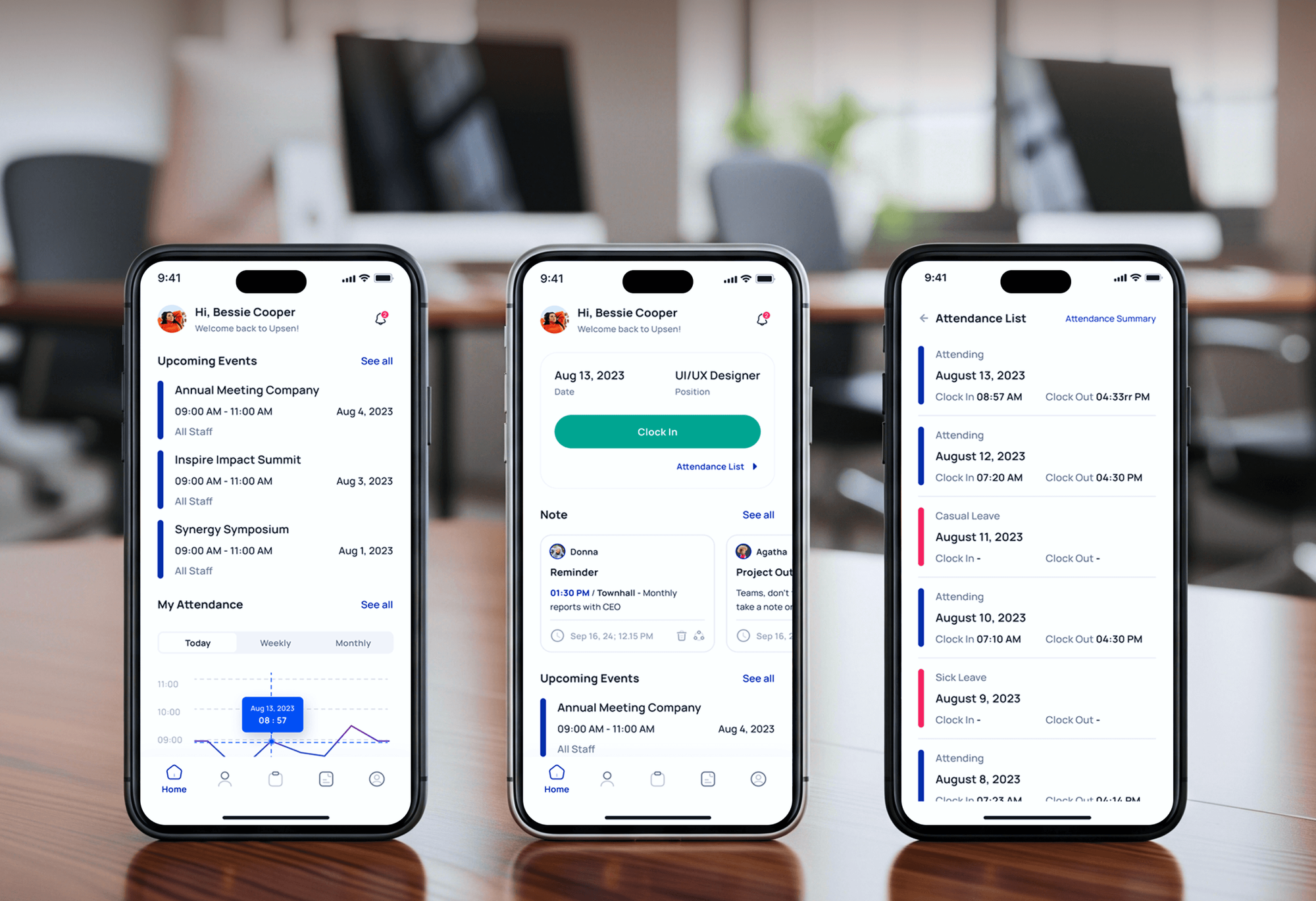
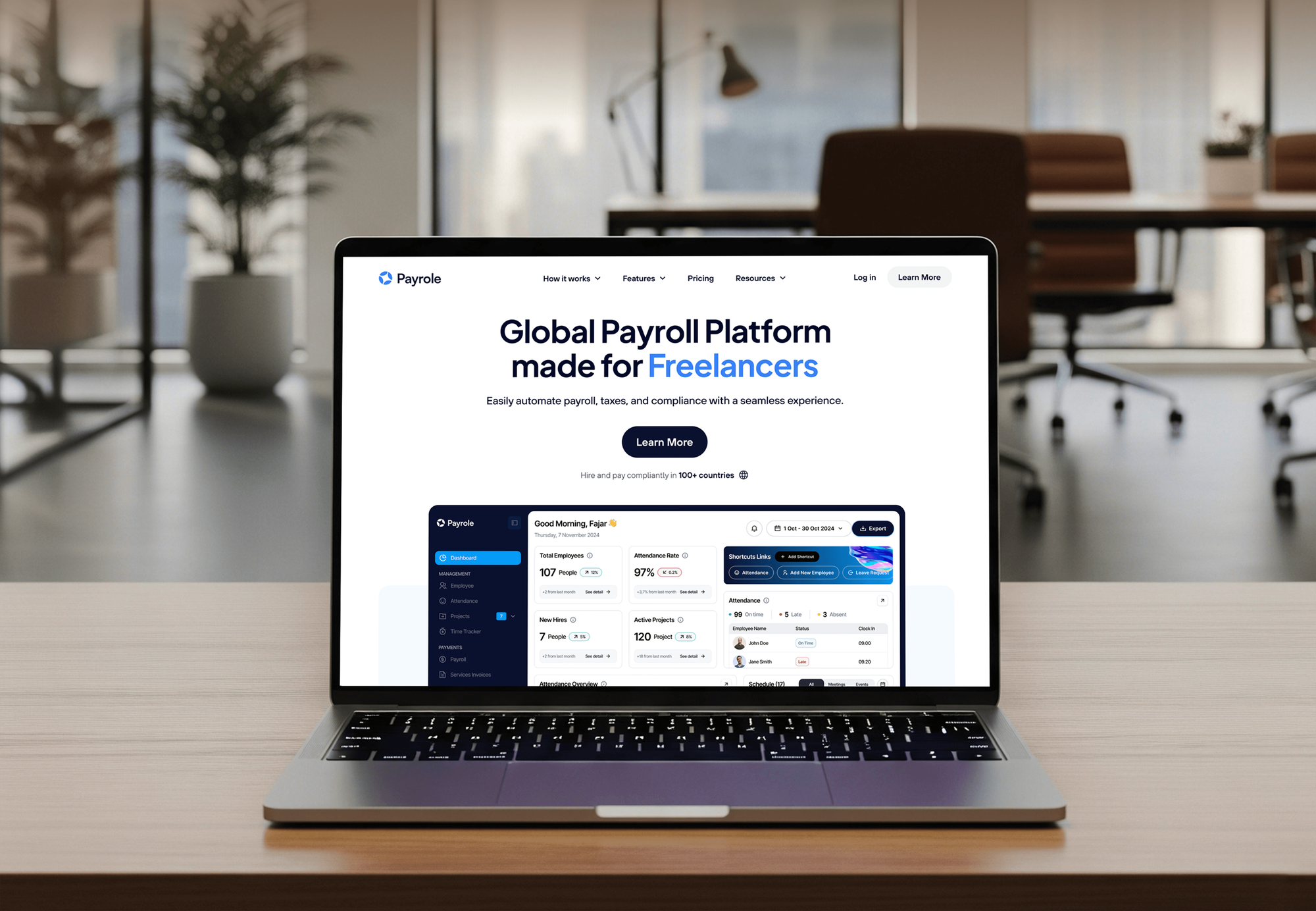
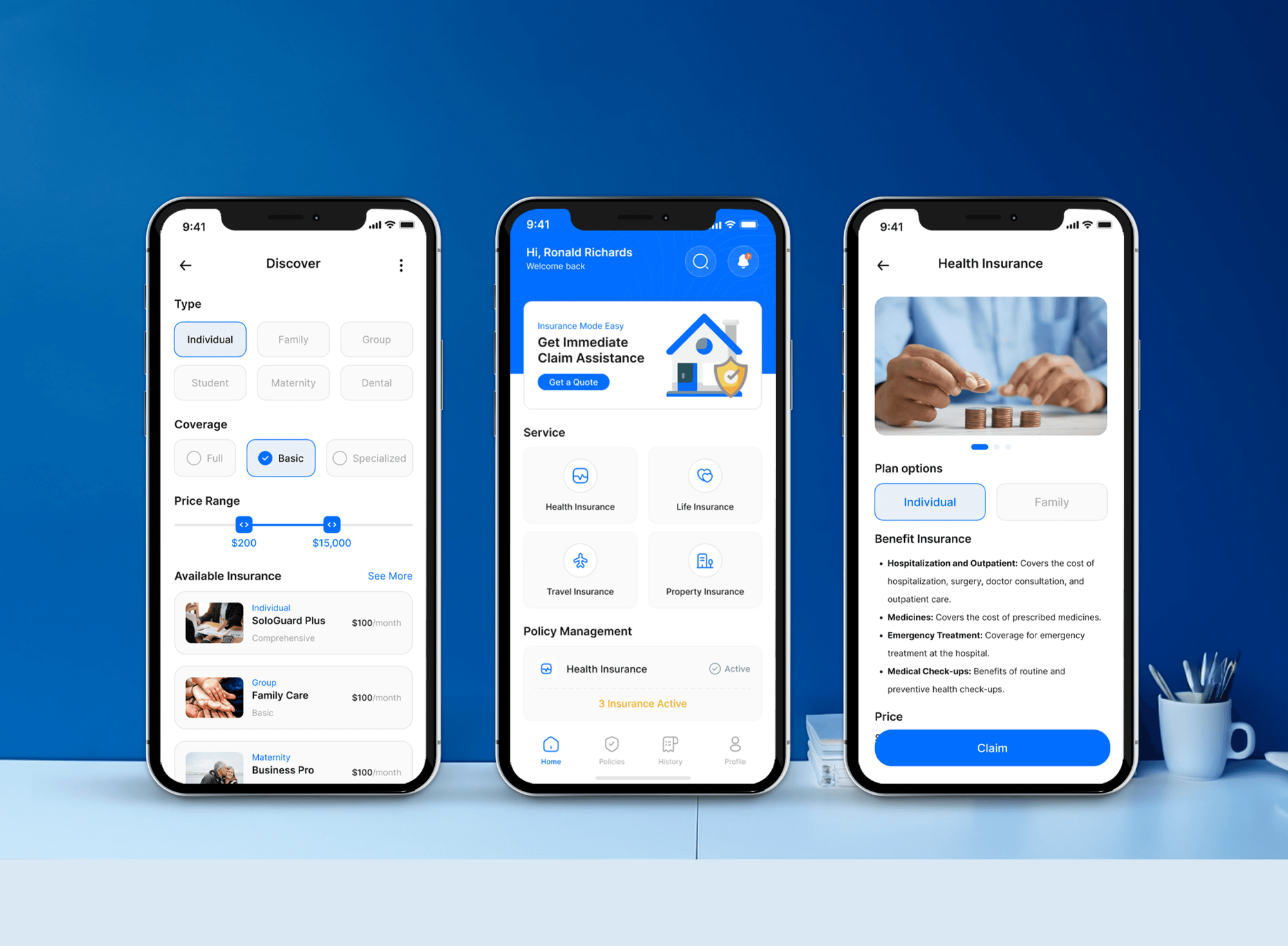
HR, payroll, and insurance apps our team designed and built. Custom records, roles, and screens like these are what Salesforce development adds inside your org.
What Our Clients Say
Feedback from teams we have built business software and web apps for.
We had a pretty specific idea of what we wanted our website to become, but I wasn’t sure how easily we could explain all of it to a development team. There were quite a few moving parts, and we were working toward a deadline, so I expected a few things to get lost along the way. That never really happened. They understood what we were trying to achieve, kept us updated throughout the process, and got everything ready within the agreed timeline. The final site feels much easier to navigate, works beautifully on mobile, and is noticeably smoother for our customers. It was a huge relief seeing the original idea actually turn into the website we had in mind.
The mobile experience is probably my favourite part of the new site. We had spent a lot of time making sure the desktop version looked right, and the team kept pushing us to think about how everything would actually feel on a phone too. They were right. The navigation is clean, the interactions feel natural, and everything we’ve tested so far works exactly as it should. They also went through the links, forms, integrations, and other details more than once before launch, which I really appreciated. And even after going live, we could still reach out when something came up. The whole process felt friendly, organised, and surprisingly straightforward.
What I appreciate most is that the website is actually easy for us to manage now. We can update content ourselves instead of sending a developer a message every time we need to change something small. They also paid attention to the technical SEO side, which mattered to us because we didn’t want a new website to create problems for the traffic we already had. I’ve probably asked more questions than I should have since launch, but every question has been handled patiently and without any fuss. The team is easy to work with, they explain things clearly, and when we need something changed, they focus on getting it done rather than making the process complicated.
1,250+
Projects shipped
10+
Years of experience
Top 3%
Upwork Top Rated Plus
5 stars
Average review score

Want results like these?
Tell us what you are building. You get a reply within 24 hours on business days, then a written estimate.
Work Culture
Choosing a Salesforce app development company means trusting it with code that runs on every save. These habits keep that code fast, tested, and easy to maintain.
If a Flow or validation rule solves it, we use that and skip the Apex. If clicks already cover your case, we'll tell you before we quote.
Salesforce caps each synchronous transaction at 100 SOQL queries and 150 DML statements. We bulkify triggers and test them with large data loads, so imports don't break them.
No change is written straight into production. Your users test each feature in a sandbox and approve it before we deploy.
Code and metadata live in source control with a readable history. When something changes, you can see who changed it and why.
Salesforce requires 75% Apex coverage to deploy, but coverage alone proves little. Our tests check real business cases, so they catch real bugs.
Everything we build lives in your org and your repository. Your admin or the next developer can pick it up without asking us.
Overview
DeveloperLook provides Salesforce development services for orgs that need more than point-and-click setup. We build Apex classes and triggers, Lightning Web Components, and Flows in a sandbox, with tests and source control. Single features start at $1,400, custom apps take 4 to 8 weeks, and every line of code stays in your org and repo.
DEVELOPERLOOK
Project facts · Salesforce Development Services
Reviewed 7 Oct 2026 by Saimul Islam
Good fit
Orgs still running retired automation
Your org still runs Workflow Rules and Process Builder, and you need them rebuilt as Flows or Apex before they turn into a support problem.
Sales teams needing custom screens
Your reps need a quoting or onboarding screen that page layouts can't build, so you want Salesforce app development done with tests and reviews.
Admins inheriting untested Apex
You inherited Apex with thin test coverage and no notes, and every deployment fails on a test someone wrote years ago.
US companies wanting a US vendor
You want a Salesforce development company in the USA that holds calls in your hours and signs contracts as a US business.
Agencies reselling Salesforce projects
Your agency sells Salesforce application development services and needs Apex and Lightning developers who deliver under your brand.
Not a fit
Clicks are enough
Your request fits standard Flow, page layouts, and validation rules. An experienced Salesforce admin will handle it faster and cheaper than custom code.
Store on Commerce Cloud
You need storefront work on Salesforce B2C Commerce. Our Salesforce Commerce Cloud Development page covers cartridges and Composable Storefront builds.
Shopify orders into Salesforce
You mainly need Shopify orders and customers synced into Salesforce. Our Shopify Salesforce Integration page covers that connector work instead.
Budget under $1,400
Your budget is under $1,400 for one small change. Salesforce's free Trailhead modules and a few admin hours may cover you.
Not sure we're the right fit?
Book a free call or message us. We'll tell you honestly whether we're the right team.
Pricing
These are starting points in USD. Your final price depends on the Apex and Lightning work, your data volume, and your release setup, and you get a fixed proposal after a free org review.
For orgs that need one custom feature that Flow can't handle on its own.
$1,400one-time, USD
For teams that need a custom app with its own objects, screens, and automation.
$3,900one-time, USD
For orgs with several teams, heavier Apex, and a release process to set up.
$8,200one-time, USD
For Agencies
You own the client relationship. We supply the Salesforce engineering behind it: Apex, Lightning Web Components, Flows, and tested releases. Your client sees your team, and the code lives in their own org and repository.
White label: your client only ever sees your brand
Send the client's org details, the feature list, and any release dates they need.
You get a solution design and a fixed quote to share with your client.
We build in a sandbox, deploy, and document everything under your brand.
You lead the client calls while we build in their sandbox.
Each feature is priced up front, so your project margin holds.
Apex tests and user testing done before your client sees the build.
Apex and Lightning developers for busy months, with no new hires.
The Right Technology for Your Project
Salesforce's own languages and frameworks first, with Git and Salesforce CLI so every release can be repeated and reviewed.
 Salesforce
 JavaScript
 Slack
FAQ
Straight answers on Salesforce development costs, timelines, the developer role, and who owns the code afterward.
Saimul IslamFounder & CEO, DeveloperLookStill have questions?
Send a message or book a call with the team.
Our Salesforce work starts at $1,400 for one Apex trigger or Lightning Web Component, built and tested in a sandbox. A custom app with up to 5 objects and 4 components costs $3,900. Org-wide work with batch Apex, an external API, and a CI pipeline starts at $8,200. Salesforce license fees stay separate.
A single feature takes 1 to 3 weeks, including sandbox testing and your sign-off. A custom app with several objects and screens takes 4 to 8 weeks, and org-wide work runs up to 12 weeks. Release dates depend most on how quickly your users finish acceptance testing.
It's building features on Salesforce with code, mainly Apex for server logic and Lightning Web Components for screens. It starts where declarative tools like Flow, page layouts, and validation rules stop. Typical work includes custom objects, triggers, guided screens, scheduled jobs, and connections to other systems.
A Salesforce developer is a programmer who writes code that runs on the Salesforce platform. They use Apex, a Java-like language, plus JavaScript for Lightning Web Components and SOQL to query records. Good ones also understand how admins configure an org, because their code runs alongside that setup.
They turn business rules into working features: triggers that update records, screens that guide users, and jobs that run overnight. On our projects, the work also covers writing tests, reviewing each other's code, and deploying through source control. Knowing when not to write code is part of the job.
An administrator configures Salesforce with clicks, while a developer extends it with code. Admins manage users, permissions, page layouts, reports, and most Flows. Developers write Apex, Lightning Web Components, and integrations when configuration can't do the job. Strong teams need both, and we work alongside your admin, not around them.
It's easy to start and hard to do well. Trailhead teaches the basics for free, but production work means handling governor limits, bulk data, test coverage, and the order in which automation fires. Many problems we fix come from code that worked for one record and failed on a bulk import.
The core skills are Apex, SOQL, JavaScript for Lightning Web Components, and a solid grasp of the Salesforce data model. A developer also needs Flow, sharing rules, governor limits, and deployment tools such as Salesforce CLI. On our team, code review and testing habits sit on that list too.
Yes. Custom objects and Apex can send and receive data through Salesforce's REST and Bulk APIs, Platform Events, or scheduled callouts. We build those connections as part of Salesforce CRM development services when a feature needs them. API access needs Enterprise or higher, or a paid add-on on Professional. Larger multi-system syncs are scoped as a separate project.
You do. Every Apex class, Lightning Web Component, and Flow lives in your Salesforce org and in a Git repository you control. After release, we stay on for 30 to 90 days depending on plan to fix issues and answer questions. Your admin or the next developer can take over using our documentation.
Saimul IslamFounder & CEO, DeveloperLookStill have questions?
Send a message or book a call with the team.
Free 30-min callGoogle Meet
Book a call
In 30 minutes on Google Meet we walk you through how we would build it, how long it takes and what it costs. Then you get a written estimate.
Calendar not showing? Book on cal.com or send a brief.