
Accessible page design
18px minimum text, 4.5:1 contrast, large buttons, and layouts that still work at 200% zoom.

Podiatry website design for older patients: 18px readable pages, plain condition content, and booking caregivers can finish. From $1,000.
2X
More new foot pain patients
18px
Minimum body text size
Teams we have built for:














The Problem
It shows up on the phone lines. Patients with poor eyesight or unsteady hands give up on your site and call the front desk instead.
01 · Faint text
Light gray text is hard to read for older patients.
Large body text with strong contrast reads easily on any phone.
02 · Tiny menu
The menu hides behind a tiny icon.
Big, well-spaced buttons and a phone number sit on every screen.
03 · Timed-out forms
The booking form times out halfway through.
A caregiver can book for a parent in one short form.
04 · Clinical terms
Your foot problem pages use terms patients don't search for.
Heel pain, bunions, and diabetic foot problems get explained in plain words.
A 72-year-old with diabetes notices a sore on their foot and asks their daughter to find a podiatrist. Your site's light gray text is hard to read, the menu hides behind a tiny icon, and the booking form times out halfway through. So the daughter calls, gets voicemail, and books elsewhere. Your staff spend mornings returning calls a readable site would have handled. And your foot problem pages use terms your patients don't search for.
We start with how your patients read, tap, and book. Body text runs 18px or larger with strong contrast, buttons are big and spaced apart, and the phone number sits on every screen. Plain-language pages explain heel pain, bunions, and diabetic foot care. Booking and intake let a caregiver finish for a parent, through a vendor that signs a BAA. Patients book online instead of leaving voicemails.
Readable on any phone
An 18px minimum for body text, strong contrast, and large buttons with space between them.
Foot problems in plain words
Heel pain, bunions, ingrown toenails, and diabetic foot care explained the way patients search.
Booking a caregiver can finish
A booking-for-someone-else option collects both people's details in one short form.
Our Podiatry Website Process
You review the accessibility plan, the page content, and a staging site you can test yourself. Nothing launches until you've tried it on your own phone.
You start with a free review of your current site on the phones and screen sizes your patients use. You leave with an accessibility plan, a list of foot problems to cover, and a fixed-price proposal.
What's Included
Everything website design for podiatrists should cover: pages older patients can read, plain condition content, easy booking, and forms caregivers can finish.
Compare Options
Lists of the best podiatry clinic website design rarely test with older patients. Templates launch fast and overlays install in minutes. Here is what each one actually fixes.
| Feature | DeveloperLookBest fit | Podiatry template service | Accessibility overlay widget |
|---|---|---|---|
| Readable text | 18px minimum, high contrast | Theme defaults, often small | Resizer on top of old styles |
| Assistive tech support | Tested with keyboard and screen reader | Varies by template | Code issues stay underneath |
| Patient education | Plain-language pages you approve | Stock text for every client | Not addressed |
| Caregiver booking | Book for someone else option | Patient-only forms | Not addressed |
| Phone access | Click-to-call on every screen | Header number only | Left unchanged |
| Setup speed | 4 to 10 weeks | Fastest, from a template | Installs the same day |
| Upfront cost | From $1,000, fixed scope | Low monthly fee | Low yearly license |
| Code control | You, every file | The template vendor | Your old site, unchanged |
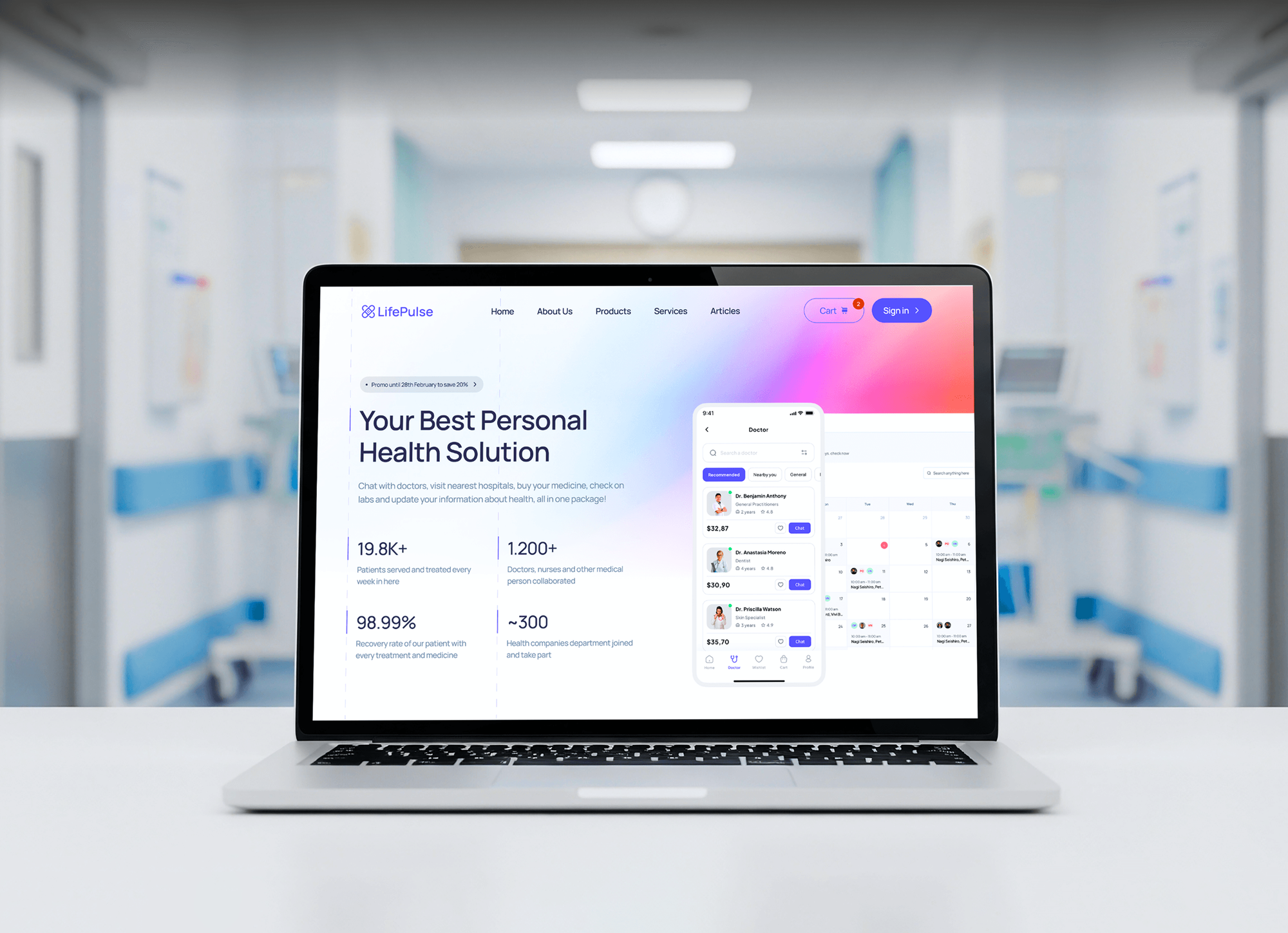
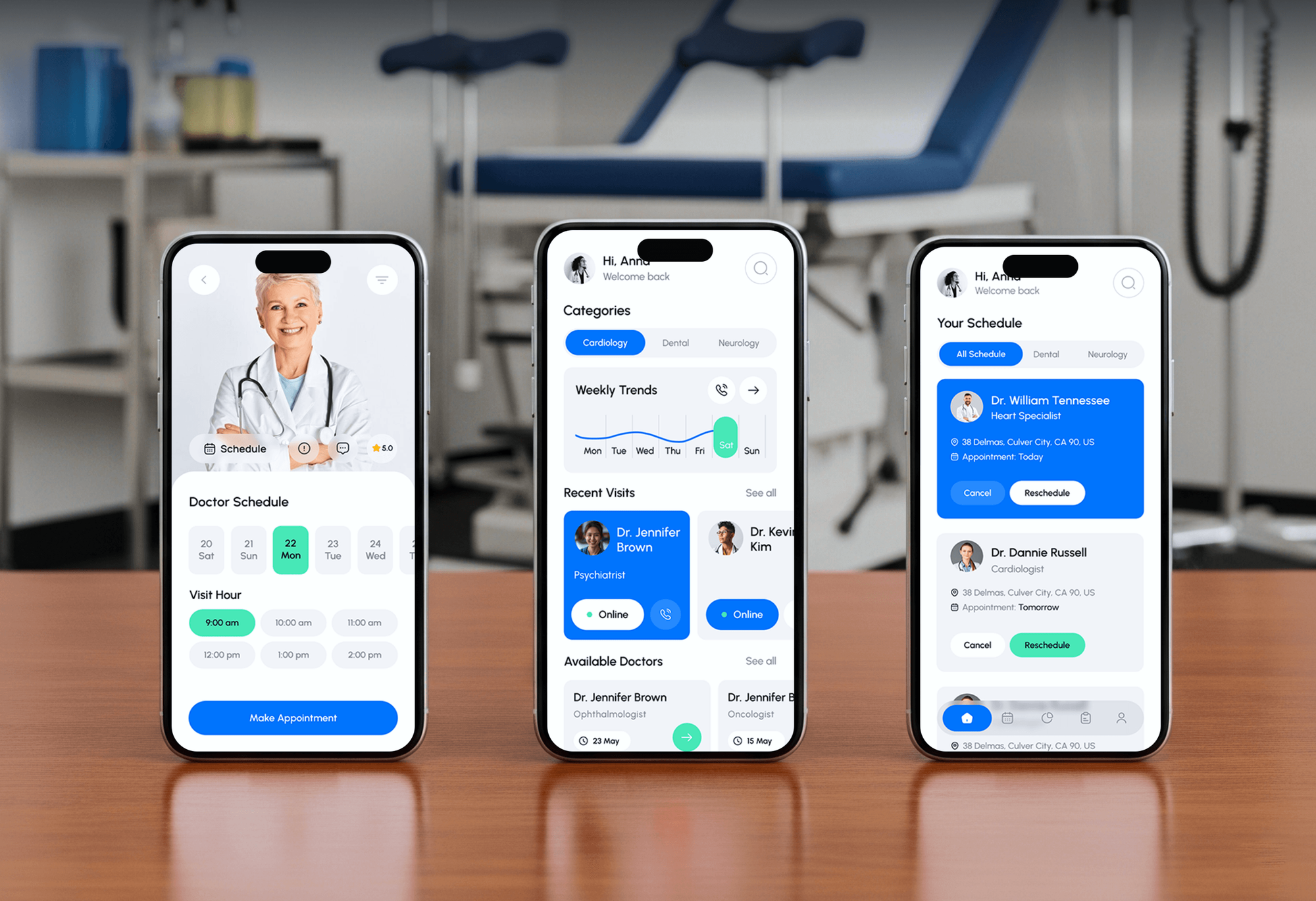
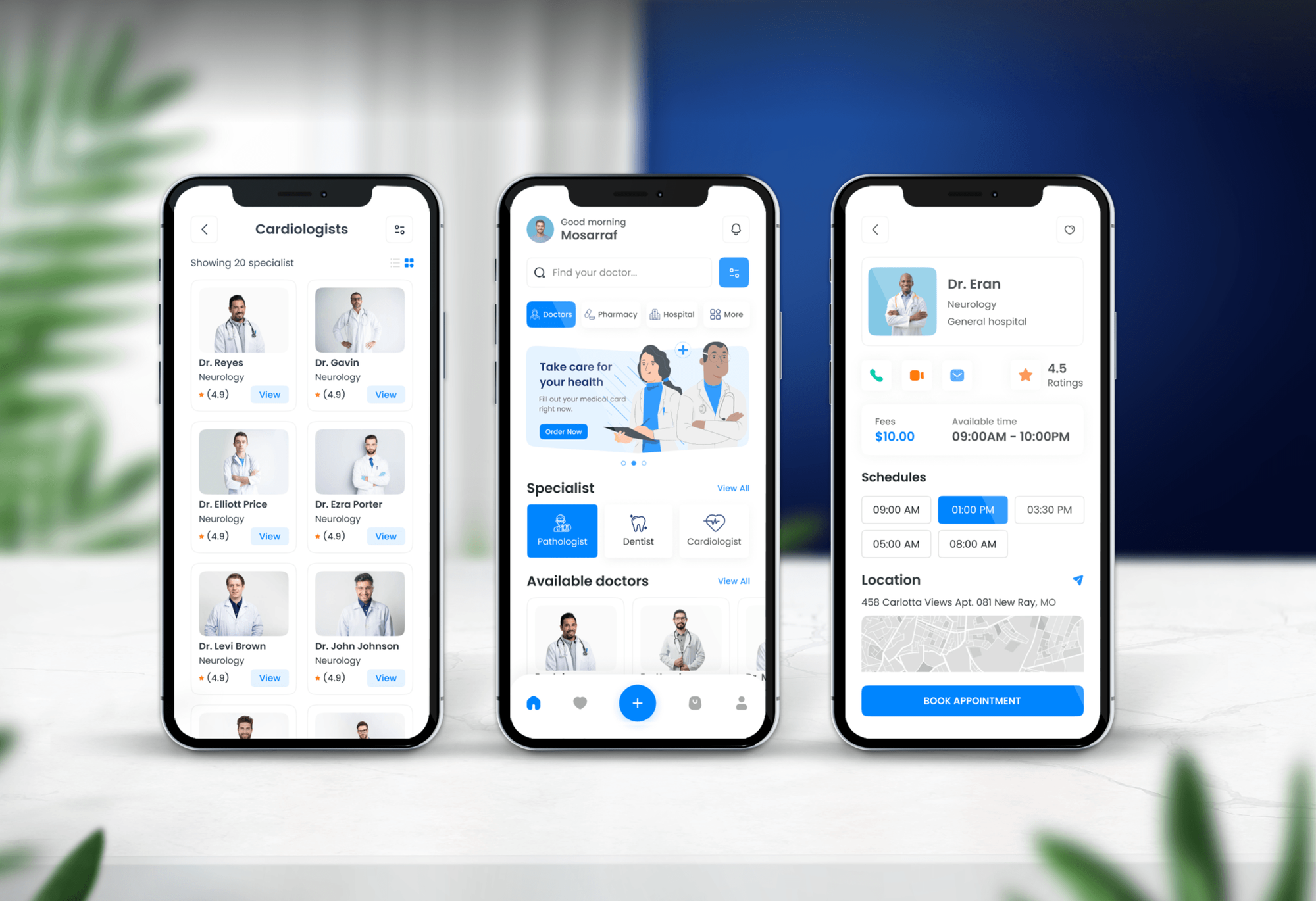
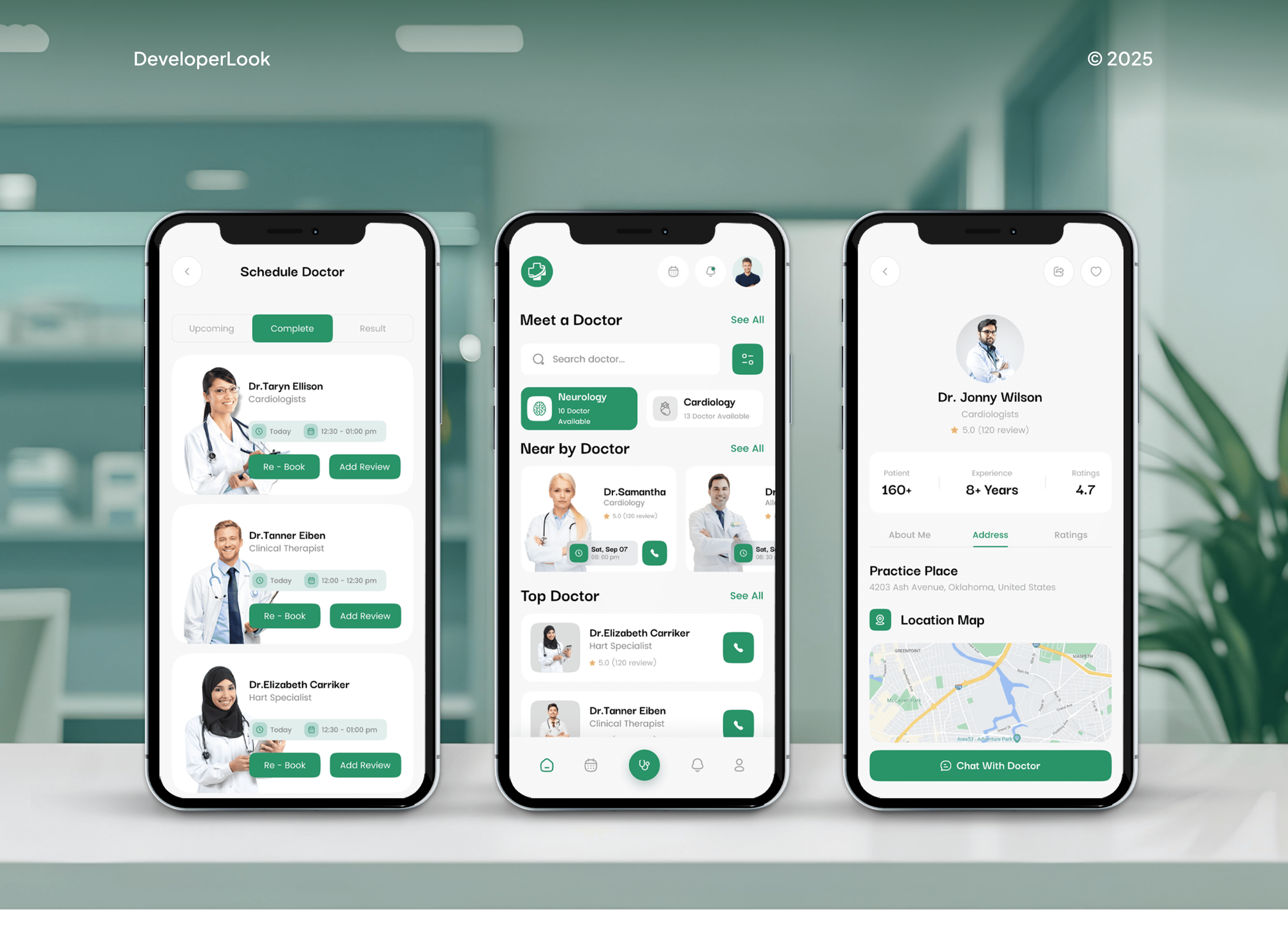
Projects We've Built
Medical sites and booking apps we have designed and built. Each one had to make appointments easy for patients who aren't comfortable online.
What Our Clients Say
Feedback from teams we have built accessible sites and booking apps for.
We had a pretty specific idea of what we wanted our website to become, but I wasn’t sure how easily we could explain all of it to a development team. There were quite a few moving parts, and we were working toward a deadline, so I expected a few things to get lost along the way. That never really happened. They understood what we were trying to achieve, kept us updated throughout the process, and got everything ready within the agreed timeline. The final site feels much easier to navigate, works beautifully on mobile, and is noticeably smoother for our customers. It was a huge relief seeing the original idea actually turn into the website we had in mind.
The mobile experience is probably my favourite part of the new site. We had spent a lot of time making sure the desktop version looked right, and the team kept pushing us to think about how everything would actually feel on a phone too. They were right. The navigation is clean, the interactions feel natural, and everything we’ve tested so far works exactly as it should. They also went through the links, forms, integrations, and other details more than once before launch, which I really appreciated. And even after going live, we could still reach out when something came up. The whole process felt friendly, organised, and surprisingly straightforward.
What I appreciate most is that the website is actually easy for us to manage now. We can update content ourselves instead of sending a developer a message every time we need to change something small. They also paid attention to the technical SEO side, which mattered to us because we didn’t want a new website to create problems for the traffic we already had. I’ve probably asked more questions than I should have since launch, but every question has been handled patiently and without any fuss. The team is easy to work with, they explain things clearly, and when we need something changed, they focus on getting it done rather than making the process complicated.
1,250+
Projects shipped
10+
Years of experience
Top 3%
Upwork Top Rated Plus
5 stars
Average review score

Want results like these?
Tell us what you are building. You get a reply within 24 hours on business days, then a written estimate.
Work Culture
Podiatry sites serve patients who may see poorly, move slowly, or book through a family member. These habits keep every one of them in mind.
We check every page with a keyboard, a screen reader, and 200% zoom before launch. Automated scanners catch some problems, and people catch the rest.
Body text starts at 18px, and nothing important hides in light gray. Your patients read every page without reaching for their reading glasses.
Adult children often book for a parent. Every form we build lets them do that openly, without pretending to be the patient.
Your pages say heel pain before plantar fasciitis. Patients find their problem in the words they actually use, and the medical term follows.
If fixing contrast, text size, and your booking link would solve most calls, we'll tell you before we quote. A full rebuild can wait.
Your domain, hosting, forms, and patient education pages belong to your practice from day one. You keep every file if you change agencies.
Overview
DeveloperLook offers podiatry website design built for older and mobility-impaired patients. We build condition pages for heel pain, bunions, and diabetic foot care, accessible booking to WCAG 2.1 AA, and intake forms caregivers can complete. Sites start at $1,000, most launch in 4 to 10 weeks, and you own every account.
DEVELOPERLOOK
Project facts · Podiatry Website Design Services
Reviewed 28 Sep 2026 by Saimul Islam
Good fit
Solo podiatrists and small practices
Your patients skew older, and many call because your site's small gray text is hard to read on a phone.
Practices focused on diabetic foot care
You run a diabetic foot program, and patients or their caregivers need to book checkups without calling three times.
Foot and ankle groups with several doctors
Your doctors split sports injuries, bunion surgery, and wound care, and each one needs a booking link that routes correctly.
Practices that accept Medicaid
You receive HHS funding, and the Section 504 rule sets a May 2027 or May 2028 deadline for accessible websites.
Agencies with podiatry clients
You run campaigns for foot care practices and want a podiatric physician website design partner who builds accessible sites under your brand.
Not a fit
Budget under $1,000
Your budget is under $1,000. A podiatry template service fits until you need accessible booking and caregiver-friendly forms.
Orthopedic surgeon group
You run a multi-surgeon orthopedic group. Our orthopedic page covers surgeon directories and injury triage.
Online orthotics store
You sell orthotics and footwear online more than you see patients. Our E-commerce Development service fits that store better.
Accessibility fixes only
You only need an accessibility audit and fixes on your current site. Our ADA Website Compliance Services page covers that without a redesign.
Not sure we're the right fit?
Book a free call or message us. We'll tell you honestly whether we're the right team.
Pricing
These are starting points in USD. Your final price depends on pages, offices, and the depth of accessibility testing, and you get a fixed proposal after a free discovery call.
For solo or small practices that need an accessible site with plain-language foot care pages in 4 to 5 weeks.
$1,000one-time, USD
For practices that want a full condition library, connected booking, and caregiver intake in 6 to 7 weeks.
$2,250one-time, USD
For groups with 2 to 4 offices that need per-office booking and deeper testing, built in 8 to 10 weeks.
$4,450one-time, USD
For Agencies
You keep the practice relationship and the marketing plan. We build accessible podiatry sites behind your brand: readable pages, condition content your client approves, and caregiver-friendly booking, all tested with assistive tech.
White label: your client only ever sees your brand
Send the practice's services, doctors, EHR name, and current site URL.
You get a fixed quote, an accessibility plan, and a launch date to confirm.
We build, test with assistive tech, and deliver the site under your brand.
Your agency leads every meeting, and we stay behind your brand.
An accessibility plan, a staging site, and test results at each milestone.
WCAG fixes, scheduling links, and BAA forms handled by senior developers.
Add us for one podiatry client or a full healthcare roster.
The Right Technology for Your Project
We pair a CMS your staff can edit with the scheduling tool you already use, then test everything with the same tools your patients rely on.
 Figma
Figma WordPress
 Webflow
 Next.js
 Lighthouse
 Cloudflare
 Vercel
 Google Search Console
 PageSpeed Insights
FAQ
Straight answers on cost, accessibility, online scheduling, caregivers, and patient education.
Saimul IslamFounder & CEO, DeveloperLookStill have questions?
Send a message or book a call with the team.
Your podiatry site starts at $1,000 for up to 8 pages, 5 plain-language condition pages, and an accessible build. The Foot Care Patient Site costs $2,250 and adds connected scheduling, caregiver-friendly intake, and an insurance page. Groups with 2 to 4 offices start at $4,450.
Most podiatry sites launch in 4 to 10 weeks. A starter site takes 4 to 5 weeks, a full condition library with connected scheduling takes 6 to 7, and multi-office builds take 8 to 10. Writing and approving patient education with your doctors usually sets the pace.
They publish a clear page for each condition and tie it to local search. Each page explains symptoms in plain words, lists the treatments your doctors offer, and ends with a booking link and a phone number. Google Business Profile services, location pages, and patient reviews help nearby searchers reach those pages.
You connect the scheduling tool your EHR already offers instead of adding a separate calendar. ModMed and athenahealth both offer patient self-scheduling, and Zocdoc's Website Scheduling puts a Book Online button on your site that can schedule into many EHRs. Good foot and ankle clinic website design keeps that button and your phone number on every page.
Pages that answer your patients' real questions are the strongest starting point. Start with heel pain, bunions, ingrown toenails, and diabetic foot care: what it feels like, when to see a podiatrist, and what the first visit involves. We track bookings by page, without health details, so you expand what works.
You build to WCAG 2.1 AA, then test the way your patients use the site. That means body text of 18px or larger, text contrast of at least 4.5:1, large buttons with space between them, and full keyboard and screen reader support. Forms stay short and let a caregiver fill them in for a parent.
It applies if your practice receives HHS federal funding, such as Medicaid payments. The rule requires WCAG 2.1 AA for your website by May 11, 2027 with 15 or more employees, or May 10, 2028 with fewer. Your attorney can confirm coverage, and we build to that standard either way.
Yes, when the booking and intake flow asks who is filling it in. We add a booking-for-someone-else option that collects the caregiver's contact details and the patient's, and keeps both on the record your staff see. Everything runs through a vendor that signs a BAA.
Your practice owns the domain, hosting, scheduling links, and every form account. We set all of it up under your practice's name, then pass you full admin access at launch. Switch agencies later, and the code, the design files, and your patient education pages go with you.
Support covers 30 days on the starter site, 60 on the patient site, and 90 on group builds. We fix issues, recheck accessibility after content changes, and make small edits such as a new foot condition page. After that window, you can buy changes as needed or join a monthly care plan.
Saimul IslamFounder & CEO, DeveloperLookStill have questions?
Send a message or book a call with the team.
Free 30-min callGoogle Meet
Book a call
In 30 minutes on Google Meet we walk you through how we would build it, how long it takes and what it costs. Then you get a written estimate.
Calendar not showing? Book on cal.com or send a brief.