
Performance profile
File sizes, draw calls, texture memory, and frame times measured on real phones before any rebuild.

For product, creative, and game teams with a 3D idea or design: Three.js developers who ship scenes that load fast on phones, from $1,250.
5MB
3D asset budget per scene
100%
Scenes with a no-WebGL fallback
How your project runs
Teams we have built for:














The Problem
It shows up the week before launch. The scene runs smoothly on the designer's machine, then a phone heats up, drops frames, or shows a blank canvas.
01 · File size
The 3D model outweighs the rest of the site.
We compress geometry with Draco or Meshopt and textures with KTX2.
02 · Frame rate
Too many draw calls drop frames on phones.
We merge meshes, share materials, and instance repeated objects.
03 · Fallback
Some devices show a black canvas instead of the scene.
We detect WebGL support and serve a poster image or video instead.
04 · Shaders
Only one freelancer understands the custom shaders.
We document every shader and asset step so your team can maintain them.
Your agency handed over a beautiful 3D scene, and it runs smoothly on the designer's laptop. On a mid-range phone it takes ages to load, drops frames, and sometimes shows a black canvas. The model file weighs more than the rest of the site combined. Every material is a separate draw call, and the textures sit at full resolution. Nobody on your team writes shaders, so each fix waits on the one freelancer who built it.
We start with a performance profile: file sizes, draw calls, texture memory, and frame times on real phones. Then we rebuild the asset pipeline with glTF, Draco or Meshopt geometry, and KTX2 textures, merge what can be merged, and set a budget per scene. Devices without WebGL get a poster image. The scene looks the same, but now it loads like the rest of your site.
Asset budgets per scene
Compressed glTF models and KTX2 textures kept under an agreed size for every scene.
Profiled on real phones
Draw calls, memory, and frame times measured on mid-range Android phones and iPhones.
A fallback for every device
A poster image or video for devices without WebGL, so nobody sees a blank canvas.
Our Three.js and WebGL Development Process
You agree on size and frame targets and a fixed price first, then test every milestone on your own phone before launch.
We load your scene or design on mid-range phones and profile file sizes, draw calls, and frame times. You get the bottlenecks, an asset budget, and the plan that fits your scope.
What's Included
A 3D scene engineered to load and run well: the review, the asset pipeline, the Three.js build, phone testing, fallbacks, and notes your team can maintain.
Compare Options
A no-code 3D tool gets a simple model online in hours, and a freelancer costs less per hour. Here's how they compare with Three.js development services built for phones.
| Feature | DeveloperLookBest fit | Freelancer | No-code 3D tool |
|---|---|---|---|
| Custom interactions | Any logic you need | Any logic, one person | Built-in events only |
| Asset pipeline | glTF, Draco, and KTX2 set up | Depends on the person | Handled by the tool |
| Phone performance | Profiled on real phones | Often desktop-tested | Varies by scene |
| First demo | 1 to 2 weeks | 1 to 2 weeks | Hours to days |
| Shaders and effects | Custom GLSL or TSL | Depends on skills | Preset effects |
| No-WebGL fallback | Poster on every scene | Often missing | Limited control |
| Cost | Fixed price per scope | Lower hourly rate | Low monthly plan |
| Code ownership | Your repository, documented | Yours, per contract | Tied to the tool |
Projects We've Built
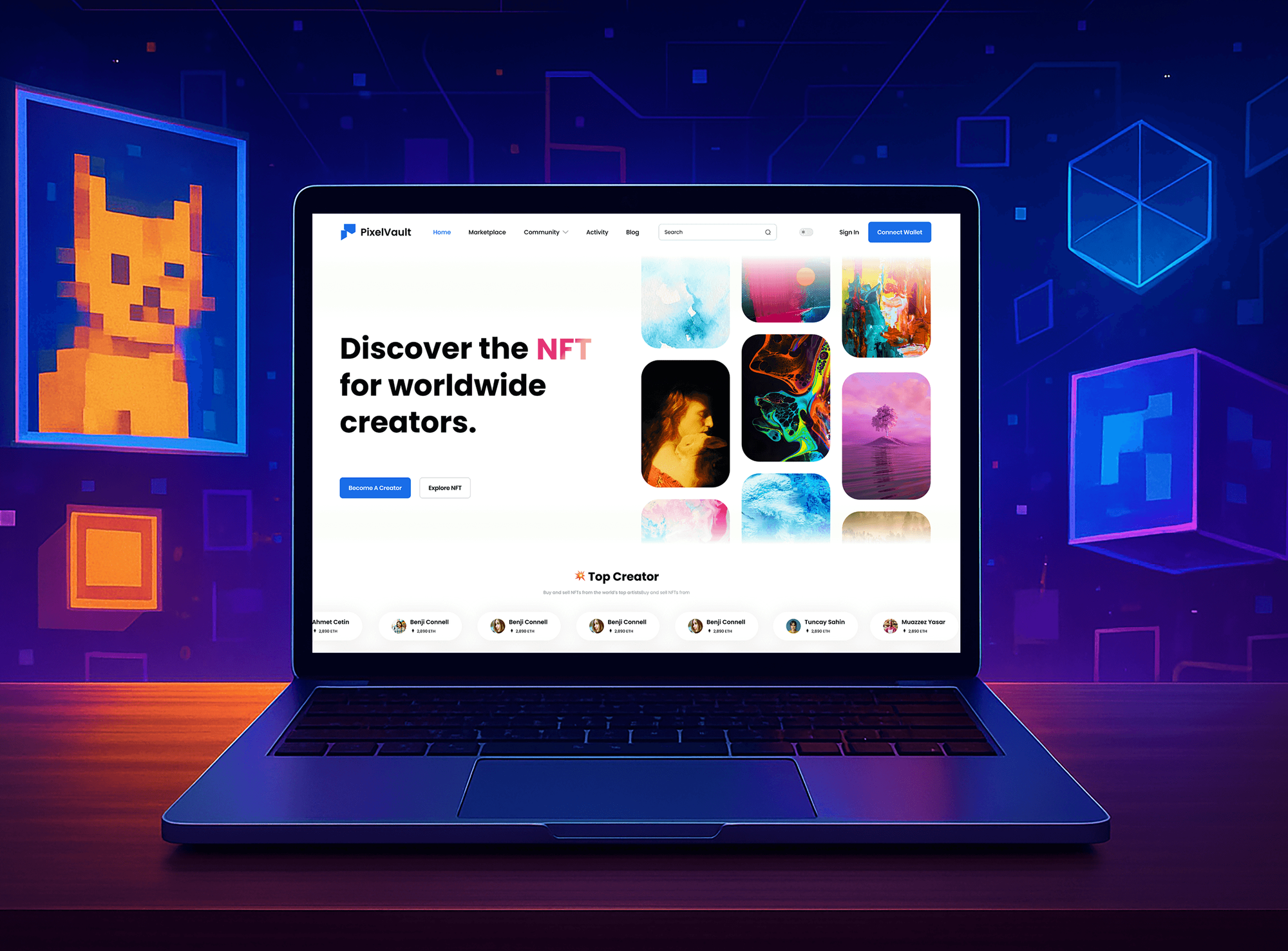
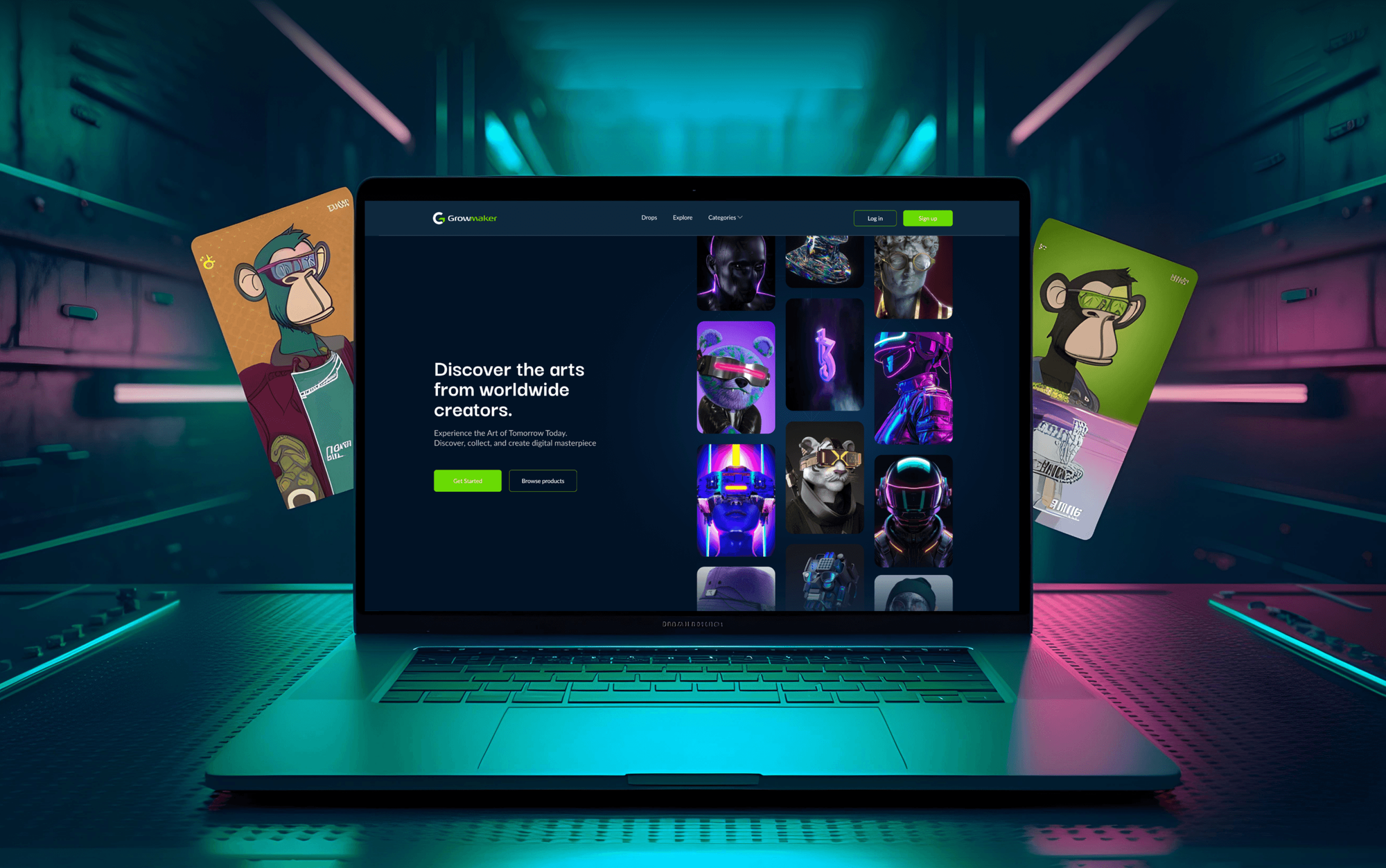
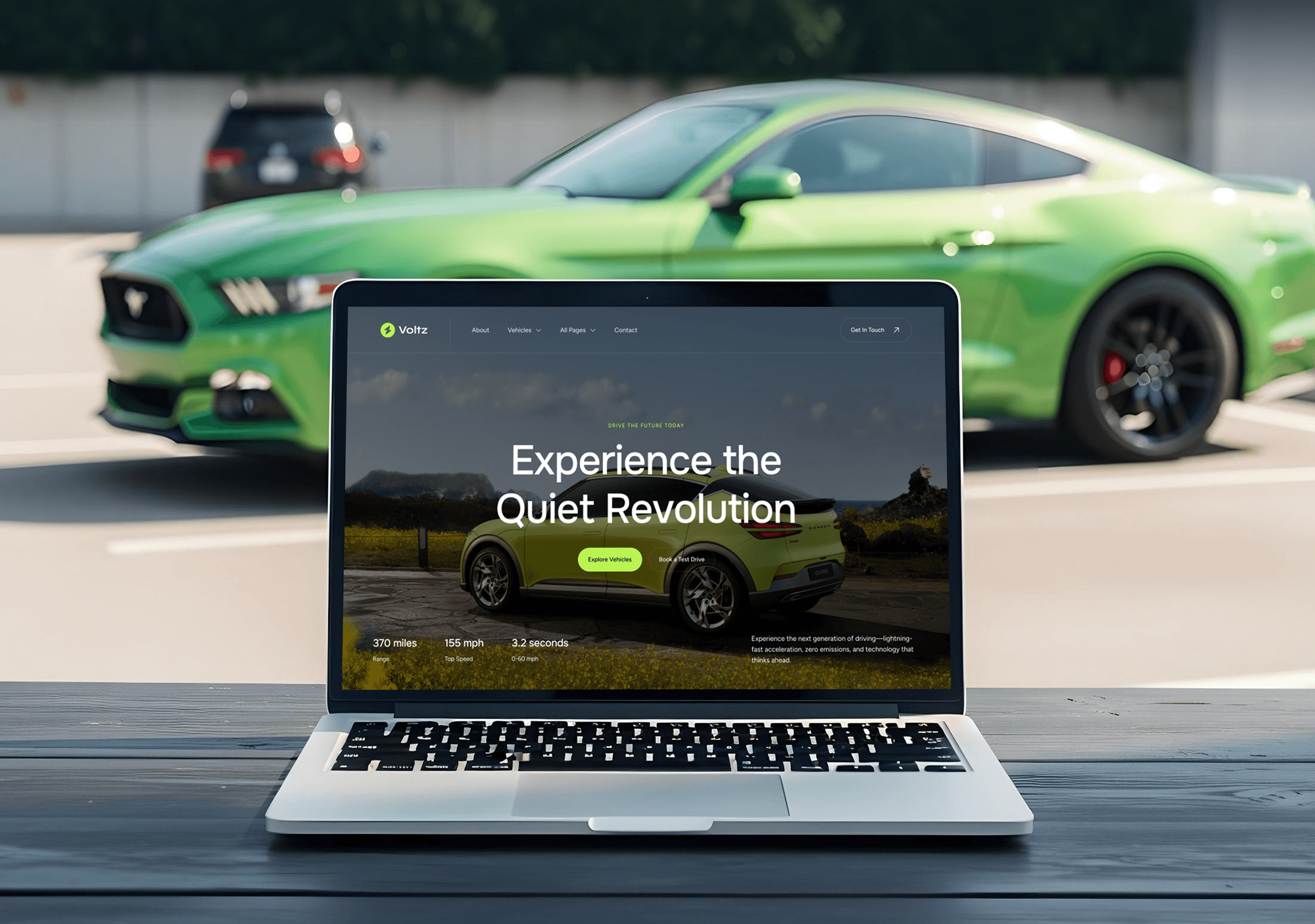
NFT, automotive, and design studio websites we designed and built, the visual-first brands that often commission 3D. We don't present them as WebGL builds.

What Our Clients Say
Feedback from teams we have built websites, web apps, and visual experiences for.
We had a pretty specific idea of what we wanted our website to become, but I wasn’t sure how easily we could explain all of it to a development team. There were quite a few moving parts, and we were working toward a deadline, so I expected a few things to get lost along the way. That never really happened. They understood what we were trying to achieve, kept us updated throughout the process, and got everything ready within the agreed timeline. The final site feels much easier to navigate, works beautifully on mobile, and is noticeably smoother for our customers. It was a huge relief seeing the original idea actually turn into the website we had in mind.
The mobile experience is probably my favourite part of the new site. We had spent a lot of time making sure the desktop version looked right, and the team kept pushing us to think about how everything would actually feel on a phone too. They were right. The navigation is clean, the interactions feel natural, and everything we’ve tested so far works exactly as it should. They also went through the links, forms, integrations, and other details more than once before launch, which I really appreciated. And even after going live, we could still reach out when something came up. The whole process felt friendly, organised, and surprisingly straightforward.
What I appreciate most is that the website is actually easy for us to manage now. We can update content ourselves instead of sending a developer a message every time we need to change something small. They also paid attention to the technical SEO side, which mattered to us because we didn’t want a new website to create problems for the traffic we already had. I’ve probably asked more questions than I should have since launch, but every question has been handled patiently and without any fuss. The team is easy to work with, they explain things clearly, and when we need something changed, they focus on getting it done rather than making the process complicated.
1,250+
Projects shipped
10+
Years of experience
Top 3%
Upwork Top Rated Plus
5 stars
Average review score

Want results like these?
Tell us what you are building. You get a reply within 24 hours on business days, then a written estimate.
Work Culture
3D work fails quietly on the devices nobody tested. These habits keep the scene fast, readable, and maintainable after launch.
We agree on file size and frame targets before modeling the details. A scene that misses its budget gets simplified, not shipped anyway.
We test on the phones your visitors actually carry, not on a gaming laptop. That's where frame drops and memory crashes really happen.
If a video loop or an animated image tells the story just as well, we'll tell you before we quote. 3D should earn its weight on the page.
Headings, copy, and buttons stay in the page instead of being painted into the canvas. Search engines and screen readers can still read your content.
Each custom shader ships with a note on what it does and which values to tweak. Your team can adjust a glow without calling us.
Source models, textures, and code live in your repository and storage. You can reuse them in the next campaign without asking our permission.
Overview
DeveloperLook is where product and creative teams hire Three.js developers to build WebGL scenes, product viewers, and browser games that run on phones. We profile scenes, compress assets to glTF with KTX2 textures, build in Three.js or React Three Fiber, and add fallbacks. Projects start at $1,250 and take 2 to 12 weeks.
DEVELOPERLOOK
Project facts · Three.js and WebGL Development
Reviewed 10 Oct 2026 by Saimul Islam
Good fit
Brands launching a 3D product page
You want shoppers to spin, zoom, and inspect your product in the browser, and you need a WebGL developer who keeps it fast on phones.
Agencies with a designed 3D concept
Your designers finished a 3D concept in Blender or Figma, and you need to hire Three.js developers who can build it exactly as designed.
Studios making browser games
You're planning a small game or playable demo, and you need WebGL game development that runs in a browser tab with no install.
Teams with a slow existing scene
Your Three.js scene already ships, but it loads slowly and drops frames, and you need a Three.js developer to profile and fix it.
Data teams that need 3D views
You need a 3D view of a building, a network, or a dataset, because flat charts can't show the depth your users need.
Not a fit
Design-led 3D website
You need a full 3D website designed from the concept up, story and all. Our 3D Website Design page covers that design-first work.
Product configurator
Shoppers need to pick colors, parts, and options that change the price. Our 3D Product Configurator Development page covers that build.
Budget under $1,250
You want one model embedded on a single page with no custom logic. A no-code 3D tool will cost far less than our smallest plan.
Console or app store game
You're building a full game for consoles or app stores. A game engine like Unity or Godot fits that better than a browser library.
Not sure we're the right fit?
Book a free call or message us. We'll tell you honestly whether we're the right team.
Pricing
These are starting points in USD. Your final price depends on model count and complexity, custom shaders, and interactions, and you get a fixed proposal after a free scene review.
For brands that need one product or object in 3D that shoppers can spin, zoom, and inspect.
$1,250one-time, USD
For sites that need a scroll-driven or interactive 3D section with several models and custom effects.
$4,600one-time, USD
For campaigns, browser games, or data scenes that span several linked 3D scenes.
$9,200one-time, USD
For Agencies
You own the client relationship and the creative idea. We supply the WebGL engineering behind it: asset pipelines, scenes, and shaders built to your designs under your agency's name. Your team presents the work, and we keep it running on phones.
White label: your client only ever sees your brand
Send the designs, the models, and the devices your client cares about most.
We check the assets and return a size budget and a fixed price per scene.
We ship on preview URLs, demo with you, and hand over the pipeline notes.
Your client sees your designers and your studio's name on the work.
We match your Blender or Figma concept, not our own taste.
Every scene is profiled on mid-range phones before your client sees it.
Add us for one campaign scene or a steady run of 3D work.
The Right Technology for Your Project
The 3D libraries, web frameworks, asset tools, and test browsers we use for WebGL scenes that run on phones.
 Three.js
 React Three Fiber
 Next.js
 Vue.js
 Blender
 Figma
 Chrome DevTools
FAQ
Straight answers on cost, timelines, WebGL and WebGPU, file formats, browser games, and page speed.
Saimul IslamFounder & CEO, DeveloperLookStill have questions?
Send a message or book a call with the team.
Three.js work with DeveloperLook starts at $1,250 for a 3D product viewer with one compressed model and up to 5 hotspots. An interactive scene with up to 3 models and custom shaders costs $4,600, and a full experience of up to 6 linked scenes starts at $9,200. Prices are fixed after a free scene review.
A product viewer takes 2 to 3 weeks, an interactive scene 4 to 6 weeks, and a multi-scene experience 6 to 12 weeks. Model preparation is the usual wildcard: clean, light models move fast, while heavy CAD or scan files need retopology first. You can test each milestone on your own phone.
WebGL is the browser's low-level graphics API, and Three.js is a JavaScript library built on top of it. Writing raw WebGL means managing buffers and shaders by hand. Three.js adds scenes, cameras, lights, materials, and loaders, so a WebGL developer spends time on the experience instead of the plumbing.
Look for proof that they can make 3D fast on phones, not just pretty on a laptop. Ask how they'd shrink a heavy model, how they count draw calls, and what users see when WebGL fails. A live scene running smoothly on a mid-range phone tells you more than a showreel.
Yes, for small browser games and playable demos: product mini-games, campaign games, and simple multiplayer prototypes. We keep downloads small so players start quickly on a phone. Full console or app store games belong in an engine like Unity or Godot, and we'll say so if that's your project.
It doesn't have to. We load the scene after the main content, keep headings and copy in HTML, and show a light poster first. Search engines read the page as usual, and the scene loads only when a visitor scrolls near it or taps to start.
Use Three.js's WebGPURenderer and let it choose. It runs on WebGPU where the browser supports it and falls back to WebGL 2 elsewhere. WebGPU now ships in Chrome, Edge, Safari, and Firefox on Windows, but older devices still need the WebGL path, so we test both.
Yes. React Three Fiber lets your React developers describe a Three.js scene as components, with state shared with the rest of the app. We use it when the 3D lives inside a React or Next.js app, and plain Three.js when the scene is a standalone page or embed.
We deliver in glTF 2.0, the Khronos standard for 3D on the web, with Draco or Meshopt geometry and KTX2 textures. We can start from Blender, FBX, OBJ, or CAD exports. CAD and 3D scan files usually need cleanup and retopology before they're light enough for a browser.
You do. Source models, compressed files, textures, and code live in your repository and storage from the start. At handover, you get the asset pipeline steps, the shader notes, and the source files for every model. After launch, your plan covers fixes and small adjustments for 30 to 90 days.
Saimul IslamFounder & CEO, DeveloperLookStill have questions?
Send a message or book a call with the team.
Free 30-min callGoogle Meet
Book a call
In 30 minutes on Google Meet we walk you through how we would build it, how long it takes and what it costs. Then you get a written estimate.
Calendar not showing? Book on cal.com or send a brief.