
3D scene concept
A clear idea of what the 3D shows and why, sketched before any modeling starts.

For product brands, studios, and artists: a 3D website visitors can turn, explore, and remember, with a fallback for every device. From $1,250.
360°
Product views in the browser
1
Fallback for every 3D scene
How your project runs
Teams we have built for:














The Problem
3D on the web goes wrong when it's treated as decoration added at the end. Heavy models, missing fallbacks, and text locked inside a canvas hurt phones, accessibility, and search.
01 · Heavy models
A huge model loads before anything appears.
We compress models with glTF and Draco and load them after the text.
02 · Old phones
The scene stutters and the browser tab reloads.
We test on mid-range phones and serve a lighter scene or a poster image.
03 · Motion
Visitors who prefer reduced motion get a spinning camera anyway.
We honor reduced-motion settings with a calmer camera or a static view.
04 · Search
Product copy hides inside the canvas where search engines miss it.
Page text stays in HTML around the scene, readable by search and screen readers.
Your agency pitched a 3D homepage, and the mockup video looked incredible. The live site loads a huge model before anything appears. On older phones the scene stutters and the browser tab reloads. Visitors who prefer reduced motion get a spinning camera anyway. Your product copy sits inside the 3D canvas, so search engines and screen readers find almost nothing. Marketing wants the wow, and the developers want it gone. Nobody planned for both.
We start with the story the 3D has to tell, then design the scene in Figma and Blender around it. Models become compressed glTF files with texture budgets for each device, and the page text stays in normal HTML that search engines and screen readers can read. We build with Three.js, add a poster image and a reduced-motion fallback, and test on mid-range phones. The 3D adds to the page instead of replacing it.
Products visitors can turn
Orbit, zoom, and hotspots let visitors explore a product from every side in the browser.
Text outside the canvas
Headings and copy stay in HTML, so search engines and screen readers still read the page.
A fallback for every device
Poster images and reduced-motion modes keep the page useful when 3D can't run well.
Our 3D Website Design Process
You approve the scene concept and a device budget first, then review a working prototype on your own phone before the full build begins.
We talk through your product, your audience, and what visitors should feel or learn from the 3D. You get a scene concept, a list of the models needed, and a fixed price.
What's Included
Every project covers the scene concept, page design, web-ready models, the Three.js build, fallbacks, and launch, so the 3D works for visitors instead of against them.
Compare Options
A no-code 3D site builder is quick for simple scenes, and a motion studio makes polished 3D animated websites and films. Here's where each fits when the 3D has to run in a real website.
| Feature | DeveloperLookBest fit | 3D site builder | Motion studio |
|---|---|---|---|
| Scene quality | Custom models and lighting | Template scenes and presets | High-end visual craft |
| Mid-range phone testing | Tested, with lighter scenes | Varies by template | Often desktop-first |
| Fallback plan | Poster image and reduced motion | Limited options | Rarely planned |
| Search and accessibility | Text stays in HTML | Often locked in canvas | Depends on the developer |
| Content editing | Headless CMS on larger sites | Edit inside the builder | Developer needed |
| Time to launch | 2 to 12 weeks | Days for simple scenes | Often several months |
| Code ownership | Code and models are yours | Hosted on their platform | Varies by contract |
| Starting cost | Fixed price from $1,250 | Monthly subscription | Higher studio rates |
Projects We've Built
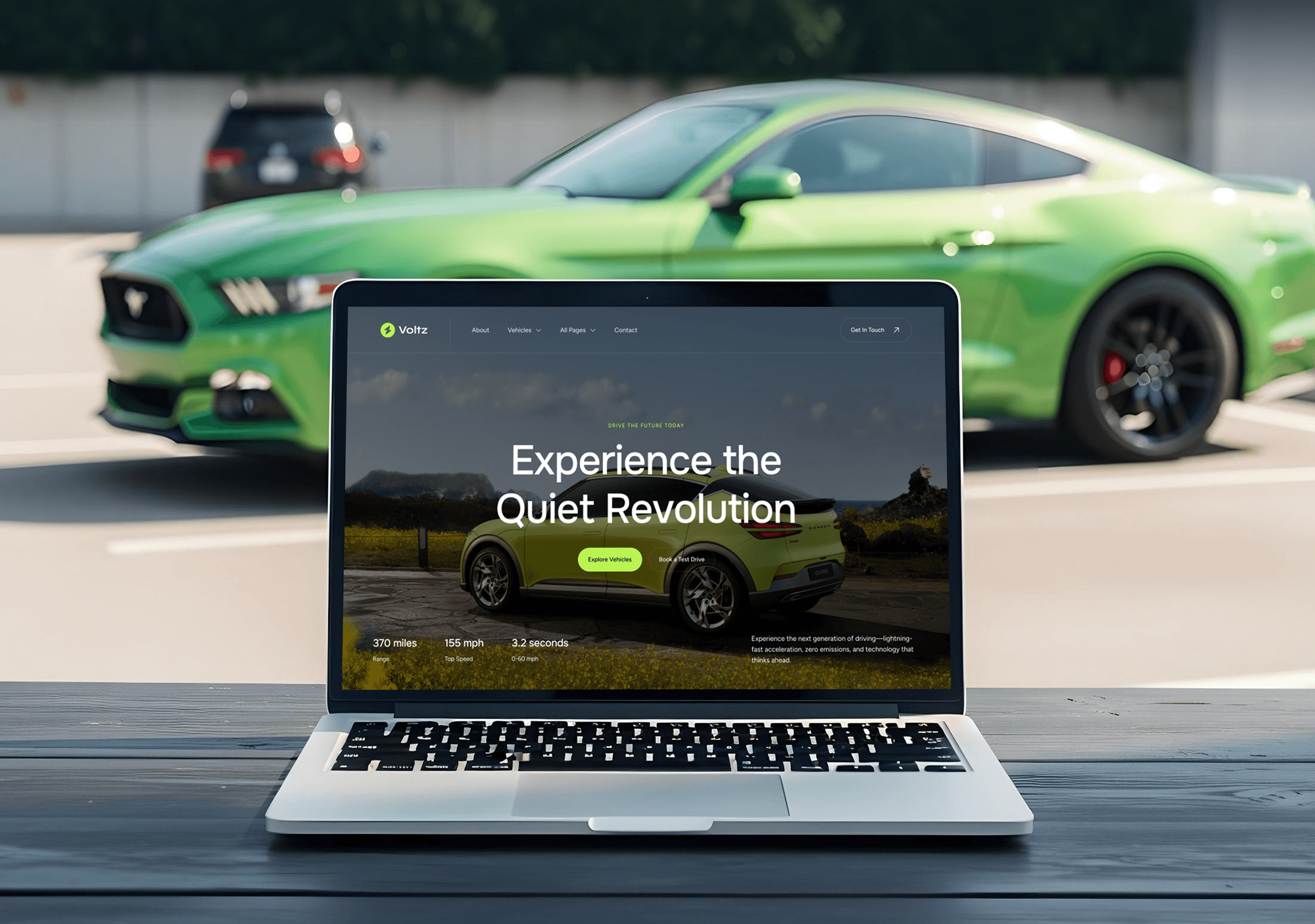
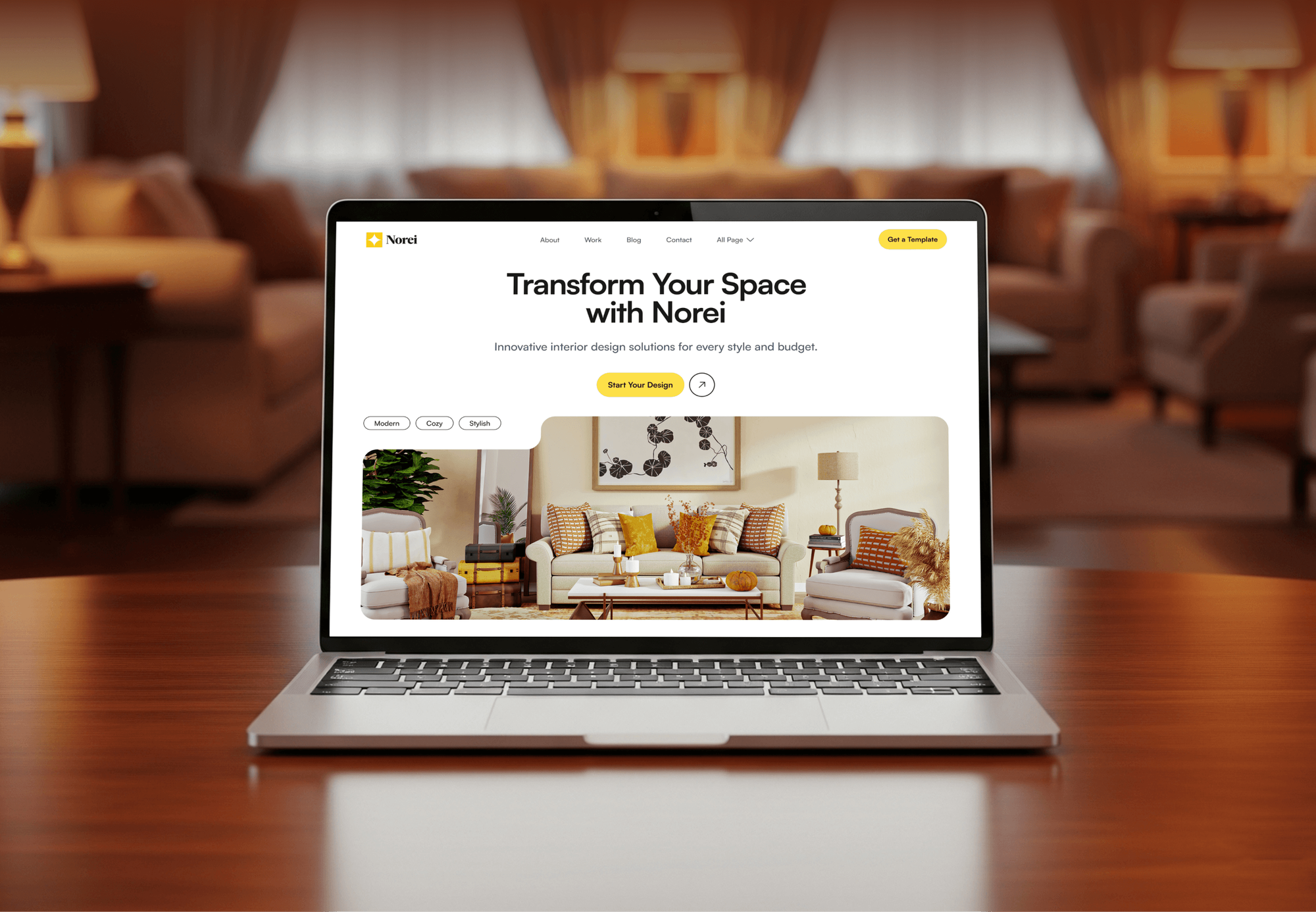
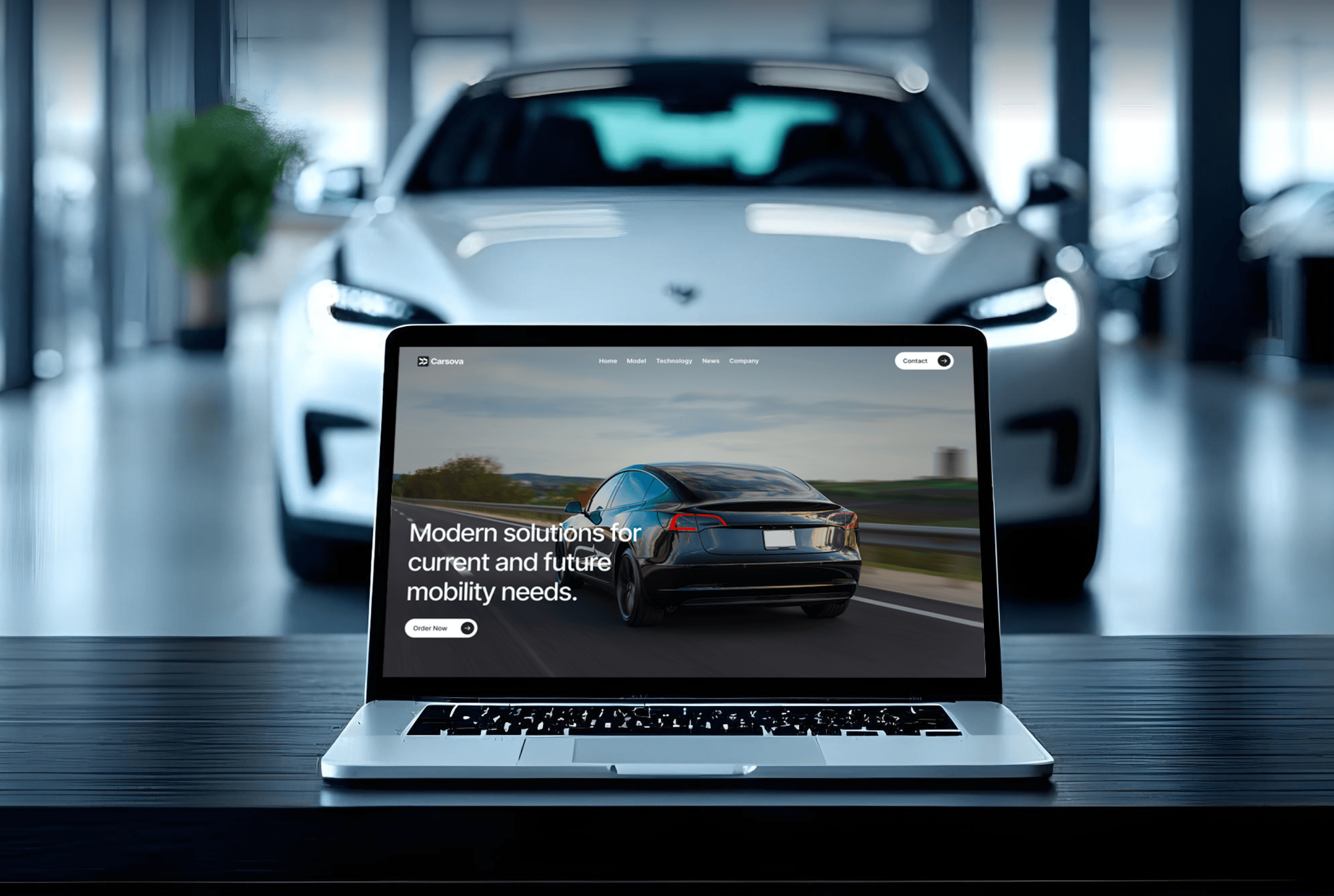
These are brand and product websites, not 3D builds. They show the page design, content structure, and front-end work a 3D website sits on.

What Our Clients Say
Feedback from teams we have designed and built brand websites for.
We had a pretty specific idea of what we wanted our website to become, but I wasn’t sure how easily we could explain all of it to a development team. There were quite a few moving parts, and we were working toward a deadline, so I expected a few things to get lost along the way. That never really happened. They understood what we were trying to achieve, kept us updated throughout the process, and got everything ready within the agreed timeline. The final site feels much easier to navigate, works beautifully on mobile, and is noticeably smoother for our customers. It was a huge relief seeing the original idea actually turn into the website we had in mind.
The mobile experience is probably my favourite part of the new site. We had spent a lot of time making sure the desktop version looked right, and the team kept pushing us to think about how everything would actually feel on a phone too. They were right. The navigation is clean, the interactions feel natural, and everything we’ve tested so far works exactly as it should. They also went through the links, forms, integrations, and other details more than once before launch, which I really appreciated. And even after going live, we could still reach out when something came up. The whole process felt friendly, organised, and surprisingly straightforward.
What I appreciate most is that the website is actually easy for us to manage now. We can update content ourselves instead of sending a developer a message every time we need to change something small. They also paid attention to the technical SEO side, which mattered to us because we didn’t want a new website to create problems for the traffic we already had. I’ve probably asked more questions than I should have since launch, but every question has been handled patiently and without any fuss. The team is easy to work with, they explain things clearly, and when we need something changed, they focus on getting it done rather than making the process complicated.
1,250+
Projects shipped
10+
Years of experience
Top 3%
Upwork Top Rated Plus
5 stars
Average review score

Want results like these?
Tell us what you are building. You get a reply within 24 hours on business days, then a written estimate.
Work Culture
3D website design pays off only when the page still works for every visitor. These habits keep the wow and the usability on the same page.
We test scenes on the mid-range phones most visitors carry, not just a studio laptop. If a scene struggles, we lighten it before you review it.
Each model gets a file size and texture budget before modeling starts. Heavy assets get simplified early instead of trimmed in a rush before launch.
We respect reduced-motion settings and keep controls usable by keyboard. Visitors choose how much movement they see, which keeps the site comfortable for everyone.
If good photos or a short video sell your product better, we'll tell you before we quote. 3D earns its place when shape, scale, or materials matter.
Headings, copy, and links stay in HTML around the scene. Search engines and AI assistants can still read what your page is about.
The site code and every model file go to your accounts with no license fee. Any front-end developer can update the scenes later.
Overview
DeveloperLook provides 3D website design for brands, studios, and artists. We plan the scene, design pages in Figma, prepare models in Blender, build interactive scenes with Three.js, and add fallbacks for phones and reduced motion. Projects start at $1,250, take 2 to 12 weeks, and you own the code and models.
DEVELOPERLOOK
Project facts · 3D Website Design
Reviewed 7 Oct 2026 by Saimul Islam
Good fit
Product brands launching something new
You're launching a product people need to see from every side, and flat photos don't show its shape or materials.
Architects and interior studios
Your projects already exist as 3D models, and you want 3d interactive websites that let clients move around a space instead of scrolling past renders.
Music artists and creative studios
You want an immersive website for a release or a show, with a 3D world fans explore and links to stream, buy tickets, and shop merch.
Marketing teams briefing a campaign
You need 3d web design for a campaign site, and your last attempt looked great in the pitch but stalled on real phones.
Agencies pitching 3D websites
Your agency sold 3D websites to a client and needs a team that designs and builds them under your brand.
Not a fit
Product options and pricing
Shoppers need to choose parts, finishes, and prices in 3D before they order. Our 3D Product Configurator Development page builds that.
Want AR placement
You want shoppers to place the product in their own room through the phone camera. Our AR VR App Development Services page covers that.
No 3D needed
You only need a clean, fast campaign page and the product reads fine in photos. Our Landing Page Design Services page fits better.
Budget under $1,250
Your budget is under $1,250. Strong product photos with a 360 spin viewer will do more for you right now.
Not sure we're the right fit?
Book a free call or message us. We'll tell you honestly whether we're the right team.
Pricing
These are starting points in USD. Your final price depends on page count, model count, and scene complexity, and you get a fixed proposal after a free 3D concept call.
For brands that want one interactive 3D product or object on a new or existing page.
$1,250one-time, USD
For launches that need a short 3D site with a guided product story.
$3,700one-time, USD
For brands that want a full immersive website with several scenes and custom effects.
$7,600one-time, USD
For Agencies
You own the client relationship. We supply the designers and front-end developers who build your clients' 3D websites under your brand. Quotes are fixed per scene, previews run on your links, and the code goes straight to your client.
White label: your client only ever sees your brand
Send the brief, brand files, any 3D models, and the launch date.
We send a scene concept, a model list, and a fixed quote within 3 days.
A working prototype first, then the finished site handed to your client.
Preview links, demo videos, and handoff notes set up under your agency's name.
Client CAD files and renders turned into web-ready glTF models.
Fixed quotes per scene and page that you can resell with a margin.
More front-end developers when several client launches land together.
The Right Technology for Your Project
We design in Figma, model and optimize in Blender, build scenes with Three.js and WebGL, and test on real phones, tablets, and laptops.
 Figma
 Blender
 Three.js
 Babylon.js
 React
 Next.js
 TypeScript
 Tailwind CSS
 Lighthouse
 Chrome DevTools
FAQ
Straight answers on how 3D sites are made, cost, timelines, phones, SEO, and owning the models.
Saimul IslamFounder & CEO, DeveloperLookStill have questions?
Send a message or book a call with the team.
You create a 3D website by pairing normal web pages with an interactive scene rendered in the browser through WebGL, usually with Three.js. The work runs in four parts: a scene concept, lightweight 3D models, the coded scene with its interactions, and fallbacks for devices that struggle. Page text stays in HTML around the scene.
Designing a 3D website starts with the story, not the model: what should visitors see, turn, or discover? We sketch the scene and camera angles, design the pages in Figma around it, and block out lighting in Blender. Then we set a size budget for each model, so the design stays buildable on phones.
3D website design starts at $1,250 for one interactive scene with up to 2 models on your page. A short 3D landing site with up to 5 pages starts at $3,700, and immersive brand sites with several scenes start at $7,600. You get a fixed price after a free 3D concept call.
One 3D scene takes 2 to 3 weeks, and a 3D landing site takes 5 to 7 weeks. Immersive brand sites with several scenes take 9 to 12 weeks. Model preparation drives the schedule, so existing CAD or 3D files save the most time. We confirm dates after the concept call.
Music artists usually build an immersive website around one release: a 3D world fans explore, with links to stream, buy tickets, or shop merch. Some sites reveal new content as fans move through the scene. We design these the same way, with a lighter fallback so fans on any phone still reach the links.
Yes, when the scene is planned for phones from the start and tested on them. We set model and texture budgets for each device, test on mid-range phones, and switch to a lighter scene or a poster image where needed. Every page keeps a working layout, even when 3D can't run well.
3D websites don't hurt SEO when the page text lives in HTML rather than inside the 3D canvas. Search engines read headings, copy, and links, not the scene itself. We load the scene after the main content and keep titles, descriptions, and structured data in place, so rankings rest on the same signals as any page.
Yes, we convert CAD exports, existing 3D files, or renders into lightweight glTF models in Blender. Fine detail gets baked into textures instead of geometry, which keeps file sizes small. When no files exist, we model products from photos and reference measurements, priced per model.
Use a no-code 3D tool when the scene is simple and your team wants to edit it alone. Choose Three.js, often with React Three Fiber, when you need custom interactions, CMS content, or tight control over file size. We'll recommend one after the concept call, based on who maintains the site.
Yes, the site code, the 3D models, and the design files are yours, with no license fee. Each plan includes 30 to 60 days of fixes after launch. After that, we can add scenes or update models on request, or any front-end developer can take over.
Saimul IslamFounder & CEO, DeveloperLookStill have questions?
Send a message or book a call with the team.
Free 30-min callGoogle Meet
Book a call
In 30 minutes on Google Meet we walk you through how we would build it, how long it takes and what it costs. Then you get a written estimate.
Calendar not showing? Book on cal.com or send a brief.