
Dependency and security patching
Packages and runtimes updated monthly on staging, with security advisories handled first.

For product teams whose custom web app needs a reliable developer after launch: patches, monitoring, and fixes on a monthly plan from $450 per month.
24/7
Error and uptime monitoring
12
Scheduled patch cycles a year
How your project runs
Teams we have built for:














The Problem
Web apps keep changing after launch. Frameworks release new versions, APIs retire endpoints, and bugs show up under real use. Without a team on it, small problems queue up.
01 · Error logs
The error log fills with warnings nobody reads.
Error tracking alerts us, and we fix recurring errors in order of severity.
02 · API changes
A payment or email API retires the version you use.
We track vendor deprecation notices and update integrations before the deadline.
03 · Dependencies
Security advisories land for packages your app depends on.
Dependencies get patched on a monthly schedule and tested on staging first.
04 · Backlog
Small bug reports wait weeks with nobody assigned.
Your plan's developer hours clear small fixes and changes every month.
Your customer portal launched 18 months ago, and the agency that built it has moved on to other clients. Since then, the error log has filled with warnings nobody reads. Stripe emailed about an API version you need to update. A security advisory landed for a Node.js package you depend on, and a customer reported a bug in the export screen 3 weeks ago. None of it is urgent on its own. Together, it's how an app slowly stops being safe to change.
We start with a handover review: we read the code, set up error tracking, and list every dependency with its support dates. Then the monthly routine runs. Security patches go out on a schedule, bugs get fixed by severity, and framework upgrades are planned before deadlines hit. Your plan's developer hours cover small changes too, so the backlog shrinks. Problems get fixed on our schedule, not your customers'.
Errors seen before users report
Error tracking and uptime alerts show us crashes and slow pages as they happen.
Upgrades on a calendar
Every framework and runtime support date is tracked, so upgrades happen before end of life.
Bugs fixed by severity
Critical issues jump the queue, and everything else is scheduled and reported each month.
Our Application Maintenance Services Process
You see what we find in the handover before any plan starts, then get the same routine every month, with a report of what changed.
We look at your stack, hosting, error logs, and open bugs from a read-only login. You get a short list of risks, the plan that fits your app, and an honest note if your current team already covers it.
What's Included
Every plan covers the four kinds of maintenance: fixing bugs, adapting to platform changes, small improvements, and preventive upkeep. Higher plans add hours and faster replies.
Compare Options
The agency that built your app knows it best, and a freelancer costs less for one-off fixes. Here's how each option holds up over a year of maintenance.
| Feature | DeveloperLookBest fit | Original agency | Freelancer |
|---|---|---|---|
| Knows your codebase | After a documented handover | Best, they built it | Learns it per job |
| Monthly security patching | Included on a schedule | Often a separate retainer | Only when asked |
| Error monitoring | Set up and watched | Varies by contract | Rarely included |
| Critical bug response | Same business day on top plan | Depends on their workload | Depends on availability |
| Cost for occasional fixes | Monthly plan from $450 | Retainer minimums | Cheapest, billed hourly |
| Framework upgrades | Planned against support dates | Usually quoted as projects | Rarely planned ahead |
| Documentation | Written during handover | Often internal only | Rarely written |
| If they move on | Docs stay with you | Knowledge leaves with them | Knowledge leaves with them |
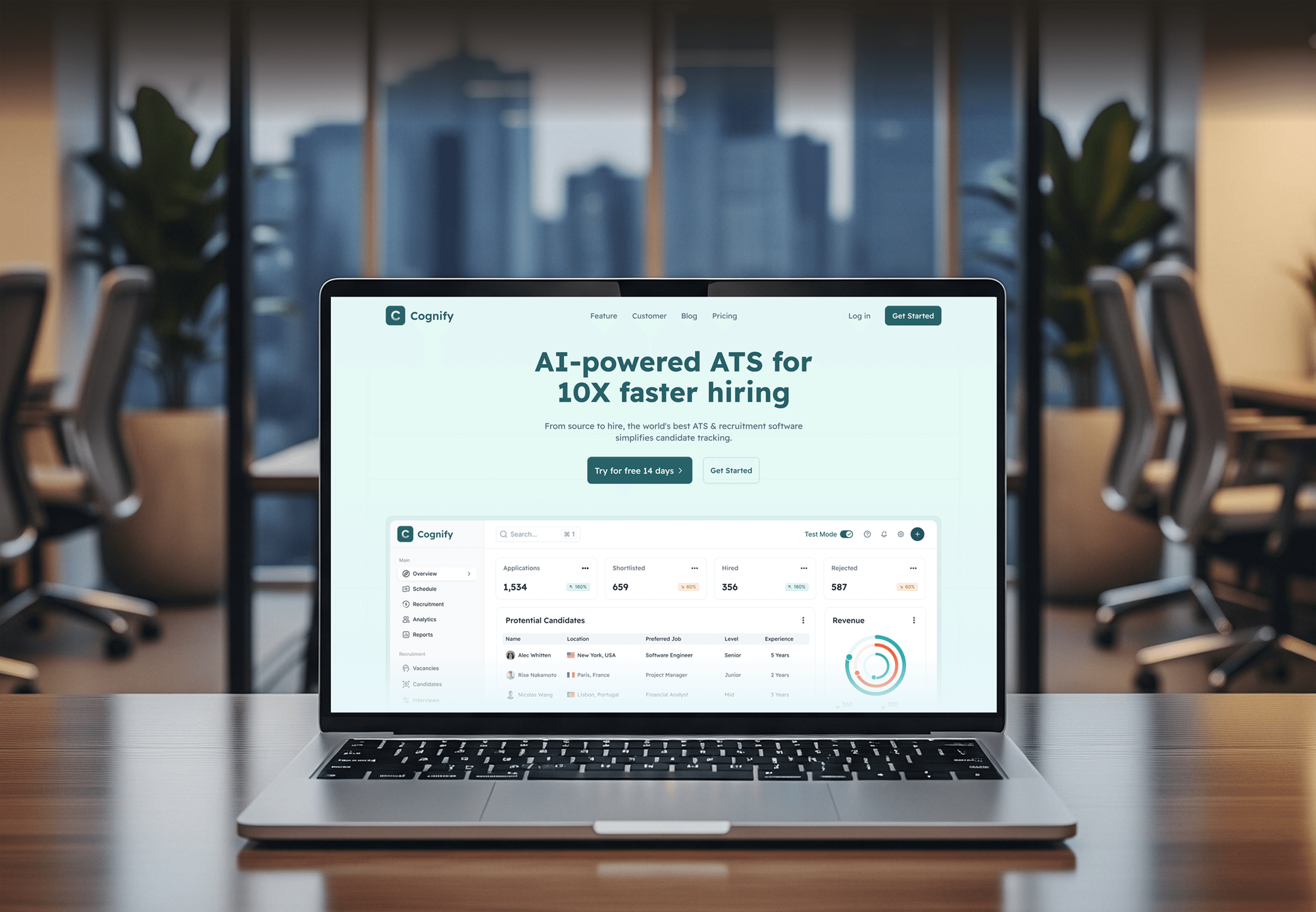
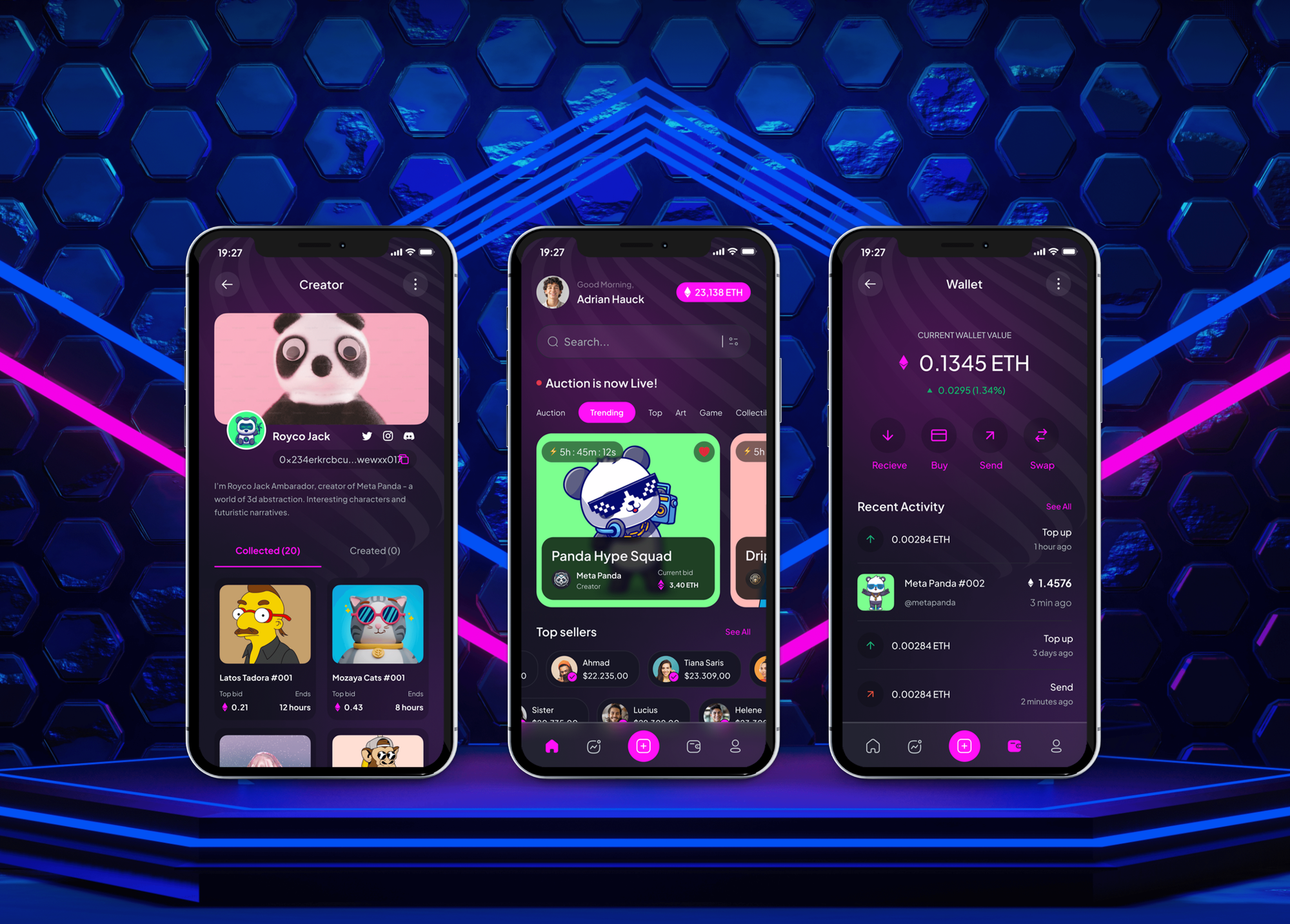
Projects We've Built
Web apps, dashboards, and portals we designed and built. They show the kind of apps we maintain, not maintenance contracts themselves.


What Our Clients Say
Feedback from teams we have built and supported web apps for.
We had a pretty specific idea of what we wanted our website to become, but I wasn’t sure how easily we could explain all of it to a development team. There were quite a few moving parts, and we were working toward a deadline, so I expected a few things to get lost along the way. That never really happened. They understood what we were trying to achieve, kept us updated throughout the process, and got everything ready within the agreed timeline. The final site feels much easier to navigate, works beautifully on mobile, and is noticeably smoother for our customers. It was a huge relief seeing the original idea actually turn into the website we had in mind.
The mobile experience is probably my favourite part of the new site. We had spent a lot of time making sure the desktop version looked right, and the team kept pushing us to think about how everything would actually feel on a phone too. They were right. The navigation is clean, the interactions feel natural, and everything we’ve tested so far works exactly as it should. They also went through the links, forms, integrations, and other details more than once before launch, which I really appreciated. And even after going live, we could still reach out when something came up. The whole process felt friendly, organised, and surprisingly straightforward.
What I appreciate most is that the website is actually easy for us to manage now. We can update content ourselves instead of sending a developer a message every time we need to change something small. They also paid attention to the technical SEO side, which mattered to us because we didn’t want a new website to create problems for the traffic we already had. I’ve probably asked more questions than I should have since launch, but every question has been handled patiently and without any fuss. The team is easy to work with, they explain things clearly, and when we need something changed, they focus on getting it done rather than making the process complicated.
1,250+
Projects shipped
10+
Years of experience
Top 3%
Upwork Top Rated Plus
5 stars
Average review score

Want results like these?
Tell us what you are building. You get a reply within 24 hours on business days, then a written estimate.
Work Culture
Maintenance works when the routine runs whether or not anyone complains. These habits keep your app patched, documented, and safe to change.
We read your code and document how it runs before we quote a plan. You don't pay for a team that's still guessing how things work.
Every patch and fix goes to a staging copy first and runs through your key user flows. Production only gets what passed.
Your report lists every hour used and what it bought. We ask before going past your plan, so each invoice matches what you approved.
If an app costs more to patch each month than it would to modernize, we'll say so. You get the numbers for both paths.
Repositories, hosting, and monitoring tools stay in your name. If you leave, you remove our access and keep everything we wrote.
Plans run month to month with 30 days' notice. You can move between plans as your roadmap speeds up or slows down.
Overview
DeveloperLook provides application maintenance services for custom web apps, SaaS products, and portals. Monthly plans cover dependency and security patching, error monitoring, bug fixes by severity, framework upgrades, and developer hours for small changes. Plans start at $450 per month, onboarding takes 1 to 2 weeks, and the code and accounts stay yours.
DEVELOPERLOOK
Project facts · Application Maintenance Services
Reviewed 8 Oct 2026 by Saimul Islam
Good fit
SaaS teams without a platform engineer
Your developers are busy shipping features, and nobody owns patches, error logs, or the upgrade your framework needs before its support ends.
Companies whose agency moved on
Your web app was built by an agency that has moved on, and you need web application maintenance services from a team that documents everything.
Operations teams with internal tools
Your staff rely on a custom portal or internal tool every day, and a bug in it stops real work until someone fixes it.
Founders after an MVP launch
Your MVP has paying users now, and you need application maintenance and support while you decide whether to hire in-house.
Agencies with client apps
You built web apps for clients who now expect ongoing support, and you want a software maintenance company to handle it under your brand.
Not a fit
Marketing website, not an app
Your site is mostly pages and forms on WordPress or Webflow. Website Maintenance Services covers that kind of site for less.
App needs a rebuild first
Your app runs on unsupported versions and every patch breaks something. Application Modernization Services is the better first step.
Mobile app only
Your product is an iOS or Android app with no web app behind it. You need mobile app maintenance, not this plan.
Budget under $450 a month
Your app rarely changes and needs a fix twice a year. Paying a developer by the hour will cost less than a monthly plan.
Not sure we're the right fit?
Book a free call or message us. We'll tell you honestly whether we're the right team.
Pricing
These are monthly starting points in USD. Your plan depends on your stack and how often the app changes, and you get a fixed proposal after a free app review.
For stable web apps that need patches, monitoring, and a few fixes each month.
$450/month
For products with active users that need faster fixes and planned framework upgrades.
$750/month
For SaaS teams that want maintenance plus steady small features from one team.
$1,150/month
For Agencies
You own the client relationship. We supply the monthly engineering behind it: patches, monitoring, bug fixes, and upgrades for the apps you built, reported under your brand. Your team gets back to new projects.
White label: your client only ever sees your brand
Send each client app's stack, hosting details, and open issues.
We document, monitor, and stage every app before the first patch.
Fixes and white-label reports arrive each month, ready to forward to clients.
You keep the client, the billing, and the monthly reports.
Patches and reports run on a fixed monthly schedule for every app.
People who debug production apps, not just update packages.
Add client apps to the plan as you sign them, without hiring.
The Right Technology for Your Project
The frameworks we maintain and the tools that keep watch on them, matched to the stack and hosting your app already runs on.
 React
 Next.js
 Vue.js
 Laravel
 Django
 .NET
 Node.js
 PostgreSQL
 MySQL
 MongoDB
 AWS
 Microsoft Azure
 Google Cloud
 DigitalOcean
 Vercel
 Heroku
 Docker
 Cloudflare
 Slack
FAQ
Straight answers on monthly cost, onboarding, the types of maintenance, and who keeps the code.
Saimul IslamFounder & CEO, DeveloperLookStill have questions?
Send a message or book a call with the team.
Our plans cost $450 to $1,150 per month, depending on developer hours and reply times. App Care starts at $450 per month with 4 hours, App Support is $750 per month with 8, and Product Engineering is $1,150 per month with 14. Larger apps get a fixed quote after the free app review.
Onboarding takes 1 to 2 weeks for most web apps. We read the code, document how it's built and deployed, set up error tracking and staging, and fix anything urgent from the free review. The first monthly patch cycle starts right after, and your first report arrives at the end of that month.
Application maintenance is keeping one specific app working after launch. That means fixing bugs, patching security issues, updating it when its platform or APIs change, and making small improvements. It's ongoing work, because the software around your app keeps changing even when your own code doesn't.
Software maintenance is any change made to software after it ships, and it comes in 4 types. Corrective work fixes bugs, adaptive work keeps up with new platforms, perfective work improves features, and preventive work cleans up code before it causes problems. Our software maintenance services cover all four on one monthly plan.
Application maintenance and support pairs code work with help for the people using the app. Maintenance covers patches, fixes, and upgrades. Support covers triaging user reports, answering your team's how-to questions, and handling incidents. Most custom apps need both, so every plan includes bug triage alongside the code work.
For licensed software, it's usually the vendor's annual agreement for updates and help desk access. Custom software has no vendor behind it, so you need a team to provide the same thing. That's the gap our monthly plans fill for web apps built by agencies, freelancers, or a former in-house team.
Application development and maintenance (ADM) means one team builds new features and keeps the existing app running. It avoids handovers between a build team and a support team. Our Product Engineering plan works this way: 14 hours a month that cover maintenance first, then small features from your roadmap.
Yes, and that's the usual case for maintenance work. The handover is the key step: we read the code, document the build and deployment process, and list every dependency before we promise anything. If the code needs serious work first, the free review says so before you sign up for a plan.
We cover React, Next.js, Vue.js, Laravel, Django, Node.js, and .NET web apps on AWS, Azure, Google Cloud, DigitalOcean, Vercel, or Heroku. We also maintain the PostgreSQL, MySQL, or MongoDB databases behind them. If your stack falls outside that list, we'll tell you during the free review.
Yes. Your repositories, hosting, and monitoring tools stay in your name, and we work through our own user accounts that you can remove at any time. Plans run month to month with 30 days' notice. When a plan ends, you keep all the documentation we wrote during the handover.
Saimul IslamFounder & CEO, DeveloperLookStill have questions?
Send a message or book a call with the team.
Free 30-min callGoogle Meet
Book a call
In 30 minutes on Google Meet we walk you through how we would build it, how long it takes and what it costs. Then you get a written estimate.
Calendar not showing? Book on cal.com or send a brief.