
Code and dependency assessment
Every module, library, and integration listed, with end-of-life dates and the risk each one carries.

For IT teams running a business-critical web app on aging code: a supported, modern stack delivered one module at a time, with assessments from $1,350.
100%
Old app live during the move
2X
Faster feature releases
How your project runs
Teams we have built for:














The Problem
Legacy apps rarely fail all at once. They get slower to change, harder to host, and riskier to patch, until an end-of-life date makes the decision for you.
01 · Rewrites
A full rewrite would freeze the business for a year or more.
We move one module at a time while the old app keeps serving users.
02 · Runtimes
The app runs on versions that no longer get security patches.
Each module lands on a supported runtime, with its libraries updated and listed.
03 · Knowledge
Only one departed developer knew how billing really worked.
We document each module's rules and data before we change any of it.
04 · Changes
Small changes take weeks because one fix breaks other screens.
Automated tests around each module catch breakage before a release reaches users.
Your order system runs on PHP 5.6 and a framework the first developer picked years ago. Every change takes 2 weeks, because one fix breaks two other screens. A library you depend on stopped getting security updates long ago. The only person who understood the billing module left last spring. A full rewrite was quoted at 18 months, and the business can't stop that long. So the app stays as it is, and it costs more to keep every month.
We start with an assessment of every module, its dependencies, and its data. Then each module gets its own path: rehost, replatform, refactor, rebuild, or retire. A routing layer sends traffic to old or new code one module at a time. That way, legacy application modernization happens in slices your team can test. Your old app keeps working until each new piece proves itself, not the other way round.
A roadmap before code
Every module gets a path, a cost range, and an order, so you can fund the work in phases.
Old and new side by side
A routing layer moves users to each new module one at a time, with a rollback ready.
Data moved with checks
Record counts and spot checks prove each migrated table matches before the old one retires.
Our Application Modernization Services Process
You see the module map and costs before any code changes, then approve each slice before it goes live.
We talk through what your app does, who uses it, where it hurts, and what's forcing the decision now. Share read-only access to the repository if you can. You get an honest view of whether modernization or a simpler fix fits.
What's Included
An assessment and roadmap first, then modules moved to a supported stack with tests, pipelines, and data checks. Each phase is priced on its own.
Compare Options
A full rewrite suits small apps with simple data, and lift and shift buys time on a failing server. Here's where each option breaks down for a business-critical app.
| Feature | DeveloperLookBest fit | Full rewrite | Lift and shift |
|---|---|---|---|
| Business disruption | Low: one module at a time | High: long feature freeze | Low: same app, new server |
| Time to first result | First module in weeks | Months before anything ships | Fastest, often days |
| Runtime and security patches | Supported versions per module | Fully current at launch | Old code, old libraries |
| Technical debt | Paid down module by module | Cleared if the scope holds | Unchanged |
| If something goes wrong | Roll back one module | Whole launch at risk | Server rollback only |
| Upfront cost | Phased, from $1,350 | Largest single budget | Lowest upfront cost |
| Business rules kept | Tested against current behavior | Often lost in translation | Kept exactly as they are |
| Cost over time | Falls as old code retires | Low if the rewrite lands | Keeps rising each year |
Projects We've Built
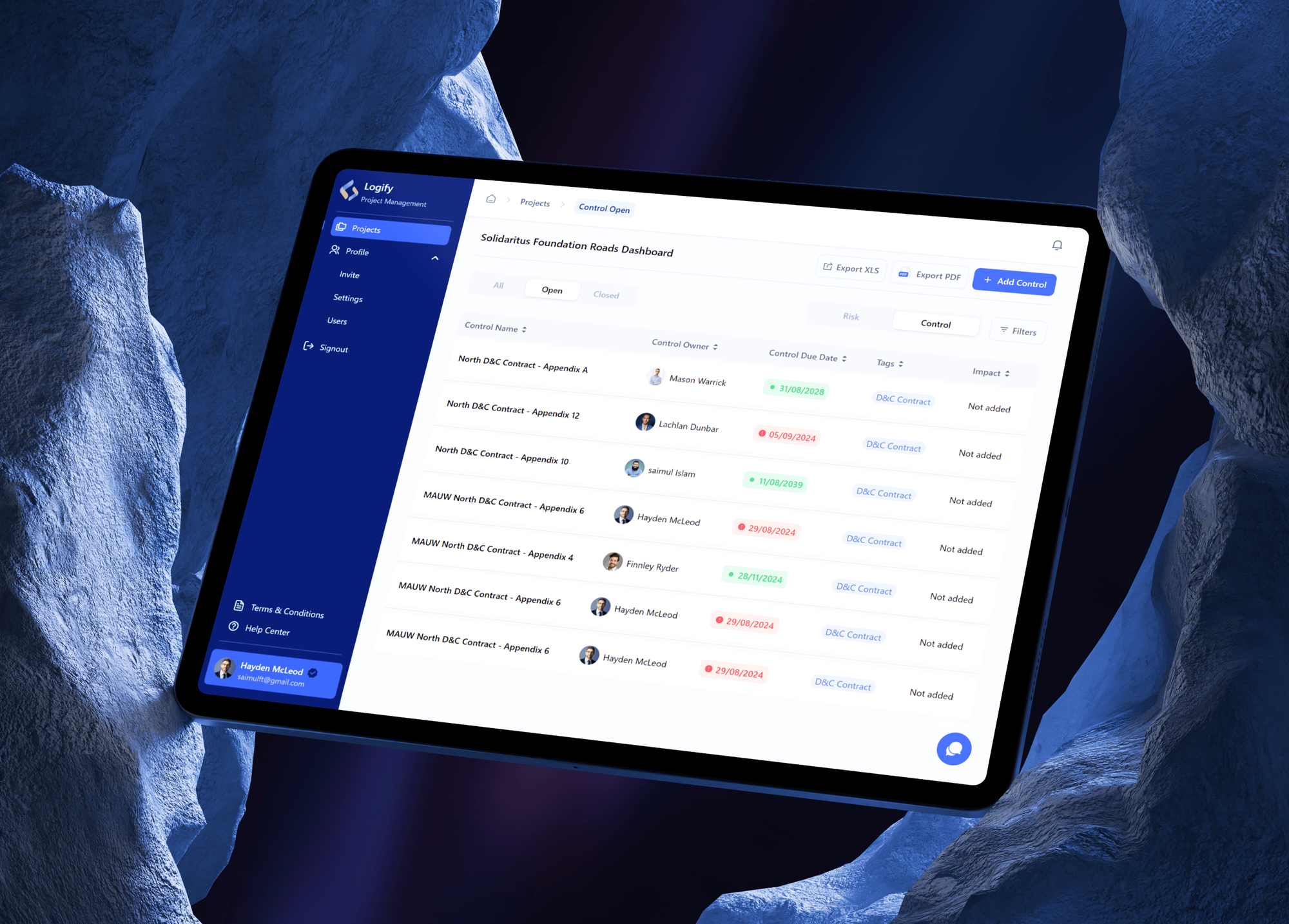
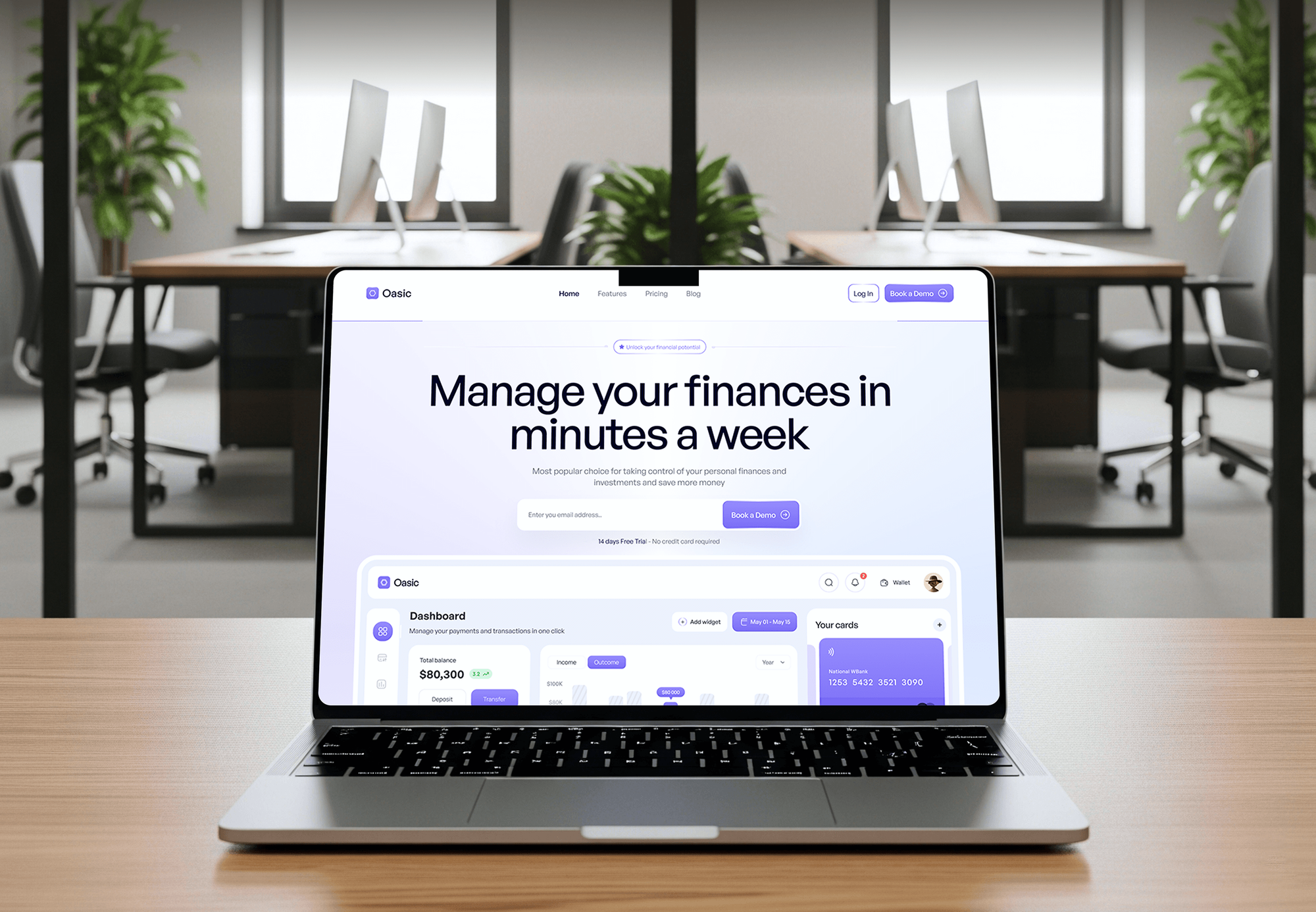
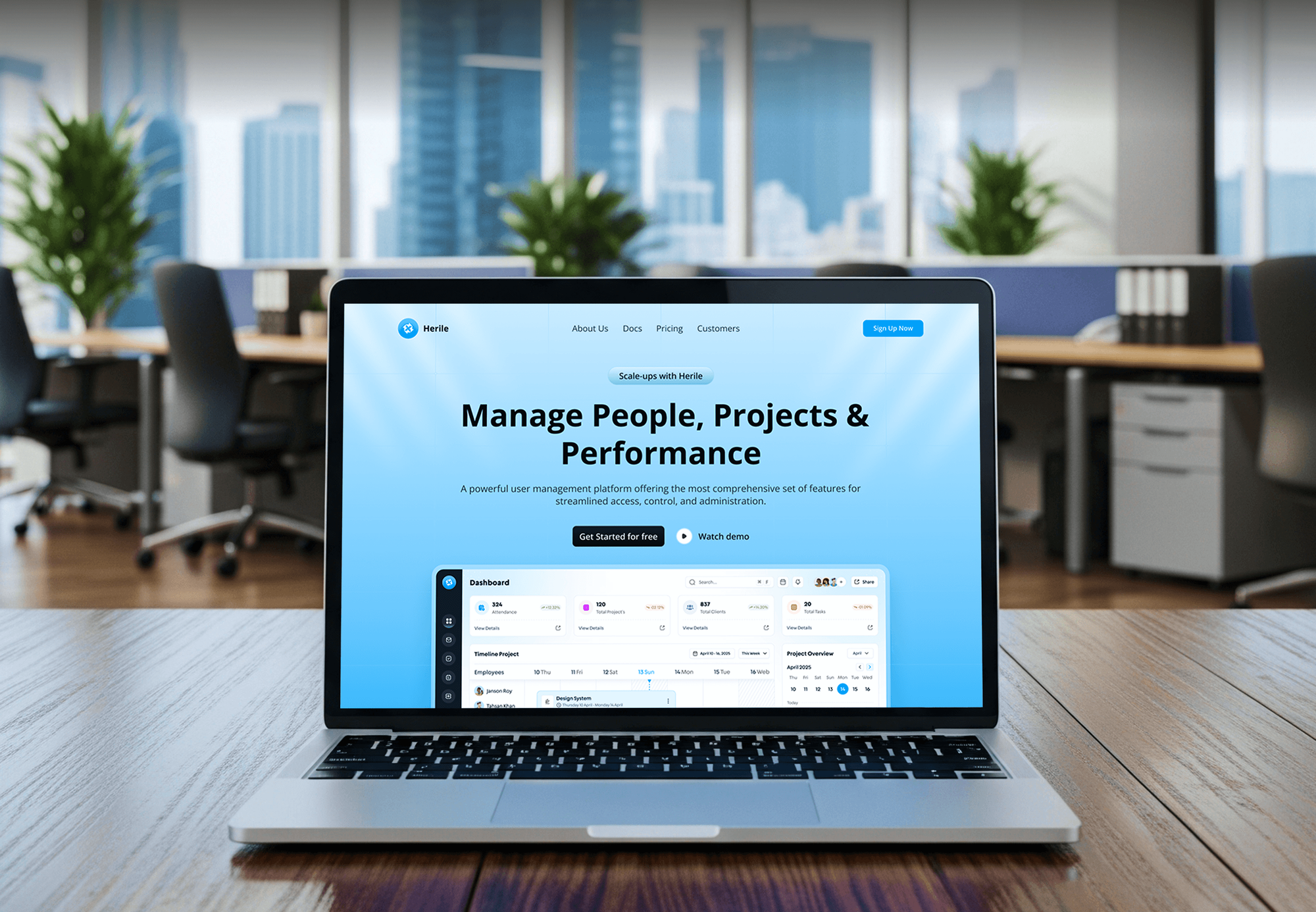
Web apps and dashboards we designed and built: the kind of systems we modernize, not modernization projects themselves.

What Our Clients Say
Feedback from teams we have built web applications for.
We had a pretty specific idea of what we wanted our website to become, but I wasn’t sure how easily we could explain all of it to a development team. There were quite a few moving parts, and we were working toward a deadline, so I expected a few things to get lost along the way. That never really happened. They understood what we were trying to achieve, kept us updated throughout the process, and got everything ready within the agreed timeline. The final site feels much easier to navigate, works beautifully on mobile, and is noticeably smoother for our customers. It was a huge relief seeing the original idea actually turn into the website we had in mind.
The mobile experience is probably my favourite part of the new site. We had spent a lot of time making sure the desktop version looked right, and the team kept pushing us to think about how everything would actually feel on a phone too. They were right. The navigation is clean, the interactions feel natural, and everything we’ve tested so far works exactly as it should. They also went through the links, forms, integrations, and other details more than once before launch, which I really appreciated. And even after going live, we could still reach out when something came up. The whole process felt friendly, organised, and surprisingly straightforward.
What I appreciate most is that the website is actually easy for us to manage now. We can update content ourselves instead of sending a developer a message every time we need to change something small. They also paid attention to the technical SEO side, which mattered to us because we didn’t want a new website to create problems for the traffic we already had. I’ve probably asked more questions than I should have since launch, but every question has been handled patiently and without any fuss. The team is easy to work with, they explain things clearly, and when we need something changed, they focus on getting it done rather than making the process complicated.
1,250+
Projects shipped
10+
Years of experience
Top 3%
Upwork Top Rated Plus
5 stars
Average review score

Want results like these?
Tell us what you are building. You get a reply within 24 hours on business days, then a written estimate.
Work Culture
Modernization goes wrong when teams chase new tech and lose old business rules. These habits keep the work safe for your users.
We write down and test what the old system does before we change it. Unwritten rules, like a discount that only applies to one customer group, survive the move.
Each module goes live behind a switch we can flip back. If a release misbehaves, users return to the old path while we fix the new one.
Sometimes a small app is cheaper to rebuild in one go, and some modules are fine as they are. We'll say so, even when it shrinks the project.
Each phase has its own fixed scope and price. You can pause after any module and still have working software, not a half-finished rewrite.
Architecture notes, runbooks, and data maps are written as we go. Your next hire can understand the system without calling us first.
Code, pipelines, and cloud accounts stay in your name from day one. There's no in-house framework that ties you to us after handover.
Overview
DeveloperLook provides application modernization services for business web apps on aging PHP, .NET Framework, Java, or AngularJS code. We assess every module, then rebuild or refactor them one at a time while the old app keeps running. Assessments start at $1,350, and most modules move in 3 to 8 weeks, with tests and a rollback for each switch.
DEVELOPERLOOK
Project facts · Application Modernization Services
Reviewed 8 Oct 2026 by Saimul Islam
Good fit
IT teams on end-of-life software
Your web app runs on PHP 7 or an older .NET Framework version, and your host or auditor has set a date for moving off it.
Operations leads with a fragile core app
Your team runs orders or bookings through a custom app where every small change takes weeks and breaks something else.
Companies whose original developer left
You inherited a legacy system nobody fully understands, and you want a plan for it before the next outage forces one.
SaaS founders on an aging stack
Your product runs on AngularJS or jQuery, hiring for it is hard, and customers keep asking for features the old code can't support.
Agencies with legacy client apps
You support a client's aging web app and need a legacy software modernization company to do the engineering under your name.
Not a fit
Simple website, not an app
Your site is mostly pages and a contact form. Website Redesign Services or a CMS rebuild will cost less than modernizing application code.
Brand-new product
You're building a new product with no legacy users or data to protect. Custom Web Application Development is the better starting point.
Mainframe or COBOL core
Your core system runs on a mainframe or COBOL. That work needs mainframe specialists, and we'll tell you so on the first call.
Budget under $1,350
You need one screen fixed, not a plan. A single bug fix or Website Maintenance Services costs less than a modernization assessment.
Not sure we're the right fit?
Book a free call or message us. We'll tell you honestly whether we're the right team.
Pricing
These are starting points in USD. Your final price depends on the number of modules, your data, and your integrations, and you get a fixed proposal after a free discovery call.
For teams that need a clear plan and costs before committing to legacy system modernization.
$1,350one-time, USD
For apps ready to move their first module to a supported stack, with tests and a rollback.
$3,950one-time, USD
For business-critical apps moving up to 3 modules in planned phases, with pipelines and docs.
$8,400one-time, USD
For Agencies
You own the client relationship. We supply the engineering behind it: code assessments, roadmaps, and module migrations delivered under your brand. Your client gets a modern app, and your team doesn't have to learn an old codebase first.
White label: your client only ever sees your brand
Send repository access, the client's goals, and any deadline driving the move.
We map the modules and price each phase for you to present.
We move modules under your brand and hand over docs your team can use.
You keep the client, the billing, and every status meeting.
Each module has its own scope, price, and release date.
People who read old PHP and .NET as easily as new code.
Add engineers per phase without hiring for one client's stack.
The Right Technology for Your Project
Tools we use to read old systems and run the new ones, picked to match the stack and hosting your team already supports.
 PHP
 .NET
 Java
 Angular
 jQuery
 React
 Next.js
 TypeScript
 Vue.js
 Node.js
 Laravel
 NestJS
 Python
 GraphQL
 Docker
 Kubernetes
 AWS
 Microsoft Azure
 PostgreSQL
 MySQL
FAQ
Straight answers on cost, disruption, risk, and how a phased move works in practice.
Saimul IslamFounder & CEO, DeveloperLookStill have questions?
Send a message or book a call with the team.
Compare what your old app costs you each year with the cost of modernizing it. Count your hosting and extended support fees, the developer hours you lose to fragile code, and the risk of running unpatched software. Our assessment starts at $1,350 and gives you a cost range for each module. You can then weigh every phase against its savings.
Move one module at a time and keep your old system live until each replacement proves itself. A routing layer sends a small group of your users to the new module first, then everyone else. Your assessment takes 1 to 2 weeks, and most modules move in 3 to 8 weeks, with a rollback ready at every switch.
Application modernization is updating an aging application's code, framework, runtime, and hosting so it's secure and easy to change again. It can mean moving your app to new servers or rebuilding parts of it. For most business web apps, you decide the right mix module by module, not as one big project.
Legacy modernization is the wider job of upgrading or replacing old systems, not just one application. It covers your databases, integrations, scheduled file transfers, and the processes your team built around them. A good plan sets which systems you change first, based on risk, cost, and how much each one blocks you today.
You modernize legacy systems because their cost and risk grow every year you wait. Unsupported runtimes stop getting security patches, hosting gets harder, and fewer developers can work on your code. Each new feature takes you longer to ship. Modernizing reverses that trend, and phasing the work keeps your spending predictable.
Most fail because they try to replace everything at once. A big-bang rewrite freezes your features for months, loses business rules nobody wrote down, and puts all your risk on one launch day. Phased work avoids that. You test each module against current behavior and switch it over separately, with a way back if something goes wrong.
You modernize legacy applications in 4 moves: assess, plan, bridge, and migrate. Assess your code and dependencies, plan a path for each module, put a routing layer and tests in place, then move modules one by one. Our application modernization work follows that order, so every step leaves you with working software.
Choose a path for each part of your software instead of one method for all of it. Rehost what only needs new servers, replatform what needs a newer runtime, refactor code worth keeping, rebuild what blocks you, and retire features your users ignore. Legacy software modernization services that apply one method everywhere usually overspend your budget.
Put an API layer in front of your legacy system, so your modern platforms don't call its internals directly. The layer translates old formats, such as SOAP messages or flat files, into REST or GraphQL. You can then replace the legacy system later without rewiring every integration. You also get each endpoint documented as we build it.
It pays technical debt down where it costs you most, one module at a time. Old libraries get replaced, duplicated logic gets merged, and tests are added around your business rules, so your later changes are cheaper. The roadmap tracks debt per module, so you can see which phase removes the most maintenance hours.
Saimul IslamFounder & CEO, DeveloperLookStill have questions?
Send a message or book a call with the team.
Free 30-min callGoogle Meet
Book a call
In 30 minutes on Google Meet we walk you through how we would build it, how long it takes and what it costs. Then you get a written estimate.
Calendar not showing? Book on cal.com or send a brief.