
Trip and boat pages
Each trip and boat with length, capacity, price, target species, and what's included, designed for phones first.

For fishing charters, boat rentals, and yacht charters: trip pages that sell the day on the water and take deposits online, even while you're offshore. From $850.
2X
More trips booked online
24/7
Booking while you're offshore
Teams we have built for:














The Problem
Charter customers book on impulse, often the night before or from the beach. If your site only shows a phone number, the booking goes to the captain who answers first.
01 · Missed calls
Calls come in while you're offshore with a full boat.
Customers pick a date and pay a deposit online, with no callback needed.
02 · No prices
Your site lists trips without prices or open dates.
Each trip page shows length, price, and live availability from your booking tool.
03 · Lost families
Families book the captain who takes cards online first.
Deposits through your booking tool lock the date before another captain answers.
04 · Storm refunds
Weather cancellations turn into evenings of manual refunds.
Weather terms sit on every trip page, and refunds run through your booking tool.
It's 2 p.m. and you're 20 miles offshore with a full boat. Your phone buzzes 6 times: a family on vacation wants a half-day trip tomorrow. Your site lists trips but no prices, no open dates, and no way to pay a deposit. By the time you dock and call back, they've booked another captain who took their card online. Next week, a storm cancels 2 trips, and you spend the evening texting refunds by hand.
We start with your trips and your booking tool. Each trip gets a page with length, price, target species, what's included, and what to bring. Customers pick a date and pay the deposit through FareHarbor, Peek, or the tool you use, while you're on the water. Your weather and cancellation terms sit on the page before checkout. You come back to the dock with tomorrow already booked.
Trip pages that sell
Half-day, full-day, and overnight trips with price, species, and what's included.
Deposits while you fish
Customers book a date and pay a deposit through your booking tool at any hour.
Weather terms up front
Clear weather and cancellation terms on every trip, so storm days don't become arguments.
Our Fishing Charter Website Design Process
You approve the trip list, a clickable design, and a test booking with a deposit before launch. Reviews fit around your fishing days, not the other way round.
We book a trip on your current site the way a tourist would, on a phone, from search to deposit. You get a short list of what's losing bookings and a fixed-price proposal.
What's Included
Every build covers trip pages, online booking and deposits, captain bios, weather terms, and a dock map. Larger plans add a seasonal calendar, catch reports, rental waivers, and yacht charter inquiries.
Compare Options
A marketplace listing brings ready traffic, and a freelancer can be the cheapest build. Here's where each falls short when you want direct bookings on a site you own.
| Feature | DeveloperLookBest fit | Marketplace listing | Freelancer |
|---|---|---|---|
| Who owns the customer | You, on your own site | The marketplace | You, if set up right |
| Booking fees | Only your booking tool's fees | Commission on each trip | Only your booking tool's fees |
| Ready traffic | Built over time through search | Strongest on day one | Built over time |
| Trip pages | Custom page per trip | Fixed listing format | Depends on the freelancer |
| Deposits and waivers | Through your booking tool | Marketplace checkout rules | Often a contact form |
| Weather terms | Your terms, on every trip | The marketplace's own policy | Usually missing |
| Startup cost | Fixed, from $850 | Free to list | Often lowest hourly |
| Support after launch | 30 to 90 days, by plan | Platform help desk | Varies by person |
Projects We've Built
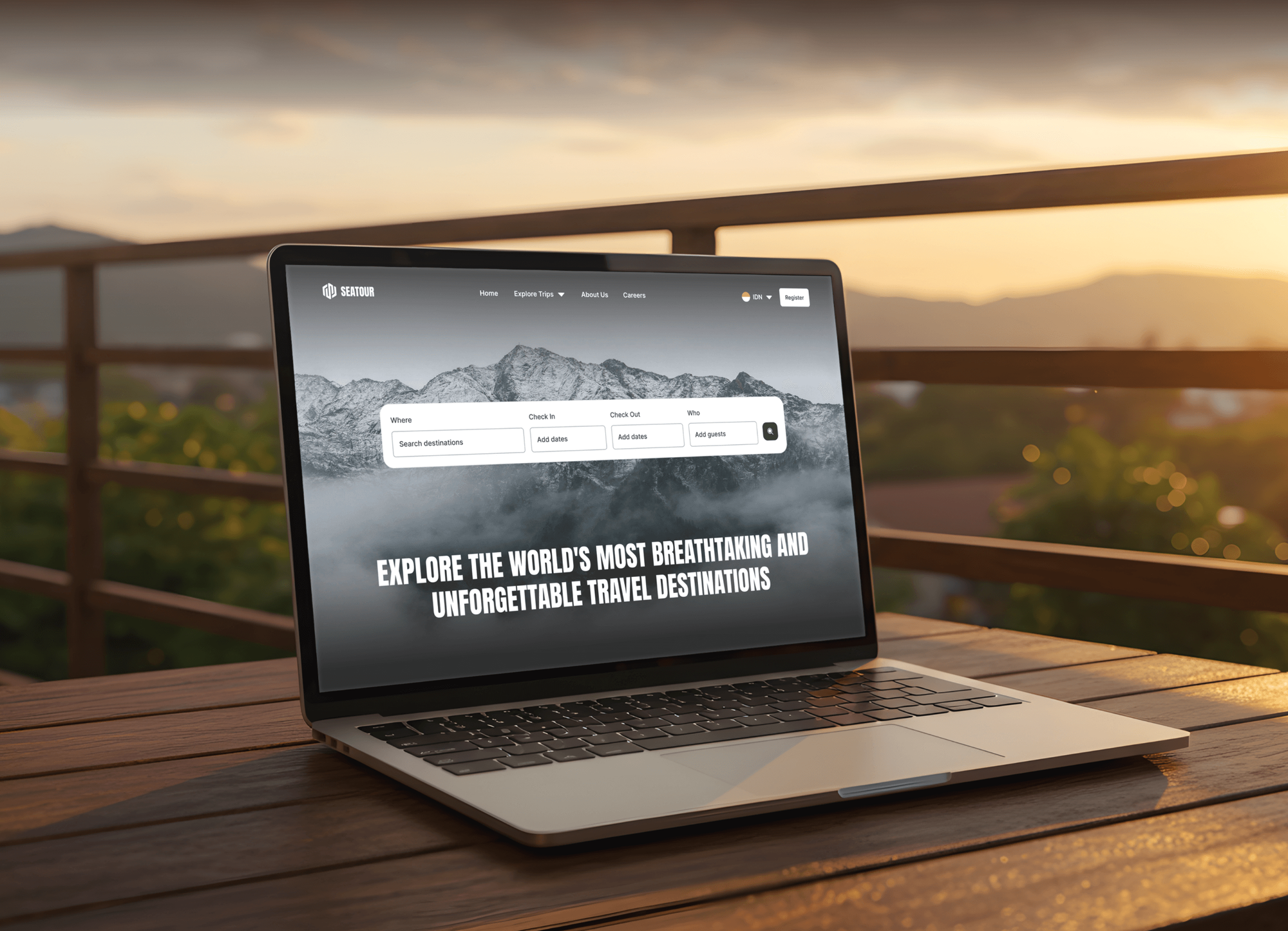
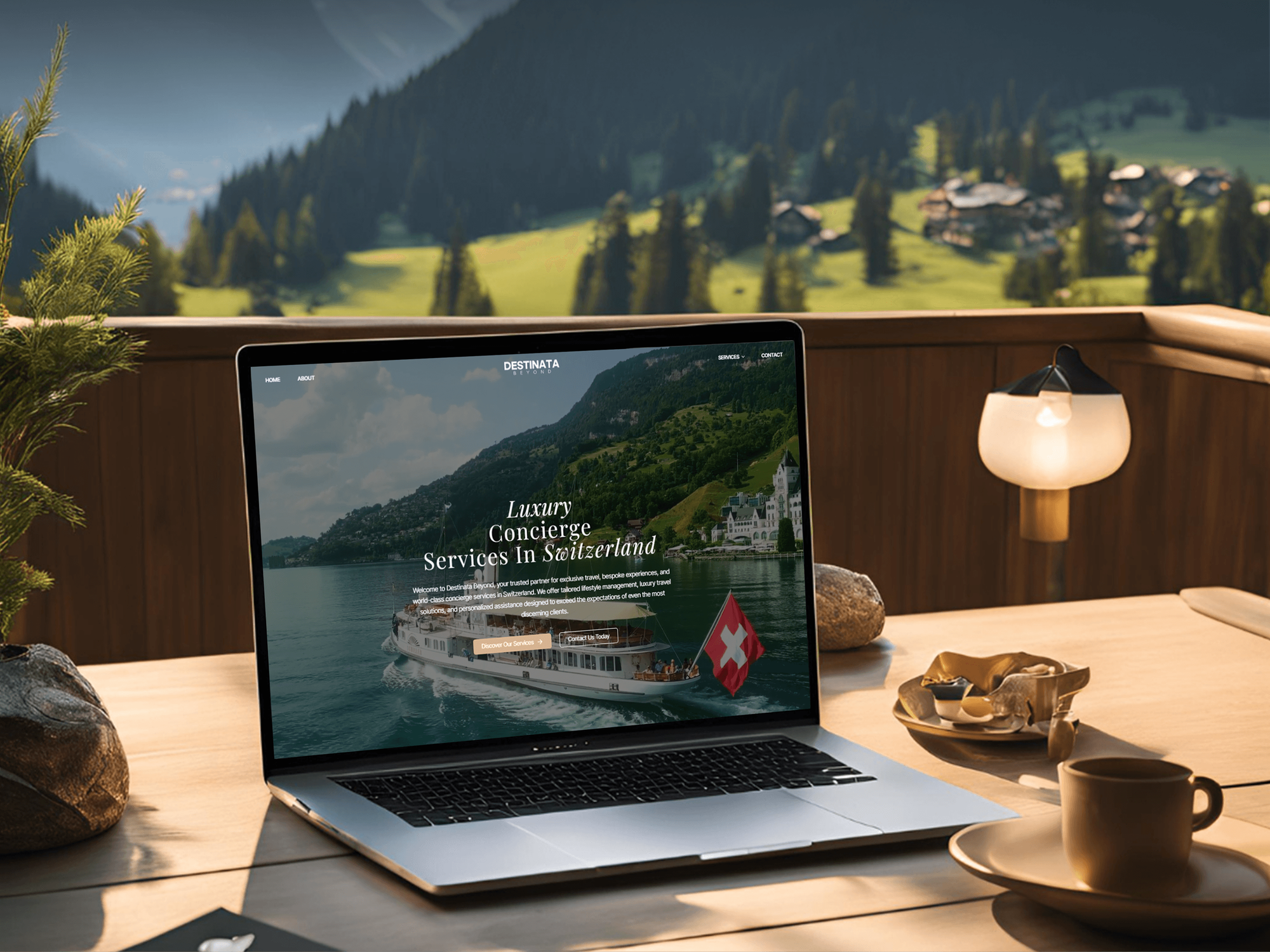
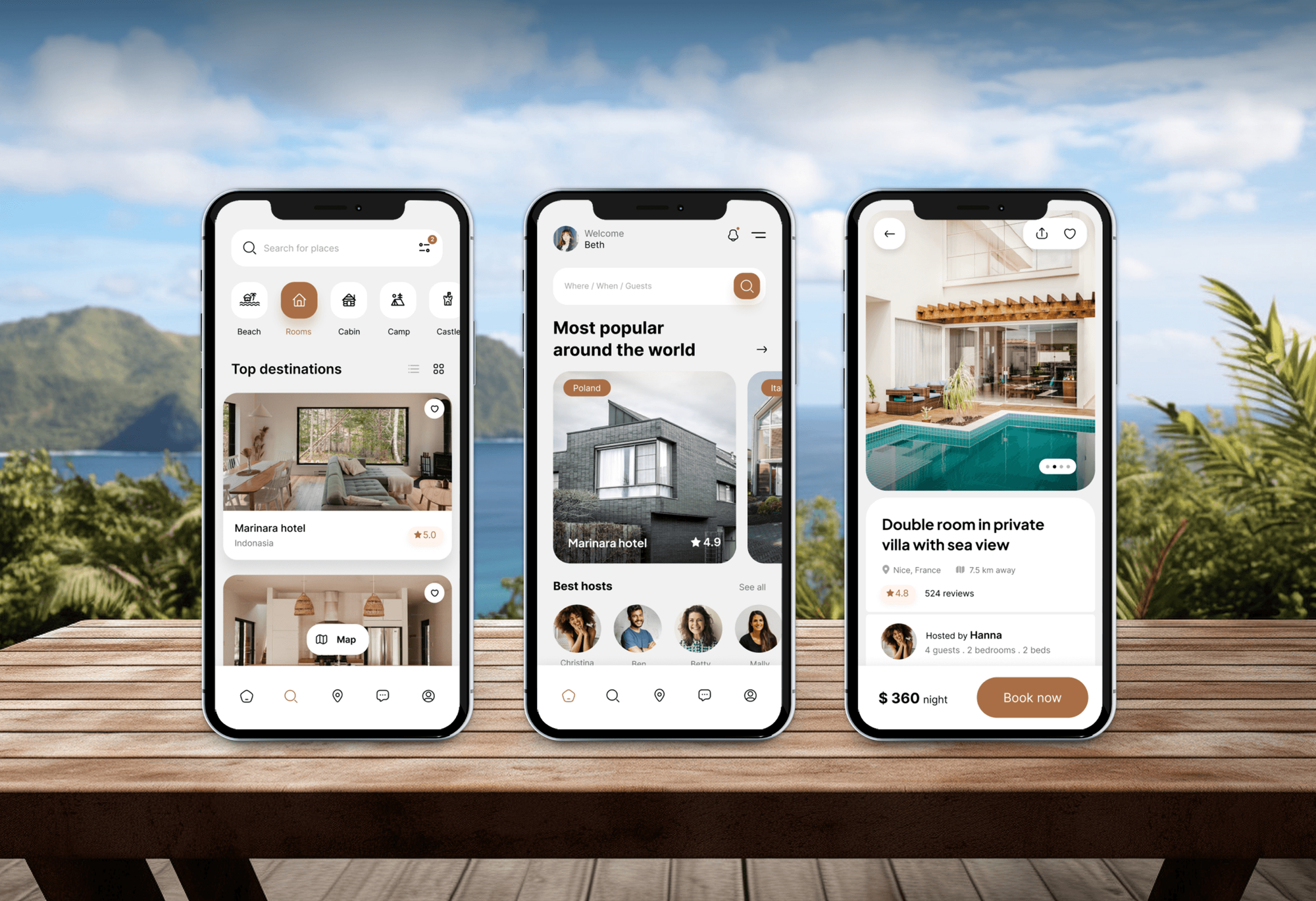
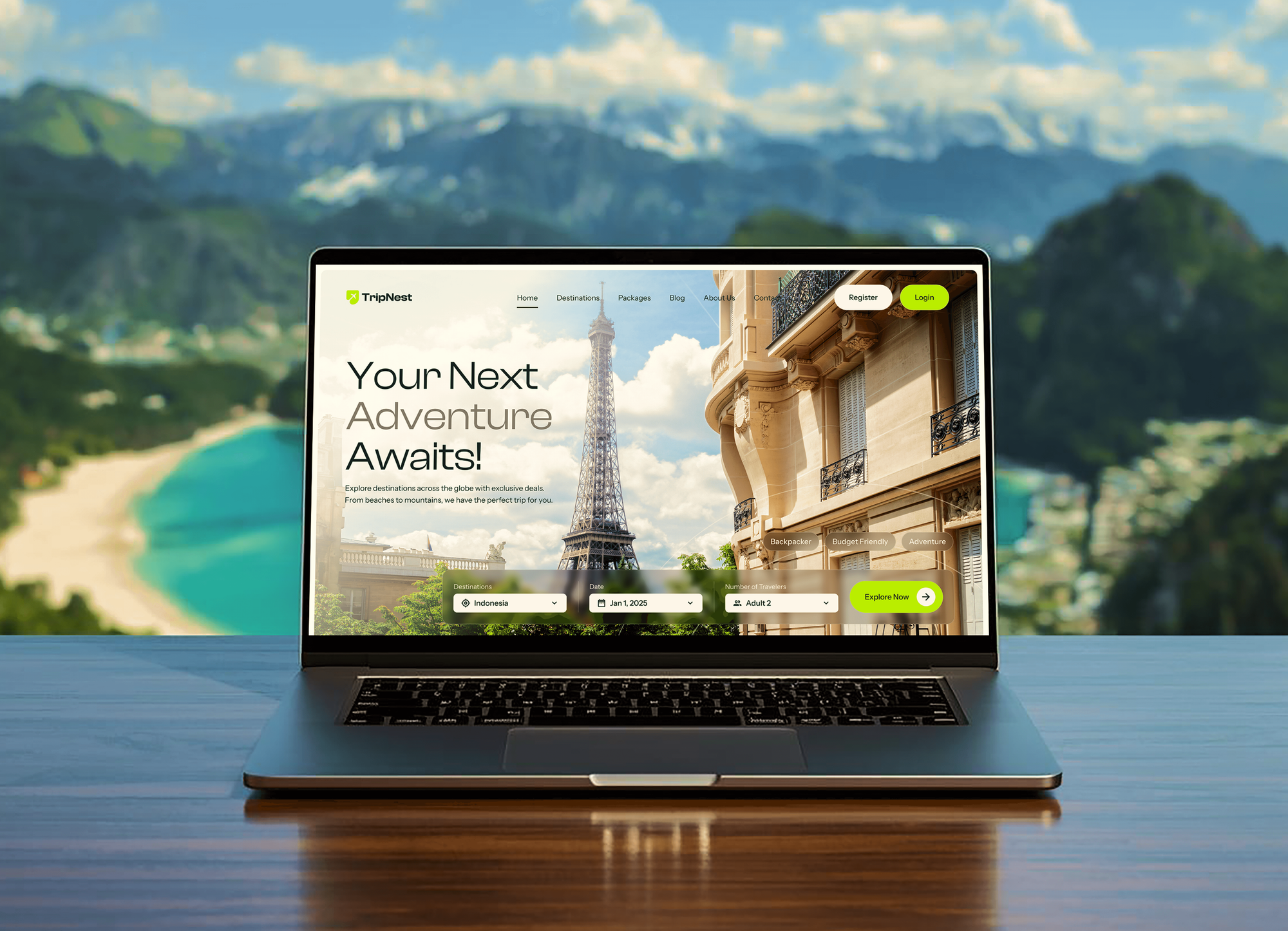
Tour booking platforms with time slots and meeting points, a concierge site with yacht pages, and an operator dashboard. None is a fishing charter site yet.
What Our Clients Say
Feedback from teams we have built websites for.
We had a pretty specific idea of what we wanted our website to become, but I wasn’t sure how easily we could explain all of it to a development team. There were quite a few moving parts, and we were working toward a deadline, so I expected a few things to get lost along the way. That never really happened. They understood what we were trying to achieve, kept us updated throughout the process, and got everything ready within the agreed timeline. The final site feels much easier to navigate, works beautifully on mobile, and is noticeably smoother for our customers. It was a huge relief seeing the original idea actually turn into the website we had in mind.
The mobile experience is probably my favourite part of the new site. We had spent a lot of time making sure the desktop version looked right, and the team kept pushing us to think about how everything would actually feel on a phone too. They were right. The navigation is clean, the interactions feel natural, and everything we’ve tested so far works exactly as it should. They also went through the links, forms, integrations, and other details more than once before launch, which I really appreciated. And even after going live, we could still reach out when something came up. The whole process felt friendly, organised, and surprisingly straightforward.
What I appreciate most is that the website is actually easy for us to manage now. We can update content ourselves instead of sending a developer a message every time we need to change something small. They also paid attention to the technical SEO side, which mattered to us because we didn’t want a new website to create problems for the traffic we already had. I’ve probably asked more questions than I should have since launch, but every question has been handled patiently and without any fuss. The team is easy to work with, they explain things clearly, and when we need something changed, they focus on getting it done rather than making the process complicated.
1,250+
Projects shipped
10+
Years of experience
Top 3%
Upwork Top Rated Plus
5 stars
Average review score

Want results like these?
Tell us what you are building. You get a reply within 24 hours on business days, then a written estimate.
Work Culture
A fishing charter website has to work while your crew is offshore all day. These habits keep bookings flowing, deposits safe, and your terms clear.
Bookings, deposits, and confirmations run without you touching the phone. You check the day's manifest at the dock, not mid-fight with a fish.
We use FareHarbor, Peek, Rezdy, or whatever you already run. Trips, slots, and payouts stay in the tool your crew knows.
We write weather, deposit, and refund terms with you, then show them before checkout. Clear terms keep storm days from turning into chargebacks.
We build around your own photos and catch reports, not stock images of someone else's boat. Customers book the captain they can see.
If a marketplace listing already fills your calendar, we'll say so before we quote. Your own site pays off when you want repeat customers without commission.
Your domain, site, and customer list sit in accounts in your name. Repeat anglers book with you, not through someone else's app.
Overview
DeveloperLook offers fishing charter website design for captains, charter fleets, and boat rental companies. Each site gives every trip its own page with price, length, and target species, takes deposits through FareHarbor, Peek, or your booking tool, and shows your weather terms. Sites start at $850 and launch in 2 to 8 weeks, at a fixed price.
DEVELOPERLOOK
Project facts · Fishing Charter Website Design
Reviewed 8 Oct 2026 by Saimul Islam
Good fit
Owner-operator fishing captains
You run one boat, fish every day of the season, and lose bookings because you can't answer the phone offshore.
Charter fleets with several boats
Your fleet runs inshore, offshore, and party boat trips, and your fishing charter website lists them all on one confusing page.
Boat rental companies
You rent pontoons and center consoles by the hour, and you need a boat rental website booking engine with waivers and deposits.
Crewed yacht charters
You charter a crewed yacht by the day or week, and your yacht charter website needs itineraries and an inquiry form, not a Book Now button.
Agencies with marine clients
Your agency markets charters and marinas and needs a partner to build charter sites under your brand.
Not a fit
Budget under $850
Your budget is under $850, or a marketplace listing already fills your calendar. Stay with it for now, and we'll say so before quoting.
Tours on land
You run walking, food, or bus tours on land. Travel Website Development fits tour operators and their departures better.
A captains' marketplace
You want a marketplace where many captains list boats and take bookings. That's a platform build, and Multivendor Marketplace Development covers it.
Marina inside a resort
Your boats belong to a resort, and they're one activity among many. Resort Web Design covers stays, dining, and activities together.
Not sure we're the right fit?
Book a free call or message us. We'll tell you honestly whether we're the right team.
Pricing
These are starting points in USD. Your final price depends on the number of trips and boats, rentals with waivers, and yacht inquiries, and you get a fixed proposal after a free dock review.
For one captain and one boat who need trips online and deposits taken offshore.
$850one-time, USD
For fleets that run several boats and trip types across the season.
$2,300one-time, USD
For boat rental companies and yacht charters that need time slots, waivers, and inquiries.
$4,600one-time, USD
For Agencies
You own the client relationship. We build your marine clients' sites under your brand: trip pages, online booking with deposits, and clear weather terms. Your spring campaigns send anglers to pages where they can book a trip on the spot.
White label: your client only ever sees your brand
Share trips, boats, prices, photos, and the booking tool the captain uses.
We send back a fixed price and a launch date before the season.
We book, pay, and cancel a test trip, then launch on your date.
We stay behind your agency, and the captain hears only from you.
We set up FareHarbor, Peek, or Rezdy widgets with the client.
Launches planned before spring and summer bookings start.
Add marine clients without hiring designers or developers.
The Right Technology for Your Project
We design in Figma, build on WordPress or Webflow, embed FareHarbor, Peek, or Rezdy, and map your dock with Google Maps.
 WordPress
 Webflow
 Figma
 Cloudflare
 Stripe
 Google Analytics (GA4)
 Google Tag Manager
 Google Search Console
 PageSpeed Insights
FAQ
Straight answers on cost, timelines, building a charter site, booking engines, boat rentals, yacht charters, weather terms, prices, and ownership.
Saimul IslamFounder & CEO, DeveloperLookStill have questions?
Send a message or book a call with the team.
A charter site from DeveloperLook starts at $850, with up to 6 pages, trip pages, and your booking tool's widget. Fleet sites with a seasonal calendar and catch reports start at $2,300. Rental and yacht sites with waivers, time slots, and itinerary inquiries start at $4,600. Your fixed quote follows a free dock review.
Most charter sites launch in 2 to 8 weeks. A captain's site takes about 2 weeks, a fleet site 3 to 5, and a rental and yacht site 6 to 8. Aim to launch before your season opens, so we plan backward from your first busy weekend and collect photos early.
To build a fishing charter website, start with a booking tool, then add a page for each trip. Each page needs length, price, target species, what's included, and a Book button. Add a captain bio, a dock map, and weather terms, then test a booking and a deposit on a phone before you share the link.
The best boat rental website booking engine handles hourly time slots, deposits, waivers, and boat capacity. FareHarbor, Peek, and Rezdy all sell time-slotted activities online, so the right pick depends on fees, your payment processor, and how you run check-in. We set up the one you choose and match it to your site.
A boat rental site should show each boat's capacity, hourly and daily rates, fuel and deposit rules, and what's included. Add a waiver step, the boating safety rules that apply in your state or province, and a map of the launch point. Renters decide fast, so put open time slots and the Book button near the top.
Good yacht charter website design sells the experience and qualifies the guest before anyone books. Show the yacht, cabins, crew, and sample itineraries, then use an inquiry form that asks for dates, group size, and budget. Crewed charters rarely book on the spot, so a fast, personal reply matters more than a checkout.
A charter website should state its weather terms before checkout. Say who decides to cancel, how much notice you give, and whether guests get a refund or a new date. Your booking tool then processes the refund or reschedule. Clear terms on every trip page cut down on arguments and chargebacks after storm days.
Yes, show prices for every trip, or at least a starting price and what changes it. Anglers compare captains by price per trip, boat size, and what's included, such as bait, tackle, and licenses. Hidden prices push them to the captain who shows a number and an open date.
A charter boat website sells a private boat by trip length, not seats on a fixed departure. Pages focus on the boat, the captain, target species, and group size, and bookings often reserve the whole boat with a deposit. Tour sites sell individual seats on set dates, so their booking flows differ.
Yes, you own the charter website and your customer list. The domain, site, and email list are registered to your business, and bookings stay in your booking tool. Repeat anglers can book you directly next season. Post-launch support covers 30, 60, or 90 days, by plan.
Saimul IslamFounder & CEO, DeveloperLookStill have questions?
Send a message or book a call with the team.
Free 30-min callGoogle Meet
Book a call
In 30 minutes on Google Meet we walk you through how we would build it, how long it takes and what it costs. Then you get a written estimate.
Calendar not showing? Book on cal.com or send a brief.