
Room and suite pages
Photos, size, bed setup, view, and amenities for each room type, with a Book button that keeps its context.

For independent and boutique hotels: room pages guests trust, a booking path into the engine you already pay for, and more stays booked direct. From $1,450.
2X
More direct bookings
90+
Mobile PageSpeed score
Teams we have built for:














The Problem
Guests often check a hotel's own site before they book. If the rooms look dated, rates hide behind a button, or the booking engine feels like a different site, they go back to the OTA.
01 · Slow pages
Your site loads slowly on a guest's phone.
Compressed photos and lean templates, tested on mid-range phones before launch.
02 · Same rooms
Every room type looks the same in the photos.
Each room type gets its own page with bed setup, size, and view.
03 · Lost dates
The Book button opens a different-looking engine with dates cleared.
Book buttons open your engine styled to match, with dates carried over.
04 · Guest data
The OTA keeps the guest's real email address.
Direct bookings put guest records in your own PMS and email list.
A couple planning a weekend finds your hotel on an online travel agency (OTA), then searches your name to see if booking direct is cheaper. Your site opens slowly on their phone. The room photos are years old, and the king and the double queen look the same. The Book button opens an engine in a different font with their dates cleared. They give up and book on the OTA. You pay the commission, and the OTA keeps the guest's real email address.
We start with the path from your home page to a paid booking. Each room type gets its own page with real photos, size, bed setup, and accessible features. Every Book button opens your existing booking engine, styled to match, with the dates carried over where your engine allows it. GA4 follows the guest across both domains, so you see which pages sell rooms. Your returning guests book with you instead of through an OTA app.
Room pages that sell
Each room type with real photos, bed setup, size, view, and accessible features listed.
Your booking engine, kept
Book buttons open the engine you already pay for, with dates carried over where it allows.
Every booking tracked
GA4 cross-domain tracking shows which pages and campaigns turn into paid stays.
Our Hotel Website Design Process
You approve the room and rate map, a clickable design, and a test booking before launch. Nothing goes live until a booking made on a phone lands in your PMS.
We book a test stay on your current site the way a guest would, on a phone, and compare it with your OTA listing. You get a short list of where guests drop off and a fixed-price proposal.
What's Included
Every build covers room pages, the booking hand-off, arrival guides, tracking, and accessible room details. Larger plans add offers and packages, meetings and events, more languages, and several properties under one brand.
Compare Options
A site builder from your PMS vendor is quick and cheap, and a generic hotel website design agency can make a good-looking site. Here is where each falls short when the goal is direct bookings.
| Feature | DeveloperLookBest fit | PMS site builder | Generic agency |
|---|---|---|---|
| Room pages | Custom page per room type | Fixed template per room | Custom, often light on detail |
| Booking engine link | Styled hand-off, dates carried over | Built in, same vendor | Plain link to the engine |
| Speed on phones | Tested on mid-range phones | Depends on the vendor template | Varies with sliders and video |
| Booking tracking | GA4 across site and engine | Basic engine reports | Often broken across domains |
| Accessible room details | Described per room type | Depends on the template | Rarely planned |
| Setup cost | Fixed, from $1,450 | Low or bundled monthly | Often hourly |
| Time to launch | 4 to 10 weeks, by plan | Fastest, often days | Varies by agency |
| Switching PMS later | Site stays, engine link changes | Site usually goes with it | Site stays |
Projects We've Built
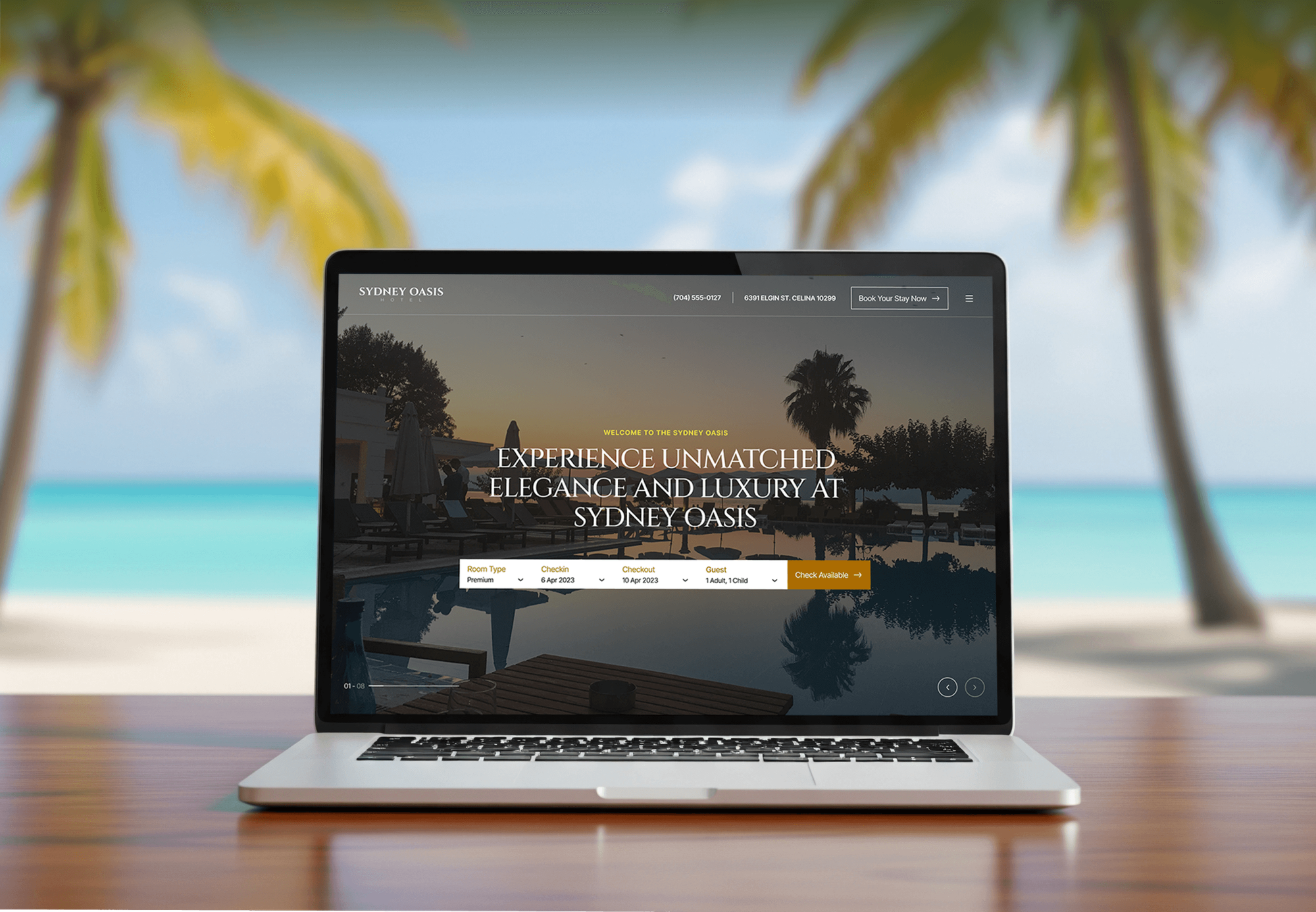
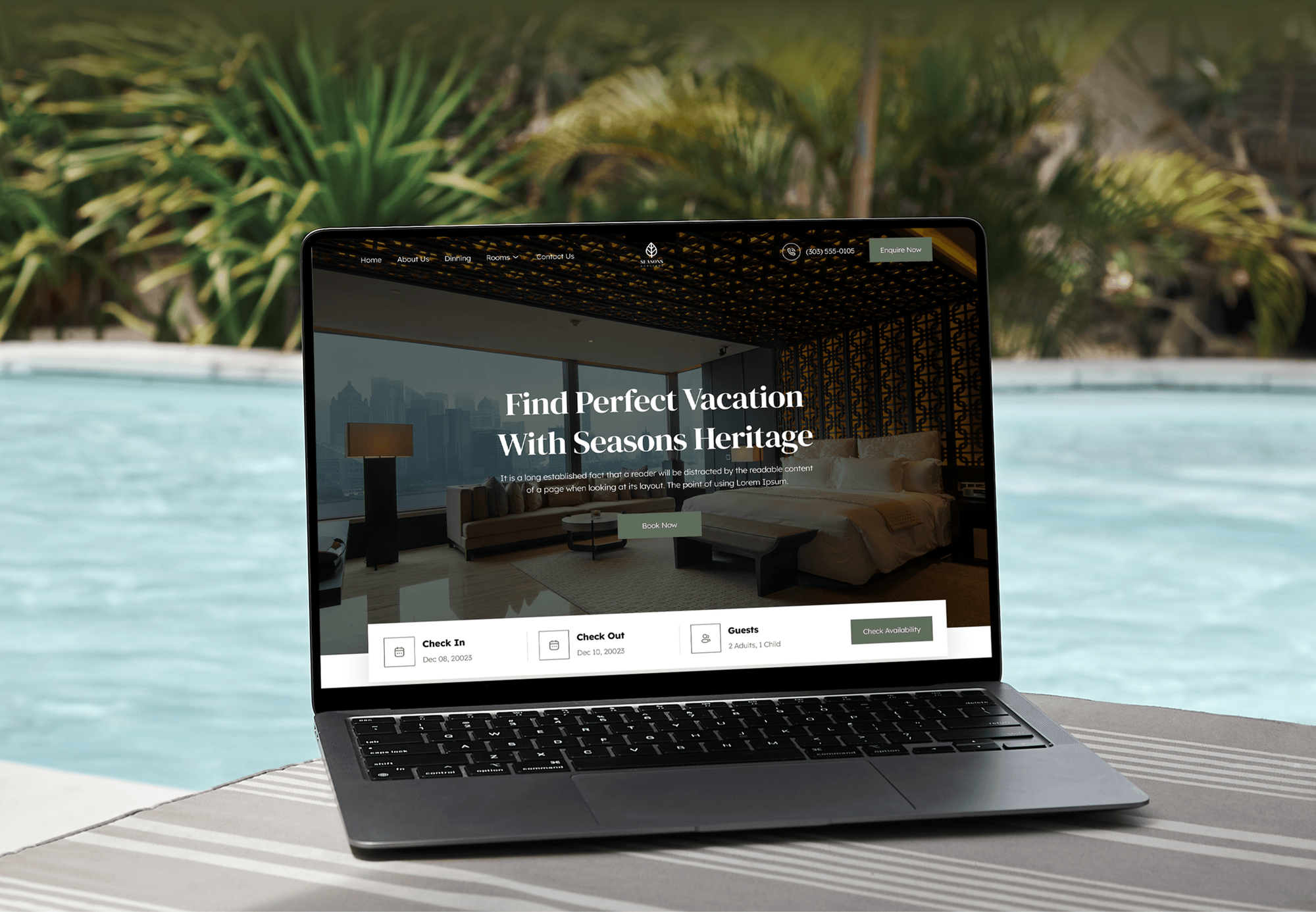
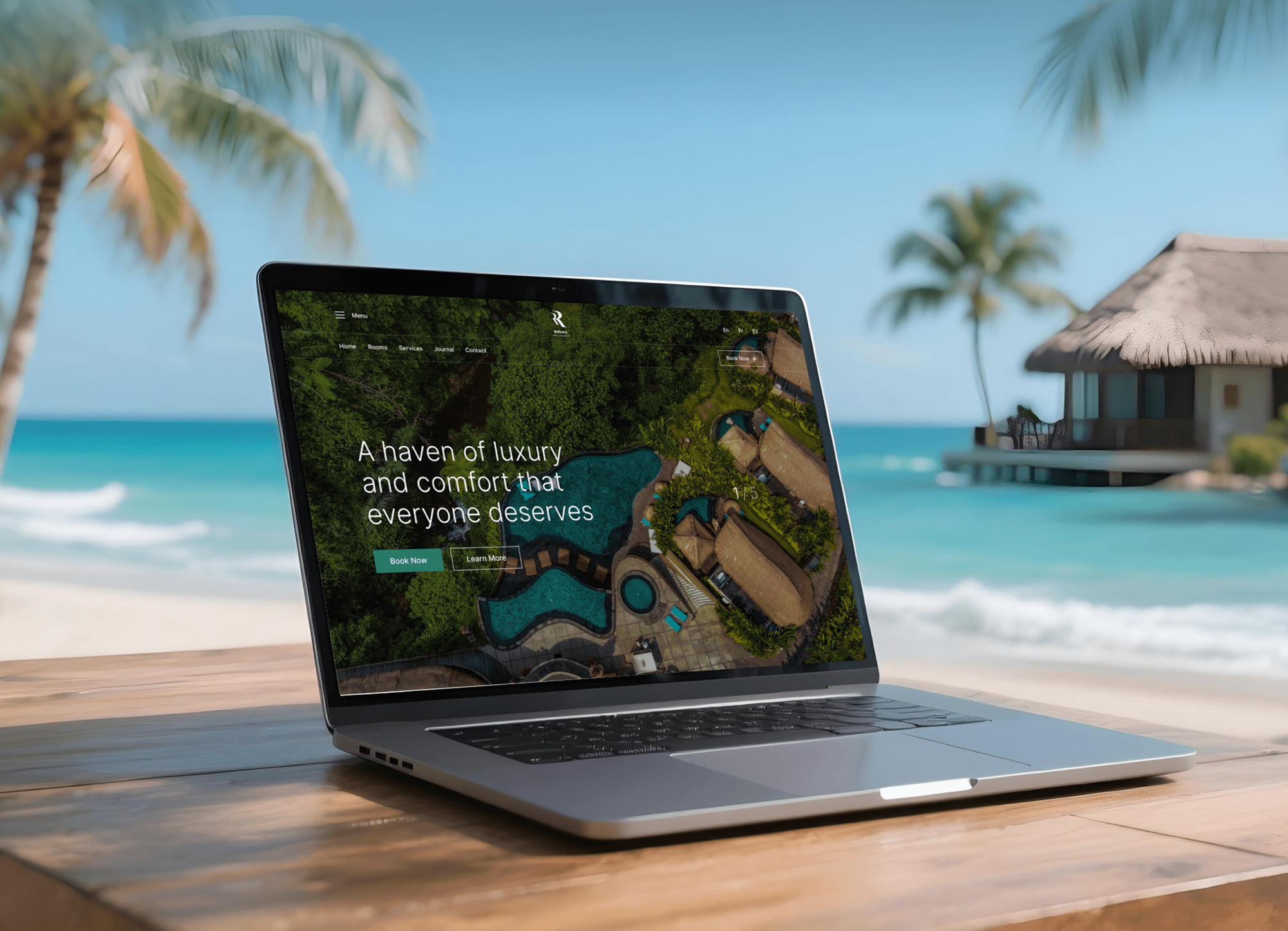
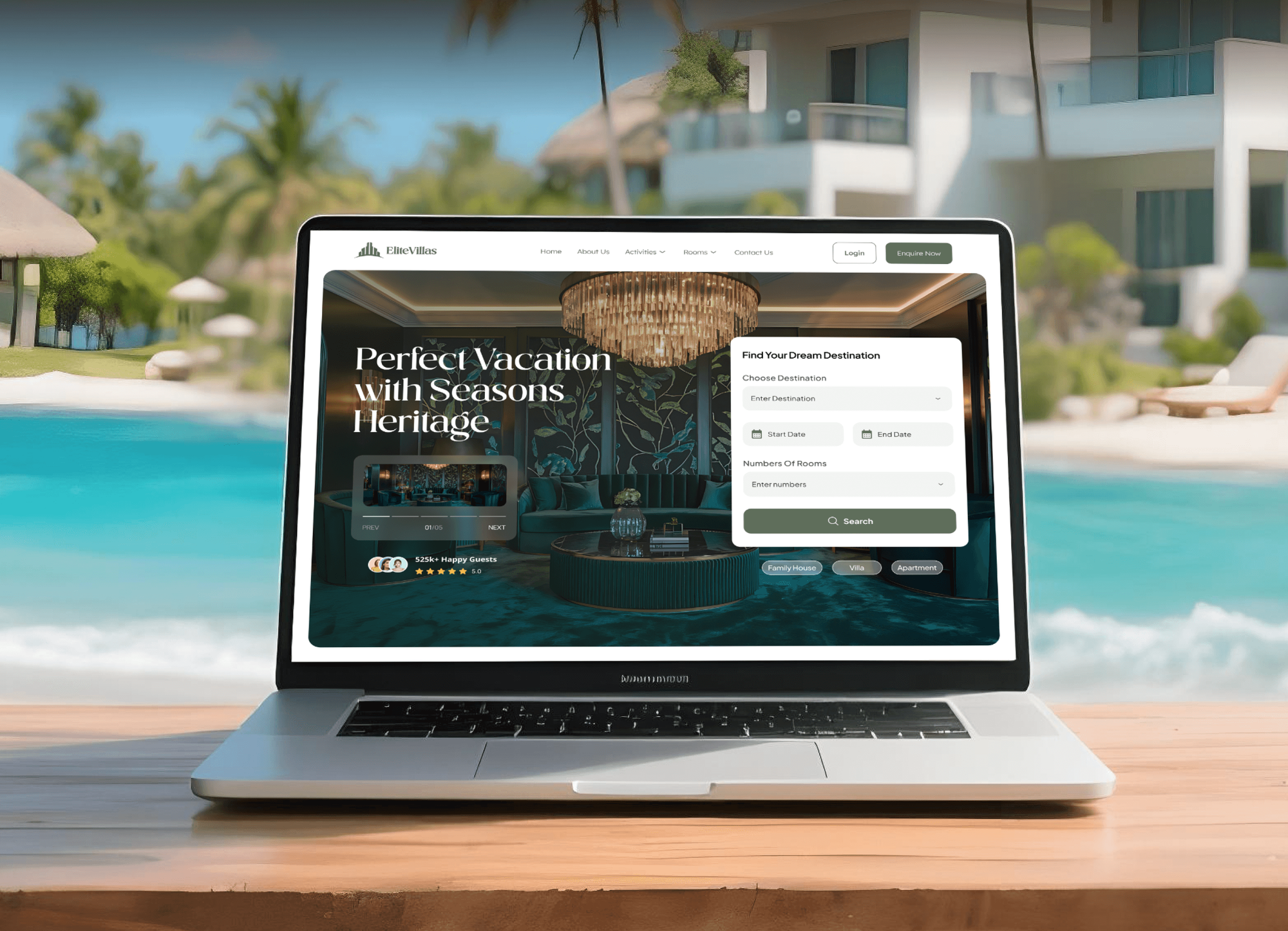
A luxury hotel site, resort and suite booking sites, and a villa platform. Each shows the room pages, availability search, and booking flows a hotel needs.
What Our Clients Say
Feedback from teams we have built websites for.
We had a pretty specific idea of what we wanted our website to become, but I wasn’t sure how easily we could explain all of it to a development team. There were quite a few moving parts, and we were working toward a deadline, so I expected a few things to get lost along the way. That never really happened. They understood what we were trying to achieve, kept us updated throughout the process, and got everything ready within the agreed timeline. The final site feels much easier to navigate, works beautifully on mobile, and is noticeably smoother for our customers. It was a huge relief seeing the original idea actually turn into the website we had in mind.
The mobile experience is probably my favourite part of the new site. We had spent a lot of time making sure the desktop version looked right, and the team kept pushing us to think about how everything would actually feel on a phone too. They were right. The navigation is clean, the interactions feel natural, and everything we’ve tested so far works exactly as it should. They also went through the links, forms, integrations, and other details more than once before launch, which I really appreciated. And even after going live, we could still reach out when something came up. The whole process felt friendly, organised, and surprisingly straightforward.
What I appreciate most is that the website is actually easy for us to manage now. We can update content ourselves instead of sending a developer a message every time we need to change something small. They also paid attention to the technical SEO side, which mattered to us because we didn’t want a new website to create problems for the traffic we already had. I’ve probably asked more questions than I should have since launch, but every question has been handled patiently and without any fuss. The team is easy to work with, they explain things clearly, and when we need something changed, they focus on getting it done rather than making the process complicated.
1,250+
Projects shipped
10+
Years of experience
Top 3%
Upwork Top Rated Plus
5 stars
Average review score

Want results like these?
Tell us what you are building. You get a reply within 24 hours on business days, then a written estimate.
Work Culture
Hospitality web design touches revenue every night. These habits keep your booking engine, rate plans, and guest data where they belong, and keep the site easy for your front desk to update.
We design around the engine and PMS you already pay for. Replacing them is rarely worth it, and your rates, inventory, and channels stay where your revenue team expects them.
Where your OTA contracts limit lower public rates, direct perks show as added value, such as breakfast or late checkout. Your revenue manager approves every offer before launch.
The ADA's reservation rule (28 CFR 36.302(e)) asks US hotels to describe accessible features in enough detail for guests to judge them. We write that detail per room type with your team.
We test every page and the booking hand-off on mid-range phones over slow connections. Many guests book on the move, not from a fast office laptop.
If your PMS vendor's built-in website already fits a small property, we'll tell you before we quote. A custom build pays off when you need your own brand, offers, and tracking.
Your domain, hosting, and site sit in accounts in your name. Guest records stay in your PMS and email tool, not in a system only we can open.
Overview
DeveloperLook is a hotel website design company for independent and boutique hotels. Good hotel sites give every room type its own page and send guests into your booking engine with their dates kept. They also describe accessible rooms and track bookings in GA4. Sites start at $1,450 and launch in 4 to 10 weeks, at a fixed price.
DEVELOPERLOOK
Project facts · Hotel Website Design
Reviewed 8 Oct 2026 by Saimul Islam
Good fit
Independent boutique hotels
You run a boutique hotel that looks special in person, and your website still uses the template your first booking engine came with.
Hotels on Cloudbeds, Mews, or SiteMinder
Your booking engine works well, but guests reach it from a site that looks nothing like your hotel, and you suspect they drop off at that jump.
Hotels paying heavy OTA commissions
You see the same guests return through an OTA every year, paying commission each time, because your own site didn't give them a reason to book direct.
Hotels selling meetings and small events
Your meeting rooms and terrace sell by email and phone, and planners want room sizes, capacities, and a request form before they call.
Agencies with hospitality clients
Your agency needs a hotel web design agency behind it to build hotel sites under your brand while you keep the client and the ads.
Not a fit
Budget under $1,450
Your budget is under $1,450, or your PMS vendor's built-in website already covers a small property well. Keep it for now, and we'll tell you so before we quote.
Rental homes, not rooms
You rent separate homes or apartments rather than hotel rooms. Vacation Rental Website Design fits hosts and managers who sell nights across many properties.
Resort with many activities
Your property sells skiing, golf, spa, and dining as much as rooms. Resort Web Design covers packages and activities across one larger resort site.
Owner-run inn
You run an inn with a handful of rooms and cook breakfast yourself. Bed and Breakfast Website Design fits that scale, budget, and story better.
Not sure we're the right fit?
Book a free call or message us. We'll tell you honestly whether we're the right team.
Pricing
These are starting points in USD. Your final price depends on the number of room types, languages, and properties, and you get a fixed proposal after a free booking path review.
For one small hotel that needs room pages and a clean hand-off to its booking engine.
$1,450one-time, USD
For hotels that want offers, packages, and meetings pages that turn OTA guests into direct ones.
$3,600one-time, USD
For full-service hotels or small groups with dining, spa, events, and up to 3 properties.
$7,200one-time, USD
For Agencies
You own the client relationship. We design and build your hotel clients' sites under your brand: room pages, the booking engine hand-off, and booking tracking. Your campaigns land on pages that sell the stay instead of a tired template.
White label: your client only ever sees your brand
Send room types, booking engine, brand assets, and the client's direct booking goals.
You get a fixed price, a launch date, and one named project lead.
We test bookings end to end, then launch when your client is ready.
We work behind your agency, and the hotel only hears from you.
We sort booking engine settings and tracking with the hotel's vendor.
Launch dates planned around the hotel's busiest booking months.
Take on more hotel clients without hiring designers or developers.
The Right Technology for Your Project
We design in Figma, build on WordPress or Webflow, link the booking engine you already use, and track every stay in GA4.
 WordPress
 Webflow
 Figma
 Cloudflare
 HubSpot
 Zapier
 Google Analytics (GA4)
 Google Tag Manager
 Google Search Console
 PageSpeed Insights
FAQ
Straight answers on cost, timelines, booking engines, must-have features, AMP, click-through rates, and ownership.
Saimul IslamFounder & CEO, DeveloperLookStill have questions?
Send a message or book a call with the team.
At DeveloperLook, a boutique hotel site starts at $1,450 with up to 6 room type pages. That plan links and styles your booking engine. Direct booking sites with offers, meetings pages, and a second language start at $3,600, and full-service or multi-property sites start at $7,200. You get a fixed quote after a free review of your booking path.
Most hotel sites launch in 4 to 10 weeks. A boutique hotel site takes about 4 weeks, a direct booking site 6 to 8, and a full-service or multi-property site 8 to 10. Room photos and booking engine settings set the pace, so we ask for both in the first week.
You build a hotel booking website around a booking engine, not from scratch. Choose an engine that syncs with your PMS and channel manager, such as Cloudbeds, Mews, or SiteMinder. Then design room pages that link into it with dates carried over, style the engine to match, and test a booking on a phone before launch.
Start from the booking path, then design the pages around it. Put date search at the top, a page per room type next, and offers, location, and policies after that. Design for phones first and keep the Book button the same on every page. Boutique hotel website design follows the same order, with more weight on photography and the story of the building.
Yes, a small property can make a hotel website with a site builder and its booking engine's widget. Wix, Squarespace, and many PMS vendors offer templates that work for a few rooms. Bring in a hotel website design company when you need room-level offers, tracking across domains, several languages, or a site that truly matches your brand.
A small hotel website needs room pages, a visible date search, your booking engine, and clear policies. Add real photos of each room, a map with parking and arrival notes, reviews, and a contact path for groups. In the US, the ADA's reservation rule (28 CFR 36.302(e)) also asks hotels to describe accessible features in enough detail for guests to judge them.
A hotel booking website shows rooms and rates, then hands the guest to a booking engine that checks live availability in the PMS. The engine takes payment or holds a card and confirms the stay. Your PMS then updates the channel manager, so that room closes on the OTAs too, and nobody sells the same night twice.
No, hotel websites don't need AMP. Google dropped AMP as a requirement for its Top Stories results in 2021, and AMP gives no ranking boost on its own. What helps is a fast standard site: compressed photos, few third-party scripts, and good Core Web Vitals on phones. We target a 90+ mobile PageSpeed score instead.
There's no single good number, because click-through rate shifts with search position, device, and whether people searched your hotel's name. Track it per page and query in Google Search Console, then compare against your own past months. A rising rate on name searches usually means your page title and description match what guests expect to find.
Yes, you own your hotel website and guest data. Your domain, hosting, and site files sit in accounts in your name, and guest records stay in your PMS and email tool. If you change booking engines later, the site stays and only the hand-off changes. Every plan includes 30, 60, or 90 days of fixes after launch.
Saimul IslamFounder & CEO, DeveloperLookStill have questions?
Send a message or book a call with the team.
Free 30-min callGoogle Meet
Book a call
In 30 minutes on Google Meet we walk you through how we would build it, how long it takes and what it costs. Then you get a written estimate.
Calendar not showing? Book on cal.com or send a brief.