
Interactive park map
Every site plotted on your real map, with hookups, length, shade, and photos when a camper taps it.

For campgrounds and RV parks: a site map campers trust, hookup and length details for every site, and reservations through your software at any hour. From $1,150.
3X
More sites reserved online
100%
Sites mapped with hookup details
Teams we have built for:














The Problem
RVers check hookups, site length, and pull-through access before they book. When your site shows a blurry map and a phone number, they reserve the park that answers those questions online.
01 · Blurry map
Your park map is a blurry scan campers can't read.
An interactive map shows each site's hookups, length, and photos on any phone.
02 · Rig fit
Campers can't tell if their rig fits a site.
Every site lists max rig length, slide-out room, and pull-through or back-in access.
03 · Voicemail
Evening callers reach voicemail and book another park.
Each site links to its booking page in your reservation software, open all night.
04 · Old rates
The rates on your site are from last season.
Rates by night, week, and month live in one place your staff updates.
A couple towing a 38-foot fifth wheel plans a week at your park. They need 50-amp service, a pull-through, and room for their slide-outs. Your website shows a scanned park map, a rate table from last season, and a phone number. They call at 9 p.m. and get voicemail. The park across the lake lists every site with its amps, length, and photos, and books online. They reserve there before bed, and your best pull-through sits empty all week.
We start with your park map and your reservation software. Every site gets its hookups, amperage, max rig length, and pull-through or back-in status, shown on a map campers can tap. Each site or site type links to its booking page in your software, so campers reserve at night without calling. Rates by night, week, and month sit next to the rules and pet policy. Your best sites book first, not last.
Tap-to-book site map
Each site on your map shows hookups, length, and photos, then links to booking.
Hookups spelled out
30-amp, 50-amp, water, sewer, and pull-through status listed for every site or site type.
Nightly to seasonal stays
Nightly, weekly, monthly, and seasonal rates shown clearly, with inquiry forms for long stays.
Our Campground Website Design Process
Website design for campgrounds starts with your site list, not a template. You approve the inventory, a clickable map, and a test reservation before anything goes live.
We go through your current site, park map, and reservation software as a camper would, from search to deposit. You get a list of what stops bookings and a fixed-price proposal.
What's Included
Every build covers the park map, site details, rates, rules, and booking links to your software. Larger plans add an interactive map, seasonal stay pages, events, cabins, and several parks under one brand.
Compare Options
Your reservation software's own site is cheap and connected, and a DIY builder costs little for a small park. Here's where each falls short once campers want site-level details and a map.
| Feature | DeveloperLookBest fit | Software site | DIY builder |
|---|---|---|---|
| Park map | Interactive, site by site | Often inside the booking flow | Uploaded image |
| Hookup and length details | On every site page | In the booking flow | Typed in by hand |
| Online booking | Your software, linked per site | Built in | Link or embed you add |
| Look and local story | Designed around your park | Shared vendor layout | Template look |
| Seasonal stays | Own pages with inquiry form | Depends on the software | Usually missing |
| Speed on weak signal | Tested on slow connections | Depends on the vendor | Varies by template |
| Startup cost | Fixed, from $1,150 | Often included | Low monthly fee |
| Time to launch | 3 to 9 weeks, by plan | Days | A few weekends |
Projects We've Built
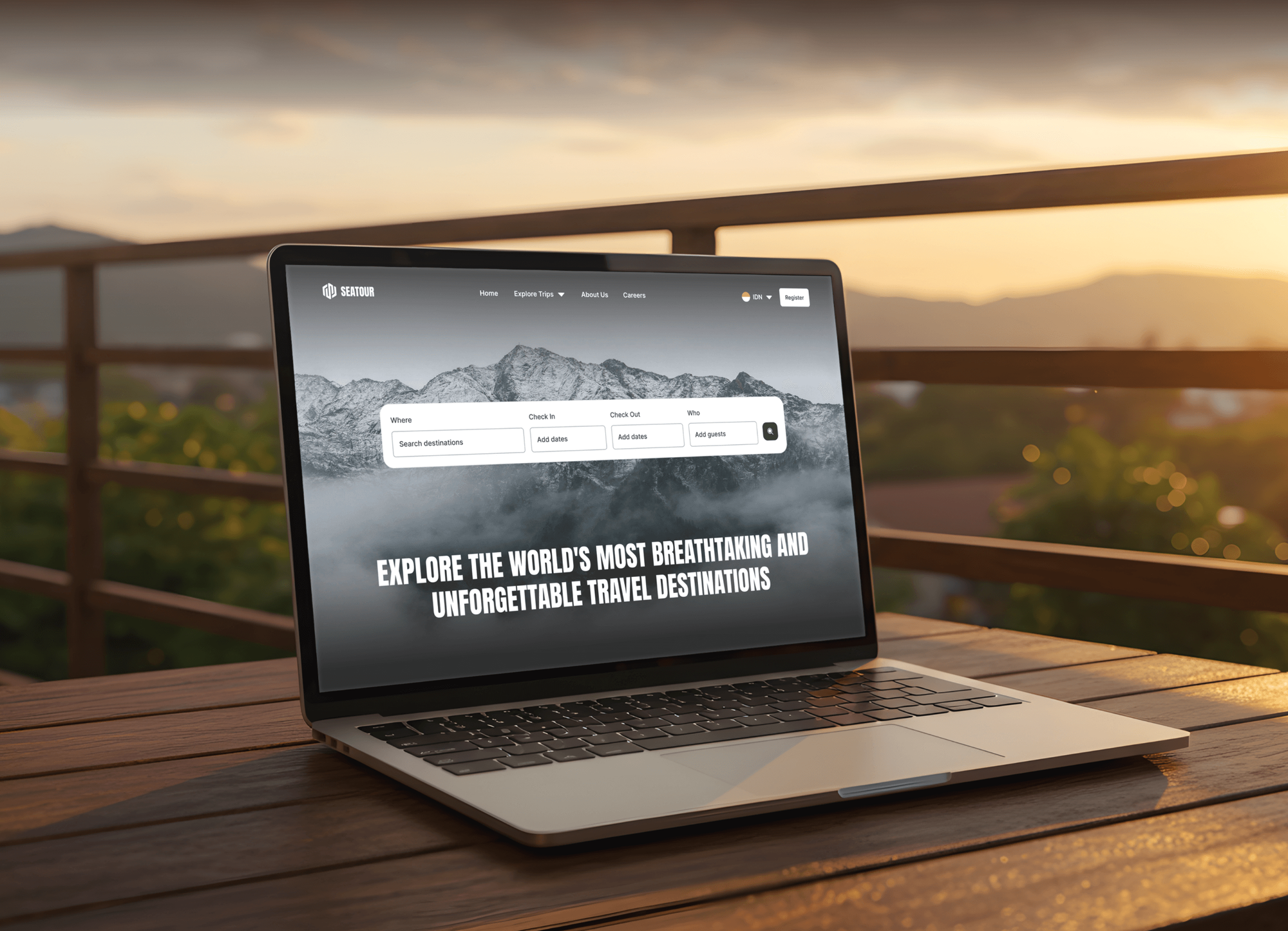
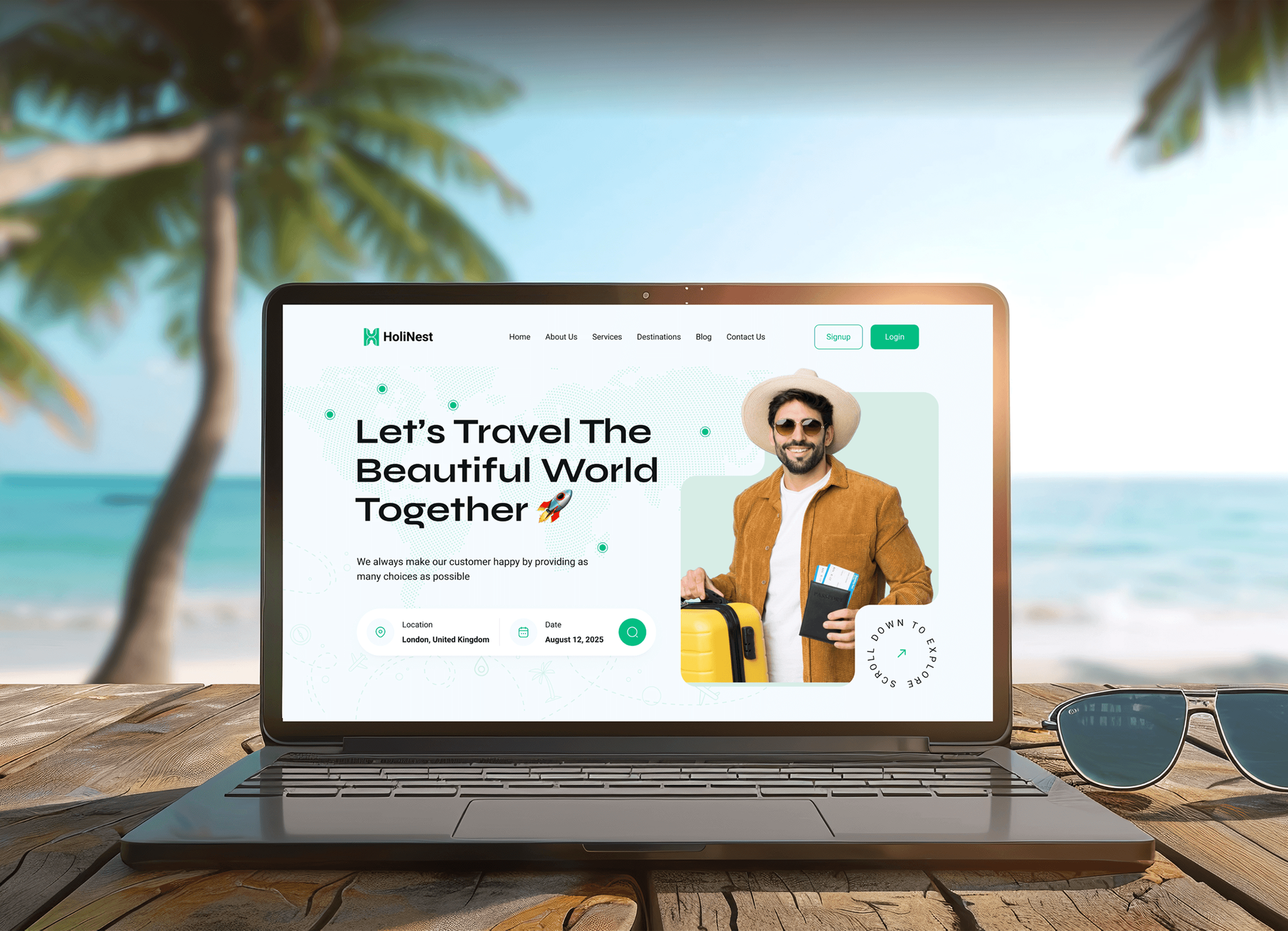
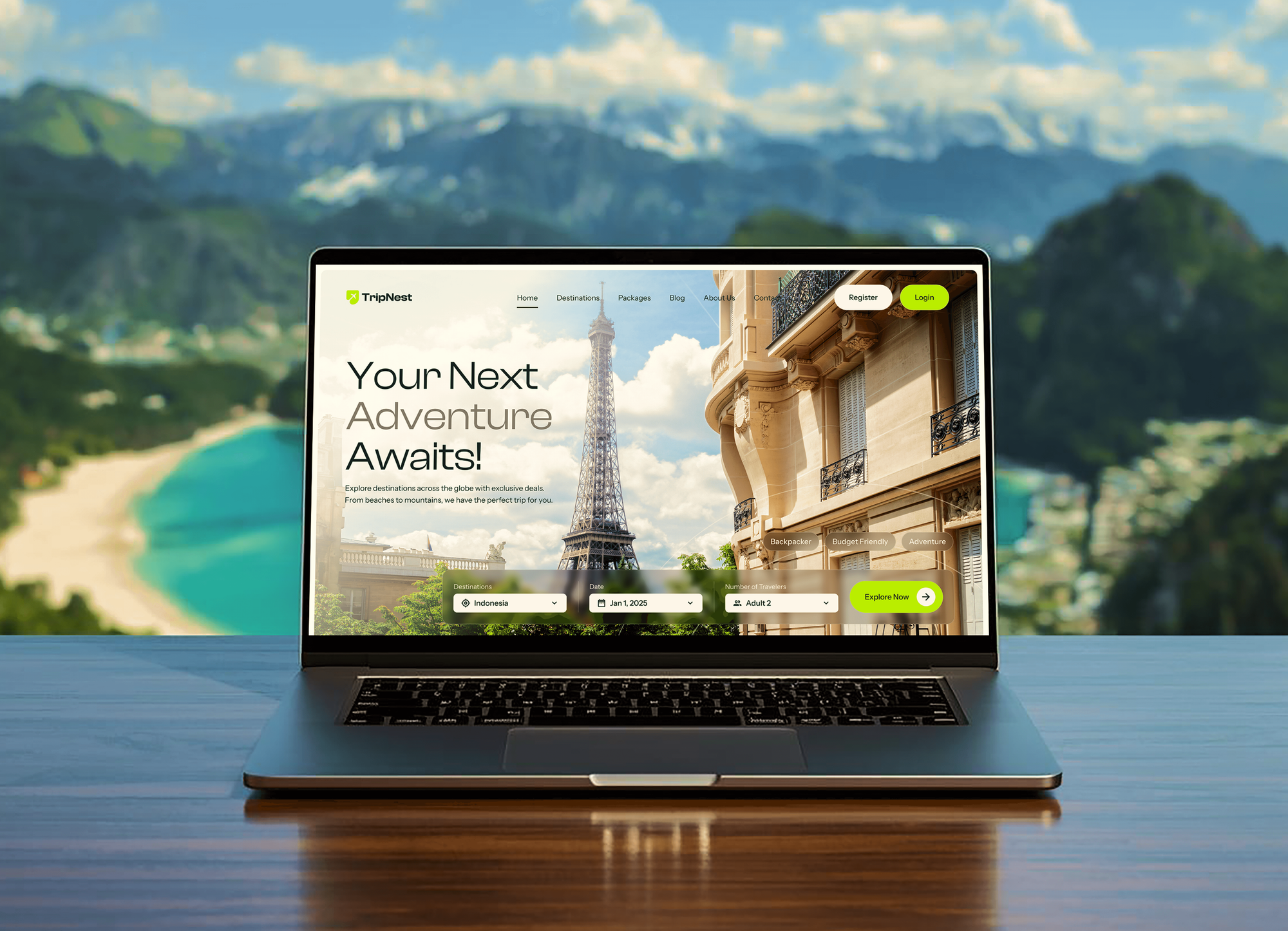
We haven't built a campground site yet. These travel and rental booking builds show the map search, availability, and booking flows a park needs.

What Our Clients Say
Feedback from teams we have built websites for.
We had a pretty specific idea of what we wanted our website to become, but I wasn’t sure how easily we could explain all of it to a development team. There were quite a few moving parts, and we were working toward a deadline, so I expected a few things to get lost along the way. That never really happened. They understood what we were trying to achieve, kept us updated throughout the process, and got everything ready within the agreed timeline. The final site feels much easier to navigate, works beautifully on mobile, and is noticeably smoother for our customers. It was a huge relief seeing the original idea actually turn into the website we had in mind.
The mobile experience is probably my favourite part of the new site. We had spent a lot of time making sure the desktop version looked right, and the team kept pushing us to think about how everything would actually feel on a phone too. They were right. The navigation is clean, the interactions feel natural, and everything we’ve tested so far works exactly as it should. They also went through the links, forms, integrations, and other details more than once before launch, which I really appreciated. And even after going live, we could still reach out when something came up. The whole process felt friendly, organised, and surprisingly straightforward.
What I appreciate most is that the website is actually easy for us to manage now. We can update content ourselves instead of sending a developer a message every time we need to change something small. They also paid attention to the technical SEO side, which mattered to us because we didn’t want a new website to create problems for the traffic we already had. I’ve probably asked more questions than I should have since launch, but every question has been handled patiently and without any fuss. The team is easy to work with, they explain things clearly, and when we need something changed, they focus on getting it done rather than making the process complicated.
1,250+
Projects shipped
10+
Years of experience
Top 3%
Upwork Top Rated Plus
5 stars
Average review score

Want results like these?
Tell us what you are building. You get a reply within 24 hours on business days, then a written estimate.
Work Culture
Campground web design lives or dies on accurate site details. These habits keep your map, your rates, and your reservations right, even in peak season.
Site lengths and amperage come from your inventory, checked by your staff. A camper whose rig doesn't fit leaves a review you can't undo.
We link to Campspot, Newbook, ResNexus, or whatever you run, instead of replacing it. Your rates, holds, and seasonal contracts stay in one system.
We test pages on slow mobile connections, because campers often check details from the road or the gate. Heavy sliders and videos stay off key pages.
Pet limits, quiet hours, and rig rules sit where campers read them before paying. Fewer surprises at check-in means fewer refund arguments.
If your reservation software's own website already fits a small park, we'll tell you before we quote. A custom site pays off once your map and seasonal stays need room.
Your domain, site, and camper email list sit in accounts in your name. Switch reservation software later, and only the booking links change.
Overview
DeveloperLook offers campground website design for campgrounds and RV parks. Each site maps every campsite with its hookups, amperage, and max rig length, lists nightly to seasonal rates, and links to your reservation software for booking. Sites start at $1,150 and launch in 3 to 9 weeks, at a fixed price.
DEVELOPERLOOK
Project facts · Campground Website Design
Reviewed 8 Oct 2026 by Saimul Islam
Good fit
Family-owned campgrounds and parks
You run a family campground where the office closes at 6 p.m., and most calls ask whether a site fits the caller's rig.
RV parks and RV resorts
Your park has premium 50-amp pull-throughs, and you want RV resort website design that sells them apart from standard sites.
Parks on Campspot, Newbook, or ResNexus
Your reservation software takes online bookings, but your website still sends campers to a phone number and a scanned map.
Parks with seasonal and monthly guests
You fill sites with seasonal RVers and monthly workers, and you want those long stays to have their own pages and inquiry forms.
Agencies marketing outdoor businesses
Your agency needs a campground website designer behind it to build park sites under your brand, with the map and booking links done.
Not a fit
Budget under $1,150
Your budget is under $1,150, or your reservation software's own website already shows your sites well. Keep it for now, and we'll tell you so first.
Changing the software itself
You want to change how reservations, seasonal billing, or site holds work inside your software. That's a software project, and our API Integration Services page covers connecting systems.
Motel or lodge rooms
You mainly rent rooms in a lodge or motel, not campsites. Hotel Website Design fits room pages and booking engine hand-offs better.
Rental cabins only
You rent a few cabins or homes and no campsites at all. Vacation Rental Website Design fits separate rentals better.
Not sure we're the right fit?
Book a free call or message us. We'll tell you honestly whether we're the right team.
Pricing
These are starting points in USD. Your final price depends on the number of sites and parks, the interactive map, and seasonal pages, and you get a fixed proposal after a free park walkthrough.
For one park that needs site types, rates, and booking online instead of by phone.
$1,150one-time, USD
For RV parks and campgrounds that want campers choosing exact sites from a map.
$2,700one-time, USD
For owners with several parks, cabins, or glamping who want one brand and one booking path.
$5,200one-time, USD
For Agencies
You own the client relationship. We build your park clients' sites under your brand: the interactive site map, hookup details, and booking links to their reservation software. Your spring campaigns land on pages that can fill sites overnight.
White label: your client only ever sees your brand
Share the park map, site list, rates, and the reservation software in use.
You get a fixed price, a launch date, and one named lead for the build.
We test a reservation on each site type, then launch on your date.
We stay invisible, and the park owner only hears from your agency.
We turn the park's site list into an interactive map.
Launches planned before reservations open for the camping season.
Take on more park clients without hiring designers or developers.
The Right Technology for Your Project
We design in Figma, build on WordPress or Webflow, plot your park map with Google Maps or Mapbox, and link your reservation software.
 WordPress
 Webflow
 Figma
 Cloudflare
 Google Sheets
 Google Analytics (GA4)
 Google Tag Manager
 Google Search Console
 PageSpeed Insights
FAQ
Straight answers on cost, timelines, RV park design, adding campground info and data, site booking, seasonal rates, and ownership.
Saimul IslamFounder & CEO, DeveloperLookStill have questions?
Send a message or book a call with the team.
A campground site from DeveloperLook starts at $1,150, with up to 10 pages, a park map with hookups, and booking links to your software. An interactive map with site-by-site details and seasonal stay pages starts at $2,700. Sites for up to 4 parks with cabins start at $5,200. You get a fixed quote after a free walkthrough.
Most park sites launch in 3 to 9 weeks. A starter site takes about 3 weeks, an interactive map site 5 to 7, and a multi-park site 7 to 9. The site inventory sheet sets the pace, so we send it in week one for your staff to fill in.
Design an RV park website around the questions RVers ask before booking: does my rig fit, what hookups are there, and can I pull through. Give every site or site type its amperage, length, and access, plot them on a map, and link each to booking. Then test the whole path on a phone with weak signal.
Add campground info as structured pages, not one long page. Give each site type its own page with hookups, rates, rules, and photos, and put amenities, pet rules, and check-in times on their own pages. On WordPress or Webflow, a CMS collection per site type lets staff update rates without touching the layout.
Keep campground data in one inventory, then feed the site from it. List each site's number, type, amperage, length, and access in a sheet or CMS, and let the map read from it. Link each site to your reservation software for live availability, and add Campground schema so search engines read the basics.
Yes, when your reservation software supports links to individual sites or site types. Many systems show their own site map inside the booking flow, so we link each map pin to the closest booking page they offer. If yours only books by site type, the map still shows each site's details, and you assign the exact site.
RV website design for big rigs should show max length, pull-through or back-in access, turning room, amperage, and slide-out clearance for each site. Add photos taken from the driver's view and a note on road access and low branches. Big-rig owners often skip parks that leave these out, so we put them on every site page.
Choose a campground website designer who asks about your site inventory and reservation software before showing designs. Ask how they'll map sites, show hookups and lengths, and link booking, and whether they test on slow phones. Compare fixed prices, and confirm you'll own the domain and the site files.
Yes, show seasonal and monthly rates, or at least a starting price and what's included. Long-stay guests compare parks on electric metering, length limits, and deposits, so list those too. A short inquiry form for seasonal sites lets you screen guests before you hold a site for months.
Yes, you own the campground website and your camper list. The domain, site files, and hosting are registered to you, and reservations stay in your software. If you switch reservation software, only the booking links change. Post-launch fixes run 30, 60, or 90 days, by plan.
Saimul IslamFounder & CEO, DeveloperLookStill have questions?
Send a message or book a call with the team.
Free 30-min callGoogle Meet
Book a call
In 30 minutes on Google Meet we walk you through how we would build it, how long it takes and what it costs. Then you get a written estimate.
Calendar not showing? Book on cal.com or send a brief.