
Project sheets by sector
Each job shows owner type, delivery method, your role, and schedule, so owners can compare you with other bidders quickly.

For general contractors and construction managers who bid private work: a site that shows your projects by sector and sends every RFP to estimating, from $1,450.
2X
More owner and developer RFPs
100%
RFPs routed to your estimators
Teams we have built for:














The Problem
Commercial work starts long before a bid. Owners and architects check your website to decide who gets the RFP, and a thin portfolio quietly removes you from the list.
01 · Thin portfolio
Your project photos show no square footage, contract type, or owner.
Each project page leads with sector, size, and your role, then the photos.
02 · Mixed inbox
RFPs, insurance certificates, and resumes share one contact form.
Owners, trade partners, and job seekers each get a form routed to its own team.
03 · Buried RFPs
A request for proposal waits for days before anyone opens it.
Every RFP alert reaches estimating with the bid date and drawings attached.
04 · Lost shortlist
Owners pick firms whose project pages answer their questions first.
Your safety record, licenses, and leadership sit beside every featured job.
A developer's project manager has a medical office building to bid and a shortlist due Friday. Your site is the second one opened. Your portfolio shows a few photos with no square footage, contract type, or owner. Your contact form asks for a name and a message. Subcontractors send insurance certificates through that same form, and job seekers send resumes. An RFP would sit in that pile. So the shortlist goes to a firm whose project pages answer the obvious questions, and you never hear the job existed.
We start with the questions owners ask at the shortlist stage. Each featured project gets a sheet with sector, size, delivery method, and your role. The RFP form asks for location, funding stage, bid date, and drawings, then alerts estimating. Trade partners and job seekers get their own forms and inboxes. Most construction websites stop at photos, but yours starts answering bid-stage questions.
Projects told in numbers
Sector, square footage, contract type, and your role lead every project page, ahead of the photos.
RFPs land with estimating
Bid dates, drawings, and funding stage arrive together in your estimators' inbox, not a shared mailbox.
Subs and recruits sorted
Trade partner registrations go to procurement and applications go to hiring, each through its own form.
Our Construction Web Design Process
You approve the sitemap, the project page template, a clickable design, and every form's routing before launch. Your test entries prove each request reaches the right people.
We review the sectors you chase, how owners find you now, and which project types pay best. You get a sitemap, the RFP form questions, and a fixed price before design starts.
What's Included
Every build covers your project pages, sector pages, an RFP intake, trade partner registration, careers, and tracking. Larger plans add portfolio filters, invite-only bid pages, and a Procore or Buildertrend connection.
Compare Options
Each option suits some contractors. Agencies bundle ads into one retainer, and template builders cost less for a brochure site. Here's how they compare at the bid stage.
| Feature | DeveloperLookBest fit | Marketing agency | Template builder |
|---|---|---|---|
| Project presentation | Sheets with sector, size, and role | Galleries from a theme | Whatever the template offers |
| RFP intake | Bid date, drawings, funding stage | Standard lead form | Basic contact form |
| Trade partner registration | Own path with document uploads | Rarely part of scope | Plugin, if one exists |
| Hiring path | Careers page with routed applications | Link to a job board | One shared email address |
| Software connections | Documented Procore or Buildertrend paths | CRM handoff only | Zapier, if you set it up |
| Ads and SEO | Foundations built in, SEO separate | Bundled into the retainer | Managed by you |
| Price model | Fixed, from $1,450 | Monthly retainer | Lowest monthly fee |
| Site ownership | Site and data in your name | Sometimes held by the agency | Tied to the platform |
Projects We've Built
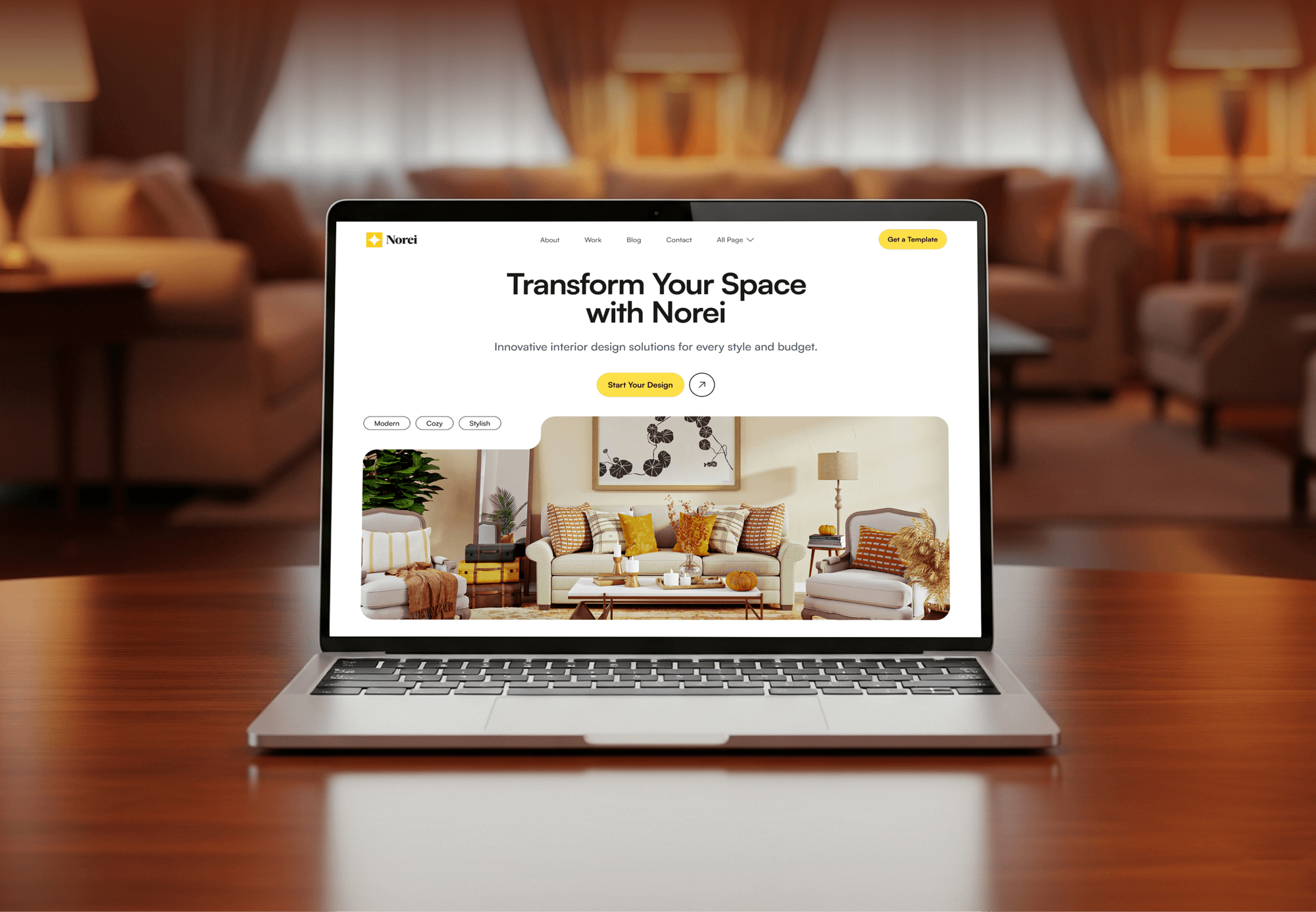
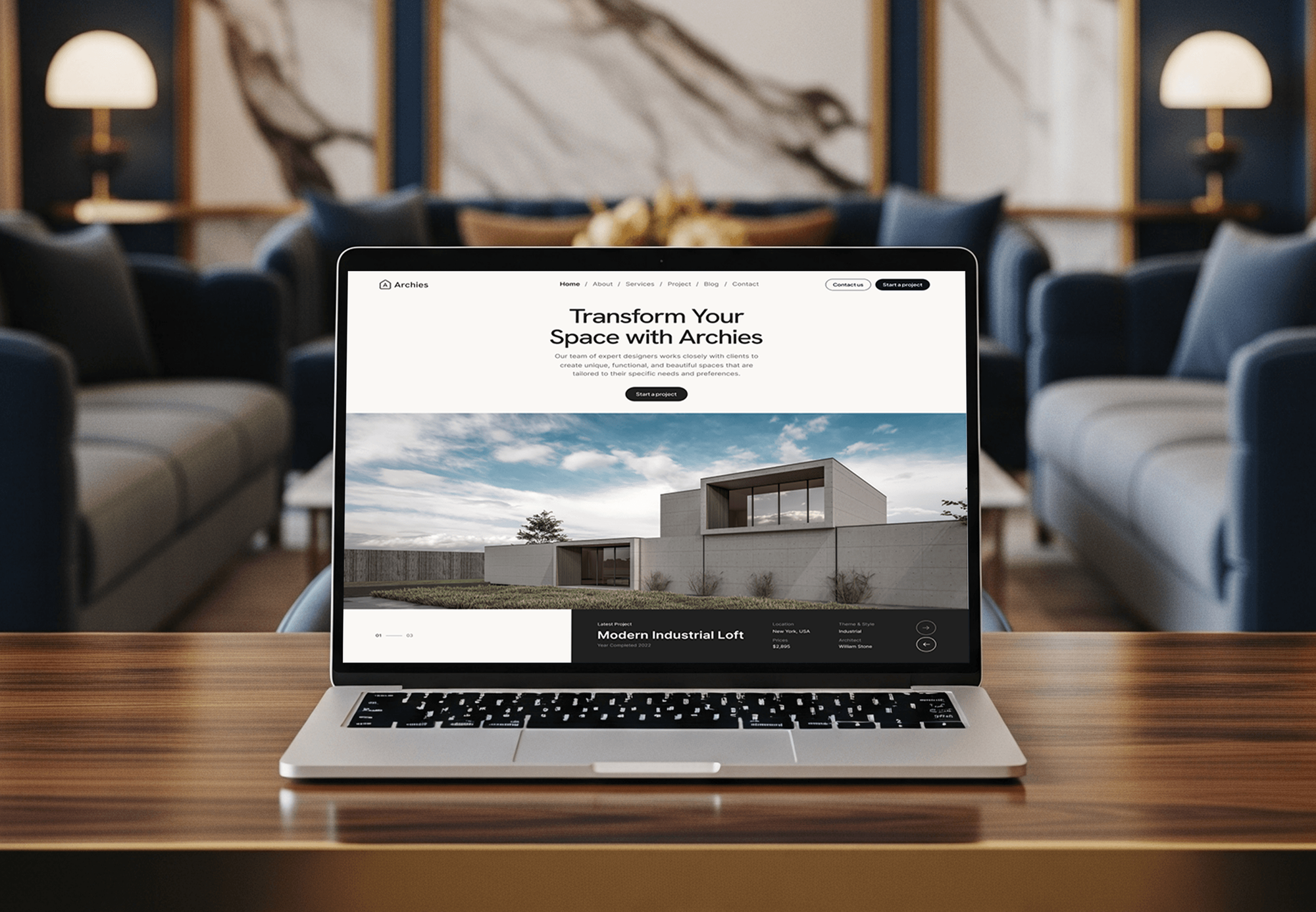
A construction company site plus architecture and interior studio sites from our portfolio, each built around project galleries and inquiry forms like the ones a contractor needs.


What Our Clients Say
Feedback from teams we have built websites for.
We had a pretty specific idea of what we wanted our website to become, but I wasn’t sure how easily we could explain all of it to a development team. There were quite a few moving parts, and we were working toward a deadline, so I expected a few things to get lost along the way. That never really happened. They understood what we were trying to achieve, kept us updated throughout the process, and got everything ready within the agreed timeline. The final site feels much easier to navigate, works beautifully on mobile, and is noticeably smoother for our customers. It was a huge relief seeing the original idea actually turn into the website we had in mind.
The mobile experience is probably my favourite part of the new site. We had spent a lot of time making sure the desktop version looked right, and the team kept pushing us to think about how everything would actually feel on a phone too. They were right. The navigation is clean, the interactions feel natural, and everything we’ve tested so far works exactly as it should. They also went through the links, forms, integrations, and other details more than once before launch, which I really appreciated. And even after going live, we could still reach out when something came up. The whole process felt friendly, organised, and surprisingly straightforward.
What I appreciate most is that the website is actually easy for us to manage now. We can update content ourselves instead of sending a developer a message every time we need to change something small. They also paid attention to the technical SEO side, which mattered to us because we didn’t want a new website to create problems for the traffic we already had. I’ve probably asked more questions than I should have since launch, but every question has been handled patiently and without any fuss. The team is easy to work with, they explain things clearly, and when we need something changed, they focus on getting it done rather than making the process complicated.
1,250+
Projects shipped
10+
Years of experience
Top 3%
Upwork Top Rated Plus
5 stars
Average review score

Want results like these?
Tell us what you are building. You get a reply within 24 hours on business days, then a written estimate.
Work Culture
Modern construction website design is mostly project data and routing, not stock photos of hard hats. These habits keep owners, subs, and recruits moving to the right person.
We collect the facts for every featured job before we design a page. Owners compare contractors on owner type, scope, and schedule, so those facts lead your portfolio.
Owners, trade partners, and job seekers each get their own form and inbox. Nobody on your team has to sort resumes out of the RFP pile.
We publish only the safety figures, bonding capacity, and licenses you document. Procurement teams check those numbers, so we don't round them up or guess.
Every RFP alert your estimator receives shows the due date first. A late look at a bid costs you more than any slow page.
Your proposal lists every page, form, and connection with one fixed price. If the scope grows, you see the change in writing before extra work starts.
Your domain, hosting, analytics, and every inquiry record sit in accounts your company controls. Change partners later, and your RFP history stays with you.
Overview
DeveloperLook offers construction website design for general contractors and construction managers. Each build includes project sheets by sector, an RFP intake with drawing uploads, a trade partner registration page, and a careers page for field crews. Sites start at $1,450 and launch in 4 to 12 weeks, at a fixed price, with every inquiry kept in your accounts.
DEVELOPERLOOK
Project facts · Construction Website Design Services
Reviewed 6 Oct 2026 by Saimul Islam
Good fit
General contractors chasing private commercial work
Your best leads come from developers and architects, yet your site shows a few houses and a form that asks nothing about bid dates.
Construction managers on negotiated projects
You win work at the shortlist stage, where owners compare your past projects, safety record, and team bios before interviews.
Firms recruiting superintendents and field crews
Your careers page is one email address, so superintendent and carpenter applications land in the same inbox as RFPs and invoices.
Builders running Procore or Buildertrend
You run every job in Procore or Buildertrend, yet your office still retypes each web inquiry and subcontractor form by hand.
Agencies with construction clients
Your agency handles a builder's brand and ads, and you need a partner for construction web design with RFP routing behind it.
Not a fit
Homeowner remodels mostly
Most of your work is kitchens, baths, and additions for homeowners. Remodeling Contractor Website Design fits better, with consultation booking and before and after sliders.
Subcontractor seeking GC bids
You're a specialty subcontractor who wants invitations from general contractors. B2B Contractor Marketing & Commercial Lead Generation builds that capability statement and outreach.
Single residential trade
You run one residential trade, like roofing or HVAC, and sell to homeowners. Our roofing, HVAC, plumber, and electrician website pages go deeper on each.
Budget under $1,450
Your budget is under $1,450, or a lender or surety only needs to see a one-page presence. A simple template covers that, and we'll say so.
Not sure we're the right fit?
Book a free call or message us. We'll tell you honestly whether we're the right team.
Pricing
These are starting points in USD. Your final price depends on featured projects, form routing, and software connections, and you get a fixed proposal after a free discovery call.
For contractors who need project sheets and a proper RFP intake on a lean site.
$1,450one-time, USD
For firms that compete on shortlists and need a portfolio owners can filter.
$3,600one-time, USD
For multi-office builders who want web forms flowing into Procore or Buildertrend.
$7,200one-time, USD
For Agencies
You own the client relationship. We supply the build for your construction clients under your brand: project pages, RFP and bid intake, trade partner registration, and hiring pages. Your campaigns send owners to pages built for the shortlist stage.
White label: your client only ever sees your brand
Send the contractor's sectors, featured projects, software, and campaign plans.
You get a fixed price, a timeline, and one lead developer for the build.
We test every form, write the handover notes, and launch when you give the word.
We work behind your agency, and the contractor only ever talks to you.
Fixed milestones you can share with the client before the build starts.
Experienced developers build and test the RFP, partner, and hiring forms.
Take on more construction clients without hiring designers or developers.
The Right Technology for Your Project
We build on WordPress or Webflow, keep large project photos fast, and route each inquiry to your HubSpot, Procore, or Buildertrend account through documented paths.
 WordPress
 Webflow
 Tailwind CSS
 PHP
PHP Cloudflare
 HubSpot
 Node.js
 MySQL
MySQL Google Sheets
 Slack
Slack Google Analytics (GA4)
 Google Tag Manager
 Google Search Console
 PageSpeed Insights
FAQ
Straight answers on cost, RFP intake, project portfolios, and project management tools for construction companies.
Saimul IslamFounder & CEO, DeveloperLookStill have questions?
Send a message or book a call with the team.
Construction company website design starts at $1,450 for a 10-page site with 6 project pages and an RFP form that takes drawings. Portfolio sites with filters and trade partner uploads start at $3,600. Builds with a Procore or Buildertrend connection and invite-only bid pages start at $7,200. Your quote is fixed after a free call.
Most builds take 4 to 12 weeks. A bid-ready site takes 4 to 5 weeks, a commercial portfolio site 6 to 9, and an integrated site 9 to 12. Gathering your project data is usually the slow part, so the questionnaire goes out on day one.
A general contractor website needs sector pages, project sheets with real data, and separate paths for owners, trade partners, and job seekers. Add your safety program, licenses, and leadership bios. Template-based website design for construction company owners often skips these, which is why so many sites look alike.
They answer an owner's shortlist questions before the first call. Your project pages show scope and role, and the RFP form asks for location, funding stage, bid date, and drawings. Each request reaches your estimators tagged by source, so you see which pages bring the bids worth chasing.
Show each project as a sheet, not a gallery. Lead with sector, square footage, delivery method, and your role, then the photos and the hardest problem your team solved. Filters let a hospital board or a developer find comparable work without scrolling through everything you've built.
A custom builder site sells a long relationship, while a trade site sells a repeat service. Builder sites show floor plans, lots, the selections process, and finished homes. Trade sites lead with services, service areas, and a fast quote. Commercial contractors need a third kind, built around RFPs.
We use each vendor's documented path. Buildertrend offers a lead contact form you embed on your site, and each submission becomes a lead in Buildertrend. Procore custom apps are installed by your company admin through App Management, and we test against Procore's REST API in a sandbox first.
Yes, a trade partner form collects what your prequalification review needs. Subcontractors and suppliers enter trades, regions, license numbers, and insurance details, then upload certificates. On the integrated plan, new registrations can become vendor records in your Procore company directory through the custom app, so nobody retypes them.
We do, from answers your project managers give us. Each featured job gets a short questionnaire about owner type, scope, schedule, and anything unusual, like phasing around an open hospital. We turn the answers into pages, and you approve every number before it goes live.
Yes, your domain, hosting, site files, analytics, and every form entry sit in accounts your company controls. Applicant data stays in your hiring inbox or HR tool, not ours. After launch you get 30, 60, or 90 days of fixes by plan, and an optional care plan adds new project pages later.
Saimul IslamFounder & CEO, DeveloperLookStill have questions?
Send a message or book a call with the team.
Free 30-min callGoogle Meet
Book a call
In 30 minutes on Google Meet we walk you through how we would build it, how long it takes and what it costs. Then you get a written estimate.
Calendar not showing? Book on cal.com or send a brief.