

Court-by-court calendars
Each court with its own surface, lights, slot length, and maintenance blocks, bookable by the slot.

For tennis, pickleball, and padel facilities tired of phone bookings: players reserve, pay, and join open play from their phones. From $1,150.
24/7
Self-serve court booking
100%
Double bookings blocked
How your project runs
01 · FreeTeams we have built for:














The Problem
Trouble starts once demand outgrows the front desk. Prime-time courts go to whoever calls first, open play fills by group text, and midday courts sit empty.
Double bookings
Phone and online bookings land on the same court.
Double bookings
Every channel books from one live court calendar.
Open play
Sign-ups fill by group text, and skill levels get mixed.
Open play
Players join sessions by rating band, and a waitlist fills dropouts.
Guest fees
Guests play without paying, and the desk can't keep up.
Guest fees
The booking asks for each guest and collects the fee before play.
No-shows
Booked courts sit empty while other players wait.
No-shows
Cancellation windows and no-show rules release courts and log repeat offenders.
It's a Tuesday evening. Two doubles groups walk onto court 3, one booked by phone and one through a shared calendar. Your desk refunds one group and loses the booking. Open play at seven is oversubscribed, and beginners land on the same court as your strongest players. A guest played twice this week without paying. Meanwhile, midday courts sit empty because nobody can see they're free. Every fix happens by hand, at the busiest hour of the day.
We start by modeling your courts: surface, indoor or outdoor, lights, slot lengths, and who can book what, when. Players then book a specific court, pay on your own Stripe account, and get a confirmation that holds the slot. Open play sign-ups fill by skill level with a waitlist. Rates change by time of day, and no-show rules apply on their own. Your desk stops refereeing bookings and starts welcoming players.
One calendar per court
Every court has its own surface, slot length, and lights, so no two bookings overlap.
Open play by skill level
Sign-ups fill by rating band with a waitlist, so beginners and strong players get matched sessions.
Rates that follow the clock
Peak, off-peak, member, and guest prices apply automatically at booking, with no desk math.
Our Court Booking App Development Process
You approve the court setup, the rates, and each build round on a staging app, and your desk staff test real bookings before players get the link.
We look at your courts, sports, rates, member types, and how bookings happen today. You get a straight answer on whether a packaged app would do the job, plus a fixed-price proposal if it won't.
What's Included
Court calendars, rates, open play, lessons, and payments set up for your facility, plus a staff desk view and full access to your data.
Compare Options
A court booking SaaS is quick to switch on, and a generic scheduler is cheap. Both suit some venues. Here is where each falls short.
| Feature | DeveloperLookBest fit | Court booking SaaS | Generic scheduler |
|---|---|---|---|
| Court-level setup | Every court modeled exactly | Good, within product settings | Courts treated as staff |
| Open play by level | Rating bands with waitlists | Common in racquet tools | Not designed for it |
| Booking fees | Stripe card fees only | Monthly fee, sometimes per booking | Low monthly fee |
| Time to launch | 3 to 14 weeks | Faster, often within days | Same day |
| Upfront cost | From $1,150, fixed scope | Low upfront, ongoing subscription | Low upfront |
| Your own app | Your brand in app stores | Shared app or white label | Web booking page |
| Booking history | Kept in your own database | Stored on the vendor's platform | Basic exports |
| Unusual rules | Built to your rules | Waits for the vendor roadmap | Rarely possible |
Projects We've Built
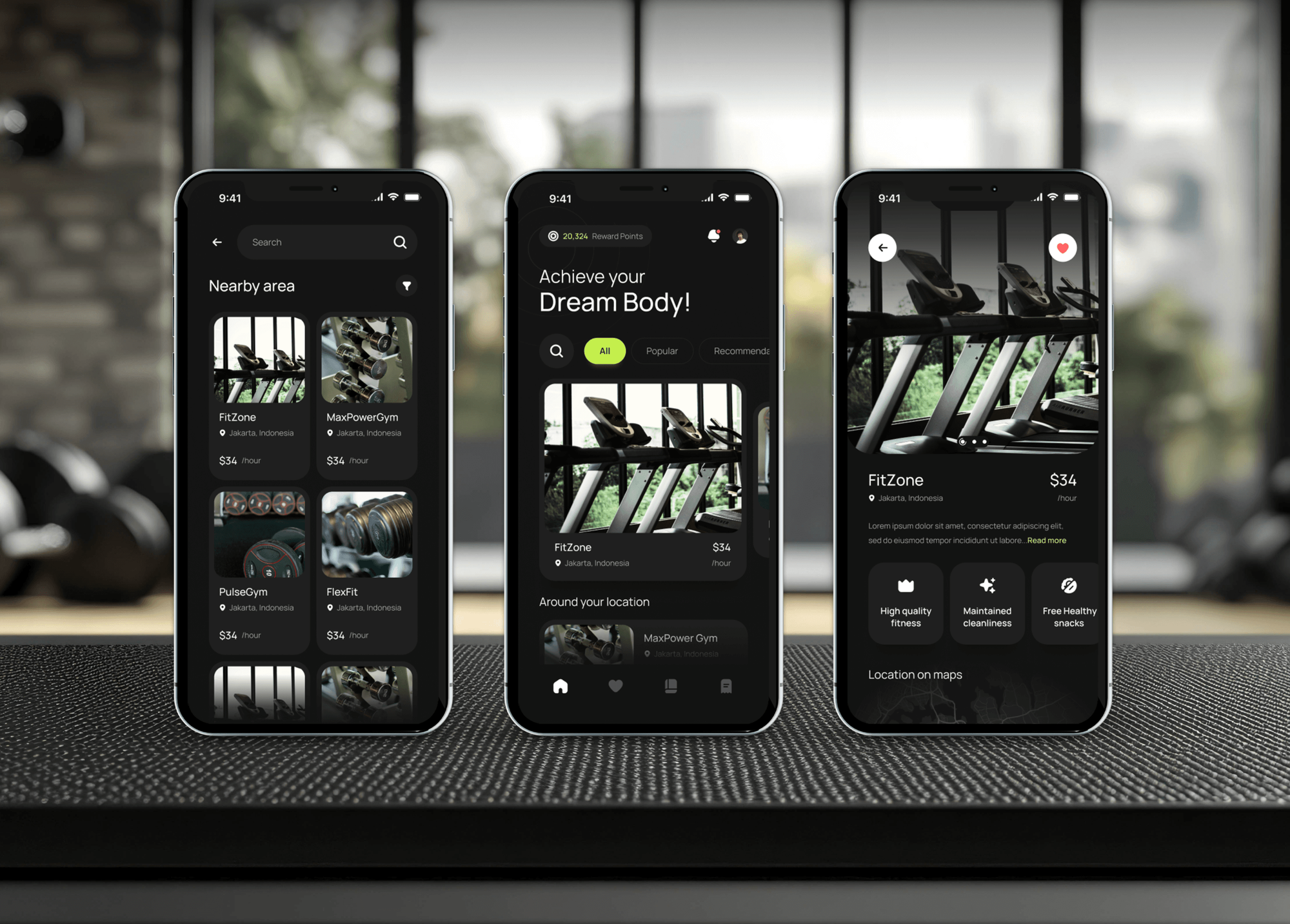
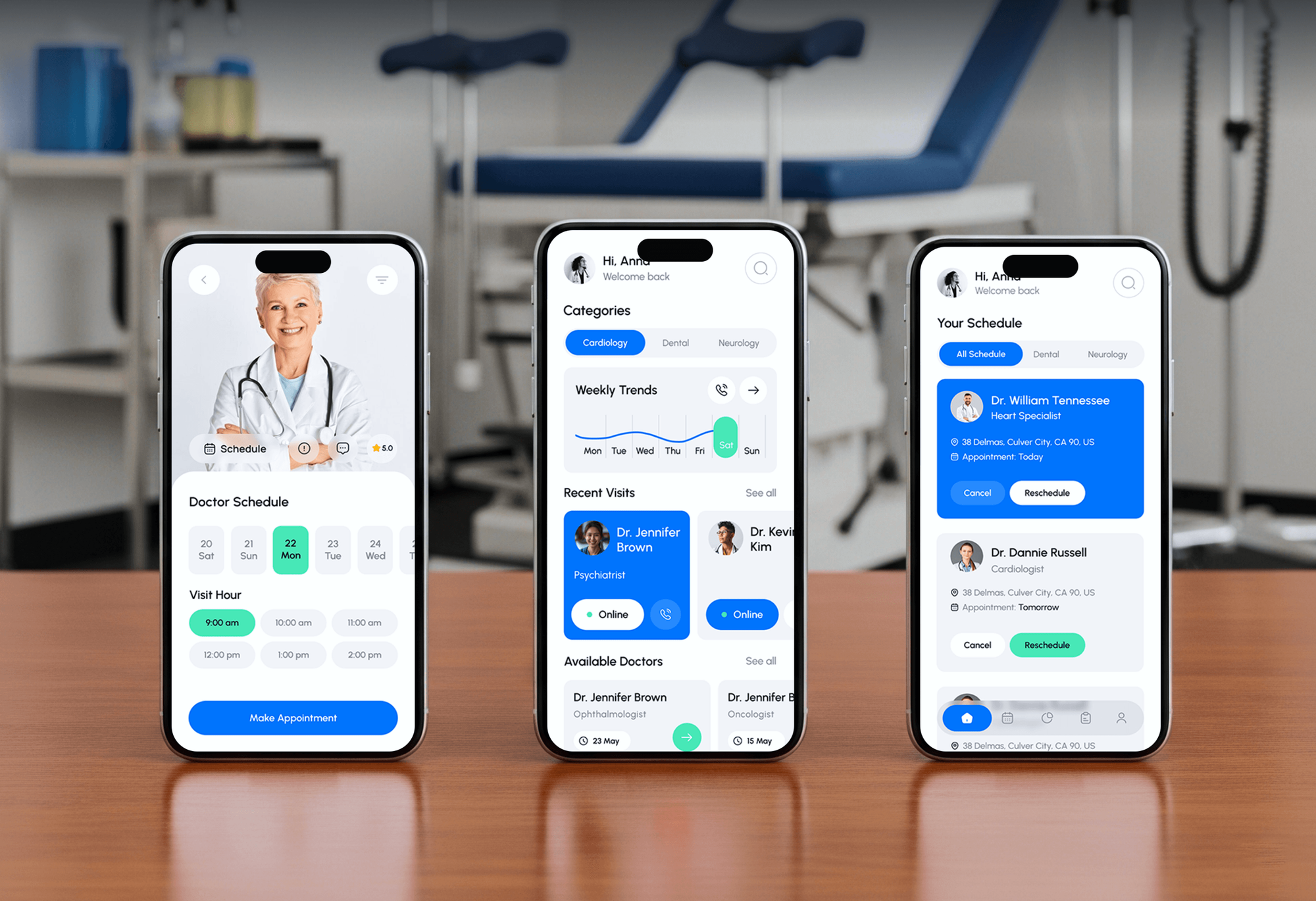
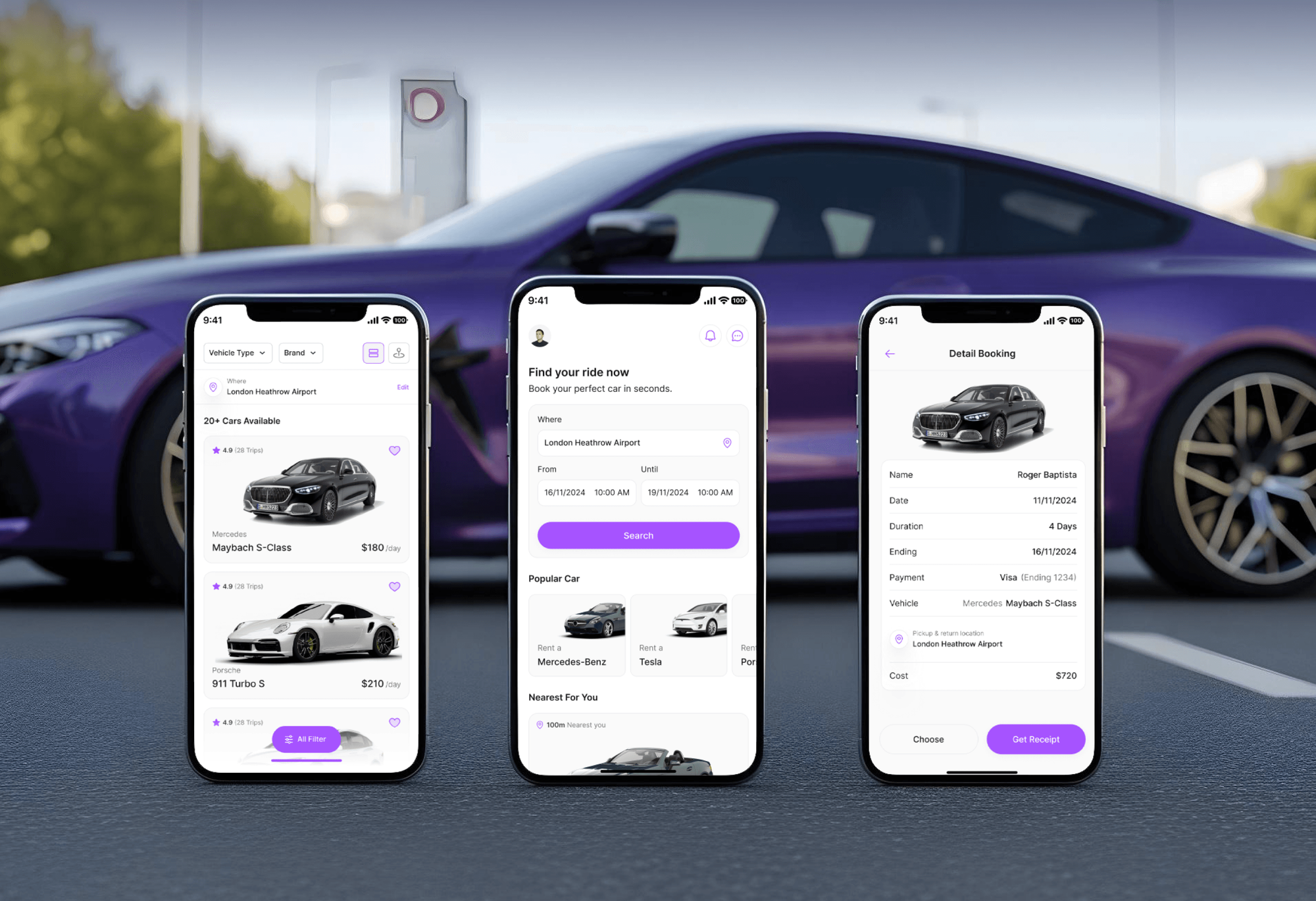
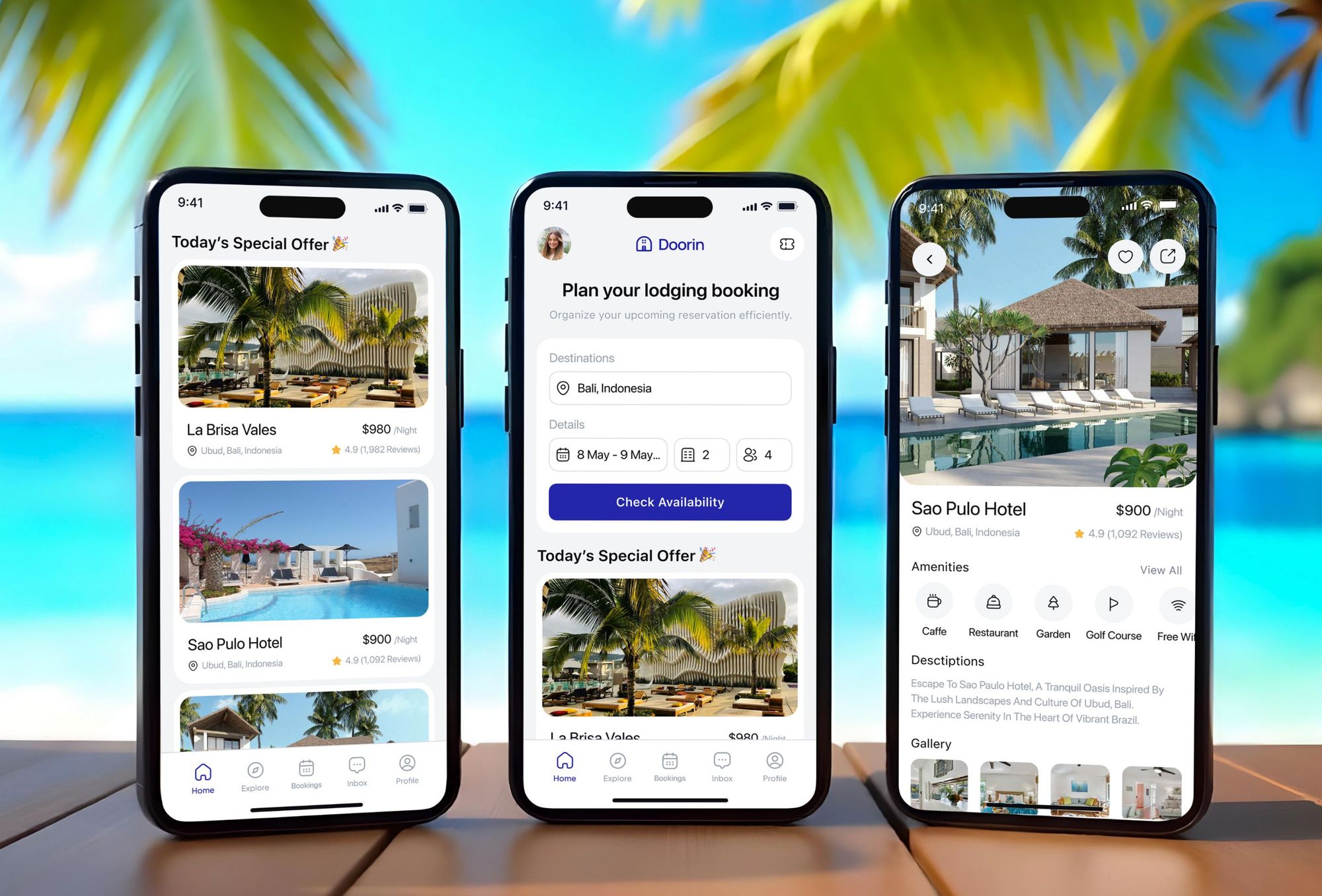
Booking apps we designed and built for gyms, clinics, and rentals. They show our time-slot, payment, and availability work, not court booking apps for these clients.
What Our Clients Say
Feedback from teams we have built websites, apps, and platforms for.
We had a pretty specific idea of what we wanted our website to become, but I wasn’t sure how easily we could explain all of it to a development team. There were quite a few moving parts, and we were working toward a deadline, so I expected a few things to get lost along the way. That never really happened. They understood what we were trying to achieve, kept us updated throughout the process, and got everything ready within the agreed timeline. The final site feels much easier to navigate, works beautifully on mobile, and is noticeably smoother for our customers. It was a huge relief seeing the original idea actually turn into the website we had in mind.
The mobile experience is probably my favourite part of the new site. We had spent a lot of time making sure the desktop version looked right, and the team kept pushing us to think about how everything would actually feel on a phone too. They were right. The navigation is clean, the interactions feel natural, and everything we’ve tested so far works exactly as it should. They also went through the links, forms, integrations, and other details more than once before launch, which I really appreciated. And even after going live, we could still reach out when something came up. The whole process felt friendly, organised, and surprisingly straightforward.
What I appreciate most is that the website is actually easy for us to manage now. We can update content ourselves instead of sending a developer a message every time we need to change something small. They also paid attention to the technical SEO side, which mattered to us because we didn’t want a new website to create problems for the traffic we already had. I’ve probably asked more questions than I should have since launch, but every question has been handled patiently and without any fuss. The team is easy to work with, they explain things clearly, and when we need something changed, they focus on getting it done rather than making the process complicated.
1,250+
Projects shipped
10+
Years of experience
Top 3%
Upwork Top Rated Plus
5 stars
Average review score
1,250+
Projects shipped
10+
Years of experience
Top 3%
Upwork Top Rated Plus
5 stars
Average review score

Want results like these?
Tell us what you are building. You get a reply within 24 hours on business days, then a written estimate.
Work Culture
A booking app sits between your players and your busiest hours. These habits shape every build, from the court plan to the first week live.
We map every court's surface, lights, and slot length before designing the calendar. Pickleball and tennis book differently, so the software has to know the difference.
Booking windows, weekly limits, and guest caps keep evening courts from going to the same few players. Your committee sets the rules, and the app enforces them.
Staff get a quick desk view for walk-ins, phone bookings, and check-ins. An app that only serves players leaves the desk on paper.
Court fees, packages, and guest charges land in your own Stripe account. You set the refund and cancellation rules, and nobody takes a cut per booking.
If a packaged booking app already fits your courts and rates, we'll say so before we quote. Custom builds make sense when your rules or venues are unusual.
The code, the booking data, and every admin account belong to you. Changing hosts or developers later doesn't mean losing a season of booking history.
Overview
DeveloperLook handles court booking app development for tennis, pickleball, and padel facilities that outgrew phone bookings or a generic scheduler. We build court-by-court calendars, member and guest rates, open play by skill rating, lesson booking, and payments on your Stripe. Projects start at $1,150, take 3 to 14 weeks, and you own the code.
DEVELOPERLOOK
Project facts · Court Booking App Development
Reviewed 28 Oct 2026 by Saimul Islam
Good fit
Indoor pickleball clubs
Your open play sessions fill by text message, and players argue over who signed up first and which courts are for which skill level.
Tennis and racquet clubs
Your members call the desk for prime evening courts, guests get whatever is left, and guest fees often go uncollected.
Public and park district courts
You run city courts anyone can book and need resident rates, fair booking windows, and no-show rules.
Padel and multi-sport centers
Your venue mixes padel, tennis, and pickleball courts with different slot lengths, and your scheduler treats them all alike.
Agencies with facility clients
You build websites for clubs and venues and need a partner to build the booking app, payments, and court logic behind them.
Not a fit
Club dues and statements
You need member dues, house accounts, and statements as well as courts. Our Club Management Software service covers the whole club.
League schedules, not bookings
You mainly schedule league matches and standings, not open court time. Our League Management Software service fits that work better.
Few courts, budget under $1,150
You have two or three courts and a budget under $1,150. A packaged booking subscription is the cheaper choice for now.
Public website only
Booking already runs well, and you want a better public site for members and visitors. Start with our Sports Club Website Design service.
Not sure we're the right fit?
Book a free call or message us. We'll tell you honestly whether we're the right team.
Pricing
These are starting points in USD. Your final price depends on your courts and venues, your rate rules, and store apps, and you get a fixed proposal after a free discovery call.
For Agencies
You own the client relationship with the club or venue. We supply the booking app, payments, and court logic under your brand, while your team runs the design and the client meetings.
White label: your client only ever sees your brand
Send the venue's courts, rates, and current booking tools, and we scope it together.
A white-label proposal first, then build rounds on a staging app you can show.
We run the test week, support launch, and hand over the code and data.
Send the venue's courts, rates, and current booking tools, and we scope it together.
A white-label proposal first, then build rounds on a staging app you can show.
We run the test week, support launch, and hand over the code and data.
The Right Technology for Your Project
We build on proven mobile and web frameworks, keep court calendars live so two players can't grab one slot, and take payments through Stripe.
 React Native
 Next.jsReact
 Tailwind CSS
 Stripe
 Apple Pay
 Google Pay
 PayPal
 Node.js
 PostgreSQL
 Supabase
 AWS
 Twilio
 Cloudflare
 Google Analytics (GA4)
Related Services
Court booking often sits next to league schedules, club memberships, or a new public website, so these services pair well with a booking app.
This page
Court Booking App Development
Pairs with the 6 services around it
FAQ
Straight answers on court booking app cost, build time, open play, member rules, lessons, and who owns the booking data.
Saimul IslamFounder & CEO, DeveloperLookStill have questions?
Send a message or book a call with the team.
Court booking app development with DeveloperLook starts at $1,150 for online booking and payment on your website. A full app with open play and lessons starts at $3,600, and multi-site platforms start at $7,400. Your running costs are Stripe's processing fees plus hosting, both billed to you directly, with nothing taken per booking.
A booking website takes 3 to 5 weeks, and a tennis court booking app in both app stores takes 8 to 14 weeks. App store review adds a few days. The test week with your desk staff matters most, because booking rules show their gaps under real evening demand.
Court reservation software lets players see open courts, book a time slot, and pay online, while staff manage the same calendar from a desk view. Good tools also handle booking windows, member limits, guest fees, and cancellations. Custom versions add your own rules, your brand, and data that stays with your facility.
Use a packaged app if your courts, rates, and rules fit its settings and the fees feel fair. Build custom court booking software when you run unusual rules, several venues, mixed sports, or want your own branded app. We'll compare both honestly in the free review before we quote anything.
Pickleball court scheduling software runs open play as capped sessions that players join by skill band, often using DUPR or club ratings. When a session fills, new players join a waitlist and get notified if someone drops out. Organizers can rotate players across courts between games.
Yes. Tennis court reservation software can open booking to members earlier than guests, cap prime-time bookings per member, and charge guest fees at booking. Rules can also differ by membership tier, court type, or season. We set these with your committee first, so the app enforces policies people already agreed.
Yes. Tennis court booking software we build gives each pro a calendar, so a private lesson books the pro and a court together. Group clinics and junior programs can have their own sign-ups, levels, and caps. Pros see their week on a phone, and payment can go to the club or split by your rules.
Sometimes. A court booking app can switch lights or issue door codes when your lighting or access control system offers an API or integration for it. We check your hardware vendor's documentation in the free review. Where no API exists, we send booking times to staff or to the system's own scheduler instead.
Yes. Court scheduling software can treat each sport as its own court type, with different slot lengths, rates, and player counts. A tennis court can also be split into pickleball courts for some hours, with bookings blocked on the other layout. Players filter by sport when they book.
Your facility owns the code, the booking database, and every admin account from day one. Payments settle in your own Stripe account, and the app lists under your developer account in the app stores. Every plan includes 30 days of bug fixes after launch, and monthly care plans are available after that.
Saimul IslamFounder & CEO, DeveloperLookStill have questions?
Send a message or book a call with the team.
Free 30-min callGoogle Meet
Book a call
In 30 minutes on Google Meet we walk you through how we would build it, how long it takes and what it costs. Then you get a written estimate.
Calendar not showing? Book on cal.com or send a brief.