
Licensed provider setup
Accepted coins and networks, payout currency, and notifications configured in the processor account you choose.

For online stores and SaaS teams adding crypto checkout: a licensed processor connected and every payment matched to its order, from $650.
6
Payment states mapped to orders
24/7
Payments accepted outside bank hours
How your project runs
Teams we have built for:














The Problem
A card payment succeeds or fails. A crypto payment can arrive short, late, twice, or after the price quote expired, and your store has to know what each one means.
01 · Short payments
Buyers send slightly less after wallet fees, and orders stall.
Short payments follow the rule you chose: auto-refund, top-up request, or review.
02 · Expired quotes
Payments arrive after the price quote has expired.
Late payments land in a review queue instead of failing silently.
03 · Price swings
Crypto received on Monday is worth less by Friday.
Settlement in dollars or stablecoins keeps price risk with the provider.
04 · Refunds
Nobody knows which address or rate to refund.
Refunds follow a written flow: a verified address, an amount rule, and an email.
A customer pays for an order in USDC but sends slightly less after their wallet takes a fee. Your store marks the order unpaid, the customer emails a transaction hash, and someone on your team checks a block explorer by hand. Another buyer pays a few minutes after the price quote expired. Then a refund request arrives, and nobody knows which address to send it to or at what rate. The plugin you installed in an afternoon calls half of these failed.
We start by choosing a licensed processor that pays you out the way you want, in dollars or stablecoins, so price swings stay with the provider. Then we map every payment state to your order flow and handle the provider's signed webhooks, so orders update on their own. Short and late payments reach a review queue, not a block explorer.
Orders update by webhook
Signed provider webhooks mark orders paid, short, or expired without anyone checking an explorer.
Payouts in dollars or stablecoins
Settlement set in your provider account, so a coin's price swing doesn't touch your margin.
Refunds with a process
A written refund flow with address checks, so returns don't depend on someone's guesswork.
Our Crypto Payment Gateway Integration Process
You choose the provider with us, approve what each payment state does to an order, place test payments yourself, and sign off before buyers see the button.
We look at your platform, your customers' countries, and how you want to be paid out. You get a provider shortlist, the order rules we'd set, and a fixed quote. If the provider's own plugin already covers your store, we'll tell you before we quote.
What's Included
Each project covers the provider setup, the checkout, signed webhooks, rules for every payment state, refunds, test payments, and a handover your team can run without us.
Compare Options
A provider's own plugin is the cheapest way to add a crypto button, and a freelancer can wire up an API. Here is where each holds up when payments arrive short, late, or need refunds.
| Feature | DeveloperLookBest fit | Provider plugin | Freelancer |
|---|---|---|---|
| Provider choice | Shortlist matched to your payouts | The plugin's provider only | Varies by developer |
| Setup speed | About 1 to 5 weeks | An afternoon for the basics | Days to weeks |
| Payment states | Every state mapped to orders | The plugin's default statuses | Often paid or failed only |
| Webhooks | Signed, retried, and logged | Handled inside the plugin | Varies by developer |
| Refunds | Written flow with address checks | Manual in the provider dashboard | Usually manual |
| Custom platforms | Any site or app via API | Supported platforms only | Any, billed hourly |
| Reporting | Order, fee, and payout exports | Provider dashboard reports | Rarely included |
| Cost | Fixed price after the review | Free plugin, provider fees apply | Hourly, can grow |
Projects We've Built
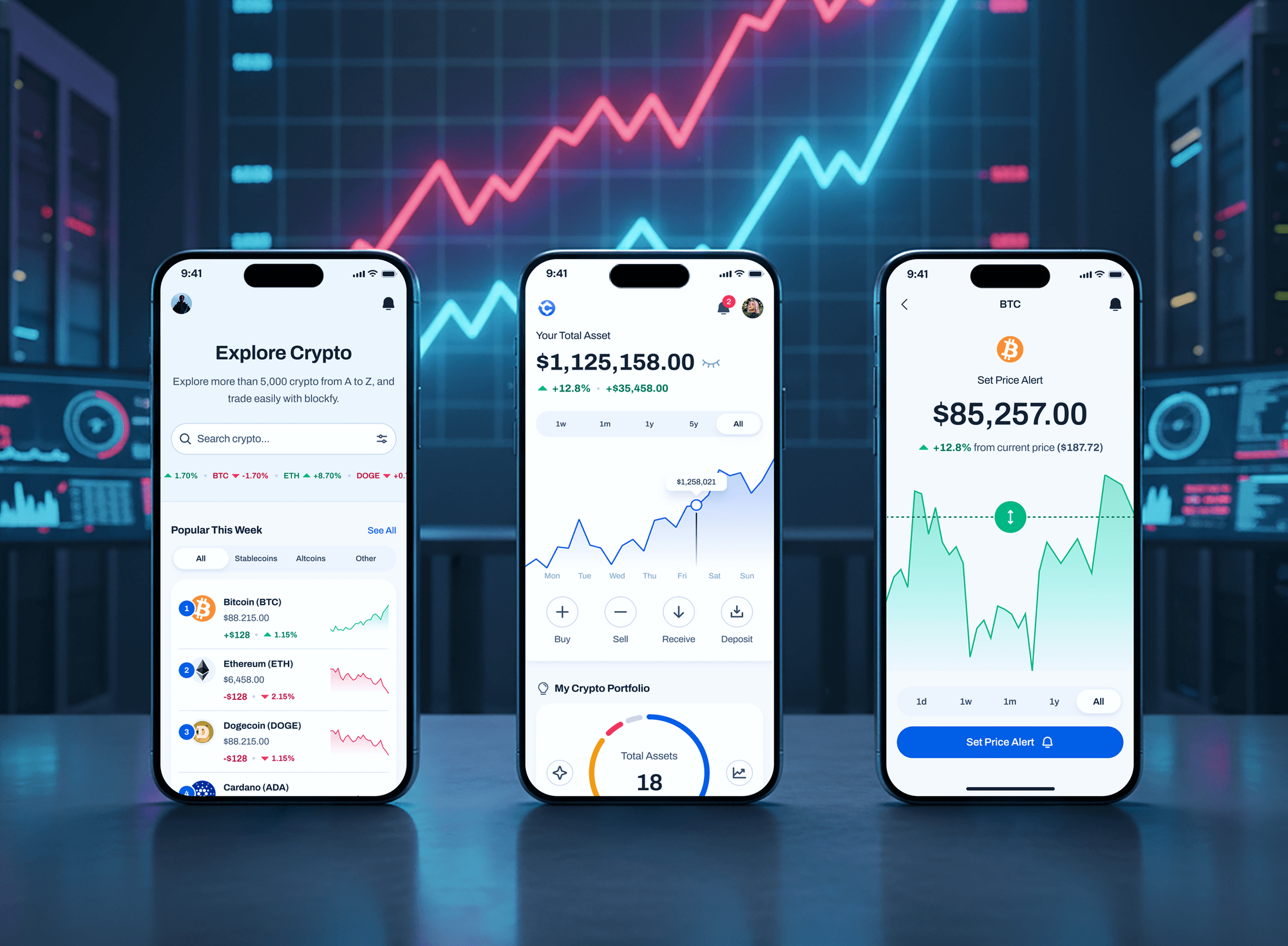
Online stores and a crypto app we designed and built, with cart, checkout, and payment screens. They show the buyer-facing side a crypto checkout plugs into.



What Our Clients Say
Feedback from teams we have built websites, apps, and integrations for.
We had a pretty specific idea of what we wanted our website to become, but I wasn’t sure how easily we could explain all of it to a development team. There were quite a few moving parts, and we were working toward a deadline, so I expected a few things to get lost along the way. That never really happened. They understood what we were trying to achieve, kept us updated throughout the process, and got everything ready within the agreed timeline. The final site feels much easier to navigate, works beautifully on mobile, and is noticeably smoother for our customers. It was a huge relief seeing the original idea actually turn into the website we had in mind.
The mobile experience is probably my favourite part of the new site. We had spent a lot of time making sure the desktop version looked right, and the team kept pushing us to think about how everything would actually feel on a phone too. They were right. The navigation is clean, the interactions feel natural, and everything we’ve tested so far works exactly as it should. They also went through the links, forms, integrations, and other details more than once before launch, which I really appreciated. And even after going live, we could still reach out when something came up. The whole process felt friendly, organised, and surprisingly straightforward.
What I appreciate most is that the website is actually easy for us to manage now. We can update content ourselves instead of sending a developer a message every time we need to change something small. They also paid attention to the technical SEO side, which mattered to us because we didn’t want a new website to create problems for the traffic we already had. I’ve probably asked more questions than I should have since launch, but every question has been handled patiently and without any fuss. The team is easy to work with, they explain things clearly, and when we need something changed, they focus on getting it done rather than making the process complicated.
1,250+
Projects shipped
10+
Years of experience
Top 3%
Upwork Top Rated Plus
5 stars
Average review score

Want results like these?
Tell us what you are building. You get a reply within 24 hours on business days, then a written estimate.
Work Culture
Crypto payments touch money, compliance, and your books at once. These habits keep orders accurate, payouts predictable, and regulated work with licensed companies.
We integrate processors that hold the licenses, and we don't touch customer funds ourselves. Custody, money transmission, and exchange belong with regulated companies.
We set settlement in dollars or stablecoins wherever your provider offers it. Your margin doesn't depend on what a coin does between checkout and payout.
Short, late, and duplicate payments each get a written rule before launch. Your support team answers customers from a runbook instead of guessing.
We test on the provider's sandbox or a testnet, then send one small live payment with you. You see the payout land before customers ever see the button.
Crypto checkout suits some audiences and not others. If your buyers rarely ask for it, we'll say so and suggest the lighter plugin setup.
We record every payment, fee, and payout, so your accountant gets clean data. How crypto income is taxed is their call, and we stay out of it.
Overview
DeveloperLook handles crypto payment integration for online stores and SaaS businesses through licensed processors such as BitPay, NOWPayments, Coinbase Business, or Stripe. We set up the checkout, signed webhooks, and order rules for short, late, and refunded payments. Projects start at $650, take 1 to 5 weeks, and settlement stays with your provider.
DEVELOPERLOOK
Project facts · Crypto Payment Gateway Integration
Reviewed 22 Oct 2026 by Saimul Islam
Good fit
WooCommerce stores adding crypto checkout
You run WooCommerce and want to accept crypto payments on WooCommerce without orders sitting on hold after every short or late payment.
SaaS and digital product sellers
You sell software or downloads worldwide, and buyers keep asking to pay in USDC because their cards get declined on cross-border charges.
Businesses with crypto-native customers
Your customers already hold crypto, and you want to accept crypto payments for business sales without keeping coins on your own balance sheet.
Teams with a custom web app
Your checkout runs on a custom stack, and you need a crypto payment gateway API wired into orders, emails, and your admin panel.
Agencies with a merchant client
Your agency's client wants crypto checkout on their store, and you need the provider setup and order rules delivered under your brand.
Not a fit
Running your own processor
You want to hold customer crypto, run your own processor, or exchange coins for buyers. That's regulated money transmission, so start with counsel and a licensed provider.
Cards and digital wallets only
You only need cards, Apple Pay, or Google Pay. Our Payment Gateway Integration service covers card processors and express wallets.
Your own token as payment
You want buyers to pay with a token you issue. Our Token Development Services team designs that token first, and checkout can follow.
Budget under $650
Your budget is under $650 and your platform has an official provider plugin. Following the provider's own setup guide is the cheaper route.
Not sure we're the right fit?
Book a free call or message us. We'll tell you honestly whether we're the right team.
Pricing
These are starting points in USD. Your final price depends on your platform, the number of providers, and how custom the checkout is, and you get a fixed proposal after a free payment review.
For stores on WooCommerce or similar platforms that need one provider's plugin set up properly.
$650one-time, USD
For custom sites and SaaS apps that need crypto checkout built on a provider's API.
$1,850one-time, USD
For businesses that need two providers, stablecoin options, and invoices for larger buyers.
$3,700one-time, USD
For Agencies
You own the client relationship. We supply the payment engineering behind it: provider setup, checkout, webhooks, and order rules for every crypto payment state. It all ships under your agency's name, ready to hand to your client's team.
White label: your client only ever sees your brand
Send the client's platform, provider preference, countries, and payout needs.
You get a fixed quote, then we integrate and test every payment state in a sandbox.
The checkout launches under your brand, and we stay on call after launch.
Your brand on the setup notes, test results, and support runbook.
Fixed scope per store, with test and go-live dates set in the plan.
Signed webhooks and payment state rules reviewed before any live payment.
Offer crypto checkout to clients without hiring a payments developer.
The Right Technology for Your Project
We work with established processors and your existing platform, so crypto checkout fits into the order flow your team already runs.
 Stripe
 WooCommerce
 Shopify
 WordPress
 Next.js
 Node.js
 PHP
 PostgreSQL
FAQ
Straight answers on cost, timelines, accepting crypto as a business, WooCommerce, Shopify, and Stripe.
Saimul IslamFounder & CEO, DeveloperLookStill have questions?
Send a message or book a call with the team.
Crypto payment gateway integration starts at $650 for one licensed provider's plugin on WooCommerce or a similar platform, with every payment state mapped. A custom checkout on the provider's API starts at $1,850. Two providers, B2B invoices, and a reconciliation dashboard start at $3,700. Provider processing fees are separate and paid to them.
A plugin setup takes about 1 week once your provider account is approved. A custom API checkout takes 2 to 3 weeks, and multi-provider setups take 4 to 5 weeks. The provider's business verification often takes longest, so we ask you to start that application on day one.
A business accepts crypto payments by opening an account with a licensed crypto payment processor and adding its checkout to the site. The processor shows buyers the address, watches the network, and can pay you in dollars or stablecoins. You keep orders, refunds, and tax records in your own systems, just as with cards.
You accept crypto payments by showing the buyer an amount and address from your processor, then waiting for the network to confirm the transfer. BitPay, for example, locks the price for a 15-minute window. Your processor then tells your store through a webhook whether the payment is confirmed, short, overpaid, or expired.
You add a processor's hosted checkout or payment button to your website, then connect its webhooks to your orders. Hosted pages are fastest, because the provider shows the address and countdown for you. A crypto payment gateway for website checkouts built on the API keeps buyers on your own domain and gives you full control.
Install a processor's WooCommerce plugin, such as BitPay's or Coinbase Business's, add its API key, and choose which order status each payment state sets. Most stores stop there and struggle with short and late payments. We configure those statuses, test them, and add customer emails, so WooCommerce orders don't sit on hold.
Shopify Payments lets eligible merchants accept USDC on Base, with payouts in local currency or USDC. It covers the US (except Alaska, New York, and Texas), Mexico, Hong Kong, and 29 European countries. Stores outside those areas can use an alternative provider instead, and we check eligibility, set it up, and test the orders.
We create a charge or invoice through the provider's API at checkout, show the buyer the payment details, and listen for signed webhooks. NOWPayments, for example, signs each callback with an HMAC-SHA512 header that we verify before touching the order. Your crypto payment gateway API keys stay in server secrets, not the browser.
Yes, if a licensed processor serves your country and business type. Coinbase Commerce closed on March 31, 2026, and its successor, Coinbase Business, serves US and Singapore businesses only. BitPay, NOWPayments, and Stripe cover different regions. Tax treatment varies too, so check with your accountant before launch.
Yes, for stablecoins. Eligible US businesses can accept USDC through Stripe's stablecoin payments, with funds settling to the Stripe balance in US dollars. It doesn't cover Bitcoin or other volatile coins, and other regions are still in preview. If Stripe already runs your checkout, it's often the simplest first step.
Saimul IslamFounder & CEO, DeveloperLookStill have questions?
Send a message or book a call with the team.
Free 30-min callGoogle Meet
Book a call
In 30 minutes on Google Meet we walk you through how we would build it, how long it takes and what it costs. Then you get a written estimate.
Calendar not showing? Book on cal.com or send a brief.