
Key creation and storage
Keys generated with audited libraries and encrypted on the device with Keychain, Secure Enclave, or Android Keystore.

For founders and fintech teams launching a self-custody wallet: key storage, recovery, and clear signing screens built and tested, from $1,350.
100%
Recovery flows tested before launch
3checks
Shown before every signature
How your project runs
Teams we have built for:














The Problem
Most wallet problems show up after launch: a user loses a phone, a dApp asks for an approval nobody can read, or a key sits in a server database for convenience.
01 · Recovery
Users skip the backup screen and lose funds with the phone.
Recovery is tested as a feature: phrase restore, or passkey and guardian recovery.
02 · Signing
Approval requests show raw hex that nobody can read.
Each request is decoded into recipient, amount, fee, and a simulated result.
03 · Key storage
Keys get copied to a server for convenience.
Keys are encrypted on the device with Keychain, Secure Enclave, or Android Keystore.
04 · Chains
Every new network means another fork of the code.
One chain config adds Base, Polygon, or Arbitrum without rewriting the flows.
Your beta testers love the wallet until one of them drops a phone in a taxi. The backup screen was skippable at signup, so those funds are gone and the review lands on day three. Another user approves a token allowance that reads as a wall of hex. A third asks why the app sends a copy of the key to your server as a backup. Each problem is small during the build and expensive after launch, because a lost key can't be patched.
We start with who holds the key: the device, a passkey smart account, or MPC key shares from a provider SDK. Then we build recovery as a tested feature, encrypt keys on the device (hardware-backed on phones), and decode every request before the user signs. Keys stay on your users' devices, not in a database kept for convenience.
Keys stay on the device
Private keys are encrypted on the user's own device and stay off our servers and yours.
Recovery you can rehearse
Restore flows tested on wiped devices before launch, so a lost phone doesn't mean lost funds.
Readable signing screens
Recipient, amount, fee, and a simulated outcome shown before every signature, in plain words.
Our Crypto Wallet Development Services Process
You approve the custody model and recovery design before code, test the wallet on testnets with your own devices, and sign off on every release.
We go through your users, the chains and assets they hold, and who should control the keys. You get a recommended custody model, a feature list, and a fixed quote. If an embedded wallet SDK already covers your case, we'll tell you before we quote.
What's Included
Each project covers the custody model, key storage, recovery, send and receive flows, dApp connections, readable signing screens, testnet testing, and the release to your users.
Compare Options
An embedded wallet SDK gets a basic wallet live fastest, and a freelancer can be cheaper for a prototype. Here is where each holds up once real users and real funds arrive.
| Feature | DeveloperLookBest fit | Wallet SDK | Freelancer |
|---|---|---|---|
| Custody model | Chosen with you, written down | Set by the SDK vendor | Varies by developer |
| Recovery | Designed and drilled on devices | The vendor's recovery options | Often a phrase screen only |
| Signing screens | Decoded and simulated first | Vendor default screens | Raw data unless asked |
| Testing | Testnet runs and restore drills | Core tested by the vendor | Varies by developer |
| Speed to launch | 4 to 14 weeks | Days for a basic wallet | Weeks, depends on experience |
| Chains | Any EVM chain you choose | Chains the vendor supports | Depends on experience |
| Ownership | Your code and store accounts | Tied to the vendor's service | Your code if agreed |
| Cost predictability | Fixed price after the review | Lowest upfront cost | Hourly, can grow |
Projects We've Built
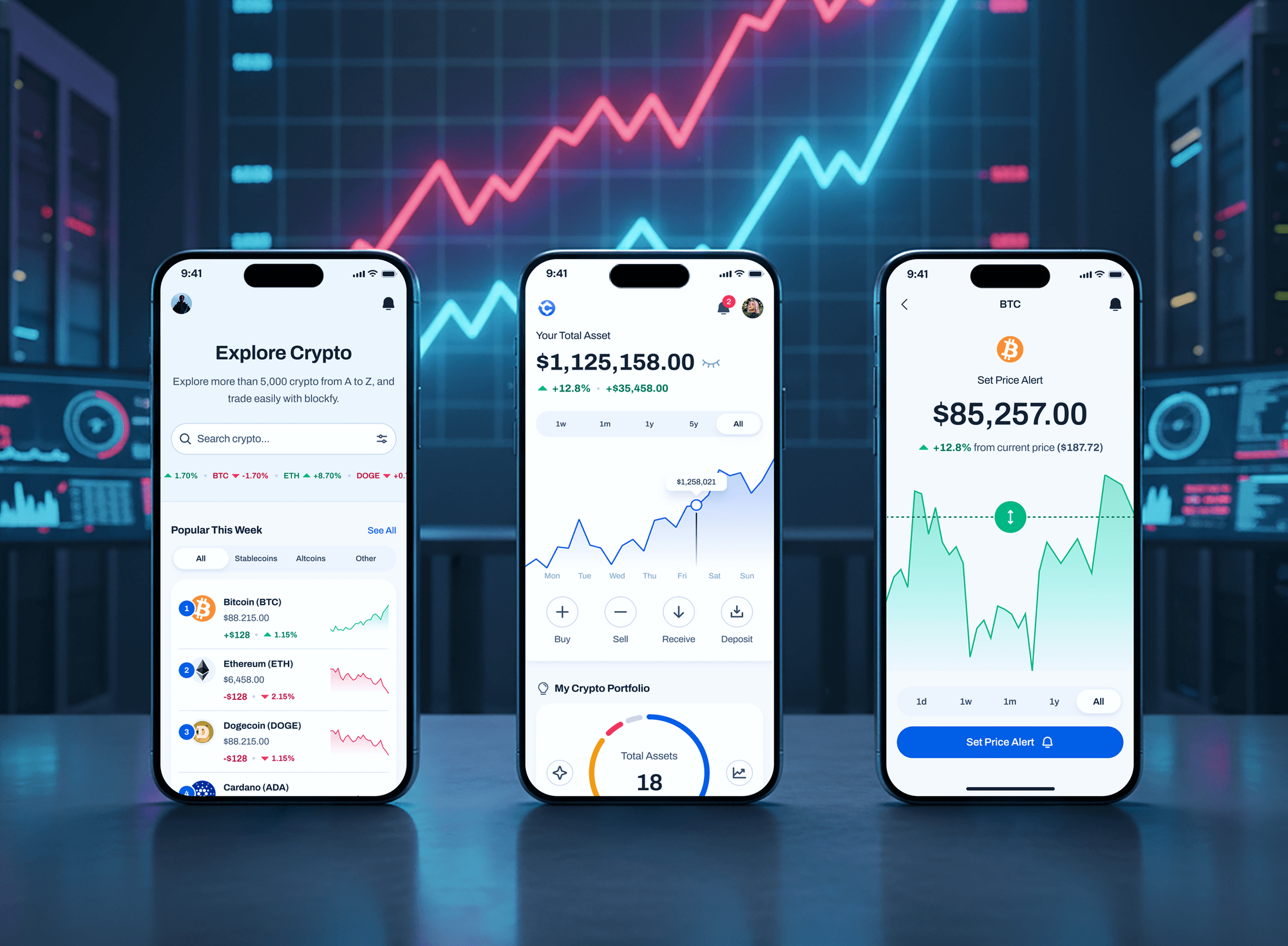
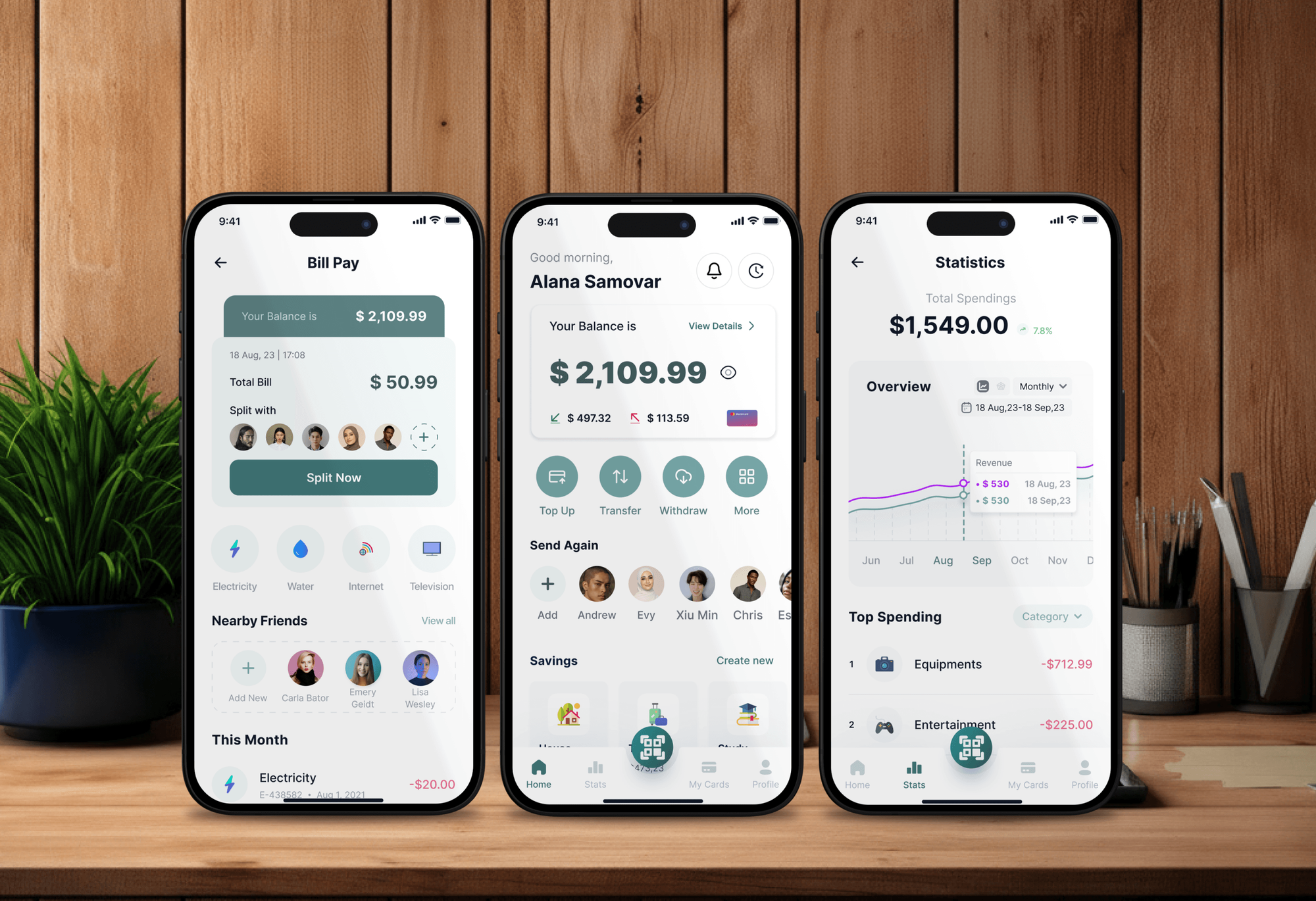
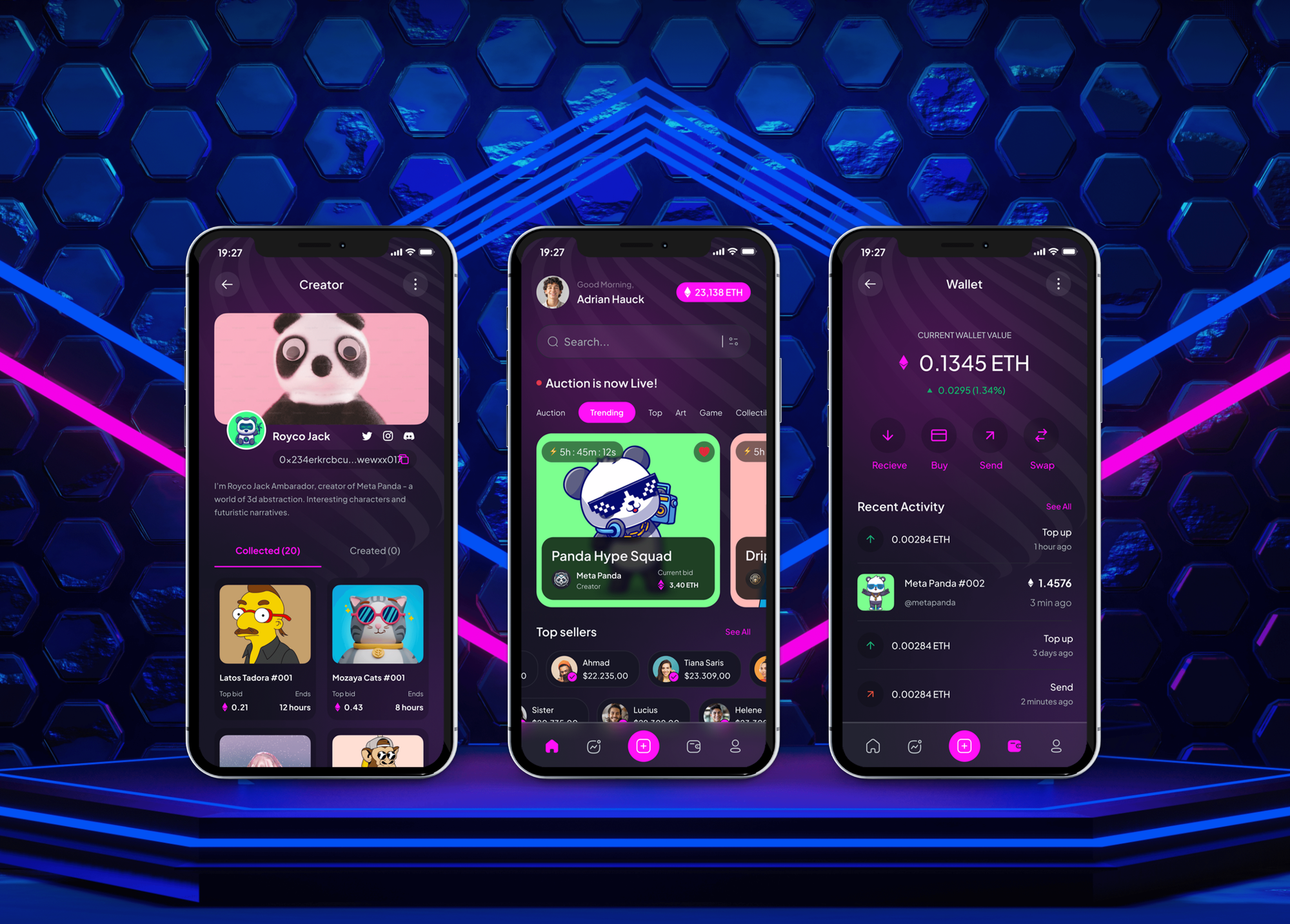
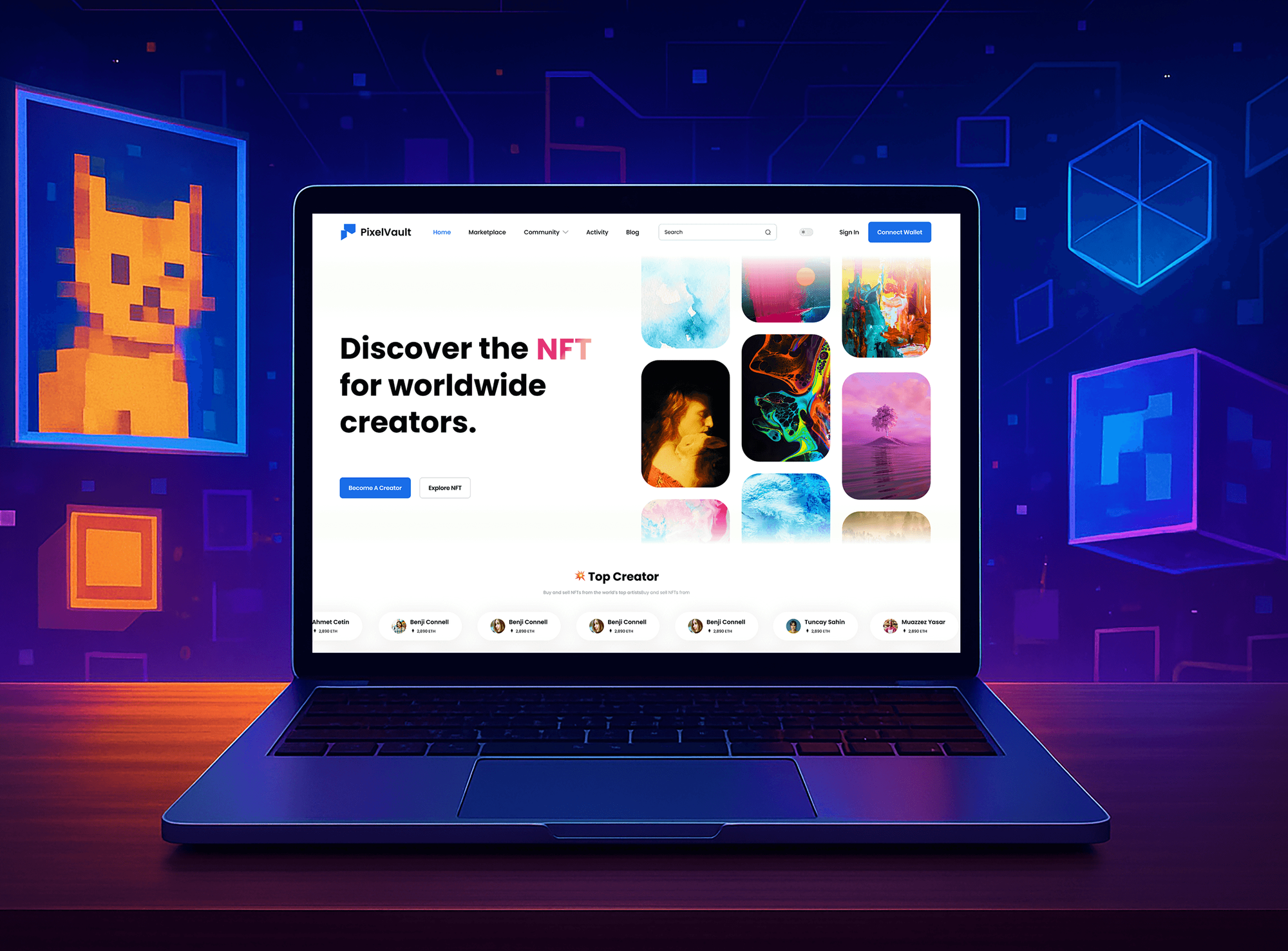
Crypto and finance apps we designed and built, with balance, send, receive, and trading screens. They show the interface side a wallet needs.
What Our Clients Say
Feedback from teams we have built websites, apps, and integrations for.
We had a pretty specific idea of what we wanted our website to become, but I wasn’t sure how easily we could explain all of it to a development team. There were quite a few moving parts, and we were working toward a deadline, so I expected a few things to get lost along the way. That never really happened. They understood what we were trying to achieve, kept us updated throughout the process, and got everything ready within the agreed timeline. The final site feels much easier to navigate, works beautifully on mobile, and is noticeably smoother for our customers. It was a huge relief seeing the original idea actually turn into the website we had in mind.
The mobile experience is probably my favourite part of the new site. We had spent a lot of time making sure the desktop version looked right, and the team kept pushing us to think about how everything would actually feel on a phone too. They were right. The navigation is clean, the interactions feel natural, and everything we’ve tested so far works exactly as it should. They also went through the links, forms, integrations, and other details more than once before launch, which I really appreciated. And even after going live, we could still reach out when something came up. The whole process felt friendly, organised, and surprisingly straightforward.
What I appreciate most is that the website is actually easy for us to manage now. We can update content ourselves instead of sending a developer a message every time we need to change something small. They also paid attention to the technical SEO side, which mattered to us because we didn’t want a new website to create problems for the traffic we already had. I’ve probably asked more questions than I should have since launch, but every question has been handled patiently and without any fuss. The team is easy to work with, they explain things clearly, and when we need something changed, they focus on getting it done rather than making the process complicated.
1,250+
Projects shipped
10+
Years of experience
Top 3%
Upwork Top Rated Plus
5 stars
Average review score

Want results like these?
Tell us what you are building. You get a reply within 24 hours on business days, then a written estimate.
Work Culture
A wallet holds other people's money from the first install. These habits keep keys on the user's device, recovery working, and every signature readable.
We build wallets where users hold their own keys, and we don't run custody for you. Holding customer funds brings licensing that belongs with a regulated custodian.
Recovery phrases and keys are kept out of analytics, crash reports, and screenshots. One stray log line can expose a user's funds, so we check for them in every review.
Every flow runs on Sepolia or your chain's testnet before real funds move. You try the wallet on your own phones and sign off before the release.
Apple and Google both have their own rules for crypto wallet apps. We check them in the review step, so your release doesn't stall at submission.
We prepare your wallet for an independent security review and fix what it finds. We won't call our own code audited, because that's a reviewer's job.
The key and recovery plan sets the price, so an extra chain or feature becomes a change order you can accept or skip. Your budget doesn't drift mid-build.
Overview
DeveloperLook handles crypto wallet development for founders and fintech teams who want a self-custody wallet. We build key creation and recovery, send and receive flows, dApp connections, and a readable preview before every signature. Wallets start at $1,350, take 4 to 14 weeks, and your users keep their own keys.
DEVELOPERLOOK
Project facts · Crypto Wallet Development Services
Reviewed 22 Oct 2026 by Saimul Islam
Good fit
Founders launching a self-custody wallet
You're launching a wallet for your community or app and want users to hold their own keys without a recovery disaster in week one.
Fintech apps adding crypto balances
Your finance app has users asking for crypto, and you want cryptocurrency wallet development that keeps them in your app without you holding their funds.
Teams outgrowing an embedded wallet SDK
You started on an embedded wallet SDK, and its fees or limits now push you toward a wallet you own, extend, and ship on your schedule.
Protocols that want a branded wallet
Your users juggle browser extensions to reach your contracts, and you want a mobile wallet whose signing screens explain each action in plain words.
Agencies with a wallet client
Your agency's client wants a wallet, and you need white label crypto wallet development delivered under your brand, with code you can hand over.
Not a fit
Custodial wallet or exchange
You want to hold customer funds or run an exchange. That needs money transmission licensing and a regulated custodian, so start with counsel and a licensed provider.
Wallet connect on a website
You only need visitors to connect MetaMask to your site. Our Web3 Website Design and Development service adds wallet connection without a full wallet build.
Swap or staking protocol
You need swap, lending, or staking contracts inside the wallet. Our DeFi Development Services team builds and tests that money logic first.
Budget under $1,350
Your budget is under $1,350, or you're still testing interest. An embedded wallet SDK or an existing wallet app is the cheaper first step.
Not sure we're the right fit?
Book a free call or message us. We'll tell you honestly whether we're the right team.
Pricing
These are starting points in USD. Your final price depends on the custody model, the platforms, and the number of chains, and you get a fixed proposal after a free wallet review.
For teams that need a self-custody web wallet on one EVM chain, tested and live.
$1,350one-time, USD
For products that need an iOS and Android wallet with dApp connections on up to 3 chains.
$3,900one-time, USD
For wallets that need passkey sign-in, guardian recovery, sponsored gas, or MPC key shares.
$8,400one-time, USD
For Agencies
You own the client relationship. We supply the wallet engineering behind it: the custody design, the app builds, recovery testing, and store releases. Everything ships under your agency's name, with code your client can take in-house later.
White label: your client only ever sees your brand
Send the client's users, chains, custody preference, and target platforms.
You get a fixed quote, then we build, test, and drill recovery on testnets.
The wallet goes out on your client's store accounts, with us on call after launch.
Your brand on the custody design, test report, and release notes.
Fixed scope per wallet, with TestFlight and store dates set in the plan.
Key storage, recovery, and signing flows checked before every release.
Take on wallet clients without hiring a mobile crypto team.
The Right Technology for Your Project
We use maintained, widely reviewed libraries for keys and signing, so your wallet behaves like the wallets your users already trust.
 React Native
 TypeScript
 Next.js
FAQ
Straight answers on wallet cost, timelines, custody, recovery, and building a wallet like MetaMask.
Saimul IslamFounder & CEO, DeveloperLookStill have questions?
Send a message or book a call with the team.
Crypto wallet development with DeveloperLook starts at $1,350 for a self-custody web wallet on one EVM chain. A mobile wallet for iOS and Android with dApp connections starts at $3,900. Passkey smart accounts, guardian recovery, or MPC key shares start at $8,400. Your crypto wallet development cost is fixed after the free review.
Four things move the price most: the custody model, the platforms, the number of chains, and how recovery works. A web wallet on one chain is the smallest build. Each mobile platform, extra chain, or smart account feature adds design and test time. MPC also adds the provider's own fees, which you pay to them directly.
A web wallet takes 4 to 6 weeks from the free review to launch. A mobile wallet takes 8 to 10 weeks, including App Store and Google Play review. Smart account or MPC wallets take 10 to 14 weeks, because guardian recovery and gas sponsorship need longer testing on testnets before real funds move.
We develop a crypto wallet in five steps: a free review, a key and recovery plan, the build, testnet recovery drills, and the launch. The order matters. Custody and recovery decisions shape every screen, so we settle them before code and test them on wiped devices before any real funds move.
We build crypto wallet apps in React Native, so iOS and Android share one tested codebase. Keys are encrypted with each phone's hardware-backed storage, opened with Face ID or a fingerprint, and kept out of backups and logs. Crypto wallet app development also covers store review, where wallet features get extra questions.
A wallet like MetaMask needs key management, network switching, token lists, dApp connections, and readable signing requests. We build those pieces on maintained libraries such as viem and WalletConnect rather than forking an extension. The hard part isn't the feature list. It's making approvals understandable, so users don't sign away tokens by accident.
A decentralized crypto wallet is one where only the user can sign, so no company can freeze or move the funds. We generate keys on the device, encrypt them locally, and give the user a recovery method they control. For teams that want no single key at all, we work as an MPC wallet development company and integrate a provider's key-share SDK.
Yes. For personal use, installing an existing wallet app takes minutes and is the right choice. Building your own wallet product makes sense when you have users to serve, such as a community, a fintech app, or a protocol with its own contracts. Without that audience, the cost of a custom build is hard to justify.
Yes. Companies often hold crypto in a multisig wallet such as Safe, where several officers must approve each transfer. A company can also publish its own wallet app, and Apple only accepts wallet apps from developers enrolled as an organization. Banking, tax, and accounting rules for holding crypto are your accountant's call.
You do. The code, build pipeline, and store listings sit on your accounts, and we keep no keys, servers, or admin access that can touch user funds. Post-launch support runs 30, 60, or 90 days, depending on your plan, and covers bug fixes, store review questions, and chain or library updates.
Saimul IslamFounder & CEO, DeveloperLookStill have questions?
Send a message or book a call with the team.
Free 30-min callGoogle Meet
Book a call
In 30 minutes on Google Meet we walk you through how we would build it, how long it takes and what it costs. Then you get a written estimate.
Calendar not showing? Book on cal.com or send a brief.