
Product and platform pages
One page per product or module, built from the feature-to-outcome map, with real screens and use cases.

For software, hardware, and IoT companies whose product is hard to explain: pages that show how it works, docs one click away, and demo requests routed to sales. From $1,400.
2X
More qualified demo requests
1click
To your docs from any page
Teams we have built for:














The Problem
It shows up when a buyer forwards your site to their engineer. One reader wants outcomes, the other wants architecture, and your homepage tries to satisfy both in a single paragraph.
01 · Vague headline
The headline promises change but doesn't say what the product does.
A feature-to-outcome map turns each capability into a plain, specific claim.
02 · Logo wall
Integrations show as logos with nothing behind them.
Each integration gets a directory entry saying what syncs and how to set it up.
03 · Hidden docs
The docs subdomain has no link back to the site.
Docs and the API reference sit in the main menu and footer.
04 · One inbox
Every demo request lands in the same shared inbox.
Requests route by product line and company size to the right rep.
A VP of operations hears about your product at a conference and sends the link to their lead engineer. The headline promises to transform workflows, but nobody can tell what the product connects to. The integrations page is a logo wall with no detail behind it. The docs live on a subdomain with no link back. The demo form asks for a phone number, then drops every request into one shared inbox. Your engineer reader closes the tab.
We start with a feature-to-outcome map: what each part of the product does, for whom, and what it connects to. Product pages explain how it works with simple diagrams. Integrations get their own directory, docs sit one click from the main menu, and demo requests route by product line. Engineers find specifics and buyers find the business case, instead of a slogan neither can use.
How it works, drawn clearly
Architecture and data flow diagrams built as accessible SVG, readable on a phone and by screen readers.
Integrations you can search
One directory entry per integration, with what syncs, which plans include it, and a docs link.
Docs one click away
A Docs link in the main menu and footer, so evaluators don't hunt for your API reference.
Our Tech Website Process
You approve the feature-to-outcome map and sitemap, product copy your product lead has checked, a clickable design, the staging site with routing tested, and the launch plan.
We interview your product lead and a salesperson, review recent demos, and list what each product does and connects to. You get a feature-to-outcome map, a sitemap, and a fixed price.
What's Included
Product and platform pages, how-it-works diagrams, an integrations directory, a docs bridge, release notes, and demo routing, built as components your marketing team can reuse.
Compare Options
An in-house team knows the product best, and a generic agency often has the strongest visual portfolio. Web design for tech companies also needs technical accuracy, docs links, and routing that both can miss.
| Feature | DeveloperLookBest fit | In-house team | Generic agency |
|---|---|---|---|
| Planning approach | Feature-to-outcome map | Roadmap and launch dates | Brand workshop |
| Technical accuracy | Checked with your product lead | Strongest product knowledge | Depends on briefings |
| Architecture diagrams | Accessible SVG, editable later | Slides exported as images | Static illustrations |
| Integrations | Searchable CMS directory | Often a logo wall | Logo wall |
| Docs connection | In the main menu and footer | Separate team, separate site | Rarely considered |
| Visual polish | Clean, component-based design | Limited design time | Often the strongest |
| Demo routing | By product line and size | Set up by sales ops | One general form |
| Cost model | Fixed quote, then hosting | Salaries and tools | Retainer or hourly |
Projects We've Built
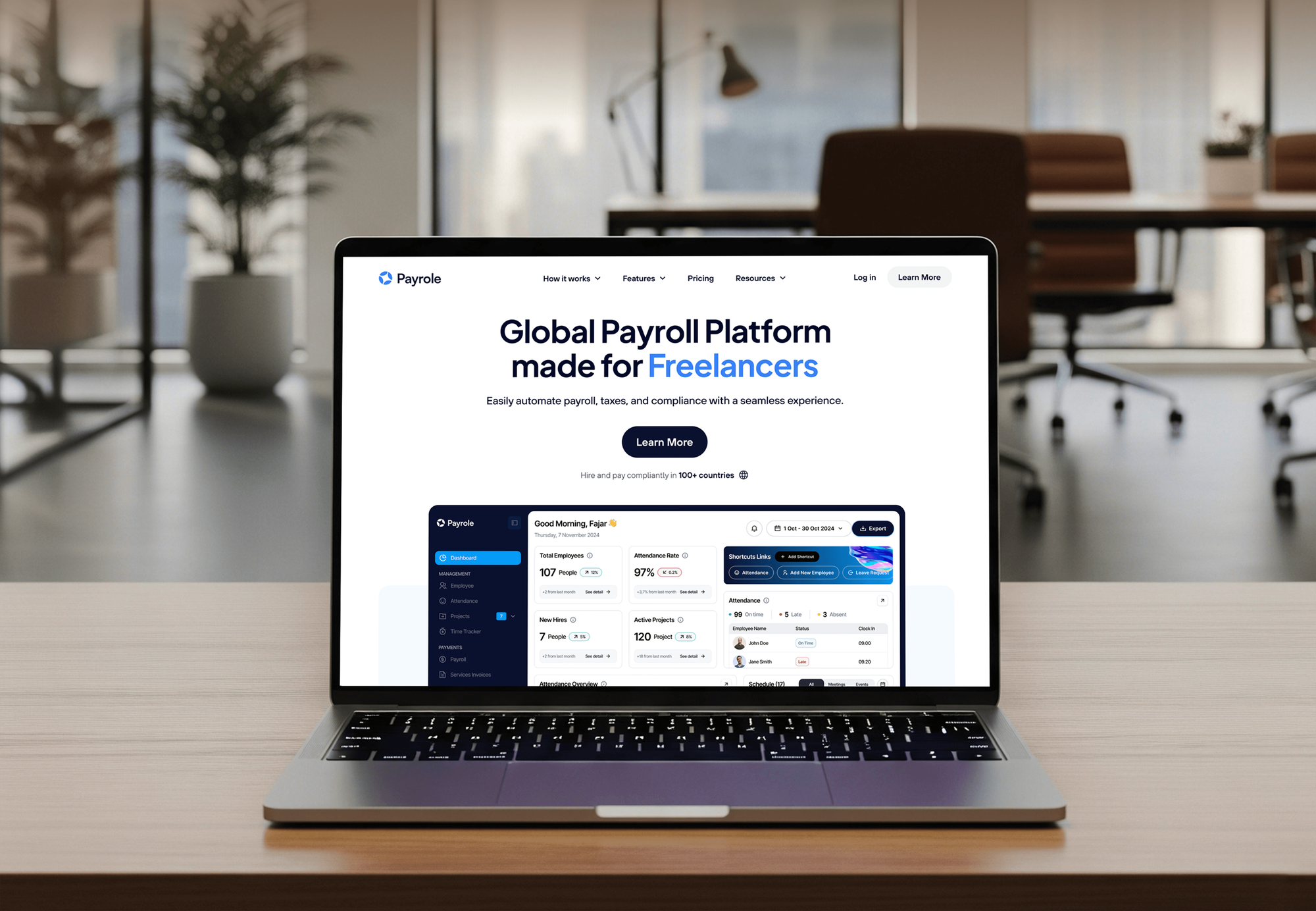
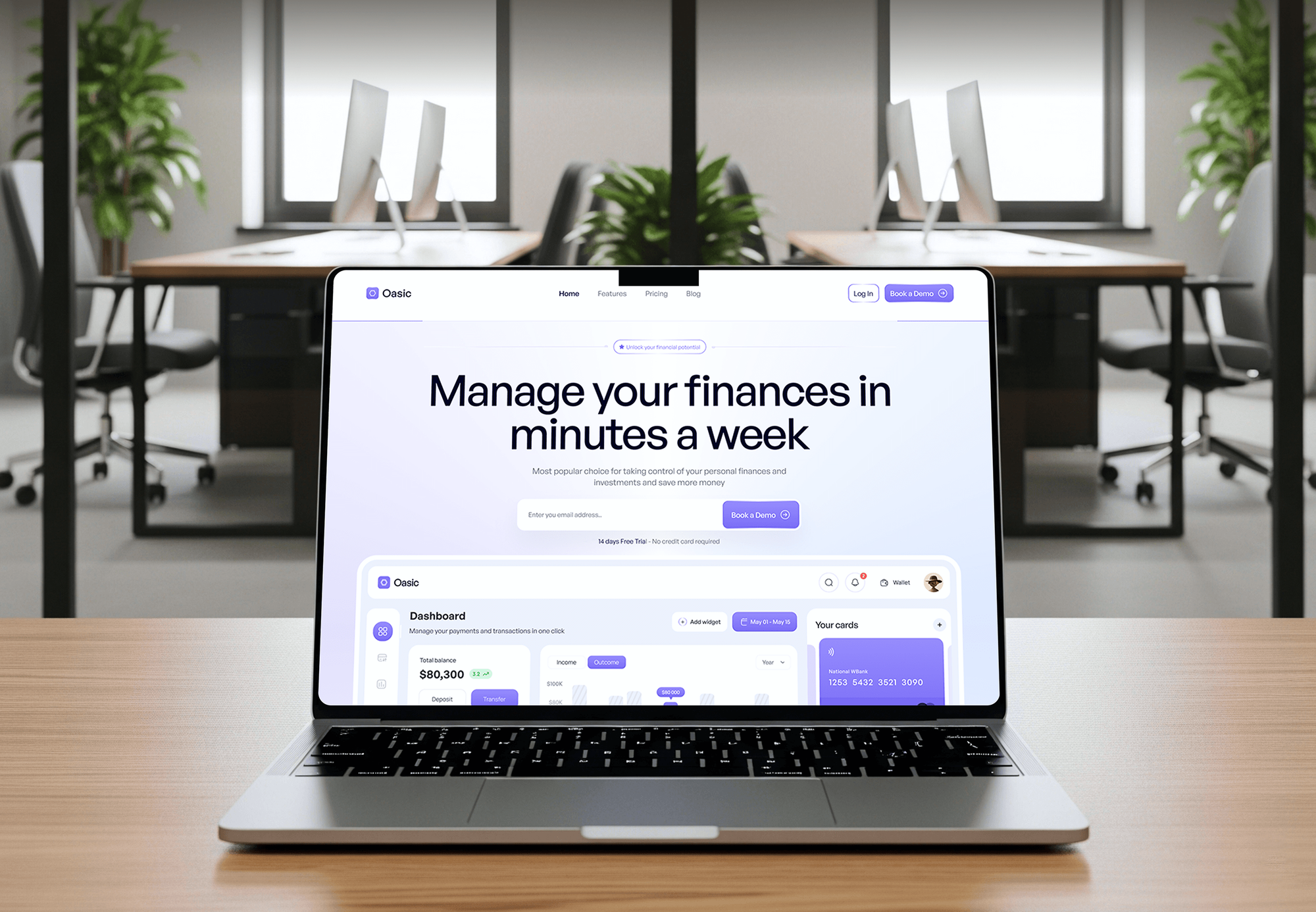
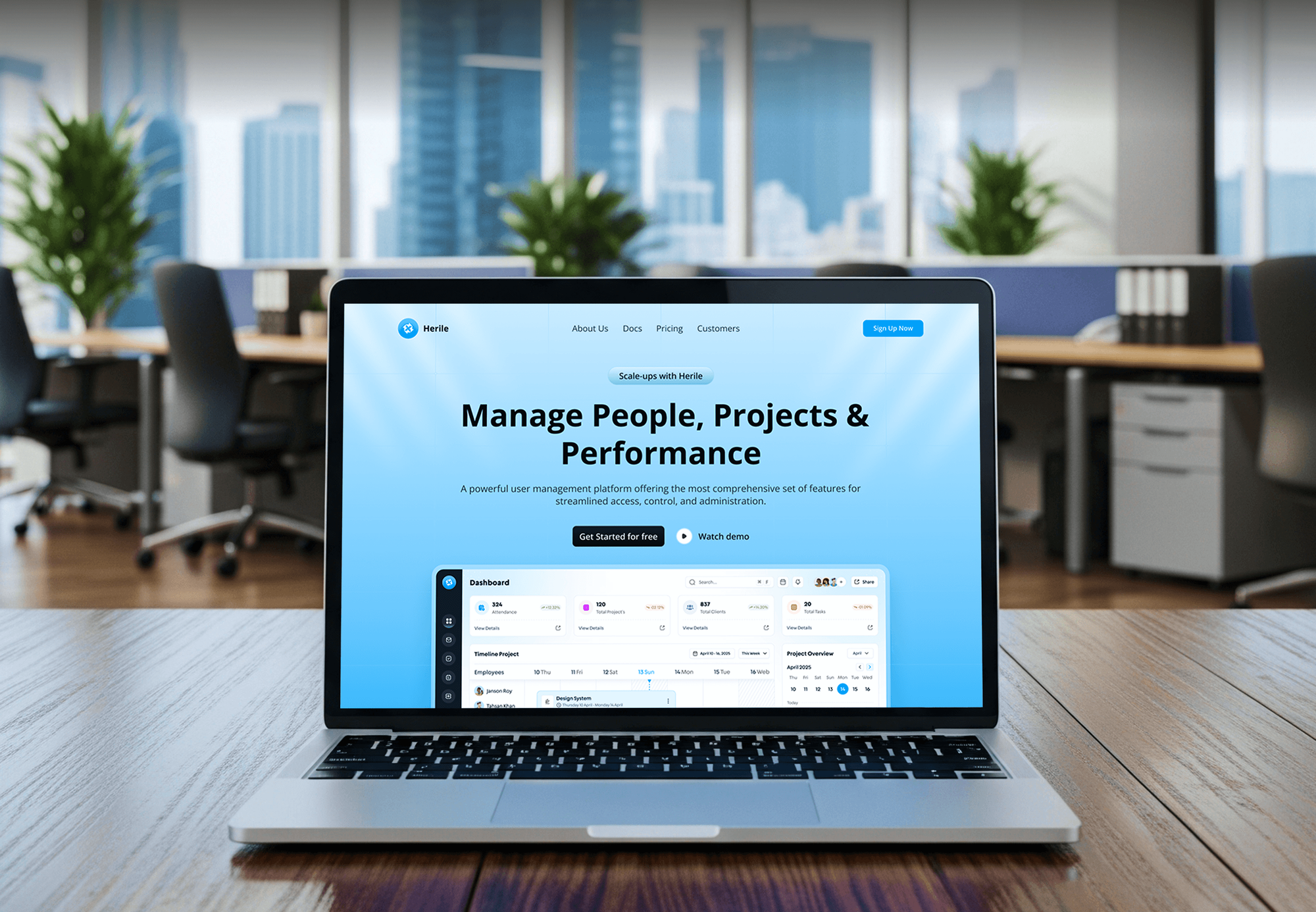
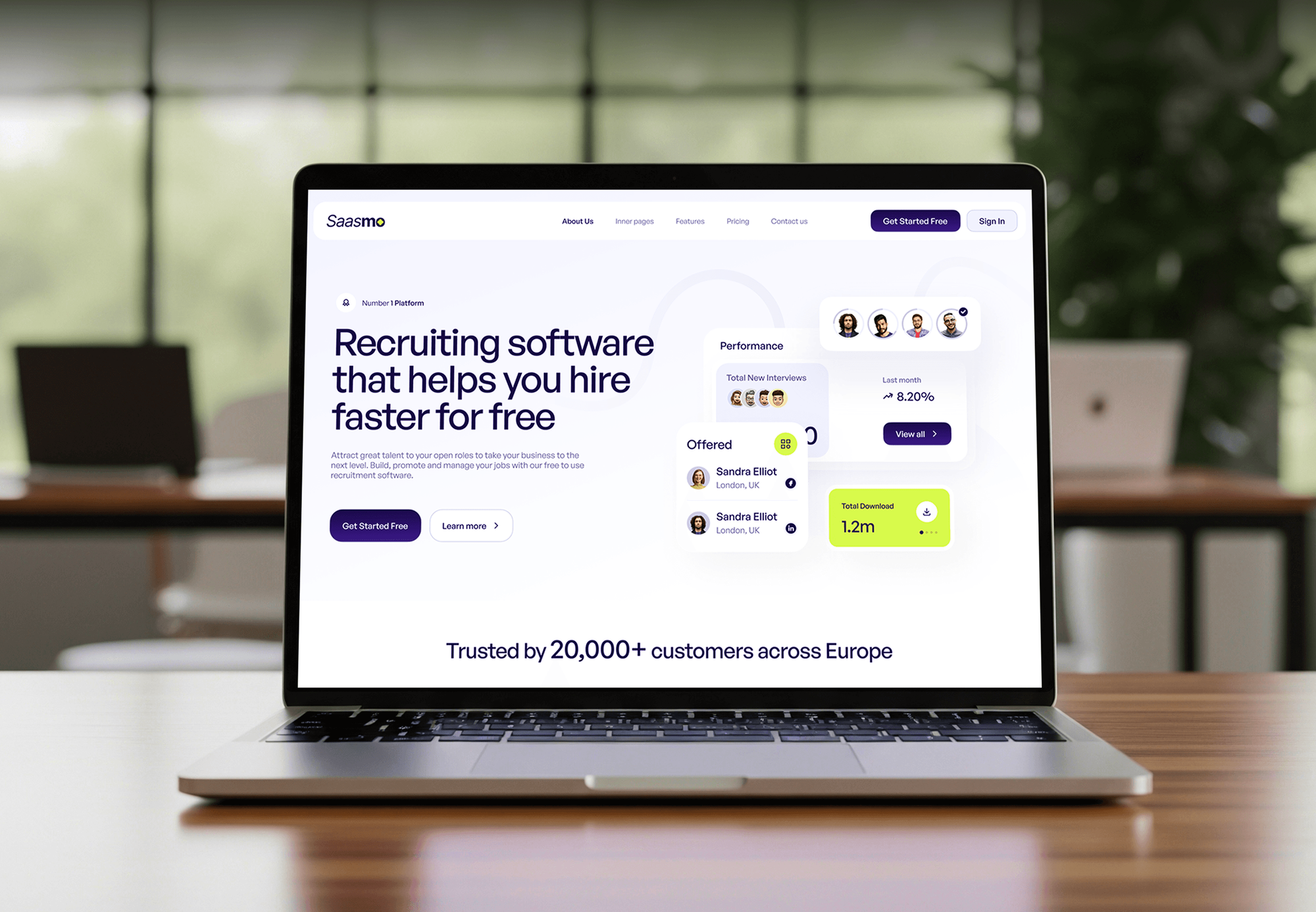
Marketing sites for payroll, finance, HR, and recruiting software from our portfolio, each explaining a product with several modules to buyers and users.
What Our Clients Say
Feedback from teams we have built websites for.
We had a pretty specific idea of what we wanted our website to become, but I wasn’t sure how easily we could explain all of it to a development team. There were quite a few moving parts, and we were working toward a deadline, so I expected a few things to get lost along the way. That never really happened. They understood what we were trying to achieve, kept us updated throughout the process, and got everything ready within the agreed timeline. The final site feels much easier to navigate, works beautifully on mobile, and is noticeably smoother for our customers. It was a huge relief seeing the original idea actually turn into the website we had in mind.
The mobile experience is probably my favourite part of the new site. We had spent a lot of time making sure the desktop version looked right, and the team kept pushing us to think about how everything would actually feel on a phone too. They were right. The navigation is clean, the interactions feel natural, and everything we’ve tested so far works exactly as it should. They also went through the links, forms, integrations, and other details more than once before launch, which I really appreciated. And even after going live, we could still reach out when something came up. The whole process felt friendly, organised, and surprisingly straightforward.
What I appreciate most is that the website is actually easy for us to manage now. We can update content ourselves instead of sending a developer a message every time we need to change something small. They also paid attention to the technical SEO side, which mattered to us because we didn’t want a new website to create problems for the traffic we already had. I’ve probably asked more questions than I should have since launch, but every question has been handled patiently and without any fuss. The team is easy to work with, they explain things clearly, and when we need something changed, they focus on getting it done rather than making the process complicated.
1,250+
Projects shipped
10+
Years of experience
Top 3%
Upwork Top Rated Plus
5 stars
Average review score

Want results like these?
Tell us what you are building. You get a reply within 24 hours on business days, then a written estimate.
Work Culture
Web design for technology companies fails when claims drift from the product. These habits keep every page accurate, every integration current, and your marketing team independent.
Your product lead approves each feature, version, and integration claim before launch. A wrong spec on a tech site loses the engineer you were trying to convince.
We draw architecture diagrams with your engineers, not from a sales deck. They're plain SVG, so your team can edit them as the product changes.
Product, integration, and release templates are reusable blocks. Your marketers can ship new pages without filing a ticket with engineering.
If a startup template and your own team can explain the product today, we'll tell you before we quote. A bigger build can wait until the product settles.
Product screens, videos, and diagrams are compressed and lazy-loaded, and we target a 90+ mobile PageSpeed score. Evaluators judge your engineering by your site's speed.
Domain, CMS, hosting, and analytics accounts sit in your company's name. Your engineers get the repository and handover documentation at launch.
Overview
DeveloperLook does tech website design for software, hardware, IoT, and developer tool companies. Each site includes product pages, how-it-works diagrams, an integrations directory, a docs link in the main menu, and demo routing. Projects start at $1,400 and launch in 5 to 11 weeks, with fixed pricing and a CMS your marketers run.
DEVELOPERLOOK
Project facts · Software and Tech Company Website Design
Reviewed 8 Oct 2026 by Saimul Islam
Good fit
Developer tool and API companies
Your buyers are engineers who check the API reference before they read a word of marketing, so docs must be one click away.
Hardware and IoT makers
You sell devices with specs, protocols, and certifications, and you need technology company website design that keeps datasheets and compatibility tables current.
Data, security, and IT product vendors
Your product sits inside other systems, so buyers need to see what it connects to before they book a demo.
Software companies after a pivot
Your product changed and your site didn't, so every sales call starts by correcting what the homepage says.
Tech firms with several product lines
You need technology company web design that gives each product its own pages and routes demo requests to the right sales team.
Not a fit
Free trial SaaS
Your product sells by free trial and a self-serve pricing page. SaaS Website Design covers trial flows and pricing tables.
Pre-launch startup
You haven't launched, and your positioning still changes monthly. Startup Website Design covers fast, founder-editable sites for that stage.
Committee sales focus
You sell mostly through buying committees and need role pages for finance and IT. B2B Website Design centers on that sales process.
Budget under $1,400
Your budget is under $1,400, or one product page covers your needs for now. Landing Page Design or a template is the cheaper start.
Not sure we're the right fit?
Book a free call or message us. We'll tell you honestly whether we're the right team.
Pricing
These are starting points in USD. Your final price depends on the number of products, integrations, and diagrams, and you get a fixed proposal after a free discovery call.
For single-product companies that need a clear explanation, a docs link, and a working demo form.
$1,400one-time, USD
For companies with several modules or integrations that buyers and engineers both need to evaluate.
$3,500one-time, USD
For tech companies with several product lines, hardware specs, or international buyers to serve.
$7,200one-time, USD
For Agencies
You own the client relationship. We design and build sites for your software and hardware clients under your brand, from feature mapping and diagrams to integrations directories and demo routing.
White label: your client only ever sees your brand
Send the client's products, docs links, brand files, and sales process.
We return a feature map, a fixed quote, and one lead developer.
We build, test routing and redirects, and hand over under your brand.
We stay invisible, so your tech client relationship remains yours.
We talk APIs, SDKs, and protocols with your client's engineers.
Senior developers build headless CMS setups, directories, and routing logic.
Add tech clients without hiring a front-end team.
The Right Technology for Your Project
We build on Webflow or Next.js with a headless CMS, then connect search, your CRM, and analytics, leaving your docs platform where it is.
 Figma
 Webflow
 Next.js
 React
 Tailwind CSS
 Algolia
 OpenAPI
 HubSpot
 Salesforce
 Slack
 Vercel
 Cloudflare
 Lighthouse
 PageSpeed Insights
FAQ
Straight answers on cost, timing, product pages, diagrams, docs, and demo routing for tech company websites.
Saimul IslamFounder & CEO, DeveloperLookStill have questions?
Send a message or book a call with the team.
Tech website design with DeveloperLook starts at $1,400 for a 10-page product site with a diagram, docs links, and a demo form. Platform sites with an integrations directory and demo routing start at $3,500. Multi-product sites with spec libraries start at $7,200. You get a fixed quote after a free discovery call.
Most software and hardware company sites launch in 5 to 11 weeks. A product site takes 5 to 6 weeks. Platform sites need 7 to 9 weeks, and multi-product builds up to 11. Technical review by your product lead is usually the longest wait, so we book review slots during the first call.
You start with what the product does, not the visual style. Map each feature to the outcome it gives a buyer, then plan pages for products, use cases, integrations, and docs. Design reusable templates, check every technical claim with your product lead, and connect demo forms to your CRM before launch.
It reflects them through proof more than slogans. A company that values transparency publishes its docs and changelog openly. One that values security explains how customer data is handled. Engineers notice whether claims match the product, so accurate diagrams and current specs say more about your values than a mission statement.
It should include business pages for buyers and technical depth for engineers on the same site. Buyers need use cases, outcomes, and a demo path. Engineers need architecture diagrams, integration details, API reference links, and release notes. We plan both reading paths in the sitemap, so neither reader gets lost.
No, we connect it. Docs usually live on a platform like ReadMe, Mintlify, or Docusaurus, run by your engineers. We link them from the main menu and footer, match the docs header to the marketing site, and track docs clicks in GA4. If you have no docs yet, we'll suggest a platform.
With layered diagrams instead of one dense chart. We start with a simple flow buyers can follow, then add a detailed view for engineers on the same page. Diagrams are built as accessible SVG with text labels, so they scale on phones, work with screen readers, and stay editable.
It depends on who updates the site. Webflow suits marketing teams that want visual editing. Next.js with a headless CMS suits companies whose engineers want the site in their own repository. Both handle product pages, a searchable integrations directory, and fast loading, so we recommend one after a short discovery call.
Yes. Hardware and IoT products need spec sheets, supported protocols, compatibility tables, and downloadable datasheets, all kept in one CMS collection. When a spec changes, your team updates it once, and every page that shows it updates too. We also add distributor or where-to-buy pages if you sell through channel partners.
Post-launch support runs 30, 60, or 90 days, depending on the plan. After that, your marketing team publishes pages and integrations in the CMS, and a care plan can cover updates. Your engineers get the repository, CMS access, and handover documentation, so nothing depends on us.
Saimul IslamFounder & CEO, DeveloperLookStill have questions?
Send a message or book a call with the team.
Free 30-min callGoogle Meet
Book a call
In 30 minutes on Google Meet we walk you through how we would build it, how long it takes and what it costs. Then you get a written estimate.
Calendar not showing? Book on cal.com or send a brief.