
Critical function map
The ICT assets, data, and providers behind each critical or important function, drawn on one diagram.

For EU banks, insurers, payment and investment firms, and their ICT providers: an incident playbook, provider register, and ICT risk framework a supervisor can follow.
5/5
DORA pillars gap-assessed
4hrs
Major incident reports planned
How your project runs
Teams we have built for:














The Problem
It shows up when your authority asks for the register of information, a provider outage forces an incident decision, or a bank customer sends a DORA questionnaire.
01 · Register
Provider contracts sit in spreadsheets and procurement inboxes.
We build the register of information from your contracts in the official template.
02 · Incidents
Nobody knows who decides an outage is major.
A classification guide and playbook name who decides, who reports, and when.
03 · Exit plans
Your main cloud contract has no exit plan.
Exit plans and missing contract clauses go on a ranked renegotiation list.
04 · Testing
Backups exist, but nobody has tried a full restore.
We run restore and scenario tests and keep the results as evidence.
Your supervisor asked for the register of information, and your list of ICT providers lives in three spreadsheets and a procurement inbox. Nobody can say which systems support your critical functions. Last month a payment outage lasted two hours, and no one knew whether it counted as major or who files the first report. Your main cloud contract has no exit plan. DORA has applied since January 2025, and the next review will ask for evidence, not intentions.
We start by mapping the ICT assets behind each critical or important function, then check your setup against the DORA requirements area by area. We write the classification rules and reporting playbook, so the first notification goes out on time. We build the register of information from your contracts and list the missing Article 30 clauses. You get resilience that has been tested, not just described in a policy.
Critical functions mapped
ICT assets, data flows, and providers traced behind every critical or important function you run.
Incident clock rehearsed
Classification rules and report templates ready before the first reporting window ever starts.
Register of information built
Every ICT contract recorded in the register your competent authority collects each year.
Our DORA Compliance Support Process
You approve the function list, see each of the DORA compliance requirements we check, and sign off on every playbook before it goes to your management body.
We confirm your financial entity type, whether the simplified framework applies, and which supervisor you report to. You get a written scope and a fixed price. If your group's existing program already covers DORA, we'll tell you before we quote.
What's Included
Each engagement covers the function map, a gap list, the ICT risk framework, incident reporting, the register of information, and the tests and exit plans your plan includes.
Compare Options
Your legal counsel is the right source for legal interpretation and contract drafting, and a large consultancy suits big banking groups. Here is where each option fits a smaller firm.
| Feature | DeveloperLookBest fit | Legal counsel | Large consultancy |
|---|---|---|---|
| Legal interpretation | Plain summary, legal questions flagged | Yes, binding legal advice | Detailed but often generic |
| Function mapping | Engineers on your actual systems | Not included | Workshops and questionnaires |
| Incident playbook | Built around your on-call tools | Legal duties explained | Template playbook adapted |
| Register of information | Built from your contracts | Contract review only | Built, often in a GRC tool |
| Contract clauses | Gap list for each provider | Yes, drafts the amendments | Gap list for each provider |
| Resilience testing | Restore and scenario tests run | Not included | Often subcontracted |
| Best suited to | Small and mid-size firms | Legal questions and contracts | Large banking and insurance groups |
| Cost | Fixed price from $1,200 | Hourly legal rates | Large day-rate budgets |
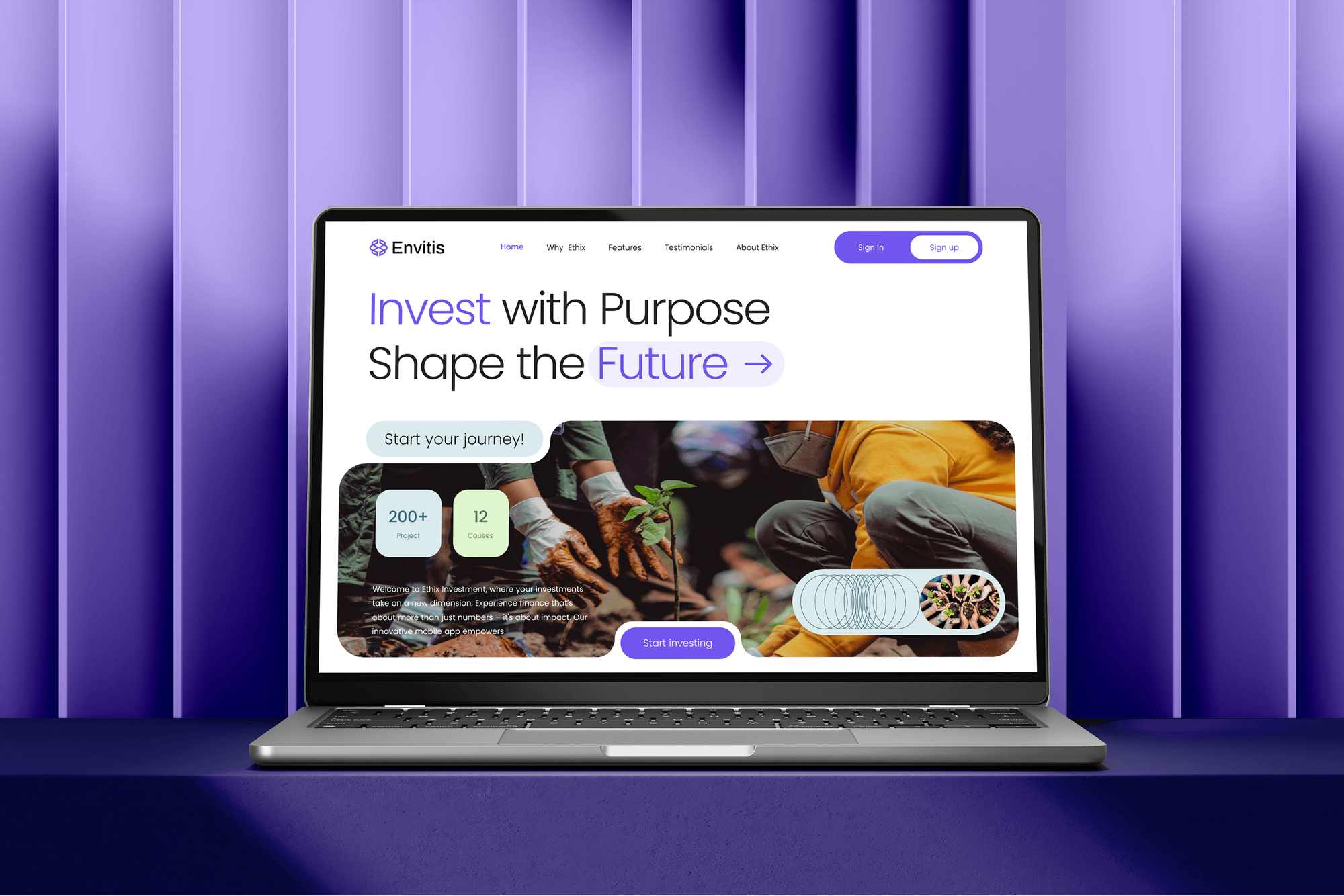
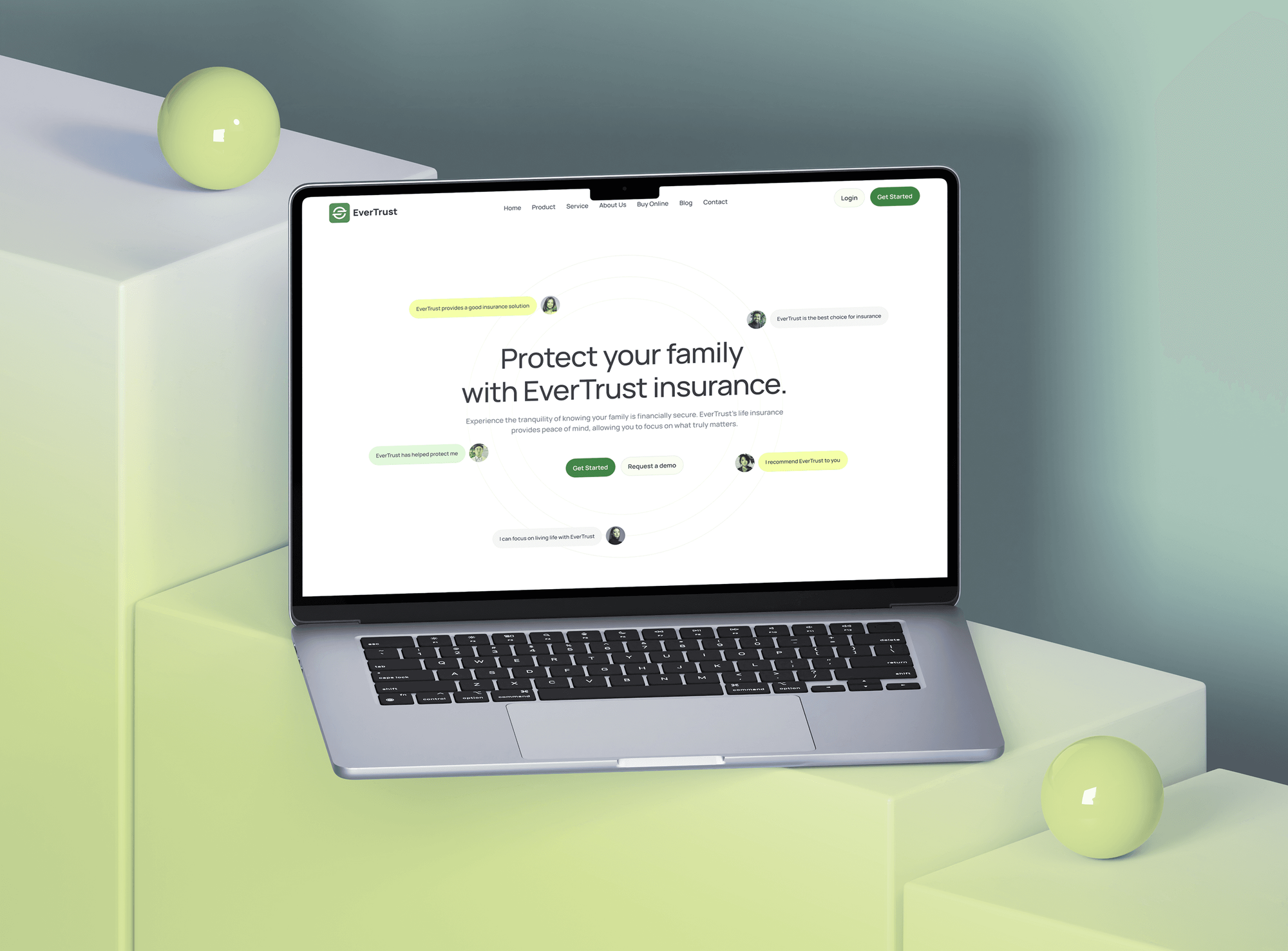
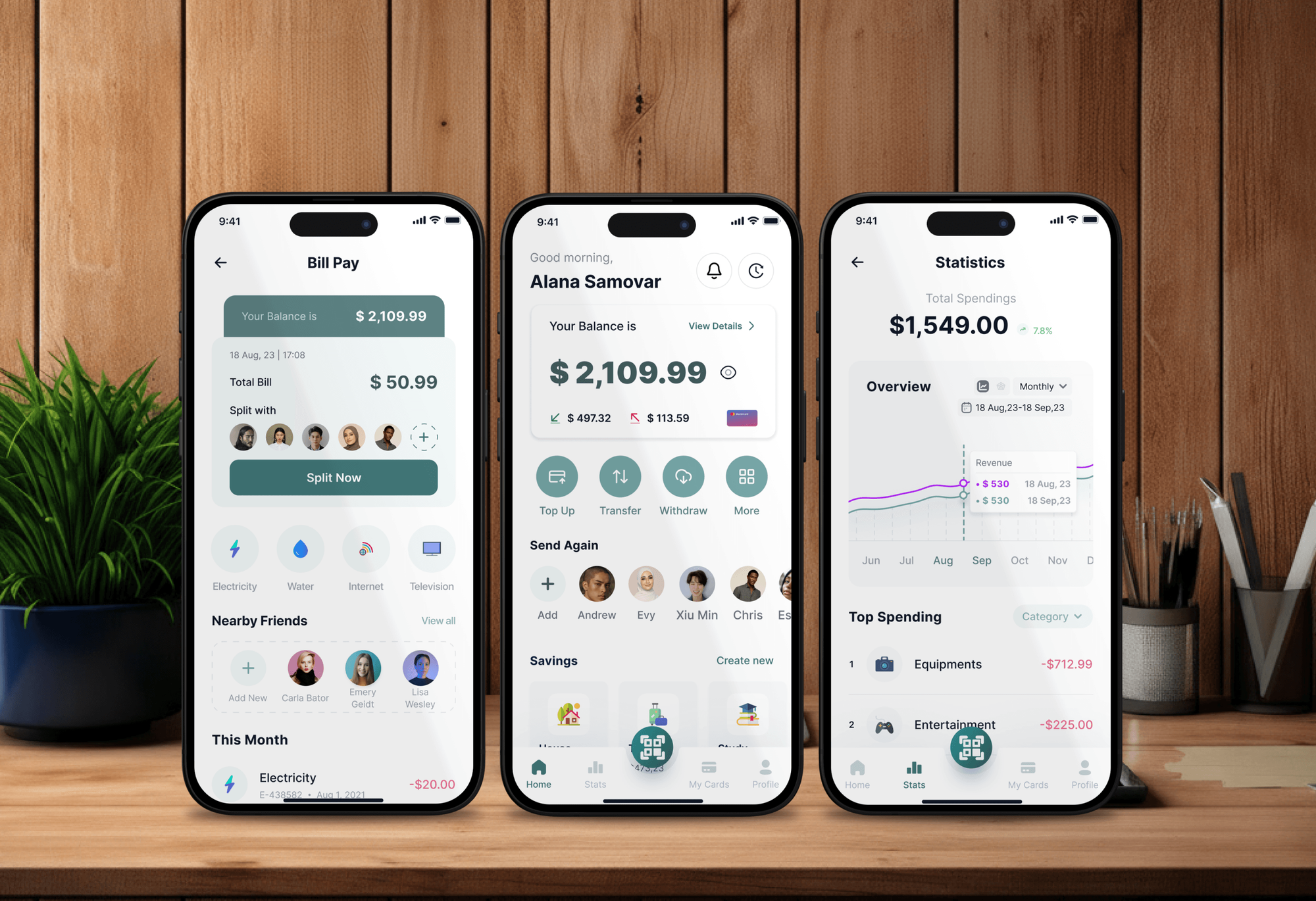
Projects We've Built
Fintech, investment, and insurance platforms we designed and built. Systems like these sit behind the critical functions DORA asks firms to protect.

What Our Clients Say
Feedback from teams we have built fintech platforms, apps, and websites for.
We had a pretty specific idea of what we wanted our website to become, but I wasn’t sure how easily we could explain all of it to a development team. There were quite a few moving parts, and we were working toward a deadline, so I expected a few things to get lost along the way. That never really happened. They understood what we were trying to achieve, kept us updated throughout the process, and got everything ready within the agreed timeline. The final site feels much easier to navigate, works beautifully on mobile, and is noticeably smoother for our customers. It was a huge relief seeing the original idea actually turn into the website we had in mind.
The mobile experience is probably my favourite part of the new site. We had spent a lot of time making sure the desktop version looked right, and the team kept pushing us to think about how everything would actually feel on a phone too. They were right. The navigation is clean, the interactions feel natural, and everything we’ve tested so far works exactly as it should. They also went through the links, forms, integrations, and other details more than once before launch, which I really appreciated. And even after going live, we could still reach out when something came up. The whole process felt friendly, organised, and surprisingly straightforward.
What I appreciate most is that the website is actually easy for us to manage now. We can update content ourselves instead of sending a developer a message every time we need to change something small. They also paid attention to the technical SEO side, which mattered to us because we didn’t want a new website to create problems for the traffic we already had. I’ve probably asked more questions than I should have since launch, but every question has been handled patiently and without any fuss. The team is easy to work with, they explain things clearly, and when we need something changed, they focus on getting it done rather than making the process complicated.
1,250+
Projects shipped
10+
Years of experience
Top 3%
Upwork Top Rated Plus
5 stars
Average review score

Want results like these?
Tell us what you are building. You get a reply within 24 hours on business days, then a written estimate.
Work Culture
DORA work touches payment systems, client data, and supervisor deadlines. These habits keep the evidence honest and your operations running while we work.
We explain what each article asks of your systems and flag open questions for your lawyer. Legal interpretation stays with counsel, and the build work stays with us.
We put the reporting deadlines into your on-call and ticketing tools, not only a PDF. The clock becomes visible the moment someone classifies an incident as major.
DORA is proportionate, and a small payment firm doesn't need a bank's framework. We size every document to your entity type, risk, and headcount.
Supervisors judge compliance with DORA on test results as well as policies. We run restores and incident drills and keep what happened as evidence.
Contract gaps go on a list with suggested wording, ranked by the function each provider supports. Your providers get clear requests instead of a vague questionnaire.
The register, playbooks, and evidence live in your systems in editable formats. Our access ends at handover, and you get a list of every change we made.
Overview
DeveloperLook provides DORA compliance support for EU financial entities and the ICT providers that serve them. We map critical functions, write the ICT risk framework, build the incident playbook and register of information, and test resilience. Projects start at $1,200 and take 2 to 16 weeks, and we work alongside your legal counsel.
DEVELOPERLOOK
Project facts · DORA Compliance Support
Reviewed 23 Oct 2026 by Saimul Islam
Good fit
Payment and e-money institutions
Your first register of information went in with gaps, and your supervisor now wants the DORA requirements met with evidence before the next review.
Small investment firms and insurers
Your firm may qualify for the simplified ICT risk framework, and you need someone to confirm it and write a DORA compliant framework at that size.
Crypto-asset service providers
Your MiCA authorization is underway, and your supervisor expects DORA EU compliance from day one, including incident reporting and a register of every ICT provider.
SaaS vendors selling to EU banks
Your bank customer sent a DORA questionnaire and new contract clauses, and you need audit rights, exit support, and incident notices your team can honor.
IT and cloud partners in finance
Your managed IT clients in finance need DORA playbooks and tests, and you want a partner who delivers them quietly under your brand.
Not a fit
Need a legal opinion
You need a legal opinion on whether DORA applies or how to read an article. A financial regulation lawyer should answer that, and we work alongside them.
No EU license or clients
Your firm has no EU license and no EU financial clients. Our cybersecurity services page covers the security program you need instead.
Buyers want SOC 2
Your US buyers want a SOC 2 report rather than DORA evidence. Our SOC 2 compliance services page covers that readiness work.
Budget under $1,200
Your budget is under $1,200 and you are a microenterprise with few ICT providers. The official templates and your supervisor's guidance may be enough to start.
Not sure we're the right fit?
Book a free call or message us. We'll tell you honestly whether we're the right team.
Pricing
These are starting points in USD. Your final price depends on your entity type, ICT providers, and critical functions, and you get a fixed proposal after a free scoping call.
For smaller financial firms that need to know where they stand against DORA.
$1,200one-time, USD
For firms that need the ICT risk framework, incident playbook, and register built.
$3,800one-time, USD
For firms with critical providers that need testing, exit plans, and evidence ready for supervisors.
$7,600one-time, USD
For Agencies
You own the client relationship. We supply the function mapping, incident playbooks, and register of information under your brand. Your financial clients get DORA work done by engineers without you building a regulatory team.
White label: your client only ever sees your brand
Send the client's entity type, supervisor, providers, and the deadline they face.
You get a written scope, a document list, and a fixed price per client.
We map functions, write playbooks, and hand them over in your template.
You present the findings while we work behind your brand.
Registers delivered in the template your client's authority collects.
Help answering bank questionnaires about your own hosted services.
One client's gap assessment or several clients' registers each year.
The Right Technology for Your Project
We work with the cloud, monitoring, backup, and records tools financial firms already run, and deliver registers in the formats supervisors collect.
 AWS
 Microsoft Azure
 Google Cloud
FAQ
Straight answers on cost, timing, the five pillars, incident deadlines, procurement, and DORA tools.
Saimul IslamFounder & CEO, DeveloperLookStill have questions?
Send a message or book a call with the team.
DORA compliance support starts at $1,200 for a gap assessment and critical function map. Building the ICT risk framework, incident playbook, and register of information moves you to $3,800, and a program with resilience testing and exit plans starts at $7,600. Legal opinions from your counsel and any threat-led penetration test are separate costs.
A DORA gap assessment takes 2 to 3 weeks, and full DORA compliance consulting takes 6 to 16 weeks. Most of the time goes into mapping critical functions and chasing provider contract details for the register. Firms with a clean contract inventory finish toward the short end.
DORA compliance means a financial entity meets the Digital Operational Resilience Act's rules for managing ICT risk. In practice that means a documented risk framework, incident classification and reporting, regular resilience testing, a register of ICT providers, and contracts with the required clauses. The management body stays accountable for all of it.
The DORA regulation is Regulation (EU) 2022/2554, the EU law on digital operational resilience for the financial sector. It has applied since 17 January 2025 and covers 20 types of financial entities, from banks and insurers to payment and crypto-asset firms. It also brings critical ICT providers under direct EU oversight.
The five pillars are ICT risk management, incident management and reporting, digital operational resilience testing, ICT third-party risk management, and information sharing. EU supervisors also oversee critical ICT providers directly, which some guides count as a sixth area. Each pillar has its own technical standards that set the detail.
The initial notification is due within 4 hours of classifying an incident as major, and at most 24 hours after becoming aware of it. The intermediate report follows within 72 hours of the initial one. The final report is due within one month of the latest intermediate report.
For procurement, it means every ICT contract meets Article 30 and lands in your register of information. Contracts need clear service descriptions, data locations, incident support, and termination rights. Contracts for critical or important functions add service levels, audit rights, and exit plans, so procurement checks them before signing, not after.
Only designated critical ICT providers come under direct EU oversight, and the first list of 19 was published in November 2025. Other providers feel DORA through their financial customers, who must add Article 30 clauses to contracts. A SaaS vendor serving EU banks should expect audit rights, incident notices, and exit support in its contracts.
The best DORA compliance software is the one your team will keep current, and many small firms start with spreadsheets in the official register template. GRC platforms help larger firms track controls, providers, and incidents in one place. Choose the tool after the function map is done, because the map decides what the tool must hold.
You do. The framework, playbooks, register of information, and test evidence are saved in your systems in editable formats. Your management body approves them, and we answer questions for 60 days after handover, so your team can run the next annual review on its own.
Saimul IslamFounder & CEO, DeveloperLookStill have questions?
Send a message or book a call with the team.
Free 30-min callGoogle Meet
Book a call
In 30 minutes on Google Meet we walk you through how we would build it, how long it takes and what it costs. Then you get a written estimate.
Calendar not showing? Book on cal.com or send a brief.