
Asset inventory with owners
Servers, laptops, network gear, cloud accounts, and apps listed with an owner and a criticality rating.

For IT and security leads whose scan reports keep growing: every finding ranked by real risk, given an owner, and tracked until it's fixed. From $650 per month.
2X
Faster fixes on critical risks
100%
Findings with an owner and deadline
How your project runs
Teams we have built for:














The Problem
It shows up when an auditor, insurer, or enterprise customer asks how fast you fix critical flaws, and the honest answer is that nobody tracks it.
01 · Ownership
Findings sit in a shared report that nobody owns.
Each finding becomes a ticket with a named owner and a due date.
02 · Deadlines
Critical and trivial findings wait in the same queue.
Due dates follow the risk tiers you approved in a written policy.
03 · Proof
Tickets get closed without anyone checking the fix.
A rescan confirms each fix before the ticket counts as closed.
04 · Exceptions
Risks nobody can fix linger quietly for years.
Accepted risks are logged with a reason, an approver, and a review date.
Your SOC 2 auditor asks how quickly critical vulnerabilities get fixed, and nobody in the room can answer. The scanner runs every month and emails a long PDF. IT patches what it has time for, but the same findings return in the next report. A file server flagged in spring is still open in autumn because no one owned it. Some flaws can't be fixed without breaking a legacy app, so they sit there undocumented. Every scan adds work, and the backlog only grows.
We start with your asset list and a written policy: risk tiers, fix deadlines, and who owns what. Each month we scan, rank findings by CVSS, EPSS, and CISA's known exploited list, and open tickets in your tracker with an owner and a due date. We chase overdue items, log accepted risks with sign-off, and rescan to prove each fix. Your backlog shrinks on a schedule instead of growing with every scan.
Every finding has an owner
Each finding becomes a ticket assigned to the person or team who can actually fix it.
Deadlines set by real risk
Fix windows follow risk tiers your leadership approved, so urgent work moves ahead of minor clean-up.
Fixes proven by rescan
A ticket only counts as closed after a fresh scan confirms the weakness is gone.
Our Vulnerability Management Services Process
You approve the asset list, the fix deadlines, and the ticket routing before the first scan. After that, the vulnerability management process runs monthly and you review the numbers with us.
We look at your assets, any scanner you already own, your ticket system, and the audits you answer to. You get a written scope and a fixed monthly price. If your current scanner and tracker only need tuning, we'll tell you before we quote.
What's Included
A monthly program that covers your asset inventory, a written policy, scheduled scans, risk ranking, tickets with owners, verification rescans, and reports your auditors and leadership can read.
Compare Options
A vulnerability platform suits teams with an analyst to run it, and a yearly audit is the cheapest way to get a dated report. Here is where each option holds up.
| Feature | DeveloperLookBest fit | Platform only | Yearly audit |
|---|---|---|---|
| Planning | Written policy with fix deadlines | Default vendor settings | Scope set per audit |
| Ranking | CVSS, EPSS, KEV, and asset value | Vendor risk score | Severity on one day |
| Ownership | Owner on every ticket | Your team assigns work | Report handed over |
| Follow-up | Overdue items chased weekly | Strong dashboards, no chasing | Nothing until next year |
| Fix proof | Rescan before ticket closes | Next scheduled scan | Next year's audit |
| Exceptions | Signed register with review dates | Ignore button in the tool | Noted in the report |
| Your team's effort | Fixing only | Running the tool too | Low until audit time |
| Cost | From $650 per month | License plus staff time | Lowest yearly spend |
Projects We've Built
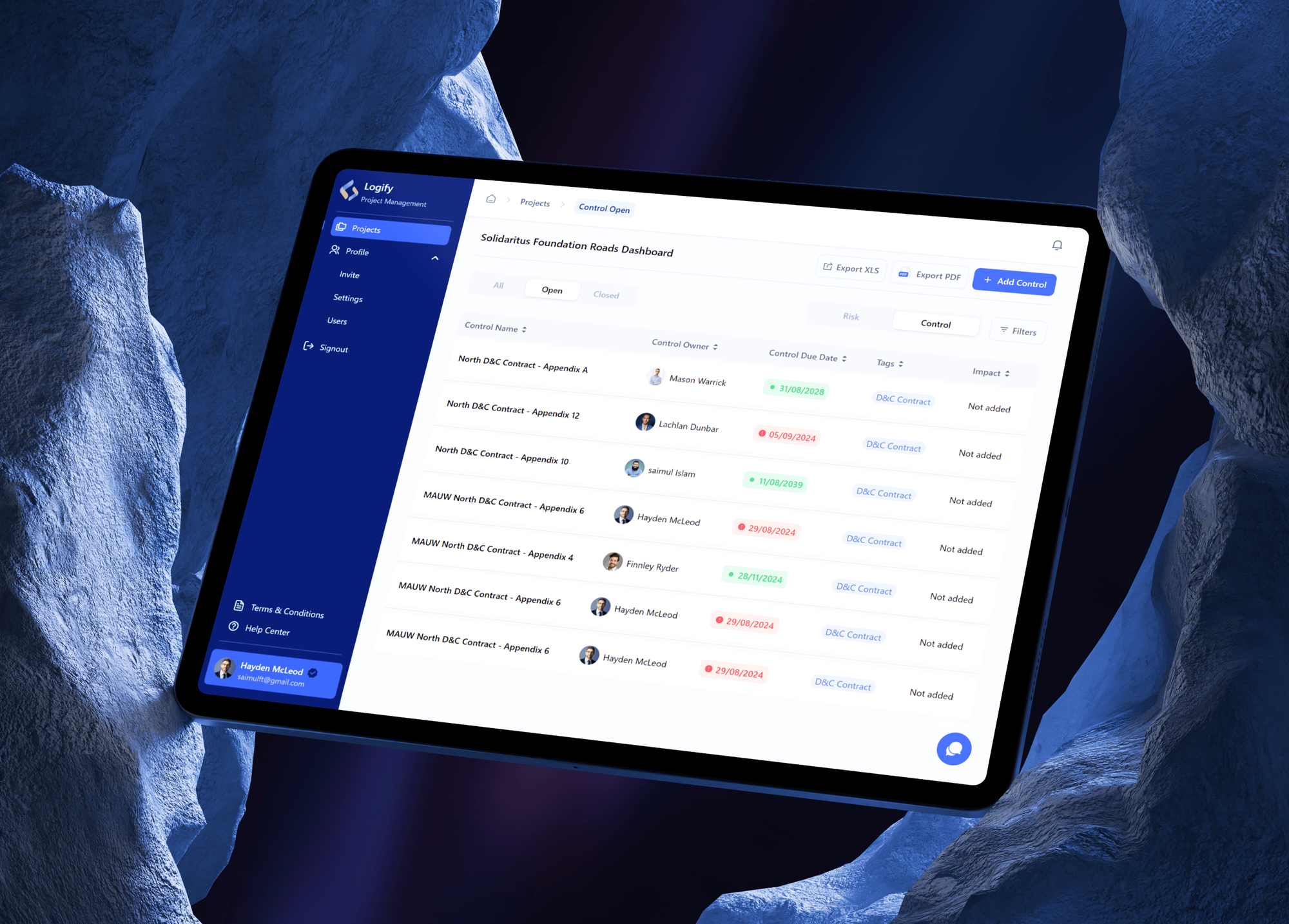
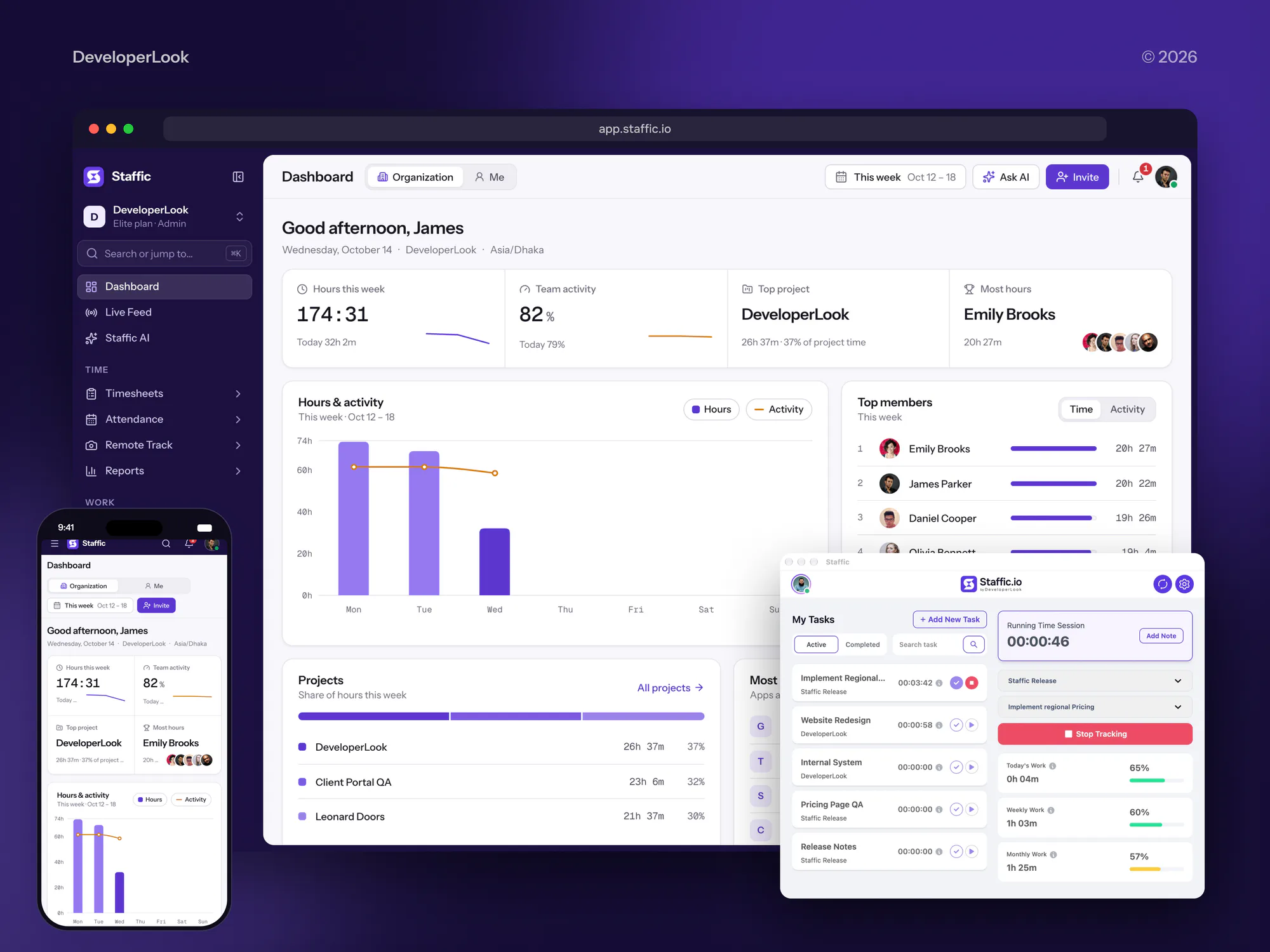
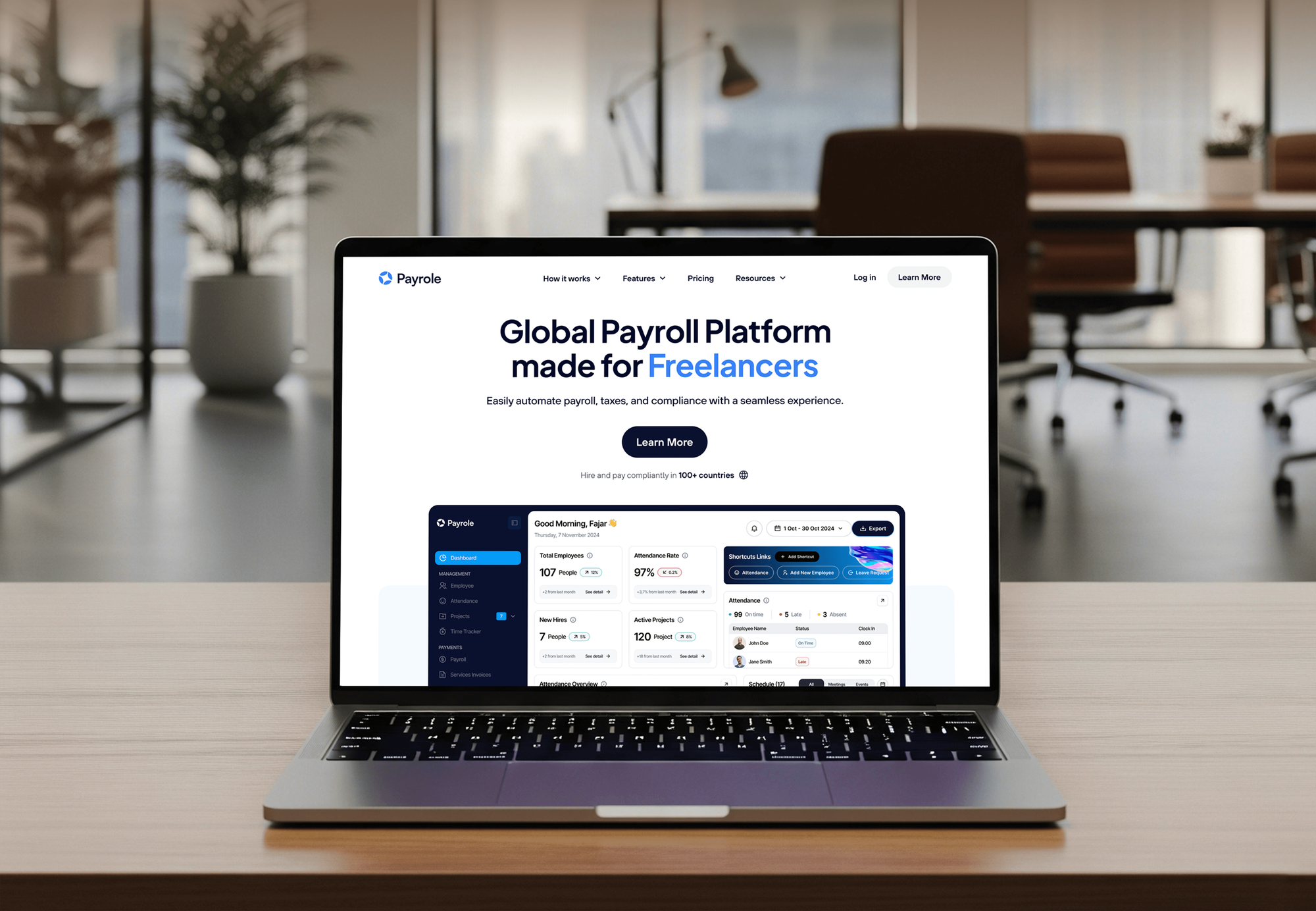
Platforms we built that track owners, due dates, and sensitive records. Systems with many users and integrations like these are what a vulnerability program keeps watch over.
What Our Clients Say
Feedback from teams we have built apps, platforms, and websites for.
We had a pretty specific idea of what we wanted our website to become, but I wasn’t sure how easily we could explain all of it to a development team. There were quite a few moving parts, and we were working toward a deadline, so I expected a few things to get lost along the way. That never really happened. They understood what we were trying to achieve, kept us updated throughout the process, and got everything ready within the agreed timeline. The final site feels much easier to navigate, works beautifully on mobile, and is noticeably smoother for our customers. It was a huge relief seeing the original idea actually turn into the website we had in mind.
The mobile experience is probably my favourite part of the new site. We had spent a lot of time making sure the desktop version looked right, and the team kept pushing us to think about how everything would actually feel on a phone too. They were right. The navigation is clean, the interactions feel natural, and everything we’ve tested so far works exactly as it should. They also went through the links, forms, integrations, and other details more than once before launch, which I really appreciated. And even after going live, we could still reach out when something came up. The whole process felt friendly, organised, and surprisingly straightforward.
What I appreciate most is that the website is actually easy for us to manage now. We can update content ourselves instead of sending a developer a message every time we need to change something small. They also paid attention to the technical SEO side, which mattered to us because we didn’t want a new website to create problems for the traffic we already had. I’ve probably asked more questions than I should have since launch, but every question has been handled patiently and without any fuss. The team is easy to work with, they explain things clearly, and when we need something changed, they focus on getting it done rather than making the process complicated.
1,250+
Projects shipped
10+
Years of experience
Top 3%
Upwork Top Rated Plus
5 stars
Average review score

Want results like these?
Tell us what you are building. You get a reply within 24 hours on business days, then a written estimate.
Work Culture
A fix queue only works when your team trusts it. These habits keep the list short, the deadlines fair, and production systems running while we scan.
We propose fix windows for each risk tier, and your leadership signs them off. Your team is measured against rules it agreed to, not ones we picked.
Findings land in Jira, ServiceNow, or the tool your team already opens each morning. Nobody has to learn a new dashboard to see what's due this week.
One missing browser update can show up on every laptop at once. We group those findings into a single ticket per fix, so the queue shows the real work.
When a fix would break a legacy app, we log the risk, the reason, the approver, and a review date. Accepted risks get revisited instead of forgotten.
Scanners use dedicated accounts with only the rights they need, and cloud checks run on read-only roles. You can audit or switch off every credential we hold.
Each report shows time to fix, overdue items, and accepted risks per team. Leadership sees progress on one page without reading a raw scan export.
Overview
DeveloperLook runs vulnerability management services for growing companies that need findings fixed in order, not just found. We write your fix-deadline policy, scan every month, rank findings by CVSS, EPSS, and CISA's known exploited list, open tickets with owners, and rescan to confirm each fix. Plans start at $650 per month, with the first ranked fix list in 2 to 3 weeks.
DEVELOPERLOOK
Project facts · Vulnerability Management Services
Reviewed 22 Oct 2026 by Saimul Islam
Good fit
SaaS companies preparing for SOC 2
Your auditor wants evidence that weaknesses get fixed within set deadlines, and your engineers have no spare hours to run that process.
IT managers with a growing backlog
Your scanner finds more each month than your team can fix, and you need continuous vulnerability management that ranks the work instead of adding to it.
Merchants and payment platforms under PCI DSS
Your PCI DSS assessment asks for quarterly internal scans with high and critical findings resolved, and you need rescan evidence ready on time.
Companies with offices, laptops, and cloud
Your staff use Windows and Mac laptops, an office network, and AWS or Azure, and you want one fix queue covering all of it.
MSPs and IT providers adding security
Your clients now ask who tracks their security fixes, and you want a partner who runs that work under your brand while you keep the relationship.
Not a fit
Need a one-time snapshot
You only need a dated check of your systems this quarter, not an ongoing program. Our vulnerability assessment services deliver a ranked report from $700.
Need updates installed
Your real gap is installing updates on laptops and servers each month. Our patch management services do the patching itself, from $350 a month.
Only want scans run
Your team already tracks fixes well and only wants scans scheduled, tuned, and reported for you. Our vulnerability scanning services cover that for less.
Budget under $650 a month
Your budget is under $650 a month and you run a small office network. Automatic updates, a free scanner, and a quarterly review by your IT person are a sensible start.
Not sure we're the right fit?
Book a free call or message us. We'll tell you honestly whether we're the right team.
Pricing
These are monthly starting points in USD. Your plan depends on asset count, cloud accounts, and how much audit evidence you need, and you get a fixed proposal after a free program review.
For teams with up to 100 assets that need every finding owned, ranked, and tracked.
$650/month
For growing companies with up to 300 assets across offices, laptops, and cloud accounts.
$1,050/month
For companies facing SOC 2, ISO 27001, or PCI DSS audits that need evidence every quarter.
$1,600/month
For Agencies
You own the client relationship. We run the scans, rank the findings, and keep each client's fix queue moving under your brand and in your ticket system. Your clients get a working program and monthly reports without you hiring a security analyst.
White label: your client only ever sees your brand
Send each client's assets, ticket system, and the audits or insurers they answer to.
You get a policy, a scan schedule, and a fixed monthly price for each client.
We scan, rank, chase fixes, and send monthly reports under your brand.
You present the monthly numbers while we work quietly under your brand.
Monthly reports carry your logo, your severity labels, and your templates.
Each client gets its own policy, scan schedule, and ticket board.
A fixed monthly price for each client, sized by their asset count.
The Right Technology for Your Project
We rank with open, published risk data and route work into tools your team already uses. Every scanner account is yours to audit and switch off.
 AWS
 Google Cloud
FAQ
Straight answers on cost, the lifecycle, risk based ranking, and building a program your auditors will accept.
Saimul IslamFounder & CEO, DeveloperLookStill have questions?
Send a message or book a call with the team.
DeveloperLook's programs start at $650 per month for up to 100 assets, with monthly scans, ranking, tickets, and rescans. The $1,050 plan covers 300 assets, 2 cloud accounts, weekly external scans, and a risk acceptance register. Audit-heavy teams pick the $1,600 plan for 750 assets, 2 web apps, and a quarterly evidence pack.
Most programs deliver the first ranked fix list 2 to 3 weeks after the review call. Week 1 covers the asset inventory and the written policy. Scanner accounts and read-only cloud roles go in during week 2, followed by the first full scan, ranking, and tickets. From then on the cycle runs monthly, with weekly external scans on larger plans.
It's the continuous practice of finding security weaknesses, deciding which matter most, getting them fixed, and proving the fixes worked. It covers servers, laptops, network devices, cloud accounts, and applications. A single scan is only one step of it. ISO/IEC 27001:2022 control 8.8 and SOC 2 criterion CC7.1 both expect it to run as an ongoing process.
The vulnerability management lifecycle has six steps: inventory, scan, rank, fix, verify, and report. List your assets and their owners first. Scan them, rank what you find by real risk, and send each finding to the person who fixes it. Rescan to confirm the fix, report time to fix, then start the next cycle with an updated inventory.
It ranks findings by how likely they are to be exploited and how much the affected system matters, not by severity score alone. We combine the CVSS score with FIRST's EPSS probability, CISA's Known Exploited Vulnerabilities catalog, and each asset's criticality. A medium-score flaw on an internet-facing payment server can outrank a critical one on an isolated test box.
It's the written, repeatable way a company finds and fixes weaknesses. It sets who owns which assets, how often scans run, how findings are ranked, and how fast each risk tier must be fixed. It also covers exceptions for fixes that can't happen yet. Auditors ask to see the policy and proof it was followed month after month.
Start with an asset list and a written policy, then add scans, tickets, and monthly reporting. List assets with owners and set fix deadlines per risk tier. Schedule credentialed scans and route findings into the ticket system your team already uses. Report time to fix each month, and add a sign-off process for risks you can't fix yet. CIS Controls v8.1 Control 7 makes a practical checklist.
Many breaches start with known, published flaws in systems that simply weren't patched. CISA's Known Exploited Vulnerabilities catalog lists flaws with confirmed attacks in the wild, so leaving one open is a choice with real risk. A working program also gives auditors, insurers, and enterprise customers the evidence they ask for during reviews and renewals.
Automate the repetitive parts: scheduled scans, ranking rules, ticket creation, overdue reminders, and rescans when a ticket closes. We connect the scanner to Jira or ServiceNow so each new finding opens a ticket with an owner, and a closed ticket triggers a verification scan. People still make the calls on exceptions and on fixes that could break business apps.
It adds live threat information to the usual scan-and-fix cycle. Instead of ranking findings by score once, it watches for new exploits, vendor advisories, and additions to CISA's catalog, then moves affected findings up the queue. On every plan, findings move up the queue as soon as CISA adds their flaw to its catalog.
Saimul IslamFounder & CEO, DeveloperLookStill have questions?
Send a message or book a call with the team.
Free 30-min callGoogle Meet
Book a call
In 30 minutes on Google Meet we walk you through how we would build it, how long it takes and what it costs. Then you get a written estimate.
Calendar not showing? Book on cal.com or send a brief.