
Roles and decision rights
Who leads, who deputizes, and who may isolate systems, call counsel, or speak to customers.

For IT and security leads who want the hard calls made before an incident: who acts, who calls the insurer, and what happens in the first hour. Plans from $850.
60min
First hour scripted
3+
Playbooks for likely attacks
How your project runs
Teams we have built for:














The Problem
It shows up the first time a mailbox is taken over or files get encrypted, and the people in the room argue about who is allowed to shut systems down.
01 · Authority
Nobody knows who may shut down a system.
The plan names who can isolate systems and who must approve it.
02 · Evidence
A wiped mailbox destroys what investigators need.
Playbooks say what to preserve before anyone deletes, resets, or rebuilds.
03 · Contacts
The insurer's hotline sits in a file nobody can reach.
A contact sheet lives on paper and phones, outside your normal systems.
04 · Notification
Nobody knows which deadlines apply to customers or regulators.
A notification guide lists each clock and who decides whether it has started.
Friday, 4:50 p.m.: a supplier asks why last week's invoice was paid into a new bank account. Someone wants to wipe the finance mailbox, while someone else says keep it for evidence. Nobody knows whether to call the insurer or the lawyer first, or who may tell customers. The insurer's hotline number sits in a PDF on a drive that may be compromised. Every guess burns time you can't get back.
We start with decisions, not documents. Together we agree who can isolate systems, who calls the insurer and counsel, and who speaks to customers. Then we write those calls into a plan built on NIST SP 800-61 Rev. 3. Playbooks cover your likeliest incidents step by step, and a first-hour checklist lives on paper and phones. When something happens, your team follows a plan instead of inventing one.
Decision rights agreed early
Who can shut systems down, call the insurer, and notify customers, agreed in writing.
A scripted first hour
A one-page checklist for the first hour, kept on paper and on phones.
Playbooks for likely incidents
Step-by-step guides for ransomware, business email compromise, and lost or stolen devices.
Our Incident Response Plan Development Process
You approve the roles, severity levels, and playbook list before we write, then walk through the finished plan with your leads.
We talk through your systems, team, insurer, and the incidents that worry you most. You get a written scope and a fixed price. If your cyber insurer already gives you a plan template and breach coach that cover your case, we'll tell you before we quote.
What's Included
Each engagement covers interviews, decision rights, severity levels, a first-hour checklist, playbooks for your likeliest incidents, notification guidance on larger plans, and a testing schedule.
Compare Options
Your insurer's template is free and points to its breach coach, and a retainer firm puts forensic responders on call. Here is how a plan written with your own team compares.
| Feature | DeveloperLookBest fit | Insurer template | IR retainer |
|---|---|---|---|
| Planning | Interviews with the people who decide | Fill-in-the-blanks form | Onboarding questionnaire |
| Decision rights | Named and agreed in writing | Left for you to define | Their team leads the response |
| Playbooks | Written for your likeliest incidents | Generic headings | Their own procedures |
| Technical steps | Runbooks for your cloud tools | Not included | Forensics once engaged |
| Live response | Plan names who to call | Hotline to a breach coach | Responders on call |
| Testing | Walkthrough plus a 12-month schedule | Up to you | Varies by retainer |
| Support | 30 days after handover | Insurer claims line | Hours inside the retainer |
| Cost | Fixed price from $850 | Free with your policy | Yearly retainer fee |
Projects We've Built
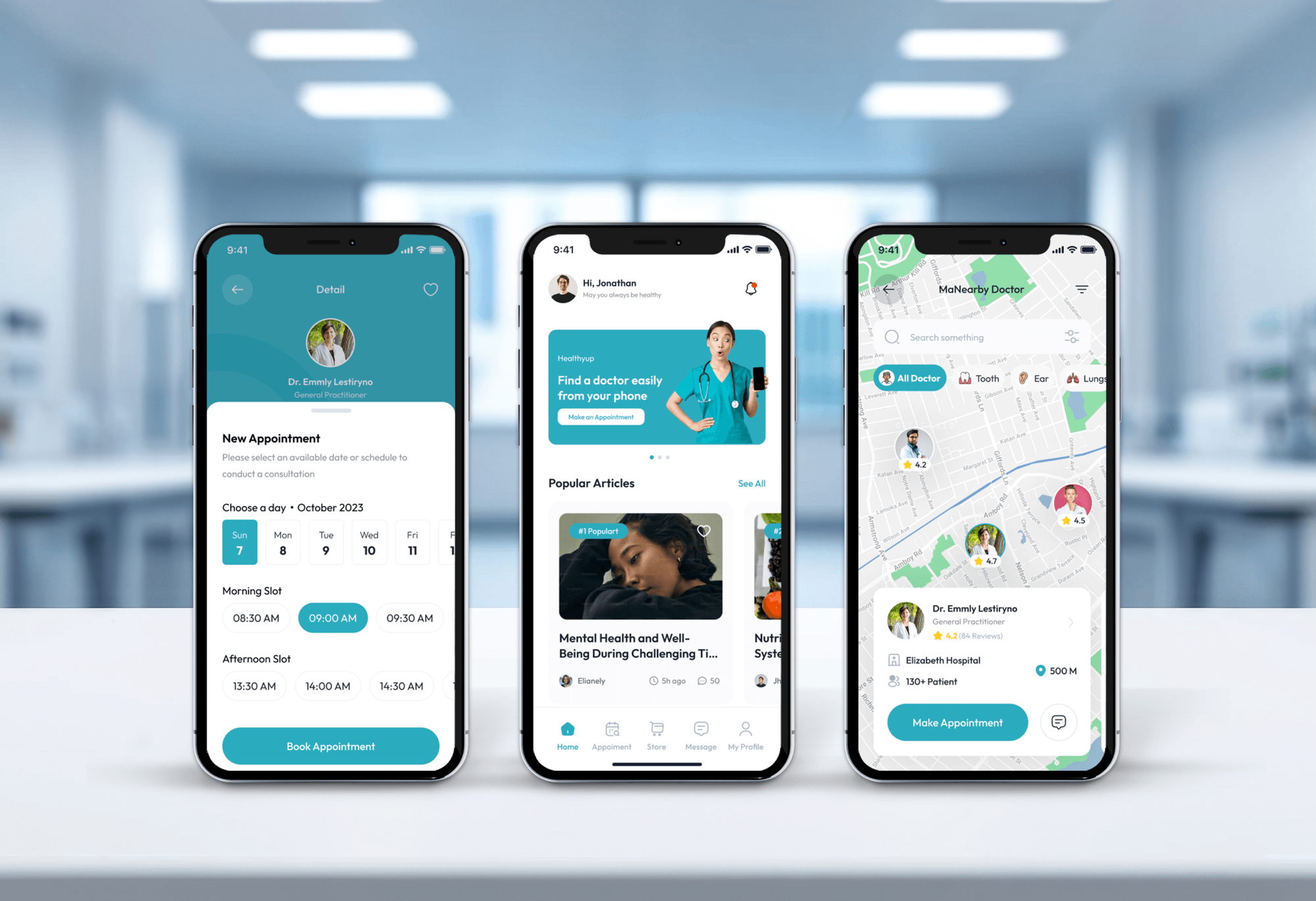
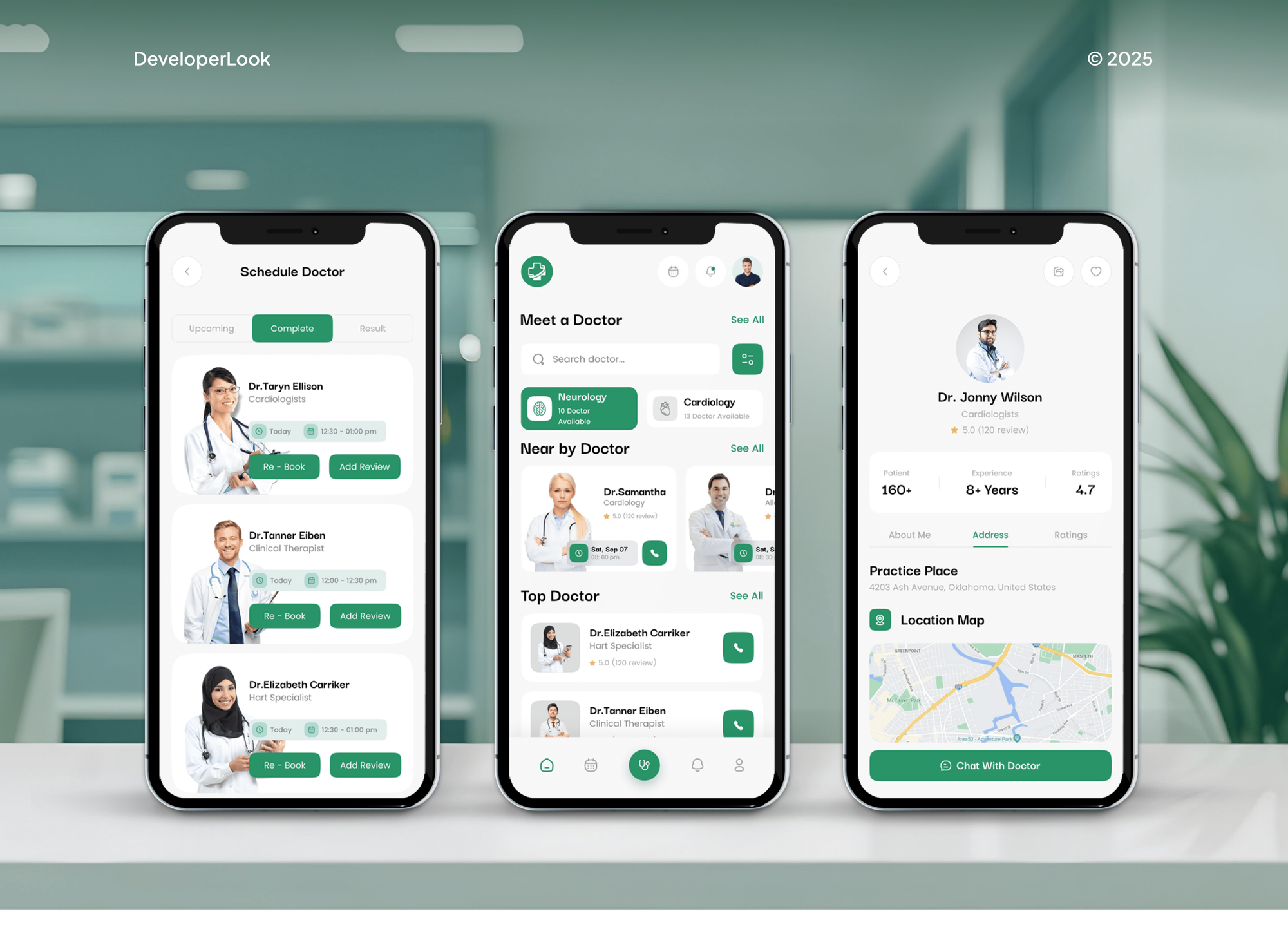
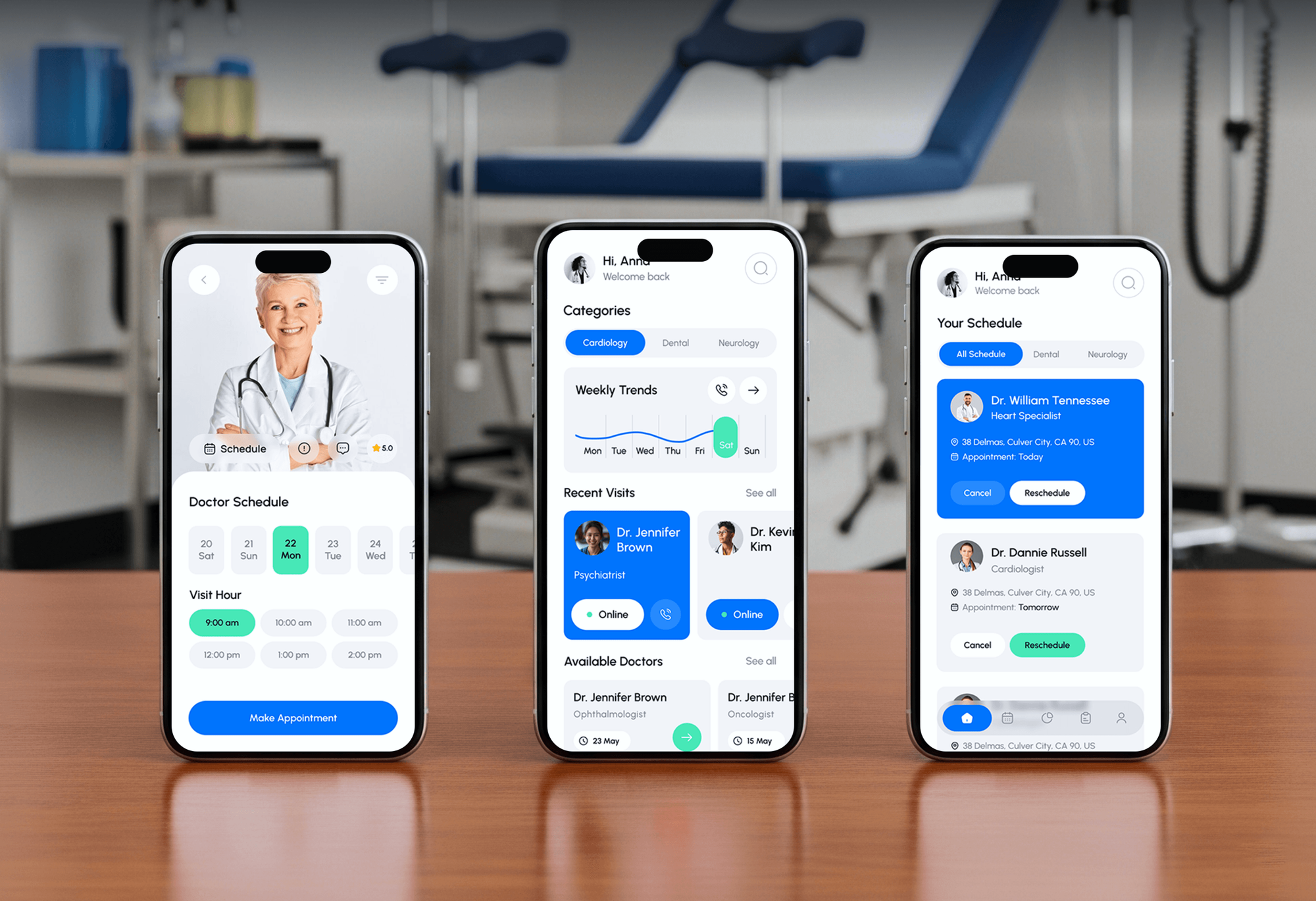
Apps we built for fintech and healthcare teams that hold payment and patient data. Systems like these are what a response plan has to protect.

What Our Clients Say
Feedback from teams we have built apps, platforms, and websites for.
We had a pretty specific idea of what we wanted our website to become, but I wasn’t sure how easily we could explain all of it to a development team. There were quite a few moving parts, and we were working toward a deadline, so I expected a few things to get lost along the way. That never really happened. They understood what we were trying to achieve, kept us updated throughout the process, and got everything ready within the agreed timeline. The final site feels much easier to navigate, works beautifully on mobile, and is noticeably smoother for our customers. It was a huge relief seeing the original idea actually turn into the website we had in mind.
The mobile experience is probably my favourite part of the new site. We had spent a lot of time making sure the desktop version looked right, and the team kept pushing us to think about how everything would actually feel on a phone too. They were right. The navigation is clean, the interactions feel natural, and everything we’ve tested so far works exactly as it should. They also went through the links, forms, integrations, and other details more than once before launch, which I really appreciated. And even after going live, we could still reach out when something came up. The whole process felt friendly, organised, and surprisingly straightforward.
What I appreciate most is that the website is actually easy for us to manage now. We can update content ourselves instead of sending a developer a message every time we need to change something small. They also paid attention to the technical SEO side, which mattered to us because we didn’t want a new website to create problems for the traffic we already had. I’ve probably asked more questions than I should have since launch, but every question has been handled patiently and without any fuss. The team is easy to work with, they explain things clearly, and when we need something changed, they focus on getting it done rather than making the process complicated.
1,250+
Projects shipped
10+
Years of experience
Top 3%
Upwork Top Rated Plus
5 stars
Average review score

Want results like these?
Tell us what you are building. You get a reply within 24 hours on business days, then a written estimate.
Work Culture
A response plan gets read under stress, often at night. These habits keep it short enough to follow, honest about your limits, and reachable when systems are down.
We keep the core plan short and move detail into playbooks. A stressed person at 2 a.m. can find the next step without reading forty pages.
Contact sheets and checklists ship on paper and phones, outside email and the file share. A compromised mailbox can't hide the plan from your team.
We settle who decides what before writing a single step. Waiting for permission slows a response, so the plan grants that permission in advance.
Every playbook says what to preserve before anyone wipes, resets, or rebuilds. Investigators and insurers can then work out what really happened.
You get a fixed price once the playbook count and the people involved are known. Extra playbooks are quoted before we write them.
The plan, playbooks, and cards are yours in formats you can edit. Your team can update contacts and steps without calling us.
Overview
DeveloperLook writes an incident response plan your team can follow in the first hours of a breach. We set roles, decision rights, and severity levels, then write a first-hour checklist and playbooks for your likeliest incidents. Plans start at $850, take 2 to 8 weeks, and include a walkthrough and a 12-month testing schedule.
DEVELOPERLOOK
Project facts · Incident Response Plan Development
Reviewed 22 Oct 2026 by Saimul Islam
Good fit
Firms filling in insurer questionnaires
Your cyber insurance application asks whether you have a written security incident response plan, and you'd rather answer yes truthfully.
Merchants assessed under PCI DSS
Your PCI DSS assessment needs a plan that is reviewed and tested at least once every 12 months, with proof that it happened.
IT teams that only plan for outages
Your IT incident response plan covers outages and hardware failures, but says nothing about ransom notes, stolen data, or telling customers.
SaaS teams facing security reviews
Your enterprise customer's security review asks for your cybersecurity incident response plan and the date you last tested it.
MSPs and IT providers
Your clients need incident response plans for insurance or audits, and you want a partner who writes them quietly under your brand.
Not a fit
Incident happening now
You're dealing with an active breach or ransom note today. Call your cyber insurer's incident hotline or a retained response firm first, then plan afterward.
Need recovery plans too
Your main worry is getting systems and departments running after any outage, not only a cyberattack. Our disaster recovery planning services cover that wider recovery.
Want a standing security lead
You want someone to own security month to month, including keeping this plan current. Our vCISO services give you a named security lead on monthly hours.
Budget under $850
Your budget is under $850 and a handful of staff run on Microsoft 365 or Google Workspace. Your insurer's free plan template, filled in carefully, is a fair first step.
Not sure we're the right fit?
Book a free call or message us. We'll tell you honestly whether we're the right team.
Pricing
These are starting points in USD. Your final price depends on the number of playbooks, the people involved, and technical runbooks, and you get a fixed proposal after a free discovery call.
For small teams that need a written plan, clear roles, and their first playbooks.
$850one-time, USD
For companies that answer to customers, insurers, or auditors and need fuller coverage.
$2,100one-time, USD
For teams with cloud, SaaS, and regulated data that need technical runbooks too.
$3,900one-time, USD
For Agencies
You own the client relationship. We interview the client's decision makers, write the plan and playbooks in your template, and join calls only when you ask. Your clients get a plan they can follow without you hiring a specialist.
White label: your client only ever sees your brand
Send the client's systems, team, insurer, and any audit or contract requirements.
You get a playbook list, an interview plan, and a fixed price for each client.
We interview the client's leads, write the plan in your template, and run the walkthrough.
Your brand on every page, with our team writing in the background.
Reuse tested playbooks across clients, adjusted to each client's own systems.
Plans written to answer the questions cyber insurers ask your clients.
Each client plan is priced up front, so your margin stays clear.
The Right Technology for Your Project
The plan lives where your team can reach it during an incident, including offline, and the runbooks use the admin consoles you already have.
 AWS
FAQ
Straight answers on cost, what a plan contains, who should be involved, and how to test it.
Saimul IslamFounder & CEO, DeveloperLookStill have questions?
Send a message or book a call with the team.
A plan from DeveloperLook starts at $850, with roles, a first-hour checklist, 3 playbooks, and a walkthrough. Up to 8 playbooks with a notification guide and message templates cost $2,100. Technical runbooks for your cloud tools and framework mapping start at $3,900. You get a fixed price after the free discovery call.
The core plan takes 2 to 3 weeks, mostly waiting on interviews with the people who make decisions. Plans with up to 8 playbooks take 3 to 5 weeks. Adding technical runbooks for Microsoft 365, Google Workspace, or AWS takes 5 to 8 weeks, because each runbook gets checked against your real admin consoles.
It's a written guide that says who does what when a security incident happens, from the first alert to recovery and lessons learned. It sets roles, decision rights, severity levels, and contacts, then links to playbooks for specific incidents. NIST SP 800-61 Rev. 3, released in April 2025, is the main US reference.
This kind of plan covers attacks on data and systems, such as ransomware, account takeover, or data theft. A fire or power cut belongs in your business continuity plan. Cyber incidents need evidence handling, account lockdown, and notification decisions that continuity plans skip, so most companies keep the two separate but cross-referenced.
In cyber security, it's the document that turns the Respond and Recover functions of the NIST Cybersecurity Framework 2.0 into named people and steps. CIS Controls v8.1 covers it under Control 17, Incident Response Management. Auditors, insurers, and enterprise customers commonly ask to see it, along with the date it was last tested.
It's important because the first hours of an incident decide how far the damage spreads, and without a plan those hours go on arguments. A plan settles who isolates systems, who calls the insurer, and which evidence to keep. Some rules require one, including PCI DSS requirement 12.10.1 and the FTC Safeguards Rule for larger financial firms.
Involve the people who would make or carry out the decisions. That usually means an incident lead, IT or your managed provider, a leadership sponsor, finance, HR, and legal counsel. Add your cyber insurer's breach coach and key vendors as contacts. Give each role a named deputy, because incidents rarely wait for the right person to be free.
Companies test plans in rising steps, from a simple walkthrough to a full tabletop exercise. In a walkthrough, each owner reads their steps aloud. A tabletop runs a realistic scenario with leadership, and technical drills test steps like revoking every session for one account. PCI DSS asks for testing at least once every 12 months.
Include scope and definitions, roles with deputies, decision rights, severity levels, a first-hour checklist, a contact sheet, and playbooks for your likeliest incidents. Add an evidence checklist, message templates, a testing schedule, and a notification guide. Clocks vary: GDPR allows 72 hours to tell the supervisory authority, and US public companies file SEC Form 8-K within four business days of deciding an incident is material.
No, this service writes the plan and doesn't include a round-the-clock response team. The plan names who you call, usually your cyber insurer's hotline and a retained forensics firm, and what to do before they arrive. After handover you get 30 days of support, and the top plan adds a review and update after 12 months.
Saimul IslamFounder & CEO, DeveloperLookStill have questions?
Send a message or book a call with the team.
Free 30-min callGoogle Meet
Book a call
In 30 minutes on Google Meet we walk you through how we would build it, how long it takes and what it costs. Then you get a written estimate.
Calendar not showing? Book on cal.com or send a brief.