Stock and price sync
Supplier stock and prices update your store on a schedule, with your margin rules applied to every price.

Dropshipping API integration for Shopify, WooCommerce, and BigCommerce: supplier stock, orders, and tracking synced, EDI included. From $800.
100%
Orders sent to suppliers automatically
24/7
Supplier stock monitored
How your project runs
Teams we have built for:














The Problem
It shows up once you sell from more than one supplier. Each one sends stock, prices, and tracking in its own format and on its own schedule.
01 · Stale stock
Your supplier's stock file only updates overnight.
Supplier stock syncs with a safety buffer, and sold-out products hide.
02 · Refunds
You refund orders for items the supplier already sold out.
Stock and prices sync on a schedule with your margins applied.
03 · Portal copying
Someone copies each order into supplier portals and a spreadsheet.
Orders split by supplier and go out in the format each accepts.
04 · Missing tracking
Tracking numbers trickle back by email, if at all.
Supplier tracking attaches to the right items and reaches your customers.
A customer buys your best seller at 10 a.m. The supplier sold its last unit at 8, but its stock file only updates overnight. Now you're writing an apology and issuing a refund. Meanwhile, someone copies each order into two supplier portals and a spreadsheet for the third. Tracking numbers trickle back by email, and customers keep asking where their parcels are.
We start with each supplier's API docs or a sample feed and map it to your catalog. Stock and prices then sync on a schedule, with your margins and safety stock applied. Orders split by supplier and go out automatically, and tracking returns to the right items. It's ecommerce data integration done once, instead of copy and paste every day.
Stock you can trust
Supplier stock syncs with a safety buffer, and products hide when a supplier hits zero.
Orders out without copying
Each order splits by supplier and reaches them in the format they accept.
Tracking on every parcel
Supplier tracking numbers attach to the right items and reach your customers.
Our Supplier Integration Process
You see each supplier's mapping, the test orders, and the launch plan before real customers are affected. Every step ends with a result you can check.
We look at each supplier's API docs or sample feed, your catalog, and how orders reach suppliers today. You leave with a supplier-by-supplier plan and a fixed quote. If a dropshipping app already covers your suppliers, we'll tell you before we quote.
What's Included
Every plan covers stock and price sync, automatic orders, and tracking for your suppliers. Larger plans add split orders, margin rules, EDI trading partners, and supplier reports.
Compare Options
Supplier network apps suit stores whose suppliers are listed in them, and spreadsheets work at low volume. We fit when suppliers, feeds, or margins need your own rules.
| Feature | DeveloperLookBest fit | Dropshipping app | Spreadsheet updates |
|---|---|---|---|
| Upfront cost | From $800, fixed scope | Monthly subscription | Staff time only |
| Setup time | 2 to 7 weeks | Same day | No setup |
| Supplier types | Any API, CSV, FTP, or EDI | Suppliers in its network | Whatever you can download |
| Order routing | Automatic, one order per supplier | Automatic for listed suppliers | Emails and portals |
| Stock updates | Scheduled, with safety stock | The app's own schedule | When someone remembers |
| Pricing rules | Margins per supplier | Basic markup rules | Manual edits |
| Testing before launch | Test orders first | You test it | No testing |
| Code ownership | Your code and data | Stays with the app | Your spreadsheets |
Projects We've Built
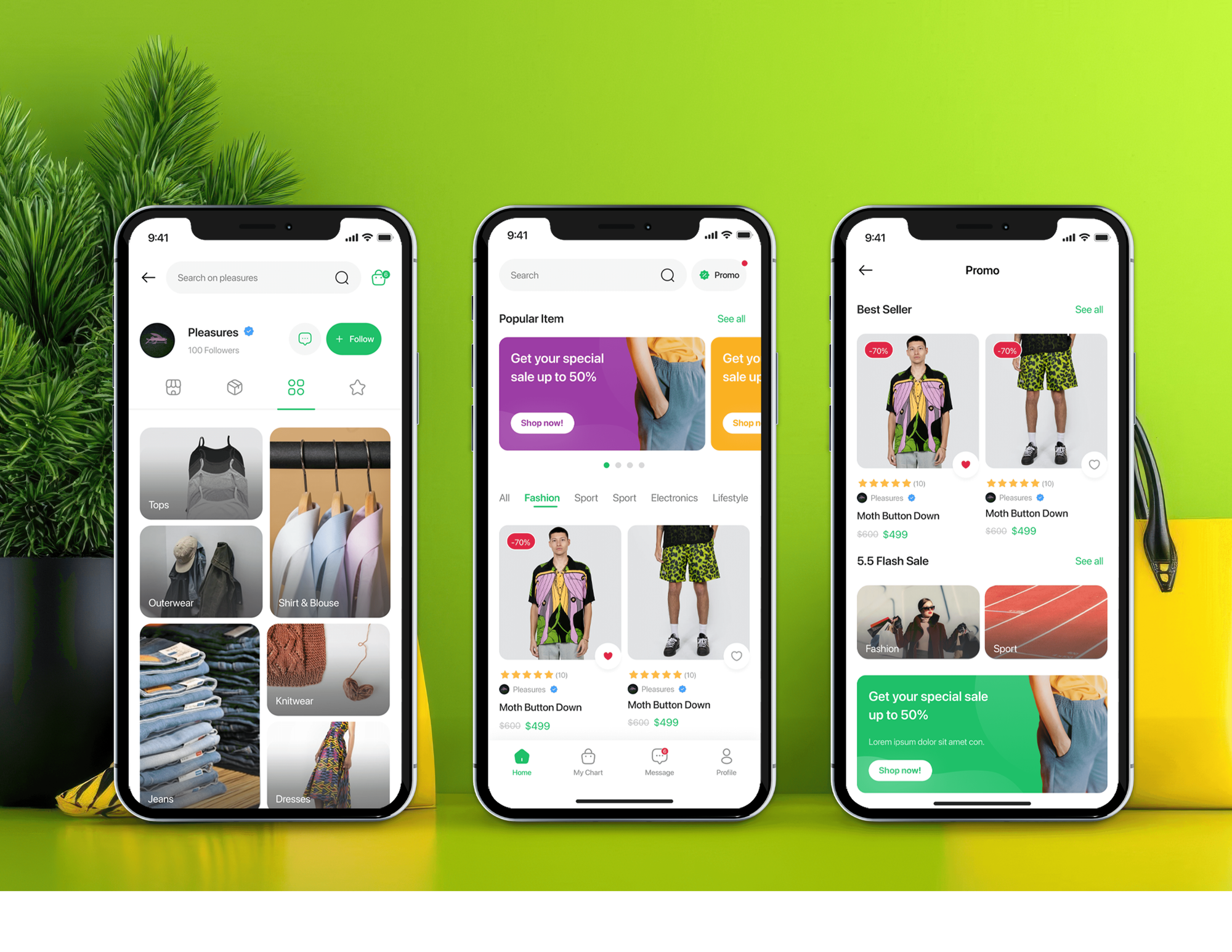
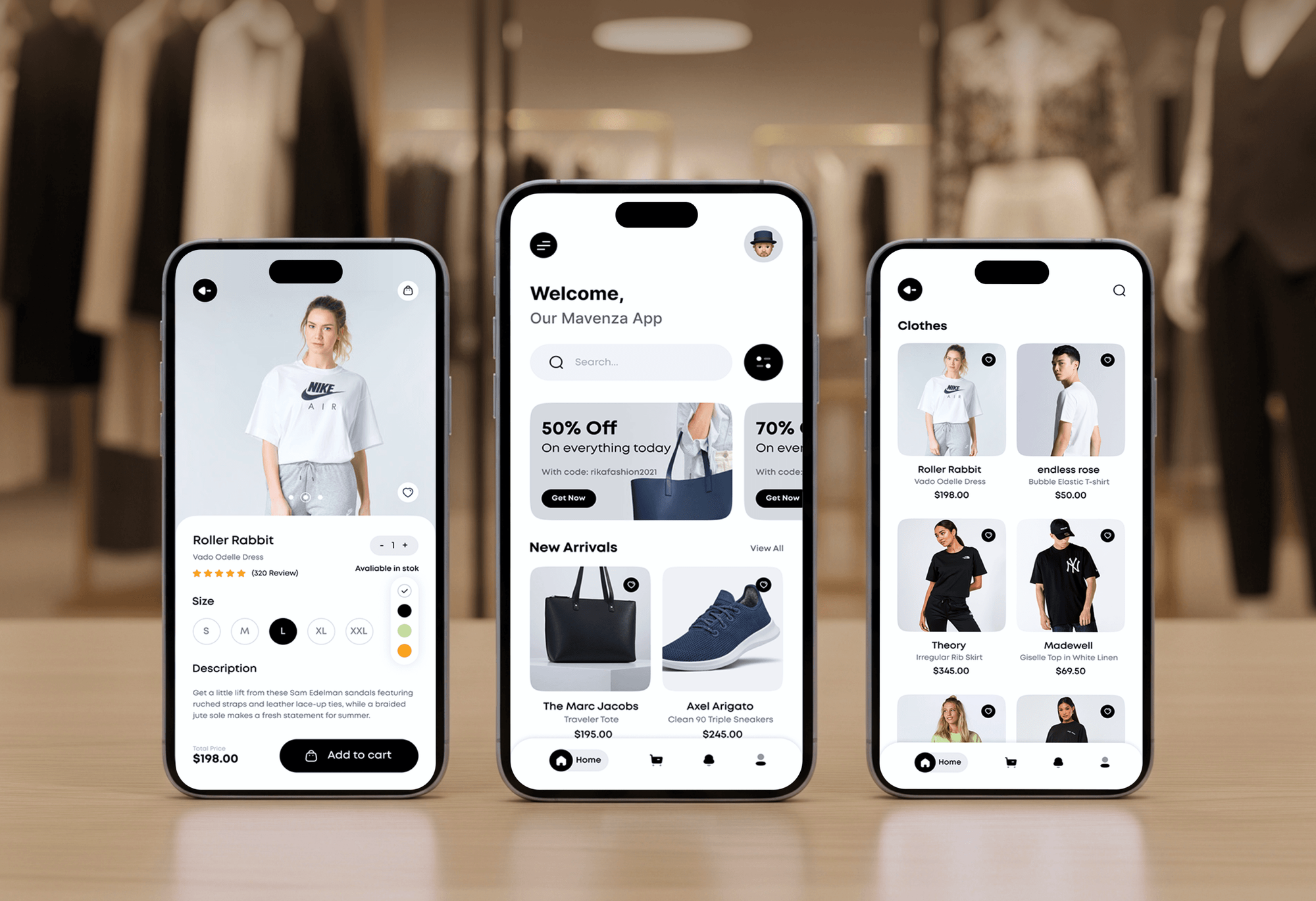
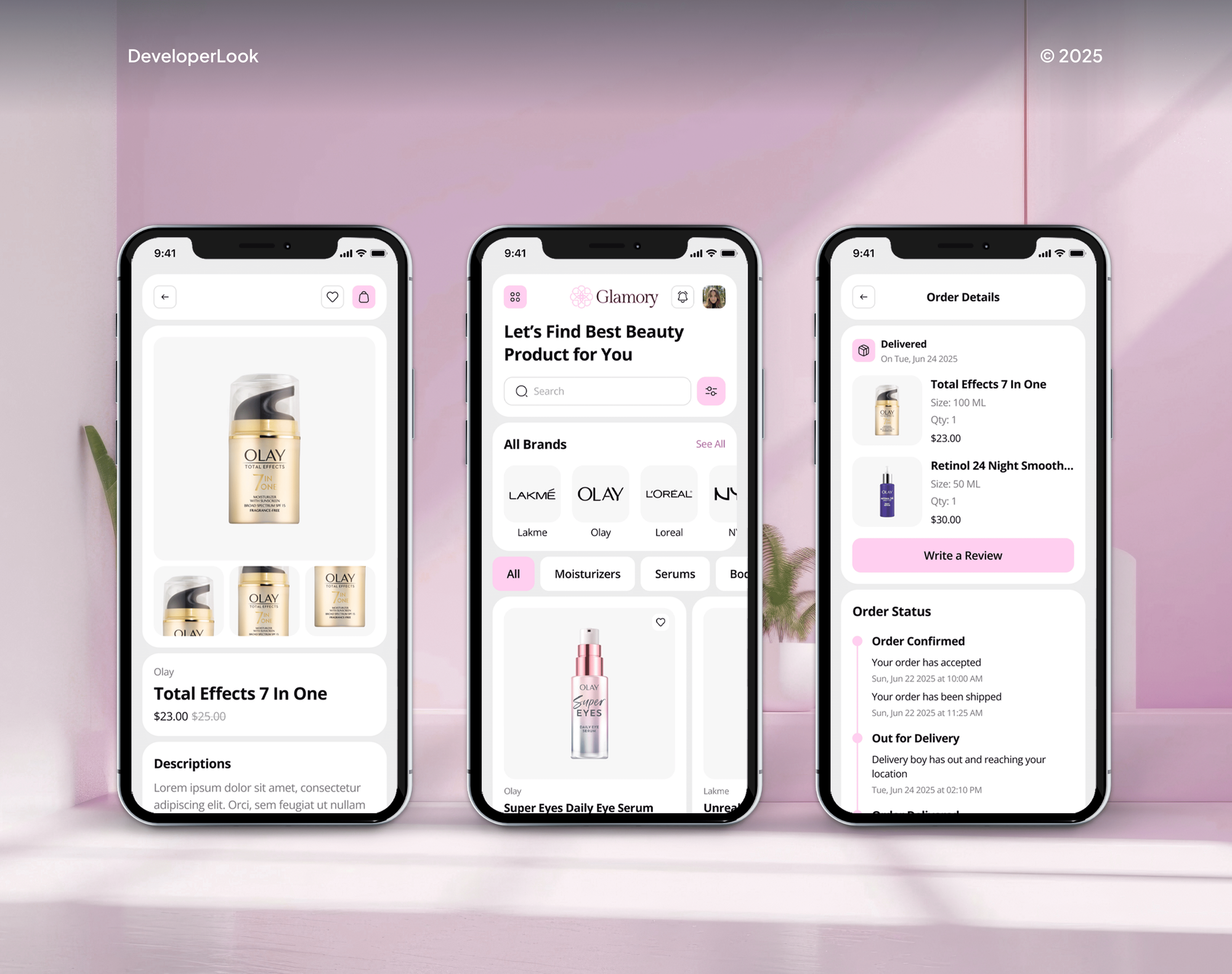
A selection of ecommerce stores and apps we've built. Supplier feeds rely on the same groundwork: a clean catalog, careful API work, and test orders before launch.

What Our Clients Say
Feedback from ecommerce teams we have built stores, integrations, and automation for.
We had a different kind of problem. People were visiting the store, adding products to their carts, and then disappearing before they finished the order. We had tried a few apps and made changes here and there, but nothing really seemed to solve the bigger issue. The team went through the shopping experience with us and pointed out things we hadn't really noticed ourselves. They cleaned up the cart and checkout flow, made the mobile experience much smoother, and helped us make the store feel easier to shop. I’m not going to pretend we fixed everything overnight, but it finally feels like the store is helping the sale instead of getting in the way of it.
The mobile experience is probably my favourite part of the new site. We had spent a lot of time making sure the desktop version looked right, and the team kept pushing us to think about how everything would actually feel on a phone too. They were right. The navigation is clean, the interactions feel natural, and everything we’ve tested so far works exactly as it should. They also went through the links, forms, integrations, and other details more than once before launch, which I really appreciated. And even after going live, we could still reach out when something came up. The whole process felt friendly, organised, and surprisingly straightforward.
We had a pretty specific idea of what we wanted our website to become, but I wasn’t sure how easily we could explain all of it to a development team. There were quite a few moving parts, and we were working toward a deadline, so I expected a few things to get lost along the way. That never really happened. They understood what we were trying to achieve, kept us updated throughout the process, and got everything ready within the agreed timeline. The final site feels much easier to navigate, works beautifully on mobile, and is noticeably smoother for our customers. It was a huge relief seeing the original idea actually turn into the website we had in mind.
1,000+
Projects shipped
10+
Years of experience
Top 3%
Upwork Top Rated Plus
5 stars
Average review score
Work Culture
Supplier feeds change without warning, so every mapping is tested on real feeds and orders. That's how your catalog stays honest.
EDI suppliers send stock as 846 documents and shipping notices as 856, under the X12 standard. We map each document type to your store, so feeds from older systems still work.
In Shopify, each supplier can be its own fulfillment service with a dedicated location, per Shopify's developer docs. Orders then split by supplier, and tracking lands on the right items.
Supplier feeds lag behind real stock, sometimes by hours. We hold back a buffer per supplier and hide products at zero, so fewer orders land on items already gone.
We launch suppliers one by one and watch each first day of orders. A mapping problem stays with one supplier instead of spreading across your whole catalog.
Every supplier gets test orders and a dry run of its feed before real customers buy. Price, stock, or routing mistakes surface during testing instead of in refunds.
Supplier credentials, feed mappings, and code stay in accounts you own, and the documentation comes with them. Switching suppliers means editing a mapping, not rebuilding the integration.
Overview
DeveloperLook builds dropshipping API integrations that connect your store to each supplier's API, CSV or FTP feed, or EDI system. We sync stock and prices with your margin rules, send orders to the right supplier, and push tracking back to customers. Projects start at $800, one supplier goes live in 2 to 3 weeks, and you own the code.
DEVELOPERLOOK
Project facts · Dropshipping Supplier API Integration
Reviewed 28 Sep 2026 by Saimul Islam
Good fit
Stores updating supplier stock by spreadsheet
You download a supplier's stock file every morning and paste it into your store, and a sold-out item still sells by lunchtime.
Brands emailing orders to suppliers
You forward every order to three suppliers by email or portal, and one missed message means a late shipment.
Shopify stores outgrowing a dropshipping app
Your suppliers aren't in your app's network, so you need a Shopify dropshipping API connection built around them.
Retailers with EDI-only suppliers
Your larger suppliers only trade through EDI purchase orders and shipping notices, and your store can't read either one.
Agencies running dropshipping stores
Your agency runs dropshipping stores for clients, and you want supplier integrations built under your own brand.
Not a fit
Suppliers in an app network
Your suppliers are all in a dropshipping app's network, and you sell a few orders a day. The app costs less than our $800 starting price.
Your own 3PL stock
You hold your own stock in a warehouse run by a 3PL. Our Shopify 3PL Integration service fits that model better.
Labels for your parcels
You need carrier labels and live rates for parcels you ship yourself. Our Shipping API Integration service covers that.
Printful products
You sell print-on-demand products made by Printful. Our Printful POD Integration Services page covers that setup.
Not sure we're the right fit?
Send a two-line brief. We'll tell you honestly whether we're the right team.
Pricing
These are starting points in USD. Your final price depends on supplier count, feed types, and routing rules, and you get a fixed proposal after a free supplier review.
For stores with one main supplier that want stock, orders, and tracking synced automatically.
$800one-time, USD
For stores sourcing from several suppliers that need split orders and margin rules.
$2,300one-time, USD
For retailers with EDI trading partners or many suppliers that need performance reporting.
$4,900one-time, USD
For Agencies
You own the client relationship. We supply the supplier connections behind it: feed mapping, order routing, test orders, and documentation. Your client only ever sees your agency's brand on the work.
White label: your client only ever sees your brand
Send the client's store, supplier list, feed samples, and order volume.
You get a mapping plan per supplier and one fixed quote.
We build, run test orders, and document every supplier under your brand.
We work under your brand, so the client stays with you.
A fixed price per supplier, agreed before we build anything.
APIs, CSV, FTP, and EDI suppliers all connect the same way.
Bring us in for one supplier or a full catalog of partners.
The Right Technology for Your Project
We connect each supplier the way it works, by API, file drop, or EDI, and log every feed and order for your team.
 Shopify
 WooCommerce
 BigCommerce
 Printful
 Printify
 Google Sheets
 PostgreSQL
 Xero
Xero QuickBooks
 n8n
n8n Make
Make Zapier
 Slack
Slack Node.js
 Python
 AWS
AWS Docker
FAQ
Straight answers on stock sync, order routing, feed types, cost, timelines, and when an off-the-shelf app will do.
 Saimul IslamFounder & CEO, DeveloperLook
Still have questions?
Send a message or book a call with the team.
Supplier stock and prices sync on a schedule that fits each feed, from every few minutes for APIs to daily for some CSV files. Each update applies your margin rules and safety stock before it reaches your store. Products hide automatically when a supplier's stock hits zero.
Yes, each paid order can go to the right supplier automatically through its API, an EDI purchase order, a CSV file, or a formatted email. Orders with items from several suppliers split, so each one gets only its lines. Failed sends retry, then alert your team with the order number.
Supplier integrations start at $800 for one supplier: stock and price sync, automatic orders, and tracking back. Up to 5 suppliers with split orders and margin rules costs $2,300. EDI trading partners and up to 15 connections with supplier reports cost $4,900. You get a fixed quote once we've seen each feed.
Plan on 2 to 3 weeks for one supplier with an API or CSV feed, from the review to launch. Several suppliers, or any EDI trading partner, take 4 to 7 weeks. EDI adds time because each trading partner tests documents with you before going live.
Suppliers with CSV, FTP, or EDI feeds connect through scheduled file pickups and document mapping instead of an API. Files get checked for missing columns before import. EDI stock updates (846), orders (850), and shipping notices (856) map to your store's inventory, orders, and fulfillments.
Tracking numbers come back through the supplier's API, a shipping notice, or a file, and attach to the items that supplier shipped. Your store then sends its own shipping email, so customers see each parcel. Orders split across suppliers show separate tracking for each part.
We prevent overselling with safety stock per supplier, auto-hide rules at zero, and faster syncs for your best sellers. Supplier feeds lag behind real stock, so a buffer covers the gap. If an order still lands on a sold-out item, it goes to a review queue before any refund.
A dropshipping app is enough when your suppliers are in its network and your prices follow simple markups. You need a custom integration for private suppliers, EDI trading partners, split orders with your own rules, or stock kept in several systems. We'll say which one fits in the free review.
Yes, supplier costs, fill rates, and ship times can reach your accounting and reports, which is where ecommerce data integration pays off. Supplier invoices post to QuickBooks or Xero as bills. A weekly report then shows each supplier's fill rate and average ship time, so slow partners stand out.
Every plan comes with support after launch: 30, 60, or 90 days, depending on the plan. We fix failed feeds, remap fields when a supplier changes its file layout, and connect new suppliers you add. After that, your team follows the runbook, or you book us whenever a new supplier joins.
Saimul IslamFounder & CEO, DeveloperLookStill have questions?
Send a message or book a call with the team.
30-min strategy callGoogle Meet
Book a call
Pick a 30-minute slot that works for you. We meet on Google Meet to align on goals, scope, and the right next step.
