
Content model and taxonomy
Content types, fields, and vocabularies designed so content can be reused, filtered, and translated.

For organizations with large content libraries, many editors, and strict permissions: Drupal builds and upgrades on a clean, documented codebase, from $1,450.
100%
Config and code in Git
3
Environments, local to live
Teams we have built for:














The Problem
Drupal handles complex content well, which is why Drupal web development often leaves layers of modules, custom code, and configuration nobody wrote down.
01 · Undocumented code
Nobody left knows how the custom modules work.
We map every module and custom code path before changing anything.
02 · Click config
Configuration changes happen by clicking in production.
Configuration exports to Git and moves through staging before going live.
03 · Stuck upgrades
Modules without Drupal 11 releases block the upgrade.
We replace, patch, or port blocking modules so the upgrade can proceed.
04 · Editor friction
Editors fight a cluttered admin screen to publish.
Roles, workflows, and simpler forms match how each team publishes.
Your team publishes in several languages, across departments, with approvals on every page. The Drupal site handles it, mostly. But the developer who built it has left, several modules have no Drupal 11 release, and configuration changes happen by clicking around in production. Editors work around a cluttered admin screen. Every core update feels risky, and the Drupal 10 end-of-life date is close.
We start by mapping your content types, modules, custom code, and hosting, then fix the foundations. The codebase moves to Composer with configuration exported to Git, so every change goes local, then staging, then live. Editors get workflows and screens shaped around how they publish. Upgrades become planned releases with tested modules, not weekend emergencies.
Structured content first
Content types, fields, and taxonomies modeled around how your organization actually publishes.
Config tracked in Git
Configuration exported and versioned, so changes move from local to staging to live.
Workflows for many editors
Roles, permissions, and Content Moderation set up so drafts get approved before they publish.
Our Drupal Development Services Process
You get a written audit, approve the content model and plan, test each change on staging, and choose when releases go live.
We review your Drupal version, contributed and custom modules, Composer setup, hosting, and editorial workflow. You get a risk list, an upgrade path if one is needed, and a fixed quote for the work.
What's Included
Every project covers the content model, custom modules, theming, editorial workflow, migration, and a planned release, sized to your site and documented for your team.
Compare Options
An in-house developer knows your organization, and a large agency brings more people. Here's how each handles Drupal website development, including where they win.
| Feature | DeveloperLookBest fit | In-house developer | Enterprise agency |
|---|---|---|---|
| Getting started | Audit in 3 to 5 days | Months to hire | Long sales cycle |
| Drupal depth | Modules, theming, migrations | Depends on the hire | Deep, with large teams |
| Content modeling | Planned with your editors | Knows your content well | Workshops and strategy |
| Config management | Composer and Git for every change | Varies by habit | Usually in place |
| Major upgrades | Planned, tested releases | Fits around other work | Often a separate project |
| Availability | Fixed project window | Full-time on your site | Account team |
| Ownership | Code and config in your repo | Yours | Check the contract |
| Cost | From $1,450, fixed scope | Full-time salary | Higher retainers |
Projects We've Built
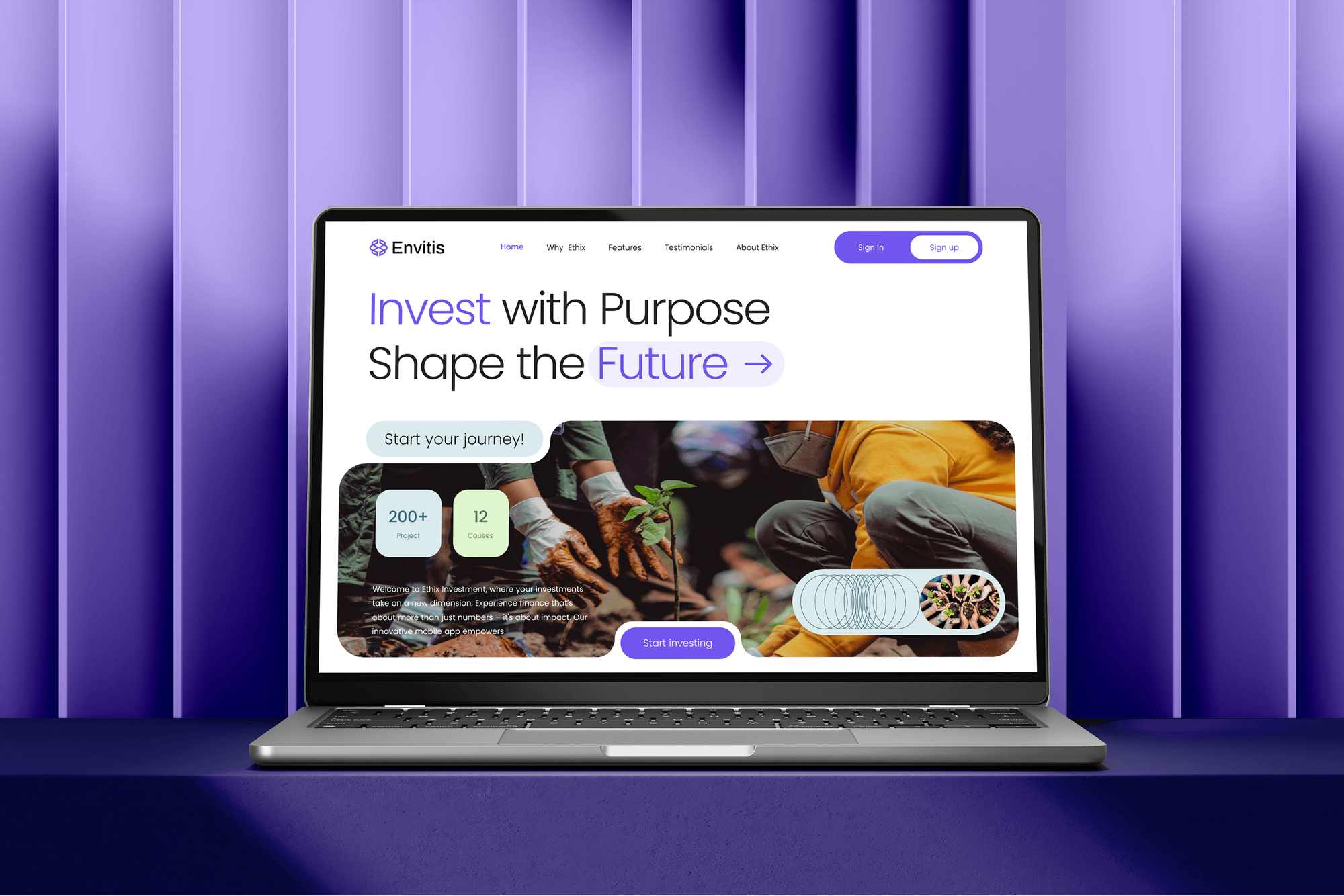
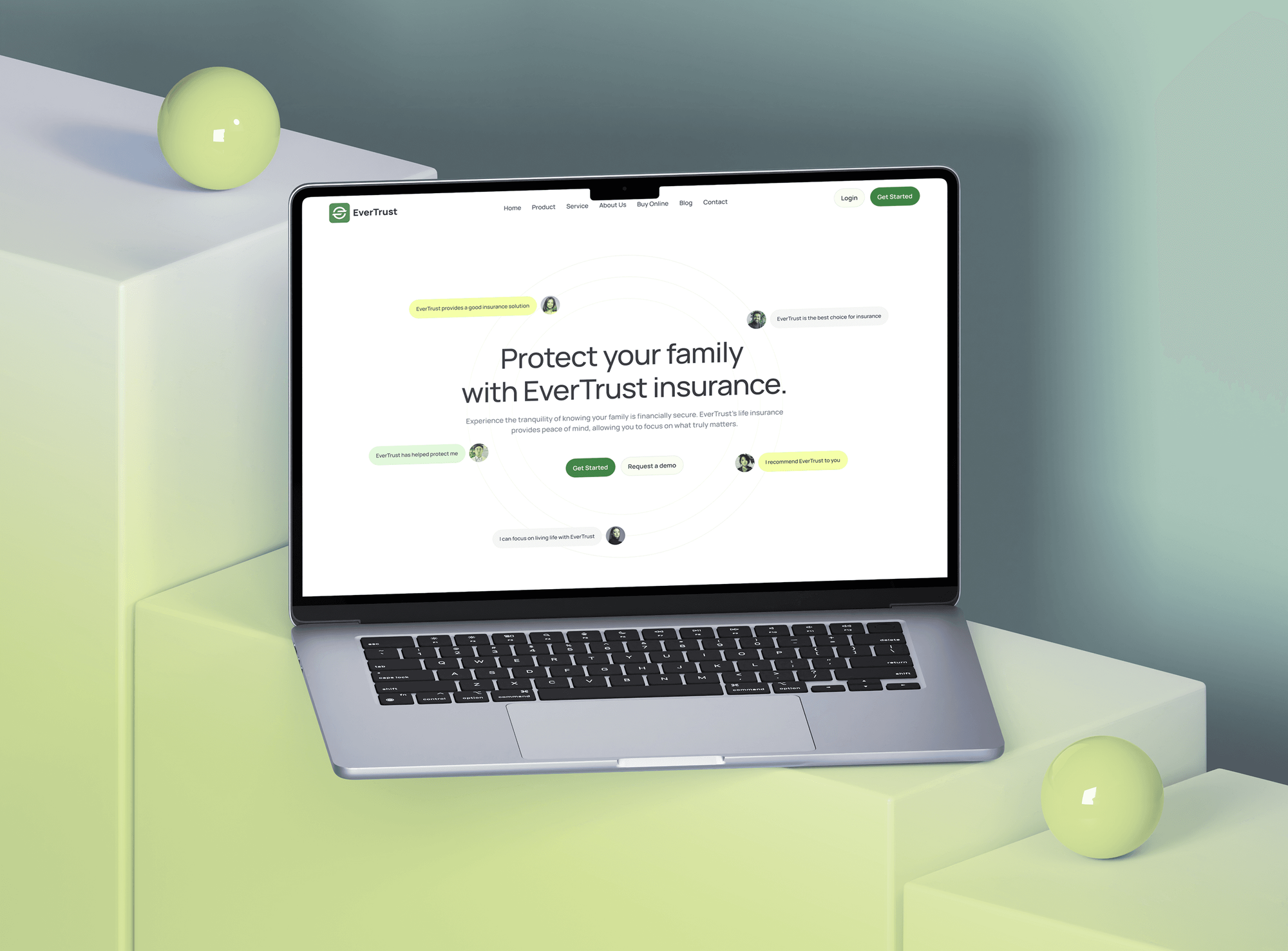
Education, finance, insurance, and community websites our team designed and built, with structured content, user roles, and editorial depth.


What Our Clients Say
Feedback from teams we have built content platforms and websites for.
We had a pretty specific idea of what we wanted our website to become, but I wasn’t sure how easily we could explain all of it to a development team. There were quite a few moving parts, and we were working toward a deadline, so I expected a few things to get lost along the way. That never really happened. They understood what we were trying to achieve, kept us updated throughout the process, and got everything ready within the agreed timeline. The final site feels much easier to navigate, works beautifully on mobile, and is noticeably smoother for our customers. It was a huge relief seeing the original idea actually turn into the website we had in mind.
The mobile experience is probably my favourite part of the new site. We had spent a lot of time making sure the desktop version looked right, and the team kept pushing us to think about how everything would actually feel on a phone too. They were right. The navigation is clean, the interactions feel natural, and everything we’ve tested so far works exactly as it should. They also went through the links, forms, integrations, and other details more than once before launch, which I really appreciated. And even after going live, we could still reach out when something came up. The whole process felt friendly, organised, and surprisingly straightforward.
What I appreciate most is that the website is actually easy for us to manage now. We can update content ourselves instead of sending a developer a message every time we need to change something small. They also paid attention to the technical SEO side, which mattered to us because we didn’t want a new website to create problems for the traffic we already had. I’ve probably asked more questions than I should have since launch, but every question has been handled patiently and without any fuss. The team is easy to work with, they explain things clearly, and when we need something changed, they focus on getting it done rather than making the process complicated.
1,250+
Projects shipped
10+
Years of experience
Top 3%
Upwork Top Rated Plus
5 stars
Average review score

Want results like these?
Tell us what you are building. You get a reply within 24 hours on business days, then a written estimate.
Work Culture
Drupal sites often outlive several teams and several major versions. These habits keep yours upgradeable, secure, and readable for whoever works on it next.
If WordPress or a simpler CMS covers your content and permissions, we'll tell you before you commit to Drupal. Drupal earns its cost on complex sites.
We use well-maintained contributed modules before writing custom ones, and check each project's security coverage. Less custom code means easier upgrades later.
Configuration is exported and reviewed in Git like any other change. Nothing important lives only in the production database, where one click could change it unnoticed.
We plan major upgrades months ahead and track Drupal's release schedule for you. Drupal 10 support ends on December 9, 2026, so many sites need that plan now.
Editors get short guides for workflows and Layout Builder, and developers get notes on every custom module. Knowledge stays with your team.
Code, configuration, and content stay in your repository and hosting account. You can move to another team or host without asking us.
Overview
DeveloperLook provides Drupal development services for organizations with complex content, many editors, or strict permissions. We build content models, custom modules, themes, editorial workflows, and migrations on Composer-managed code. Work starts at $1,450, takes 2 to 16 weeks, and your code and configuration stay in your repository.
DEVELOPERLOOK
Project facts · Drupal Development Services
Reviewed 7 Oct 2026 by Saimul Islam
Good fit
Universities and public sector teams
Your site has dozens of departments publishing content, and each one needs its own permissions and approval steps.
Organizations still on Drupal 10
Your site runs Drupal 10, support ends in December 2026, and you need someone to plan and test the move to Drupal 11.
Publishers with large content libraries
You manage thousands of articles, tags, and authors, and editors need Views and filters that still load quickly.
Teams comparing Drupal partners
You're choosing between a Drupal development agency and a freelancer, and want a clear audit and fixed price before deciding.
Agencies with Drupal clients
Your agency won a Drupal project and needs to hire Drupal developers for the build without adding permanent staff.
Not a fit
Simple brochure site
You need a small brochure site with one or two editors. WordPress is easier and cheaper to run, so see our WordPress Development Services page.
Still on Drupal 7
You're still on Drupal 7 and want to weigh a rebuild on another platform. Our CMS Development Services page compares the options first.
Monthly care only
You only need security updates and small fixes each month. An ongoing support plan fits that better than a fixed-scope project.
Budget under $1,450
Your budget is under $1,450 for a whole new site. Drupal's setup cost is higher, so a managed site builder will serve you better.
Not sure we're the right fit?
Book a free call or message us. We'll tell you honestly whether we're the right team.
Pricing
These are starting points in USD. Your final price depends on the number of content types, custom modules, and integrations, and you get a fixed proposal after a free Drupal audit.
For Drupal sites that need one custom module, a feature, a fix, or a version upgrade.
$1,450one-time, USD
For organizations launching a new Drupal 11 site with structured content and editorial workflows.
$4,400one-time, USD
For larger organizations that need multilingual, multisite, or decoupled Drupal with integrations.
$9,200one-time, USD
For Agencies
You own the client relationship. We supply the Drupal engineering behind it: content models, custom modules, themes, and upgrades. Code goes into the client's repository under your brand, and your team leads the client meetings while we handle the build.
White label: your client only ever sees your brand
Share repository access, the client's goals, and the current module list.
You get the risks, an upgrade path, and a fixed price within a week.
Work tested on staging, released on schedule, and documented for your developers.
Audits, staging links, and release notes carry your agency's brand.
Engineers fluent in Drupal APIs, Twig theming, and Composer workflows.
Fixed prices per content type, module, and integration that you can mark up.
Extra Drupal hands for upgrade season or a large client launch.
The Right Technology for Your Project
We work with Drupal core, well-maintained contributed modules, and standard PHP tooling, so the next developer recognizes everything.
 PHP
 MySQL
 HTML5
 CSS3
 JavaScript
 React
 Next.js
 Docker
 AWS
FAQ
Straight answers on Drupal costs, what developers do, choosing a partner, the Drupal 10 end of life, and code ownership.
Saimul IslamFounder & CEO, DeveloperLookStill have questions?
Send a message or book a call with the team.
Hiring DeveloperLook for Drupal work starts at $1,450 for one custom module, a feature, or a version upgrade on a smaller site. New Drupal sites with structured content and workflows start at $4,400, and multilingual, multisite, or decoupled platforms start at $9,200. You get a fixed price once the free audit is done.
A Drupal feature or upgrade takes 2 to 4 weeks, and a new Drupal site takes 8 to 16 weeks. Content modeling and migration drive most of the time, especially with several languages or many content types. The free audit takes 3 to 5 days and tells you which end of that range to expect.
Drupal development is building and customizing sites on Drupal, an open source PHP CMS built on Symfony components. Developers define content types and fields, write custom modules, build Twig themes, and manage configuration in code. It suits sites with complex content relationships, many editors, and fine-grained permissions.
A Drupal specialist is a PHP developer who knows Drupal's APIs, module system, and theming layer in depth. Good ones also understand content modeling, Composer, and configuration management, because most Drupal problems start in structure rather than code. Some focus on back-end modules, others on front-end theming or decoupled builds.
Day to day, a Drupal specialist builds content types and Views, writes custom modules, themes templates in Twig, and applies core and module updates. They also migrate content, set up editorial workflows, and move configuration between environments with Drush. On a mature site, much of the job is keeping upgrades safe.
Drupal's main benefits are structured content, fine-grained permissions, and built-in multilingual support. Core includes Views, Layout Builder, Content Moderation, and JSON:API, so many features need no extra modules. The trade-off is cost: Drupal takes more development time than WordPress, so it pays off on complex sites rather than small ones.
Choose a Drupal web development company that starts with an audit of your current site and content, not a sales deck. Ask how it manages configuration, how it handles major upgrades, and who owns the code. Also check that it will tell you when WordPress or another CMS would serve you better.
Yes, if you want security fixes after December 9, 2026, when Drupal 10 reaches end of life. Most of the work is checking every contributed module for a Drupal 11 release and removing deprecated code from custom modules. We audit that first, so you know the effort before you commit to a date.
Choose Drupal when you have complex content relationships, many editors with different permissions, or several languages and sites to manage. Choose WordPress when a small team publishes pages and posts and wants lower running costs. We build on both, so the recommendation follows your content rather than our preference.
You do. Custom modules, the theme, and exported configuration live in your Git repository, and the site runs in your hosting account. We hand over Drush commands, deployment notes, and admin access at launch. Your plan includes 30 to 90 days of fixes after release, and later work can be quoted as needed.
Saimul IslamFounder & CEO, DeveloperLookStill have questions?
Send a message or book a call with the team.
Free 30-min callGoogle Meet
Book a call
In 30 minutes on Google Meet we walk you through how we would build it, how long it takes and what it costs. Then you get a written estimate.
Calendar not showing? Book on cal.com or send a brief.