
Project database by market
One CMS collection for every project you've delivered, filtered by market, discipline, client type, and delivery method.

For civil, structural, MEP, and industrial engineering firms: project pages sorted by market, an RFP path, and careers pages that recruit engineers. From $1,350.
2X
More RFP and teaming inquiries
100%
Projects sorted by market
Teams we have built for:














The Problem
It shows up when an agency or developer shortlists firms for a project. Reviewers check your site for similar work, and finding it takes longer than they're willing to spend.
01 · Photo grid
Projects show photos with no client, location, or role.
Every project page lists client, location, your role, services, and year.
02 · PDF-only proof
Your best market experience sits in a PDF.
Market pages pull matching projects from one CMS collection automatically.
03 · Nameless leaders
The leadership page lists names without licenses or project history.
Bios show licenses, registrations, and projects that you confirm before launch.
04 · Stale careers
Engineers find old job posts and a dead link.
Careers pages pull open roles from your applicant tracking system.
A county project manager is building a shortlist for a water treatment upgrade and opens your site between meetings. Your projects page is one grid of photos with no client, location, or role. The water and wastewater work they care about sits in a statement of qualifications PDF. Your leadership page lists names without licenses or project history. An engineer looking for a new job finds an old careers page with a dead link. Both leave, and another firm gets the call.
We start with how you win work: the markets you serve, the disciplines you lead, and who reads your proposals. Every project becomes a CMS entry with client, location, your role, services, delivery method, and year. Pages sort by market and discipline, so a reviewer finds similar work in a couple of clicks. An RFP and SOQ request path reaches business development. Your project data stops living in PDFs.
Projects sorted by market
Your transportation, water, buildings, and industrial work each get a filtered list a reviewer can scan quickly.
Leaders with real credentials
Bios show the licenses, registrations, and project history you confirm, so reviewers see who will do the work.
An RFP path to business development
Requests for proposals, SOQs, and teaming inquiries go straight to the person who answers them.
Our Engineering Firm Website Process
You approve each stage: the project data fields and sitemap, page copy, a clickable design, a staging site with real projects loaded, and the launch checklist.
We review your markets, disciplines, recent proposals, and the projects you cite most often. You get a sitemap, a project data template, and a fixed price for the whole build.
What's Included
Website design for engineering firms here covers proof, people, and pursuits: project pages by market, leadership bios, an RFP path, careers, accessible pages, and a fast build.
Compare Options
AEC templates launch fast with a ready project grid. Generalist agencies write polished copy. Engineering company website design needs both, plus project data that stays current.
| Feature | DeveloperLookBest fit | AEC template | Generalist agency |
|---|---|---|---|
| Planning approach | Markets and pursuits first | Pick a layout | Brand story first |
| Project data | Structured fields per project | Photo grid | Case study pages |
| Market filtering | By market and discipline | Basic categories | Often manual |
| Credentials | Confirmed licenses and registrations | Name and title only | Name and title only |
| RFP and teaming intake | Routed to business development | General contact form | Contact form |
| Time to launch | 4 to 10 weeks | Fastest to launch | Depends on the agency |
| Ongoing updates | Your coordinator adds projects | Easy within template limits | Often billed per change |
| Pricing model | Fixed quote, then hosting | Lowest upfront cost | Retainer or hourly |
Projects We've Built
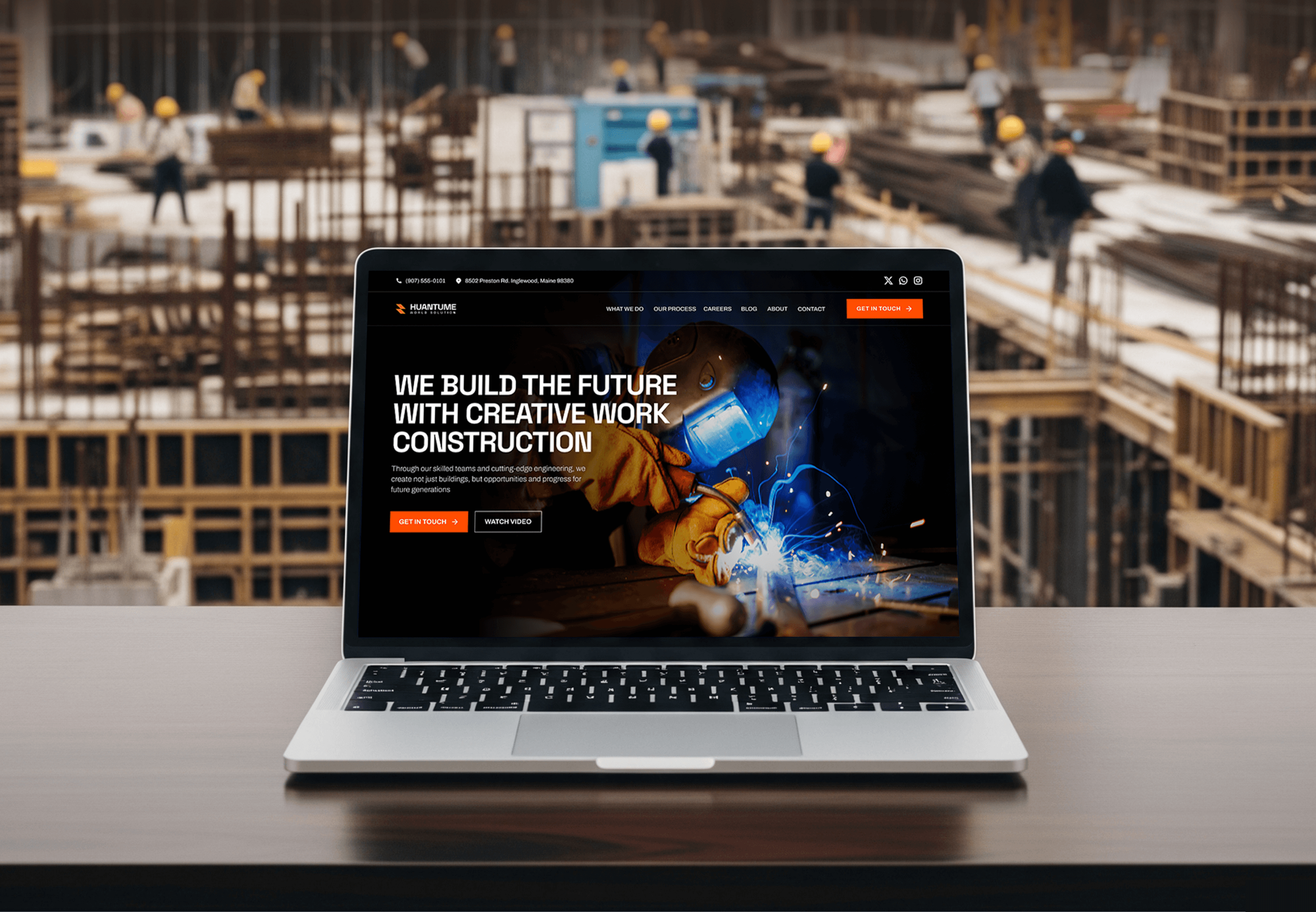
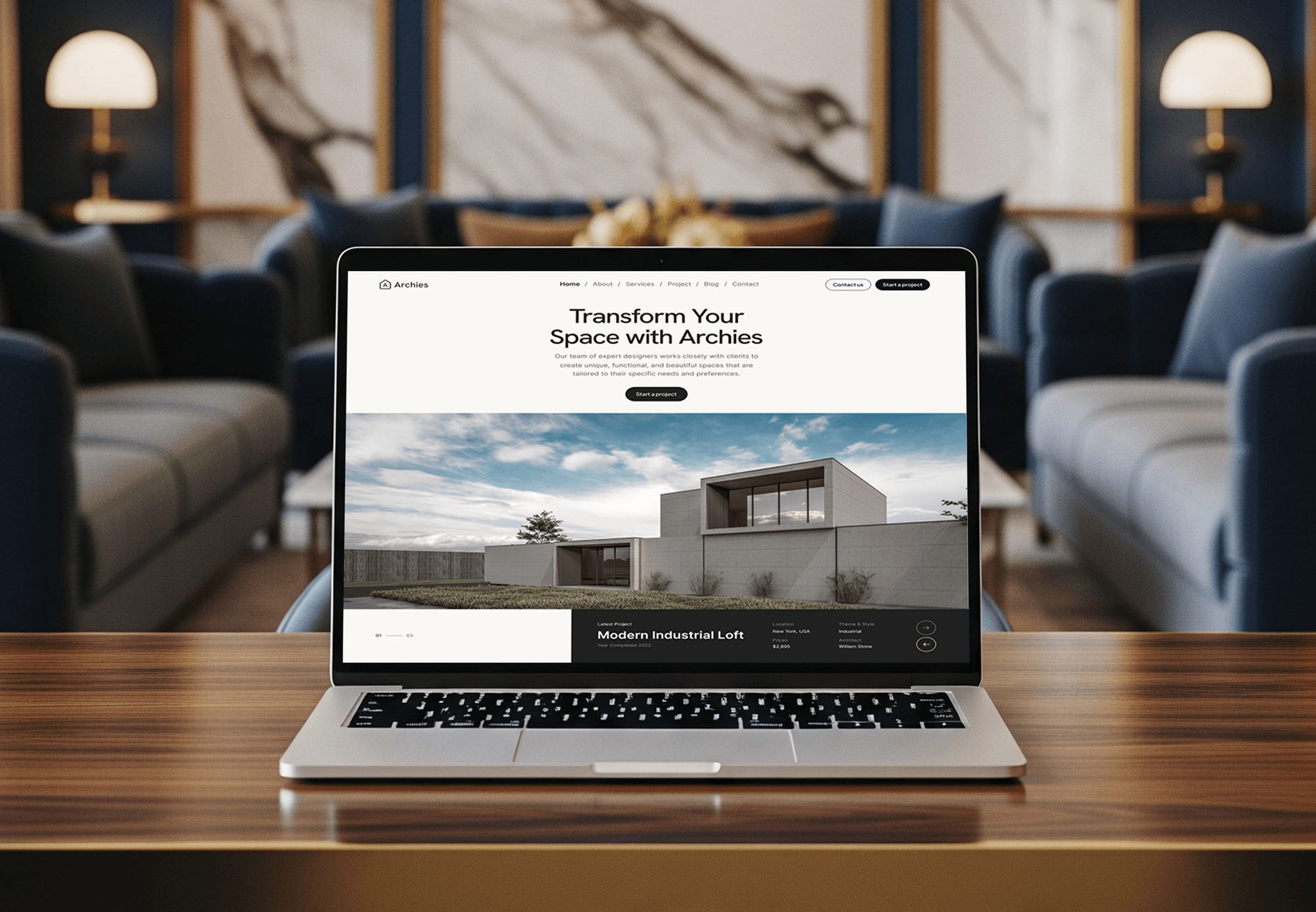
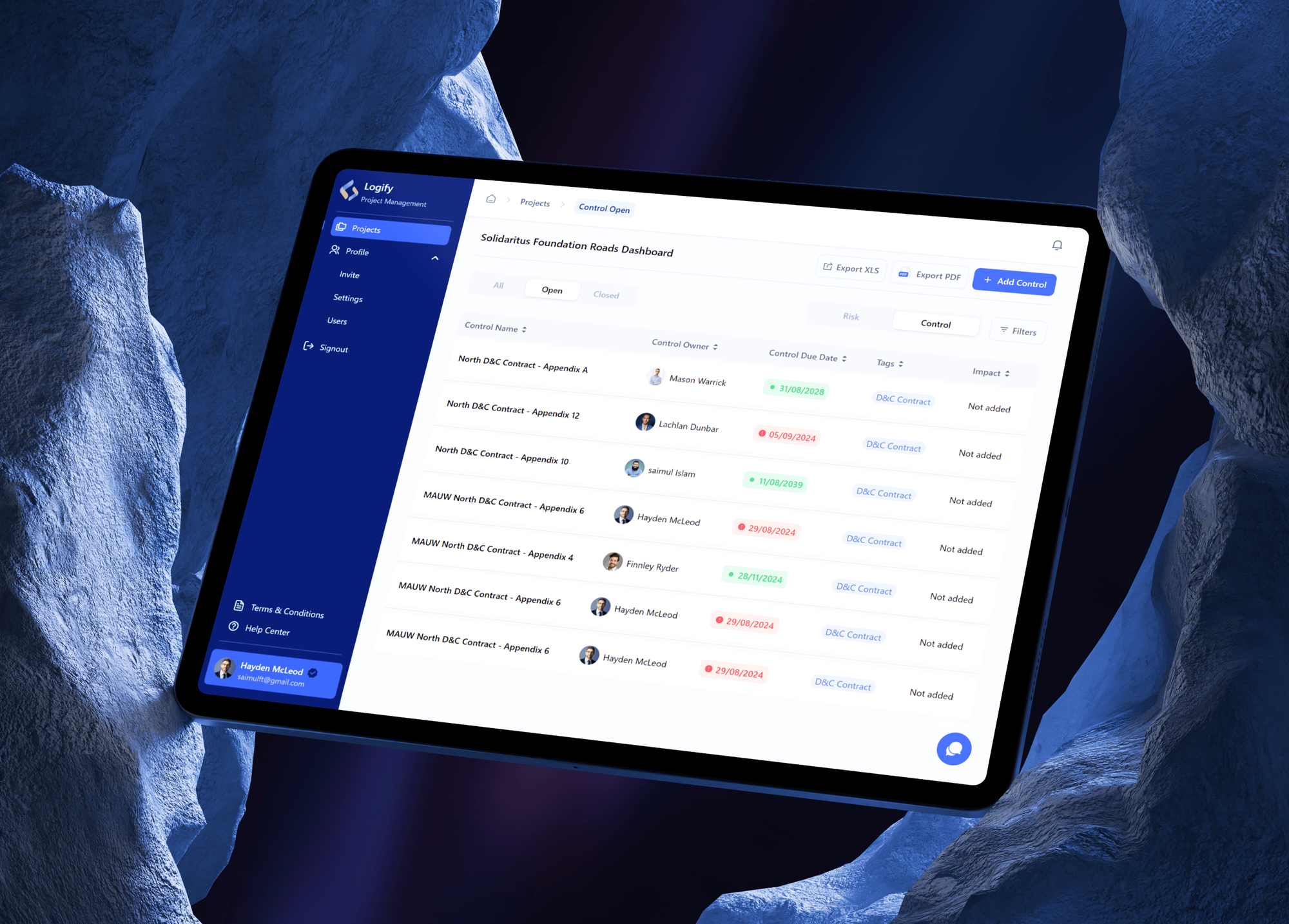
Construction, architecture, and project management builds from our portfolio, with the project sheets, filters, and inquiry flows an engineering site needs.

What Our Clients Say
Feedback from teams we have built websites for.
We had a pretty specific idea of what we wanted our website to become, but I wasn’t sure how easily we could explain all of it to a development team. There were quite a few moving parts, and we were working toward a deadline, so I expected a few things to get lost along the way. That never really happened. They understood what we were trying to achieve, kept us updated throughout the process, and got everything ready within the agreed timeline. The final site feels much easier to navigate, works beautifully on mobile, and is noticeably smoother for our customers. It was a huge relief seeing the original idea actually turn into the website we had in mind.
The mobile experience is probably my favourite part of the new site. We had spent a lot of time making sure the desktop version looked right, and the team kept pushing us to think about how everything would actually feel on a phone too. They were right. The navigation is clean, the interactions feel natural, and everything we’ve tested so far works exactly as it should. They also went through the links, forms, integrations, and other details more than once before launch, which I really appreciated. And even after going live, we could still reach out when something came up. The whole process felt friendly, organised, and surprisingly straightforward.
What I appreciate most is that the website is actually easy for us to manage now. We can update content ourselves instead of sending a developer a message every time we need to change something small. They also paid attention to the technical SEO side, which mattered to us because we didn’t want a new website to create problems for the traffic we already had. I’ve probably asked more questions than I should have since launch, but every question has been handled patiently and without any fuss. The team is easy to work with, they explain things clearly, and when we need something changed, they focus on getting it done rather than making the process complicated.
1,250+
Projects shipped
10+
Years of experience
Top 3%
Upwork Top Rated Plus
5 stars
Average review score

Want results like these?
Tell us what you are building. You get a reply within 24 hours on business days, then a written estimate.
Work Culture
We approach engineering website design like a submittal: structured data, checked facts, and nothing claimed that you haven't signed off. These habits keep your qualifications accurate.
We publish PE licenses, registrations, and certifications only after you confirm each one. A wrong credential on a public site is a problem no design can fix.
Every project gets the same fields, so pages filter cleanly and the data can feed your proposals. Pretty photo grids don't answer a reviewer's questions.
Some clients restrict how their projects are named or shown. We flag public agency and private client mentions so you can check contracts first.
If an AEC template and your coordinator's time cover your needs, we'll tell you before we quote. Small firms often start there.
Domain, hosting, CMS, and every project record stay in your firm's name. If you change vendors, your project data leaves with you.
We design and test to WCAG 2.1 AA, the standard the DOJ set for state and local government websites. Your public clients notice when a vendor's site follows it.
Overview
DeveloperLook delivers engineering website design for civil, structural, MEP, and industrial firms. Each site includes a project database filtered by market, market and service pages, leadership bios, an RFP and teaming path, and careers pages. Projects start at $1,350 and launch in 4 to 10 weeks, with fixed pricing and data you own.
DEVELOPERLOOK
Project facts · Engineering Firm Website Design
Reviewed 8 Oct 2026 by Saimul Islam
Good fit
Civil firms chasing public work
You pursue DOT, municipal, and water district contracts, and you need civil engineering website design that shows similar projects to selection committees.
Structural and MEP consultants
Architects and contractors bring you onto teams, and your site has to prove discipline depth before they list you on a pursuit.
Industrial and process engineering firms
Your clients are plant managers and owners, and they want to see the facilities and systems you've designed, with confidentiality respected.
Firms recruiting engineers and EITs
Hiring is your bottleneck, and your careers page needs to show real projects, mentoring, and the path to licensure.
Firms merging or rebranding
Your firm merged with another practice, and you need two engineering firm websites combined into one brand without losing project history.
Not a fit
Architecture-led practice
Your firm is mainly architects, and design portfolios sell the work. Architecture Firm Website Design covers image-led portfolios and inquiry intake.
General contractor
You build rather than design, and bid invitations matter most. Construction Website Design Services covers RFPs, bid due dates, and trade partners.
Budget under $1,350
Your budget is under $1,350, or a one-page firm overview covers you for now. An AEC template is the cheaper start, and we'll say so.
Proposal software needed
You need software that assembles proposals and SF 330 forms from your data. That's a proposal automation tool, not a website build.
Not sure we're the right fit?
Book a free call or message us. We'll tell you honestly whether we're the right team.
Pricing
These are starting points in USD. Your final price depends on project count, markets, and careers integration, and you get a fixed proposal after a free discovery call.
For small firms that need a credible site with their best projects and a clear way to request proposals.
$1,350one-time, USD
For growing firms chasing public and private work across several markets and disciplines.
$3,300one-time, USD
For firms with several offices or recent mergers that need one site with every project kept.
$6,600one-time, USD
For Agencies
You own the client relationship. We provide the design and build for your engineering clients under your brand. That covers structured project databases, SOQ-ready fields, and careers feeds their HR team can manage.
White label: your client only ever sees your brand
Send the firm's markets, project list, brand files, and the pages they need.
We return a fixed quote, a data entry plan, and one lead developer.
We build, load projects, test the forms, and hand over under your brand.
We stay behind your brand, so the firm relationship remains yours.
We know the SOQs, teaming, and delivery methods your client lives with.
Senior developers build the project database, filters, and integrations.
Take on more AEC clients without hiring another developer.
The Right Technology for Your Project
We build on WordPress or Webflow with a structured project database, then connect the forms and hiring tools your firm already uses.
 WordPress
 Webflow
 Figma
 PHP
 Algolia
 Google Sheets
 Zapier
 HubSpot
 Salesforce
 Cloudflare
 WP Engine
 Lighthouse
 PageSpeed Insights
FAQ
Straight answers on cost, timing, project pages, proposals, and recruiting from an engineering site.
Saimul IslamFounder & CEO, DeveloperLookStill have questions?
Send a message or book a call with the team.
Our engineering firm sites start at $1,350 for 10 pages with 15 projects loaded and an RFP form. Pursuit-ready sites with up to 50 projects and a careers feed start at $3,300. Multi-office builds with up to 150 migrated projects start at $6,600. You get a fixed quote after a free discovery call.
Most engineering sites launch in 4 to 10 weeks. A profile site takes 4 to 5 weeks. Pursuit-ready sites need 6 to 8 weeks, and multi-office builds 9 to 10, mostly because of project migration. Gathering your project data is the slowest step, so your coordinator starts the template in week one while we design.
They should include project pages with client, location, role, and year, plus market and service pages, licensed leadership bios, and an RFP path. Add careers pages with live openings and an internship track. A downloadable SOQ helps, but the web pages should carry the proof on their own.
They share the same data. We structure each project with the fields SF 330 Section F asks for: title and location, year completed, owner, and your firm's role. Your coordinator keeps one record current, then copies it into proposals instead of rewriting it. The site and your submittals stop drifting apart.
Public work rewards proof, so the best engineering website design leads with similar projects and the people who delivered them. Federal agencies select engineers on qualifications first under the Brooks Act, and many states use the same approach. Fast filters, confirmed credentials, and accessible pages help a selection committee shortlist you.
Show them without the details your contract restricts. We can list a project by sector and scope, such as a food processing plant expansion, and leave out the client name, location, or photos. Your principals approve each entry, and some firms keep a password-protected project list for teaming partners.
WordPress with Advanced Custom Fields and Webflow's CMS both handle a structured project database well. WordPress suits firms with their own IT team and hosting rules, while Webflow suits marketing coordinators who prefer visual editing. We recommend one after hearing who will add projects and how many you have.
It should show candidates the work and the career path. Engineers want to see projects they'd join, the mentoring they'd get, and how your firm supports PE licensure. We pull openings from your applicant tracking system, so listings stay current, and add internship and EIT pages for students.
Yes. We migrate projects from your current site, SOQ PDFs, or a spreadsheet into the new project database. Then we redirect old URLs so your shared links and search listings still resolve. Your coordinator checks each migrated record before launch, especially client names, roles, and completion years.
Your plan includes 30, 60, or 90 days of fixes and small changes after launch. After that, your marketing coordinator adds projects, bios, and openings in the CMS, and a care plan can cover updates and backups. The domain, hosting, and project database stay in your firm's name.
Saimul IslamFounder & CEO, DeveloperLookStill have questions?
Send a message or book a call with the team.
Free 30-min callGoogle Meet
Book a call
In 30 minutes on Google Meet we walk you through how we would build it, how long it takes and what it costs. Then you get a written estimate.
Calendar not showing? Book on cal.com or send a brief.