








OCPP charging backend
A central system that handles boot, authorization, transactions, meter values, and remote commands for each charger.

For charge point operators and site hosts: one OCPP backend for every charger brand and one driver app that finds, starts, and bills each session. From $1,350.
24/7
Charger status and fault alerts
100%
Sessions billed automatically
How your project runs
01 · FreeTeams we have built for:














The Problem
It shows up at the charger. Status in the portal is stale, each brand needs its own app, and nobody hears about a fault until a driver complains.
Ghost status
Chargers show available after they've been offline for hours.
Ghost status
Missed OCPP heartbeats flag a silent charger and alert your team.
Two apps
Each charger brand comes with its own app and account.
Two apps
One driver app and one backend for every charger that speaks OCPP.
Manual payouts
Session revenue arrives in separate reports you reconcile by hand.
Manual payouts
Stripe charges each session, and the dashboard shows revenue by site.
Risky updates
A firmware update can take a whole site offline at once.
Risky updates
Firmware goes to small charger groups first, with diagnostics pulled over OCPP.
A driver pulls into your site late at night, scans the QR code, and the app spins. The charger shows Available in your vendor portal, but it's been offline since lunch. Half your chargers come from one maker and run on its cloud. The newer ones speak OCPP to a second system with a different app. Drivers need two accounts, revenue lands in two reports, and your fee grows with every port. When a firmware update bricks a charger, you hear about it from a bad review.
We start with the chargers you already own: their makes, firmware, and OCPP versions. Then we build one backend that talks to every compatible charger, one app your drivers use at every site, and one dashboard for status, sessions, and payouts. Pricing, payments, and receipts run on their own. Firmware updates roll out in small groups with a rollback plan. A bad file stops at the first group, not the whole network.
One backend for mixed brands
Chargers from different makers connect over OCPP 1.6J or 2.0.1 to the same system.
A driver app in your name
Drivers find a charger, start a session, and pay in one app across all your sites.
Faults seen before drivers do
Missed heartbeats and error codes alert your team before a driver reaches a dead charger.
Our EV Charging App Development Process
You see a compatibility map of your chargers before any scope and approve each screen. A pilot site runs real sessions before the rest of your network moves.
We list your chargers by make, model, firmware, and OCPP version, plus your sites and payment needs. You get a compatibility map, a list of chargers that need a firmware update, and a written scope.
What's Included
Your build covers the charging backend, driver apps, pricing and payments, the operator dashboard, and firmware tools. It runs on cloud and store accounts that belong to you.
Compare Options
A hosted CSMS suits operators on supported chargers who like its app, and a vendor cloud works for one brand at a few sites. Here is where each one fits.
| Feature | DeveloperLookBest fit | Hosted CSMS | Vendor cloud |
|---|---|---|---|
| Charger brands | Any OCPP-compliant charger | Models on its supported list | That maker's chargers only |
| Driver app | Your brand and your features | Branded template app | The maker's own app |
| Pricing rules | Built to your tariff | Common pricing models | Basic pricing options |
| Roaming | OCPI endpoints you control | Often included | Rarely offered |
| Time to launch | 7 to 20 weeks | A few weeks | A few days |
| Upfront cost | Fixed price per phase | Low setup fee | Included with the hardware |
| Ongoing fees | Hosting only | Monthly fee per port | Fee per port or session |
| Ownership | You own code and data | Vendor owns the platform | Maker owns the platform |
Projects We've Built
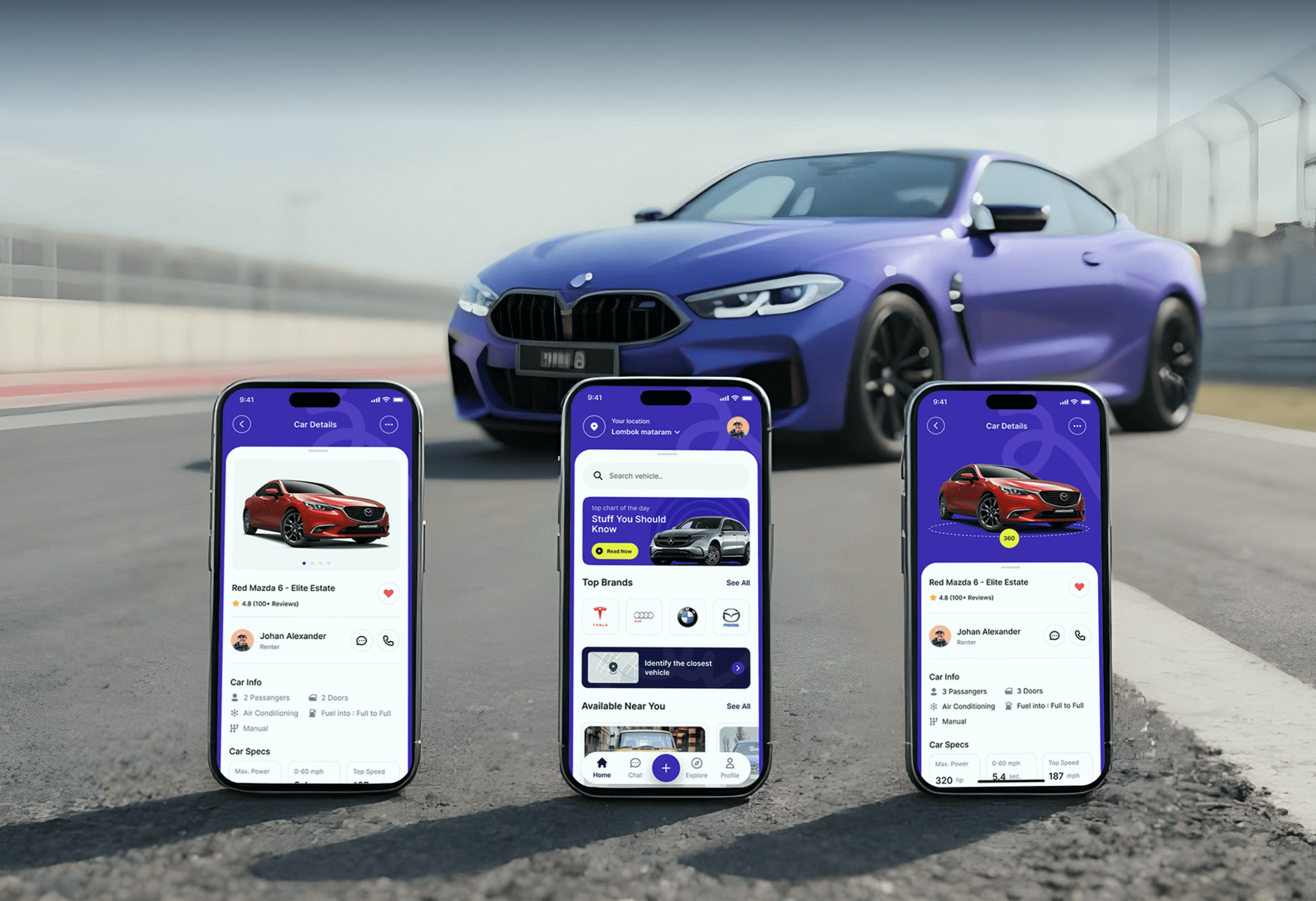
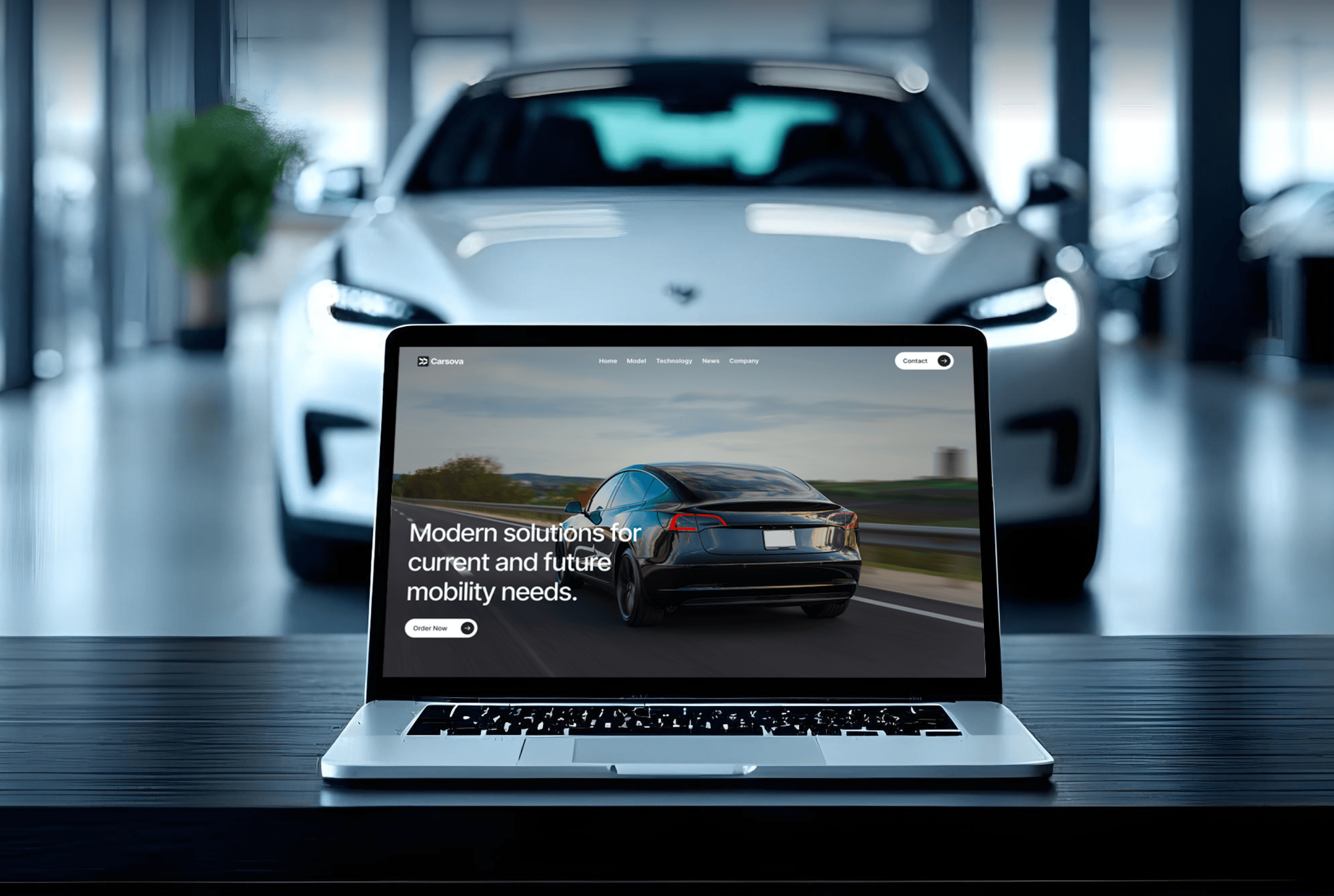
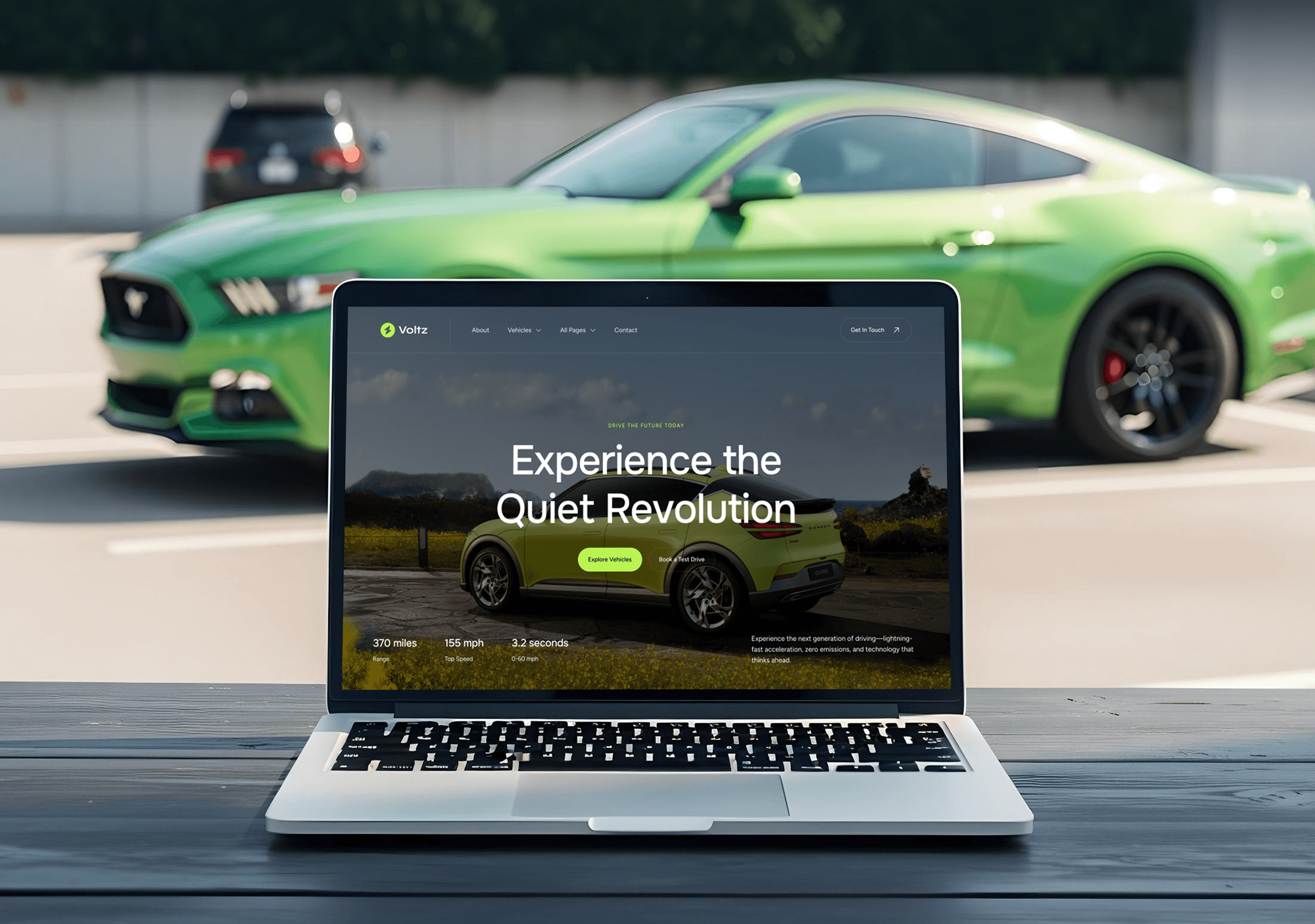
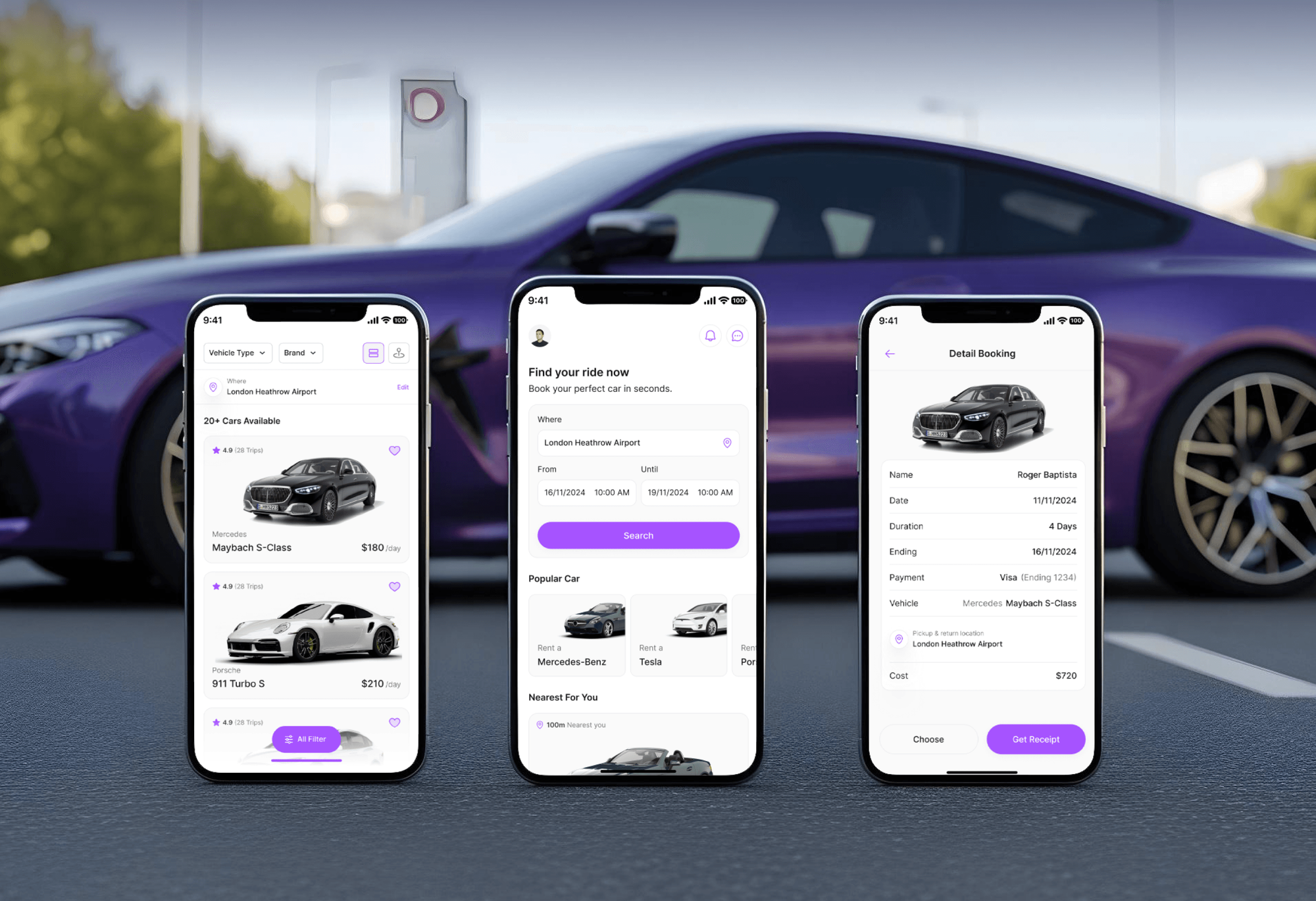
MiCar, Carsova, Voltz, and Rentcar are mobility apps and electric vehicle sites we built. They show our map, booking, and payment work, and none is a charging network.
What Our Clients Say
Feedback from teams we have built mobility apps, booking platforms, and payment flows for.
We had a pretty specific idea of what we wanted our website to become, but I wasn’t sure how easily we could explain all of it to a development team. There were quite a few moving parts, and we were working toward a deadline, so I expected a few things to get lost along the way. That never really happened. They understood what we were trying to achieve, kept us updated throughout the process, and got everything ready within the agreed timeline. The final site feels much easier to navigate, works beautifully on mobile, and is noticeably smoother for our customers. It was a huge relief seeing the original idea actually turn into the website we had in mind.
The mobile experience is probably my favourite part of the new site. We had spent a lot of time making sure the desktop version looked right, and the team kept pushing us to think about how everything would actually feel on a phone too. They were right. The navigation is clean, the interactions feel natural, and everything we’ve tested so far works exactly as it should. They also went through the links, forms, integrations, and other details more than once before launch, which I really appreciated. And even after going live, we could still reach out when something came up. The whole process felt friendly, organised, and surprisingly straightforward.
What I appreciate most is that the website is actually easy for us to manage now. We can update content ourselves instead of sending a developer a message every time we need to change something small. They also paid attention to the technical SEO side, which mattered to us because we didn’t want a new website to create problems for the traffic we already had. I’ve probably asked more questions than I should have since launch, but every question has been handled patiently and without any fuss. The team is easy to work with, they explain things clearly, and when we need something changed, they focus on getting it done rather than making the process complicated.
1,250+
Projects shipped
10+
Years of experience
Top 3%
Upwork Top Rated Plus
5 stars
Average review score
1,250+
Projects shipped
10+
Years of experience
Top 3%
Upwork Top Rated Plus
5 stars
Average review score

Want results like these?
Tell us what you are building. You get a reply within 24 hours on business days, then a written estimate.
Work Culture
Your drivers judge your network in the moment they plug in. These habits keep chargers online, payments correct, and your system free of any single vendor.
We test against a charger simulator, then real chargers from your sites, before any driver sees the app. Vendor quirks in OCPP messages get caught on the bench, not in your parking lot.
We build to the OCPP spec, not to one maker's extensions. Your next chargers can come from any maker and still run on the same system.
Firmware and app updates go to a small group first, with a written rollback plan. A bad release stops at the first wave instead of reaching the whole network.
We build and test OCPP and OCPI support in your system, but we don't certify chargers. Formal OCPP certification is a separate test program, and we'll tell you when you need it.
If a hosted CSMS already covers your chargers and pricing, we'll tell you before we quote. Your own platform pays off once per-port fees or a template app hold you back.
The backend, apps, driver accounts, and session history are yours from day one. Switching charger vendors later doesn't cost you your drivers or their history.
Overview
DeveloperLook offers EV charging app development for charge point operators and site hosts. We build an OCPP backend for mixed-brand chargers, iOS and Android driver apps, pricing and Stripe payments, an operator dashboard, and firmware update tools. Projects start at $1,350, take 7 to 20 weeks, and you own the code and driver data.
DEVELOPERLOOK
Project facts · EV Charging App Development
Reviewed 29 Oct 2026 by Saimul Islam
Good fit
Charge point operators with mixed hardware
Your network runs chargers from two or three makers, and you want EV charging management software that treats them all the same.
Site hosts at hotels, offices, and stores
You host chargers in your parking lot, and you want drivers to pay in an app with your brand instead of a third-party account.
Operators of publicly funded corridor sites
Your sites use NEVI funding, and you need OCPP 2.0.1, OCPI 2.2.1, and uptime reports by port that your state can review.
Charger makers adding software
You make chargers and need EV charging software development services for the companion app and cloud that your buyers now expect.
Agencies with an EV client
Your agency runs marketing for a charging network, and the client now wants a driver app tied to its live charger data.
Not a fit
Fleet depot charging
You need software for charging and running your own delivery or service fleet. Our Fleet Management Software Development page fits fleet operations better.
Building-wide energy tracking
You need meters, building systems, and energy reports across your sites. Our Energy Management Software Development page covers that work.
A few chargers, one brand
You run a handful of chargers from one maker. Its own cloud app costs less, and we'll say so before we quote.
Budget under $1,350
Your budget is under $1,350 for the whole project. A hosted CSMS with its standard driver app is the better start until your network grows.
Not sure we're the right fit?
Book a free call or message us. We'll tell you honestly whether we're the right team.
Pricing
These are starting points in USD. Your final price depends on your charger models, your pricing rules, and roaming, and you get a fixed proposal after a free network review.
For Agencies
You own the client relationship. We supply the engineering behind the driver apps and charging backends your clients ask for, under your brand. You get OCPP work, store releases, and documents your client's operations team can follow.
White label: your client only ever sees your brand
Send the client's chargers, sites, and pricing, and we shape the scope.
You get a fixed proposal in your agency's name and a named team.
We build, pilot at one site, and hand over code, apps, and runbooks.
Send the client's chargers, sites, and pricing, and we shape the scope.
You get a fixed proposal in your agency's name and a named team.
We build, pilot at one site, and hand over code, apps, and runbooks.
The Right Technology for Your Project
We build on stacks your team can host, speak the open charging protocols your hardware supports, and ship both store apps from one codebase.
 Node.js
 Python
 PostgreSQL
 Docker
 AWS
 React Native
 Flutter
 Stripe
 Apple Pay
 Google Pay
Related Services
The energy hub for site-wide meter data, fleet software, mobile app and backend builds, Stripe payments, and security testing for connected chargers.
This page
EV Charging App Development
Pairs with the 6 services around it
FAQ
Straight answers on cost, timelines, building the app and backend, OCPP, updates, NEVI, and ownership.
Saimul IslamFounder & CEO, DeveloperLookStill have questions?
Send a message or book a call with the team.
EV charging software from DeveloperLook starts at $1,350 for a branded driver app on your existing CSMS. An OCPP network platform for up to 100 chargers, with its own backend and operator dashboard, starts at $4,450. Roaming and smart charging for up to 1,000 chargers starts at $9,100. You get a fixed quote after a free network review.
Custom EV charging app development takes 7 to 20 weeks from network review to rollout. A driver app on your existing CSMS takes about 7 to 9 weeks. An OCPP backend with apps runs 12 to 16 weeks, and roaming plus smart charging takes up to 20. App store review adds a few days at the end.
You develop it in two halves: the driver app and the backend the chargers talk to. List your charger models and their OCPP versions first. Then build the backend, test it on a simulator and one real site, and release the app last. Pricing, payments, and support tools all sit on that backend.
You build it around the standards the hardware already speaks. That means OCPP between chargers and the backend, OCPI between networks, and ISO 15118 between the car and the charger. Pick the standard first, build to its spec, and test on real hardware early. Our electric vehicle software development services follow that order on every project.
Software decides whether a charger actually works for the driver. The hardware delivers power, but software authorizes the driver, sets the price, takes payment, reports faults, and keeps uptime records. Good EV charging software catches an offline charger before a driver arrives. Poor software leaves a working charger unusable.
Charger firmware updates go out over OCPP: the backend tells each charger where to download the file, and the charger reports every step back. A careful network updates a small group first, checks their sessions, and then rolls out site by site. App and backend updates ship separately, without touching charger firmware.
EV charging software OCPP integration means your backend handles each charger's messages: boot, heartbeats, authorization, start and stop, meter values, and remote commands. Version matters, since OCPP 2.0.1 adds a device model and stronger security profiles to what 1.6J offers. We test every charger model, because makers read the spec differently.
Yes, as build scope. The NEVI rules in 23 CFR 680 require OCPP 2.0.1 from chargers and OCPI 2.2.1 between networks. They also ask for ISO 15118 support and average uptime above 97% for each port. We build those connections and the uptime reports. Hardware choice, certification, and your state's approval stay with you.
Use a hosted platform when you run a few sites on supported chargers and its standard app fits. Hire an EV charging app development company when per-port fees add up, your chargers come from several makers, or you need features the template app lacks. Many operators start hosted and move later.
You do. The backend, apps, store listings, and driver and session data are yours from day one, and you can export everything. You get 90 days of post-launch support for fixes and small changes after rollout. Our EV charging app development services can also add new charger models as you buy them.
Saimul IslamFounder & CEO, DeveloperLookStill have questions?
Send a message or book a call with the team.
Free 30-min callGoogle Meet
Book a call
In 30 minutes on Google Meet we walk you through how we would build it, how long it takes and what it costs. Then you get a written estimate.
Calendar not showing? Book on cal.com or send a brief.