Hardware inspection
We open your device and look for exposed debug ports, readable storage, and other physical ways into the board.

For product teams shipping connected hardware: we test the device, firmware, companion app, and cloud API as one system, and prove where an attacker gets in. From $1,400.
4layers
Device, firmware, app, cloud
100%
Tested as one system
How your project runs
01 · FreeTeams we have built for:














The Problem
A connected product is four things at once: hardware, firmware, an app, and a cloud API. An attacker only has to beat one of them, and most tests check just a piece.
Readable firmware
Firmware pulled off a chip reveals keys and passwords.
Readable firmware
We extract and review firmware for secrets and weak checks.
Open ports
A debug port on the board gives full device access.
Open ports
We find exposed interfaces and show what they expose.
Trusting device
The device accepts any command without checking the source.
Trusting device
We test whether a spoofed server can take control.
Shared API
The cloud API lets one owner reach another's device.
Shared API
We test ownership on every device and account action.
Your device passed its app security review, so it feels covered. Then someone buys one, opens the case, and reads the firmware off a chip, finding a hardcoded password that opens every unit you ever shipped. Or the device trusts any cloud response, so a spoofed server sends it a command. Or your companion app talks to an API that does not check which user owns which device. A test that looks at only the app, or only the cloud, misses all of this. The attacker holds the hardware in their hands, and they will take it apart.
We test your connected product as one system, the way an attacker with it on the bench would. We examine your hardware for exposed debug ports and readable storage. We pull and review your firmware for secrets and weak update checks, and test the radios your device speaks over. Then we test your companion app and your cloud API that ties it together, including whether one owner can reach another's device. You get proof of each weakness, a rating, and a fix for your hardware and software teams.
Hardware and firmware
We open your device, find exposed debug ports and readable storage, and pull your firmware to review its secrets.
The radios it speaks
We test the protocols your device uses, such as Bluetooth, Wi-Fi, Zigbee, and MQTT, for weak pairing and plaintext data.
App and cloud together
We test your companion app and your cloud API as one, including whether one owner can reach another user's device.
Our IoT Penetration Testing Process
You send device samples and approve the scope, and we test hardware, firmware, radios, app, and cloud. You get proof of each weakness, a ranked fix list, and a retest.
You tell us about your product: the device, its radios, your companion app, and the cloud behind it. We agree the scope and how many sample units you send, and the test window. You sign a written authorization and get a fixed scope and price.
What's Included
You get hardware and firmware testing, radio and protocol checks, companion app and cloud API testing, proof for every finding, a ranked fix order, and one retest.
Compare Options
An app-only test is cheaper and quick, and a large firm carries brand weight for a tender. Here is where each fits an IoT test and where it stops.
| Feature | DeveloperLookBest fit | App-only test | Large firm |
|---|---|---|---|
| Starting cost | From $1,400 | Lower, app only | Quoted per engagement |
| Hardware testing | Debug ports and storage | Not covered | Usually covered |
| Firmware review | Secrets and updates | Not covered | Usually covered |
| Radio testing | BLE, Wi-Fi, Zigbee | Not covered | Sometimes covered |
| App and cloud | Tested as one system | App only | Tested too |
| Device ownership | Checked across accounts | Rarely checked | Usually checked |
| Retest | Rescan anytime | Varies by contract | |
| Best for | Whole connected products | A quick app check | Regulated tenders |
Projects We've Built
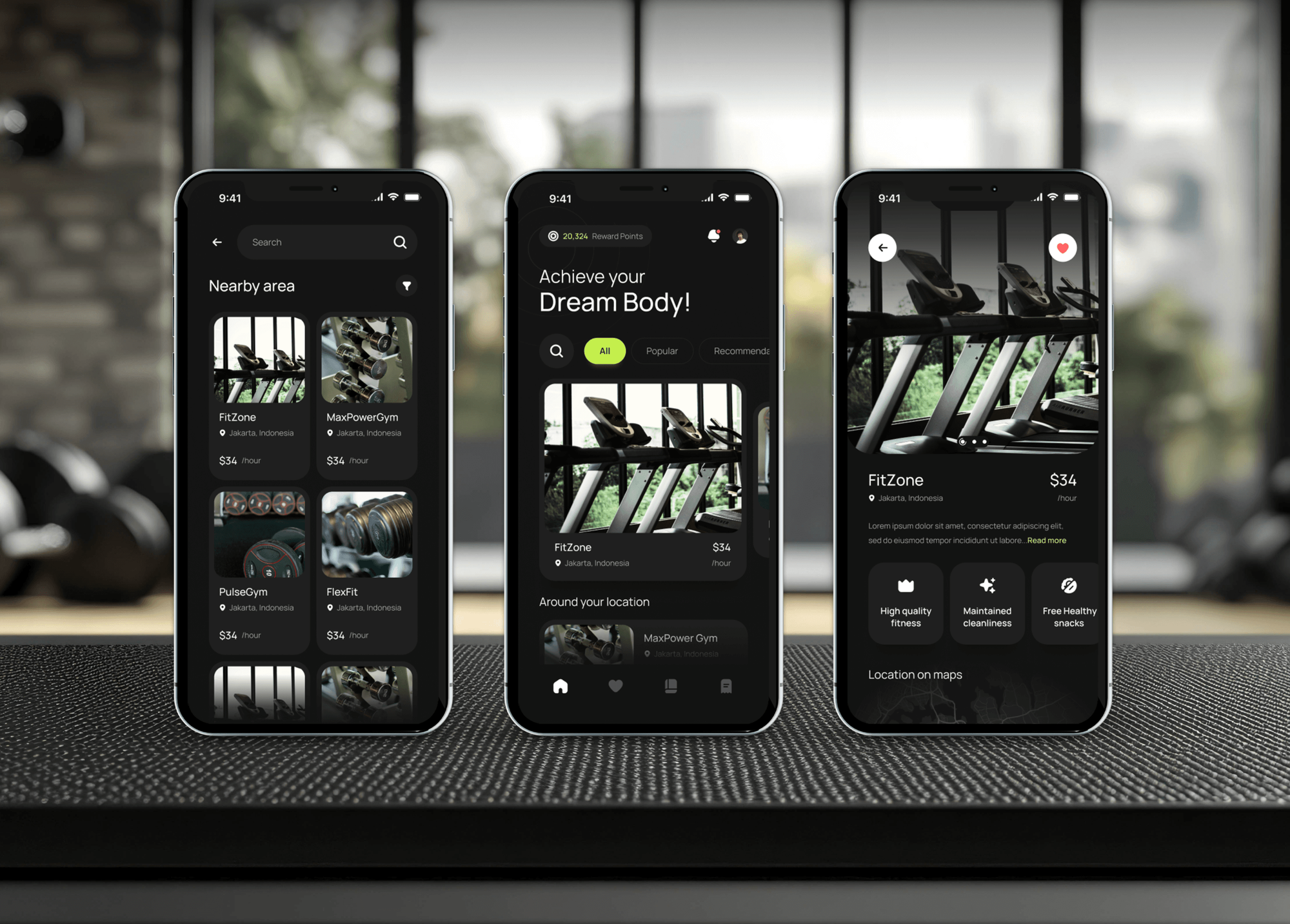
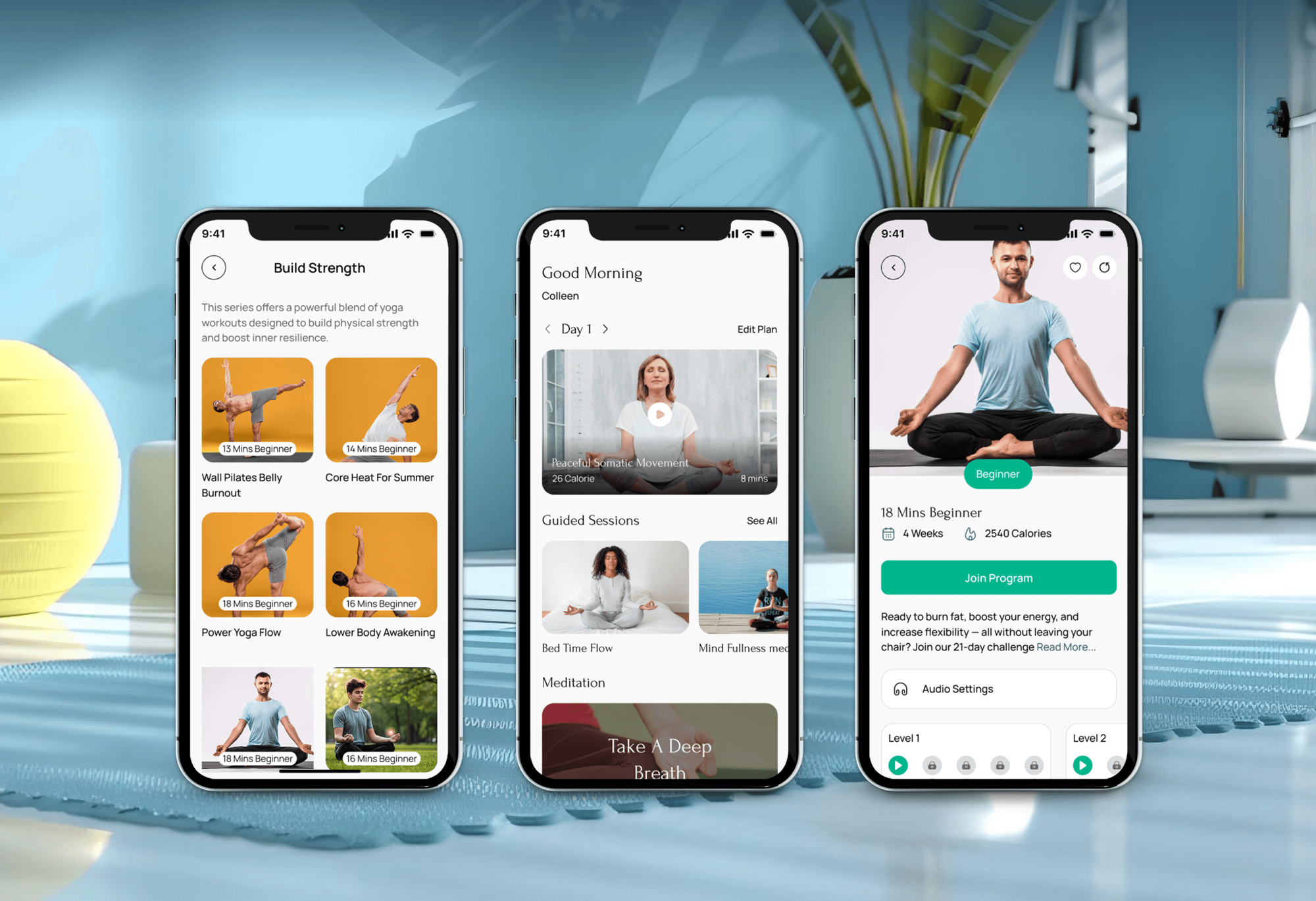
We build and run the apps and platforms behind connected products, so we understand how a device, its app, and its cloud fit together.


What Our Clients Say
Feedback from teams we have built and secured connected product systems for.
We had a pretty specific idea of what we wanted our website to become, but I wasn’t sure how easily we could explain all of it to a development team. There were quite a few moving parts, and we were working toward a deadline, so I expected a few things to get lost along the way. That never really happened. They understood what we were trying to achieve, kept us updated throughout the process, and got everything ready within the agreed timeline. The final site feels much easier to navigate, works beautifully on mobile, and is noticeably smoother for our customers. It was a huge relief seeing the original idea actually turn into the website we had in mind.
The mobile experience is probably my favourite part of the new site. We had spent a lot of time making sure the desktop version looked right, and the team kept pushing us to think about how everything would actually feel on a phone too. They were right. The navigation is clean, the interactions feel natural, and everything we’ve tested so far works exactly as it should. They also went through the links, forms, integrations, and other details more than once before launch, which I really appreciated. And even after going live, we could still reach out when something came up. The whole process felt friendly, organised, and surprisingly straightforward.
What I appreciate most is that the website is actually easy for us to manage now. We can update content ourselves instead of sending a developer a message every time we need to change something small. They also paid attention to the technical SEO side, which mattered to us because we didn’t want a new website to create problems for the traffic we already had. I’ve probably asked more questions than I should have since launch, but every question has been handled patiently and without any fuss. The team is easy to work with, they explain things clearly, and when we need something changed, they focus on getting it done rather than making the process complicated.
1,250+
Projects shipped
10+
Years of experience
Top 3%
Upwork Top Rated Plus
5 stars
Average review score
1,250+
Projects shipped
10+
Years of experience
Top 3%
Upwork Top Rated Plus
5 stars
Average review score

Want results like these?
Tell us what you are building. You get a reply within 24 hours on business days, then a written estimate.
Work Culture
An IoT test touches real hardware and live backends, so how we work matters as much as what we find. These habits keep the test safe and the results useful.
We test only products and systems you own or are authorized to test, under written rules of engagement, agreed in writing before anything starts.
A connected device is hardware, firmware, an app, and a cloud. We test all four together, because an attacker only needs the weakest one.
We test on the sample units you send, not a simulator, so the findings reflect what someone holding your product could actually do.
Each issue comes with the steps to reproduce it on a device, so your hardware and software teams can see it and confirm the fix.
If only the app and cloud carry real risk, we will say so before we quote. A full hardware teardown should earn its cost.
The report, the proofs, and the fix list are yours to keep and share with a buyer, an auditor, or a partner, during and after the engagement.
Overview
DeveloperLook provides IoT penetration testing services for connected products. We test your device hardware and firmware, the radios your device uses, your companion app, and your cloud API as one system. That includes whether one owner can reach another's device. Tests start at $1,400, take 2 to 3 weeks, and you get proof for each finding, a ranked fix order, and a retest.
DEVELOPERLOOK
Project facts · IoT Penetration Testing Services
Reviewed 27 Oct 2026 by Saimul Islam
Good fit
Product teams shipping hardware
You are about to ship a connected device, and you want it tested as a whole before buyers and reviewers take it apart.
Teams facing a buyer review
Your enterprise or retail buyer asked for an IoT penetration test, and you want a report that answers their security questionnaire.
Medical and industrial devices
Your device runs in a clinic or on a factory floor, and you want its firmware, radios, and cloud tested against real attacks.
Teams after a firmware leak
Your firmware was extracted or a hardcoded key was found, and you want to know what else a buyer with a device could reach.
Teams preparing for regulation
You are readying a product for rules like the EU Cyber Resilience Act, and you want a test that maps to recognized IoT standards.
Not a fit
App or cloud only
You only need the mobile app or your cloud API tested, with no hardware. Our Mobile App and API Penetration Testing pages fit that on their own.
No device samples
You cannot send physical sample units for testing. Hardware and firmware work needs real devices, so an app and cloud test may fit better for now.
Certification itself
You need a formal product certification issued, not a test. A certification body does that. We run the test and give you the evidence they ask for.
Budget under $1,400
Your budget is under $1,400, or you want only a quick app check. A focused app or API test is a cheaper first step.
Not sure we're the right fit?
Book a free call or message us. We'll tell you honestly whether we're the right team.
Pricing
These are starting points in USD. Your price depends on how deep the hardware and firmware work goes and how many devices and backends are in scope. You get a fixed proposal after a free scoping call.
For Agencies
You own the client relationship. We supply the IoT testing under your brand: hardware and firmware work, radio checks, app and cloud testing, and a report your account team can present. One partner for the testing, so you can offer device security without a hardware lab.
White label: your client only ever sees your brand
You give us the product, the scope, and the sample units.
We test hardware, firmware, radios, app, and cloud, and prove each finding.
You deliver the report and fix order under your own brand.
You give us the product, the scope, and the sample units.
We test hardware, firmware, radios, app, and cloud, and prove each finding.
You deliver the report and fix order under your own brand.
The Right Technology for Your Project
We test with the hardware and software tools device testers trust, and report so your hardware and software teams can both act.
 Python
 Burp Suite
 AWS IoT
 Azure IoT
 OWASP IoT Top 10
Related Services
Services buyers often add: the pen test hub, mobile app and API testing for your companion app, and a code-level security assessment.
This page
IoT Penetration Testing Services
Pairs with the 6 services around it
FAQ
Straight answers on cost, timeline, what an IoT test covers, and whether we need your devices.
Saimul IslamFounder & CEO, DeveloperLookStill have questions?
Send a message or book a call with the team.
IoT penetration testing services start at $1,400 for one device tested across app, cloud, and basic hardware. A deeper test with firmware extraction and radio work runs $3,400, and a product line with several devices and a shared backend starts at $6,600. You get a fixed quote after a free scoping call that sets the device count and how deep the hardware work goes.
One device usually takes 1 to 2 weeks end to end, with the hands-on work in the middle. A full test with firmware and cloud depth takes 2 to 3 weeks. How long depends on how many devices and variants are in scope. We retest once your teams have applied the fixes, usually within 30 days.
IoT penetration testing, also called IoT pentesting, is a hands-on test of a connected product as one system. Internet of things penetration testing works across the hardware, firmware, radios, companion app, and cloud API, the way an attacker holding a device would. It proves where someone could break in and what they could reach, rather than checking a single layer and assuming the rest is safe.
We test a device the way an attacker with one on the bench would. We open your hardware for exposed ports and readable storage, pull and review your firmware for secrets and weak updates, and test the radios your device uses. Then we test your companion app and cloud API together, including device ownership, and prove each finding on a real unit.
We treat IoT security testing services as one job across four layers: hardware, firmware, radio, and the app and cloud behind them. This full IoT pen testing approach reflects how attacks really happen. We test each layer by hand, then chase how a weakness in one reaches the next, such as a firmware secret that opens the cloud. The report ties the findings together so you see the full path, not four separate lists.
We assess IoT devices against recognized references, including the OWASP IoT Top 10 and the OWASP IoT Security Verification Standard. We check for hardcoded secrets, insecure interfaces, weak update mechanisms, poor radio security, and backend flaws. Each weakness from the IoT security test is proven on a real device and rated by impact. You get a fix your hardware and software teams can act on.
Yes, for the hardware and firmware work. You send us sample units, and we agree how many at scoping, usually two or three so we can open one safely. We can test your companion app and cloud API without hardware. The physical and firmware layers need real devices, since that is exactly what a buyer would take apart.
We map our testing to the OWASP IoT Top 10 and the OWASP IoT Security Verification Standard. We also use ETSI EN 303 645, the European baseline for consumer IoT security. Where you face a regulation like the EU Cyber Resilience Act, we align the test with it. We do not issue a certificate, but the report gives a certification body the evidence they ask for.
Often, yes. We try the paths an attacker would: reading it off the chip, pulling it from an update, or extracting it from the running device through a debug port. Encryption raises the bar but is rarely the whole story, since the key often lives on the device. If the firmware truly cannot be reached, we say so and focus the hardware time elsewhere.
You do. The report, the reproducible proofs, and the fix list are yours to keep and share with a buyer, an auditor, or a partner. You also get a summary letter for a buyer or reviewer who asked for proof that the test was done, during the engagement and after it ends.
Saimul IslamFounder & CEO, DeveloperLookStill have questions?
Send a message or book a call with the team.
Free 30-min callGoogle Meet
Book a call
In 30 minutes on Google Meet we walk you through how we would build it, how long it takes and what it costs. Then you get a written estimate.
Calendar not showing? Book on cal.com or send a brief.